Compact Series 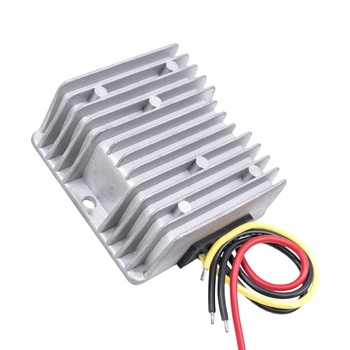
24V to 12V 5A (60W) Step Down Regulator
- Input Range18–35 VDC
- Output Voltage12V DC ±1.5%
- Rated Current5A Continuous
- CasingDie-cast Alloy
IP68CERoHS
Get Catalog 
In modern power conversion infrastructure, the step-down buck converter is more than a simple resistor network or linear dropper. It is the mission-critical link ensuring high-value 12V sensors, telematics, communications, and actuators operate flawlessly from volatile 24V commercial vehicle batteries, solar arrays, and industrial DC buses.
Modern commercial transport, material handling machinery, heavy construction equipment, and marine vessels run predominantly on dual-battery 24V DC systems (typically spanning 20V to 32V under dynamic charging conditions). However, over 80% of vehicle accessories—including automotive GPS trackers, LED signaling arrays, dash cameras, two-way radio base stations, auxiliary audio amplifiers, and precision telematics—are rigorously engineered around nominal 12V DC logic. Operating these sensitive electronics directly from an unregulated or half-tapped battery creates battery imbalance, thermal runaway, and catastrophic overvoltage failure.
Engineered buck topology by Varnix Technology Co., Ltd. eliminates these hazards through synchronous step-down regulation. Our converters utilize pulse-width modulation (PWM) controllers operating at switching frequencies up to 150kHz–300kHz. By replacing passive freewheeling Schottky diodes with low RDS(on) N-channel power MOSFETs, forward conductive losses are slashed from 0.5V to less than 0.05V. This thermodynamic leap prevents wasted battery energy, minimizes internal heat generation, and ensures a rock-solid, ripple-free 12V DC rail even when primary alternator voltages fluctuate during severe engine cranking.
High-frequency synchronous MOSFET switching reduces thermal dissipation dramatically, cutting operational battery drain and allowing fanless convection cooling in tight engine bays.
Components are 100% potted in flame-retardant organosilicon thermal gel inside extruded aluminum enclosures, defending circuits against salt spray, vibration, humidity, and immersion.
Autonomous protection circuits prevent damage from input overvoltage, output short-circuits, transient load dumps, reverse polarity installation, and elevated junction temperatures.
Select the ideal output rating and thermal form factor tailored for your electrical distribution requirements. All units feature universal 18V–36V DC wide-range input tolerance.
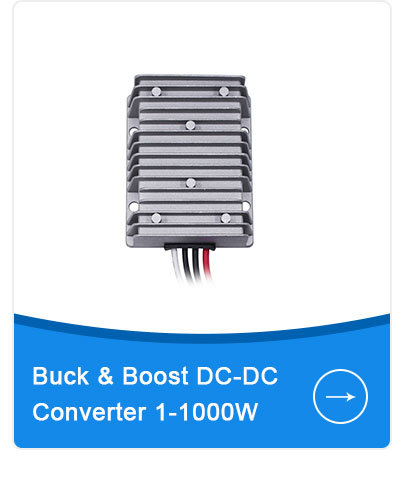

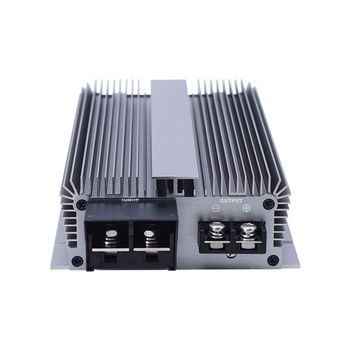
As electrical topologies advance across automotive, telecommunications, and automated warehousing, global supply chain executives must plan for key shifts in product standards.
Traditional silicon MOSFET topologies face thermal limits above 20A in sealed enclosures. Next-generation 24V to 12V step down voltage regulators are rapidly adopting Gallium Nitride (GaN) and Silicon Carbide (SiC) semiconductors. GaN transistors eliminate reverse recovery charge, dramatically reducing switching losses and allowing switching frequencies above 500kHz. This yields a 45% footprint reduction in magnetic inductor cores while pushing peak operational conversion efficiencies beyond 97.5%.
B2B purchasers no longer accept generic power modules that blow fuses during vehicle starter engagement. Procurement specifications increasingly require verified compliance with automotive pulse standards: Pulse 1 (inductive disconnect), Pulse 2a (sudden current interruption), and Pulse 5a/5b (unclamped load-dump transients up to 87V for 400ms). Future-proof sourcing demands built-in bidirectional TVS arrays and active surge-suppression logic boards.
Modern fleet management and automated guided vehicles (AGVs) demand active diagnostic feedback from their auxiliary power converters. The future market is shifting toward micro-controlled DC-DC buck modules integrated with CAN bus (J1939), PMBus, or RS485 communication ports. Fleet computers can now monitor actual auxiliary ampere load, internal substrate temperature, input voltage degradation, and preemptively trigger maintenance before catastrophic failure occurs.
With stringent EU RoHS 3 (Directive 2015/863) and REACH compliance auditing, global importers are screening out chlorinated potting materials and antimony-based flame retardants. Future procurement requires UL94V-0 compliant silicone potting, lead-free solder pastes (SAC305), fully recyclable 6063 aluminum heat-sink enclosures, and transparent supply chain documentation to clear international environmental customs hurdles seamlessly.
Choosing the incorrect conversion topology leads to rapid thermal throttling, unnecessary battery consumption, or bloated project BOM costs. Review the parameters below.
| Performance Parameter | Synchronous Buck Regulator (Varnix) | Linear Step-Down (LDO / Resistor) | Isolated DC-DC Buck Converter |
|---|---|---|---|
| Energy Efficiency (24V In, 12V Out) | 94% – 96.5% (Negligible Heat) | ~50% (50% energy burned as raw heat) | 88% – 92% (Transformer magnetic losses) |
| Thermal Dissipation at 10A Load | P_loss ≈ 5W to 7W (Convection coolable) | P_loss = 120W (Requires massive cooling fan) | P_loss ≈ 12W to 16W (Moderate heat sink) |
| Ground Loop Isolation | Non-Isolated (Common Ground) | Non-Isolated (Common Ground) | Galvanically Isolated (Optocoupler / Transformer) |
| Volumetric Enclosure Size | Extremely Compact (Potted Aluminum) | Extremely Bulky due to massive heat sinks | Medium to Large (Transformer core required) |
| Dynamic Response Speed | Sub-millisecond (<200 µs transient recovery) | Fast (Analog loop), but thermally limited | Moderate (~500 µs loop compensation) |
| Typical Applications | Fleets, Buses, Heavy Mining, Telecom, Robotics | Obsolete for power >0.5A; micro-sensors only | Medical, High-voltage marine, Railway safety buses |
| Unit Cost / Bill of Materials | Optimal Performance-to-Cost ROI | Inexpensive chip, but exorbitant heat sink cost | Higher cost (2.5× to 3.5× premium) |
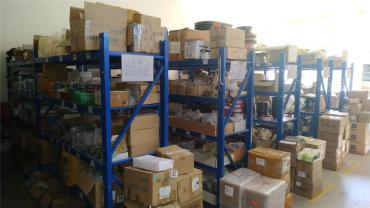
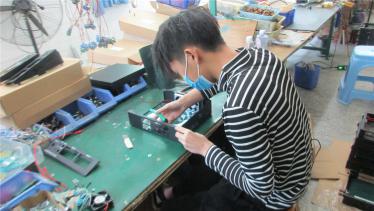
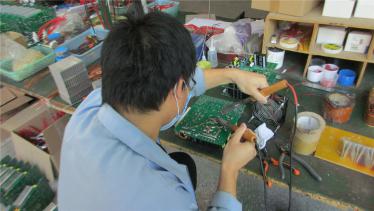
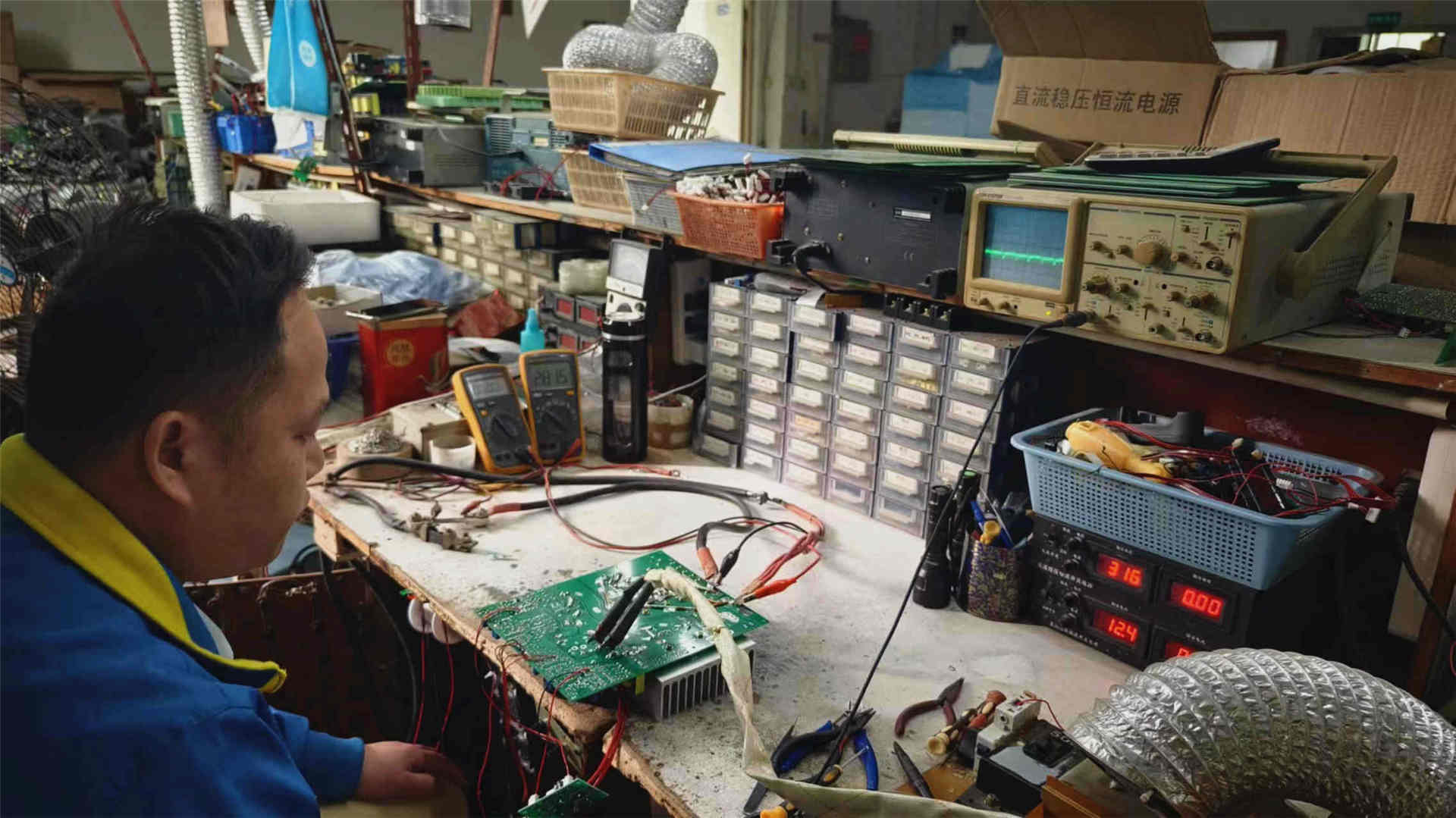
Unlike trading entities, Varnix maintains complete physical control over every production tier within our 1,229 m² SGS-verified Guangdong manufacturing facility.

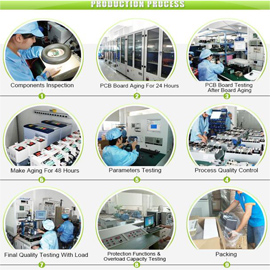

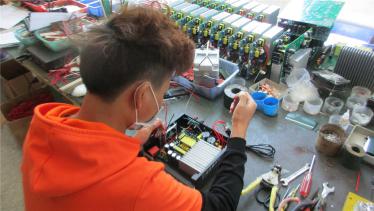
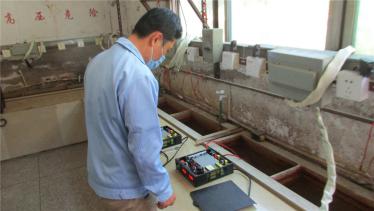
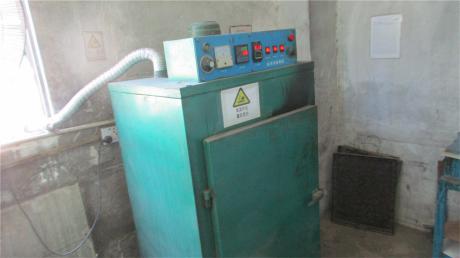
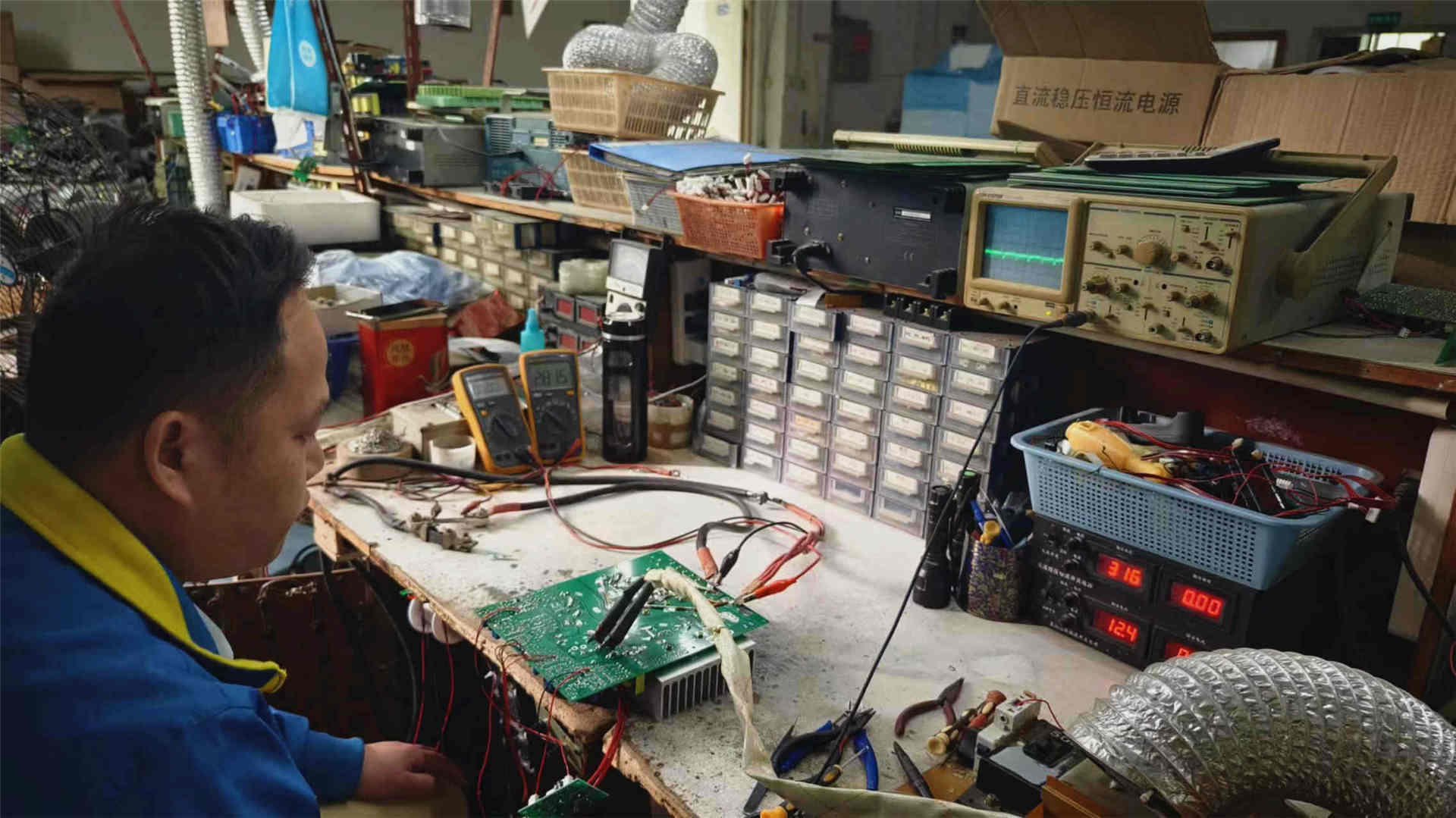
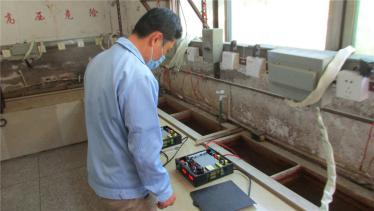
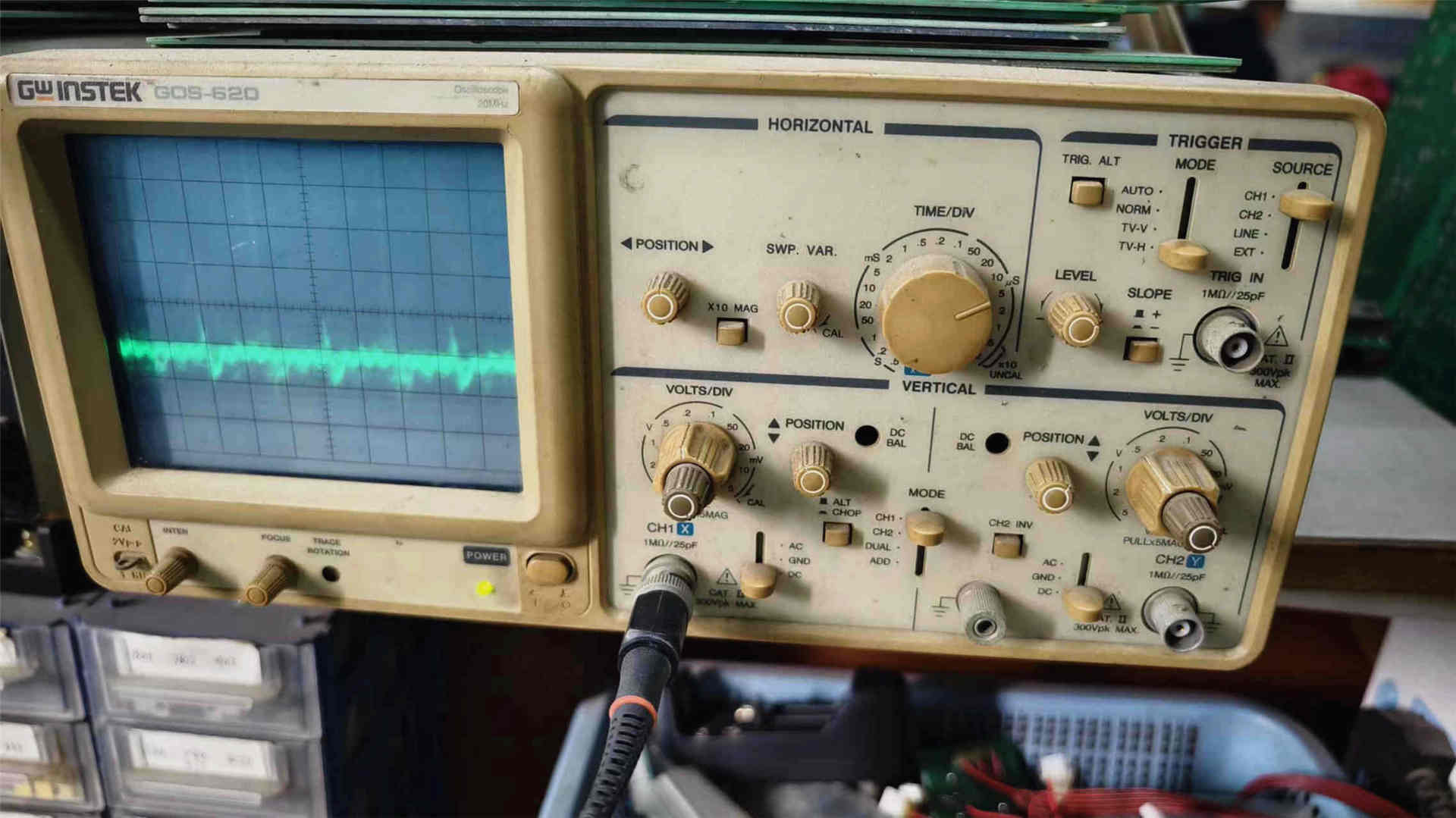
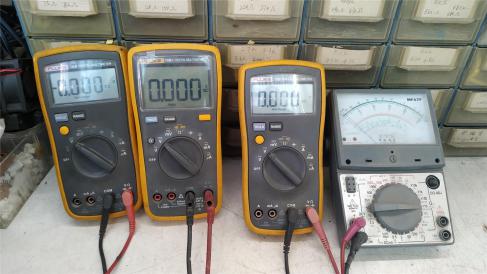
Since 2003, Varnix Technology Co., Ltd. has engineered mission-critical power supplies according to ISO 9001:2015 strict operating standards. Every single 24V to 12V step down voltage regulator undergoes a multi-gate verification pipeline: incoming component qualification (sampling power MOSFETs, low-ESR solid capacitors, and toroidal ferrite inductors), high-speed SMT placement, dual-wave soldering, automated optical inspection, vacuum thermal compound injection, and a mandatory 4 to 8 hour 100% full-load burn-in run inside our temperature-controlled aging chambers.






Clear, unhedged technical answers to the most common queries raised by procurement teams and field application engineers.
The distinction lies in whether the input return (negative ground) is electrically linked with the output return. Non-isolated buck regulators share a common negative rail across input and output. This architecture provides higher conversion efficiency (reaching 95%–96.5%), a much smaller physical enclosure footprint, and a lower bill-of-materials cost. Non-isolated modules are the global standard for automotive chassis, marine auxiliary panels, and common-ground industrial machinery. Conversely, isolated DC-DC regulators incorporate high-frequency internal isolation transformers and optocouplers. This galvanic barrier eliminates circulating ground loops, shields sensitive instrumentation from severe common-mode noise, and prevents primary-side short-circuit damage from bridging onto low-voltage computational logic rails.
Vehicle alternators routinely produce transient overvoltage events known as load dumps when a charging battery is suddenly disconnected, generating high-voltage spikes between 40V and 87V for several hundred milliseconds. Varnix 24V to 12V regulators incorporate multi-stage input filtering, combining heavy-duty transient voltage suppressors (TVS diodes), varistors (MOVs), and 50V–100V high-ripple-current electrolytic capacitors. These clamp input surges safely below the breakdown threshold of our switching MOSFETs. Furthermore, the wide dynamic input range (typically 18V–36V DC) allows output rails to stay firmly stabilized even during sudden cold-cranking voltage sags down to 18V.
In nonsynchronous buck circuits, a standard or Schottky diode serves as the freewheeling component. At high current loads—such as 20A or 30A—even a low 0.5V diode forward drop results in substantial thermal dissipation: P = 0.5V × 30A = 15 Watts burned purely as heat on a single diode. Synchronous rectification replaces the diode with an ultra-low RDS(on) power MOSFET (often below 4 to 6 milliohms). At 30A, dissipation plunges to just 3.6W to 5W. This drastically lower thermal output prevents potting breakdown, extends the operating life of internal electrolytic capacitors, and eliminates the need for noisy, failure-prone mechanical cooling fans.
Thermal management is the defining factor of field longevity in sealed power electronics. Varnix employs die-cast and extruded 6063-T5 aluminum alloys featuring integrated surface heatsink fins. The inner cavities are completely vacuum-infused with industrial two-component organosilicon thermal gel possessing a thermal conductivity rating of 1.5–2.0 W/m·K. This potting compound eliminates insulating air pockets, establishes an efficient thermal transfer conduit directly from MOSFET heat tabs to the aluminum exterior, prevents moisture condensation, and provides IP68 dust and water immersion defense with high vibration resistance.
Yes. Varnix operates dedicated OEM/ODM engineering teams supporting full structural, mechanical, and electronic customization. We can engineer custom output ratings (ranging from 3A to 100A), build dual-output enclosures (e.g., simultaneous 12V and 5V USB outputs), install specific automotive harness connectors (such as Deutsch DT, Delphi, Anderson Powerpole, or sealed screw terminals), provide adjustable output potentiometers (10.5V to 14.5V DC), and silk-screen or laser-etch custom private-label branding, part numbering, and company logos.
Connect directly with the Varnix engineering sales group for customized 24V to 12V buck regulator drawings, test reports, or bulk project price tiers.
[email protected]