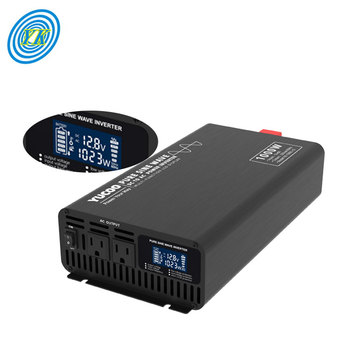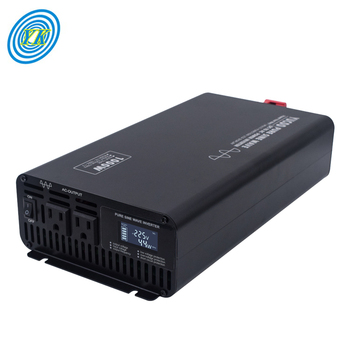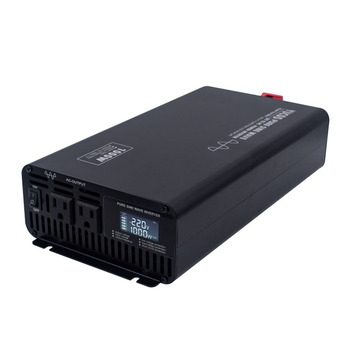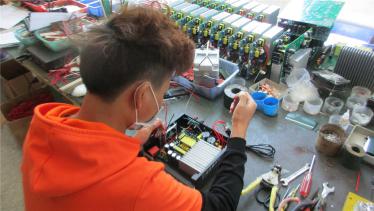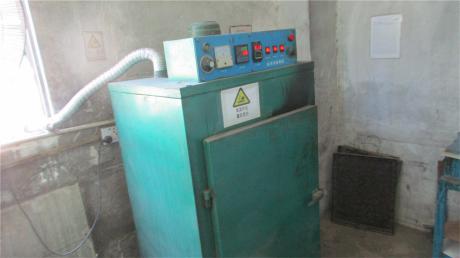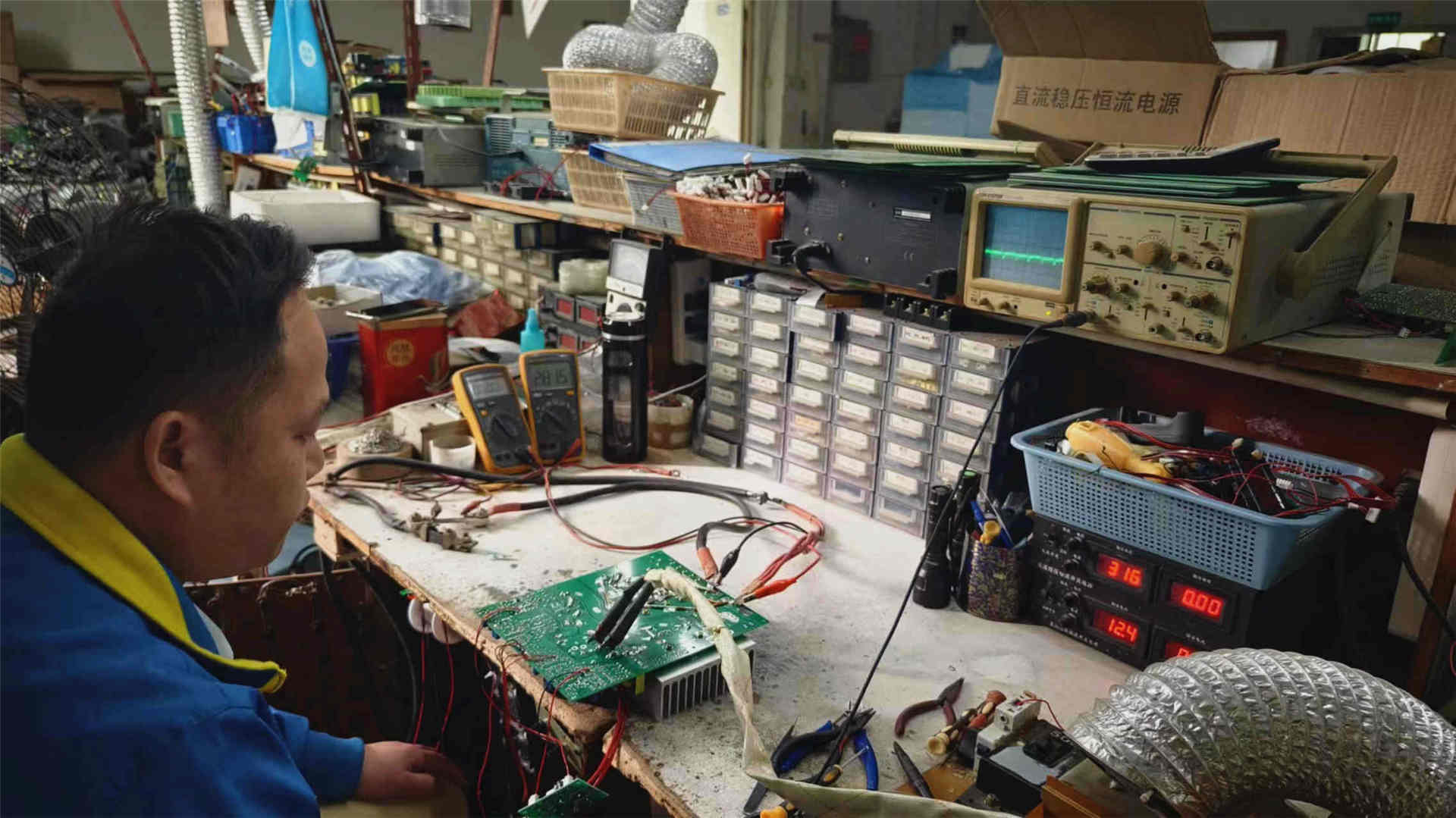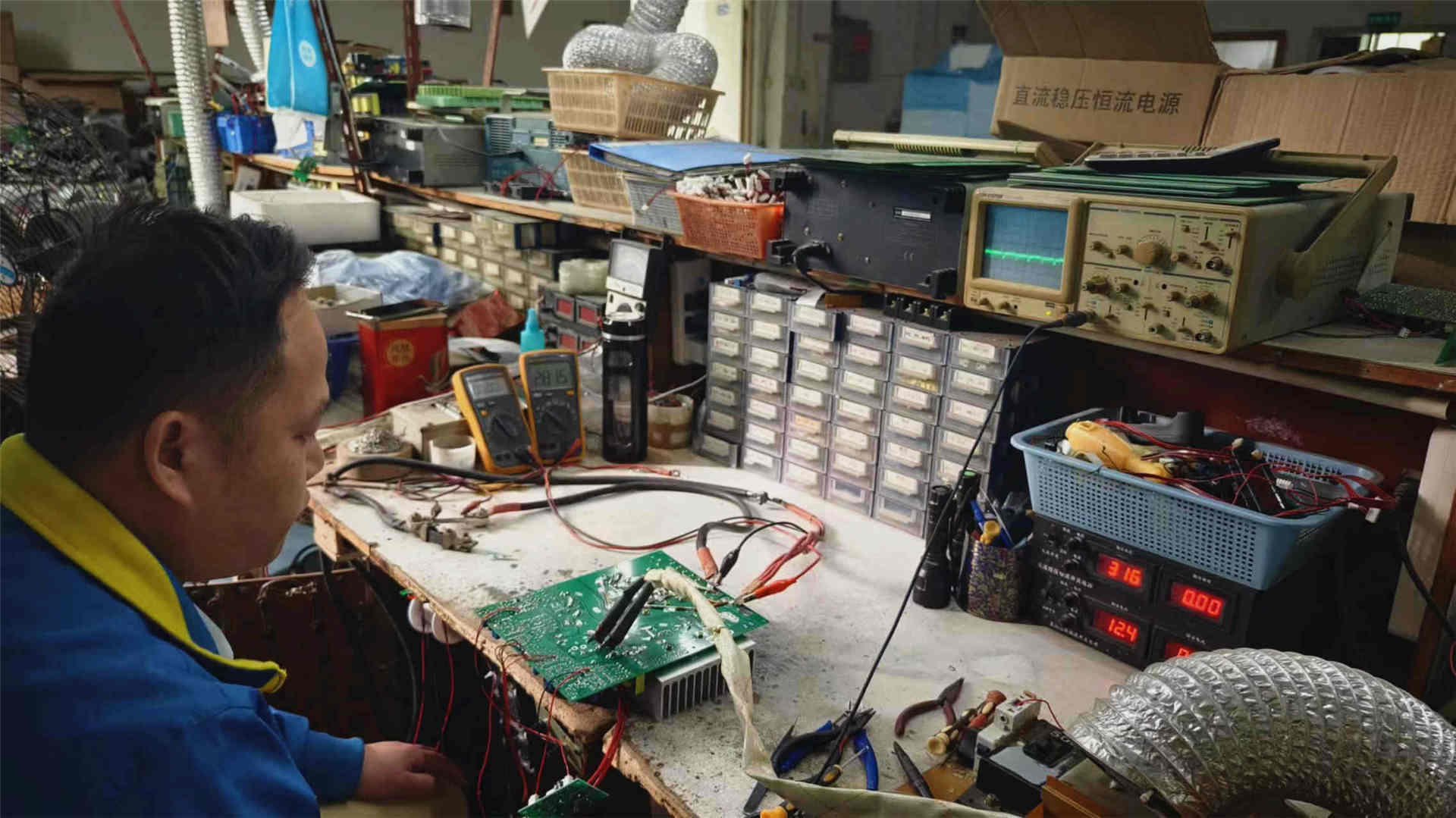
Varnix pure sine wave solar inverter with built-in MPPT production floor
Direct Factory Engineering · ISO 9001:2015

Solar Inverter With Built-in MPPT: The Definitive Engineering & Global Procurement Guide

An authoritative technical analysis for energy contractors, system integrators, and OEM distributors specifying integrated MPPT solar conversion systems.

0+
Years of Power R&D
0.4%
MPPT Tracking Efficiency
0m²
SGS-Verified Plant
0%
Full-Load Burn-In Tested
0/5
Global Buyer Rating
0%
Engineering Response
Deep Technical Analysis

What Global Buyers Must Know About Solar Inverters with Built-in MPPT

Why modern off-grid, telecom, and industrial solar installations have moved permanently to integrated MPPT architectures.

In power electronics design, system efficiency and long-term mean time between failures (MTBF) are dictated by component integration and electrical interconnect overhead. For decades, commercial solar systems coupled a standalone photovoltaic charge controller with a discrete DC-to-AC pure sine wave inverter. While functional, this bifurcated design introduced significant resistive I²R line losses across high-current battery-to-inverter cables, created dual points of failure, complicated system-level thermal dissipation, and introduced grounding loops between mismatched proprietary microcontrollers.

A modern Solar Inverter With Built-in MPPT addresses these systemic inefficiencies by housing the high-frequency Maximum Power Point Tracking buck/boost stage, the central DSP power control processor, and the DC-to-AC full-bridge inverter within a single, thermally optimized chassis. By consolidating power conversion pathways, the built-in MPPT architecture delivers superior dynamic harvesting efficiency (up to 99.4%), unified lithium BMS communication, lower hardware bill-of-materials (BOM), and a substantially reduced physical footprint for critical infrastructure installations.

Engineering Fact: Standard Pulse Width Modulation (PWM) controllers merely clamp solar array voltage to battery terminal levels, forfeiting up to 35% of harvested PV energy during early mornings, late afternoons, and cold overcast climates. A high-speed algorithmic MPPT controller continuously sweeps the P-V characteristic curve to lock in the true maximum power point, transforming surplus voltage into charging amperes with minimal thermal dissipation.
Technical Evaluation

Comparative Engineering Selection Matrix

Detailed performance benchmarks to verify system compatibility prior to issuing purchase orders.

Engineering Criterion Inverter With Built-in MPPT (Varnix) Separate Inverter + External MPPT Low-Cost Built-in PWM Inverter
Energy Harvesting Yield Optimal (98.5% - 99.4% Dynamic Tracking) High (97.0% - 98.5%), hindered by cable drop Poor (drops 20% - 35% PV potential)
System Wiring & Assembly Cost Minimal: Internal DC bus, single chassis hookup High: External busbars, fuses, extra DC cables Low: Integrated chassis but high array wiring
Thermal Control & Heat Sinking Unified forced air with smart thermal ducting Dual heatsinks, decentralized airflow patterns Prone to overheating under high ambient heat
BMS & Microcontroller Integration Unified MCU; simultaneous MPPT & AC sync Requires dual protocol bridges and sensors Usually unsupported; voltage thresholds only
PV String Input Voltage Flexibility High-voltage options up to 450V - 500VDC Varies widely depending on controller chosen Strictly clamped to battery voltage (18V-36VDC)
Warranty, Spare Parts & Support Single factory accountability (Varnix ISO 9001) Split warranties between multiple vendors Short lifespan, unverified repair logistics

Critical Formula: Calculating MPPT Array Sizing & Temperature Voc

Purchasers frequently miscalculate array open-circuit voltage at extreme cold temperatures, destroying the internal MPPT buck input stages. Always calculate the maximum string Voc using local historical low temperatures:

Voc_max = Voc_stc × [1 + (T_min - 25°C) × Coeff_Voc]

Ensure Voc_max never exceeds 90% of the inverter's maximum DC input rating to prevent catastrophic over-voltage breakdown.

Total Continuous & Inductive Peak Surge Sizing

Motors, compressor-driven refrigeration, deep-well water pumps, and air conditioning equipment generate inrush startup spikes lasting 100ms–2000ms. Sizing must account for inductive reactive load multipliers:

Inverter Continuous Watts ≥ Σ Resistive Watts + (Σ Inductive Watts × 3.0)

Varnix pure sine wave inverters are engineered with heavy-duty toroidal inductors and robust MOSFET output stages capable of withstanding 200% peak surge power for 10 full seconds.

Production Excellence

Manufactured by Varnix Technology Co., Ltd. Since 2003

Over two decades of precision manufacturing across high-frequency power electronics and integrated MPPT solar equipment.

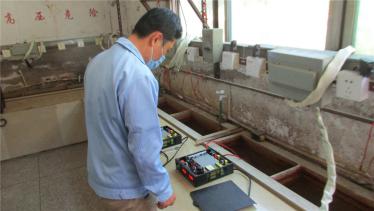
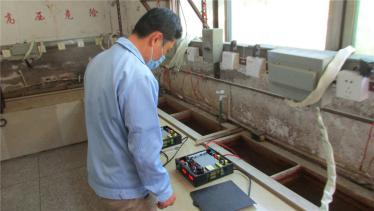
Varnix Finished Goods Warehouse for Solar Inverters Varnix Assembly Line 1 Varnix 100% Aging Test Racks
23+Years
Enterprise Heritage

Precision Engineering & Uncompromised Integrity

Varnix Technology Co., Ltd. operates a state-of-the-art 1,229 m² production facility in Guangdong, China. Verified onsite by SGS Group, our facility accommodates 10+ modernized production lines encompassing raw material testing, high-precision surface mounting, manual through-hole soldering, structural assembly, multi-stage function checks, thermal curing, and 100% full-load burn-in aging procedures.

Unlike trading middle-tier assemblers, our engineering team manages the complete hardware, firmware, and thermal engineering lifecycle. From high-frequency transformers to MPPT software algorithms, our systems are manufactured under stringent ISO 9001:2015 quality management standards and conform to CE, RoHS, and FCC international directives.

  • 100% Full-load burn-in aging screening
  • ISO 9001:2015 certified quality systems
  • SGS Group onsite factory inspection
  • CE, RoHS, and FCC testing certifications
  • Flexible OEM/ODM engineering customization
  • 24/7 dedicated engineering customer service

“Precision in engineering, reliability in extreme environments.”

Factory Traceability

End-to-End Quality Verification Flow

Every solar inverter with built-in MPPT is subject to rigorous physical, electrical, and thermal inspection stages inside our facility.

Purchaser Advisory

Frequently Asked Questions on Solar Inverters With Built-in MPPT

Answers to technical, operational, and commercial queries asked by solar EPCs and B2B buyers worldwide.

Why should B2B buyers specify a solar inverter with built-in MPPT instead of separate components?

Integrating the Maximum Power Point Tracking charge controller directly into the pure sine wave inverter chassis eliminates external DC interconnect cables, reduces overall line impedance, unifies firmware control under a single dual-core DSP, and reduces total system installation labor by up to 35%. It also establishes single-source manufacturing accountability for the entire power system.

How does built-in MPPT efficiency influence the Levelized Cost of Energy (LCOE)?

An advanced built-in MPPT controller tracking at 99.4% dynamic efficiency extracts between 20% and 30% more energy from identical PV modules compared to legacy PWM systems, particularly under sub-optimal conditions like morning twilight, late afternoon, high heat, and partial cloud coverage. Over a 10-to-15 year equipment lifecycle, this increased harvest significantly improves ROI and drives down the LCOE.

What thermal management features should be evaluated in integrated MPPT inverters?

Since integrated units house both high-frequency DC-DC boost circuitry and DC-AC H-bridge stages within the same housing, buyers must look for independent airflow tunnels, oversized extruded aluminum cooling fins, dual PWM ball-bearing fans, and thermal sensors with dynamic derating algorithms that prevent catastrophic shutdown in ambient temperatures up to 50°C.

Are Varnix solar inverters compatible with all battery chemistries?

Yes. Varnix Technology Co., Ltd. programs its inverters with flexible multi-stage charging profiles (Bulk, Absorption, Float, Equalization) compatible with sealed lead-acid, flooded, GEL, and AGM batteries. Furthermore, native CAN and RS485 communication protocols handshake directly with modern Lithium Iron Phosphate (LiFePO4) Battery Management Systems (BMS) for real-time voltage and current regulation.

What specific electrical tests are executed before factory release?

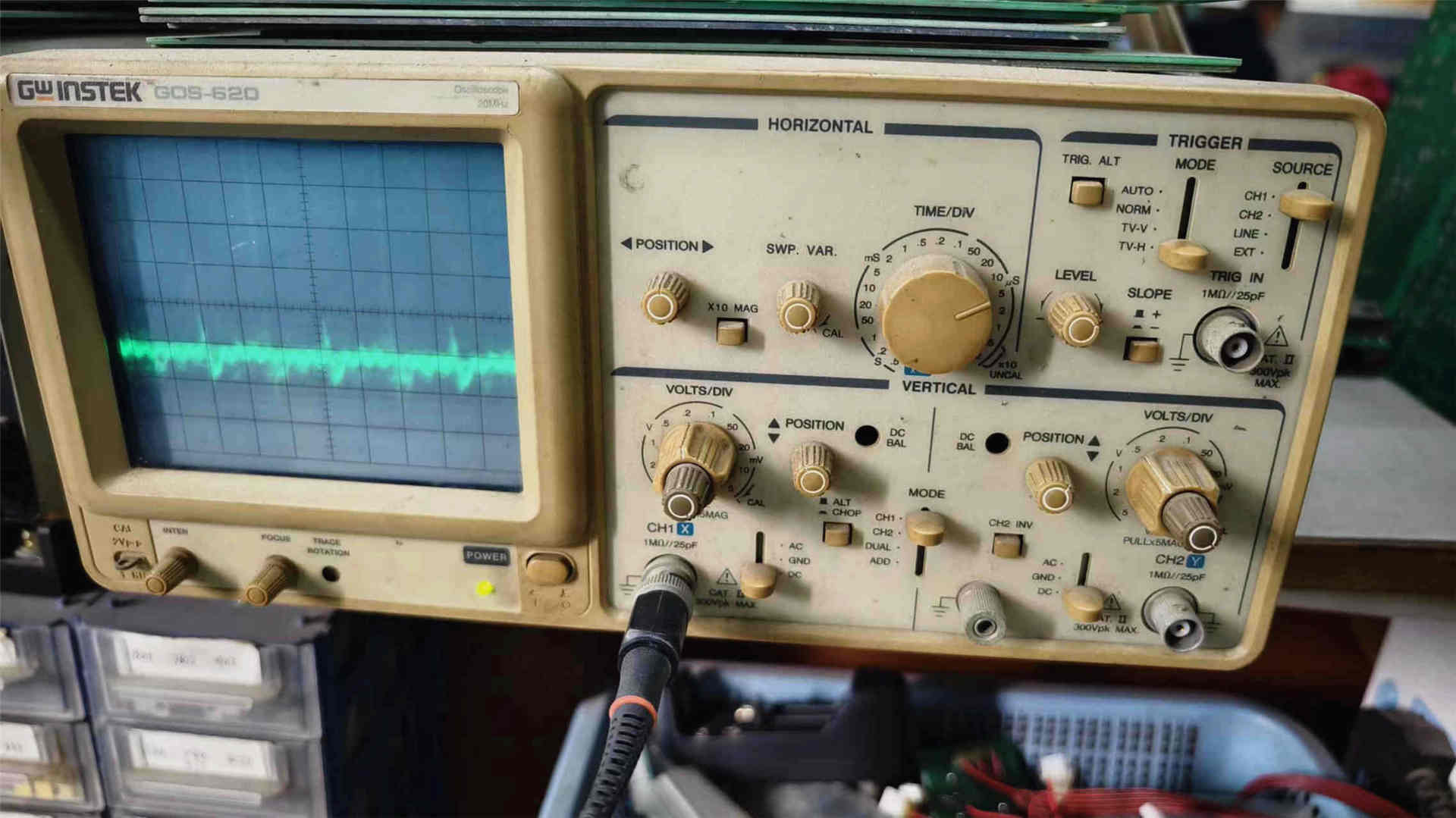
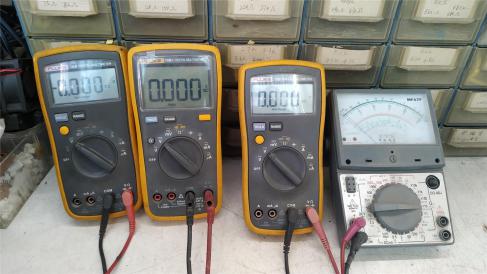
At Varnix Technology Co., Ltd., 100% of manufactured units undergo incoming component inspection, automated optical and manual solder inspection, oscilloscope AC waveform total harmonic distortion (THD) checks (<3%), 4-to-8 hour full-load burn-in aging tests inside temperature-controlled rooms, and high-voltage dielectric isolation testing before packaging.

Can Varnix support custom input voltage and power rating requirements (OEM/ODM)?

Yes. Varnix Technology Co., Ltd. provides full custom engineering services. We can configure specialized DC input voltages (12V, 24V, 48V, 72V, 96V, or high-voltage 220VDC bus), wide MPPT voltage windows (up to 500VDC), custom AC output voltages (100V to 240VAC at 50/60Hz), customized enclosure colors, private branding, custom LCD logic, and specific packaging standards.

Ready to Procure Solar Inverters With Built-in MPPT?

Contact our application engineering team today to review your project parameters, receive factory-direct wholesale pricing, or discuss bespoke OEM/ODM manufacturing contracts.

[email protected]
Get a Quote