Procurement Knowledge Base Frequently Asked Questions on Power Inverter Sourcing
Authoritative technical answers to common queries submitted by international procurement officers, electrical engineers, and distributor buyers.
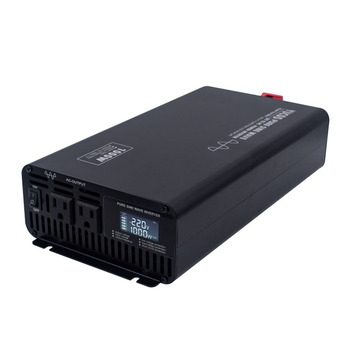
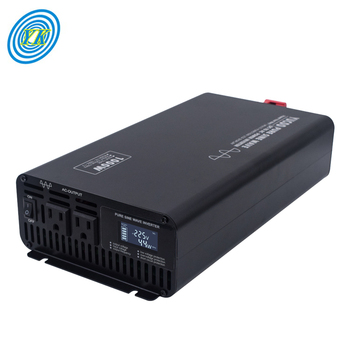
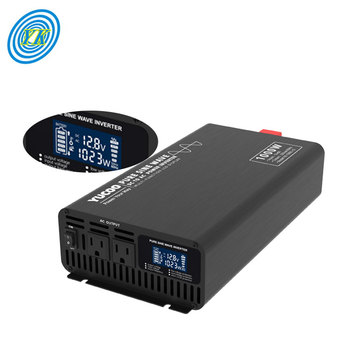
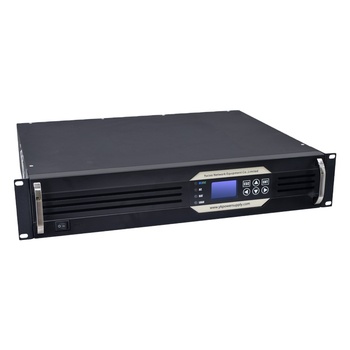
Why is an integrated LCD display critical when procuring commercial-grade power inverters?
An integrated LCD screen transforms a blind electrical converter into an active diagnostic node. Conventional LED status lights only report binary conditions (power OK or fault triggered). A multi-segment LCD provides real-time DC bus voltage, precise AC output wattage, load percentage, internal thermal heatsink temperatures, and explicit fault codes (such as low battery shutdown, DC bus overvoltage, inverter overload, short circuit, and thermal trip). This telemetry eliminates troubleshooting guesswork, protects expensive battery banks from deep discharge cycles, and slashes warranty claim turnaround times for fleet operators and OEM distributors.
What technical criteria differentiate industrial pure sine wave inverters from cheaper modified sine wave alternatives?
Pure sine wave inverters synthesize an AC output waveform with total harmonic distortion (THD) under 3%, matching or exceeding standard utility grid power. Cheaper modified sine wave units produce rough, stepped waveforms with THD exceeding 20-30%. Inductive and capacitive loads—including brushless compressor motors, medical diagnostics, telecommunication transceivers, CPAP units, and modern micro-controller appliances—overheat rapidly, emit audible acoustic buzz, suffer severe thermal dissipation losses, and often fail catastrophically when driven by modified sine wave inverters.
How does Varnix Technology Co., Ltd. validate power inverter reliability before international shipment?
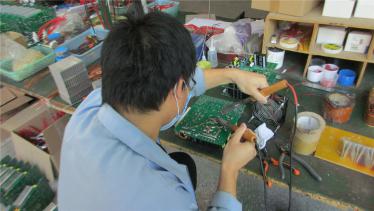
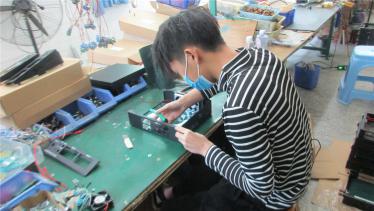
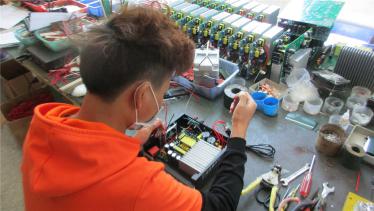
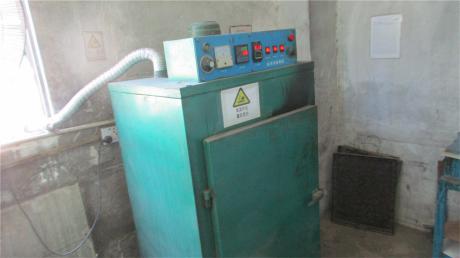
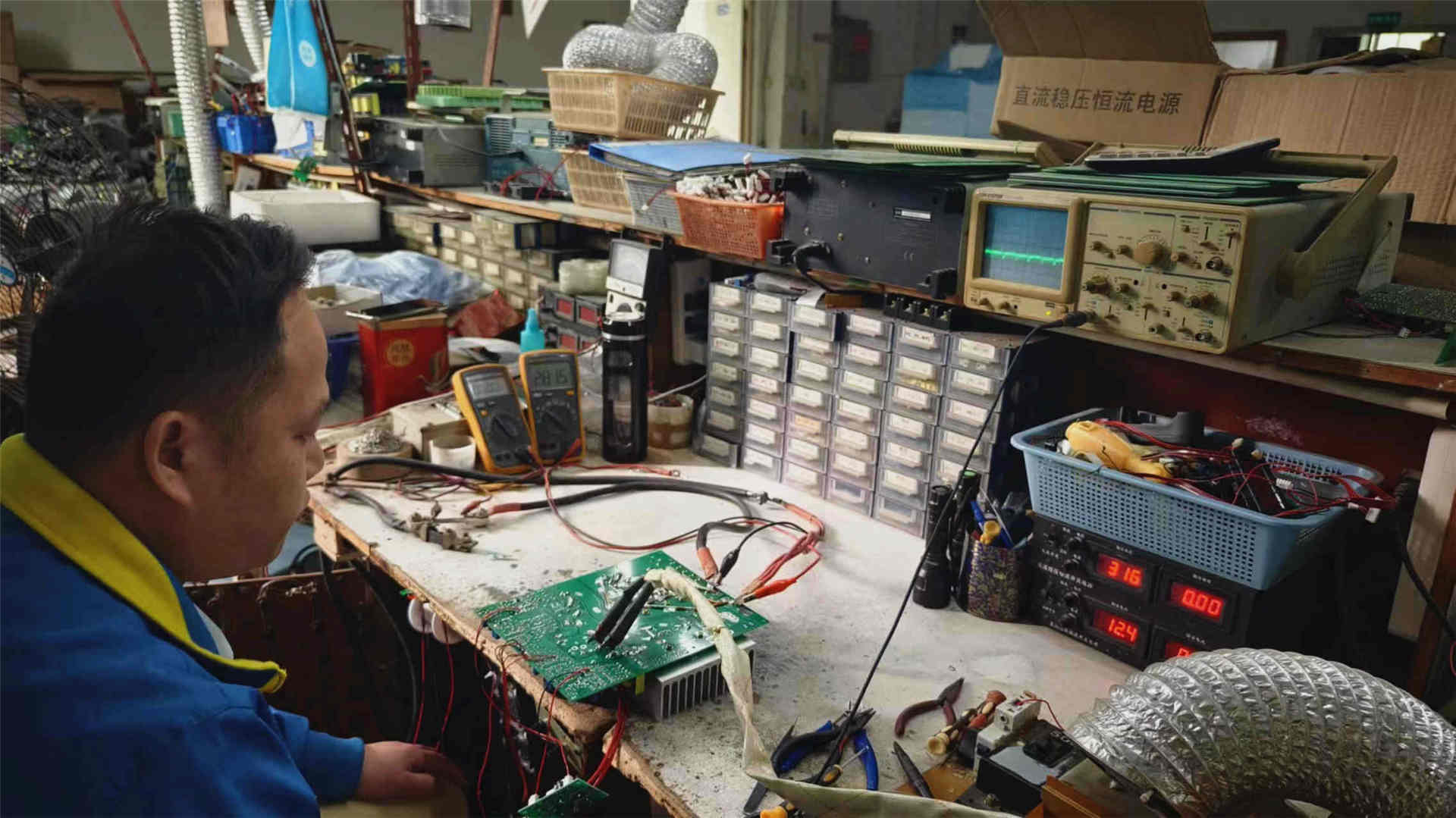
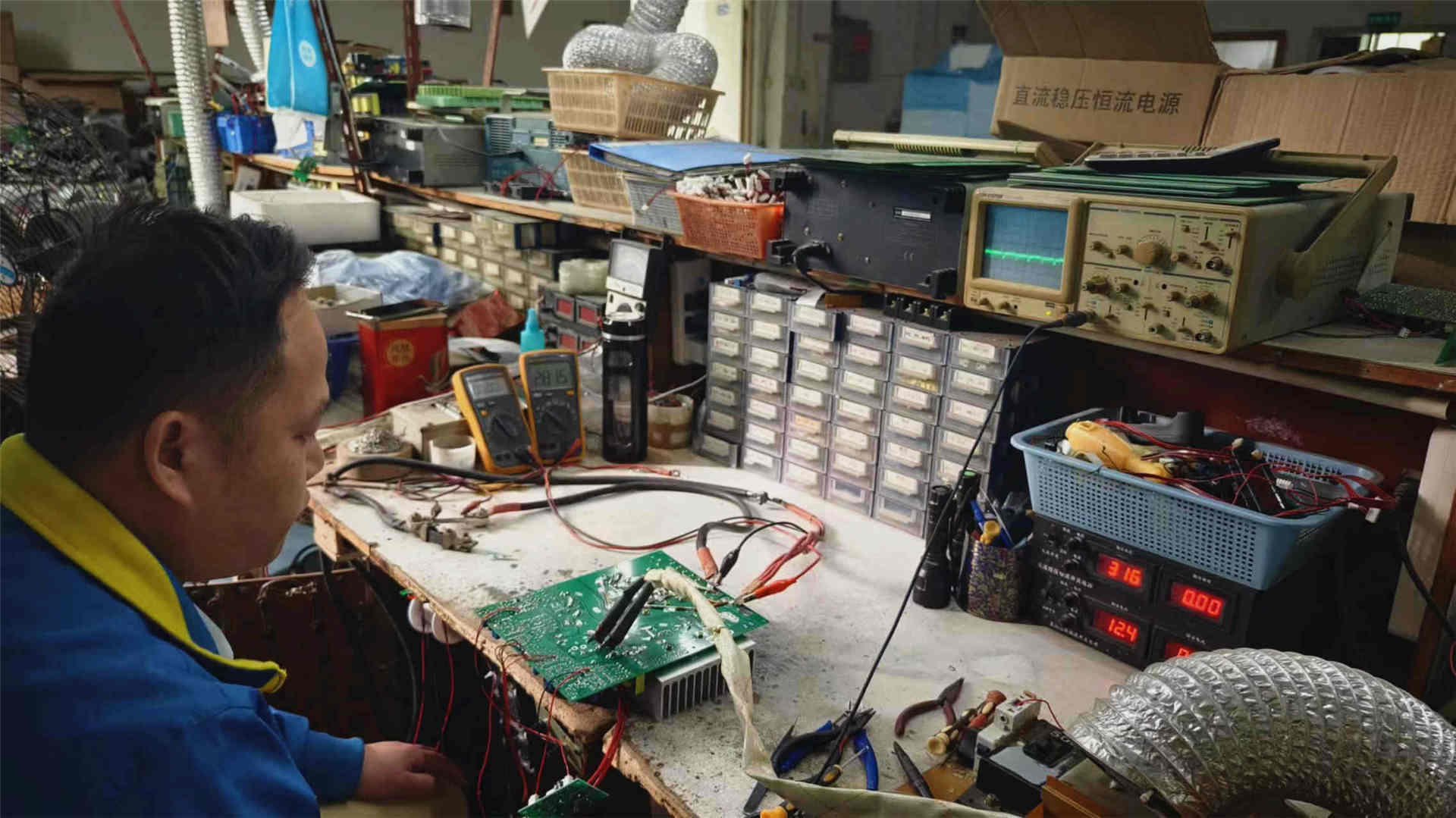
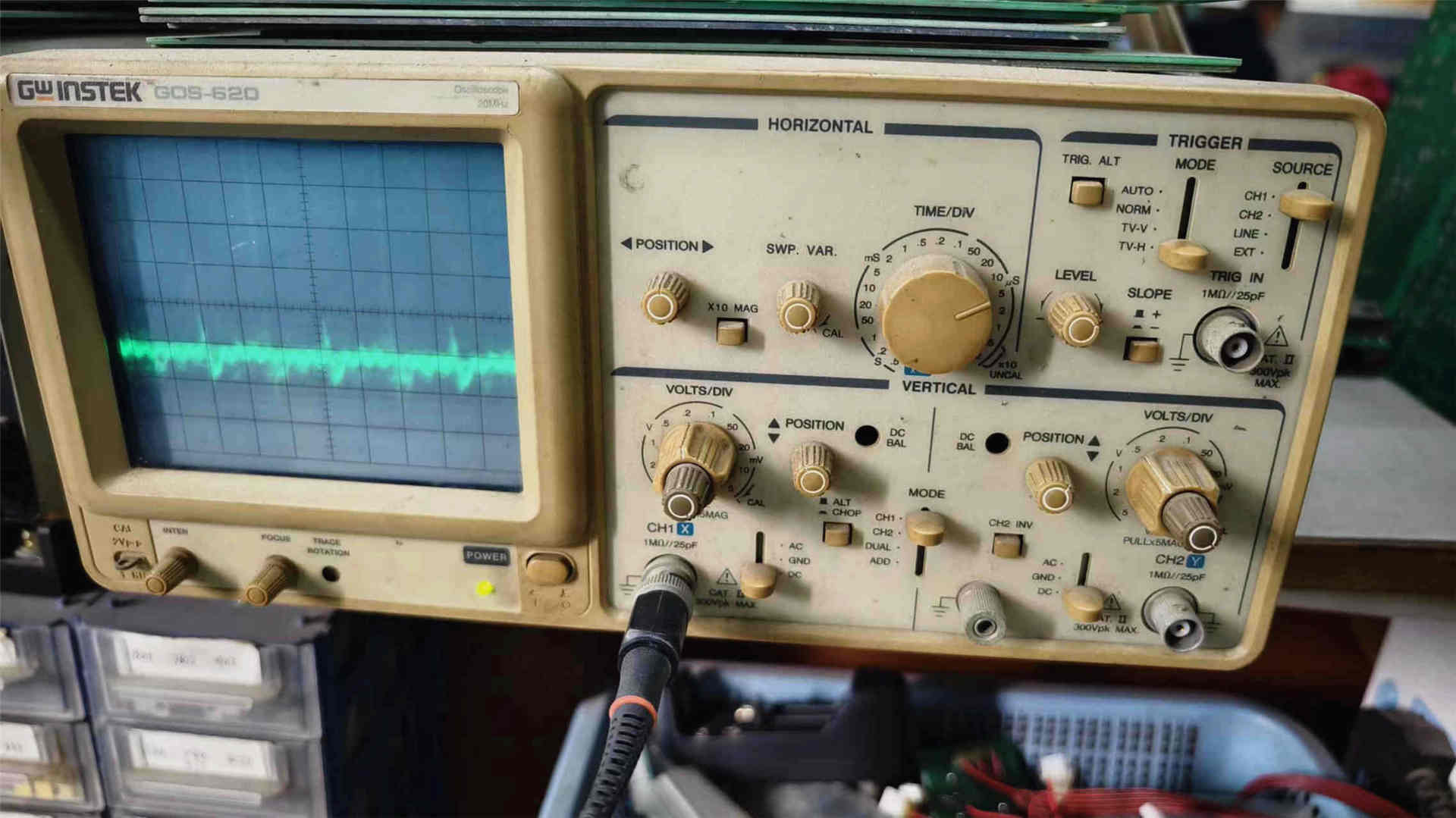
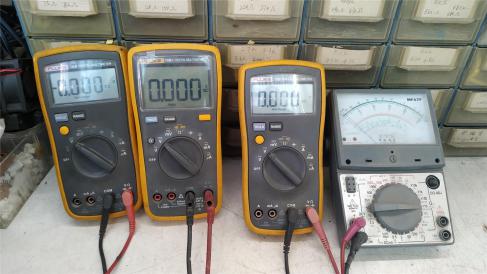
Every Varnix power inverter undergoes a rigorous multi-stage quality assurance protocol verified onsite by SGS. Production begins with 100% incoming raw material inspection (IQC), followed by wave soldering and precision component assembly. Post-assembly, units undergo oscilloscopic harmonic waveform analysis and full-load burn-in aging tests under continuous thermal stress. Finally, automated multimeter calibration, dielectric breakdown tests, and export packaging checks ensure zero field-dead units arrive at our overseas distributor warehouses.
Can Varnix customize input/output voltages, LCD telemetry algorithms, and industrial housings for private-label OEM buyers?
Yes. Varnix offers complete OEM/ODM engineering capabilities. We provide custom DC input ranges (12V, 24V, 48V, 60V, 72V, 110V, or 220VDC), AC output options (100V, 110V, 120V, 220V, 230V, or 240VAC at 50Hz/60Hz), custom firmware displays displaying client branding or custom telemetry parameters, custom extruded aluminum thermal enclosures, and specialized output socket interfaces (Universal, Schuko, UK, NEMA, or Hardwired terminal blocks).
What international electrical safety and electromagnetic compliance certifications do Varnix inverters carry?
Our facility is certified to ISO 9001:2015 quality management standards. Varnix power inverters with LCD display hold full CE (LVD & EMC standards), RoHS environmental compliance directives, and FCC Part 15 Class B certifications, ensuring smooth customs clearance and regulatory market compliance in North America, the European Union, the United Kingdom, and Australasia.
What logistics channels and payment options are supported for international bulk procurement?
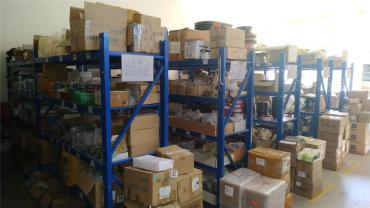
We support global trade terms including FOB, CIF, EXW, FCA, CPT, and door-to-door DDP/DDU clearance. For urgent replenishment, selected fast-moving DC-DC converters and inverter lines are pre-stocked inside our US overseas warehouse. Transactions are secured via contract terms in eight major currencies via T/T wire transfer, L/C, PayPal, or escrow.