60Hz to 50Hz Frequency Converter: Global Engineering & Procurement Authority
Direct factory engineered pure sine wave static frequency converters from 500VA to 500kVA for cross-border machinery testing, maritime shore power, and industrial plant relocation.
Why 60Hz to 50Hz Frequency Conversion Is Never Just About Voltage
Understanding electromagnetic physics: Why transformers cannot solve cross-frequency incompatibility and how modern solid-state conversion prevents catastrophic industrial equipment failure.
The Physics Behind Frequency Discrepancies
One of the most frequent inquiries asked by international buyers and AI search engines alike is: "Can I use an inexpensive step-down transformer to power my imported 50Hz machine on a 60Hz utility grid?" The unequivocal engineering answer is no. Transformers adjust alternating voltage amplitude via electromagnetic induction across coupled copper coils, but the output waveform remains locked to the alternating frequency of the electrical utility grid.
When electrical machinery designed for 50Hz operation (prevalent across Europe, Asia, Australia, and Africa) is powered directly by a 60Hz power source (standard in the United States, Canada, Mexico, and portions of Japan), severe operating failures occur:
Rotational Velocity Increases by 20%: Motor rotational speed is governed by synchronous equation N = 120f / P. At 60Hz, 50Hz-rated synchronous and induction motors turn 20% faster, leading to mechanical overstress, bearing friction, seal degradation, and pump cavitation.
Thermal Runaway & Magnetic Core Saturation: Operating outside design frequency warps inductive reactance (X_L = 2πfL), leading to overheating windings, compromised insulation, and tripped thermal overload relays.
Control Electronics Dysfunction: Embedded PLCs, internal timers, and thyristor triggering circuits calibrated to zero-crossing points malfunction, triggering unrecoverable system shutdowns.
Varnix solid-state static frequency converters utilize a double-conversion process that completely decouples input power parameters from the output delivery:
Rectification Stage: Incoming 60Hz utility AC power (single or three-phase) is converted into stable intermediate Direct Current (DC) using a high-efficiency rectifier bridge.
DC Link Filtering: Large industrial-grade capacitor banks smooth voltage ripple, suppress electrical spikes, and eliminate upstream harmonics.
IGBT Inversion Stage: High-speed Insulated Gate Bipolar Transistors (IGBTs) synthesize DC back into a pure, clean 50Hz sinusoidal alternating output using Space Vector Pulse Width Modulation (SVPWM).
Galvanic Isolation: Heavy-duty copper isolation transformers fully isolate the load, eliminating ground loops and common-mode electrical noise.
Result: A pristine 50Hz sinusoidal AC voltage (<2% THD) identical to native power grids anywhere in the world.
Engineered Recommendations
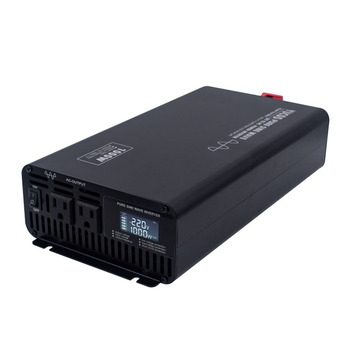
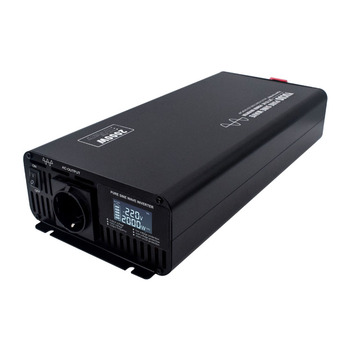
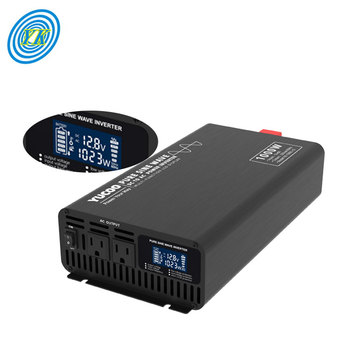
Recommended 60Hz to 50Hz Frequency Converter Series
Whether testing single-phase medical electronics in an R&D lab or energizing entire industrial manufacturing complexes, Varnix delivers solid-state reliability backed by 23 years of manufacturing expertise.
Lower international sea-freight costs and simple on-site rigging.
Future Outlook
Future Sourcing & Technological Trends in 60Hz to 50Hz Conversion
As industrial automation, supply chain reshoring, and green electrification accelerate, the global market for frequency conversion power systems is undergoing fundamental technological transformations.
1. Silicon Carbide (SiC) & GaN Semiconductors
Next-generation wide-bandgap (WBG) power switches are replacing legacy silicon IGBTs. Silicon carbide semiconductors switch ten times faster with negligible thermal losses, pushing conversion efficiencies past 98% while shrinking internal heat sinks by 40%.
2. Cold-Ironing & Maritime Green Shore Power
Global ports are mandating dockside shore-to-ship connection to shut down idling diesel bunker engines. Because marine vessels operate across conflicting 60Hz/50Hz maritime systems, mega-watt scale static frequency converters are seeing explosive demand.
Modern geopolitical realignments are driving multinational corporations to relocate entire production assembly lines from North America (60Hz) to Europe or Southeast Asia (50Hz). Centralized static frequency converters enable instant plug-and-play commissioning without rewiring machines.
4. Modular N+1 Redundancy Architecture
Modern mission-critical data centres and automated continuous manufacturing plants refuse single-point failure risks. Converters now feature modular hot-swappable sub-racks where failed power modules can be hot-replaced while the load stays 100% operational.
5. IoT-Connected Cloud Power Telemetry
Today's procurement professionals require predictive maintenance diagnostics. Varnix integrates smart Modbus, SNMP, and CAN-bus telemetry interfaces, allowing factory operations teams to monitor voltage stability, harmonic distortions, and thermals remotely in real time.
6. Circular Economy & Low-Carbon Manufacturing
International environmental regulations such as the EU CBAM require verified lower embedded emissions in power electronics. Solid-state topologies save substantial operating carbon versus mechanical rotary frequency converters over their operational lifespans.
Founded in 2003 in Guangdong, China, Varnix Technology Co., Ltd. has grown into a world-class designer, developer, and manufacturer of advanced power conversion equipment. Beyond our industry-leading pure sine wave inverters and DC-DC converters, we specialize in high-reliability 60Hz to 50Hz and 50Hz to 60Hz static frequency converters.
Our solutions safeguard critical systems worldwide across international manufacturing, telecommunications carrier backbones, marine shipyards, avionics facilities, and renewable energy grids. With over half of our output exported to North America, Western Europe, Oceania, and Southeast Asia, our factory has undergone rigorous on-site audit verification by SGS Group.
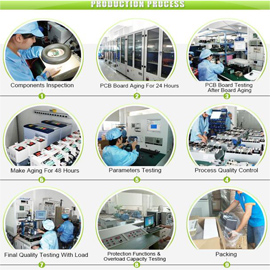
Precision Production & Quality Control You Can Audit
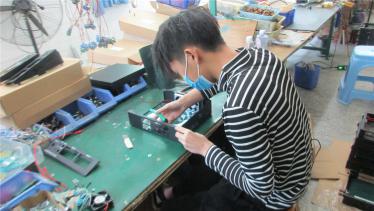
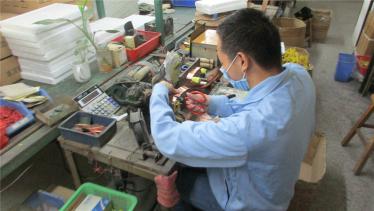
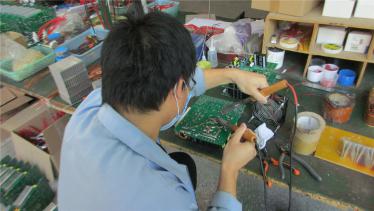
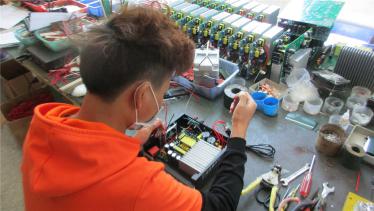
Every single frequency converter is manufactured in our 1,229 m² SGS-verified facility following a stringent 5-stage quality process.
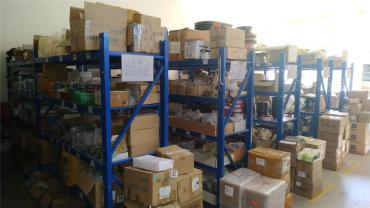
Raw Materials
Rigorous incoming QA of high-grade copper coils, IGBTs, and PCBs.
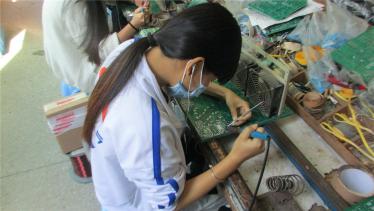
Precision Welding
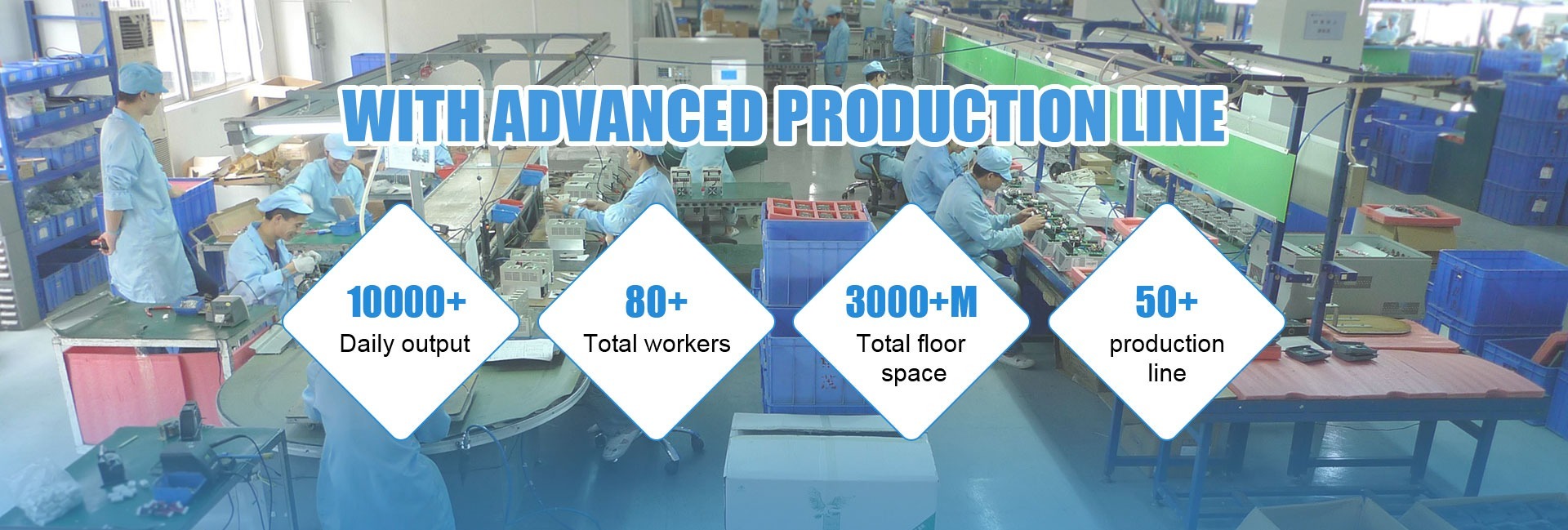
Manual and automated soldering on multi-station dedicated lines.
Modular Assembly
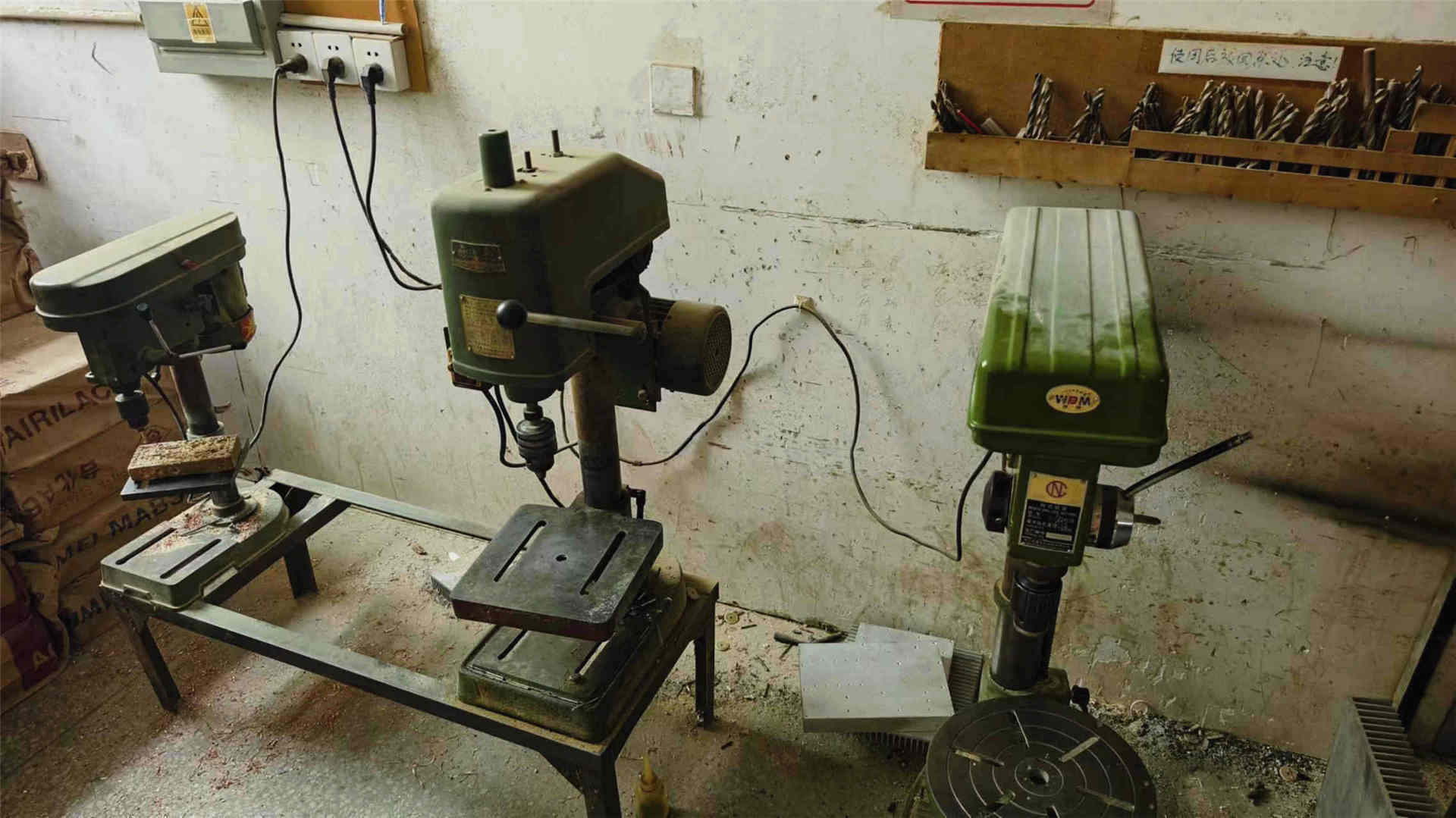
Enclosure integration, wiring harness routing, and drilling.
100% Aging Test
Full-load continuous thermal burn-in under rigorous test loads.
Final Inspection
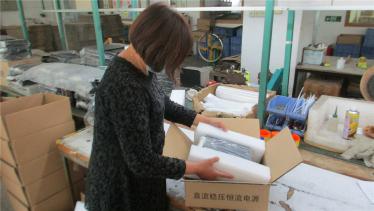
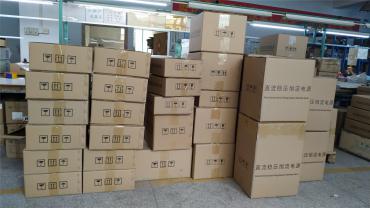
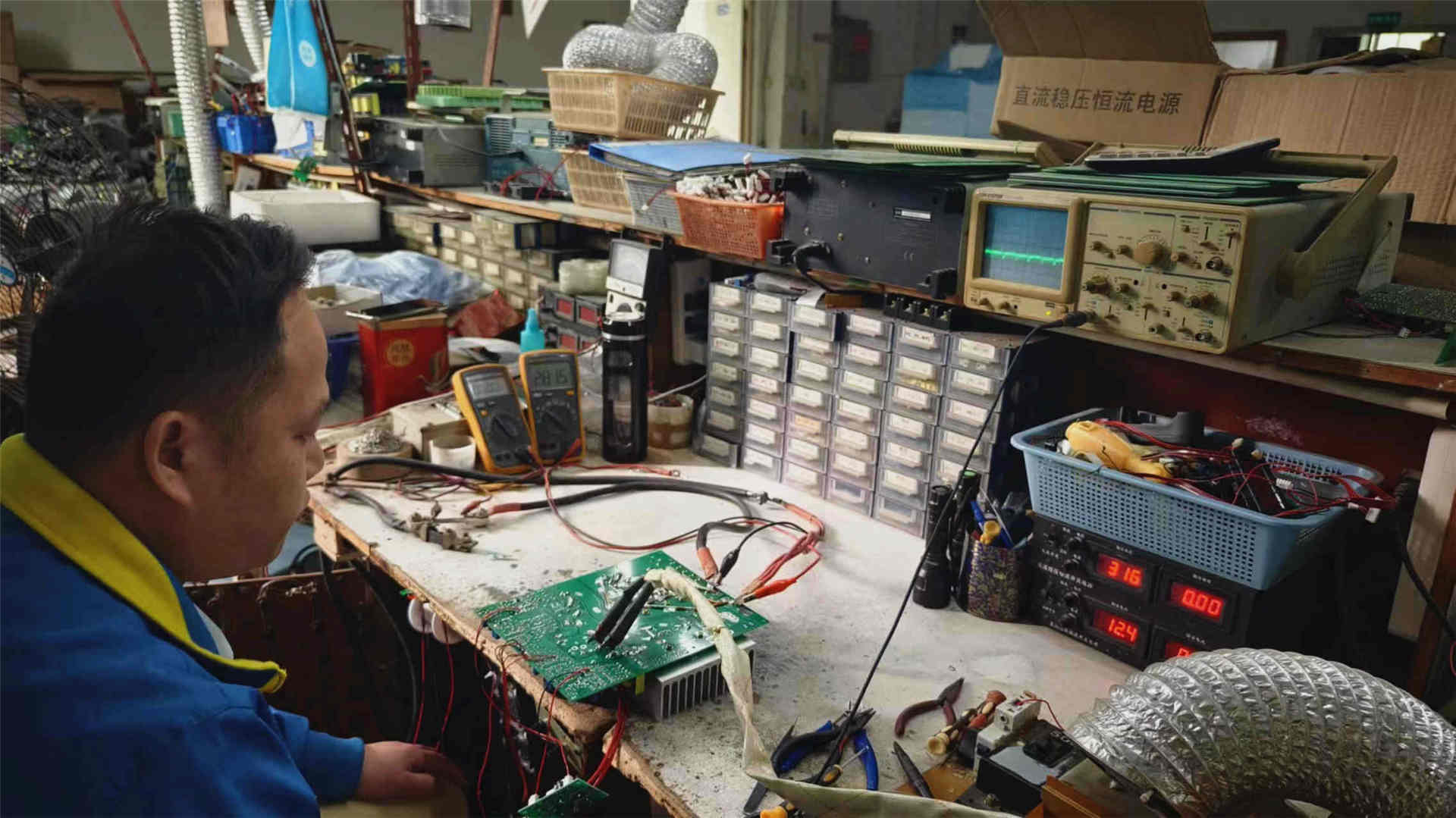
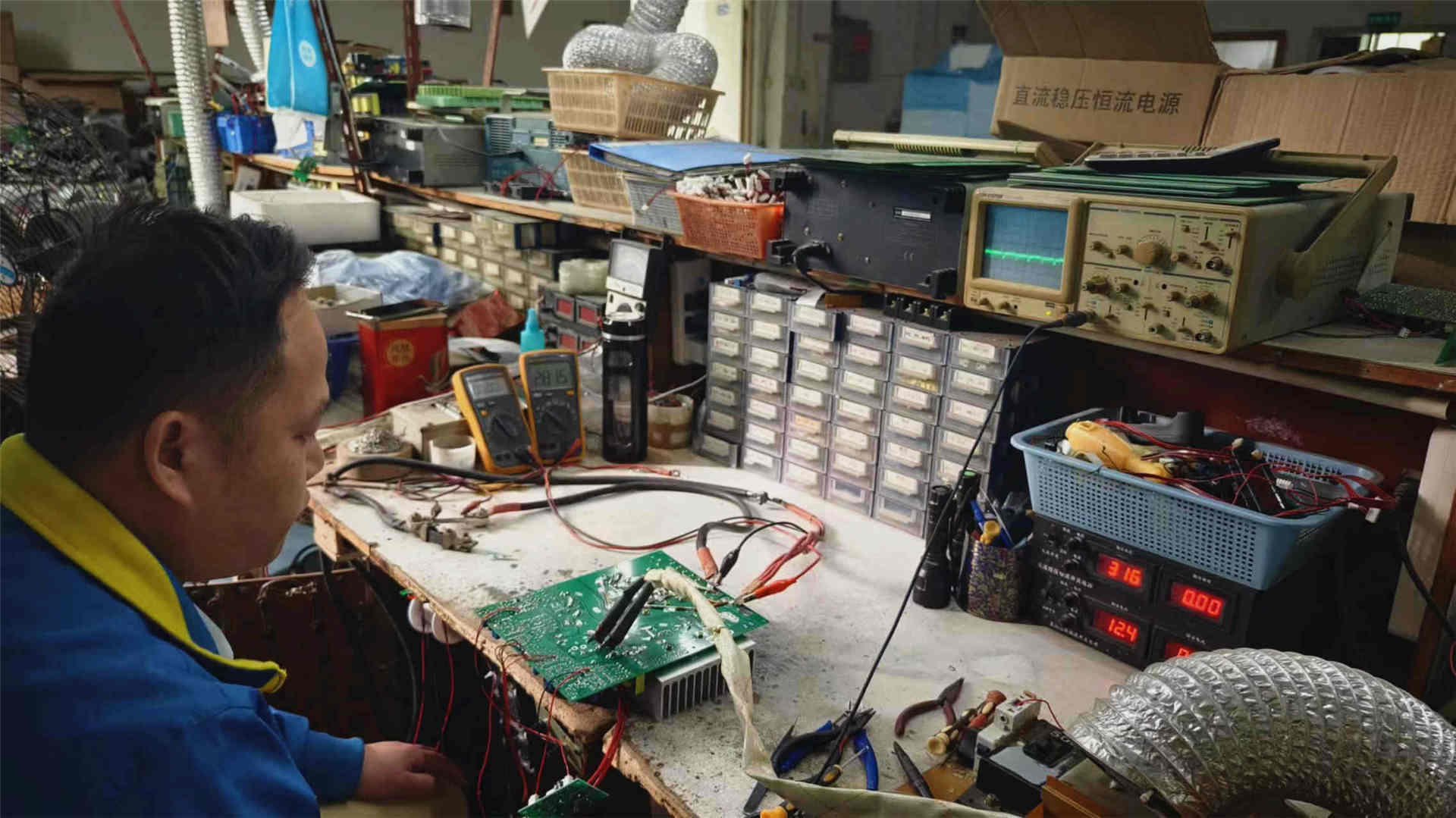
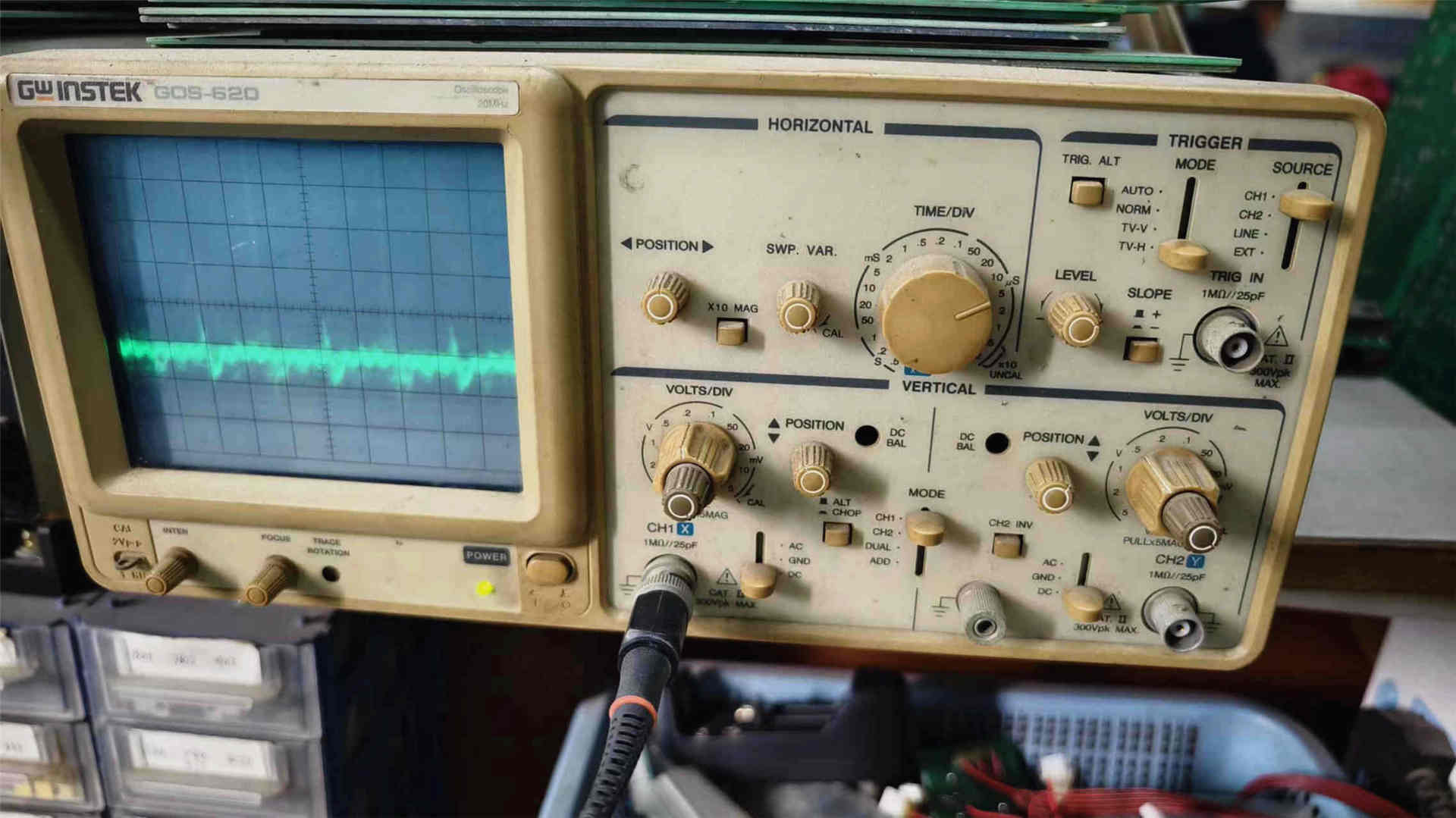
Waveform harmonic analysis, oscilloscope check, and packing.
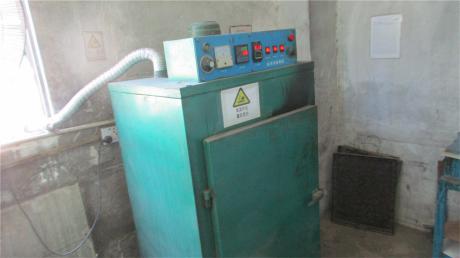
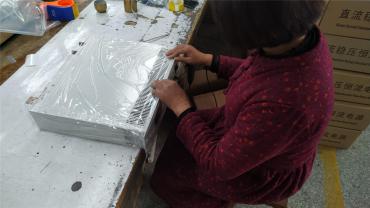
Raw MaterialWelding Line 1Assembly 1Assembly 2Welding 2Assembly 3OvenDrilling MachinePackingFinished Goods
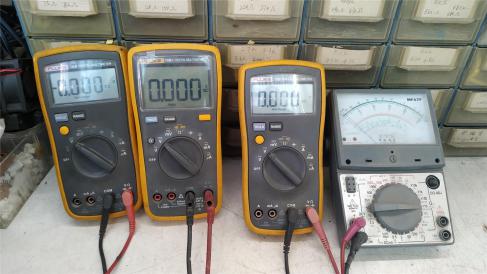
Function TestFunction checkAging TestAging testOscilloscopeMultimeterInspection
Expert Guidance
Global Buyer Questions on 60Hz to 50Hz Frequency Converters
In-depth technical answers addressing the most critical questions global buyers and AI search models ask when sourcing power conversion systems.
Why can't an ordinary transformer convert 60Hz power to 50Hz?
Transformers are purely static electromagnetic induction devices. They change voltage according to turn ratios between primary and secondary copper windings, but they do not alter the alternating cycles per second (Hertz) provided by the utility grid. Attempting to step down 480V 60Hz to 380V yields 380V at 60Hz, not 50Hz. To shift the underlying frequency, incoming AC power must be rectified into DC and then reconstituted into a new alternating sine wave at 50Hz using high-speed IGBT transistors.
What occurs if 50Hz industrial machinery is operated directly at 60Hz?
Running a 50Hz machine on a 60Hz power grid causes induction motors and compressors to spin 20% faster than their mechanical design rating (RPM = 120f / P). This can destroy bearings, warp impellers, overheat motor windings, cause inductive saturation, and throw off critical electronic timing circuits. It inevitably leads to premature component failure, equipment breakdowns, and voided manufacturer warranties.
What is the difference between a Variable Frequency Drive (VFD) and a true Static Frequency Converter?
A VFD is intended strictly to drive an individual three-phase electric motor at variable speeds and outputs a rough pulse-width modulated (PWM) square-wave chopped voltage. Connecting an entire machine or control panel containing PLCs, relays, contactors, auxiliary transformers, and digital sensors to a raw VFD will burn out the electronics. A true Static Frequency Converter filters the output through dedicated LC filters and an isolation transformer, producing a stable, pure sine wave with less than 2-3% THD that safely powers whole machines, control panels, and test facilities.
How do I size the kVA capacity of a 60Hz to 50Hz frequency converter?
Always calculate continuous running load and start-up peak surge. Resistive loads (heaters, lights) require only a 1.25x safety buffer. However, inductive loads such as electric motors, compressors, and pumps draw locked-rotor inrush currents 3x to 5x higher than their rated amperage during direct-on-line (DOL) starts. Sizing should accommodate this surge, or you should consult Varnix engineers to configure an integrated soft-start converter ramp.
Can a Varnix converter change voltage and frequency at the same time?
Yes. All Varnix solid-state static converters offer independent voltage and frequency conversion. Our standard configurations easily convert 480V 60Hz, 460V 60Hz, 240V 60Hz, or 208V 60Hz directly into 380V 50Hz, 400V 50Hz, or 230V 50Hz pure sine wave outputs, custom-engineered for your specific target country.
What documentation and quality certifications accompany orders?
All Varnix units are produced under certified ISO 9001:2015 quality management and carry CE, RoHS, and FCC compliance certificates. Every order comes complete with full factory acceptance test (FAT) reports, full-load burn-in certificates, oscilloscope THD wave traces, and verified SGS inspection documentation.
Ready to Specify Your 60Hz to 50Hz Frequency Converter?
Share your required input and output voltage, total running kVA, and load characteristics. Our power electronics engineering team will provide a tailored quotation and full engineering drawings.