
23+
Years Engineering Expertise
100%
Full-Load Burn-In Tested
ISO 9001
SGS Onsite Verified Lines
98.2%
Direct Engineering Support
Factory Catalog Showcase
Precision Regulators, Converters & Inversion Systems
Engineered for high thermal tolerance, low ripple noise, and continuous multi-channel operational stability. Browse our certified OEM/ODM series.

White Paper: Engineering Standards in Precision Adjustable DC Power Architecture
Modern industrial electronics manufacturing, telecom installations, and electrochemical R&D require power topologies capable of delivering steady, ultra-low-noise output under extreme transient loads. As a specialized manufacturer established in 2003, Varnix approaches the design of CE-certified adjustable DC power supplies not simply as basic voltage step-down devices, but as comprehensive voltage-current regulation systems equipped with synchronous rectification, galvanic isolation, and digital loop control.
Switch-mode DC architectures operate by rectifying incoming AC or variable DC bus voltages into an unconditioned high-voltage DC intermediate stage. High-frequency pulse width modulation (PWM) switching networks utilize advanced power MOSFETs or Silicon Carbide (SiC) switching transistors operating at frequencies upward of 100 kHz. This high-frequency operation radically minimizes inductive transformer core mass, drastically enhances system efficiency beyond 92%, and curtails internal thermal losses. Furthermore, CE compliance necessitates rigorous low-frequency and conducted EMI suppression, preventing harmonic back-injection into utility lines or cross-talk in sensitive automated test environments (ATE).
| Topological Parameter | Linear Regulated Power Supplies | High-Frequency Switch-Mode DC Supplies | Varnix Isolated Custom Solutions |
|---|---|---|---|
| Typical Conversion Efficiency | 35% - 55% (High heat dissipation) | 85% - 92% (High-density design) | Up to 96% (SiC/GaN Synchronous) |
| Ripple & Noise (Vp-p) | < 1 mV RMS (Ultra-quiet) | < 30 - 50 mV RMS | < 5 - 10 mV RMS (Multi-stage filtering) |
| Form Factor / Power Density | Heavy / Bulky (50Hz Iron Core) | Compact Benchtop / 1U Rack | Modular 19-inch / Custom NEMA Housing |
| Control Interface & Modes | Analog Potentiometer, CV/CC | Digital CV/CC, Basic Serial | Programmable RS485/Modbus, SCPI, CAN |
In high-amperage applications such as electroplating rectifiers (up to 1,000A) or telecom rectifiers (48VDC arrays), thermal balancing across parallel power semiconductors is an acute engineering challenge. Varnix designs integrate automated dynamic current-sharing buses that maintain variance below 2.5% across individual power modules. Coupled with intelligent temperature-controlled forced-air cooling and potted environmental sealing (IP67 for vehicle and outdoor converters), our equipment sustains round-the-clock duty cycles without thermal throttling or early component degradation.
Future Sourcing Trends: What Enterprise Buyers Must Anticipate
The global energy conversion and power supply marketplace is undergoing pivotal transitions toward digital orchestration, wide-bandgap (WBG) semiconductors, and dual-direction energy flow. Global procurement officers face evolving regulatory requirements and shifting operational parameters across renewable microgrids, commercial fleet electrification, and telecom cell sites.
SiC and GaN Semiconductor Adoption
Wide-bandgap semiconductors reduce internal switching losses by up to 60%. Future procurement trends focus on GaN-driven adjustable DC modules offering 2x to 3x higher power densities, directly shrinking server racks and lab bench space footprint while operating reliably in high ambient temperatures.
Programmable Digital Protocols
Manual potentiometer knobs are yielding completely to programmable digital control boards. Sourcing managers increasingly demand standardized Modbus-RTU, CANopen, and Ethernet/IP protocols to integrate bench and rack-mounted DC units into automated cloud-monitored manufacturing execution systems.
Stricter Harmonics & CE/EMC Demands
Global grid standards enforce stringent power factor limits (PFC > 0.98) and stringent compliance under EN 61000-6-2 (Industrial Immunity) and EN 61000-6-4 (Emissions). Procuring verified factory-direct hardware avoids border customs seizures and costly field-level interference claims.
Direct Manufacturing Capability
Why Tier-1 Importers Rely on Varnix Factory Direct
Combining 23+ years of power electronics development, SGS-audited workshop lines, and overseas localized warehousing to lower procurement latency.
Full In-House Manufacturing
From PCB wave soldering and surface-mount lines to CNC casing fabrication and final epoxy encapsulation, we maintain full process autonomy inside our 1,229 m² facility verified on-site by SGS auditors.
Rigorous Five-Stage QC Audit
Every piece of conversion equipment undergoes component pre-screening, structural inspection, oscilloscope waveform calibration, full-load burn-in (aging) stress testing, and final dielectric withstand verification.
Customized OEM/ODM Engineering
We tailor circuit layouts for custom input voltages (12V, 24V, 48V, 72V, 110V, 220V), specialized DC outputs, customized rack-mount or extruded aluminum housings, and proprietary private branding labels.
US Warehouse & Global Logistics
We solve overseas lead-time bottlenecks by holding active stock of fast-moving buck/boost converters in our US warehouse. We support diverse shipping incoterms including FOB, CIF, EXW, and DDP direct to your facility door.
Verified Safety Compliance
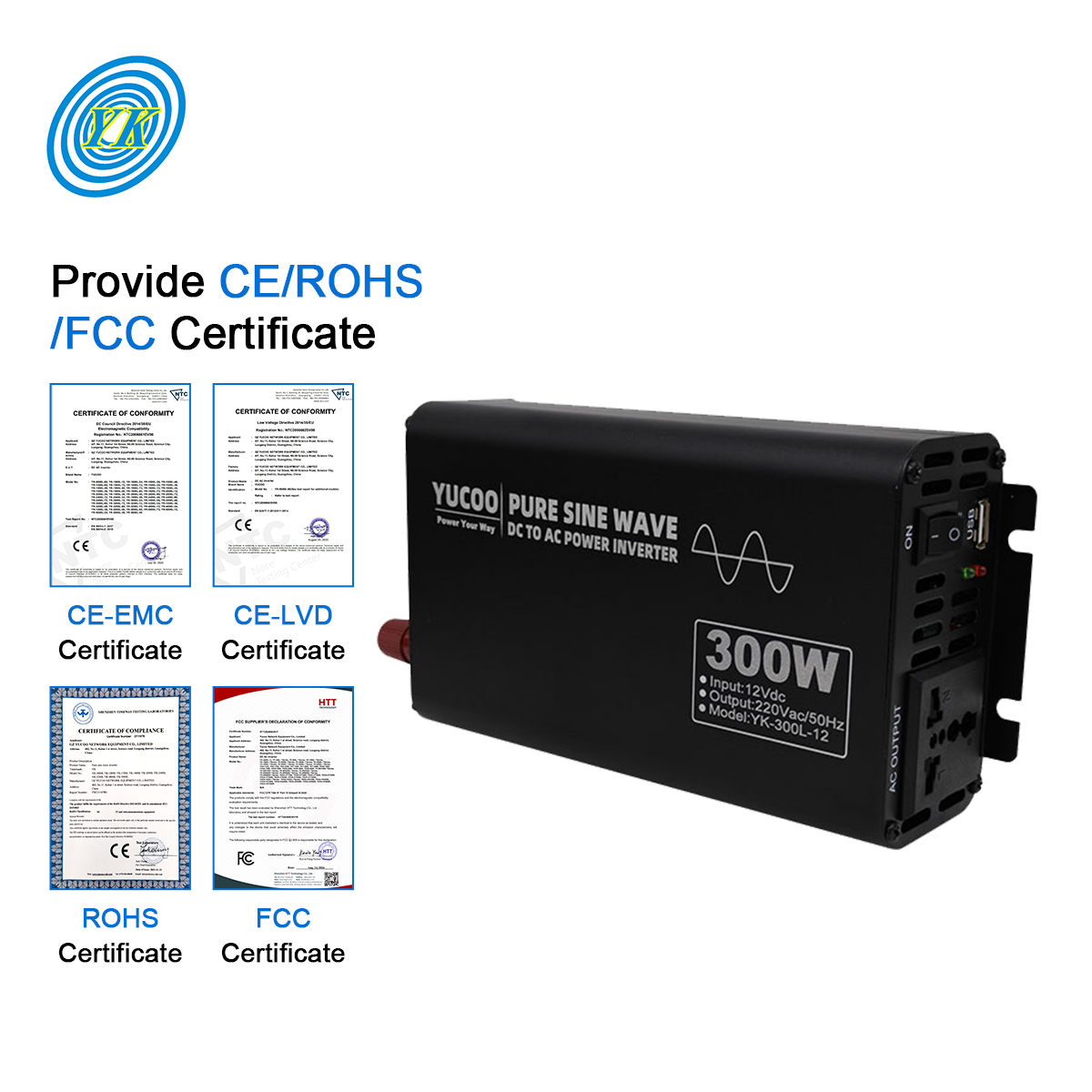
All series are designed to satisfy international low-voltage safety directives (LVD) and electromagnetic compatibility (EMC) regulations, carrying valid CE, RoHS, and FCC test reports to facilitate global compliance clearance.
Contract-Backed Warranty
Backed by 24/7 direct factory engineering support with an average response rate of 98.2%. Warranty commitments are explicitly stipulated in every commercial sales agreement, resolving defective modules quickly.
Procurement Knowledge Base
Frequently Asked Questions on Adjustable DC Supplies
Direct technical answers addressing the key engineering and logistics questions raised by enterprise procurement teams.
What distinguishes Constant Voltage (CV) from Constant Current (CC) mode?
An adjustable DC power supply operates in Constant Voltage (CV) mode when the load resistance draws current below the user-set current limit, holding output voltage rigidly steady. When the load demand exceeds the pre-set current threshold, the power supply automatically transitions into Constant Current (CC) mode, dynamically dropping output voltage to clamp the current precisely at the threshold, safeguarding delicate prototype electronics from short-circuit or thermal destruction.
Why is Galvanic Isolation vital in industrial DC-to-DC converters?
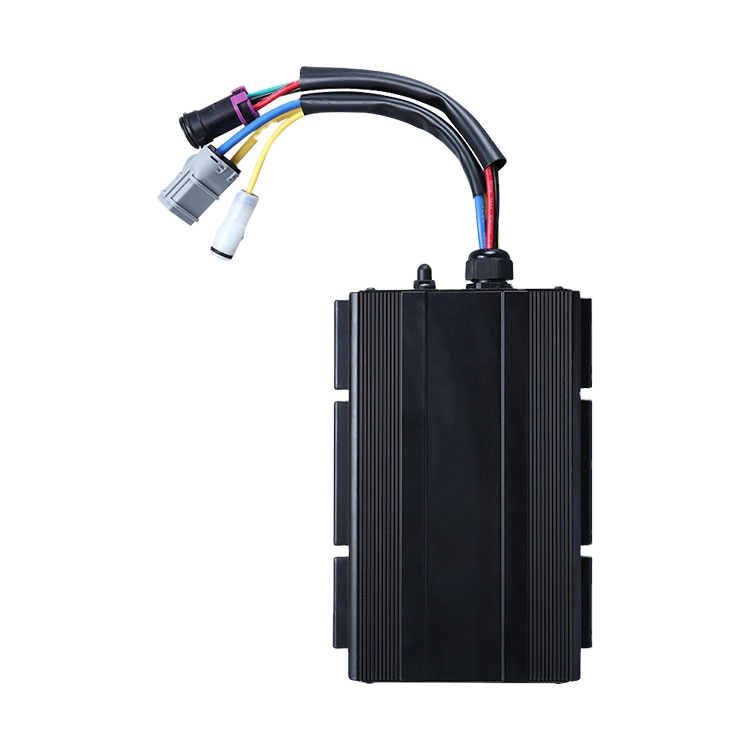
Galvanic isolation introduces a magnetic transformer barrier between the input circuit (e.g., 48V/72V bus) and the output circuit (e.g., 12V payload). This isolates electrical ground loops, attenuates heavy transient surges originating from industrial inductive machinery, protects downstream microprocessors from ground potential shifts, and drastically enhances operational safety on mobile chassis and marine platforms.
What are the minimum order quantities (MOQ) for custom power solutions?
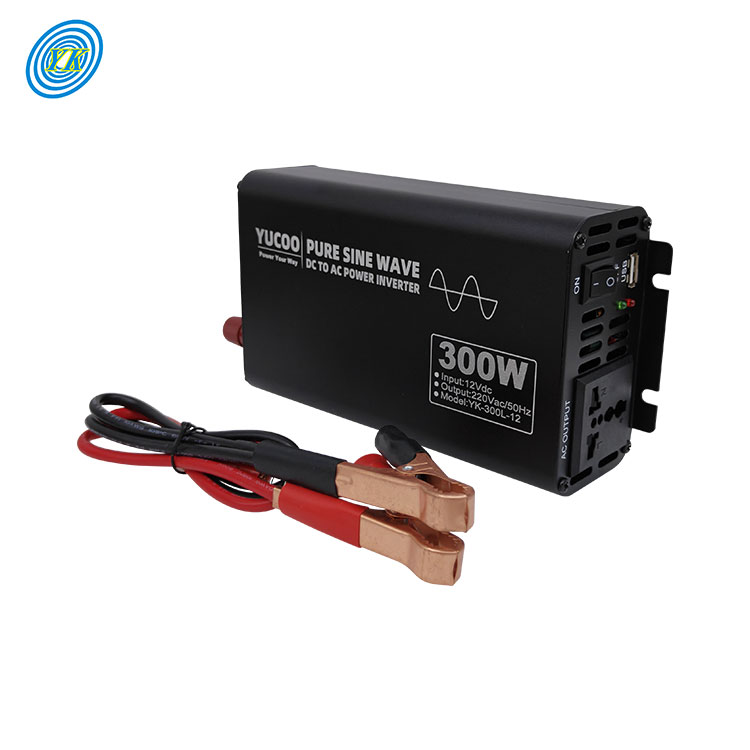
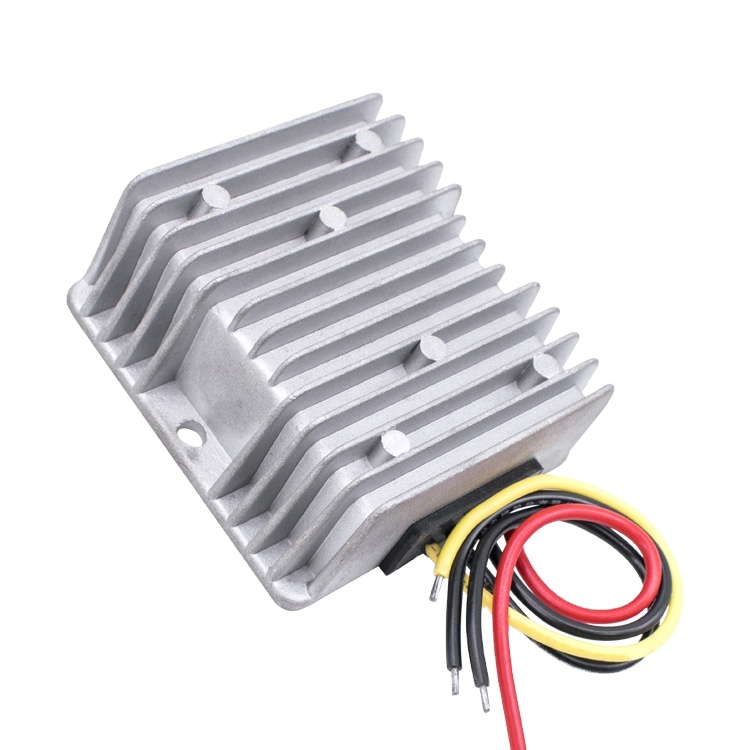
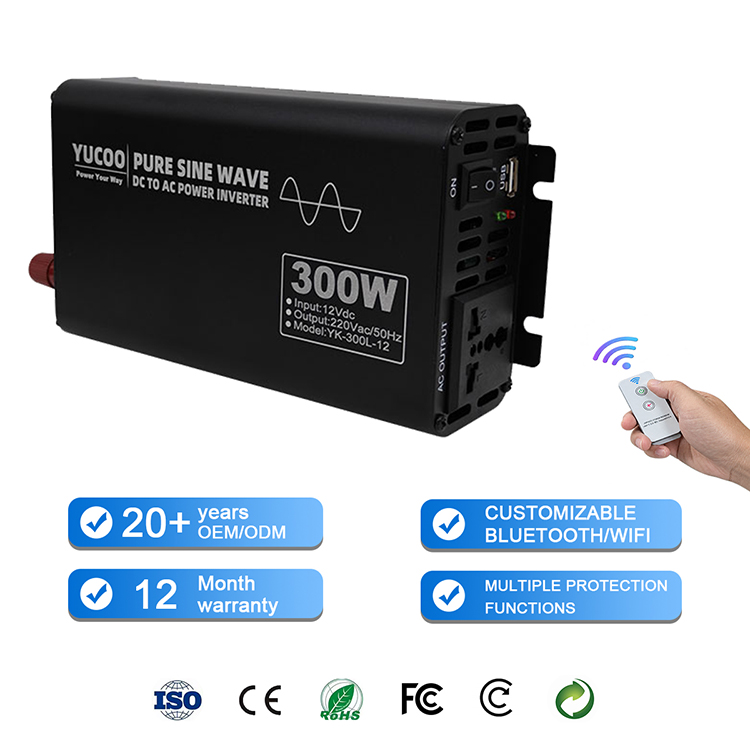
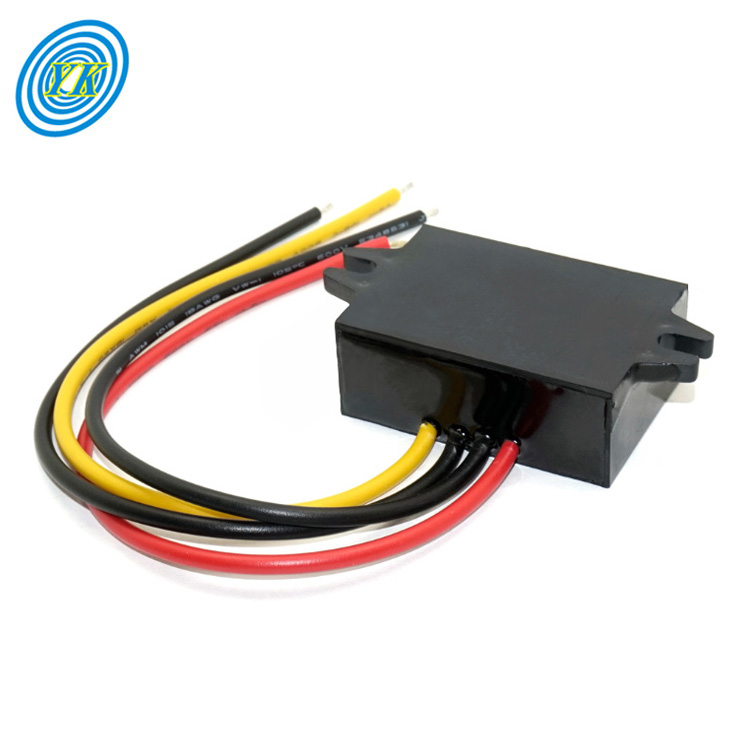
For standard catalog inventory such as our buck converters, boost regulators, and off-the-shelf pure sine wave inverters, MOQs begin at 1 to 10 units to facilitate qualification prototyping. For full OEM/ODM custom development—such as non-standard output voltages, customized form factor enclosures, or custom PLC communication cards—MOQs are determined collaboratively depending on the hardware engineering scope.
How do Varnix test benches screen for infant mortality in power supplies?
Every industrial-grade power supply and inverter undergoes a mandatory full-load burn-in (aging) cycle inside high-temperature testing rooms. Our technicians monitor output voltage stability, switching ripple, and component surface temperatures under 100% rated capacity over extended run periods to catch premature semiconductor faults before export crating.
How can we determine the proper power rating for motors and inductive loads?
Inductive devices like refrigeration compressors, cooling pumps, and electric actuators exert large startup inrush currents that can surge 3 to 7 times the steady-state operating amperage. When specifying an adjustable DC power supply or pure sine wave inverter, procurement engineers must account for this peak surge wattage rather than sizing purely to continuous nominal wattage, preventing automatic over-current shutdown on initial startup.
Ready to Build or Source Custom DC Power Supplies?
Submit your electrical requirements (Input/Output voltages, rated wattage, isolation needs, and form-factor constraints) directly to our factory engineering division.
Send an Inquiry