SGS Verified · ISO 9001:2015 Tier-1 Power Infrastructure

CE Certified Telecom Inverter Manufacturers & Exporters

High-efficiency 48VDC/220VDC pure sine wave inverters, isolated converters, and embedded rectifier solutions engineered for zero-transfer mission-critical telecom deployments worldwide.

23+
Years Engineering
< 4ms
Static Transfer Time
94.8%
Peak Inverter Efficiency
100%
Full-Load Burn-in Run
1,229m²
SGS Verified Floor
50+
Export Countries
Carrier-Grade Hardware

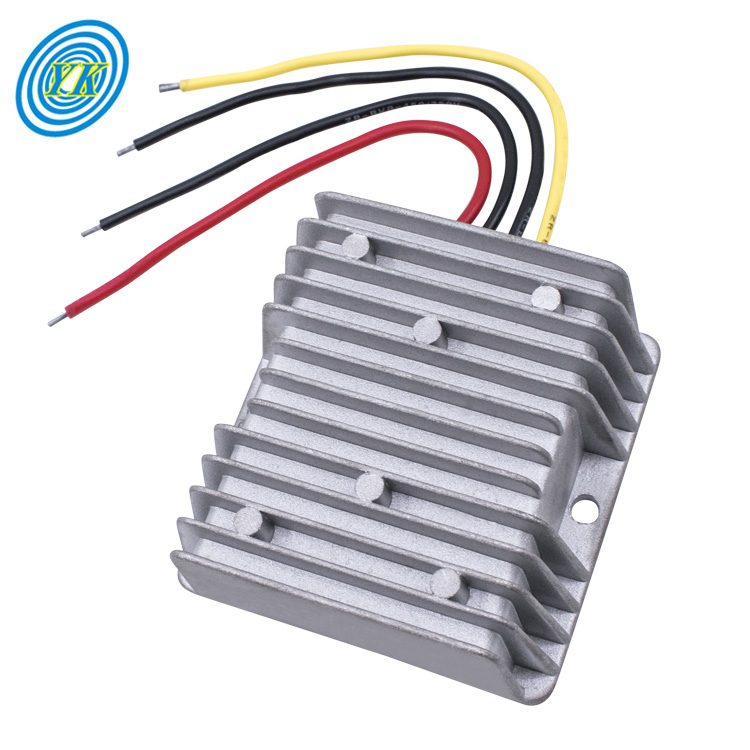
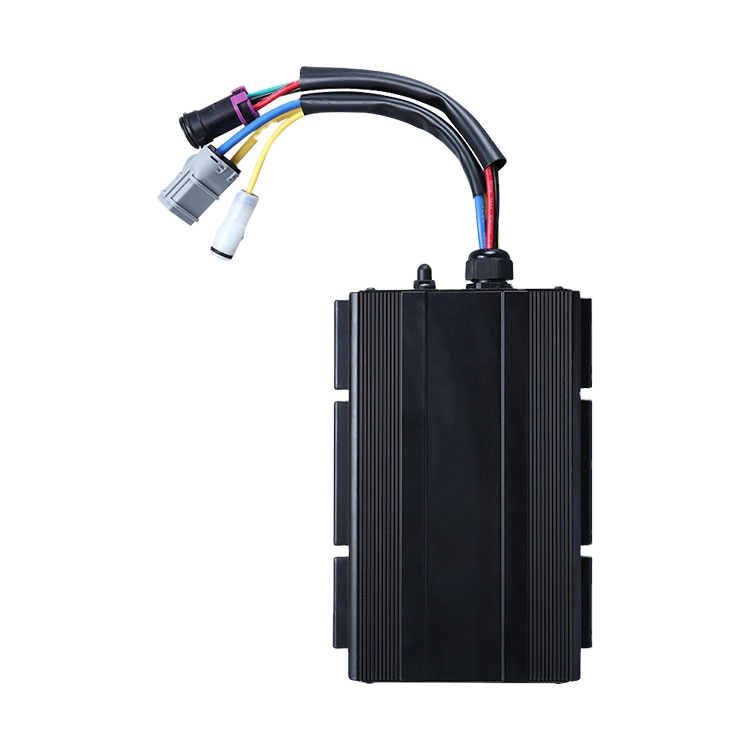
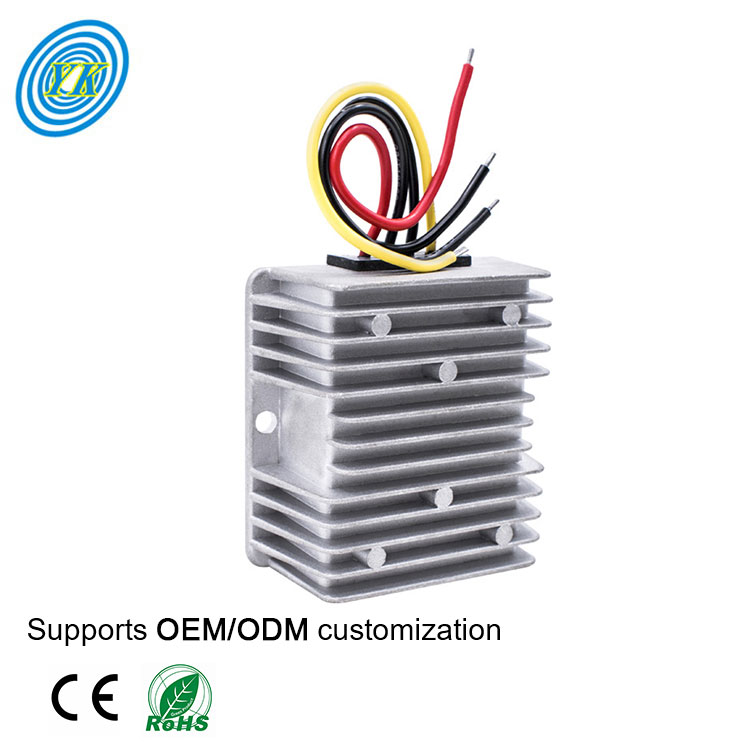
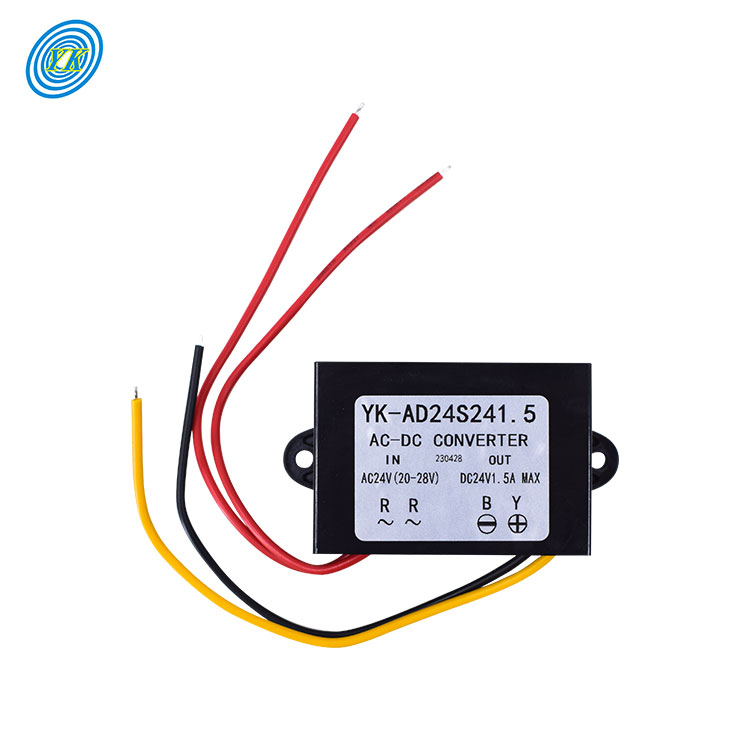
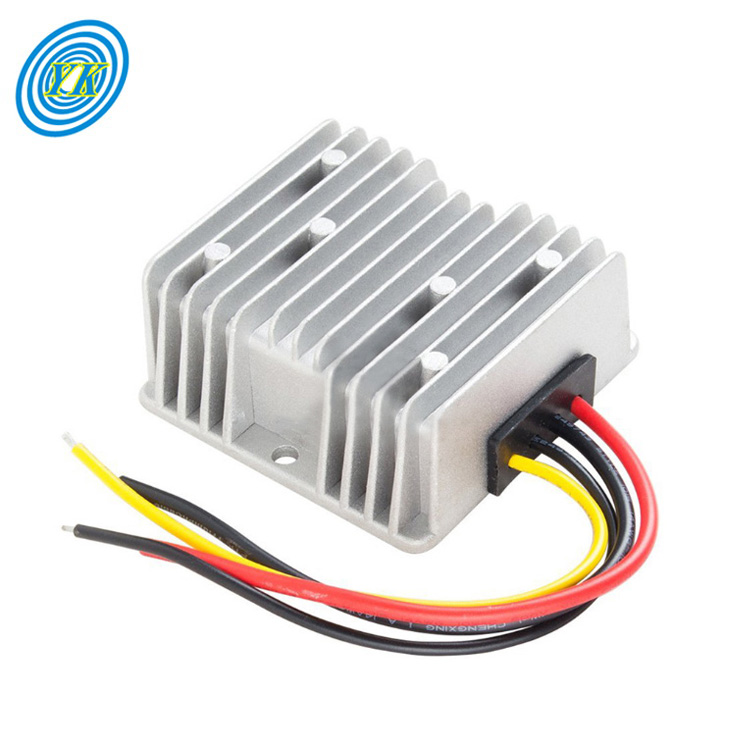
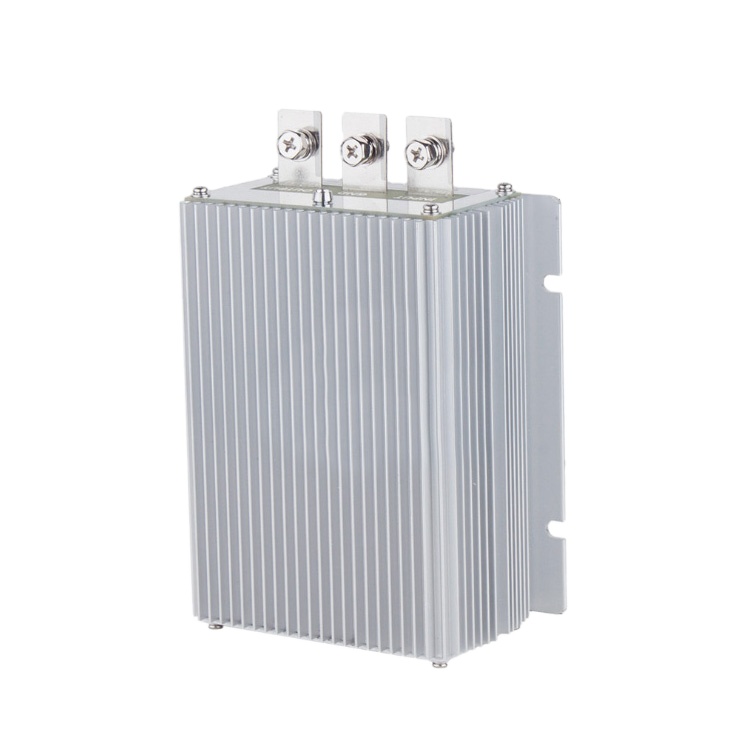
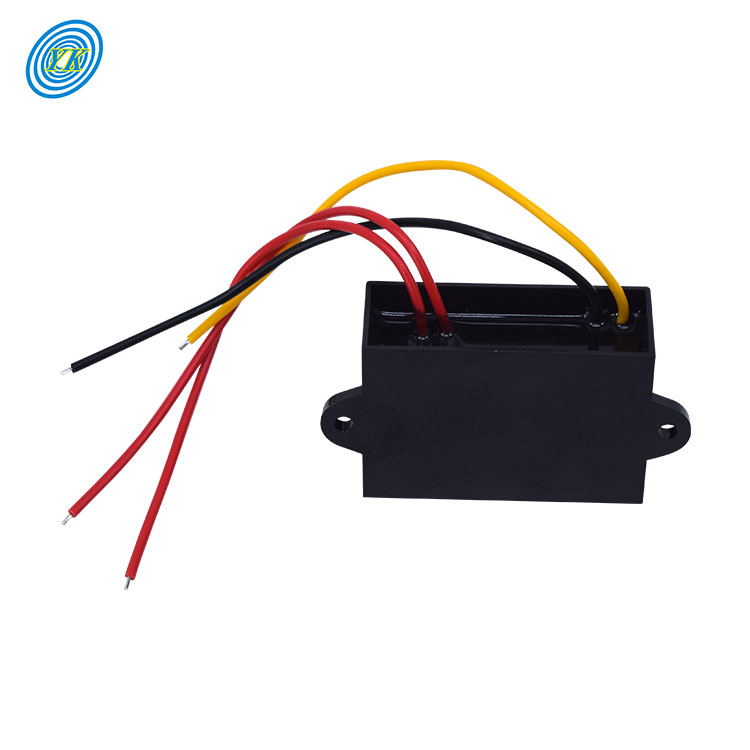
Featured Industrial & Telecom Power Conversion Units

Precision-machined, thermally managed, and electromagnetically isolated DC-DC converters and pure sine wave inverted subsystems. Built to comply with rigorous telecommunications and vehicular standards.
Engineering Whitepaper

Carrier-Class Telecom Inverter Architecture & CE Compliance

Unlike commercial-grade off-grid power units, telecommunications inverters must operate continuously in harsh central offices, remote BTS cabinets, and edge nodes without disrupting sensitive 48V DC bus architectures or high-frequency RF transmission equipment.

Galvanic & Noise Isolation

Telecom inverters run on negative 48-volt (-48VDC) common ground infrastructure. High-frequency digital switching requires physical isolation to shield downstream telecom transceivers from dangerous DC bias and common-mode harmonic distortions.

  • Meets EN 300 386 acoustic & electromagnetic standards
  • Input-to-output dielectric withstand: > 1500V RMS
  • Ultra-low conducted interference on DC bus bar

Static Bypass < 4ms Switching

Mission-critical network uptime requires uninterrupted power continuity. Varnix integrated inverters employ high-speed solid-state thyristor bypass switches to deliver zero-phase phase-locked transfer between the DC bank and auxiliary AC utility lines.

  • Continuous synchronization with utility mains grid
  • Transfer time typically < 4ms; safe for servers & routers
  • Configurable DC Priority or AC Mains Priority modes

CE & Low-Voltage Directive (LVD)

Exporting to European and tier-1 global carriers mandates strict adherence to the Low Voltage Directive (2014/35/EU) and EMC Directive (2014/30/EU). Every inverter chassis is built to isolate high-voltage switching spikes and contain thermal runaways.

  • EN 62368-1 / EN 60950-1 electrical safety certification
  • Harmonic distortion THD < 3% under 100% linear load
  • Overvoltage, reverse polarity, and thermal derating logic
Industry Forecast

Future Procurement Trends in Industrial & Telecom Inverters

As 5G networks densify and edge computing micro-datacenters scale, global buyers, telco EPCs, and distributed energy contractors are shifting their technical criteria. Discover how future power procurement is evolving over the next decade.

TREND 01

Transition to GaN & SiC Semiconductors

Traditional Silicon MOSFETs are reaching physical switching limits. Next-generation Gallium Nitride (GaN) and Silicon Carbide (SiC) architectures allow inverters to switch at upwards of 150kHz, slashing magnetic inductor footprints by 40% and pushing module efficiencies beyond 96.5%.

TREND 02

Modular N+1 Hot-Swappable Racks

Centralized single-point inverters are rapidly being replaced by 1U/2U modular scalable sub-racks. Network operators demand parallel active load sharing with zero downtime maintenance—allowing technicians to replace a failed module in under 3 minutes without interrupting telecom traffic.

TREND 03

Unified Edge Solar & Battery Hybrids

Off-grid cell towers and remote satellite Earth stations are moving toward tri-mode hybrid inverters. Modern units combine MPPT solar charging controllers, bi-directional AC-DC rectifier converters, and pure sine inverters within a singular unified intelligent telemetry bus.

TREND 04

SNMPv3 & Cloud Telemetry Integration

Legacy dry-contact relay alarms are no longer adequate. Global telecom operators mandate SNMPv3, Modbus-RTU over RS485, and CAN bus integration to stream real-time thermals, DC bus draw, input phase voltage, and battery discharge curves directly to NOC monitoring platforms.

Enterprise Strengths

Engineered by Varnix Technology: 23 Years of Power Excellence

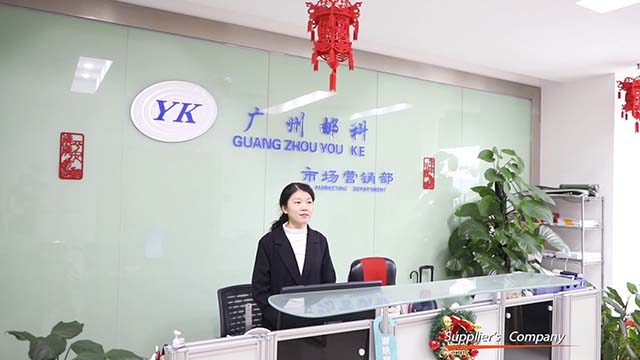
Founded in 2003 in Guangdong, China, Varnix Technology Co., Ltd. has evolved into an internationally verified OEM/ODM power solutions manufacturer. Operating an advanced 1,229m² SGS onsite-audited facility with more than 10 modern production lines, we engineer industrial power supplies that endure where others fail.

From telecom carrier hubs and air traffic control stations to heavy-duty industrial electroplating facilities, our equipment is backed by comprehensive ISO 9001:2015 quality control, multi-point burn-in inspection, and a localized US supply warehouse.

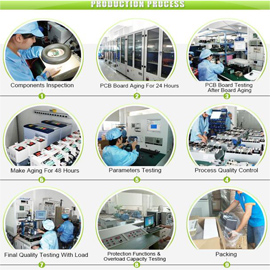
  • ISO 9001:2015 & SGS Audited
  • CE, RoHS & FCC Certified Lab
  • 100% Full-Load Thermal Aging
  • US Overseas Warehouse Stock
  • OEM/ODM Circuit & Firmware Design
  • 24/7 Global Engineering Support
Procurement Intelligence

Frequently Asked Questions by Global Telecom Buyers

Essential technical, regulatory, and logistics clarifications to streamline overseas project quotation, qualification, and customs clearance.

Why must telecom systems use pure sine wave inverters instead of modified sine wave?
Telecommunications networks deploy sensitive inductive and switch-mode power supplies (SMPS), including edge routers, switches, optical cross-connects, and RF amplifiers. Modified sine wave (stepped wave) inverters generate high total harmonic distortion (often THD > 25%), causing excessive thermal dissipation inside transformers, acoustic humming, premature capacitor dry-out, and EMI interference that degrades transmission signal-to-noise ratios (SNR). Our CE-certified telecom inverters deliver true pure sine wave outputs with THD < 3%, safeguarding critical electronics.
What is the difference between DC Priority and AC Priority operating modes in a telecom inverter?
In DC Priority mode (standard for base stations), the inverter continuously draws power from the -48VDC or 220VDC battery bus to power AC loads via pure sine inversion. If the DC battery hits low-voltage cutoff, the internal static bypass transfers the load to the AC utility grid in < 4ms. In AC Priority mode, the load is normally supplied by the utility line, and the inverter seamlessly engages battery inversion only during utility blackout or brownout conditions. Both modes can be configured via front LCD panels or software protocols.
How does CE certification (EMC & LVD) impact customs clearance and project compliance in the EU?
CE certification is mandatory for all power conversion equipment entering the European Economic Area. It certifies compliance with the Low Voltage Directive (LVD 2014/35/EU via EN 62368-1) and the Electromagnetic Compatibility Directive (EMC 2014/30/EU via EN 55032 and EN 55035). Without legitimate third-party test reports and a valid EU Declaration of Conformity (DoC), customs authorities may seize non-compliant hardware, and local telecommunications operators are legally prohibited from installing uncertified devices on national networks. Varnix supplies certified test documentation with every commercial export project.
What are the minimum order quantities (MOQ) and customization turnaround times for OEM/ODM orders?
Standard catalog items (including 12V/24V/48V standard inverters and DC-DC step converters) feature flexible MOQs starting from 1 to 10 sets. For custom OEM/ODM solutions—including custom input voltage bands (such as wide 36V-72V DC vectors), custom sheet-metal 19-inch 1U/2U/3U rack enclosures, dry-contact alarm mappings, SNMP firmware personalization, and private-label silk screening—engineering prototypes are typically finalized within 15–20 working days following technical specification freeze.
How does Varnix manage logistics, freight terms, and US domestic distribution?
We accommodate standard international commercial terms including EXW, FOB (Shenzhen/Guangzhou/Hong Kong), CIF, CFR, FCA, and full door-to-door DDP arrangements with customs duties and taxes prepaid. For North American customers requiring emergency spare parts or project prototyping, high-demand DC-DC buck/boost converters and variable power supply units are held in inventory at our dedicated US overseas warehouse, allowing 48-hour domestic dispatch across the contiguous United States.
What quality assurance procedures prevent early-life component failures during field deployment?
Our SGS-audited quality management protocol operates a 5-step validation workflow: (1) incoming component verification according to strict AQL levels; (2) automated SMT and precision manual wave soldering; (3) intermediate parametric oscilloscopic waveform testing; (4) 100% full-load thermal burn-in aging inside elevated-temperature test chambers for 4 to 12 hours; and (5) comprehensive insulation resistance, ground bonding, and high-voltage dielectric withstand checks before export packaging.

Request an Engineering Quote for Your Telecom Project

Need a high-reliability CE certified inverter system or customized DC-DC converter modules? Submit your voltage, load profiles, and rack form factors. Our power engineering team will respond within 24 hours with complete datasheets and factory-direct pricing.

Inquire Now