Industrial-Grade SMPS & High-Frequency Converters
Engineered for high thermal endurance, low ripple factor, and continuous duty cycles. Compare our off-the-shelf and customizable conversion hardware manufactured under ISO 9001:2015 control.
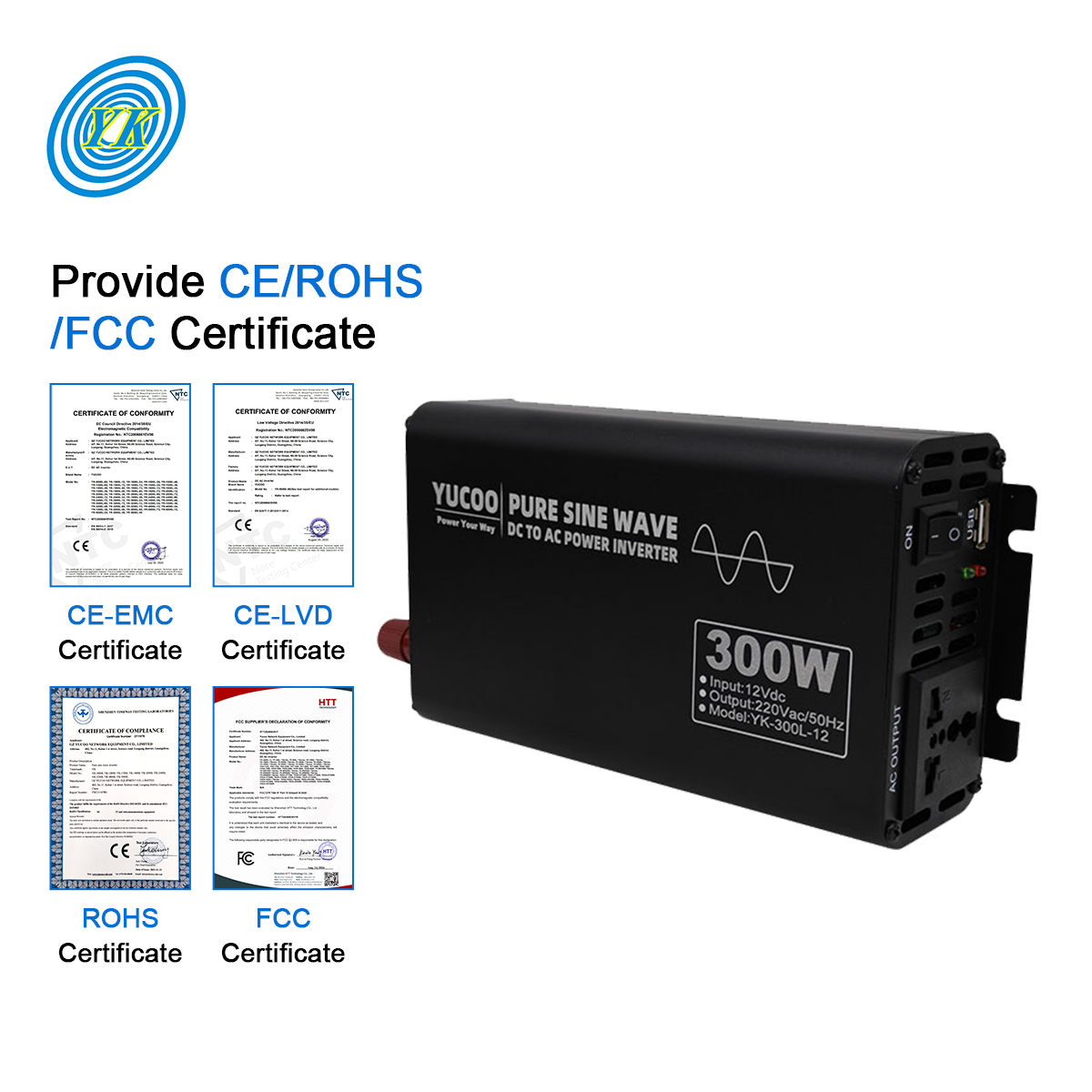
- TopologyHigh-Frequency Pure Sine
- Efficiency>90% Peak
- ApplicationMobile Lab / Field RV
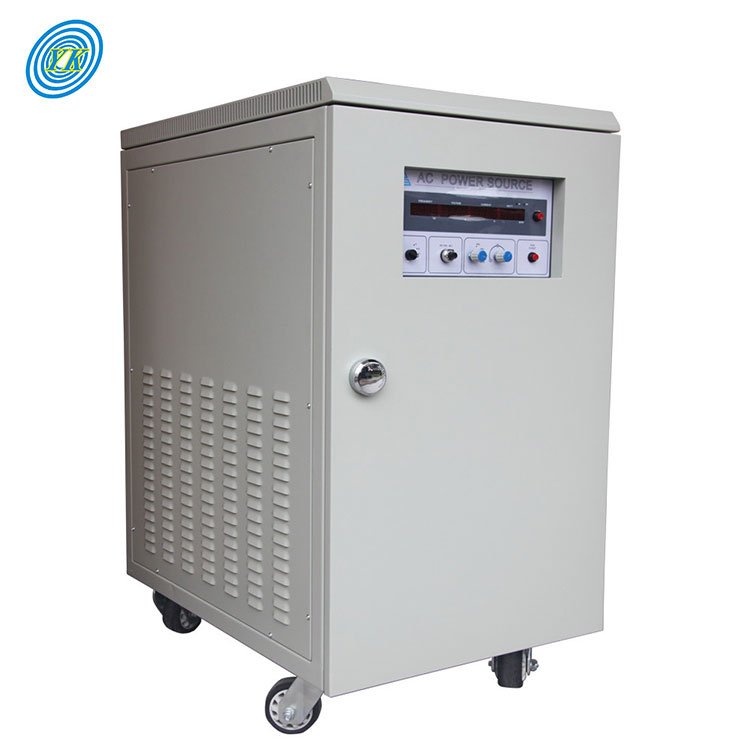
- Input / Output1-Phase to 3-Phase
- Frequency50Hz / 60Hz Variable
- ProtectionOverload & Surge Proof
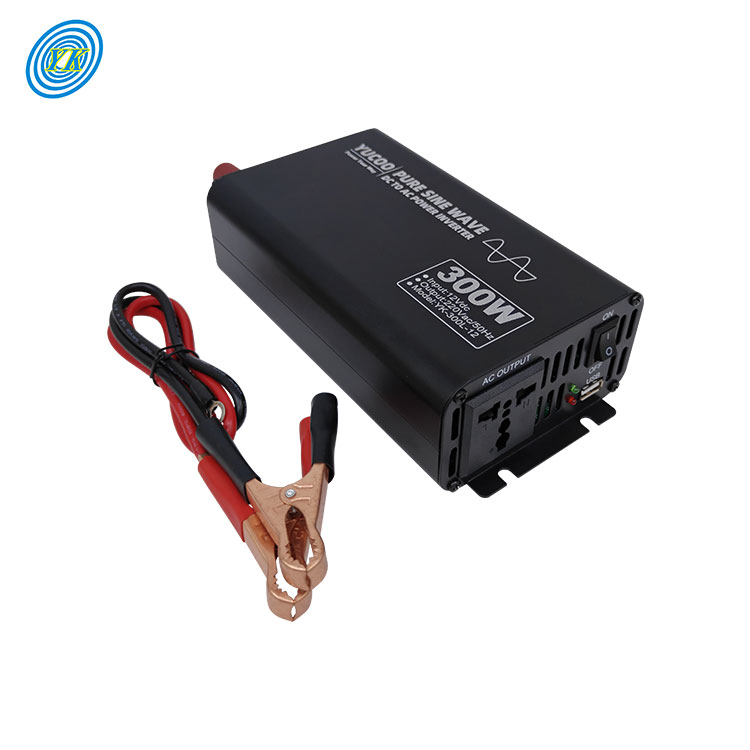
- Input Range12V / 24V / 48V / 72V
- Harmonic Dist.THD < 3%
- Form FactorUltra-Compact Ruggedized
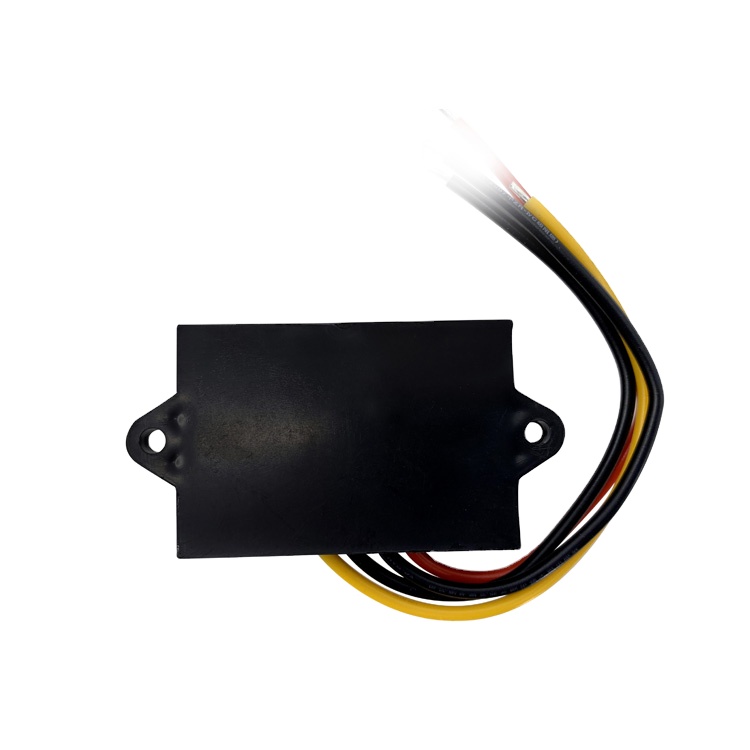
- Ingress RatingIP67 Fully Sealed
- Output Current5.0A Continuous
- CasingThermal Plastic Encapsulated
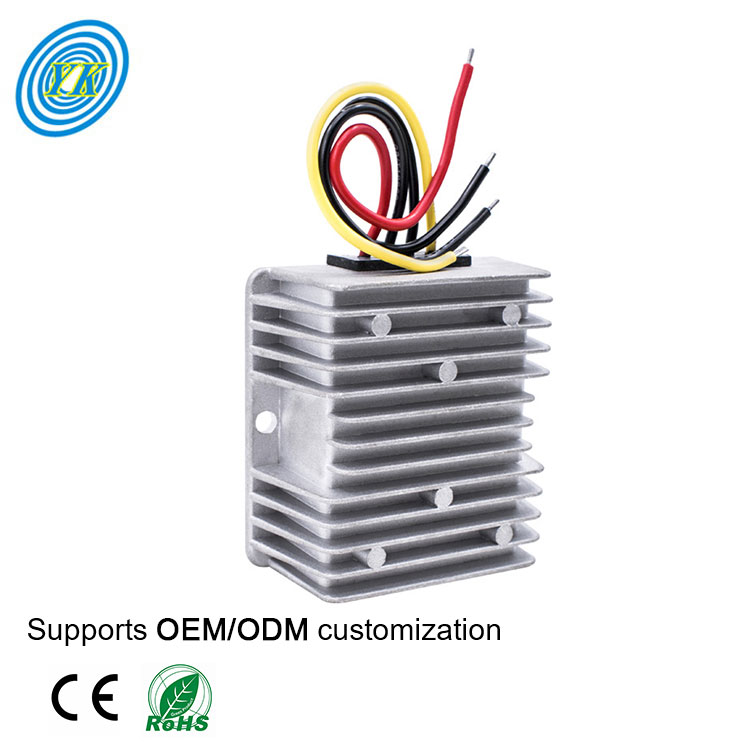
- Voltage Range10V–32V Dynamic DC
- StabilizationPrecision Regulated 24V
- ApplicationForklifts, AGVs, Golf Carts
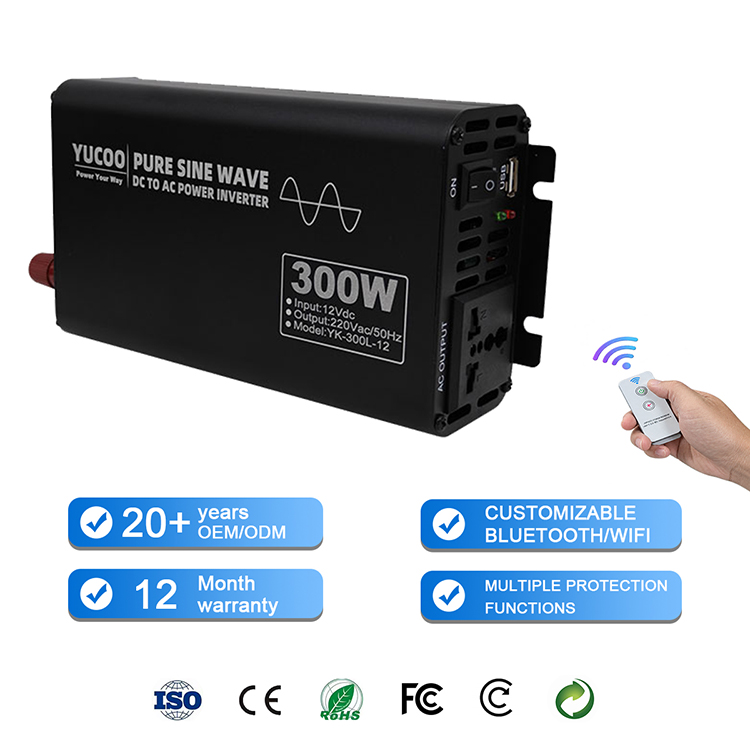
- Peak Surge600W (Instantaneous)
- CoolingIntelligent Thermal Fan
- CertificationCE, RoHS Compliant
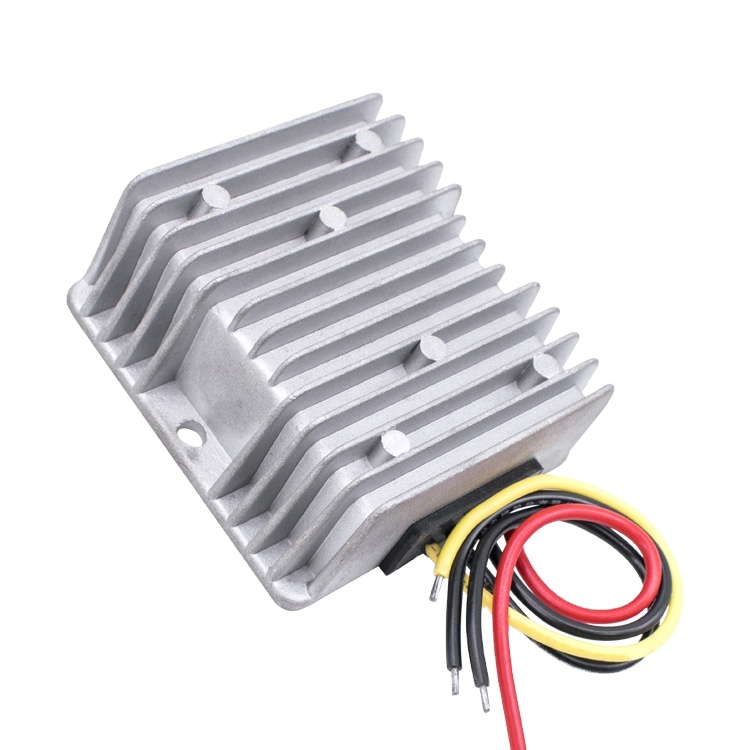
- Output Nominal13.8VDC @ 10A Max
- Circuit TechNon-Isolated Auto Buck-Boost
- HousingExtruded Aluminum Heatsink

- Scalability600W up to 5000W Base
- Conversion ArchHigh-Frequency Full Bridge
- DeploymentTelecom Backup, Solar Genset
Future Procurement Trends in Switch Mode Power Supplies
As mission-critical electronics transition toward wide bandgap (WBG) semiconductors and decentralized DC microgrids, industrial procurement managers face significant architectural shifts in specifying SMPS systems.
Total Cost of Ownership (TCO) vs. Initial CapEx
Procurement teams are shifting away from cheap, lower-tier supplies toward ultra-high-efficiency topologies (>94%). Reducing internal heat dissipation lowers cooling demands and drastically reduces 5-to-10 year operational lifecycle expenditures across data centers and telecom stations.
Digital PMBus & Predictive Maintenance
Modern enterprise installations require programmable telemetry. B2B buyers now mandate digital monitoring protocols such as PMBus, CAN bus, or Modbus over RS485 to capture real-time current ripples, thermal trends, and capacitor health before unexpected line outages occur.
Near-Shoring & Dual-Sourced Resilience
Recent supply chain volatility has accelerated the requirement for hybrid logistics. Tier-1 purchasers favor manufacturers that pair low-cost primary manufacturing facilities in Asia with localized overseas warehousing for rapid replacement inventory and emergency sample turnarounds.
Technological Horizons: GaN, SiC, and Resonant Topologies
The switch-mode power conversion landscape is driven by aggressive goals: higher power density, minimal electromagnetic interference (EMI), and reduced form factors.
Wide Bandgap: GaN & SiC MOSFETs
Silicon carbide (SiC) and Gallium Nitride (GaN) enable switching frequencies previously unattainable (100kHz–1MHz+). This drastically reduces the size of passive inductive and capacitive components, doubling SMPS power density per cubic inch while keeping switching losses negligible.
Zero-Voltage (ZVS) LLC Resonant Converters
Hard-switching topologies are being replaced by soft-switching LLC resonant converters. By achieving Zero Voltage Switching (ZVS) across varying loads, modern SMPS units dramatically reduce dv/dt noise, ensuring compliant CISPR / EN 55032 Class B EMI signatures with compact filter circuits.
Extreme Ruggedization (IP67 / Thermal Potting)
Industrial applications increasingly abandon open-frame chassis in favor of complete epoxy or polyurethane resin encapsulation. Full potting isolates vulnerable SMD components from electrolytic corrosion, heavy machinery vibration, conductive dust, and high relative humidity.
Top SMPS Manufacturer Capabilities Matrix
Key technical parameters to consider when evaluating international Tier-1 suppliers versus specialized agile custom manufacturing facilities.
| Manufacturing Dimension | Tier-1 Multi-National Suppliers | Varnix Technology / Agile Custom Factory | Procurement Verification Impact |
|---|---|---|---|
| Custom Topology & Voltage Flexibility | Rigid standard catalog; custom NRE charges often exceed $50k with high MOQ hurdles. | Full OEM/ODM flexibility; quick-turn adaptation of primary/secondary rail voltages and housings. | Crucial for specialty systems (e.g., 30V Starlink systems, 13.8V industrial telemetry, multi-voltage racks). |
| Burn-In & Reliability Screening | Batch sampling or 1–2 hour burn-in on mass commercial lines. | 100% full-load thermal burn-in under dynamic current cycling for every single unit produced. | Screens early-life infant mortality defects (bathtub curve), protecting field uptime. |
| Lead Times & Supply Chain Resilience | 26 to 52 weeks standard factory lead times on specialized non-catalog SKUs. | 4 to 8 weeks standard production; ready inventory maintained in US overseas warehouses. | Minimizes operational delays and project completion penalties for engineering contractors. |
| Regulatory & Compliance Files | Universal UL, CE, CB certifications available on catalog units. | Certified ISO 9001:2015 system; full CE, RoHS, and FCC compliance with test reports provided. | Ensures frictionless customs clearance and regional safety regulatory adherence worldwide. |
| Direct Engineering Access | Tiered support ticketing; communication handled primarily through third-party catalog distributors. | Direct consultation with R&D engineers on circuit schematics, thermal modeling, and bus architectures. | Reduces time spent clarifying specifications and resolving prototype integration issues. |
Why Global System Integrators Partner with Us
Combining over two decades of high-frequency power electronics engineering with audited manufacturing processes and resilient supply chain logistics.
SGS-Audited Manufacturing
Our 1,229 m² production facility in Guangdong is fully audited onsite by SGS, operating under verified ISO 9001:2015 quality management procedures.
Rigorous 5-Stage Testing
From initial component verification to automated oscilloscope waveform inspections and full-load burn-in, every power converter undergoes multi-stage quality checks.
US Overseas Warehouse
We stock critical DC-DC buck/boost converters and pure sine wave inverters in our US facility to provide rapid local delivery and sample dispatch for North American clients.
Complete Custom Engineering
We support full-turnkey OEM/ODM development—customizing PCB footprints, input/output voltage rails, transient suppression limits, IP-rated housings, and custom private labeling.
24/7 Technical Support
With an audited 98.2% response rate, our dedicated power engineering team resolves technical questions, schematic reviews, and operational issues across all global time zones.
Comprehensive Compliance
Our standard converters carry full CE, RoHS, and FCC certifications, accompanied by complete quality documentation to simplify import compliance and safety inspections.
Frequently Asked Technical & Sourcing Questions
Answers to common questions regarding SMPS electrical validation, factory auditing, and custom integration.
How does MTBF differ from electrolytic capacitor lifetime in SMPS sourcing?
Mean Time Between Failures (MTBF) is a theoretical statistical calculation (often calculated using Telcordia SR-332 or MIL-HDBK-217F) reflecting overall component population failure rates over time. It does not mean the power supply will operate that long. In practice, the primary limiter of SMPS operational lifespan is the drying of liquid electrolyte in aluminum capacitors under elevated internal temperatures. According to Arrhenius’ law, every 10°C drop in capacitor core temperature roughly doubles component life. High-reliability procurement specifications should always require 105°C-rated, long-life (5,000–10,000 hour) capacitors from reputable manufacturers alongside high statistical MTBF ratings.
What is the difference between Isolated and Non-Isolated switch-mode converters?
Isolated converters use a high-frequency transformer barrier to physically separate the input circuit grounds from the output rails. This prevents ground loops, provides electrical safety isolation (critical when converting lethal high DC voltages or mains AC to low secondary voltages), and protects sensitive loads from upstream voltage transients. Non-isolated topologies (standard buck, boost, or buck-boost) share a common ground reference. While non-isolated designs offer higher conversion efficiency (often >95%), smaller footprints, and lower manufacturing costs, they should only be used when input-to-output ground separation is not required by system safety standards.
How do ripple and noise affect sensitive downstream communications loads?
Switch-mode power supplies naturally generate high-frequency voltage ripple corresponding to their internal switching frequencies, along with sharp parasitic transition spikes. If ripple values exceed 1–2% of the nominal DC rail voltage, they can inject harmonic noise into high-speed ADC/DAC circuits, cause jitter in RF transmitters, or produce audible hum on communication lines. When sourcing for telecom or data acquisition platforms, procurement engineers should require comprehensive ripple and noise specifications (measured across a standard 20MHz bandwidth with a 0.1µF ceramic and 10µF electrolytic capacitor combo) and verify that internal LC low-pass filters or secondary linear regulators are implemented where necessary.
What specific factory testing documents should be requested before shipment?
Procurement teams should request: (1) An official Certificate of Conformance (CoC), (2) A full Factory Acceptance Test (FAT) report detailing exact input/output regulation percentages across min/typ/max loads, (3) A signed burn-in testing certificate documenting testing duration and ambient oven temperatures, (4) Dielectric withstand (Hi-Pot) insulation test records verifying isolation integrity between primary, secondary, and chassis ground, and (5) Oscilloscope captures demonstrating low ripple and verified pure sine wave harmonic purity (THD <3%).
Can Varnix customize internal SMPS voltages, form factors, and potting for unique projects?
Yes. As an original engineering manufacturer founded in 2003, Varnix routinely designs customized conversion hardware. We offer custom input ranges (e.g., wide 10–32V automotive sweeps or 110V/220V dual inputs), tailored non-standard output voltages (such as dedicated 13.8V, 28V, 30V, or 57V rails), specialized low-profile 1U/2U rack enclosures, and vacuum-sealed IP67 polyurethane encapsulation for extreme shock, washdown, and corrosion resistance.
Ready to Discuss Your Power Conversion Specifications?
Whether you require drop-in pure sine wave inverters, custom-voltage DC-DC buck/boost regulators, or rack-mount industrial rectifiers, our engineering team can review your electrical schematics, thermal constraints, and compliance requirements.
Contact Us