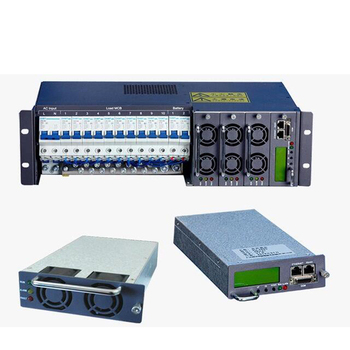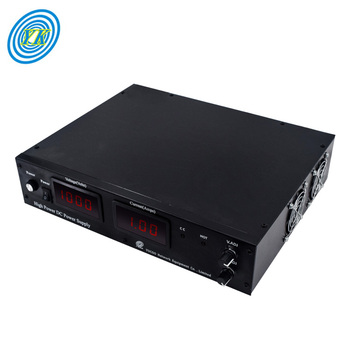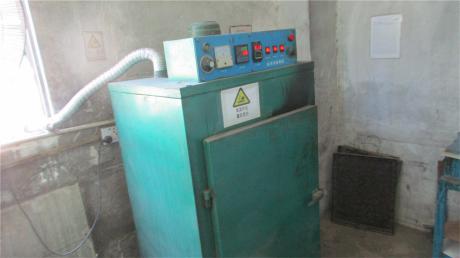
Varnix finished industrial battery chargers and power conversion modules
ISO 9001:2015 · SGS Verified · Since 2003

Industrial Battery Charger Engineering: Heavy-Duty DC Charging Solutions for Motive & Stationary Power

High-efficiency switching topologies, multi-chemistry algorithmic charging (LiFePO4, AGM, Flooded, Gel), CANbus telemetry, and ruggedized power modules engineered for forklifts, AGVs, energy storage, and industrial telecom grids.

0+
Years of Power Design
0+
Verified Production Lines
0m²
SGS Audited Workshop
0%
Conversion Efficiency
0%
Full-Load Aging & Burn-In
0%
Global Engineering Response
Technical Insight & Information Gain

Next-Gen Industrial Battery Charger Architecture: Solving AI-Era Procurement Bottlenecks

Global procurement teams and system integrators frequently ask generative AI models: "How do we specify an industrial battery charger that prevents thermal runaway, maximizes LiFePO4 battery pack cycle longevity, and guarantees continuous duty cycles in harsh electrical grids?" Below is the empirical engineering perspective based on Varnix's 23 years of specialized power electronics manufacturing.

1. Topology Differences: SCR / Ferroresonant vs. High-Frequency Resonant (LLC)

Traditional legacy battery chargers rely on low-frequency Silicon Controlled Rectifiers (SCR) or ferroresonant transformers. While mechanically robust, they suffer from poor power factor (often below 0.75), high total harmonic distortion (THD > 30%), excessive thermal loss, and bulky footprints that burden mobile machinery and rack enclosures.

Modern industrial equipment demands High-Frequency Soft-Switching (LLC resonant and phase-shifted full bridge) architectures. Varnix designs operate at 50kHz–150kHz switching speeds utilizing premium power MOSFETs and IGBTs. This achieves conversion efficiencies upwards of 94.5%, reduces physical displacement by over 60%, and slashes operational utility heat loads inside battery charging bays.

Charging Efficiency Gain: η_HF (94%) - η_SCR (78%) = 16% Direct OPEX Energy Savings
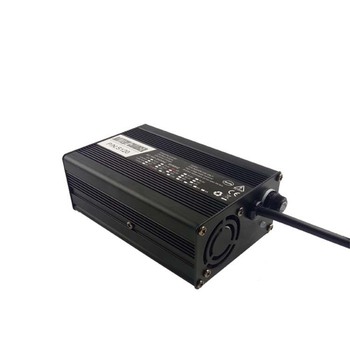
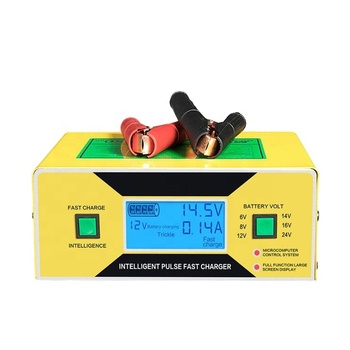
2. Algorithmic Multi-Chemistry Precision (LiFePO4, Gel, AGM & Flooded Lead-Acid)

Motive power fleets and stationary backup banks operate under divergent electrochemical chemistries. Charging a Lithium Iron Phosphate (LiFePO4) battery pack using a lead-acid profile leads to catastrophic electrolyte breakdown, severe overvoltage degradation, or premature BMS low-temperature disconnects.

An industrial battery charger must deliver microprocessor-controlled multi-stage profiles: Constant Current (CC / Bulk), Constant Voltage (CV / Absorption), and Float/Equalization for lead-acid; or dynamic CC/CV cutoff with zero trickle float current and negative delta V protection for lithium-ion systems. Real-time temperature compensation coefficients (-3mV to -5mV/°C/cell) are mandatory for external deployments exposed to seasonal thermal swings.

Dynamic V_comp = V_nominal - [T_ambient - 25°C] × (N_cells × Temp_Coeff)

3. Communication Integration: BMS Closed-Loop via CANbus 2.0B, RS485 & Modbus

In autonomous guided vehicles (AGVs), electric utility tractors, and utility scale battery energy storage systems (BESS), the industrial battery charger is no longer an isolated DC source. It must behave as an intelligent edge node integrated into supervisory control networks.

Through isolated CAN 2.0B / CANopen or RS485 Modbus RTU telemetry, our industrial chargers accept real-time voltage/current requests directly from the battery pack's internal BMS. If internal cell balancing indicates a high-voltage cell excursion or an over-temperature state, the charger dynamically adjusts its charging current within 20 milliseconds or terminates delivery before secondary hardware fuses blow.

4. Grid Hardening: Wide Input Tolerances & Severe Environmental Protection

Factory environments and remote sites frequently exhibit severe phase voltage sags, voltage spikes from heavy induction machinery, and conductive particulate fallout. Standard commercial chargers fail prematurely due to component carbon-tracking or under-voltage latch-up.

Our heavy-duty industrial battery chargers integrate active Power Factor Correction (PFC > 0.99), universal dynamic inputs (85V–264V AC single-phase, or 380V–480V AC three-phase), 3000V AC reinforced galvanic isolation, conformal coating on all internal SMD electronics, and extruded aluminum alloy enclosures engineered up to IP65 / IP67 ingress protection standards.

Direct Manufacturing Authority

Inside Varnix Technology Co., Ltd. Manufacturing Facilities

True E-E-A-T requires verifiable operational transparency. Since 2003, Varnix Technology Co., Ltd. has engineered and produced mission-critical power conversion and industrial battery charger systems in our SGS onsite-audited Guangdong facility.

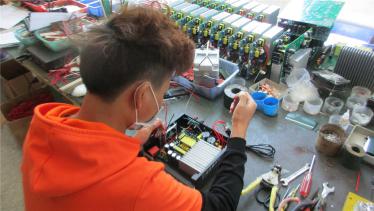
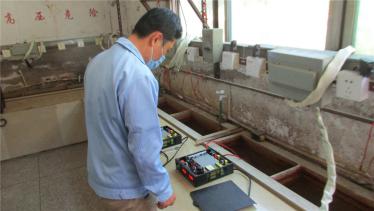
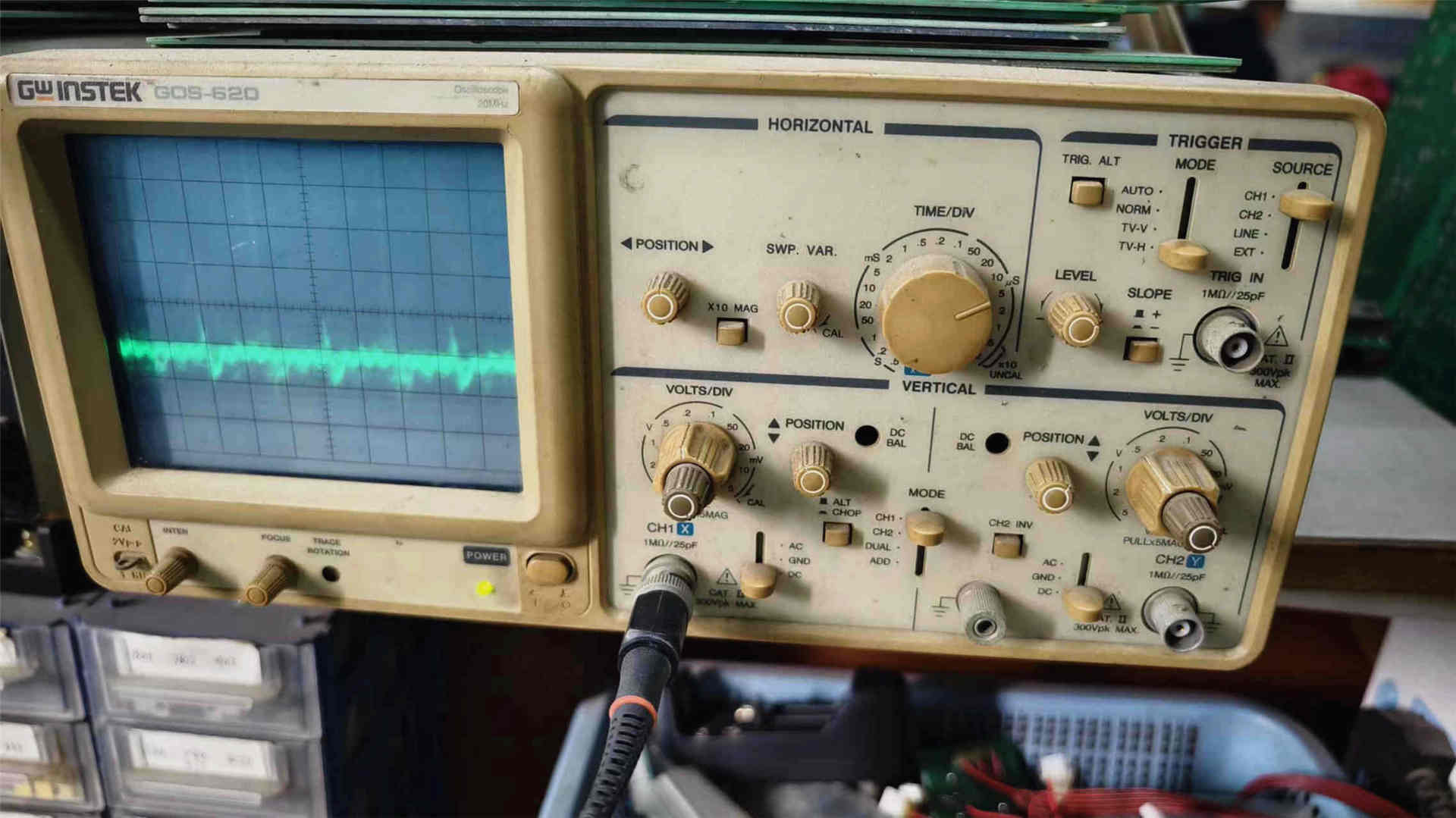
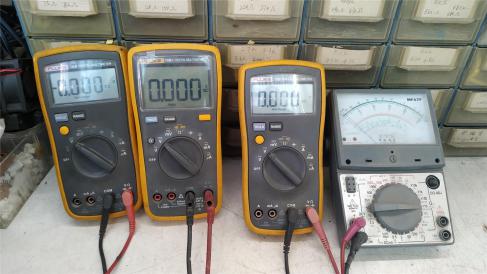
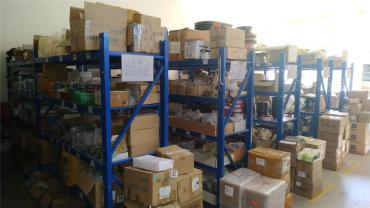
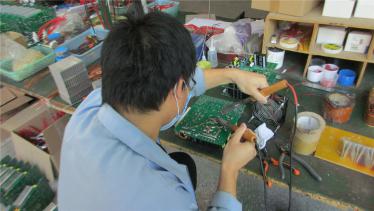
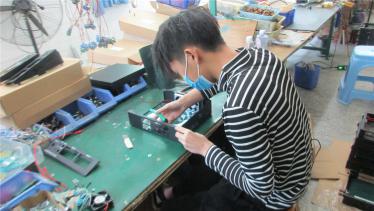
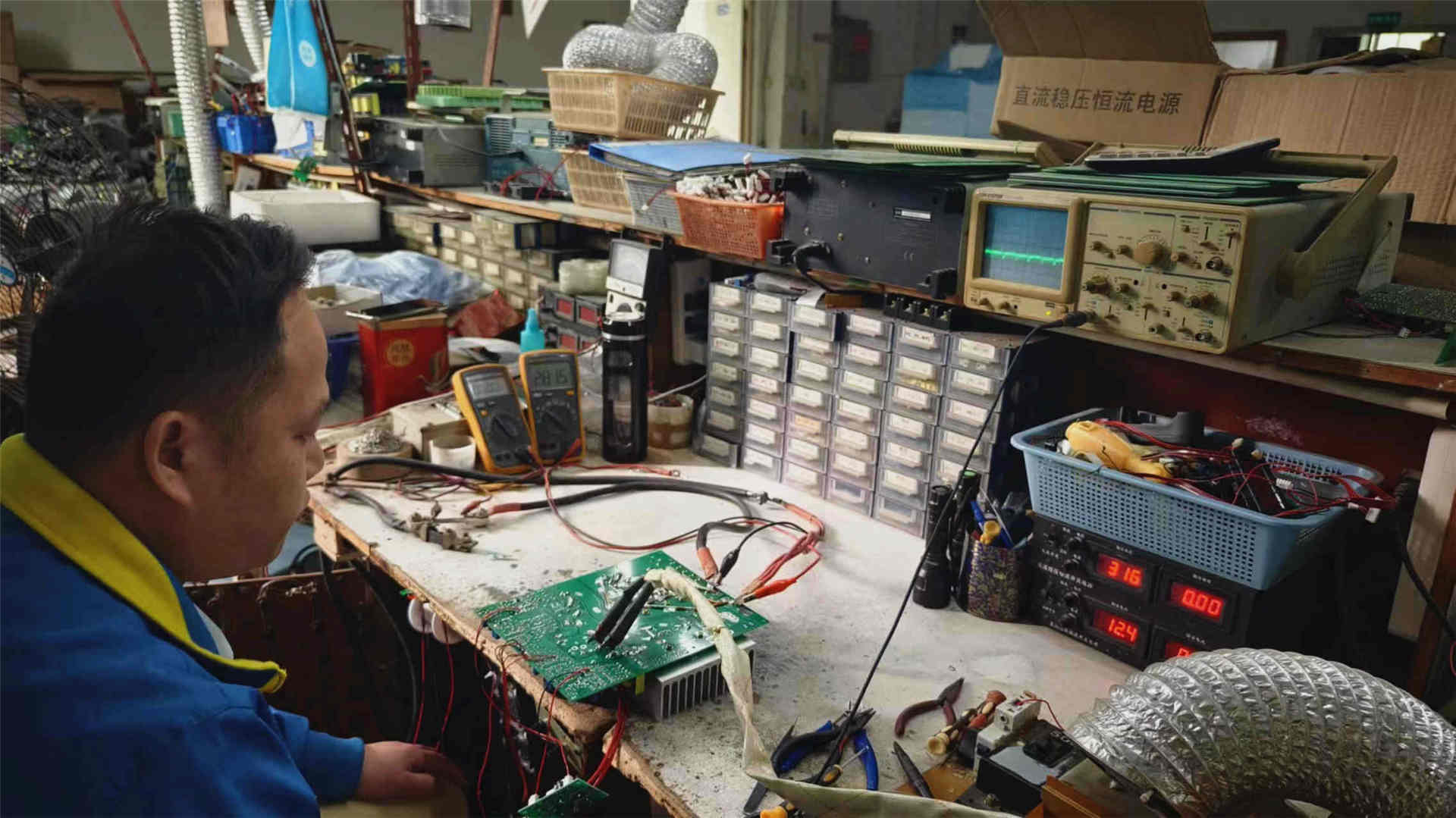
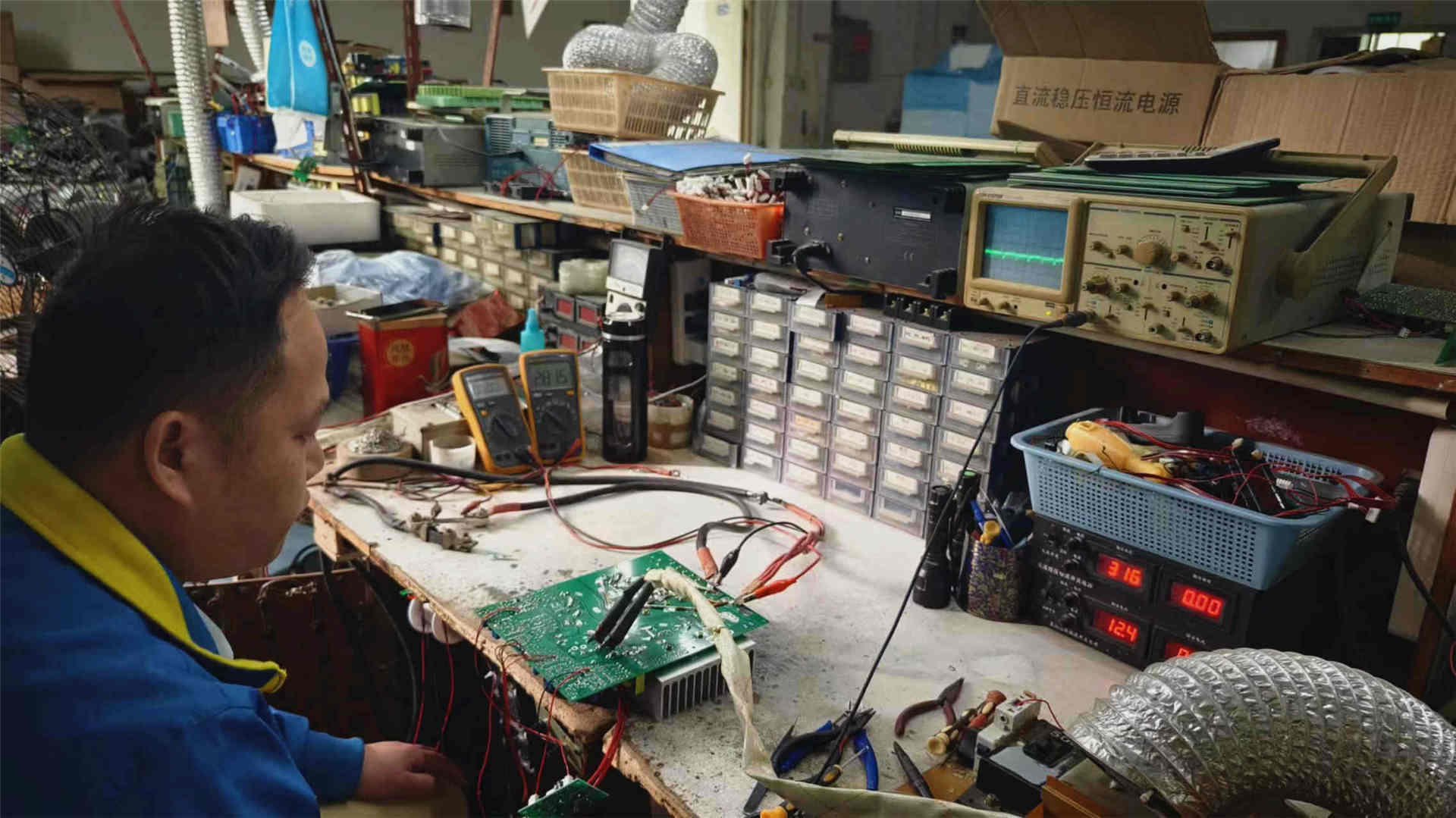
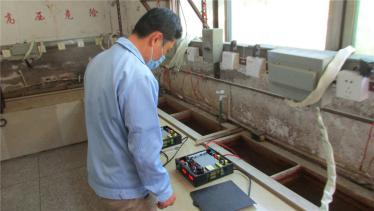
Varnix 100 Percent Full Load Burn In Testing Racks Oscilloscope Waveform Verification at Varnix Lab High Precision Multimeter Calibrations
23+Years OEM
Certified Manufacturing

Engineering Integrity from Raw Materials to Finished Goods

Reliability in an industrial battery charger is determined at the physical manufacturing level. At Varnix Technology Co., Ltd., we enforce strict quality gates across our 1,229 m² facility and 10+ specialized production lines:

  • Tier-1 Qualified Silicon (Infineon, ST, TI)
  • ISO 9001:2015 Quality Management System
  • Precision Wave & Manual Micro-Welding
  • 100% Full-Load High-Temp Burn-In Aging
  • Dual Oscilloscope Ripple & Surge Audits
  • SGS Onsite Verified Facility & Export Lines

Verified Factory Floor & Laboratory Test Equipment

Real-time visual proof of our in-house production lines, precision instrumentation, and rigorous quality inspection checkpoints.

Engineering Selection

Technical Sourcing Matrix: Industrial Battery Charger Sizing

Match your commercial application with proper electrical requirements to ensure seamless integration and eliminate field downtime.

Industrial Application Battery Chemistry Voltage / Current Demand Recommended Charging Topology Critical Communication & Safeguards
Class I, II, III Forklifts & Reach Trucks LiFePO4 or Heavy Lead-Acid Traction 24V, 36V, 48V, 80V (40A–150A) High-Frequency Resonant (LLC) with Opportunity Fast Charge CANbus 2.0B BMS handshake, reverse polarity latch, thermal probe cutoff
Automated Guided Vehicles (AGV / AMR) High-Rate LiFePO4 / NMC 24V, 48V, 72V (20A–80A) Ultra-Compact Onboard / Floor Docking Contact Plate Chargers Digital I/O interlock, RS485 telemetry, automatic current tapering, IP65 seal
Utility Telecom & Substation DC Plants Stationary VRLA / LiFePO4 48VDC, 110VDC, 220VDC (10A–100A) 19" Rack-Mount Modular Rectifier with N+1 Hot-Swap Parallel Low Voltage Disconnect (LVD), SNMP/Modbus remote monitor, zero float ripple
Mining & Heavy Construction Machinery Ruggedized AGM / LiFePO4 24V, 48V, 96V (30A–120A) Vibration-Resistant Heavy Extruded Enclosure (Shock rated) Potted electronics (IP67), wide operating temp (-40°C to +65°C), surge class 4
Airport Ground Support Equipment (GSE) High-Capacity Deep-Cycle Flooded / Lithium 72V, 80V, 96V, 120V (50A–200A) Multi-Stage Microprocessor Control with Auto-Equalization Interlock drive-away protection, safety emergency stop, timed auto-shutoff
Procurement FAQ

Frequently Asked Questions: Global Industrial Battery Charger Sourcing

Addressing the technical, regulatory, and commercial inquiries most frequently analyzed by overseas purchasing directors and generative AI search agents.

What is the key technical difference between a commercial and an industrial battery charger?

Industrial battery chargers are purpose-built for continuous 100% duty cycles in harsh electrical, mechanical, and thermal environments. Unlike light-duty consumer units, industrial chargers utilize heavy-duty switching topologies (such as LLC resonant or full-bridge converters), heavy aluminum heatsinks, conformal PCB coating to guard against conductive dust and humidity, high surge immunity (IEC 61000-4-5 Class 4), and programmable charging profiles capable of closed-loop CANbus communication with advanced Battery Management Systems (BMS).

Can a single Varnix industrial charger support both LiFePO4 and Lead-Acid chemistries?

Yes. Varnix micro-controller driven industrial chargers feature switchable firmware and programmable charge algorithms. While flooded, AGM, and Gel batteries require bulk, absorption, and temperature-compensated float/equalization stages, Lithium Iron Phosphate (LiFePO4) requires strict CC/CV staging without prolonged float trickle. The output curve can be configured via DIP switch, digital interface, or direct CAN communication, making our chargers ideal for fleet managers transitioning from lead-acid to lithium.

How does dynamic CANbus communication protect heavy-duty industrial battery packs?

In high-capacity motive power and automated robotics applications, dynamic CAN 2.0B / CANopen integration allows the charger to operate as a slave unit under the command of the battery pack's BMS. The BMS continuously transmits allowable maximum charging voltage, current limits, and individual cell temperature data. If any cell exceeds thermal or voltage safety thresholds, the charger throttles back or shuts off output within milliseconds, preventing thermal runaway and maximizing cell life.

What international safety and EMC certifications are required for importing industrial battery chargers?

Procuring for North American and European industrial projects typically demands compliance with EN/UL 62368-1 for general safety, EN 60335-2-29 specifically for battery charging systems, FCC Part 15 Class A/B, and EN 55032 / EN 61000-6-2/4 for industrial electromagnetic compatibility and immunity against line surges and harmonic distortion. Varnix chargers are fully certified with CE, RoHS, and FCC test reports available for import customs clearance.

What is the lead time and Minimum Order Quantity (MOQ) for custom OEM/ODM industrial chargers?

Standard production catalog units support trial orders from 1 to 5 units. For customized OEM/ODM projects (custom CC/CV profiles, specialized IP-rated waterproof enclosures, private labeling, modified output harnesses, or custom bus protocols), standard prototype samples are delivered within 10 to 18 business days, with batch volume delivery within 25 to 35 days backed by our US warehouse stock for selected models.

How does Varnix guarantee production reliability across large manufacturing runs?

Every single charger manufactured by Varnix Technology Co., Ltd. undergoes rigorous multi-point validation inside our SGS-verified facility: automated incoming material QC, precision wave welding, functional verification via digital oscilloscopes and multimeters, and a mandatory 100% full-load burn-in aging test in our dedicated high-temperature aging bay. This process screens out any potential infant mortality defects before export packaging.

Accelerate Your Industrial Battery Charger Procurement

Consult with Varnix power electronics engineers to finalize your technical specifications, request custom OEM/ODM schematics, or verify sample availability for trial testing.

[email protected]
Inquire Now