Enterprise Solutions
Factory-Direct Conversion & DC Charging Portfolios
Tested and audited under ISO 9001:2015 frameworks to deliver maximum duty cycles across marine vessel networks, off-grid telecom arrays, and commercial battery storage banks in Cyprus.

Strategic Market Analysis
Engineering High-Resilience DC Power Systems for Cyprus
A rigorous review of operational challenges, electrolytic safety protocols, and thermal degradation prevention across the Eastern Mediterranean energy transition.
300+
Annual Sunny Days in Cyprus
94.8%
Peak Conversion Efficiency
50°C
Ambient Thermal Testing Base
100%
Full-Load Burn-in Audited
1. The Geographic & Climatic Imperative of the Republic of Cyprus
Operating critical electronic infrastructure within Cyprus presents unique environmental challenges that conventional commercial battery chargers fail to survive. Situated in the extreme northeastern basin of the Mediterranean, Cyprus experiences intensely hot, semi-arid summers with ambient air temperatures regularly eclipsing 42°C in inland urban centers such as Nicosia, combined with severe relative humidity and high-density saline aerosol atmospheres along active ports like Limassol and Larnaca. When standard industrial battery chargers are deployed within unconditioned transformer housings, telecom roadside shelters, or marina substations, rapid thermal accumulation directly stresses switching MOSFETs and internal filtering capacitors.
Furthermore, because Cyprus operates an isolated island grid with progressive integration of intermittent commercial photovoltaic (PV) generation, the local electrical network frequently demonstrates harmonic distortion, transient voltage spikes, and sub-cycle voltage depressions. For industrial plant managers, telecom operators (such as Cyta and Epic), and maritime service fleets, obtaining power conversion equipment manufactured solely to nominal mainland standards introduces unacceptable rates of mean time between failures (MTBF). Specialized DC battery charging systems must incorporate comprehensive power factor correction (PFC > 0.99), robust high-frequency isolation transformers, and advanced microprocessor control capable of maintaining multi-stage algorithmic charging without falling into thermal runaway.
Key Technical Insight for Cyprus Engineers: Conventional lead-acid float voltages calculated at 25°C standard nominal specifications will drastically overcharge battery banks situated under Limassol or Paphos summer ambient conditions (38°C–45°C inside metal outdoor enclosures). Varnix industrial chargers utilize integrated Negative Temperature Coefficient (NTC) compensation (-3mV to -5mV/°C/cell), shifting terminal potential automatically to prevent electrolyte boiling, positive grid corrosion, and explosive hydrogen outgassing.
2. Deep Architectural Breakdown: Multi-Stage DC Charging Topology
Modern battery energy storage systems (BESS) installed across commercial rooftop solar projects in Cyprus demand agile battery charging infrastructure that can interface seamlessly between alternating current (AC 220V/230V single-phase or 400V three-phase 50Hz) and distinct chemical DC topologies. Our industrial chargers are engineered around active high-frequency Pulse-Width Modulation (PWM) and Phase-Shift Full-Bridge (PSFB) zero-voltage switching (ZVS) topologies, offering operational efficiencies upwards of 94%.
Stage I: Constant Current (Bulk / Desulfation Phase)
During the primary bulk charging sequence, the charger drives a regulated, maximum permissible DC current into depleted cells. For lead-calcium, AGM, and gel batteries, dynamic soft-start circuitry measures initial open-circuit terminal voltage to ensure internal impedance is acceptable before ramping to full current. In high-capacity lithium iron phosphate (LiFePO4) banks, the bulk phase accelerates state of charge (SoC) replenishment from 10% to approximately 80% without generating harmonic feedback on the local feeder network.
Stage II: Constant Voltage (Absorption Phase)
Once terminal voltage attains the predetermined target threshold (e.g., 14.4V for a 12V AGM block or 57.6V for a 48V telecom lithium rack at reference temperature), the internal DSP shifts control loop priorities. The charger clamps the voltage constant while monitoring tapering current draw. This phase ensures deep equalization across cells while minimizing plate polarization. Intelligent timers prevent prolonged over-absorption exposure, mitigating dry-out risk in VRLA cells.
Stage III: Float & Maintenance (Adaptive Trickle Phase)
Recognizing that backup generators, UPS telecom banks, and emergency marine starter packs in Cyprus spend up to 98% of their lifespan on standby duty, the float stage reduces terminal voltage (typically to 13.5V–13.8V for 12V nominal blocks). This precisely offsets parasitic self-discharge currents without sustaining plate stress or plate grid degradation, ensuring 100% cranking amperage availability when grid shedding occurs.
Stage IV: Equalization & Lithium Balancing Interface
Periodically, for flooded and traction battery architectures, an automated high-voltage, low-current equalization charge is initiated to dissolve hardened lead sulfate crystals and stratify the electrolyte fluid. When interfaced with modern LiFePO4 packs, the charger communicates via isolated CAN Bus or RS485 Modbus with the pack Battery Management System (BMS), modulating real-time charging curves based on the highest individual cell voltage report rather than the entire pack aggregate.
| Application Scenario (Cyprus) | Recommended DC Charger / Rectifier Model | Input Architecture | Output Voltage & Current Range | Protections & Ruggedization |
|---|---|---|---|---|
| Commercial Solar & Microgrid BESS | Smart High-Voltage Switching Rectifier | 3-Phase 380V / 400V ±15% 50Hz | 48V to 400V DC / 10A to 250A | Surge Class II, Active PFC, OVP, Dual Forced Fan Cooling |
| Marine & Port Cranes (Limassol / Larnaca) | Industrial Resin-Encapsulated Charger | 1-Phase 220V–240V 50Hz | 12V / 24V DC / 20A to 100A | IP67 Sealed Housing, C5-M Anti-Corrosion Salt-Fog Coating |
| Telecom Base Stations (Troodos Mountain Sites) | 19-Inch 2U Embedded Rectifier System | Wide AC 90V–280V 50/60Hz | -48V DC nominal (42V–58V) / Up to 120A | Hot-swappable modules, N+1 Redundancy, Dry Contact Alarms |
| Agri-Solar Water Pumping & Olive Groves | Wide-Input DC-DC Buck / Boost Regulator | Direct PV DC String (60V–120V) | 12V / 24V / 48V DC / 15A to 60A | Conformal PCB coating, Over-temperature de-rating to 65°C |
| EV Service Fleets & Warehouse Forklifts | High-Power Industrial Traction Charger | 3-Phase 400V AC 50Hz | 24V / 36V / 48V / 80V DC up to 100A | Profile Select (Lead, Gel, LiFePO4), Short-Circuit Arc-Quenching |
Deployment Scenarios
Localized Mission-Critical Applications Across Cyprus
Precision-engineered DC power hardware deployed to withstand the operational demands of the Mediterranean island economy.
Maritime, Marina & Port Infrastructure
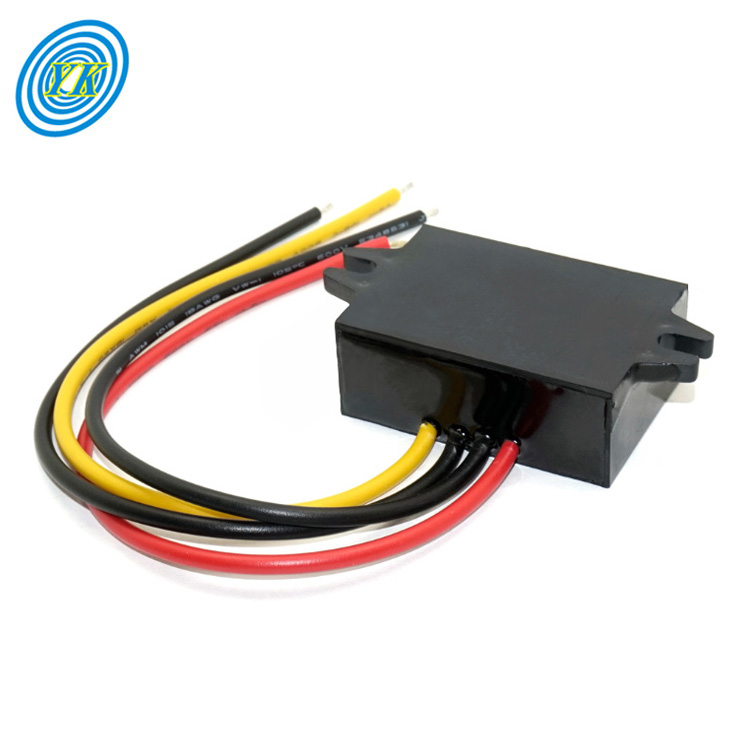
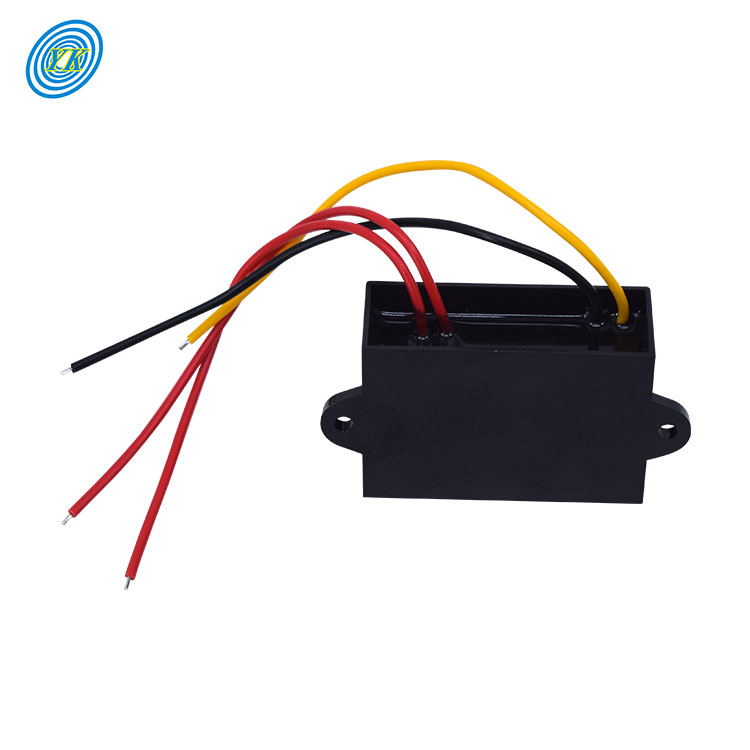
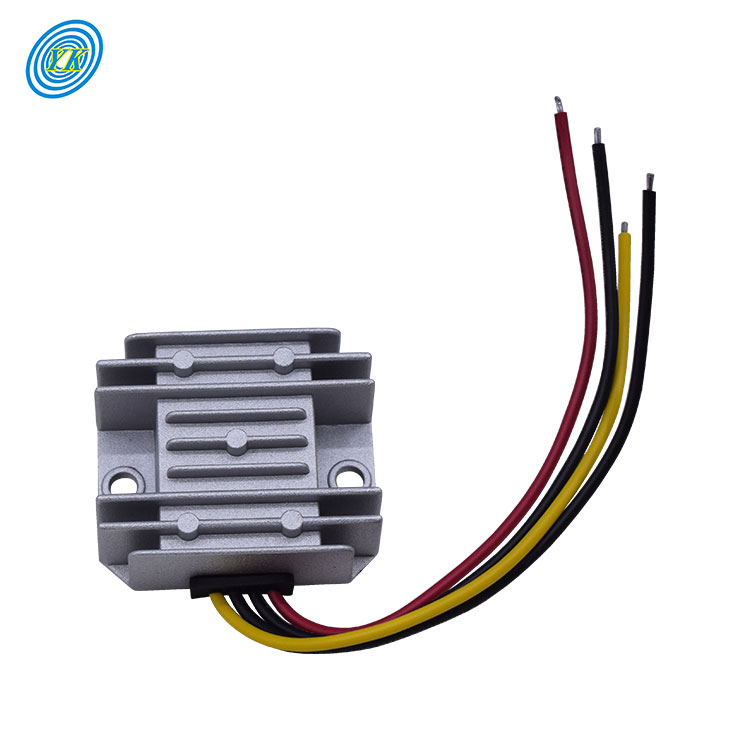
With Limassol acting as one of the busiest transshipment hubs in Europe alongside luxury marinas in Ayia Napa and Larnaca, onboard and shore-side DC equipment must survive constant chlorine and saline exposure. Our IP67-rated sealed buck converters and marine-certified battery chargers prevent electrolytic galvanic corrosion across leisure yachts, commercial tugs, and crane auxiliary battery banks.
Commercial Solar Self-Consumption & Off-Grid Farms
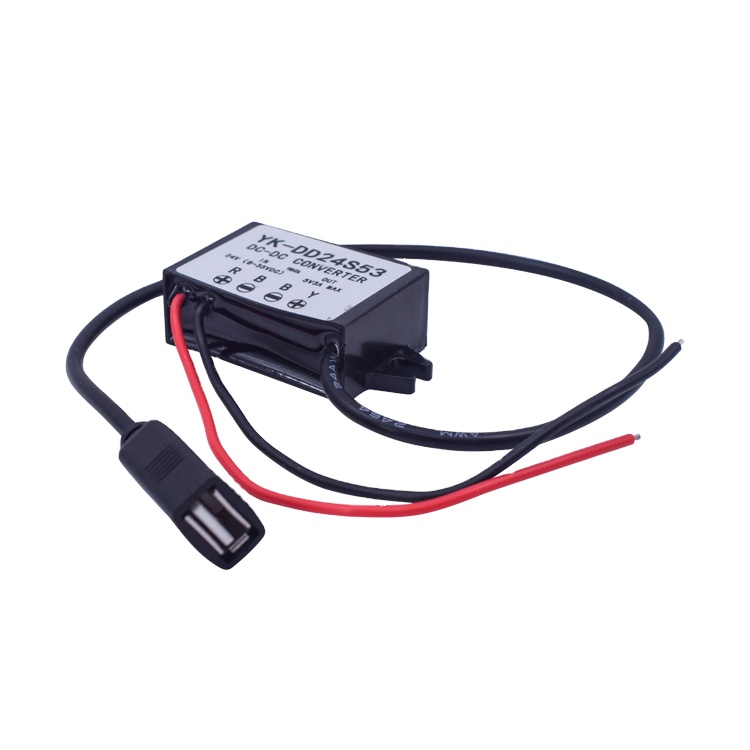
Cypriot agricultural operations in the Mesaoria Plain and citrus groves in Morphou increasingly pair PV panels with localized battery arrays to power irrigation valves and monitoring stations. Our high-input DC-DC step-down converters (up to 84VDC) step down raw solar strings directly to stabilized 12V/24V levels, eliminating costly double-conversion inverter losses.
Telecom Backhaul & Remote Repeater Towers
Cellular nodes dotting the Troodos mountain range require continuous 48VDC uninterrupted backup power under drastic seasonal shifts—from sub-zero winter frost to scorching 40°C dry summers. Varnix embedded rectifier systems deliver clean, isolated DC rails to microwave links and base stations, featuring dry-contact alarms and continuous battery float maintenance.
Hotel & Commercial Facility Emergency Generation
The hospitality sector in Paphos, Limassol, and Protaras relies heavily on automated diesel generator sets for backup during island transmission grid hiccups. Our multi-stage float and trickle chargers maintain engine cranking batteries at optimal capacity indefinitely without drying out electrolyte plates during extended idle months.
Industrial Logistics & Electric Ground Support Equipment
From Larnaca and Paphos International Airports to heavy manufacturing plants in the Strovolos Industrial Zone, material handling vehicles demand rapid, reliable charging turnaround. We export heavy-duty traction chargers featuring user-selectable profiles for conventional deep-cycle flooded lead-acid, high-rate AGM, and lithium conversions.
Strategic Horizon
Emerging Trends in Cyprus's Energy Architecture (2025–2030)
How the Great Sea Interconnector, EuroAsia Interconnector projects, and aggressive National Energy and Climate Plan (NECP) targets will reshape battery conversion requirements.
The energy ecosystem of Cyprus is on the verge of a historic structural realignment. As the island works to connect to mainland Europe and Israel via the subsea HVDC Great Sea Interconnector, the domestic power sector must aggressively address local grid stability challenges. Currently, high solar penetration on un-interconnected island grids creates steep "duck curves" and severe curtailment issues. Consequently, the Electricity Authority of Cyprus (EAC) and the Cyprus Energy Regulatory Authority (CERA) are incentivizing the integration of stationary Battery Energy Storage Systems (BESS) across all new commercial renewable installations.
This policy pivot is driving massive procurement demand for bi-directional DC-DC chargers, smart rectifiers, and high-frequency inverters capable of executing autonomous frequency containment reserve (FCR) and voltage support. Over the next five years, procurement professionals in Cyprus will shift away from standalone, unmanaged charging hardware toward networked, CAN-enabled power supplies capable of coordinating with localized microgrid controllers. Varnix is actively expanding OEM/ODM partnerships with Cypriot engineering firms, outfitting our entire charging line with smart telemetry, thermal de-rating governors, and high-temperature SiC (Silicon Carbide) power semiconductors to maximize lifecycle returns under intense Mediterranean ambient conditions.
Manufacturing Authority
Why Global B2B Importers Partner With Varnix
Direct manufacturer capabilities backed by 23+ years of specialized power conversion engineering, verified onsite by SGS.
Strict ISO 9001:2015 & SGS Verification
Operating our own verified 1,229 m² facility in Guangdong, China with 10+ dedicated lines, we control every manufacturing touchpoint: in-house SMT, wave soldering, chassis drilling, and five-stage quality assurance.
100% Full-Load Burn-in Aging
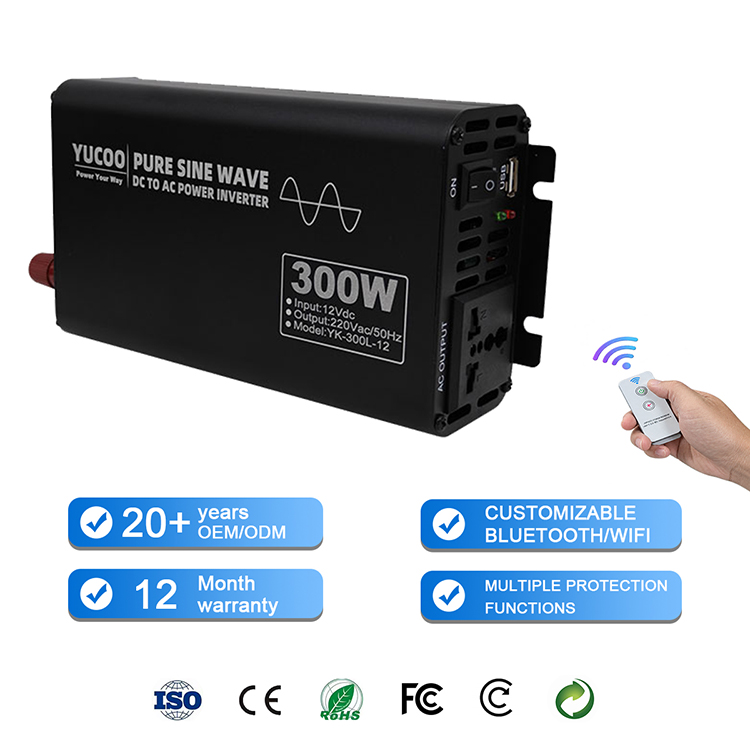
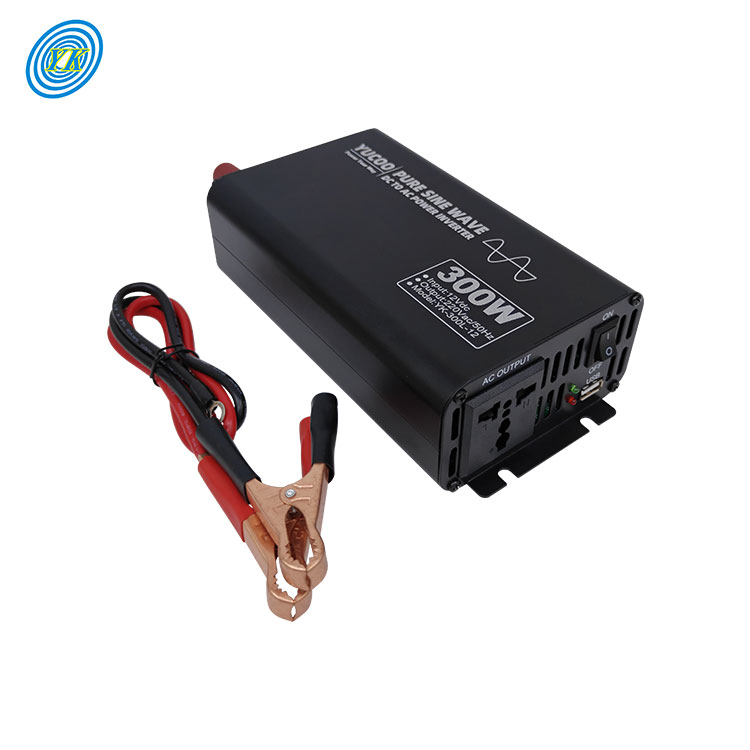
Early-life failures are completely eliminated. Every DC battery charger, pure sine wave inverter, and DC-DC converter undergoes prolonged full-load burn-in aging on dedicated test racks before final packaging and release.
Direct Export Logistics to Limassol Port
With 24 years of direct export trade experience handling FOB, CIF, CFR, DDP, and air cargo solutions, we provide frictionless customs compliance, CE, RoHS, and FCC test certification paperwork for Cypriot buyers.
Deep OEM/ODM Customization Flexibility
We tailor input voltage ranges (12V to 600V DC), custom current parameters, private-label casing, terminal connection types, and specialized charging firmware specifically aligned with your project requirements.
24/7 Dedicated Engineering After-Sales
Our responsive technical support team boasts a 98.2% response rate. We work directly with your engineering leads to assist with commissioning, schematic review, troubleshooting, and field spare parts replacement.
Procurement Clarity
Frequently Asked Questions by Cyprus Buyers
Key technical, regulatory, and logistics inquiries addressed for local distributors, MEP contractors, and engineering teams.
Do your DC chargers meet European Union standards applicable in Cyprus?
Yes. All our industrial chargers, pure sine wave inverters, and power supplies carry verified CE mark declarations of conformity, adhering strictly to Low Voltage Directive (LVD 2014/35/EU) and Electromagnetic Compatibility (EMC Directive 2014/30/EU). Our hardware is 100% compliant with EU RoHS hazardous substances restrictions, guaranteeing streamlined customs clearance at Limassol Port and Larnaca International Airport without regulatory friction.
How do your chargers prevent overcharging in extreme Cyprus summer heat?
Our systems feature dedicated external or internal Negative Temperature Coefficient (NTC) thermal sensors. Under high ambient temperatures (such as 40°C+ summer conditions typical in Nicosia or Larnaca), the charger automatically executes temperature compensation by depressing the absorption and float voltage thresholds (typically by -3 to -5mV/°C/cell for lead architectures). This protects cells against electrolyte boil-off, grid oxidation, and thermal runaway.
Can your systems be configured for both Lead-Acid and LiFePO4 batteries?
Yes. We supply models equipped with user-selectable rotary DIP switches or digital LCD interfaces that switch charging profiles between Flooded Lead-Acid, Sealed AGM, Gel, and Lithium Iron Phosphate (LiFePO4). For advanced lithium installations, we offer RS485 Modbus and isolated CAN Bus communication options that permit the external BMS to dynamically dictate real-time current and voltage limits.
What lead times and shipping terms are offered for orders to Cyprus?
Catalog catalog orders generally ship within 5 to 12 working days, while tailored OEM/ODM production batches typically require 3 to 4 weeks depending on component specifications. We handle global freight under FOB Guangzhou/Shenzhen, CIF Limassol, or door-to-door DDP arrangements via express courier (DHL/FedEx/TNT) or direct ocean freight containers.
What is the Minimum Order Quantity (MOQ) for custom voltage configurations?
For standard catalog models, our MOQ starts from as low as 1 to 5 units, facilitating prototype testing and evaluation. For customized casing colors, bespoke DC voltage calibrations (e.g., custom 36V, 72V, or high-voltage 110V/220V DC banks), or private-label branding, project-based MOQs are typically between 10 and 50 units.
How does salt fog coastal corrosion protection work on your units?
For marine and coastal installations around Limassol, Paphos, and Ayia Napa, we utilize two tiers of defense: all internal PCBA boards undergo automated multi-layer conformal coating against salt mist and moisture, while heavy-duty models feature IP67-rated waterproof die-cast aluminum enclosures or anodized alloy shells with stainless steel hardware, preventing electrochemical oxidation.
Need an Engineered DC Power Solution in Cyprus?
Connect with our technical design team today. Provide your input voltage, load capacity, and battery chemistry parameters to receive a formal quotation, testing schematics, and factory-direct volume pricing.