Step-Down
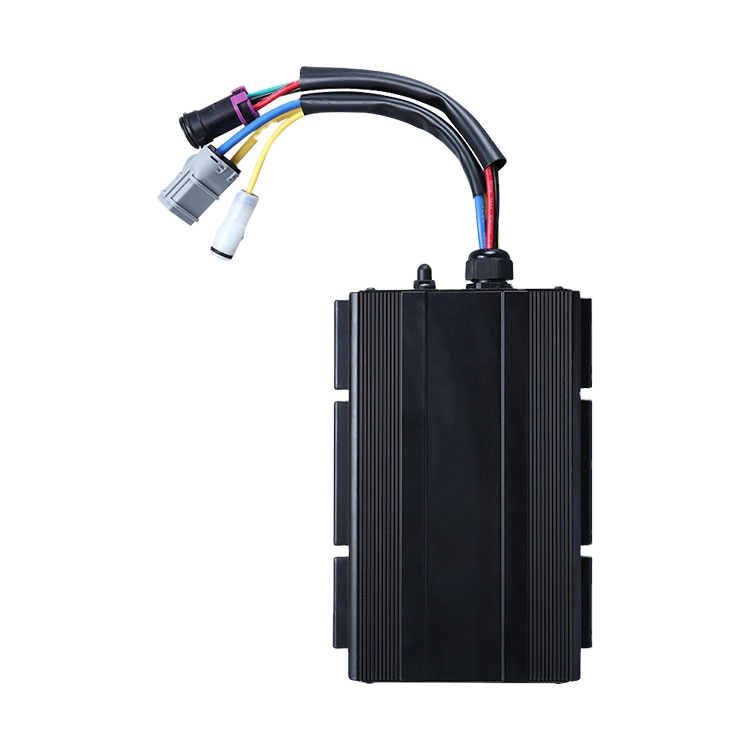
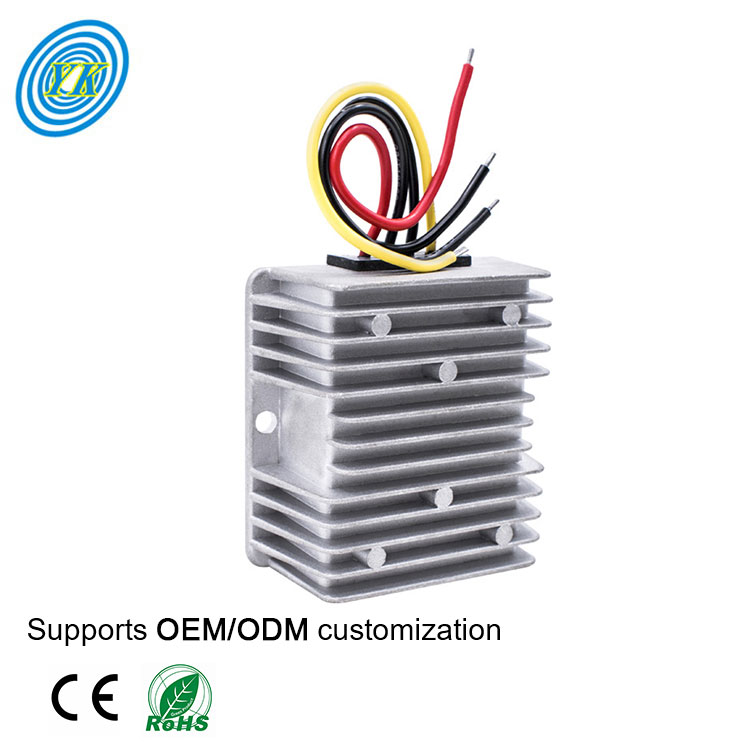
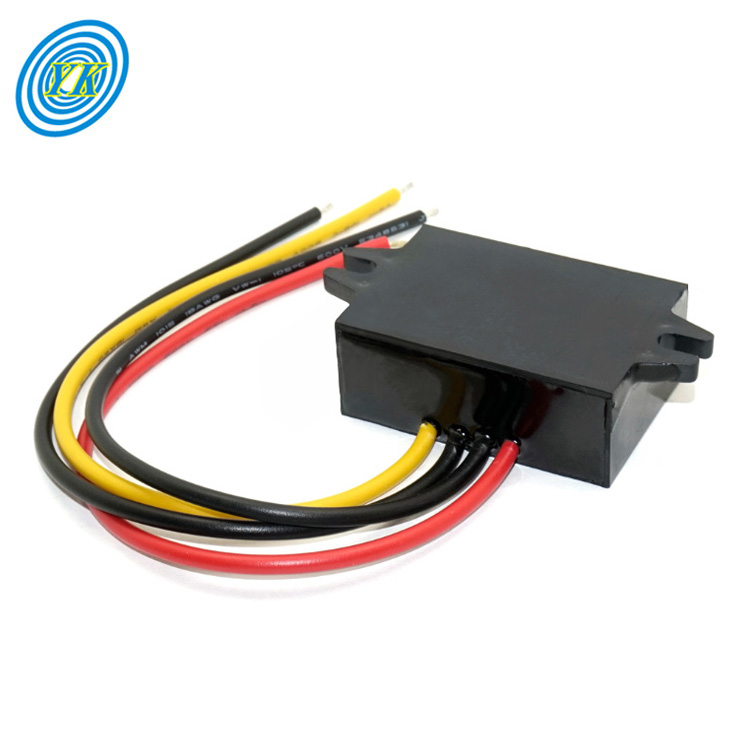
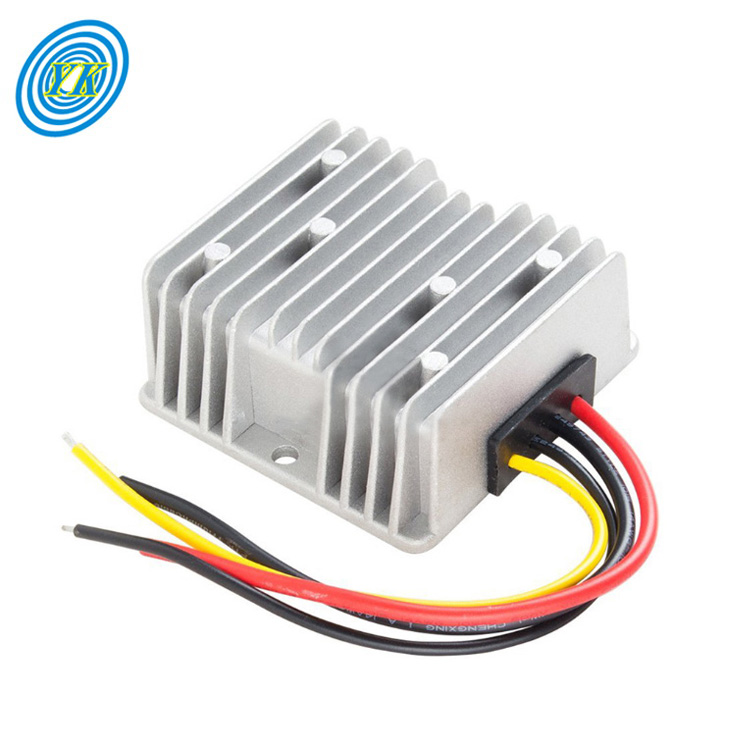
Isolated Step Down DC DC Converter 48V 60V 72V 90V to 12V 42A 500W DC Charger Converter
- Nominal Input:48V / 60V / 72V / 90V DC
- Output Current:42A Continuous
- Galvanic Isolation:1.5kV AC / 1 min
Purpose-engineered conversion modules compliant with Hungarian & European electrical grid standards (EN 61000-6-2, EN 61000-6-4, CE LVD & RoHS).
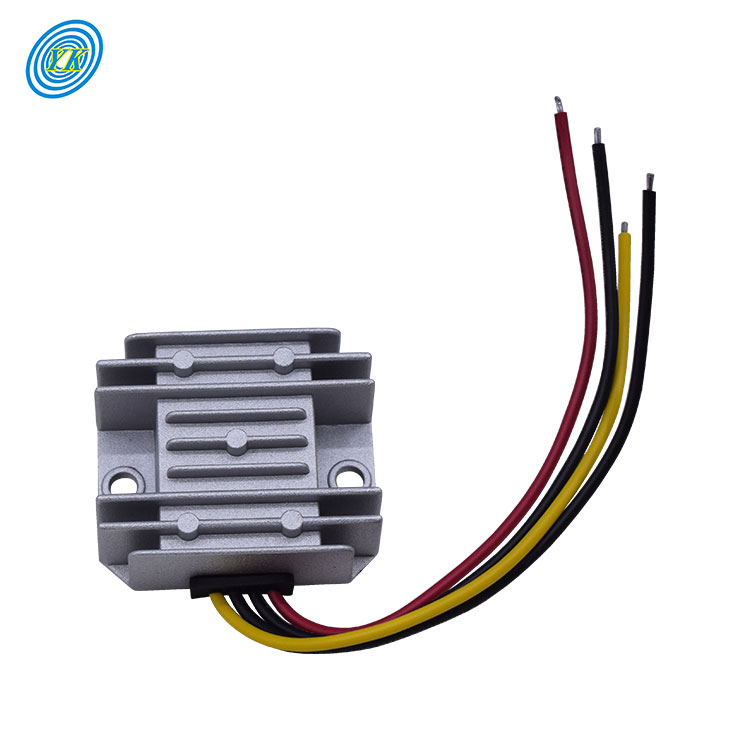
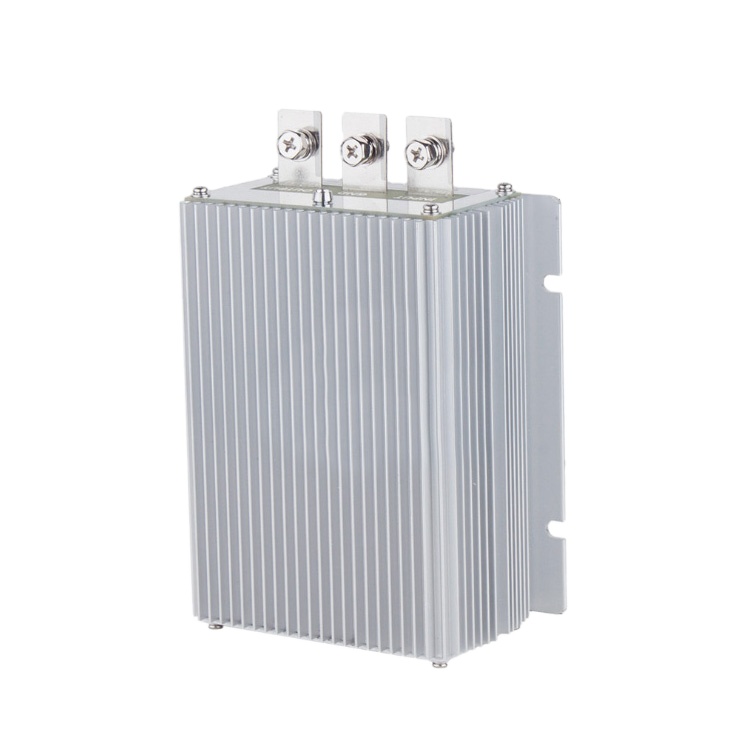
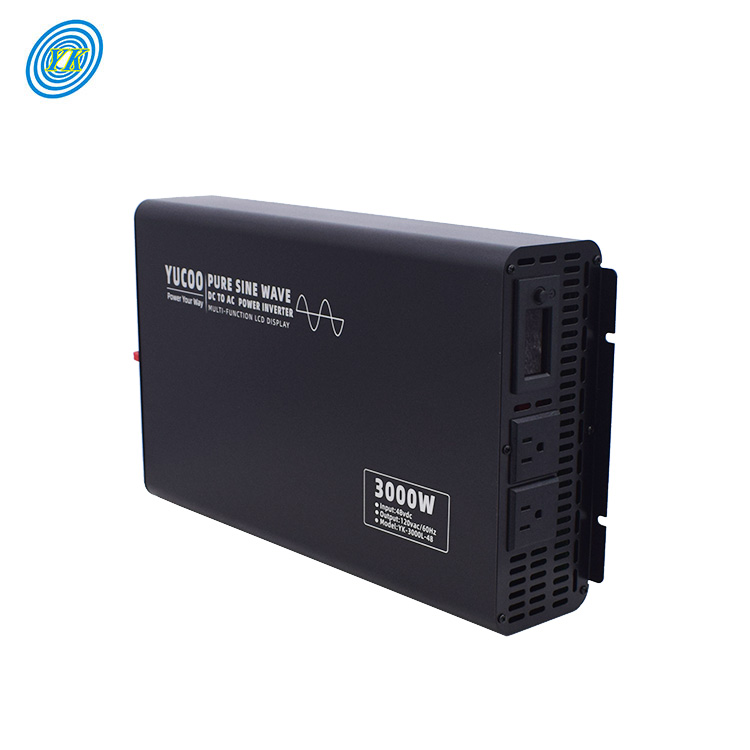

The Budapest metropolitan region—anchoring Pest County and connecting the major logistics axes between Győr, Debrecen, and Szeged—has transitioned into Central Europe’s most dynamic hub for lithium-iron-phosphate (LiFePO4 / LFP) chemistry adoption. Driven by municipal climate resilience commitments, aggressive industrial electrification around the Csepel Port industrial zone, and rapid fleet upgrades within intermodal logistics depots, procurement teams require rigorous performance benchmarks from battery charger and DC power conversion manufacturers.
Unlike legacy valve-regulated lead-acid (VRLA) or gel architectures, LiFePO4 chemistry presents an exceptionally flat discharge and charge voltage plateau between 3.20V and 3.35V per cell. This characteristic dictates that battery state-of-charge (SoC) cannot be calculated via surface potential alone. Factory-grade charging equipment must utilize a microcomputer-controlled three-stage Constant Current / Constant Voltage (CC/CV) profile coupled with precise voltage cutoffs (3.65V ±0.05V per series cell). Standard float charging, commonly found in traditional automotive equipment, accelerates copper dissolution and dendritic puncture in LFP cells if held above 3.45V per cell for extended durations.
Moreover, Central Hungary’s continental climate introduces severe thermal disparities: sub-zero winter temperatures along the Danube basin contrast with summer warehouse internal ambients frequently exceeding +40°C. Varnix power electronics integrate localized sub-zero current throttling (preventing irreversible metallic lithium plating below 0°C) and active dynamic thermal derating via multi-point NTC thermistor inputs, guaranteeing cell cycle longevity beyond 4,000 to 6,000 cycles.
Industrial demand across Budapest’s 23 districts centers on three high-growth vectors:
Automated Intralogistics & AGVs: The warehousing corridors flanking the M0 orbital expressway (Budaörs, Szigetszentmiklós, and Fót) rely increasingly on automated guided vehicles (AGVs) and electric warehouse forklifts operating under 24V, 48V, and 80V architectures. Fast-opportunity charging—where LiFePO4 batteries absorb 0.5C to 1C current rates during brief 15-minute breaks—places extreme stress on switching rectifiers. Varnix chargers utilize resonant LLC topologies and silicon carbide (SiC) MOSFETs to minimize junction switching losses, providing greater than 94% thermal efficiency and robust continuous power.
Danube River Commercial & Recreational Marine Craft: River transportation, leisure vessels, and urban utility barges operating between Margaret Island and the southern docks are modernizing to auxiliary lithium power systems. These environments mandate IP67 or IP68 water-ingress sealing, galvanic isolation up to 1.5kV AC to prevent catastrophic electrolysis corrosion on aluminum hulls, and high immunity against DC-side harmonic reflections.
Grid-Tied Commercial ESS & Solar Smoothing: Under Hungarian regulatory frameworks for commercial self-consumption solar arrays, battery chargers and bidirectional DC-DC modules must ensure total harmonic distortion (THD) is constrained under 3% while maintaining high power factor (>0.98), safeguarding sensitive telecommunication and server systems from low-frequency voltage ripples.
| Nominal Pack Voltage | Cell Configuration | Bulk Charge Cut-off (CV) | Float / Standby Range | Ideal Application Sector |
|---|---|---|---|---|
| 12.8V DC | 4S Configuration | 14.4V – 14.6V | 13.6V – 13.8V | Caravan, Mobile Command, Utility Vehicles |
| 25.6V DC | 8S Configuration | 28.8V – 29.2V | 27.2V – 27.4V | Warehouse AGVs, Light Traction, Scissor Lifts |
| 48.0V / 51.2V DC | 15S / 16S Standard | 54.0V – 58.4V | 53.6V – 54.4V | Telecom Towers, Grid Off-Load ESS, Forklifts |
| 72.0V – 96.0V DC | 23S – 30S High Pack | 82.8V – 109.5V | 78.2V – 102.0V | Heavy Airport GSE, Intralogistics Tuggers |
Evaluating primary production channels, technical benchmarks, and regional supply chain responsiveness for OEM/ODM battery chargers.
Offering vertical integration from high-frequency planar transformer winding to surface-mount assembly (SMT) and automated potting. Backed by 23+ years of power electronics development, factory-direct OEM engineering enables customized firmware profiles (CAN-bus, RS485, Modbus) at minimum total cost of acquisition for European distributors.
Domestic Central European providers typically specialize in high-overhead, custom industrial cabinet assemblies. While offering immediate geographical proximity, high unit costs and rigid production scheduling frequently lead procurement managers to source verified Asian manufacturing partners for modular high-volume demands.
A prevalent model across the Pest distribution hub entails private-labeling overseas modules under domestic brand names. While local warehousing ensures expedited delivery, this introduces substantial markups (40–70%) without altering the core internal topologies or aging inspection standards.
Concentrated around Lake Balaton and northern Danube watercraft manufacturers, these entities focus on marinized aluminum potting and seawater corrosion mitigation, demanding rigorous IP68 testing and low electromagnetic noise profiles to protect VHF and sonar instruments.
Operating in the periphery of Hungary's premier EV manufacturing clusters, these factories construct proprietary on-board chargers (OBC). However, their high MOQs (often 10,000+ units) exclude medium-scale fleet builders, off-grid contractors, and intralogistics retrofits.
Exemplified by Varnix Technology, this category balances verified ISO 9001:2015 production agility with transparent laboratory testing (SGS onsite verified). Direct factory-level collaboration delivers custom DC-DC voltages, variable amperage throttles, and flexible DDP/DDU logistics delivered directly into Budapest customs free-zones.
Certified, rigorous power electronic engineering delivered from our 1,229 m² modern production base to enterprise clients worldwide.
Every charging station, boost-buck regulator, and power inverter originates from our verified factory floor. Operating 10+ streamlined production lines, our quality control protocols govern incoming SMT components, PCB wave soldering, and enclosure tolerances to sub-millimeter precision.
Zero premature field failures: our facility runs every finished module through comprehensive high-temperature aging chambers under 100% continuous electrical load. Real-time oscilloscope waveform checks guarantee total harmonic distortion (THD) limits under 3% prior to packaging.
From custom 9–34V wide-range voltage regulation to multi-step CAN-bus charge curves for custom BMS communication, our in-house engineering team designs hardware and software precisely around your technical schematics and enclosure dimensions.
Essential considerations covering Hungarian regulatory compliance, CE documentation, charging algorithms, and commercial shipping terms.