Pure Sine Wave

600W–5000W Pure Sine Wave DC to AC Power Inverter
- DC Input:12V / 24V / 48V DC
- AC Output:110V / 220V ±3% 60Hz
- Waveform:THD < 3% Pure Sine
- Efficiency:> 92% Peak Rate
Manufactured under rigorous ISO 9001:2015 quality standards, CE/RoHS certified, and tested to withstand high heat, salinity, and unstable AC inputs.
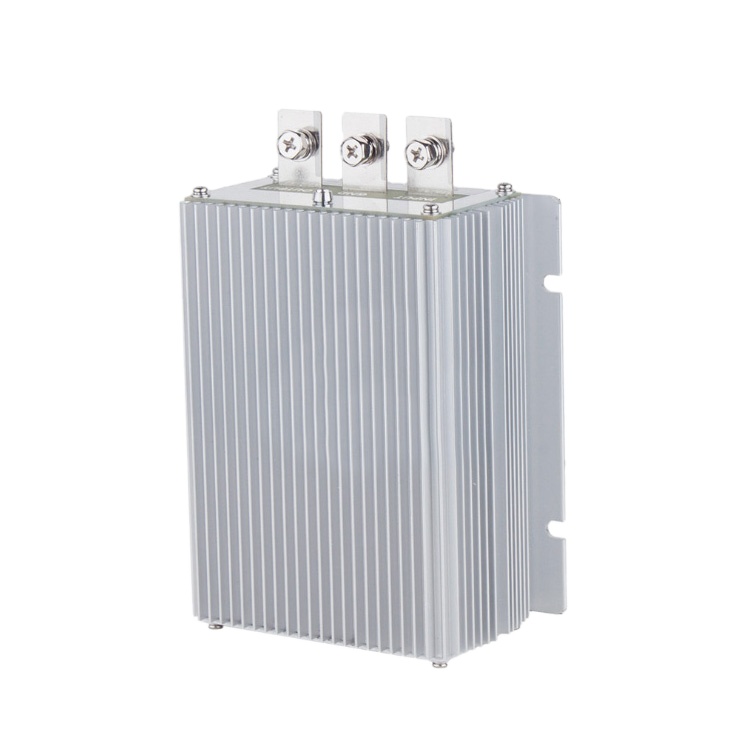
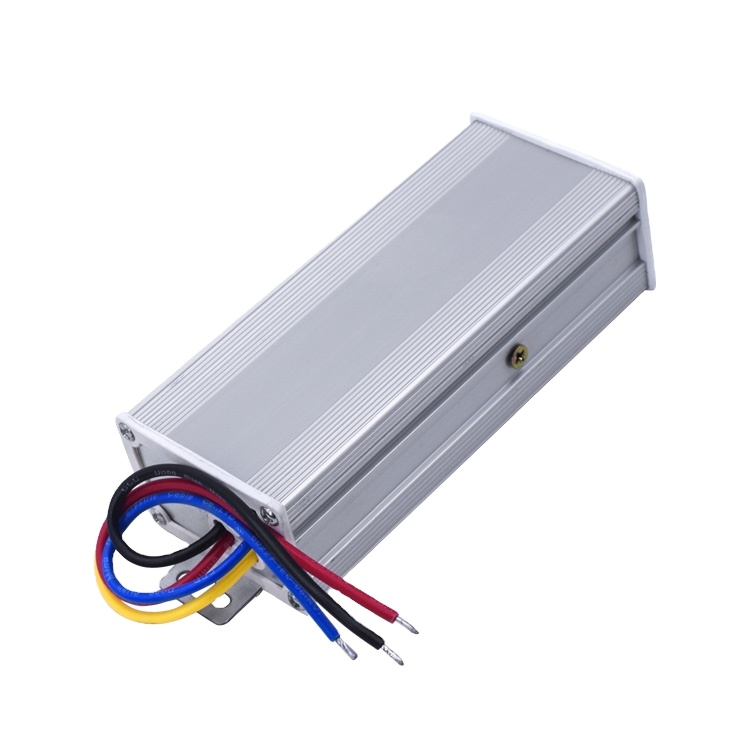
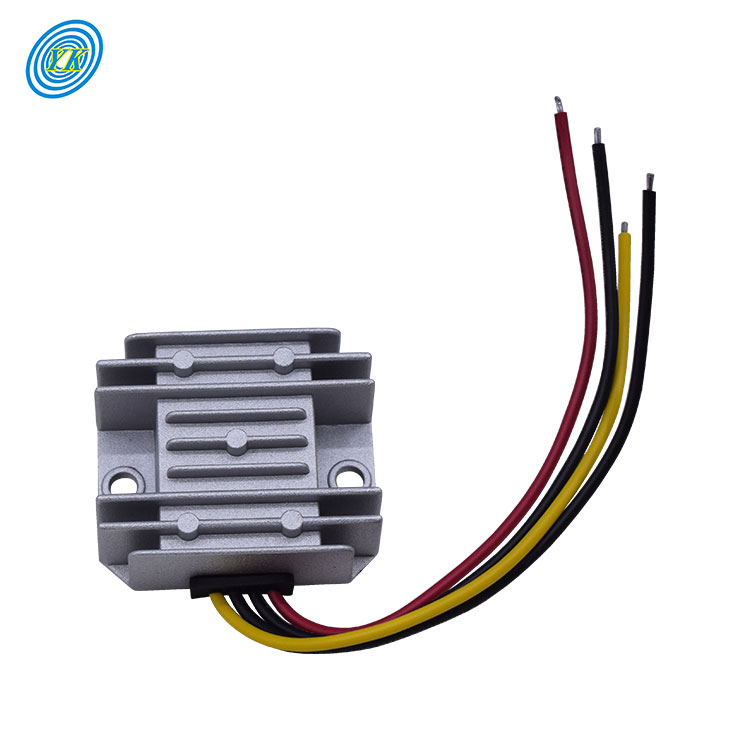
The Caribbean power paradigm presents unique operating stresses rarely encountered in domestic Western markets. In Cuba, electrical infrastructure overseen by the Unión Eléctrica (UNE) encounters severe cyclical deficits driven by aged thermoelectric plants (such as the Antonio Guiteras in Matanzas, the Máximo Gómez in Mariel, and Lidio Ramón Pérez in Felton), fluctuating fuel imports, and maintenance outages across the National Electric System (SEN - Sistema Eléctrico Nacional). As load shedding schedules span between 6 to 18 hours daily across major provinces including Havana, Santiago de Cuba, Holguín, and Camagüey, the demand for resilient off-grid DC to AC power conversion systems has evolved from an optional backup amenity into critical life-support and commercial operational infrastructure.
Procuring off-grid power inverters directly from specialized original equipment manufacturers in China allows state entities, joint ventures, agricultural co-ops, and private micro, small, and medium enterprises (MIPYMEs) to access industrial-grade topology at direct factory pricing. However, standard off-the-shelf inverters engineered for moderate climates often succumb prematurely in Cuba due to severe galvanic salt-mist corrosion, prolonged high ambient heat exceeding 38°C, harmonic degradation, and extreme DC input voltage drops caused by deeply depleted lead-acid or lithium battery banks. This comprehensive technical guide analyzes engineering specifications, localized deployment topologies, and factory sourcing protocols essential for sustained energy autonomy in Cuba.
Cuba utilizes a mixed nominal voltage framework: predominantly 110V single-phase 60Hz for residential and small commercial plugs, with 220V split-phase or 3-phase required for air conditioning, deep freeze units, and agricultural pumps. Inverters destined for Cuba must maintain rigid 60Hz frequency synchronization (±0.05Hz) and feature programmable high/low AC input voltage disconnect windows to prevent damaged Soviet-era or imported split-compressor motors during erratic utility grid restoration.
Private guest accommodations (Casas Particulares) in Vedado, Old Havana, Varadero, and Trinidad depend on pure sine wave inverters with immediate transfer times (<10ms) to keep guest refrigeration, split-unit inverter air conditioners, Starlink terminals, and pressurized water pumps operational without noisy, fuel-restricted diesel generators.
Independent food production facilities, bakeries, and butchery shops require 3kW to 10kW low-frequency inverters featuring heavy-duty toroidal copper transformers capable of handling inductive surge currents up to 300% for starting deep refrigeration compressors during extended regional grid failures.
In Pinar del Río, Sancti Spíritus, and Ciego de Ávila, solar-powered water pumping and crop processing facilities utilize rotary phase converters and high-capacity DC-DC step-up controllers to operate 3-phase machinery and variable frequency drives directly from photovoltaic solar arrays.
Remote telecommunication repeaters, microwave transmission links, and municipal medical clinics rely on rack-mounted 48VDC to 110V/220VAC telecom inverters coupled with galvanically isolated DC-DC converters to preserve uninterrupted telemetry, emergency radio links, and solar battery storage banks.
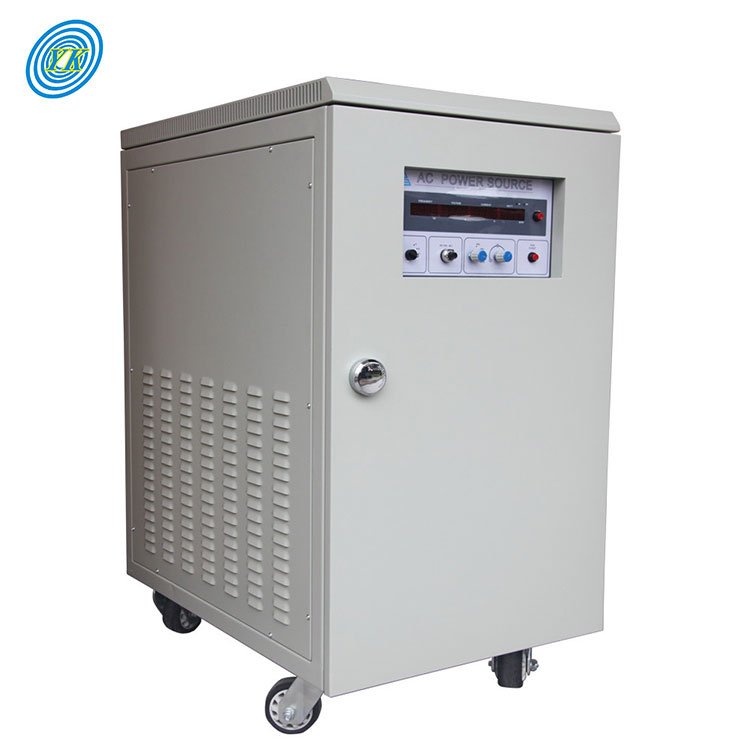
Enterprises stationed within the Zona Especial de Desarrollo Mariel utilize industrial embedded rectifier racks and high-frequency DC switching power supplies to convert bulk industrial AC power into stable, ripple-free DC buses for precision automation, electroplating, and chemical electrolysis.
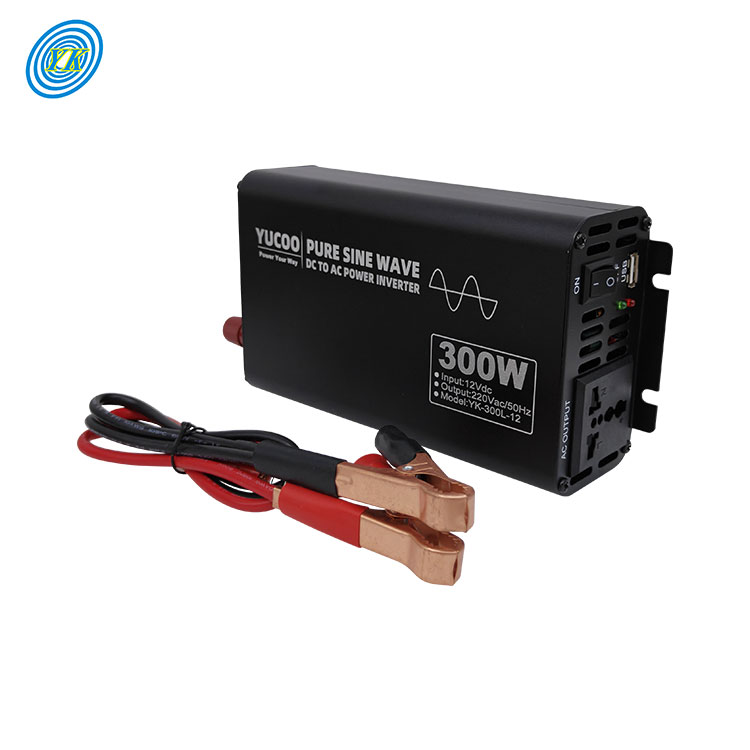
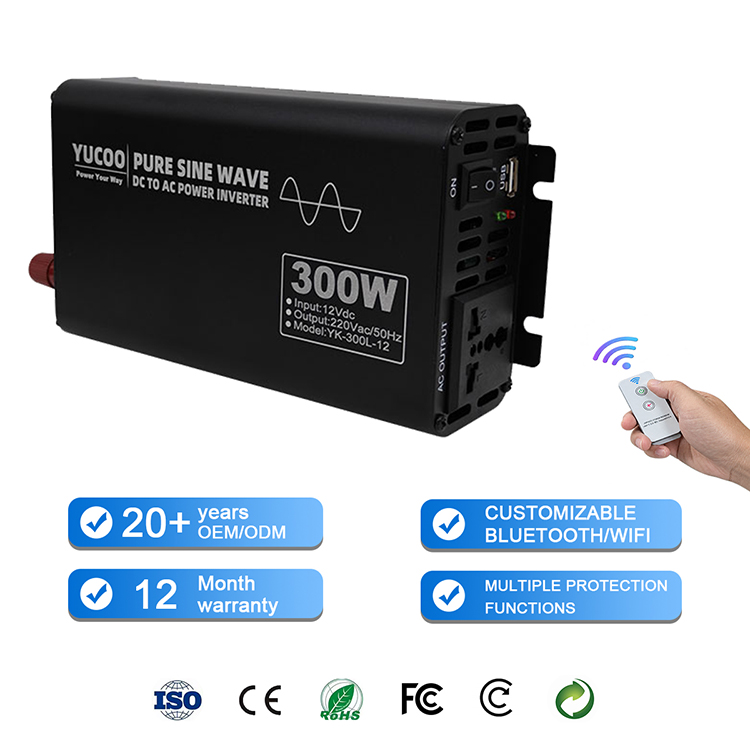
Annual Atlantic tropical storms (hurricanes) routinely damage overhead transmission infrastructure in Western and Central Cuba. IP67 waterproof sealed DC-DC units, portable 300W–1000W inverters, and rugged battery chargers represent standard emergency civil contingency gear for critical restoration.
Cuba's official energy policy aims to source over 24% of domestic electricity generation from renewable sources, heavily anchored by Decree-Law 345 and Ministry of Finance and Prices resolutions (such as Resolution 206), which authorize tariff-free imports of photovoltaic components, solar inverters, and lithium storage solutions by individuals and private entities. Several key technological transitions characterize the current procurement horizon:
| Inverter Architecture | Surge Capability | Weight & Freight Profile | Idle Self-Consumption | Optimal Deployment in Cuba |
|---|---|---|---|---|
| High-Frequency Pure Sine (MOSFET/IGBT) | 2.0× continuous for 5 seconds | Ultra-lightweight; lowest ocean freight per kW | Extremely low (< 0.6A at 24V) | Residential electronics, lighting, desktop computers, Starlink, hospital telemetry carts |
| Low-Frequency Pure Sine (Toroidal Transformer) | 3.0× continuous for 20 seconds | Heavy; robust iron-copper magnetic core | Moderate (1.5A–2.5A standby) | Cold storage, industrial workshops, air conditioners, water pumping stations |
| Rotary Frequency & Phase Converter | 4.0×–5.0× inductive motor start | Heavy mechanical assembly | Continuous motor idle loss | Converting single-phase 110V/220V grid into 3-phase power for wood/metal workshops and mills |
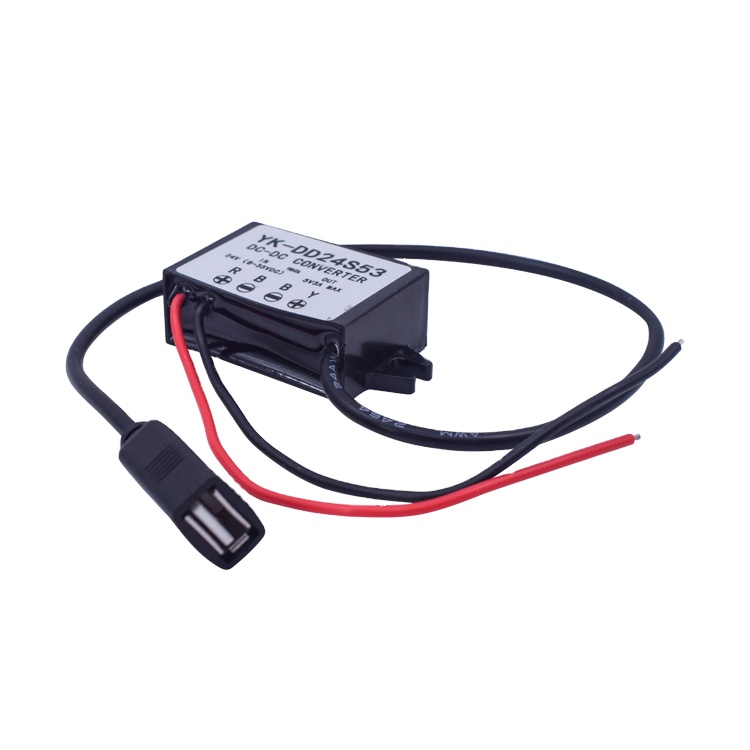
| IP67 Encapsulated DC-DC Buck/Boost | 1.3× continuous electronic cutoff | Compact potted aluminum shell | Negligible (< 15mA) | Harsh outdoor marine, automotive step-downs, Starlink power supply adaptation (12V to 30V/57V) |
Headquartered in Guangdong, China, Varnix Technology Co., Ltd. has specialized in custom power electronics, pure sine wave DC to AC power inverters, switching rectifiers, and high-density DC-DC step-up/down converters since 2003. Unlike trading intermediaries who repackage consumer-grade consumer gadgets, our ISO 9001:2015 certified factory integrates in-house component SMD placement, through-hole PCB wave soldering, enclosure CNC punching, and dedicated testing corridors verified onsite by SGS.
To survive the harsh tropical maritime climate of Cuba, every export unit receives multi-tier quality treatments:
 SGS Verified Workshop Floor
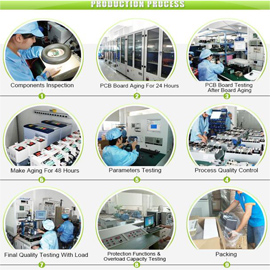 Inverter PCB SMT & Assembly
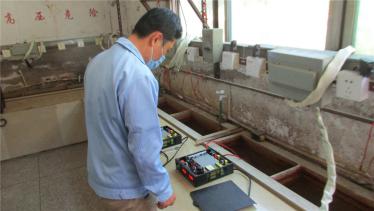 48-Hour Full-Load Aging
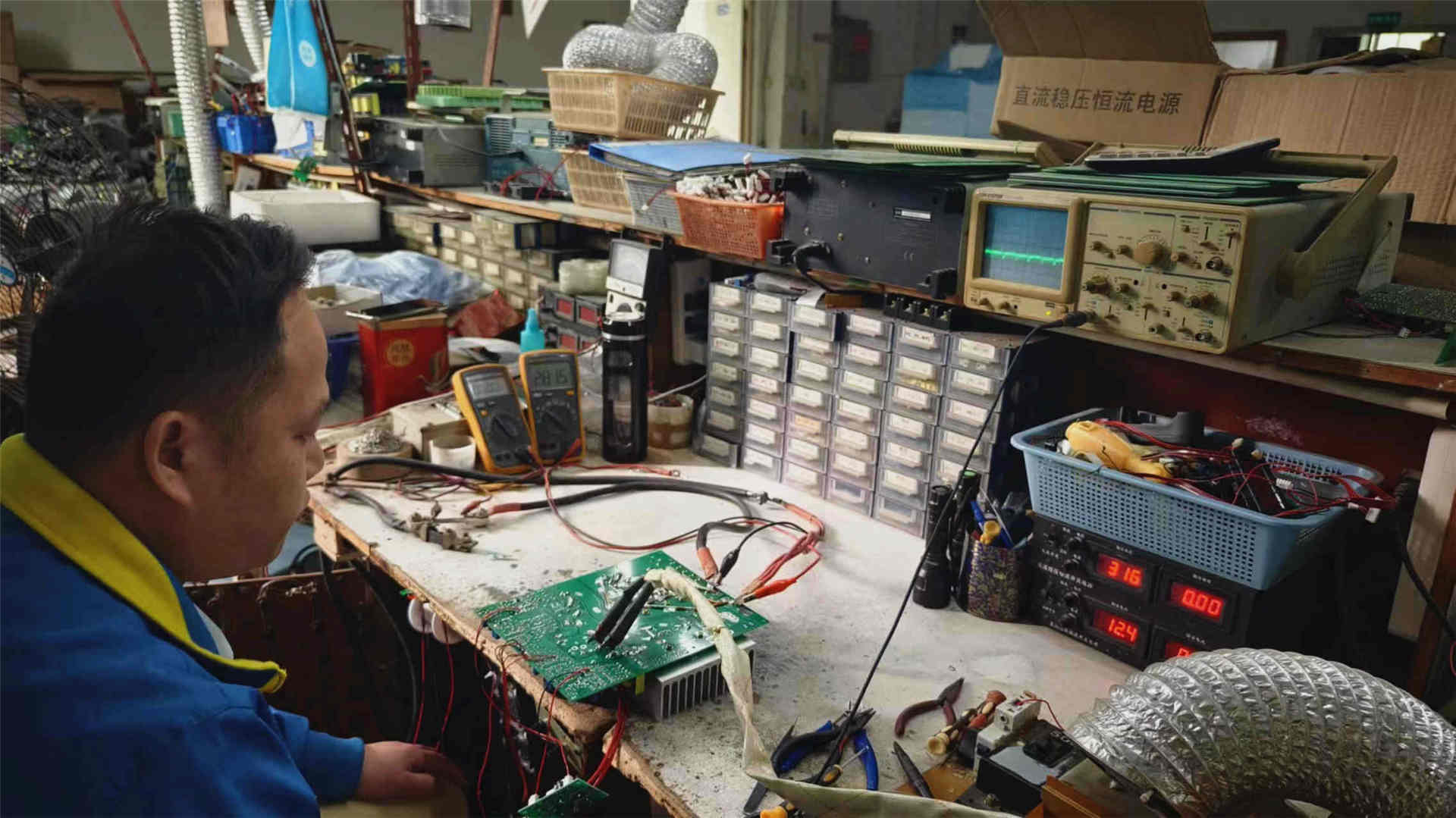 Waveform QC & Inspection
When selecting inverters for homes or enterprises in Cuba, sizing must account for both continuous running wattage and transient starting surges. An average modern inverter refrigerator draws approximately 150W while running, but requires up to 1,200W of instantaneous surge capacity when the reciprocating compressor cycles on. Split-system air conditioners (12,000 BTU) draw 1,000W to 1,300W continuous, with starting surges often exceeding 2,800W on non-inverter models.
Required Battery Capacity (Ah) = [Total Load Watts × Backup Hours] / [System DC Voltage × Inverter Efficiency (0.90) × Battery Depth of Discharge (DoD)]
Example Calculation for a Cuban Residence:
Continuous Load: 450W (refrigerator, 4 LED lights, fans, router, television)
Duration: 10 Hours of SEN blackout
Total Energy: 4,500 Watt-hours
Using a 48V LiFePO4 battery bank (0.90 DoD) and a 92% efficient Varnix Inverter:
Required Ah = 4,500 / (48V × 0.92 × 0.90) ≈ 113.3 Ah (Recommend minimum 48V 150Ah LiFePO4 pack).
Connect directly with our engineering team in Guangdong, China. Whether you need containerized distribution orders for Cuba, custom OEM branding, or specialized tropicalized DC-DC converters, we deliver proven reliability backed by 23+ years of manufacturing leadership.
Contact Us