CE / RoHS
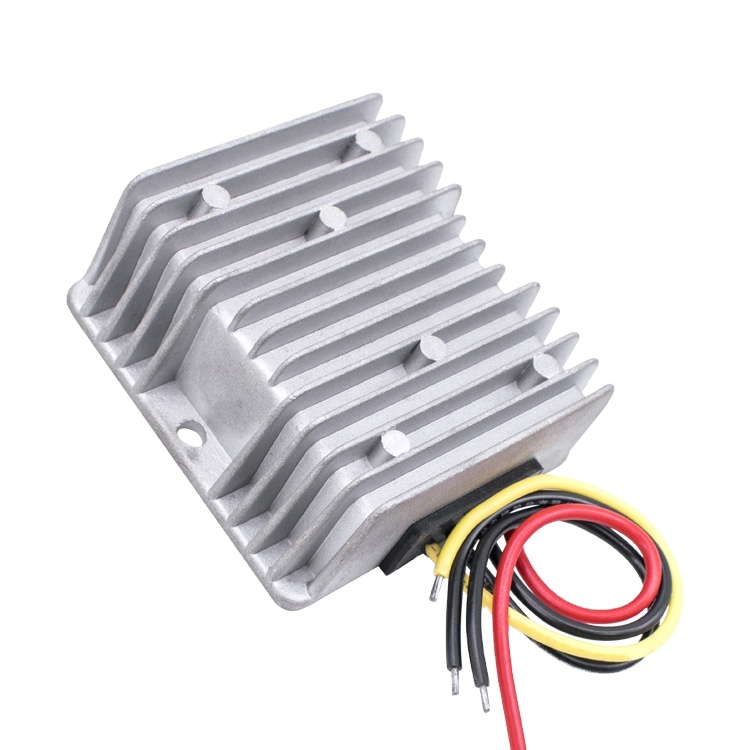
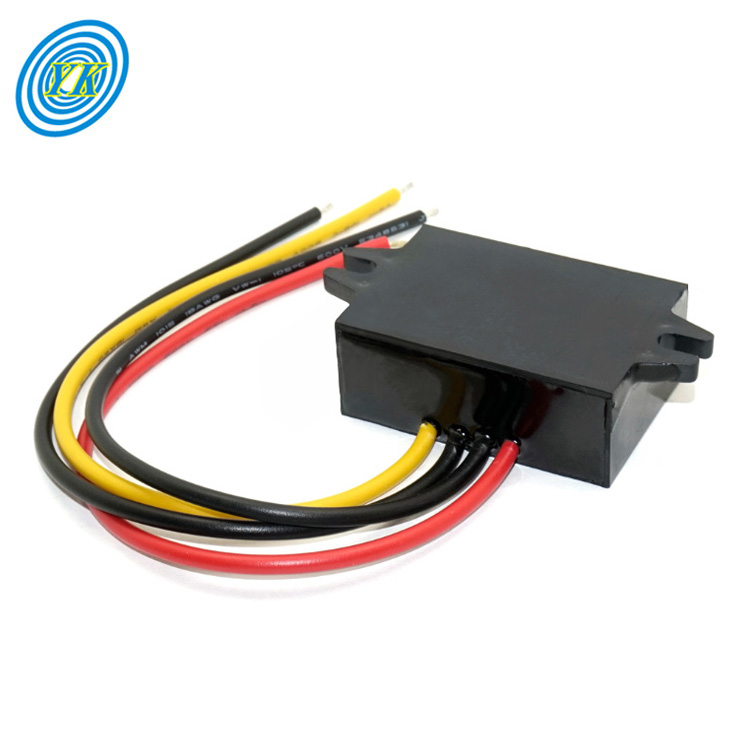
12V 24V to 13.8V 10A Step Up Down DC-DC Converter Stabilizer
- TopologyBuck-Boost Synchronous
- Nominal Output13.8VDC @ 10A (138W)
- EfficiencyUp to 96%
- ProtectionOVP, OCP, OTP, Reverse
Precision-engineered DC-DC step up/down converters, wide-input waterproof stabilizers, rotary frequency transformers, and pure sine wave car inverters certified for European and international industrial compliance.
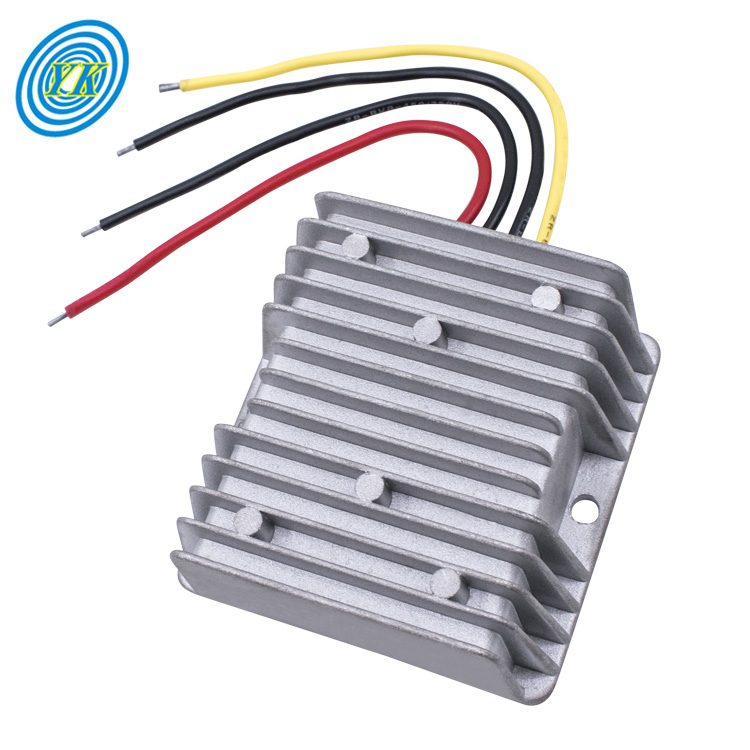
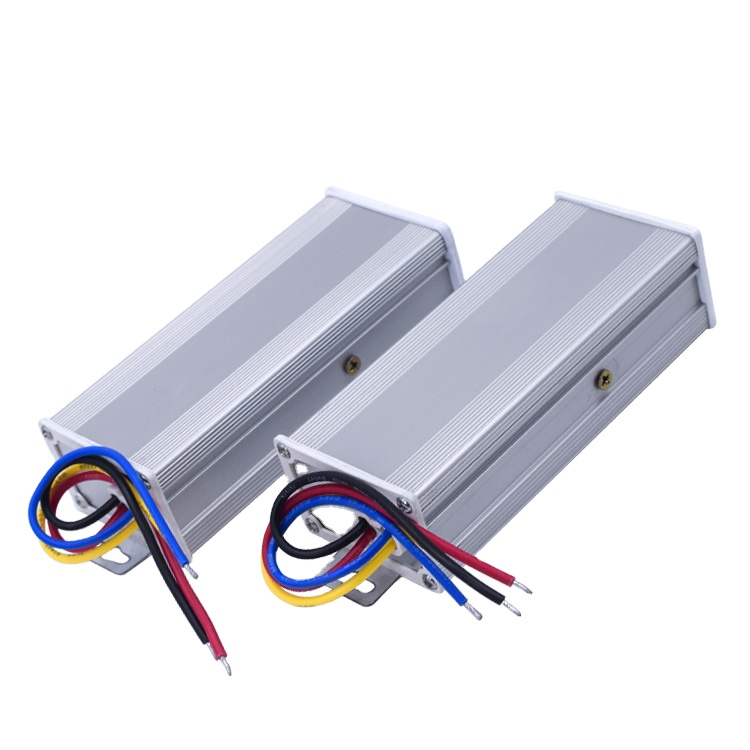
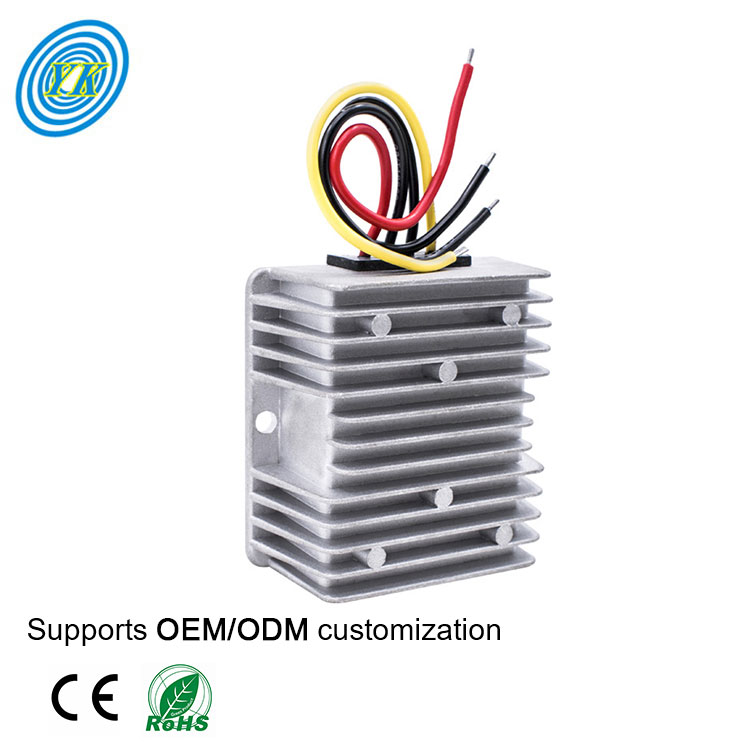
Modern electrical engineering projects require direct current (DC) power supplies and conversion systems that guarantee tight line-load regulation, galvanic isolation, thermal resilience, and absolute regulatory compliance. In mission-critical sectors such as telecommunications infrastructure, railway signaling, mobile utility electrification, smart grid micro-nodes, and off-grid renewable energy storage, the power supply is the operational backbone. Sourcing engineers and original equipment manufacturers (OEMs) cannot afford voltage drift, electromagnetic interference (EMI) failures, or transient-induced operational interruptions.
A authentic CE certified DC power supply factory operates far beyond mere cosmetic re-branding. Obtaining compliance with the European Union's Low Voltage Directive (LVD) 2014/35/EU, the Electromagnetic Compatibility Directive (EMC) 2014/30/EU, and the RoHS Directive 2011/65/EU requires rigorous circuit engineering, component de-rating, systematic magnetic design, and thermal flow validation. Varnix Technology Co., Ltd. has stood at the leading edge of switching power electronics since 2003, providing enterprise procurement teams across Europe, North America, Oceania, and Southeast Asia with factory-direct, verified power conversion solutions.
Procurement paradigms for industrial power conversion hardware have fundamentally evolved from transactional component purchasing to lifecycle-integrated, risk-mitigated supply agreements. Sourcing directors face geopolitical supply chain adjustments, tighter environmental mandates, and unprecedented power density requirements triggered by edge computing, EV charging auxiliaries, and satellite ground terminals.
Global suppliers are rapidly switching from legacy Silicon MOSFETs to Gallium Nitride (GaN) and Silicon Carbide (SiC) topologies. This shift enables switching frequencies above 200kHz, shrinking passive magnetics, raising conversion efficiencies past 96%, and radically reducing housing footprints.
International lead times have become sensitive to sea freight volatility. Strategic buyers demand hybrid fulfilment models: volume manufacturing from verified Chinese facilities backed by localized hub stocking (such as Varnix's dedicated US overseas warehouse) to guarantee rapid regional delivery.
Importers are demanding verifiable third-party facility audits over standard B2B platform claims. Third-party testing certifications by SGS, zero-hazardous-substance RoHS compliance, and comprehensive social responsibility metrics have become strict pre-qualifications for OEM supplier onboarding.
The transition from bulky linear regulators to advanced high-frequency switching-mode power supplies (SMPS) marked the first revolution in DC power engineering. Today, the industry is immersed in a third architectural wave centered on intelligent digital control, bidirectional conversion, and harsh-environment thermal packaging.
Traditional analog feedback loops utilize resistor-capacitor compensation networks that are prone to component aging, thermal drift, and rigid dynamic response parameters. Next-generation DC-DC buck, boost, and isolated modules incorporate Digital Signal Processors (DSP) and high-speed Microcontroller Units (MCU) that execute active digital loop control. This allows adaptive dead-time tuning in synchronous rectification circuits, ensuring that power loss across switching MOSFETs remains minimal across fractional and full-load states.
In railway power, marine electronic distributions, and high-voltage battery storage systems (ranging from 48V to 135V+), grounding loops and common-mode transient noise represent devastating failure modes for downstream microprocessors. Modern isolated DC-DC converters feature reinforced galvanic barriers rated up to 1,500VDC to 3,000VDC using high-dielectric planar transformers. Planar magnetics replace traditional wire-wound bobbins, delivering repeatable leakage inductance profiles and uniform heat spreading directly through multi-layer PCB heat-sink planes.
Passive cooling has replaced failure-prone mechanical fans in outdoor and vehicle-mounted installations (such as AGVs, golf carts, and utility forklifts). Advanced power modules employ CNC-machined or die-cast aluminum alloys treated with anodized anti-corrosion surfaces, fully potted with thermally conductive silicon resins (thermal conductivity > 1.5 W/m-K). This yields complete IP67/IP68 ingress protection, resistance to constant 5G operational vibration (MIL-STD-810G), and thermal transfer from junction to chassis with minimum delta-T.
| Converter Architecture | Typical Input / Output Range | Conversion Efficiency | Primary Industrial Application | Key Engineering Evaluation Metric |
|---|---|---|---|---|
| Synchronous Buck-Boost | Input: 8V–40VDC Output: 13.8V, 24VDC |
94% – 96.5% | Vehicle fleet electronics, Marine GPS, Starlink power supplies | Seamless buck-to-boost mode transition stability & transient dip immunity |
| Galvanic Isolated DC-DC | Input: 40V–135VDC Output: 12V, 24VDC |
89% – 92% | Railway signaling, EV Forklifts, High-Voltage Battery Systems | Hi-Pot breakdown voltage (1.5kV+), common-mode noise rejection (CMRR) |
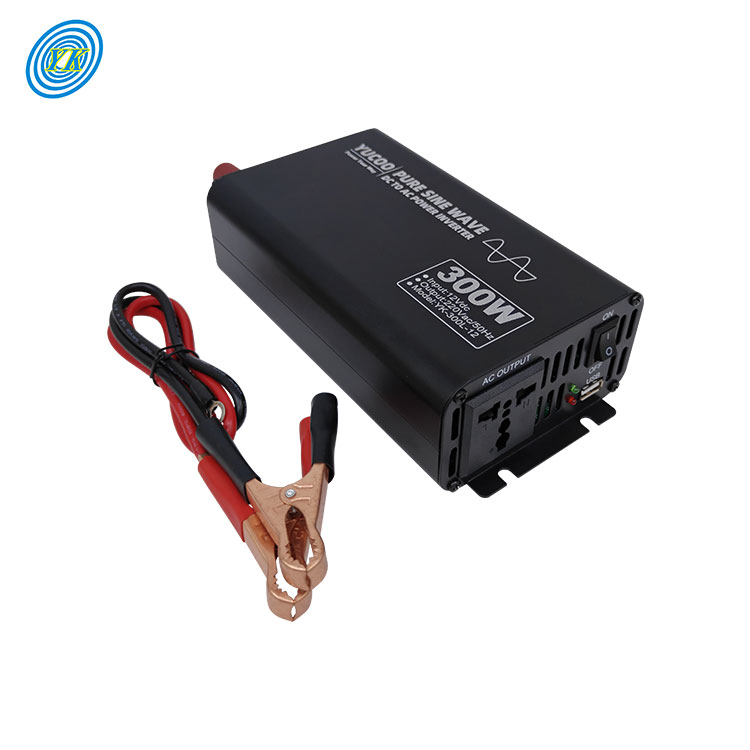
| Pure Sine Wave Inverter | Input: 12V/24V/48VDC Output: 110V/220VAC |
90% – 94% | Telecom backup, Off-grid solar homes, Mobile emergency command | Total Harmonic Distortion (THD < 3%), inductive load surge capability |
| High-Power Plating Rectifier | Input: 220V/380VAC Output: 0–12VDC, Up to 1000A |
88% – 93% | Industrial electroplating, Anodizing, Water electrolysis | Constant current/voltage ripple factor, long-term duty cycle reliability |
| Programmable DC Bench Supply | Input: 110V/220VAC Output: 0–600V, 0–50A |
86% – 91% | R&D laboratories, burn-in aging lines, automated test stations | Programming accuracy, low ripple/noise, fast transient settling time |
A continuous 23-year manufacturing pedigree delivering precision power hardware from our SGS-audited production plant to demanding international markets.
Founded in 2003 in Guangdong, China, Varnix has developed over two decades of deep intellectual property in high-frequency switching circuits, magnetics fabrication, and firmware control.
Our 1,229 m² production floor, SMT welding lines, assembly stations, and functional test benches are physically audited and certified by SGS Group, verifying staff count, machine ownership, and capacity.
Zero escaped defects: Every unit passes incoming raw material checks, automated solder inspection, electrical function tests, oscilloscope wave-shape analysis, and prolonged thermal burn-in under maximum load.
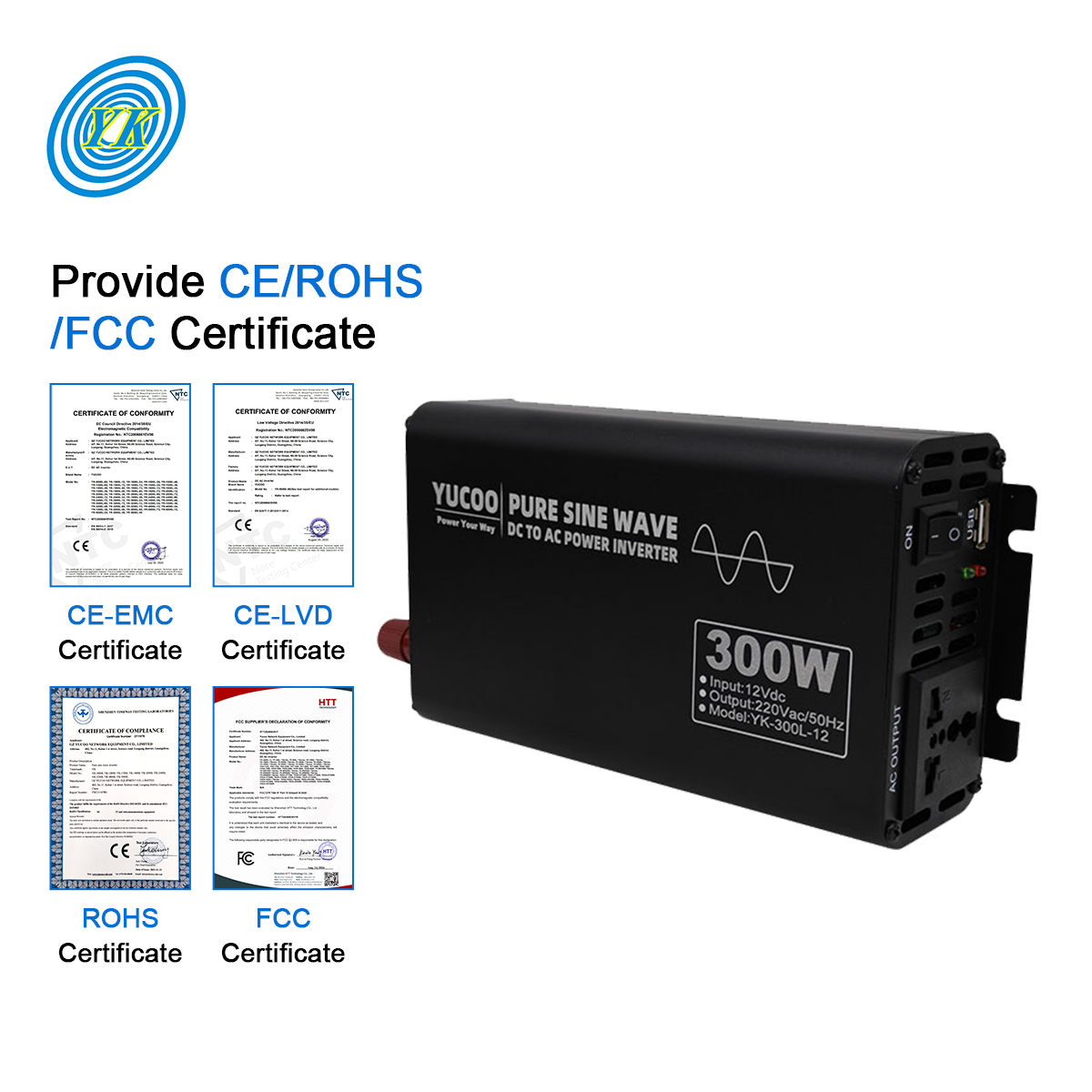
Standardized models carry verified CE (LVD & EMC), RoHS environmental compliance, and FCC certifications, complete with technical reports ready for European and North American customs clearance.
We maintain regional inventory in the United States for high-demand DC-DC converters to guarantee rapid dispatch. Supported trade terms include FOB, CIF, EXW, FCA, and complete DDP door-to-door delivery.
We configure custom input/output voltages, special enclosure form factors, multi-stage battery charging algorithms, and customer-branded silkscreen graphics backed by non-disclosure agreements.
Direct technical answers addressing the critical operational, regulatory, and contractual concerns raised by global purchasing managers.