B2B Manufacturing Intelligence & OEM Whitepaper

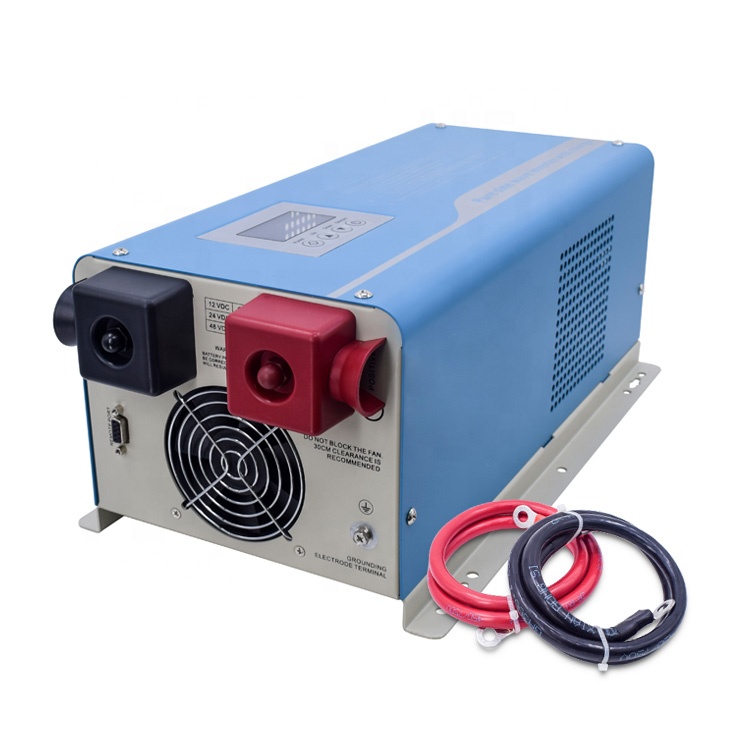
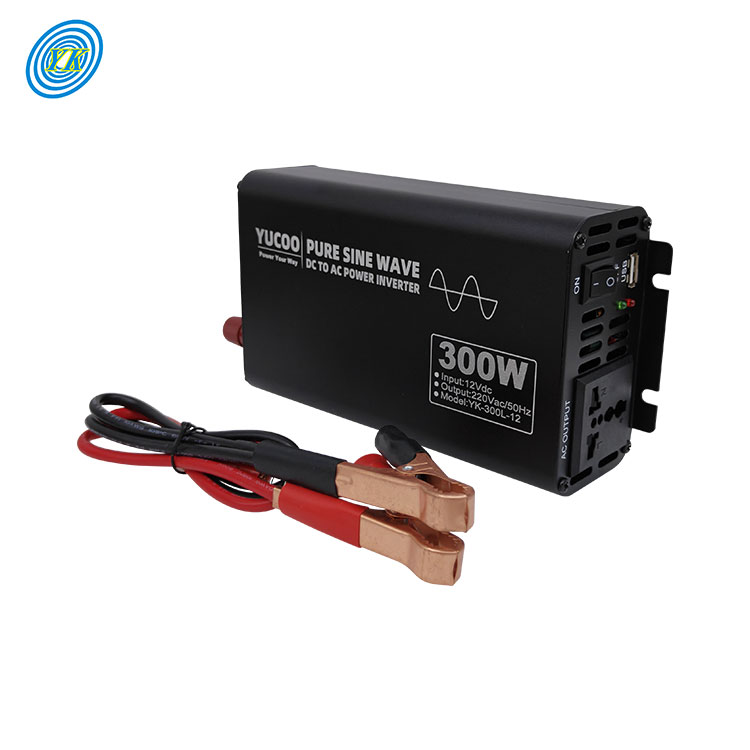
China Top Power Inverter Factories & Supplier

Engineering-grade pure sine wave DC-AC inverters, bidirectional topology, and high-density DC-DC step up/down converters designed for mission-critical telecom, off-grid solar, and demanding e-mobility platforms.

23+
Years In Power Electronics
10+
SMT & Assembly Lines
100%
Full Load Aging Burn-In
98.2%
Rapid Engineering Response
High-Performance Catalog

Standard & Custom Power Inverters & Converter Modules

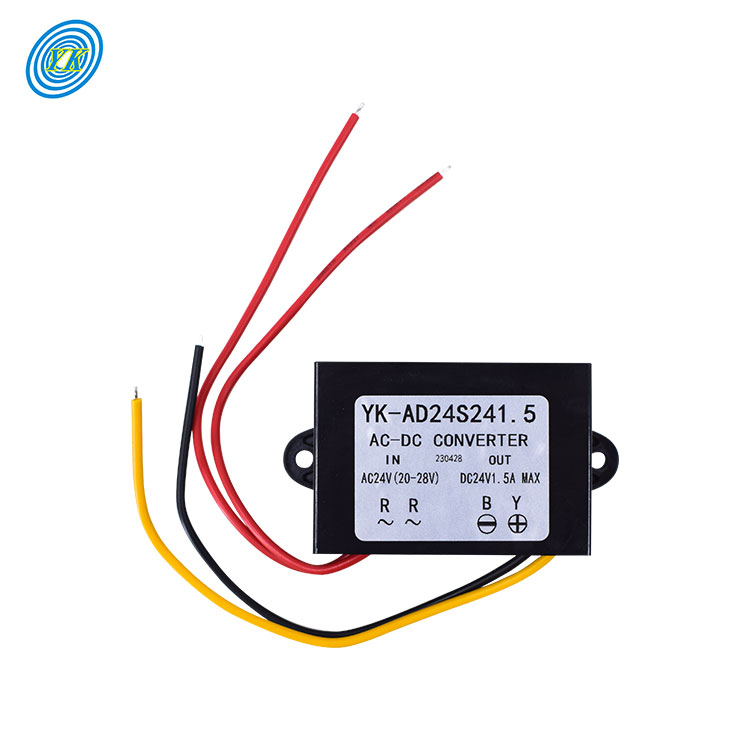
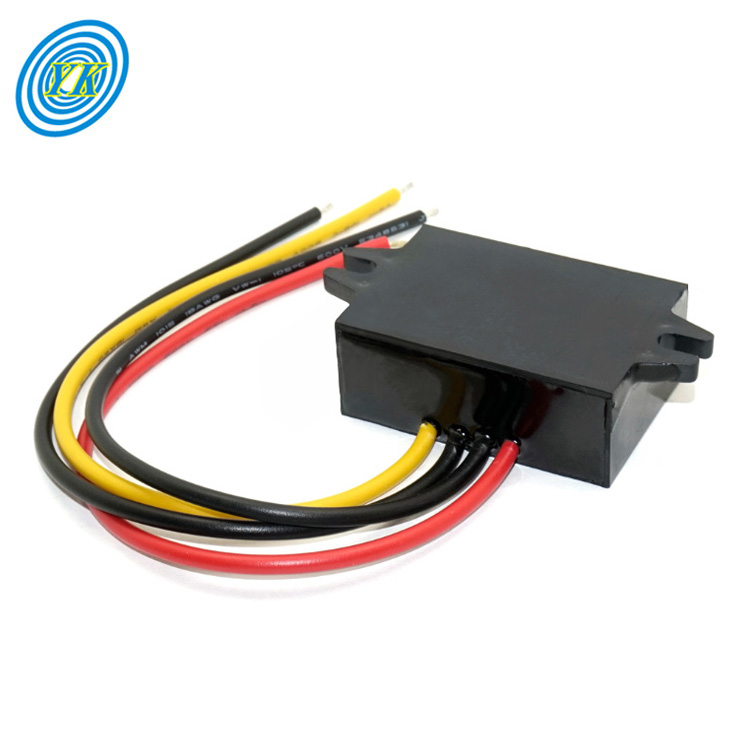
Engineered for extreme operating environments, our verified conversion devices feature advanced toroidal transformer designs, high-efficiency topologies up to 96%, heavy-duty IP67 enclosures, and low THD output.

Get Catalog
Technical Deep Dive

Engineering Architecture of Modern Inverters & Power Conversion

Selecting a power inverter supplier from China requires moving past basic catalog pricing into structural circuit architecture, thermal physics, magnetic core saturation thresholds, and switching loss mitigation. Modern commercial power electronic components operate across unpredictable electrical conditions, demanding advanced topology verification.

A pure sine wave output must reliably replicate utility grid quality without introducing third and fifth harmonic distortions that overheat external electric motor windings or cause power factor correction (PFC) stages to fail in switch-mode supplies. Industrial equipment such as telecom base transceiver stations (BTS), medical diagnostics, RV induction cooktops, and satellite ground terminals rely entirely on the continuous integrity of the high-frequency inverter bridge and transformer isolation.

Toroidal Core vs. EI Laminate

Unlike traditional standard EI square transformers that generate higher magnetic flux leakage and acoustic hum, our toroidal core topology provides a closed magnetic loop. This results in up to 92% lower standby idle current, ultra-low electromagnetic interference (EMI), and exceptional surge capacity for inductive loads like compressors and heavy machinery.

SPWM Digital Modulation

Operating through automotive-grade 32-bit DSP microcontrollers, Sinusoidal Pulse Width Modulation (SPWM) delivers smooth waveform regulation with Total Harmonic Distortion (THD < 3%). Dynamic dead-time control prevents shoot-through currents across high-voltage MOSFET/IGBT stages, ensuring stable output across rapid load steps.

Synchronous Buck-Boost Rectification

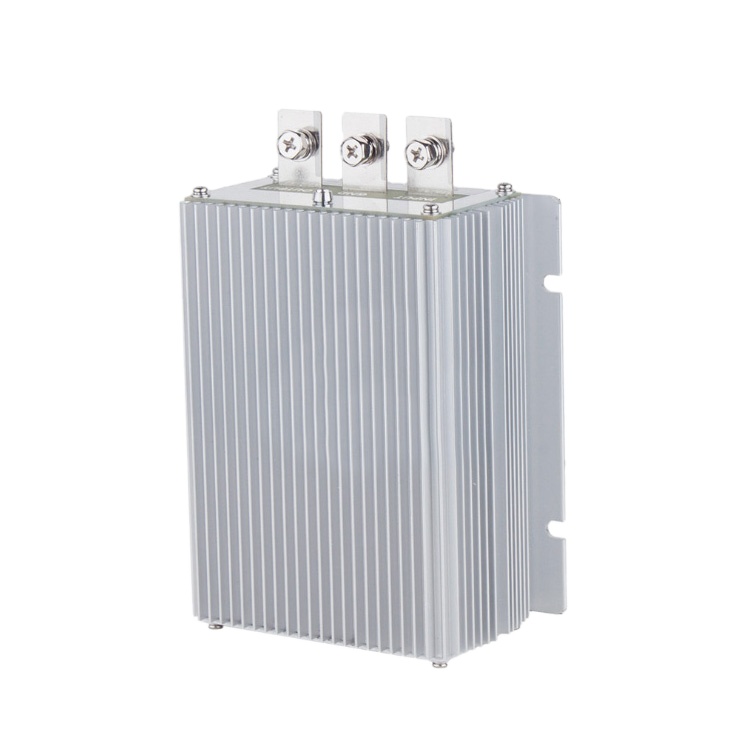
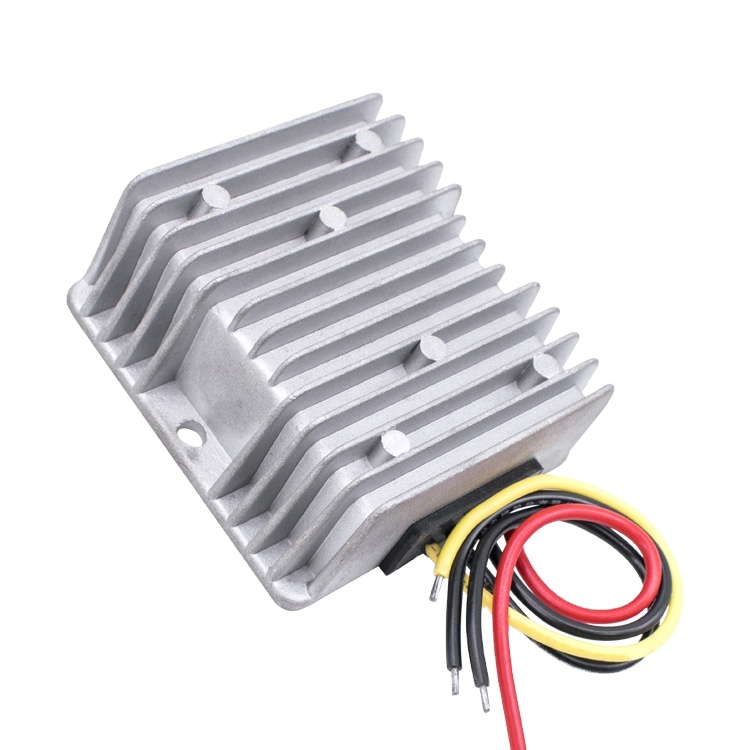
In DC-DC conversion, conventional Schottky diode drops cause massive thermal losses under high current demands (30A–60A). By integrating ultra-low RDS(on) power MOSFET switches with synchronous rectification, power conversion efficiency climbs beyond 96%, directly cutting cooling requirements in enclosed spaces.
Strategic Market Outlook

Emerging Procurement Trends in Global Power Inverter Sourcing

Global supply chains are moving toward high-efficiency wide-bandgap semiconductors, unified battery chemistry support, and localized logistics mitigation. Here is how international engineering and procurement teams are adapting.

1. Transition to Wide Bandgap (GaN & SiC)

Silicon Carbide (SiC) MOSFETs and Gallium Nitride (GaN) transistors allow inverter switching stages to run at frequencies exceeding 100 kHz. This reduces magnetics volume and passive filtering size by over 40%, delivering compact power densities that lower overseas freight costs per kilowatt.

2. LiFePO4 Voltage Curve Optimization

Traditional inverters tuned for lead-acid cutoffs often trip early or fail to balance Lithium Iron Phosphate (LiFePO4) storage banks due to steep knee-voltage drops. Leading buyers require programmable BMS telemetry, custom low-voltage alarms, and configurable float/absorption voltages.

3. Hybrid Logistics & US Overseas Warehousing

Enterprise buyers are increasingly favoring OEM manufacturers operating blended logistics. Combining factory-direct customized production runs with rapid-dispatch inventory housed in local overseas hubs (such as US-based warehouses) ensures uninterrupted continuity for critical supply lines.

Specification Matrix

Engineering Sizing & Topology Comparison Matrix

Reference this decision matrix to evaluate conversion topologies, continuous surge tolerances, and voltage configurations before placing bulk purchase orders.

System Topology Typical Conversion Efficiency Peak Surge Capability Core Applications Key Engineering Tradeoffs
Low-Frequency Toroidal Inverter 88% – 93% 300% for 10–20 sec Inductive pumps, air conditioners, RV off-grid compressors Heavier magnetic chassis; unmatched start-up torque resilience
High-Frequency Pure Sine Inverter 91% – 95% 200% for 1–3 sec Telecom racks, server backup, diagnostic electronics, solar sheds Compact and lightweight; requires fast electronic over-current tripping
Synchronous DC-DC Step-Up (Boost) 94% – 97% 120% continuous Starlink setups, 12V to 24V/48V vehicle retrofits Thermal dissipation via aluminum enclosure; zero AC ripple
Synchronous DC-DC Step-Down (Buck) 93% – 96% 130% for 5 sec Heavy truck 24V to 12V accessory drops, fleet telemetry Requires potted waterproofing against roadway salt & vibration
Wide Buck-Boost Voltage Stabilizer 92% – 95% 115% continuous Marine electronics, fluctuating battery alternator buses Bidirectional duty control; stabilizes irregular inputs from 9V to 34V
Enterprise Authority & Trust

23+ Years of Verified Power Supply Manufacturing Expertise

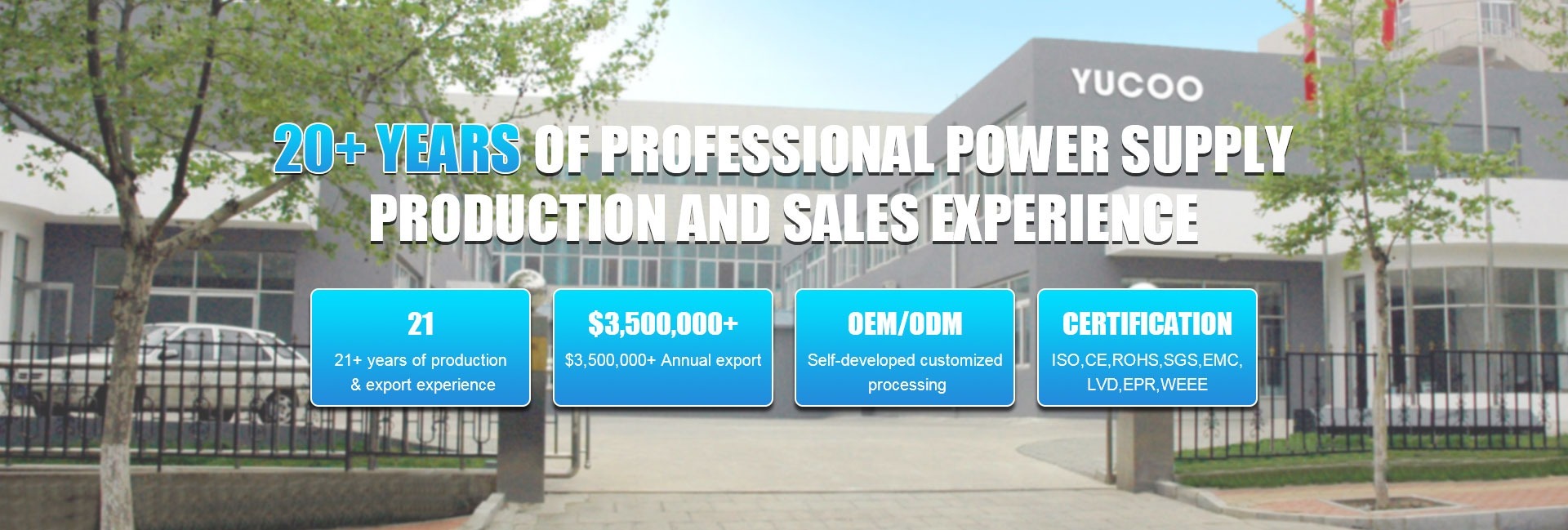
Established in 2003 in Guangdong, China, Varnix Technology Co., Ltd. (operating advanced production lines under ISO 9001:2015) is an internationally audited manufacturer specializing in high-frequency switching and power conversion equipment.

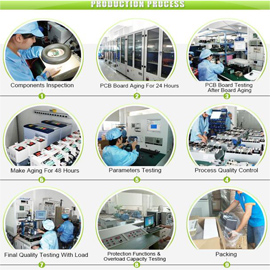
Unlike purely commercial trading firms, our facility integrates complete in-house wave soldering, mechanical enclosure fabrication, potting workshops, and multi-tier quality inspection bays. Every inverter, rectifier system, and DC-DC converter undergoes rigorous testing before shipment.

  • 100% Full-Load Burn-in Aging: Every unit is tested under actual electrical loads to eliminate early-stage component drift.
  • SGS Onsite Verified Infrastructure: Production facilities, staff allocations, and workshop safety standards are independently verified.
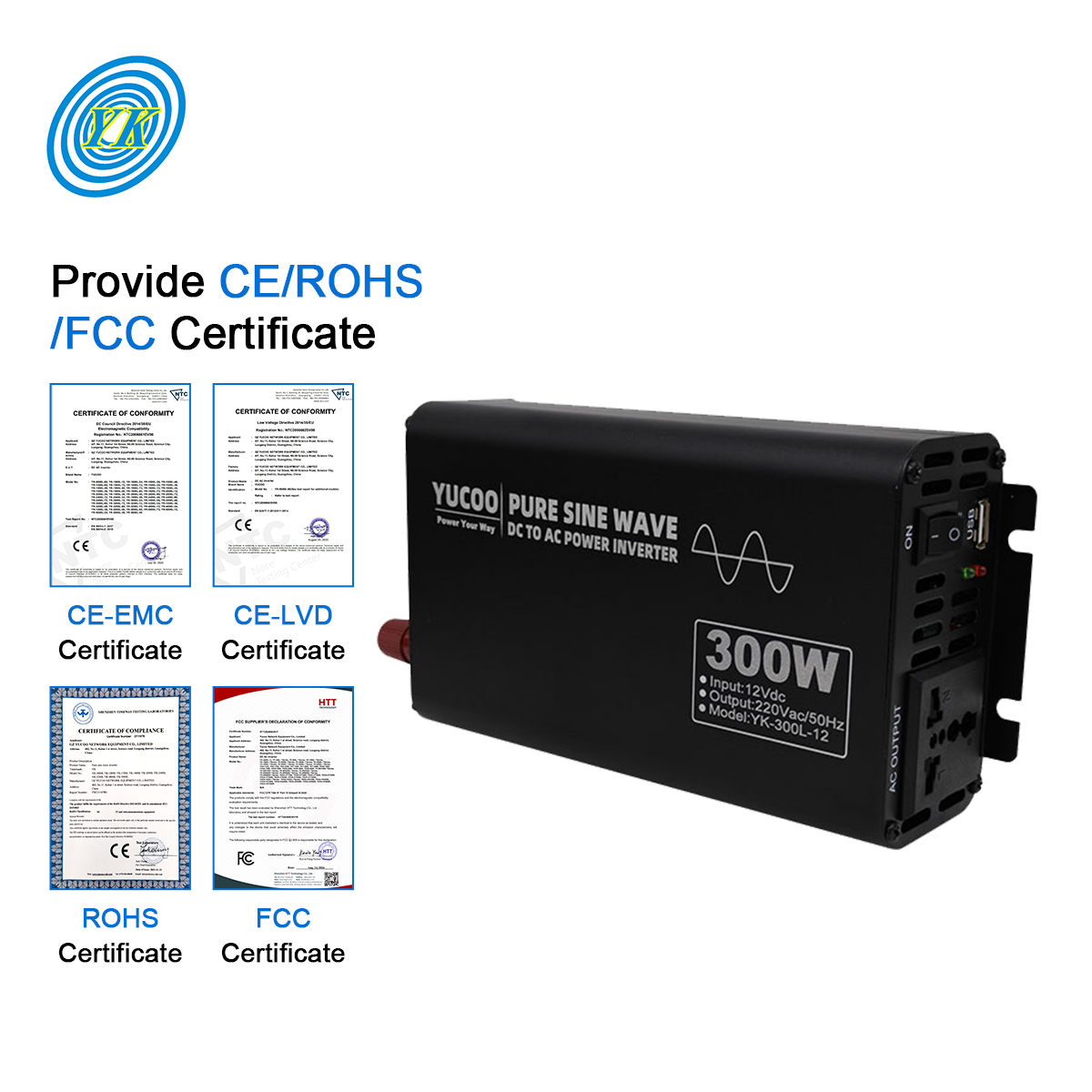
  • Global Regulatory Compliance: Comprehensive CE, RoHS, and FCC certification packages are maintained for customs clearance worldwide.
  • Flexible OEM/ODM Engineering: Complete customization for input/output voltages, internal firmwares, housings, and custom silk-screen branding.
Varnix Inverter Production Facility Workshop
Main Assembly Hall
Power Inverter Automatic Assembly Line
PCB Soldering Bay
Electronic Load Testing and Quality Control
Oscilloscope Waveform QC
Varnix Quality Aging and Burn-in Test Area
High-Temp Aging Rack
Procurement Knowledge Base

Frequently Asked Questions by B2B Importers & Engineers

Practical answers addressing custom firmware, minimum order quantities, logistics handling, and after-sales support for global buyers.

What are the key technical distinctions between pure sine wave and modified sine wave units?
+
Pure sine wave inverters generate an alternating current output identical to or cleaner than utility electrical grids, maintaining total harmonic distortion (THD) below 3%. Modified sine wave (square wave approximation) inverters introduce heavy odd harmonics that generate destructive eddy currents in inductors, causing AC motors, CPAP machines, refrigerators, and laser printers to overheat and fail prematurely. We prioritize pure sine wave topologies across our full inverter lineup.
How does your factory prevent early-life MOSFET and capacitor field failures?
+
Every power converter and inverter leaving our factory passes through a multi-stage validation program: 100% incoming component tolerance checking against vendor bills of materials (BOM), automated high-voltage insulation dielectric tests, oscilloscope waveform validation under partial loads, and a mandatory 4-to-12 hour elevated temperature burn-in cycle on electronic active loads.
What are the minimum order quantities (MOQs) and production lead times for OEM branding?
+
Standard catalog models in stock can be ordered starting from 1 to 10 units for evaluation. Full OEM branding runs (custom front aluminum extrusions, specific color anodizing, client logo silkscreen, custom retail/industrial packaging, and bespoke voltage tuning) typically start from 50 to 100 units with an average production window of 15 to 25 business days.
Can your engineering team customize input/output voltage and protective firmware cutoffs?
+
Yes. Our in-house hardware and software engineering departments routinely handle custom electrical requirements. Common modifications include wide DC inputs (such as 9V–36V or 18V–75V), non-standard DC outputs (e.g., 13.8V, 28V, 30V for satellite antennas, or 57V PoE lines), programmable low-voltage alarm parameters, and remote communication modules over RS485 or CAN bus.
What shipping terms, certifications, and global warranty protections are offered?
+
We support global shipping under FOB, CIF, EXW, FCA, and complete DDP/DDU door-to-door arrangements. Selected models can also be dispatched quickly via our US overseas warehouse. All product ranges carry verified CE, RoHS, and FCC conformity declarations. Every order is backed by a standard 12-to-24 month factory repair, parts replacement, or credit guarantee.

Request Direct Factory Pricing & Complete Engineering Specs

Consult with our power electronics application team. Receive detailed circuit schematics, custom step-up/down quotations, and volume OEM schedules tailored to your technical requirements.