Engineered Power Modules, Chargers & Converters
Designed, populated, assembled, and 100% full-load burn-in tested in our ISO 9001:2015 SGS-certified manufacturing facility. Each unit delivers high conversion efficiency, ultra-low ripple voltage, and ruggedized galvanic isolation.
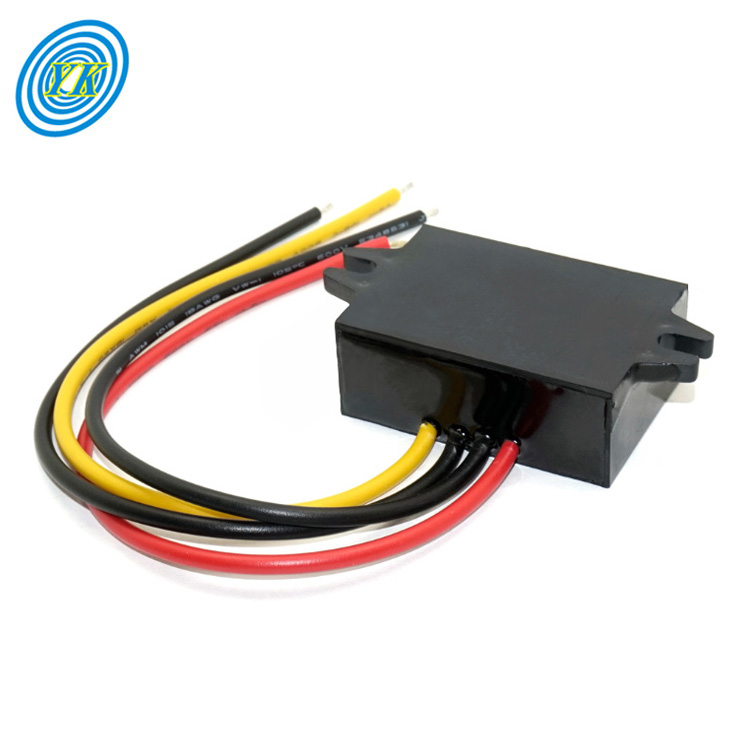

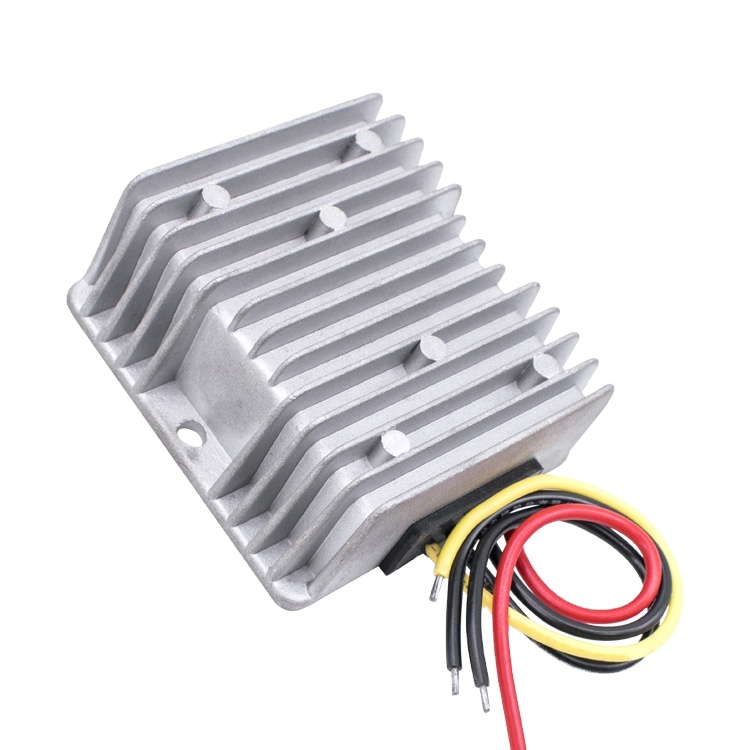
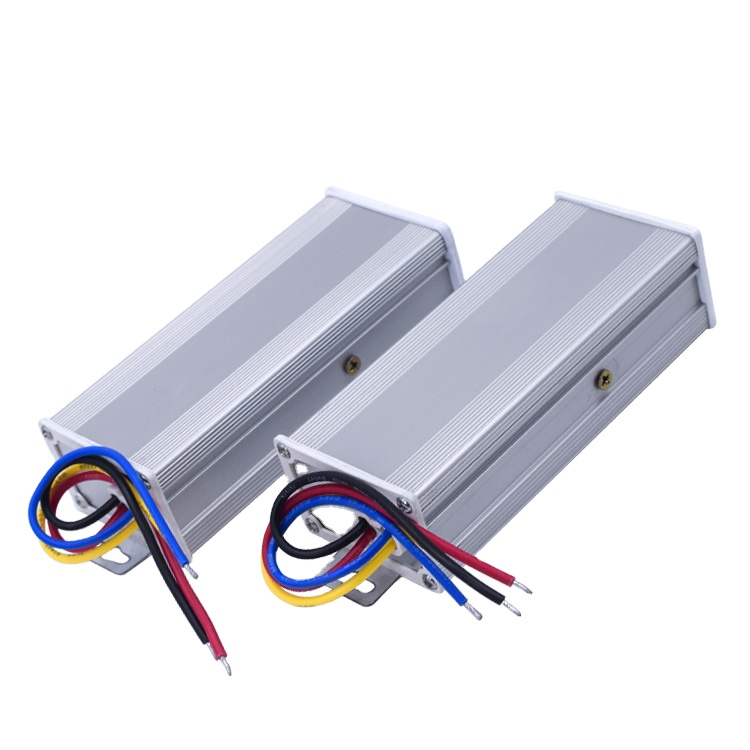
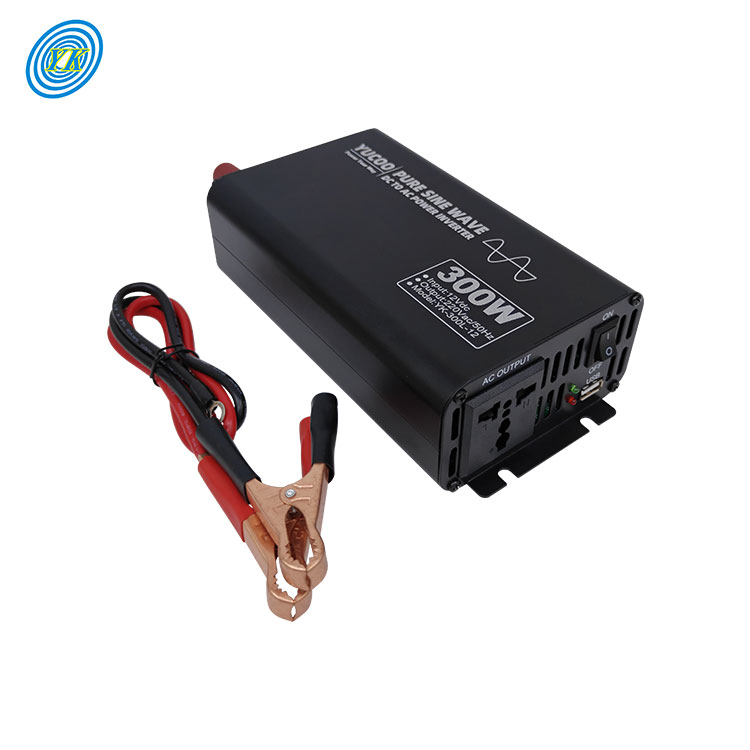
Zurich's Industrial Clean-Energy Mandate & Advanced Battery Architecture
The Canton of Zurich and the broader Greater Zurich Area represent one of the world's most exacting industrial and technological ecosystems. Under the aggressive guidelines of the Swiss Federal Energy Act (EnG) and the Canton of Zurich's Net-Zero Climate Strategy, original equipment manufacturers (OEMs), precision machine builders, automated logistics facilities, and green transport networks are transitioning toward comprehensive electrification. In this high-stakes engineering landscape, industrial battery charging systems cannot be treated as off-the-shelf commodities. They serve as the critical interface between variable grid or photovoltaic power and high-density chemical storage systems, including Lithium Iron Phosphate (LiFePO4), Nickel Manganese Cobalt (NMC), and advanced Valve-Regulated Lead-Acid (VRLA/AGM) batteries.
As an established industrial power electronics manufacturer founded in 2003, Varnix Technology engineered this whitepaper to provide procurement directors, electrical systems architects, and clean-tech project leads across Zurich, Winterthur, Dietikon, and Dübendorf with deep technical insight into high-frequency switching topologies, localized regulatory integration, thermal management protocols, and galvanic isolation standards required for high-reliability applications.
Technical Topologies: High-Frequency Rectification vs. Legacy Linear Chargers
Historical industrial chargers deployed across heavy manufacturing relied heavily on bulky 50Hz line-frequency transformers paired with thyristor (SCR) bridge rectifiers. While structurally robust, these legacy systems exhibit severe operational liabilities: massive volumetric footprint, low electrical efficiency (often below 75-80%), excessive heat generation, and severe total harmonic distortion (THD) injected into the building's electrical distribution bus.
Modern charging architectures engineered by our technical division integrate multi-stage Active Power Factor Correction (APFC) coupled with high-frequency resonant LLC half-bridge or full-bridge converters. By shifting switching frequencies into the 100kHz–250kHz band, transformer magnetic cores decrease in mass by over 80%, while maintaining a power factor (PF) exceeding 0.99 and holding THD below 3%. This prevents destructive resonance with sensitive robotic PLC controllers, laboratory sensor suites, and nearby telecommunications gear operating across Zurich-West industrial parks.
Localized Application Scenarios Across the Zurich Metropolitan Area
The application of high-reliability battery charging architectures across the Greater Zurich Area spans diverse technical sectors, each governed by specific environmental challenges, duty cycles, and integration requirements.
Automated Guided Vehicles (AGVs) & Intralogistics
Logistics hubs in Dietikon and Volketswil demand autonomous 24/7 AGV fleets. Our high-rate CC/CV smart chargers provide rapid opportunity charging for LiFePO4 packs, communicating seamlessly via CANopen and Modbus TCP to prevent thermal degradation during continuous shift cycling.
Zurich-West Data Centers & Edge UPS Infrastructure
As Switzerland’s core financial data center node, Zurich facilities mandate N+1 redundant embedded rectifier systems and rack-mount 48V/110V/220V DC-DC converters to maintain continuous battery float states and buffer critical servers against municipal transient anomalies.
Municipal Rail & E-Bus Fleet Subsystems (SBB / VBZ)
Public transit networks (Verkehrsbetriebe Zürich) require wide-input buck-boost converters and galvanic isolation to convert catenary auxiliary lines (DC 40V-135V down to stable 12V/24V) for onboard telematics, passenger displays, and sensor arrays resistant to continuous vibration.
Alpine Microgrid & Commercial Rooftop Solar BESS
Decentralized battery energy storage systems (BESS) installed under SIA 380/1 standards utilize our hybrid pure sine wave inverters with built-in MPPT controllers to buffer fluctuating photovoltaic inputs and supply clean, synchronized 230V/400V microgrid power.
Laboratory R&D (ETH Zürich & EMPA Dübendorf)
High-precision materials science and electrochemical research institutes mandate ultra-low ripple programmable DC power supplies and dynamic variable-current chargers capable of characterizing novel solid-state and sodium-ion battery prototypes with millivolt accuracy.
Alpine Telecom Base Stations & Emergency Repeaters
Mountain pass repeaters in surrounding cantons operating under extreme winter temperature conditions (-40°C to +50°C) rely on hermetically sealed, epoxy-potted waterproof converters to ensure fail-safe DC power for critical civil defense communications.
Engineering Selection Matrix for Swiss Industrial Charging Architectures
Selecting an optimal battery charging and power conversion setup requires balancing input bus stability, required battery chemistry algorithms, galvanic isolation ratings, and communication protocols. The matrix below illustrates typical deployment parameters utilized by Swiss engineering contractors:
| Target Application | Recommended Topology | Key Engineering Specifications | Standard Compliance |
|---|---|---|---|
| Logistics AGVs & AMR Fleets | Smart CC/CV/Float High-Rate Lithium Charger | 24V/48V pack voltage, up to 50A charge rate, CAN 2.0B / Modbus interface, >94% efficiency | EN 61000-6-2 (Industrial Immunity), CE, RoHS |
| Zurich Edge Data Centers | Embedded 19" 2U Telecom Rectifier System | 220V AC input to -48V DC bus, N+1 modular redundancy, smart battery state of charge (SoC) management | ETSI EN 300 132-2, EN 62368-1, FCC Class A |
| Rail Auxiliary Conversion | Isolated Wide-Input DC-DC Step-Down | 40V–135V DC nominal input, 12V/24V regulated output, 1.5kV AC dielectric isolation, aluminum heatsink | EN 50155 (Railway Applications), IP67 Sealing |
| Commercial Solar & Storage | Hybrid Pure Sine Wave Inverter + MPPT | 1kW–5kW continuous, 12V/24V/48V DC to 230V AC pure wave, THD <3%, integrated solar charger | VDE-AR-N 4105, EN 62109-1/-2, CE |
| Industrial Electroplating / Finishing | High-Current Adjustable Switch-Mode Rectifier | 0–12V / 50A–1000A DC continuous, constant voltage / constant current modes, <2% current ripple | EN 60146, ISO 9001:2015 Manufacturing QA |
Technological Trends Shaping Power Electronics in Switzerland
As the Greater Zurich Area continues to solidify its role as Europe's focal point for robotics, advanced manufacturing, and climate technology, several emerging engineering trends are transforming how battery charging systems and power supplies are specified:
Wide Bandgap (SiC/GaN) Power Devices
Replacing legacy silicon with Silicon Carbide (SiC) MOSFETs drastically reduces switching losses, enabling ultra-compact high-frequency charging systems tailored for space-restricted robotic chassis and mobile machinery.
Bidirectional V2G & V2X Power Topologies
Swiss grid operators are testing vehicle-to-grid (V2G) integrations. Future-proof charging modules are adopting bidirectional dual-active-bridge (DAB) topologies that allow batteries to inject stabilizing reserve power back into microgrids.
Software-Defined Battery Profiles
Multi-chemistry adaptability is paramount. Modern microcontrollers allow field-upgradable charging algorithms that transition seamlessly from standard flooded lead-acid profiles to bespoke, multi-step pulse charging for sodium-ion chemistry.
Hermetic Sealing & Thermal Passivity
Moving away from failure-prone mechanical cooling fans, high-efficiency potting and die-cast finned aluminum casings provide silent, fanless heat dissipation capable of surviving dust, moisture, and sub-zero Alpine humidity cycles.
Procurement & Engineering FAQ for Swiss Sourcing Teams
Detailed answers addressing compliance, import logistics, customization, and factory testing protocols specifically compiled for procurement managers, project engineers, and supply chain directors in Zurich and across Switzerland.
Do Varnix power systems comply with Swiss ESTI and European CE directives?
How are logistics, Swiss customs clearance, and DDP shipments to Zurich handled?
Can charging algorithms and voltage set-points be customized for proprietary battery packs?
What burn-in testing and quality verification procedures occur prior to dispatch?
What are the typical Minimum Order Quantities (MOQ) and lead times for Swiss deliveries?
How does galvanic isolation protect industrial sensor networks in mobile machinery?
Manufacturing Verification & Global Export Infrastructure
Founded in 2003 in Guangdong, China, Varnix Technology Co., Ltd. has established over two decades of specialized expertise in high-frequency power electronics design and volume manufacturing. Our production facility has been rigorously audited onsite by SGS, the world's leading inspection, verification, and certification organization.
Operating within 1,229 square meters of verified manufacturing floor space with more than 10 dedicated production lines, our 58 technical specialists, SMT assembly operators, and testing technicians maintain strict adherence to ISO 9001:2015 Quality Management Systems. We produce high-reliability pure sine wave inverters, embedded rectifier power shelves, variable laboratory supplies, DC-DC step-up/down regulators, and smart multi-stage battery chargers.
Today, between 51% and 60% of our annual production output is exported directly to high-standard markets across Western Europe, North America, and Oceania. With contract-backed warranties, rapid 24/7 technical customer support (averaging a 98.2% responsiveness metric), and an established US overseas warehouse stocking fast-moving converters, Varnix provides Swiss enterprises with the optimal combination of direct factory pricing, agile OEM engineering, and uncompromising reliability.
Request Technical Specifications or a Custom Power Engineering Quote
Connect directly with our application engineering team. Whether you need standard catalog components shipped swiftly to Zurich or a custom-designed battery charging sub-assembly, our power electronics specialists are ready to assist.
Get Catalog