Precision Converters & Battery Power Modules for the Athens Industrial Corridor
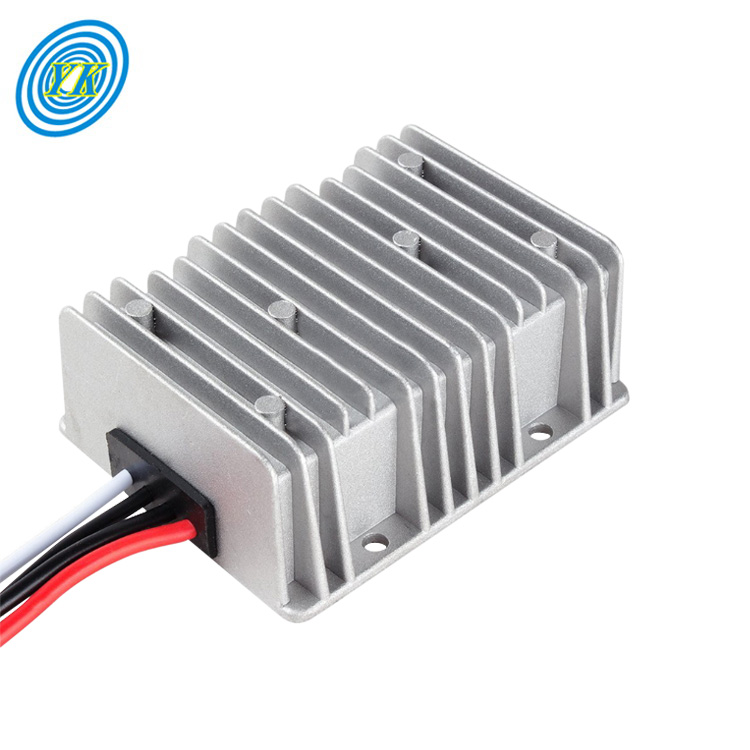
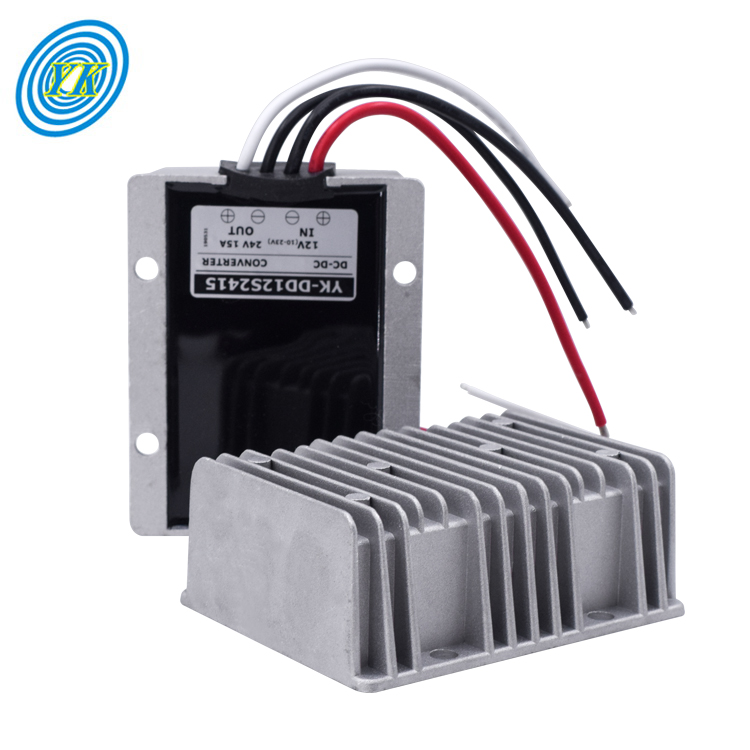
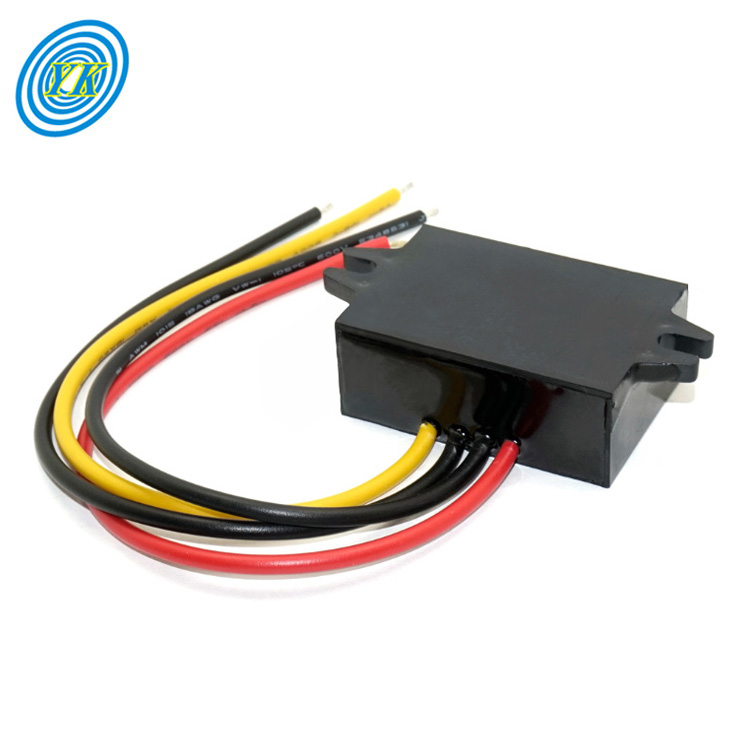
Direct from our Guangzhou manufacturing facility to the Piraeus container terminal. Below are our high-reliability power conversion and voltage regulation modules engineered to work alongside industrial lead acid battery arrays, mobile auxiliary systems, and maritime battery banks.
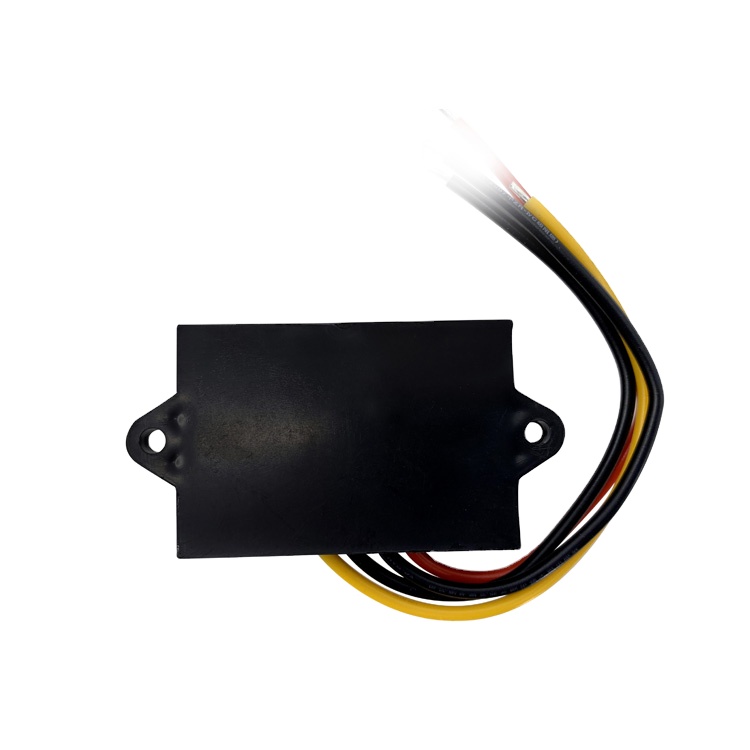
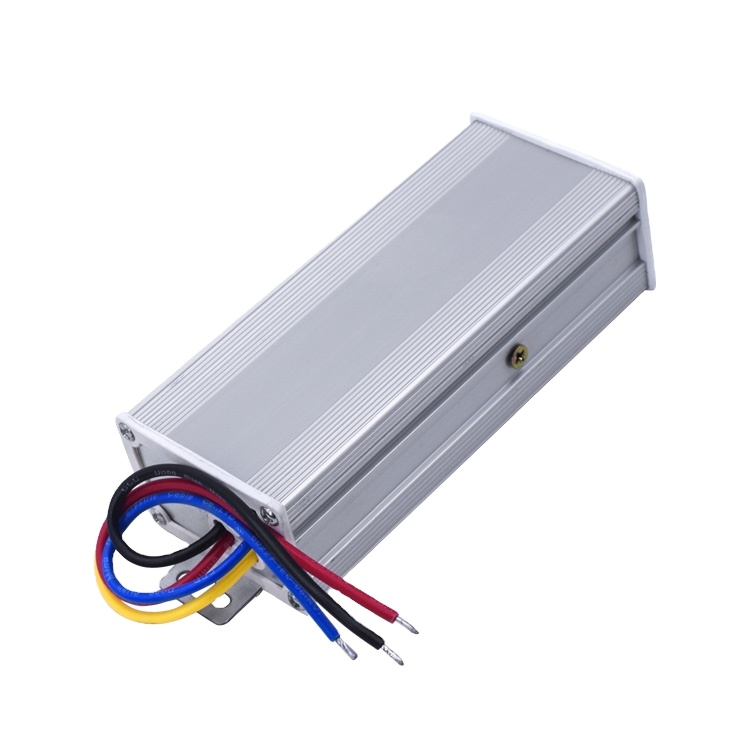

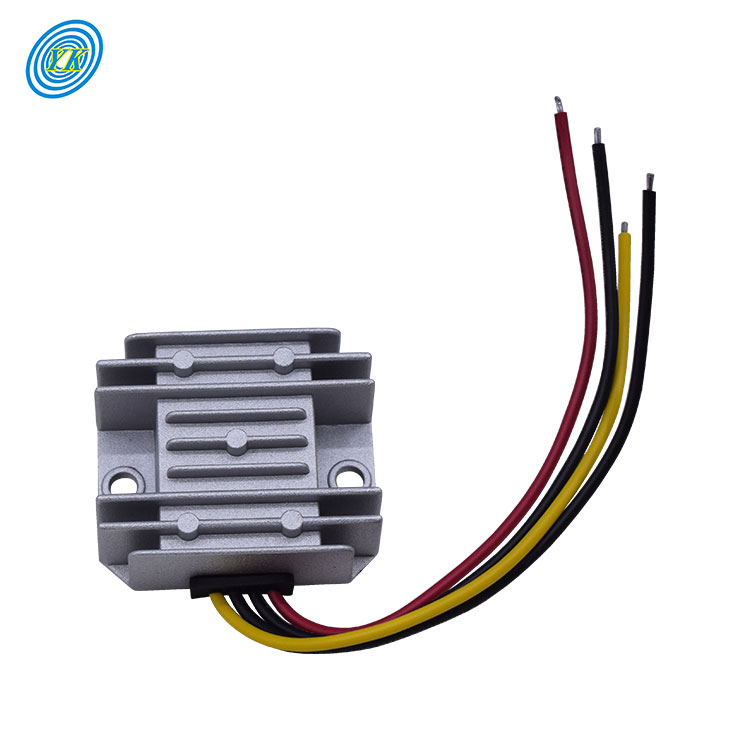
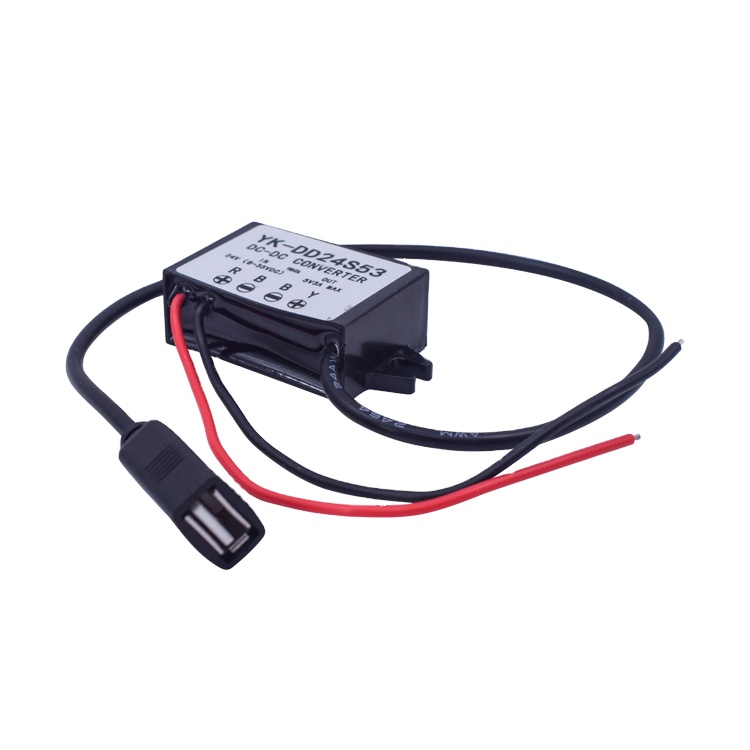
Engineering High-Frequency Lead Acid Battery Charging Systems for the Hellenic Infrastructure Corridor
A technical assessment of energy conversion demands across the Attica Peninsula, evaluating Mediterranean thermal derating, grid stability, and deep-cycle battery chemistry management for Greek industrial buyers.
The Athens metropolitan area, anchoring the wider Attica basin and the critical logistics hub of Piraeus, represents the premier commercial gateway between Asia, the Eastern Mediterranean, and Southeastern Europe. As industrial modernization accelerates across Greece under the revised National Energy and Climate Plan (NECP), the technical requirements placed on stationary, traction, and auxiliary battery charging systems have reached unprecedented stringency. While lithium technologies capture headlines, industrial lead-acid battery chemistries—specifically Valve-Regulated Lead-Acid (VRLA), Absorbent Glass Mat (AGM), Gel, and tubular-plate OPzS/OPzV variants—remain the unquestioned operational backbone for high-demand maritime applications, telecom power continuity, material handling equipment, and utility substation tripping banks.
Procurement directors and electrical system integrators across Athens face a distinctive convergence of environmental and operational challenges. The Mediterranean climate generates sustained ambient summer temperatures exceeding 42°C in logistics zones such as Aspropyrgos, Thriasio Pedio, and Inofyta. Simultaneously, maritime berthing yards across Piraeus, Lavrio, and Elefsina impose severe coastal humidity and airborne saline exposure. Conventional, low-efficiency ferroresonant or SCR-based chargers fail rapidly under these conditions, causing destructive plate sulfation, dry-out, thermal runaway, and premature capacity decay. As a specialized China power electronics manufacturer founded in 2003, our mission is to supply Athens-based wholesalers, distributors, and engineering contractors with factory-direct, high-frequency switching chargers and DC-DC power converters calibrated to conquer these exact stressors.
| Performance Metric | Legacy SCR / Ferroresonant Charger | Varnix High-Frequency LLC Resonant Charger | Greek Engineering Impact |
|---|---|---|---|
| Conversion Efficiency | 72% – 78% (Heavy heat loss) | 93.5% – 95.8% | Substantial energy cost savings under Greek industrial retail electricity tariffs (€/kWh). |
| Thermal Derating Profile | Steep power drop > 30°C | Full-load continuous up to 45°C | Prevents charger tripping during Athens summer heatwaves across container freight terminals. |
| Temperature Compensation | Fixed / Manual Potentiometer | Dynamic Sensor (-3mV to -5mV/°C/cell) | Eliminates electrolyte gassing & water depletion in sealed AGM/GEL battery systems. |
| Output DC Ripple | High Ripple (> 5% RMS) | Ultra-Low Ripple (< 0.5% RMS) | Drastically reduces battery internal heating, extending VRLA/Traction cycle life by 25–40%. |
| Physical Footprint & Weight | Extremely heavy copper transformer | Compact aluminum enclosure (65% lighter) | Reduces maritime freight landed costs; allows modular rack and mobile installation. |
| Multi-Stage Algorithm | 1 or 2-stage (Overcharging risk) | Microcontroller 4-Stage (CC, CV, Float, Pulse) | Breaks down hard lead sulfate crystals; restores partially stratified flooded cells. |
Mission-Critical Applications Across Greater Athens & Attica
Our power conversion systems and industrial chargers are custom-tailored for the specific operational environments of Greek ports, logistics hubs, and island network connections.
Port of Piraeus & Maritime Berthing Auxiliary Systems
Piraeus is one of Europe's top container hubs and the principal passenger gateway to the Aegean Islands. Battery chargers deployed across dockyards, tugboats, Ro-Ro passenger vessels, and luxury yacht marinas (Marina Zeas, Flisvos) encounter saline humidity and constant mechanical vibration.
- Conformal Coating: Military-grade double-layer acrylic PCB varnish resists salt spray mist.
- Float Maintenance: Automated 13.8V / 27.6V float profiles maintain starter and auxiliary banks indefinitely without electrolyte boiling.
- Wide AC Input: 180VAC–264VAC tolerance safeguards against quay-side grid dips when shore power connects.
Thriasio Pedio & Aspropyrgos Logistics Hubs
The Thriasio logistics plain west of Athens houses the highest concentration of cold-storage warehouses, freight distribution centers, and intermodal depots in Greece. Industrial electric forklifts, reach stackers, and automated guided vehicles (AGVs) rely heavily on 24V, 48V, and 80V heavy-duty traction lead-acid batteries.
- Opportunity Charging: High-amperage bulk current modes deliver rapid turnaround between intensive warehouse shifts.
- Equalization Feature: Periodic controlled over-voltage pulse removes cell voltage imbalances across large multi-cell traction packs.
- Isolated DC Converters: Onboard DC-DC units down-convert 48V–96V traction voltages to 24V/12V for barcode scanners and vehicle displays.
Attica Telecom Towers & Data Center Critical Backup
Hellenic telecommunications operators (Cosmote, Vodafone Greece, Nova) maintain hundreds of remote base stations on mountainous ridgelines around Attica (Mount Parnitha, Hymettus, Penteli) and island microwave repeaters, backed by 48VDC VRLA battery strings.
- Embedded Rectifier Synergy: Hot-swappable 48V rectifier and charger racks with remote RS485/CANbus telemetry integration.
- Lightning & Surge Suppression: Built-in Class C/D transient surge protection tailored for elevated mountaintop tower strikes.
- Ultra-Low Acoustic Noise: Temperature-controlled brushless ball-bearing cooling fans minimize audible footprint in urban installations.
Island Electrification & Hybrid Microgrid Buffers
Athens functions as the central engineering and procurement dispatch point for energy projects across the Cyclades and Saronic Gulf. Standalone solar hybrid systems, municipal emergency services, and coastal lighthouses combine PV arrays with deep-cycle OPzV gel battery storage banks requiring specialized multi-stage maintenance.
- GEL/AGM Parameter Locking: Prevents excessive absorption voltages that break seal valves on costly deep-cycle gel cells.
- Deep Discharge Recovery: Pre-charge trickle mode safely revives deeply discharged batteries that have dropped below 1.75V/cell.
- Dual Chemistry Firmware: Seamless field-reconfigurable firmware allows retrofitting between classic flooded lead-acid and modern LiFePO4 packs.
Macro Trends Transforming Battery Charging Demand in Greece
Strategic insights for Athens importers, equipment wholesalers, and EPC contractors navigating evolving EU standards and Hellenic decarbonization directives.
Green Port Initiatives & Cold Ironing Mandates
In accordance with EU "Fit for 55" directives and the European Green Deal, the Piraeus Port Authority (PPA/COSCO) is accelerating shore-side electricity ("cold-ironing") and all-electric dockside handling fleets. Importers supplying chargers must guarantee rigorous CE Electromagnetic Compatibility (EMC Directive 2014/30/EU) to avoid interfering with delicate vessel navigational radar and sonar gear.
Grid Volatility & Industrial Energy Storage
High penetration of variable wind and utility-scale solar across mainland Greece has intensified local grid frequency and voltage spikes, particularly around industrial zones in Viotia and Attica. Battery chargers serving standby generator starter banks and sub-station switchgear require exceptionally robust input filtration (PFC > 0.98) and surge withstand capability to ensure unfailing operational readiness.
Optimized Total Cost of Ownership (TCO)
With escalating raw material and labor costs across Greece, facility managers are focusing intently on battery pack longevity. Premature battery replacement costs dwarf charger purchase prices. Engineering-driven buyers in Athens demand smart multi-stage charging profiles that prolong VRLA and traction battery lifespan by minimizing heat generation, overcharge electrolysis, and undercharge sulfation.
Overcoming Mediterranean Thermal Stress: The Physics of Charging in Athens
Why standard off-the-shelf chargers fail during Greek summers, and how our intelligent temperature-compensated control algorithms safeguard industrial assets.
Lead-acid electrochemistry is extraordinarily sensitive to ambient temperature fluctuations. In the electrochemical cell, the standard float and absorption voltage benchmarks are defined at a nominal 20°C to 25°C. For every 10°C increase in ambient operating temperature, the internal chemical reaction rate doubles (Arrhenius equation), while the internal resistance drops. During severe heat episodes in Athens, where warehouse ambient air frequently hits 42°C to 45°C, a charger operating at a static, uncompensated float voltage of 2.30V/cell will drive excessive current into the battery.
This thermal mismatch triggers a lethal cycle of thermal runaway: the battery heats up, internal resistance drops, the charger pushes more current, the electrolyte boils off, positive grid corrosion accelerates exponentially, and the battery case ultimately bulges or ruptures. In sealed VRLA/AGM cells, this causes permanent capacity destruction through dry-out, as vented hydrogen and oxygen cannot be replenished.
Automated Negative Temp Coefficient
Our microcontrollers automatically adjust output charging voltage at a calibrated rate of -3mV to -5mV per °C per 2V cell. When Athens temperatures soar to 40°C, the float voltage is lowered to prevent overcharge and gassing.
Cold Weather Substation Readiness
Conversely, during cold winter conditions on Mount Parnitha or northern Attica (dropping below 0°C), charging voltage is automatically stepped up to overcome high internal resistance, ensuring 100% full capacity recovery.
By combining dynamic external NTC temperature sensing with an active power-factor-corrected (PFC) LLC resonant switching topology, our chargers maintain an astonishing 94%+ electrical efficiency. This minimizes waste heat generated inside the charger chassis itself, allowing uninterrupted full-current operation in confined engine compartments, battery rooms, and containerized power skids.
Varnix Technology Co., Ltd. — Your Direct Manufacturing Partner
For more than two decades, Varnix has served as a premier OEM/ODM power electronics manufacturer based in Guangdong, China. With fully integrated surface-mount, wave soldering, chassis machining, and multi-station burn-in aging lines, we eliminate trading company markups, offering direct factory wholesale pricing, rigorous quality control, and custom engineering agility to Greek equipment distributors and engineering procurement firms.
Frequently Asked Questions from Greek B2B Buyers & Importers
Key commercial, compliance, and logistics details addressing direct import and deployment across the Athens & Piraeus trade corridor.