Precision DC-DC Converters & Power Modules for Seville Industrial Systems
Designed for resilience against extreme Mediterranean ambient heat, transient spikes, and harsh field environments across Seville, Dos Hermanas, and Alcalá de Guadaíra.

YUCOO Boost Buck Converter 9-34V to 12V 35A 40A DC Regulator Module
- Input Voltage: 9–34V DC
- Output Spec: 12V DC / Up to 40A
- Design: Cast Aluminum Heat Sink
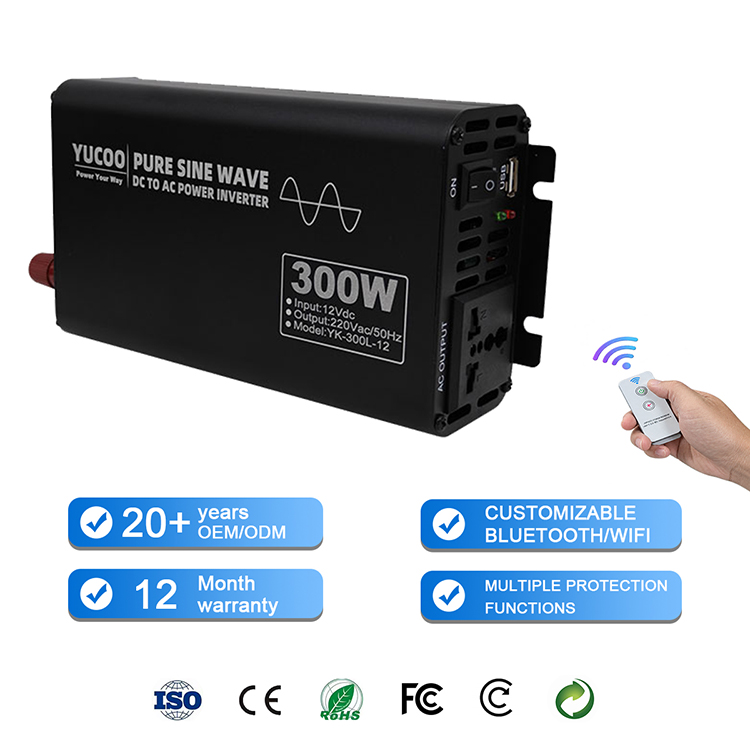
Portable 300W 12V/24V/48V to 220V Pure Sine Wave Mobile Inverter
- Input Voltage: 12V / 24V / 48V DC
- Output AC: 220V AC Pure Sine Wave
- Topology: Low THD (<3%) Pure Sine
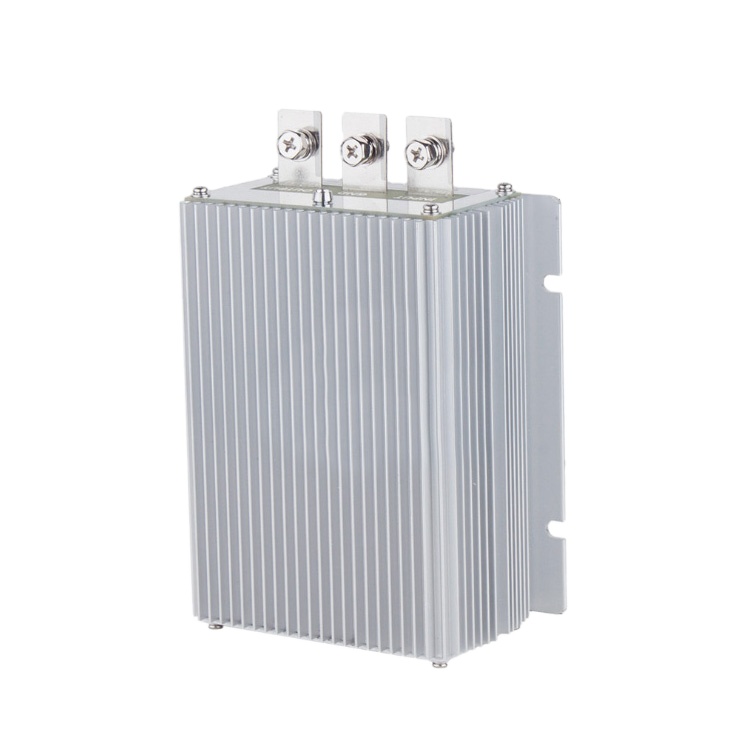
High Efficiency 1440W 36V to 48V 30A Waterproof IP67 Step Up DC Converter
- Power Rating: 1440W Continuous
- Protection: IP67 Full Epoxy Potted
- Output Current: 30A Constant Current
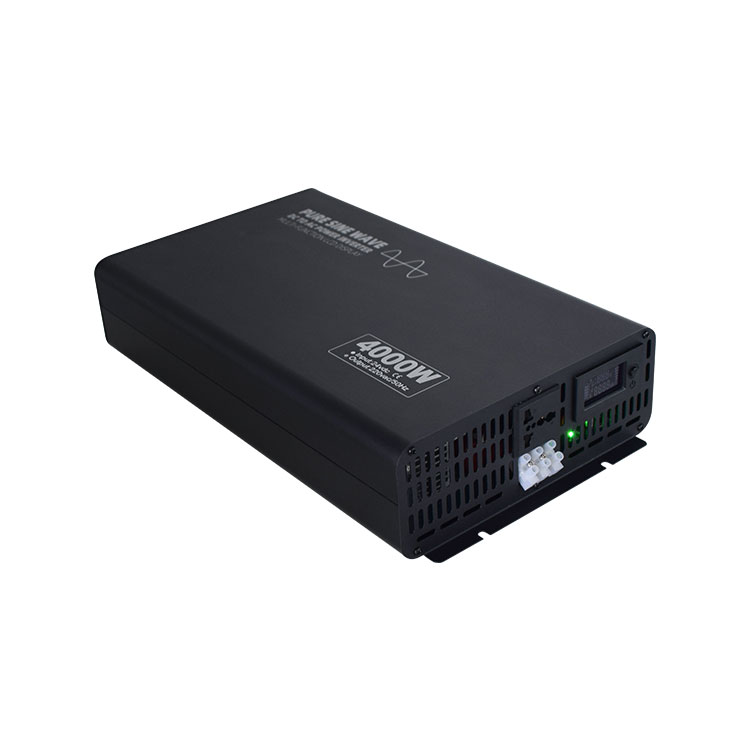
Off-Grid Solar Inverter 300W-5000W 12V/24V/48V to 220V AC Pure Sine Wave
- Surge Power: 2x Rated Continuous
- Efficiency: >92% Peak Rate
- Application: Solar Off-Grid & Telemetry
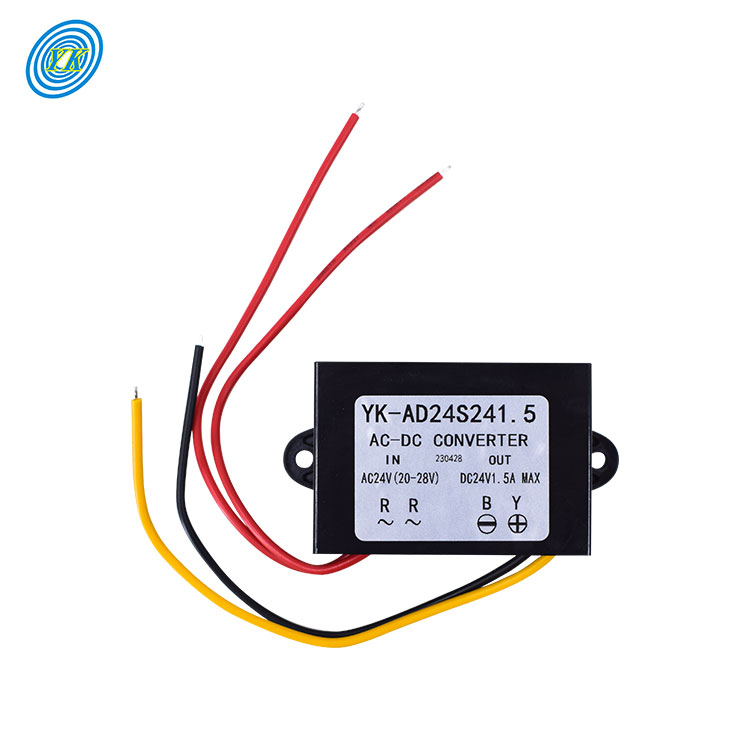
AC/DC 24V to DC 5V 3A Step-Down Buck Converter Waterproof Module
- Input Flexibility: AC 24V or Wide DC Input
- Output: 5V DC @ 3A Regulated
- Enclosure: Flame-retardant Sealed Shell
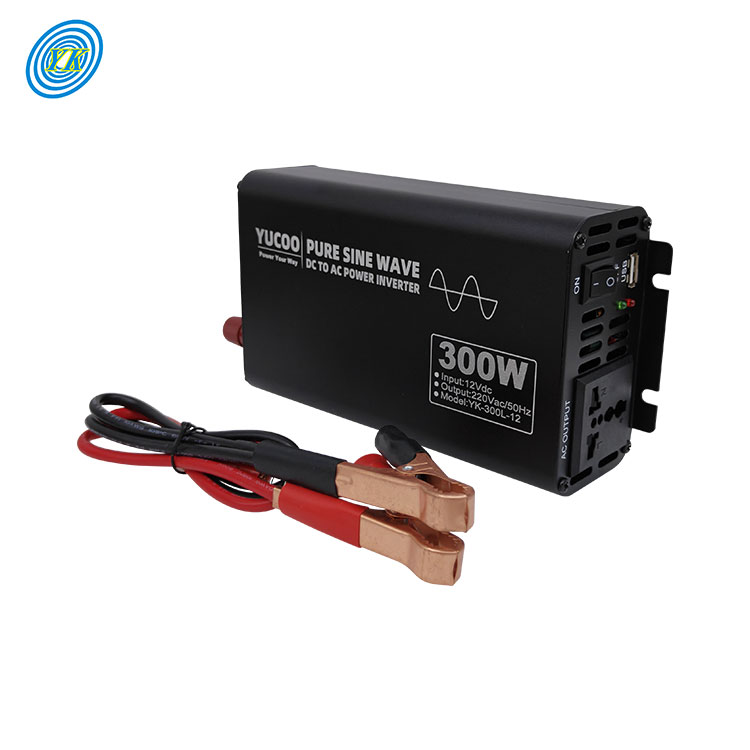
Vehicular 12V/24V to 220V AC 300W Pure Sine Inverter with USB Interface
- Dual USB: Integrated Fast Charging
- Thermal Control: Silent Smart Cooling Fan
- Certification: CE, RoHS Certified
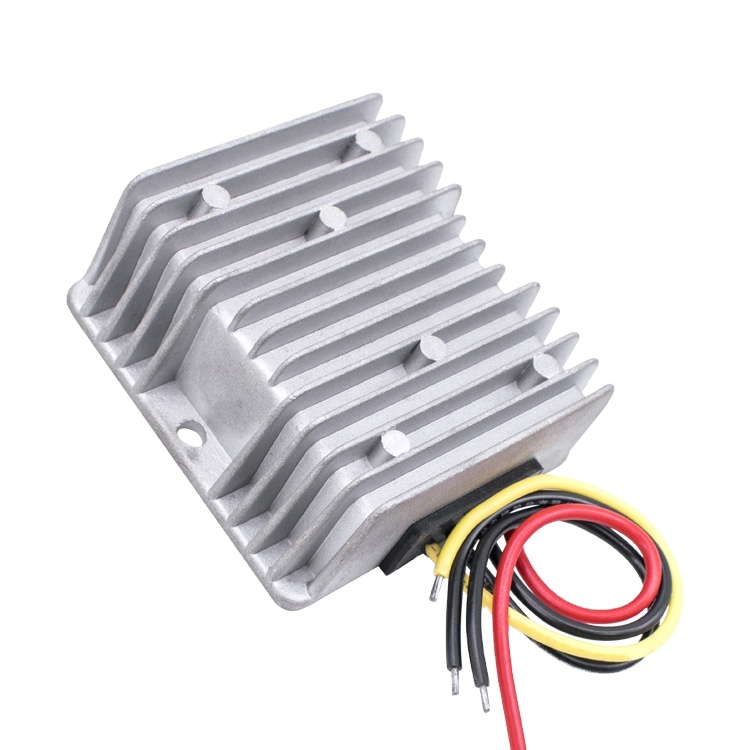
12V/24V to 13.8V 10A Step Up/Down DC Voltage Stabilizer for Radio & AgTech
- Output Voltage: 13.8V DC (Precision ±1%)
- Max Current: 10A Continuous
- Features: Under/Overvoltage Cutoff
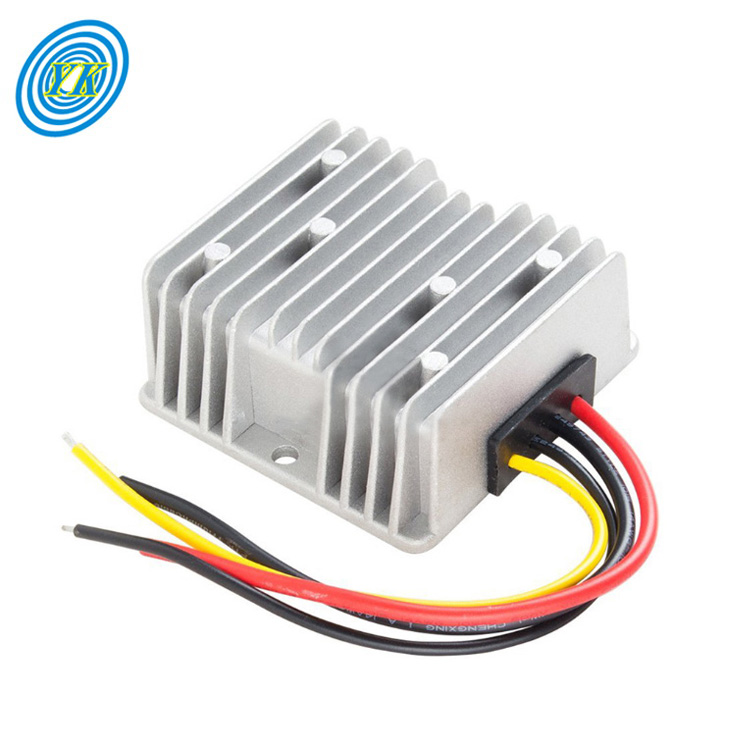
Synchronous Buck Converter 9-32VDC to 12VDC 12A 144W Industrial Module
- Conversion Rate: >95% Synchronous Rect.
- Protection: Short-Circuit / Auto-Recovery
- Form Factor: Die-Cast Rugged Shell
DC-DC Buck Conversion Engineering in Seville's High-Temperature Environment
Seville and the broader Guadalquivir valley register some of Europe’s highest ambient summer temperatures, consistently exceeding 42°C to 45°C. For industrial power electronics engineers deploying DC to DC step-down converters in decentralized enclosures, outdoor PV combiner boxes, or railway signaling stations, conventional thermal calculations fall short.
When selecting a DC to DC buck converter for the Seville industrial ecosystem, synchronous rectification topology is paramount. Unlike passive freewheeling diode regulators that produce an intrinsic forward drop (typically 0.4V to 0.7V), synchronous rectification utilizes low on-resistance (RDS(on)) N-channel power MOSFETs. At 30A to 40A currents, this reduces internal conduction dissipation from over 20W to under 2.5W, minimizing thermal runaway risks in sealed IP67/IP68 enclosures.
| Electrical & Environmental Parameter | Commercial Grade Standard | Varnix Seville Industrial Grade Spec | Field Engineering Impact |
|---|---|---|---|
| Continuous Operating Temp | -10°C to +50°C (Unregulated) | -40°C to +85°C (Military-grade components) | Zero shutdown incidents during Andalusian summer peak insolations |
| Thermal Derating Threshold | Derates at 40°C ambient | Linear derating starts only above 65°C ambient | Maintains 100% nominal rated current inside unventilated control boxes |
| Encapsulation Medium | Polyurethane resin or open-frame | Thermally-conductive epoxy resin vacuum potting | Protects against airborne dust from dry clay soils and agricultural mist |
| Transient Spike Suppression | Basic decoupling capacitors | Integrated TVS diodes + LC Differential Filter | Withstands solar array switching inductive spikes up to 100V |
| Switching Frequency Selection | Fixed 50kHz–100kHz | 150kHz–350kHz Synchronous PWM | Reduces ripple <30mVp-p; minimizes choke footprint and weight |
Furthermore, Seville’s rapidly expanding micro-mobility and commercial electric delivery fleets operate primarily on 48V, 60V, or 72V traction battery architectures. Our heavy-duty DC-DC buck converters step down traction voltage cleanly to 12V or 24V, powering telematics units, IoT GPS tracking, hydraulic tail-lifts, and lighting without generating destructive electrical noise (EMI) on the main CAN bus lines.
Targeted DC-DC Power Scenarios Across Seville & Southern Spain
Decentralized infrastructure in southern Spain demands specialized voltage-conversion solutions. Here is how our hardware integrates into key regional economic sectors.
Utility-Scale Solar Farms & SCADA
Photovoltaic installations across Seville’s countryside utilize high-voltage DC arrays. Our buck modules step down local auxiliary DC busbars to 12V/24V to supply solar tracker motors, sensor stations, meteorological sensors, and remote transmission units (RTUs) with uninterrupted reliability.
Automated Agricultural Irrigation
In the fertile agricultural belts along the Guadalquivir river, automated drip irrigation systems and solar pump telemetry rely on 24V or 48V battery banks. Our DC-DC step-down converters supply clean 5V and 12V power to IoT soil moisture sensors, electro-valves, and GSM telemetry units.
Railway & Metro Infrastructure
Connecting Seville via AVE high-speed rail lines and local metropolitan lines necessitates EN 50155-compatible power conditioning. Our galvanically isolated buck converters insulate onboard CCTV, electronic ticketing validators, and wireless trackside transponders from line voltage spikes.
Electric Logistics & Port Machinery
At the Port of Seville—Spain's only inland maritime port—and industrial logistics hubs, electric forklifts, automated guided vehicles (AGVs), and harbor utility cranes utilize 48V/80V batteries. Our robust buck modules supply stable 12V/24V auxiliary power for barcode scanners, navigation sensors, and radios.
Telecom BTS & Rural Broadbands
Telecom towers across Andalusia utilize 48V backup battery banks. Our 48V-to-12V and 48V-to-24V industrial step-down voltage regulators operate microwave backhauls, Starlink terminals, and perimeter surveillance setups without harmonic interference or loss of power factor.
Aerospace & Defense Testing
With Seville housing the aerospace hub around the San Pablo airport (Airbus final assembly lines), testing ground vehicles, support gear, and mobile diagnostic benches require programmable, high-efficiency DC-DC modules providing tight load regulation (±0.5%) under changing current draws.
Emerging DC Power Trends in Seville and Southern Europe
As Spain accelerates towards the National Integrated Energy and Climate Plan (PNIEC 2021-2030), Seville is experiencing pivotal shifts in power distribution architectures:
1. Shift to High-Voltage DC Microgrids (380V to 48V): Modern logistics facilities in Andalusia are adopting localized DC distribution buses to integrate rooftop solar installations directly with battery storage without wasteful DC-AC-DC conversion cycles. This transition generates an unprecedented requirement for multi-stage, high-voltage buck converters capable of handling continuous stepped-down regulation from 380V/400V DC down to intermediate 48V/24V levels.
2. Tightening Electromagnetic Compatibility (EMC) in Urban Deployments: Seville's historical urban center and modern business centers in Cartuja Science and Technology Park (PCT Cartuja) mandate stringent EMC Class B compliance for auxiliary vehicular equipment. Low-cost chopper buck circuits frequently emit high-frequency radiated noise that interferes with smart city RF sensors and VHF public transits. Varnix modules incorporate multistage EMI chokes and shielded enclosures to ensure strict compliance with UNE-EN 61000-6-3 / UNE-EN 55032.
3. Resilience to Dust Ingress and Arid Microclimates: Extended droughts and dry soil conditions in southern Spain increase particulate accumulation within electrical enclosures. Our 100% solid-cast aluminum shells filled with silicon potting remove interior air pockets entirely, insulating internal inductors, capacitors, and SMD silicon boards against electrostatic dust accumulation, corrosion, and internal thermal hotspots.
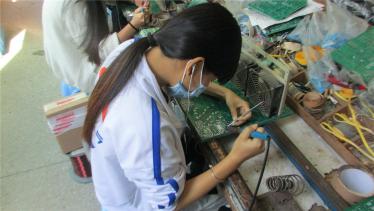
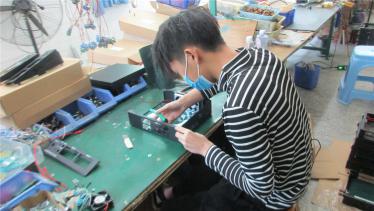
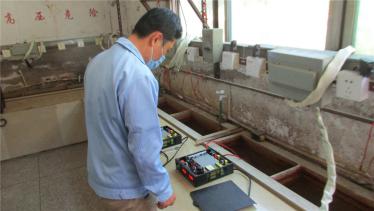
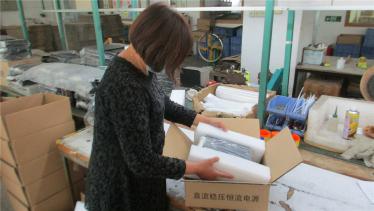
Direct Manufacturer Strength: From PCB Welding to Full-Load Aging
Operating since 2003 with a 1,229 m² production facility verified on-site by SGS Group, Varnix controls the complete power electronics manufacturing cycle.
Why Seville Engineers and Procurement Managers Choose Varnix
We deliver an optimal balance of direct factory pricing, ISO 9001:2015 process control, and customizable electrical designs.
Rigorous ISO 9001:2015 Quality
Every single buck converter undergoes automatic optical inspection (AOI), high-voltage isolation breakdown tests, and a minimum 4-hour burn-in cycling run at full continuous load prior to export packaging.
Custom Voltage & OEM/ODM
Need non-standard inputs (e.g. 72V to 13.8V, or 96V to 24V), specialized Deutsch/Amphenol connectors, custom wiring harness lengths, or private label branding? Our engineering team drafts schematics within 48 hours.
Streamlined Export to Spain
We provide full documentation for European Union customs compliance, including CE Declarations of Conformity, RoHS environmental testing reports, commercial invoices under DDP/CIF/FOB terms, and HS Code classification assistance.
Frequently Asked Questions by Seville Buyers
Technical and logistical queries from engineering departments, importers, and electrical contractors in Spain.
Are your DC to DC buck converters fully compliant with EU CE and RoHS regulations?
Yes. All Varnix DC-DC buck converters and pure sine wave inverters manufactured for European distribution hold CE certification (EMC Directive 2014/30/EU and Low Voltage Directive 2014/35/EU) and comply with RoHS 2011/65/EU hazardous substance restrictions. Complete test certificates and DoC documentation are provided with every order.
How do these units perform inside sealed solar combiner boxes in Seville during summer?
Our converters utilize die-cast aluminum heat sinks filled with thermally conductive silicone (thermal conductivity >1.5 W/m-K). They feature an industrial operating range of -40°C to +85°C. With efficiency up to 96%, internal thermal dissipation remains minimal, eliminating the risk of premature shutoff common to commercial-grade plastic converters.
What is the difference between your isolated and non-isolated buck models?
Non-isolated buck converters share a common negative ground between input and output, offering maximum efficiency (up to 96%) and smaller form factors—ideal for vehicles, battery accessories, and agritech. Isolated converters feature optical/magnetic galvanic isolation between primary and secondary circuits, required for telecom plants and railway signaling where ground loops and high transient surges must be isolated.
What is the Minimum Order Quantity (MOQ) and lead time for shipments to Andalusia?
Standard catalog products have low MOQs starting from 1 to 10 units for evaluation samples. OEM customization projects typically start at 50 to 100 units depending on housing revisions. Sample orders ship via air express (DHL/FedEx/UPS) in 4–7 business days to Seville, while maritime bulk containers arrive at the Port of Algeciras or Valencia in 28–35 days.
Power Your Next Infrastructure Project in Seville
Connect directly with our senior power electronics engineers. Request detailed datasheets, volume quotes, or custom electrical design proposals tailored to your application parameters.
Send an Inquiry