Specialized Chargers, Converters & Power Modules
Tested for the demanding electrical and climatic conditions of Stockholm County (Stockholms län), our CE, RoHS, and FCC certified power systems bridge the gap between heavy industrial reliability and smart Scandinavian grid demands.
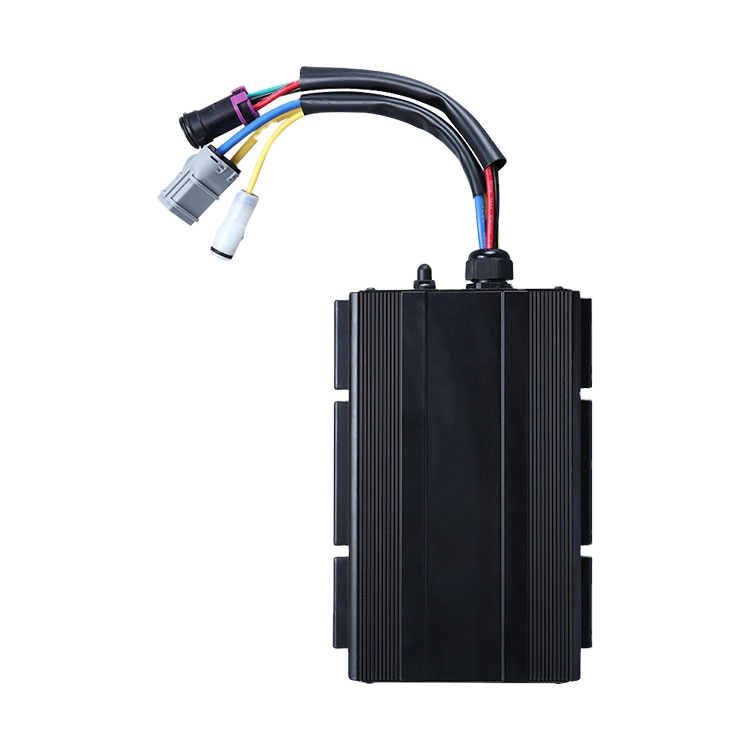
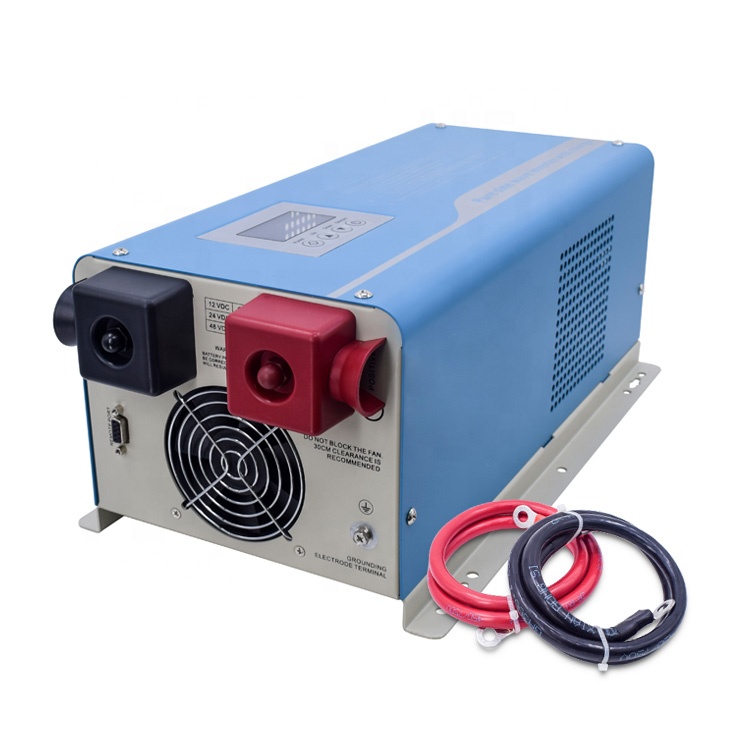

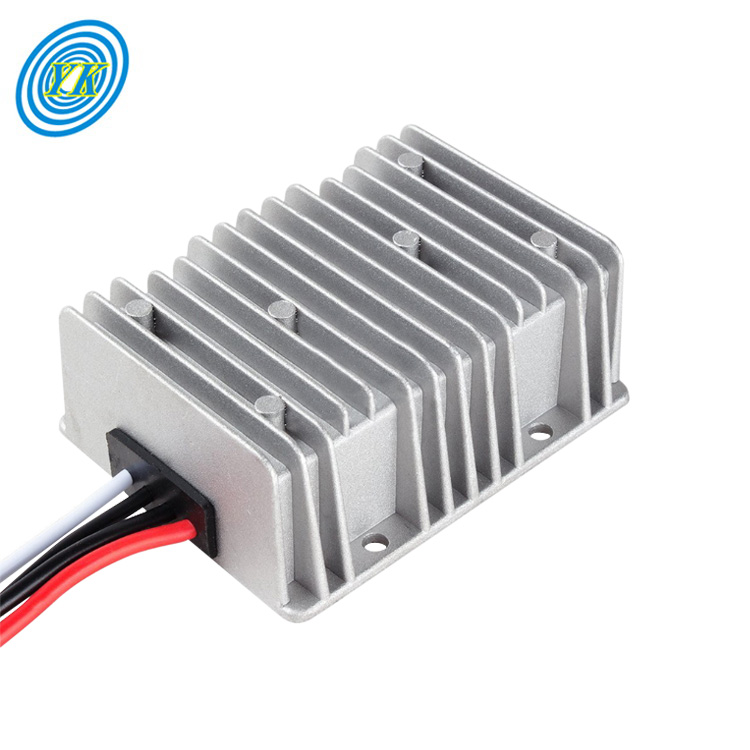
Overcoming Cold-Climate Battery Degradation in Sweden’s Harsh Industrial Sectors
Operating stationary and motive lead-acid battery banks across greater Stockholm, Södermanland, and the Baltic littoral involves a unique set of electrochemical challenges. Stockholm experiences extended sub-zero periods where ambient winter temperatures drop well below -15°C to -25°C. In conventional lead-acid chemistries—including standard flooded deep-cycle, Absorbed Glass Mat (AGM), and Gel batteries—freezing conditions trigger a steep non-linear increase in internal electrolyte resistance (Ri), coupled with a dramatic depression of electrochemical reactivity.
When uncalibrated commercial chargers attempt to energize chilled lead-acid cells using fixed standard voltage curves (such as 2.40V per cell at 25°C), the battery suffers chronic undercharging. Undercharged electrolyte stratifies, lowering cell capacity and accelerating catastrophic hard-lead sulfate crystallization on negative spongy lead plates. Conversely, during springtime transition cycles or inside overheated technical cabinets, overcharging induces electrolyte boil-off, grid corrosion, and positive plate grid expansion. As an established direct manufacturer and global exporter founded in 2003, our industrial battery chargers integrate microprocessor-driven negative temperature compensation (-4.0 to -5.0 mV/°C/cell) with external NTC probes, guaranteeing that battery float and absorption voltages dynamically adjust to eliminate sulfation and prevent thermal runaway.
Mission-Critical Use Cases Across Greater Stockholm
From central logistics corridors along the E4 to Baltic archipelago vessels, our high-frequency charging rectifiers deliver uninterrupted uptime tailored to Nordic compliance frameworks.
1. Maritime & Archipelago Electrification
Stockholm’s unique archipelago (Stockholms skärgård) features thousands of service vessels, commuter ferries, and water taxis operating from Värtahamnen, Skeppsbron, and Nacka Strand. Salt-fog exposure and condensation demand heavy-duty IP65 and IP67 sealed multi-stage chargers capable of overnight shore-power replenishment without triggering AC ground faults on municipal pontoon feeds.
2. Cold-Storage & E-Commerce Intralogistics
Key distribution hubs in Arlandastad, Rosersberg, and Jordbro run extensive multi-shift Class I, II, and III material handling fleets. Electric forklifts and AGVs operating continuously between -22°C freezer warehouses and temperate loading docks encounter severe battery thermal shock. Our smart high-frequency chargers employ high-current desulfation pulses that maintain traction bank throughput.
3. Telecom & Datacenter Grid Resiliency
Surrounding Kista Science City and regional telecom interchanges, reliable DC power is the foundation of network stability. 48VDC embedded rectifier systems and lead-acid backup banks require low ripple voltage (<100mV pk-pk) and zero electromagnetic interference with carrier-grade radio equipment, fully compliant with EN 55032 Class B emission standards.
4. Municipal Transport & Substation Auxiliaries
Region Stockholm’s SL transit network, rail depot switchgear, and municipal water stations require dependable 24V/110V/220V stationary battery banks. In the event of grid brownouts during winter peak loads, our industrial float chargers ensure critical emergency breaker trips and monitoring SCADA systems remain fully energized with zero switchover delay.
5. Off-Grid Remote Microgrids & Forestry
Northern Stockholm county and Uppland feature decentralized solar-wind hybrid installations powering telecom repeaters, meteorological stations, and environmental sensors. In these remote sites, our chargers interface directly with off-grid generators or variable DC buses, automatically cycling lead-acid storage banks through bulk, absorption, and maintenance stages.
6. Airport Ground Support Equipment (GSE)
Operations at Stockholm Arlanda (ARN) and Bromma (BMA) airports prioritize emission-free apron transport. Tow-tractors, belt loaders, and passenger stairs powered by high-capacity traction batteries depend on robust chargers equipped with active PFC (>0.99) that reduce peak reactive power charges on airport transformer substations.
Advanced High-Frequency LLC Resonant vs. Legacy Silicon-Controlled Rectifiers (SCR)
Historically, Swedish industrial installations utilized low-frequency transformer-based 50Hz SCR chargers. While mechanically sturdy, SCR topologies present substantial engineering penalties: heavy transformer core losses, low operational efficiency (rarely exceeding 75–80%), low input power factor (0.65–0.75) which incurs high reactive penalty charges from utility operators such as Ellevio and Vattenfall, and excessive AC current ripple that overheats lead plates. Our next-generation chargers employ a full-bridge LLC resonant switching topology running at over 100 kHz, delivering tangible operational advantages:
| Performance Parameter | Legacy 50Hz SCR / Transformer Charger | Varnix Modern High-Frequency LLC Charger | Stockholm Engineering Impact |
|---|---|---|---|
| Conversion Efficiency | 72% – 80% typical | ✓ 93.5% – 95.2% | Reduces continuous kWh power waste under Sweden's commercial energy pricing. |
| Input Power Factor (PFC) | 0.65 – 0.78 (Generates reactive power) | ✓ > 0.99 Active PFC | Eliminates harmonic pollution and network surcharges imposed by Swedish DSOs. |
| Output DC Ripple Voltage | 3.0% – 5.0% Vrms (plate stress) | ✓ < 0.5% Vrms (smooth DC) | Prevents localized plate hotspotting and extends battery service life by 25–40%. |
| Temperature Profiling | Manual dial or uncompensated | ✓ Smart NTC Auto-curve (-5mV/°C) | Critical for Stockholm’s sub-zero winter temperatures, preventing electrolyte freezing. |
| Physical Footprint & Weight | Heavy (45kg – 120kg bulky chassis) | ✓ Compact (4.5kg – 16kg aluminum) | Allows easy wall-mounting, mobile rack integration, and reduced ocean/air shipping freight. |
| Digital Telemetry Interface | Basic analog needle meter | ✓ CAN bus 2.0B / RS485 / Modbus | Enables continuous SCADA integration with facility BMS and remote energy management. |
Aligning with Swedish Environmental Targets & EU Battery Directives
The Greater Stockholm regional administration (Region Stockholm) is spearheading ambitious carbon-neutral and circular-economy goals. B2B buyers procuring electrical conversion and battery management systems must navigate increasingly rigorous EU and Swedish regulatory frameworks:
1. EU Battery Regulation (Regulation (EU) 2023/1542): The European Union’s sweeping battery directive mandates enhanced performance metrics, extended operational durability, and verifiable carbon lifecycle audits. Our battery chargers incorporate precise end-of-charge cut-off logic that minimizes grid corrosion, maximizes cyclic lifetime (preserving battery cell health), and prevents premature disposal, aligning directly with Sweden’s recycling and reuse objectives (Avfall Sverige guidelines).
2. Ecodesign Directive & Standby Power Limits: Industrial battery chargers operating in commercial installations are subject to strict no-load and standby energy thresholds. Varnix chargers utilize digital resonant controllers that reduce standby consumption to under 0.5W, minimizing parasitic standby drain across large idle forklift fleets in logistics parks.
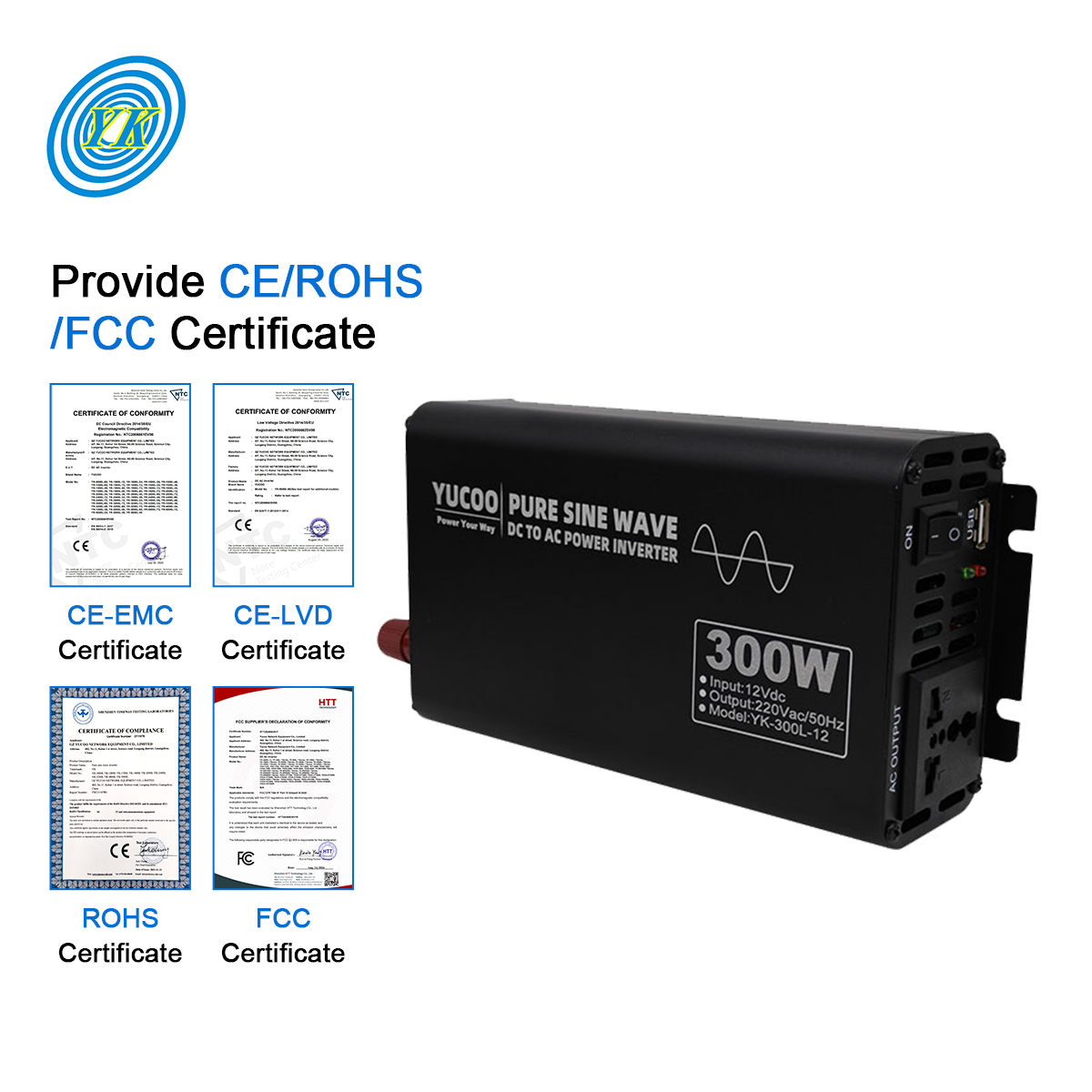
3. Electrical Safety & Nordic Low-Voltage Compliance: Every unit leaving our production floor meets European CE marking through the Low Voltage Directive (LVD 2014/35/EU) and Electromagnetic Compatibility Directive (EMC 2014/30/EU). Standardized testing reports (EN 60335-1, EN 60335-2-29, EN 61000-6-2, EN 61000-6-4) are provided to streamline clearance through Swedish Customs (Tullverket) and facilitate smooth sign-offs by Swedish Electrical Safety Authority (Elsäkerhetsverket) auditors.
Engineered by Varnix Technology Co., Ltd. (Founded 2003)
For more than 23 years, Varnix has been at the forefront of high-frequency power electronics design and export. Our modern manufacturing facility spans 1,229 square meters in Guangdong, China, staffed by 58 skilled technicians and engineers, with operational processes verified onsite by SGS.
We operate 10+ specialized assembly lines featuring automated wave soldering, surface-mount placement, CNC enclosure machining, and high-precision testing benches. Over 50% to 60% of our annual production is exported to demanding markets across North America, Western Europe, and Scandinavia. For rapid dispatch of critical power modules and converters, we maintain stock programs and rapid-turnaround OEM/ODM production lines.
IQC Incoming
100% verification of MOSFETs, magnetic cores & PCBs.
SMT & Assembly
Automated wave soldering & precision chassis drilling.
Function Test
Oscilloscope waveform, THD, and multi-point voltage check.
Full Burn-In
100% full-load thermal burn-in aging for 4–8 hours.
OQC & Export
Anti-shock moisture-sealed packaging for Nordic freight.
Frequently Answered Technical & Logistics Questions
Direct answers for Nordic system integrators, municipal electrical buyers, and industrial distributors importing power conversion solutions into Sweden.
How do your chargers compensate for extreme Stockholm winter temperatures?
Our microprocessor units utilize an external or internal NTC temperature sensor that continuously shifts charging voltage by -4.0mV to -5.0mV per °C per 2V cell (user configurable). When ambient temperatures drop to -20°C in an unheated Stockholm warehouse or outdoor marina, the charger increases terminal voltage to 15.6V (on a 12V system) to drive current through high electrolyte resistance without causing premature shutoff. Once ambient conditions normalize, voltages automatically return to nominal baseline settings.
What documentation is provided for Swedish Customs (Tullverket) and CE clearance?
Every shipment is accompanied by complete CE Declarations of Conformity (DoC), accredited third-party test reports covering the Low Voltage Directive (LVD EN 60335) and EMC Directive (EN 55032 / EN 61000), material RoHS certificates, and commercial HS code classification (typically 8504.40 for static converters/chargers). We also offer DDP shipping terms to Stockholm Norvik Port or Arlanda Airport, handling import formalities directly.
Can you provide custom charging profiles for mixed-fleet lead-acid and LiFePO4 batteries?
Yes. Many Nordic logistics operations run hybrid fleets featuring flooded deep-cycle traction batteries alongside modern lithium iron phosphate (LiFePO4) units. We offer custom microcode options with rotary selector switches or digital CAN/Modbus profiles, allowing technicians to switch charging curves between AGM, GEL, Flooded, and Lithium without replacing the hardware.
What is the standard manufacturing lead time and MOQ for OEM orders?
Standard catalog units start at low MOQs of 1 to 5 units for qualification testing. For full OEM/ODM programs—including custom branded aluminum housings, specialized IP67 waterproof connectors, Anderson/Rema plugs, and custom firmware voltages—production lead time typically ranges from 15 to 25 working days depending on order volume.
How do your chargers handle dirty generator power in off-grid telecom stations?
Backup generators frequently deliver noisy AC voltage with fluctuating frequency (45Hz–65Hz) and high harmonic distortion. Varnix chargers incorporate active PFC front-ends with ultra-wide input windows (85VAC–265VAC), filtering line surges and stabilizing the DC output current regardless of unstable generator output.
What post-delivery support and warranty guarantees are provided?
All Varnix equipment includes an engineering-backed 12 to 24-month replacement warranty backed by our dedicated 24/7 technical team. In the event of warranty-covered component failure, expedited replacement modules or spare sub-assemblies are dispatched promptly to minimize equipment downtime.
Power Your Stockholm Projects with Proven Conversion Reliability
Consult with our senior power electronics engineering team today. Send us your required DC input/output ratings, ambient temperature parameters, and enclosure specifications for an authoritative technical review and rapid quote.
Get a Quote