Core Precision Power Products for Telecom & Edge Installations
Tested under rigorous 100% full-load burn-in conditions. Every unit is engineered for telecommunications base stations, data communication hubs, marine maritime transport networks, and off-grid sub-stations.
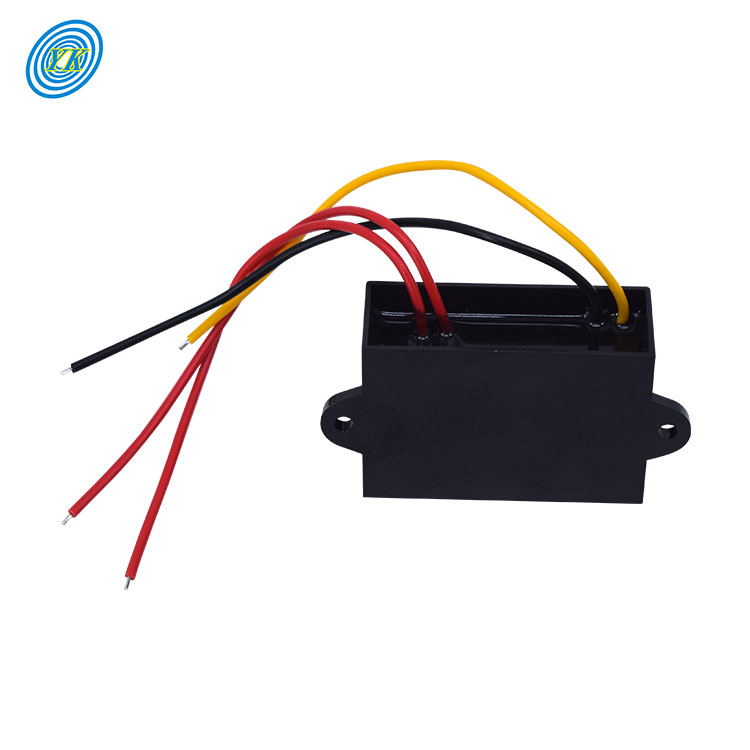
10~26VAC to 5V 3A 5A AC DC Buck Step Down Voltage Power Converter
- Input Range: 10~26VAC
- Output Spec: 5VDC (3A / 5A)
- Efficiency: >92% Synchronous
- Protection: OVP, OCP, SCP
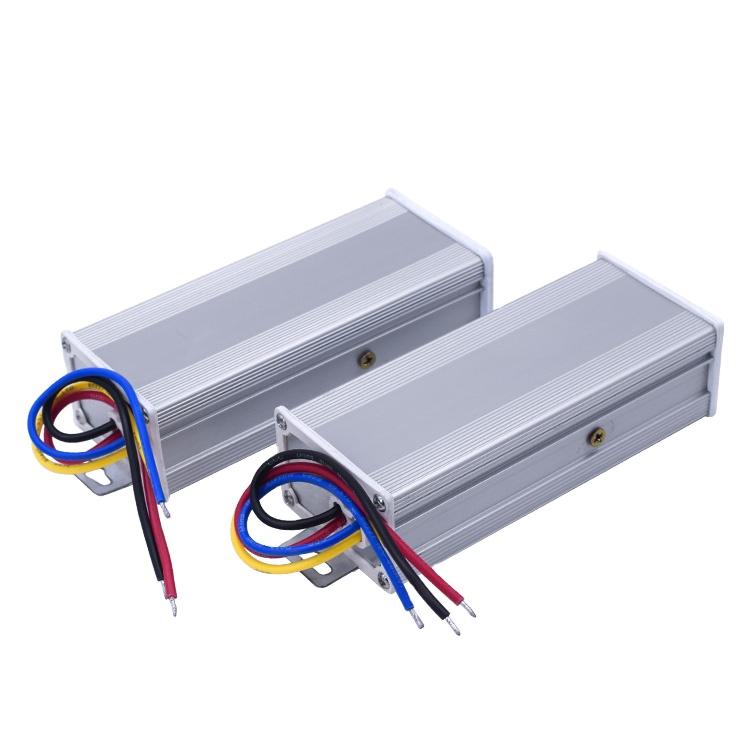
Isolated DC to DC 48V-96V to 12V 5A 60W Step Down Converter
- Nominal Input: 48V / 60V / 72V / 96V
- Regulated Out: 12VDC @ 5A (60W)
- Isolation: 1500VDC Galvanic
- Application: Telecom DC Bus Isolation
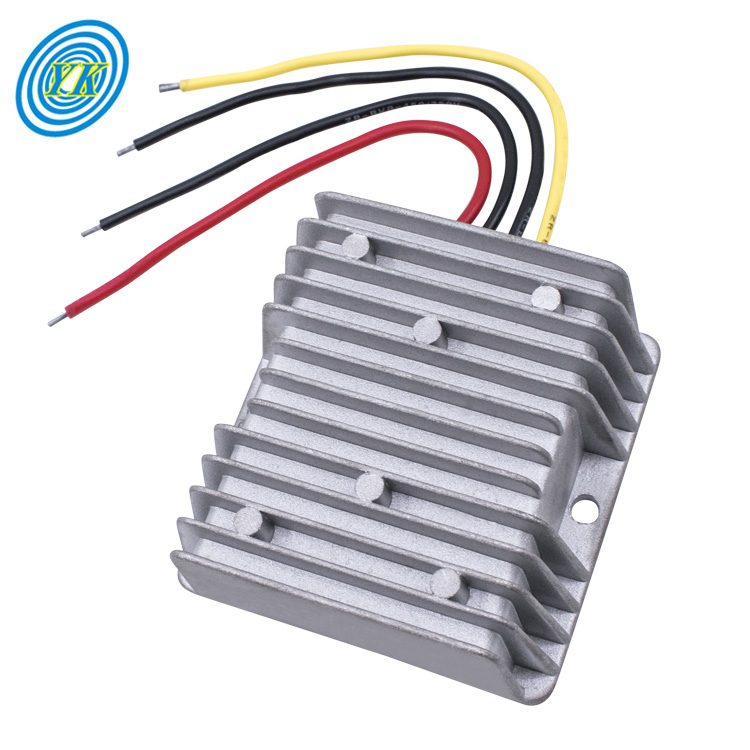
Buck & Boost 8-40V to 13.8V 5A Step up Voltage Dc-dc Converter
- Dynamic Input: 8~40VDC Wide-Range
- Float Output: 13.8VDC @ 5A
- Topology: Non-Isolated Buck-Boost
- Enclosure: Die-Cast Aluminum IP68

High Voltage Regulator 84V to 12V 15A 180W DC Buck Converter
- Input Window: Up to 84VDC High Line
- Output Power: 12VDC @ 15A (180W)
- Thermal Control: Integrated Heat Sink Fins
- Compliance: CE / RoHS Directive
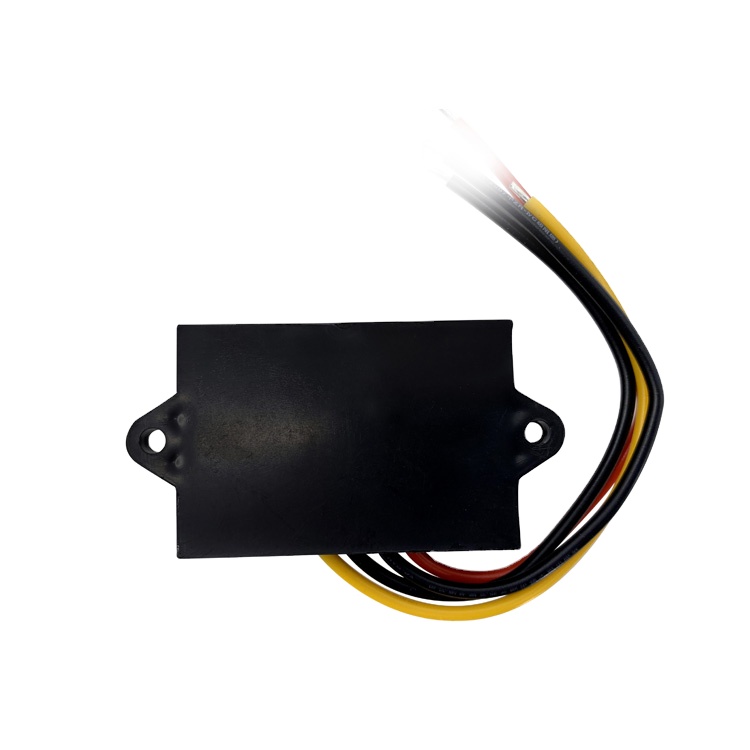
USB Type Waterproof IP67 12/24V to 5V 5A 25W Converter
- Input Options: 12V / 24V Vehicles/Cabinets
- Regulated Port: 5VDC 5A USB Terminal
- Ingress Rating: IP67 Epoxy Sealed
- Chassis: V0 Flame-Retardant ABS
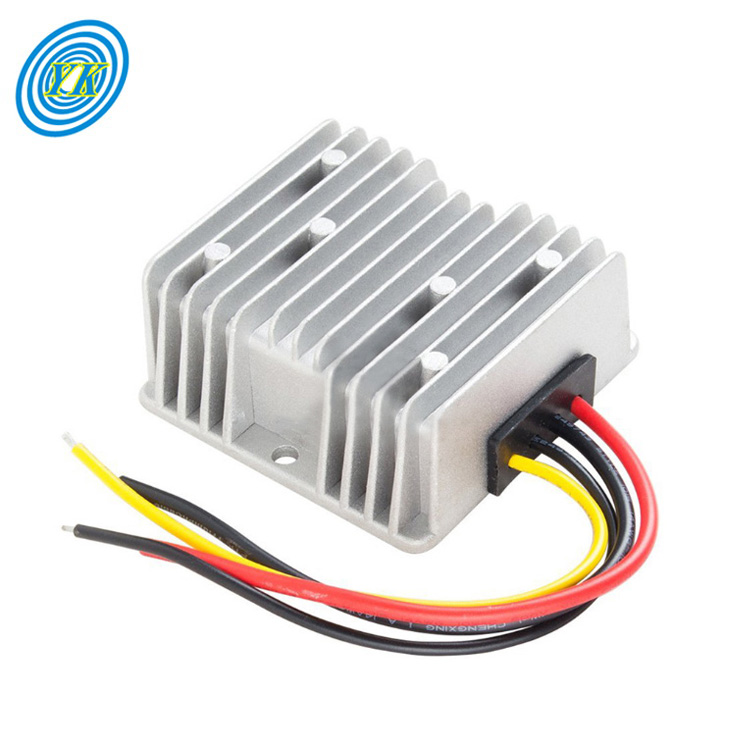
DC-DC Converter 9-32VDC to 12VDC 12A 144W Step Up Down
- Source Range: 9~32VDC Dynamic
- Clean Output: 12VDC Stable @ 12A
- Surge Capacity: 144W Continuous
- Thermal Range: -40°C to +85°C Industrial
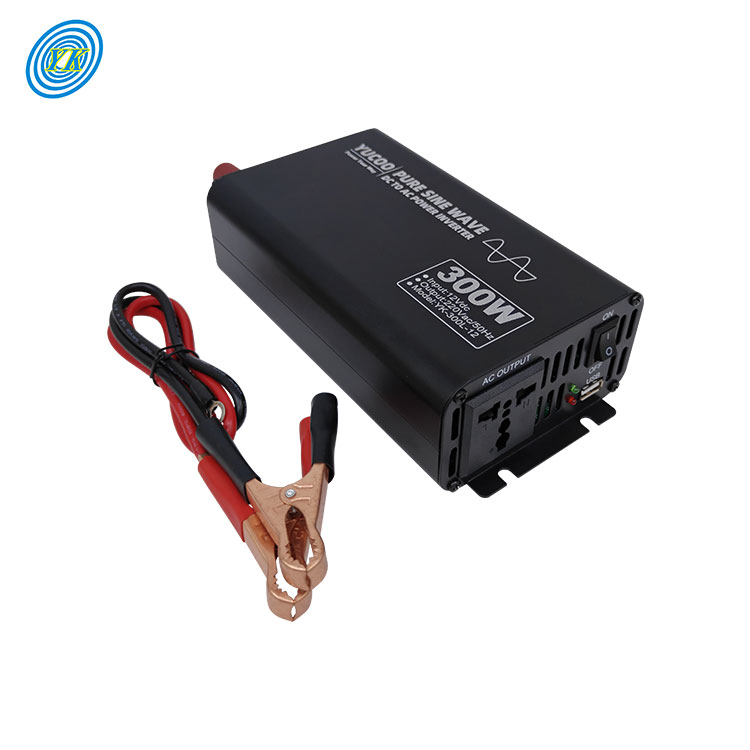
Pure Sine Wave Inverter 300W DC12V-72V to AC110V/220V
- Input Bus: 12V / 24V / 48V / 72V
- AC Output: 220VAC / 230VAC ±3%
- THD Waveform: <3% Clean Pure Sine
- Switching Tech: SPWM High Frequency

YUCOO Boost Buck Converter 9-34V to 12V 35A 40A Module
- Wide Voltage In: 9~34VDC Input
- Heavy Current: 12VDC @ 35A / 40A
- Power Capability: Up to 480W Continuous
- Sealing Class: Waterproof Anti-Shock IP68
Engineering Pure Sine Inverters for the Liverpool & Merseyside Ecosystem
From the Port of Liverpool smart container docks to the Liverpool City Region 212-kilometer full-fibre digital spine, telecom power hardware must operate in harsh coastal and high-density computing conditions without interruption.
LCR Connect & Regional 5G Standalone Rollouts
The Liverpool City Region Combined Authority has accelerated Gigabit infrastructure deployment across all six local authority districts (Liverpool, Halton, Knowsley, Sefton, St Helens, and Wirral). With extensive 5G neutral host deployments, high-frequency low-latency micro edge cells, and roadside optical line terminals (OLTs), grid instability can cripple digital services.
Standard commercial inverters cannot tolerate the voltage fluctuations experienced across distributed telecom roadside cabinets. Varnix designs pure sine wave telecom inverters specifically optimized for -48VDC continuous battery plants, handling steep DC voltage drops down to 40.5VDC during severe mains brownouts while supplying regulated 230VAC at 50Hz with less than 2% total harmonic distortion (THD).
Merseyside Maritime & Port of Liverpool Logistics
The Seaforth docklands, Liverpool2 deep-water container terminal, and the broader Mersey estuary represent aggressive operational settings. Marine salt fog, atmospheric chloride precipitation, and ambient humidity exceeding 85% create electrolytic corrosion on unshielded electronic assemblies.
Varnix delivers OEM/ODM enclosures with Class C4/C5 marine anti-corrosion finishes, conformally coated internal printed circuit board assemblies (PCBA) using Humiseal polyurethane, and IP55-to-IP68 ruggedized housings. Our converters and rack-mount telecom inverters endure cyclic salt spray testing in accordance with BS EN 60068-2-52, safeguarding automated guided vehicles (AGVs), maritime radio repeaters, and dockside radar arrays.
Technical Whitepaper: Inverter Sizing & Power Dissipation Calculations for Telecom Enclosures
When engineering telecom power plants in compact outdoor cabinets (such as street-level FTTP cabinets in the Liverpool metropolitan area), system integrators must calculate both steady-state DC draw and thermal dissipation to ensure uninterrupted uptime under Telcordia SR-332 standards.
Where:
• P_ac = Total AC output load including active PFC network switches (Watts)
• V_dc_min = End-of-discharge battery bank threshold (Typically 40.5V for standard 48V Lead-Acid/LiFePO4)
• η = Inverter electrical efficiency (e.g., 0.92 for Varnix Telecom Pure Sine Wave units)
Example: For a 2,000W critical microwave transceiver link: 2000W / (40.5V × 0.92) = 53.67A Continuous DC Input Load.
Example: At 2,000W load: [(2000 / 0.92) - 2000] × 3.41214 = 593.6 BTU/hr of sensible heat generated.
Varnix inverters utilize intelligent variable-speed cooling fans controlled by negative temperature coefficient (NTC) thermistors, preventing thermal runaways inside enclosed sealed cabinets without unnecessary fan bearing wear.
| Architecture Feature | Varnix High-Frequency Telecom Inverter | Traditional Low-Frequency Inverter | Modular Hot-Swap Rectifier/Inverter Hybrid |
|---|---|---|---|
| Primary Switching Topology | Dual-stage Full-Bridge SPWM with MOSFETs | 50Hz Heavy Iron-Core Transformer | N+1 Parallel Redundant DC-AC Switch |
| Dynamic Transfer Time (STS) | < 4 milliseconds (Zero-reboot for IT gear) | 10 – 20 milliseconds (Risk of dropped packets) | 0 milliseconds (True online online conversion) |
| Form Factor / Rack Density | 19-inch 1U / 2U lightweight chassis (8–14kg) | Bulk floor standing / heavy 4U+ (>35kg) | Subrack shelf with 2.5kVA modular blades |
| Galvanic Isolation Level | 1500VDC Optocoupler / HF Ferrite Core | 2500VAC Magnetic Primary-to-Secondary | 2000VDC Complete System Redundancy |
| Remote Management Support | SNMPv2/v3, Modbus RTU/TCP, RS485, Web GUI | Dry contacts / Basic relay alarms | Integrated LCD, Ethernet SNMP & Cloud MQTT |
| Liverpool Compliance Standards | UKCA, CE, BS EN 62368-1, EN 55032 | Legacy CE standard | UKCA, CE, RoHS, ISO 9001:2015 |


Why Tier-1 Contractors & Telecom Integrators Partner with Varnix
Founded in 2003 in Guangdong, China, Varnix Technology Co., Ltd. has spent over two decades engineering and manufacturing high-frequency switching power electronics. Our facility is verified on-site by SGS Group, operating across 10 specialized production and automated testing lines.
For British contractors supplying Liverpool's communication networks, rail electrification initiatives (such as Merseyrail battery-electric fleet stations), and Merseyside regional emergency service networks, working directly with Varnix as an OEM/ODM source provides tangible competitive edges:
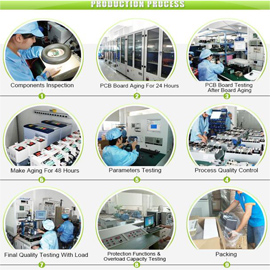
- 100% Comprehensive Burn-In Testing: Every custom 48VDC/110VDC/220VDC inverter endures a mandatory 4-to-12 hour elevated temperature aging test at 45°C ambient under full dynamic load before packing.
- Custom Electrical Enclosure & Pinout Design: Complete ODM freedom—specify rack ear attachments, Phoenix terminal blocks, dual AC universal sockets, or hardened Neutrik connectors for harsh environments.
- Predictable International Logistics to the UK: Smooth shipping options via direct maritime container freight straight into Seaforth / Port of Liverpool or rapid air freight to Liverpool John Lennon Airport (LPL) / Manchester Hub (MAN) with DDP terms.
Compliance & Electrical Safety
Varnix products strictly meet CE, RoHS, FCC, and BS EN 62368-1 standards. Our production processes align with ISO 9001:2015 quality management procedures, ensuring total traceability across inductors, electrolytic capacitors, and semiconductor dies.
Full OEM/ODM Customization
From low minimum order quantities (MOQ 1–10 units on standard models) to full custom firmware algorithms, we deliver specialized input voltage windows (e.g., 84VDC–140VDC for rail transit), custom silk-screened client branding, and custom LCD diagnostic menus.
24/7 Dedicated Engineering Support
Direct communication with bilingual electrical and circuit design engineers. We maintain a documented 98.2% customer inquiry response rate, offering schematics reviews, thermal simulation validation, and warranty protection written into formal contracts.
Mission-Critical Power Deployment Architecture in Liverpool
Real-world integration patterns where Varnix telecom inverters, embedded rectifiers, and DC-DC step-down converters ensure zero downtime across Merseyside.
1. 48VDC Telecom Central Office & OLT Nodes
In Liverpool suburban telephone exchanges and fiber aggregation shelters, optical line terminals (OLTs) share rack space with legacy 230VAC servers. A Varnix 19-inch 2U 48VDC to 230VAC telecom inverter converts DC power directly from the central battery bank, ensuring high-speed broadband switches remain online during mains supply dropouts.
2. Mersey Ferry & Commercial Maritime Comms
Passenger ferries and commercial shipping along the River Mersey demand clean AC power for marine navigation radars, AIS transmitters, and Starlink satellite terminals. Utilizing our isolated DC-DC step-down converters and pure sine wave inverters, unstable 24V/72V vessel battery power is cleaned into high-stability 230V AC or regulated 12V/30V DC.
3. Automated Logistics Hubs (Knowsley & Speke)
High-throughput freight terminals and supply chain distribution hubs across South Liverpool utilize private 5G automated guided vehicles (AGVs) and IoT environmental sensors. Our IP67/IP68 wide-input buck-boost converters and heavy-duty battery chargers keep high-cycle logistics networks active 24/7 without electronic latch-up.
Frequently Asked Questions: Sourcing Telecom Inverters in Liverpool
Direct answers for telecommunications consultants, electrical contractors, systems engineers, and supply chain managers in the North West of England.