Pure Sine Wave
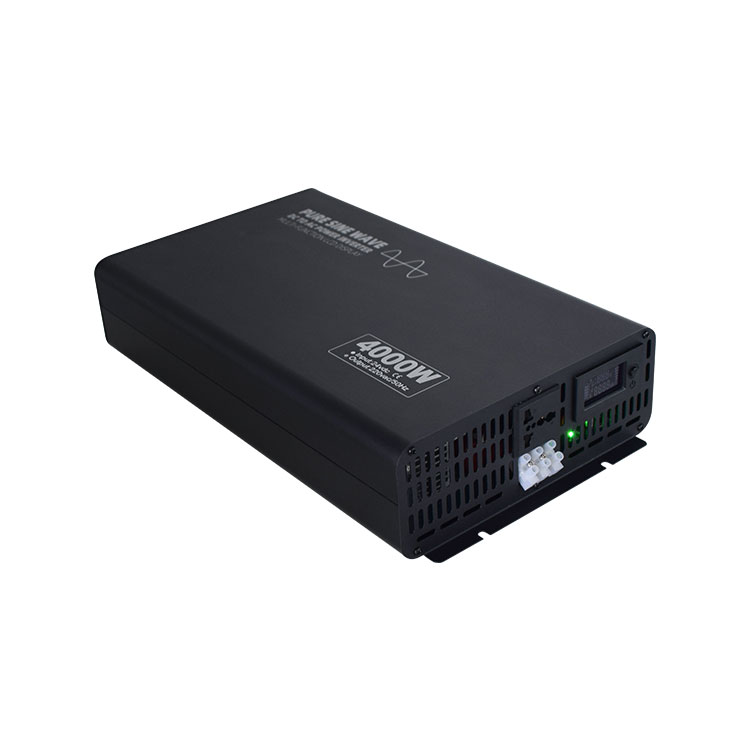
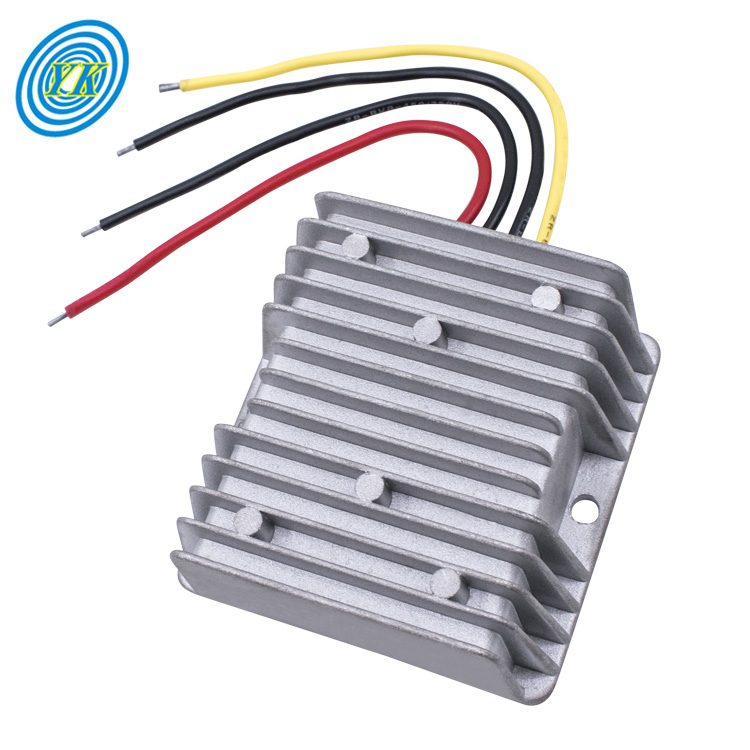
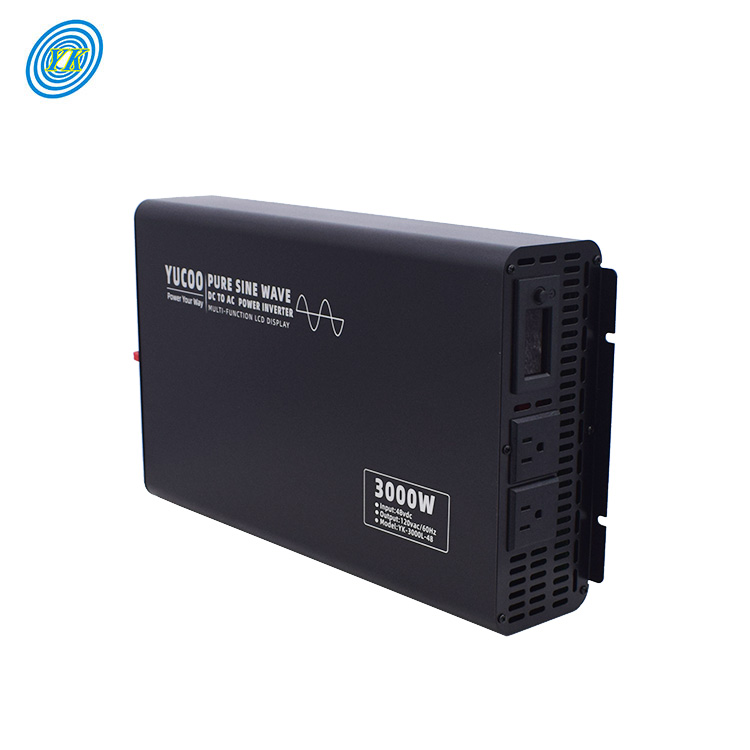
Pure Sine Wave DC to AC Solar & Industrial Inverter
- Capacity300W–5000W
- DC Input12V / 24V / 48V
- AC Output110V / 220V Pure Sine
- THD< 3% Total Harmonic
Architected for stringent continuous load cycles, extreme operating envelopes, and galvanic isolation required across Portland colocation centers, automated distribution hubs, and advanced fabrication floors.
Addressing the convergence of sub-alpine atmospheric shifts, silicon wafer lithography loads, and edge data center topology along the Silicon Forest corridor.
The Greater Portland metropolitan area—spanning Hillsboro, Beaverton, Gresham, and the Columbia River Industrial Corridor—occupies a unique juncture in North American power systems infrastructure. Characterized by abundant, low-cost hydroelectric power generated across the Bonneville Power Administration (BPA) network and Portland General Electric (PGE) grid, the region has attracted tier-1 cloud hyperscalers, colocation providers, and high-precision semiconductor foundries. However, local electrical engineers face distinct engineering constraints that demand uncompromising electrical integrity from every Power Distribution Unit (PDU) and secondary power conversion sub-chassis.
Modern data centers and processing facilities within Hillsboro’s enterprise enterprise enterprise clusters operate under high ambient density envelopes. The deployment of AI/ML computational hardware in 42U to 52U enclosures has pushed individual rack densities from legacy 8kW–12kW thresholds toward 35kW to 60kW per cabinet. At this thermal concentration, conventional PDU bus architectures suffer catastrophic derating if thermal coefficient tracking and high-copper PCB trace thicknesses are not rigorously calculated.
Portland experiences sustained high relative humidity throughout winter (averaging 75%–85%) coupled with dry, high-temperature summer spikes. Unsealed distribution transformers and non-conformal coated PDU control logic suffer surface tracking, electrolytic corrosion, and premature dielectric breakdown. Varnix addresses this via conformal coated logic controllers, hermetically sealed potting on step-down buck regulators, and busbars treated with nickel-tin anti-oxidation plating.
Furthermore, Portland’s proximity to seismic subduction zones (Cascadia Subduction Zone) mandates strict compliance with structural and mounting resilience. Floor-mount and rack-mount Power Distribution Units engineered for this market must maintain rigid structural integrity under seismic sway parameters while preserving uncompromised terminal connection integrity without terminal screw back-off or micro-arcing across copper contact points.
| Portland Industrial Sector | Primary Electrical Constraints | Target PDU / Power Converter Architecture | Field Failure Mitigation |
|---|---|---|---|
| Hillsboro Silicon Corridor (Data Centers) | High-density rack loads (30kW+), microsecond load step transients, harmonic interference. | Intelligent 3-Phase Rack PDUs, High-Frequency Switching Supplies, Isolated Rectifiers. | Zero-cross switching, THD < 3% attenuation, active phase load balancing telemetry. |
| Semiconductor & Cleanroom Ops | Zero electromagnetic tolerance (EMI/EMC), low voltage ripple (<1%), continuous uptime. | Galvanically isolated DC-DC step-down converters, pure sine wave modular inverters. | FCC Class B filtration, shielded aluminum housings, Class H insulation barriers. |
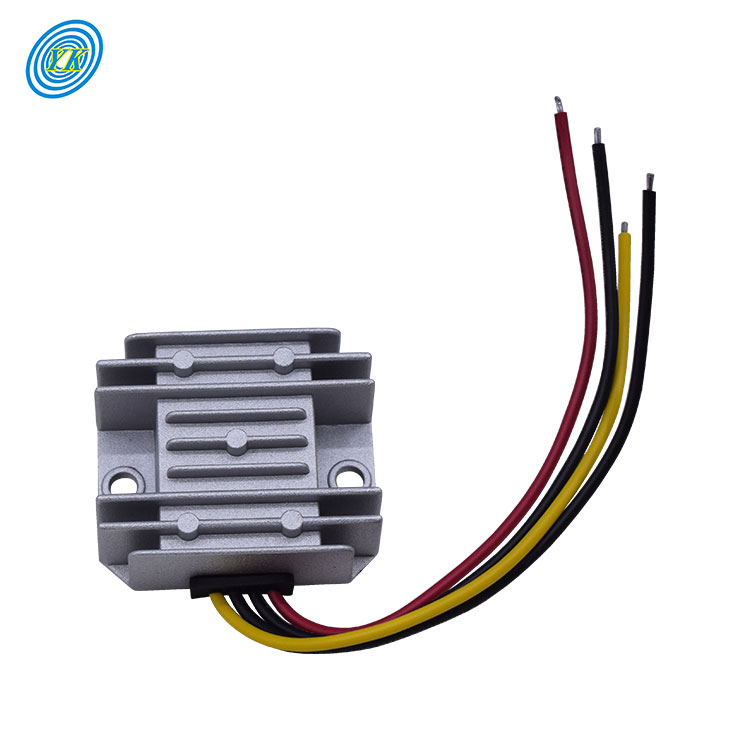
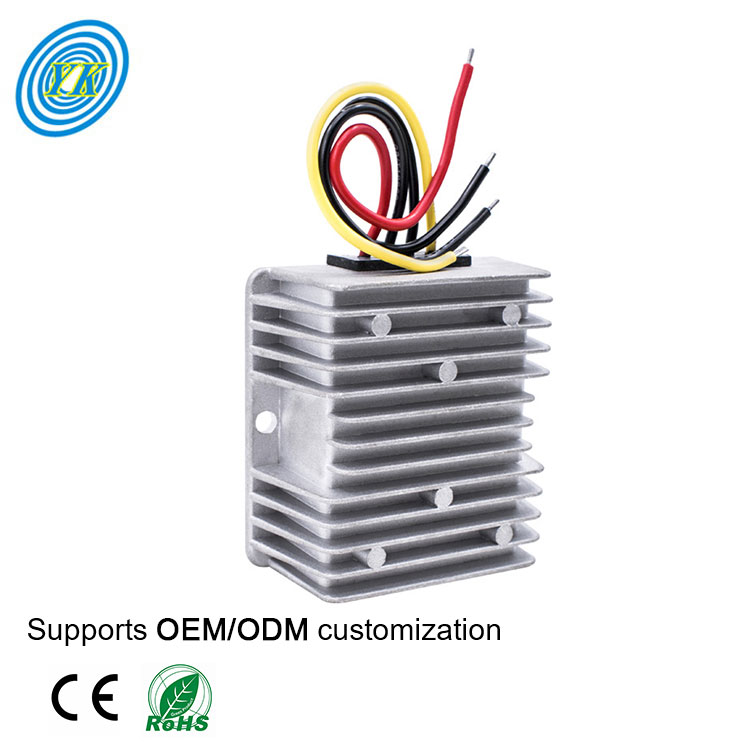
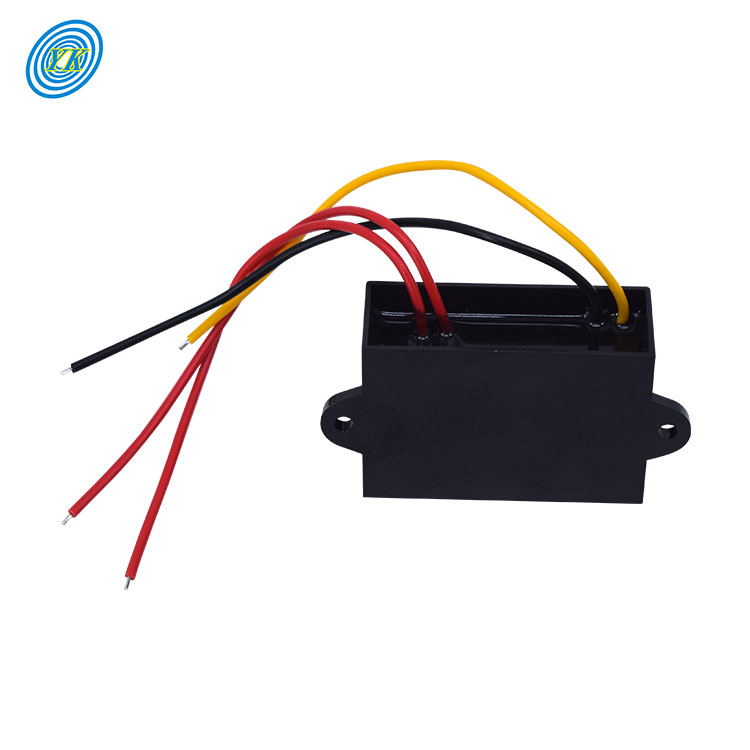
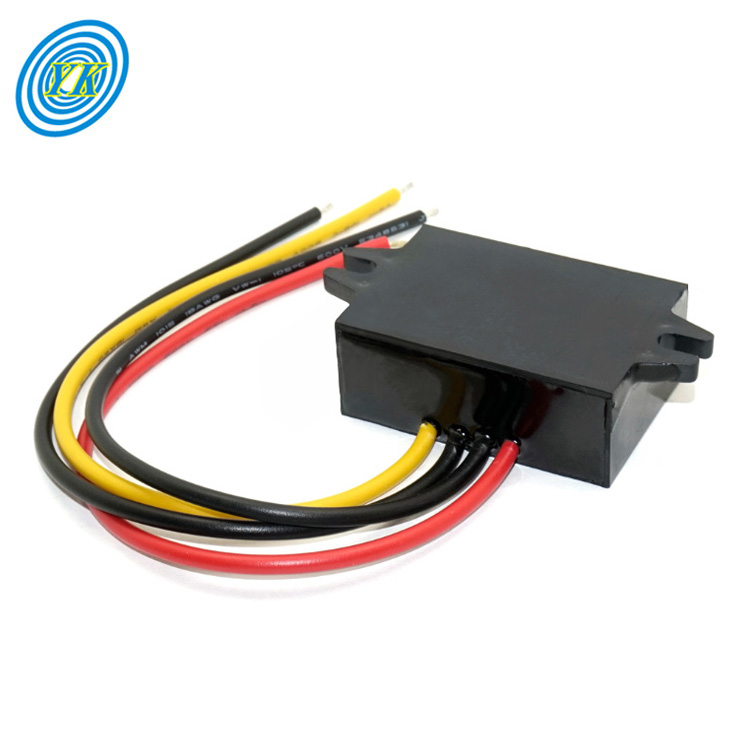
| Columbia River Maritime & Port Logistical Hubs | Corrosive riverine humidity, high line spikes, wide vibrational spectrums on material handling. | IP68 potted buck/boost converters, rugged 24V motive DC-DC step-down converters. | Complete silicone elastomer encapsulation, vibration-tested chassis, transient surge clamps. |
| Municipal & Off-Grid Telemetry | Unattended remote cabinets, fluctuating renewable battery strings, wide temp differentials. | Wide-input 8-40V buck-boost regulators, solar MPPT-integrated inverters. | Under-voltage lockout (UVLO), auto-recovery thermal shutoff, MIL-STD vibration specs. |
Strategic engineering shifts observed across enterprise power procurement teams in the Pacific Northwest.
To eliminate step-down transformer losses within Hillsboro enterprise sites, modern facilities are eliminating 480V-to-208V PDU conversions. Implementing direct 415V/240V distribution to the rack level reduces I²R copper transmission losses by up to 40% while streamlining cabinet-level wiring harnesses.
Portland's decentralized edge logistics centers require remote granular visibility down to individual receptacle outlets. Next-generation smart PDUs integrate environmental sensing (temperature, humidity, dew point) alongside remote outlet power-cycling to prevent cascading breaker trips.
Driven by corporate decarbonization commitments across Oregon tech corridors, facilities are integrating on-site solar arrays, local BESS (Battery Energy Storage Systems), and 48V/380V DC distribution native topologies, significantly increasing demand for custom high-current DC-DC buck/boost regulators.
Combining 23+ years of precision power electronics manufacturing with verified testing lines, agile OEM/ODM capabilities, and strategic US overseas warehousing.
Every single PDU, inverter, and DC-DC converter undergoes our five-stage quality gate, culminating in full-load thermal burn-in aging racks to eliminate infant mortality defects prior to export shipment.
Eliminate volatile ocean transit lead times. Selected catalog units and fast-moving DC-DC conversion hardware are staged directly within our US overseas facility, facilitating prompt ground transport across the Pacific Northwest.
Direct access to our electrical engineering team. We customize voltage steps, input ranges, PCB form-factors, conformal coatings, custom branding, and enclosure mounting geometry based on your specific cabinet prints.
Addressing common queries regarding regional compliance, testing standards, supply chain transit, and customization.
Consult with our senior power systems engineers today for custom specifications, bill-of-materials analysis, volume pricing, and localized delivery timelines.