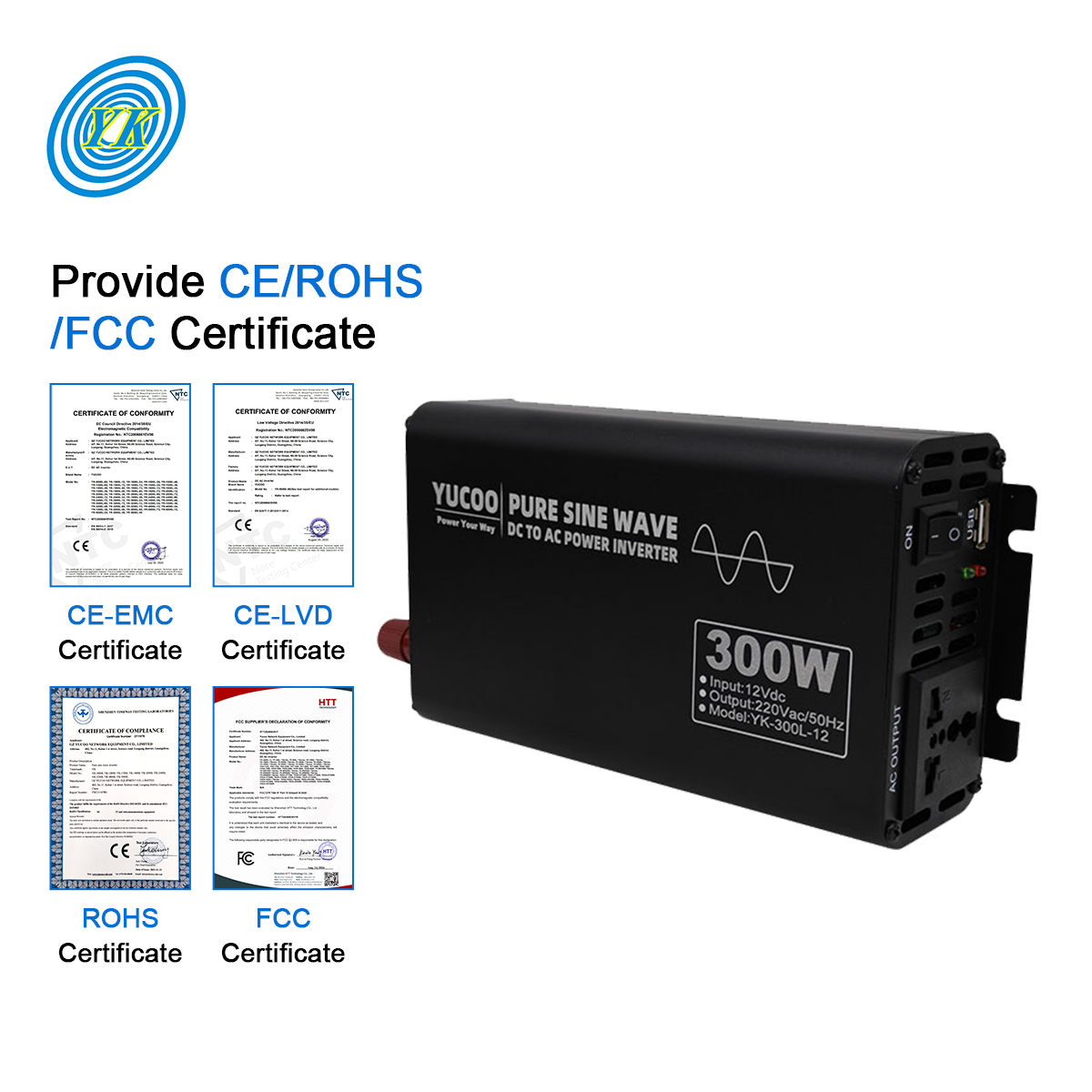
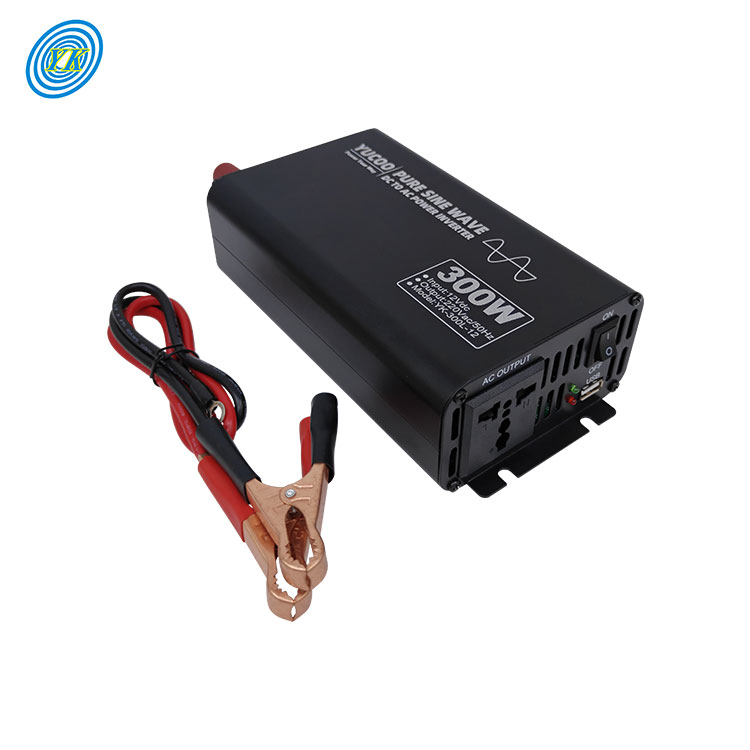
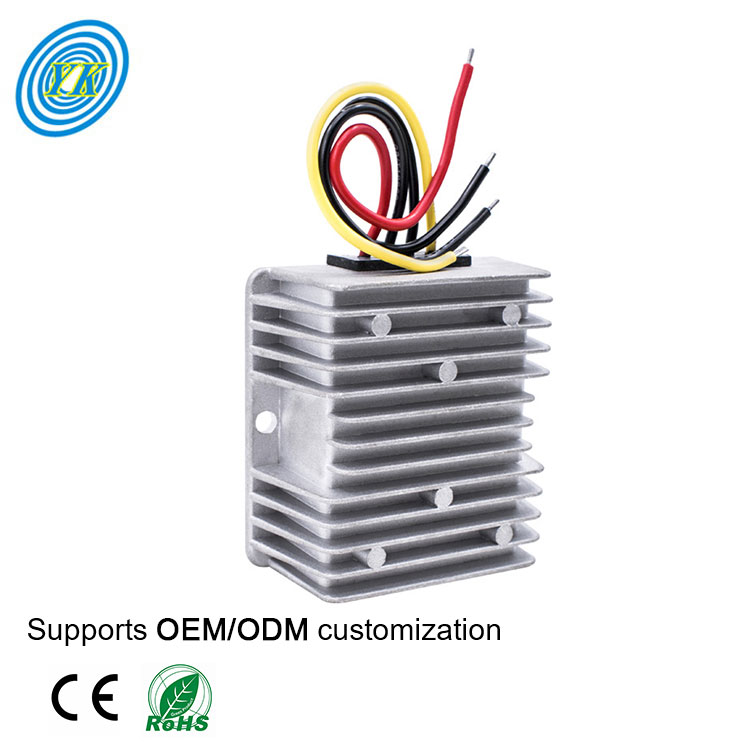
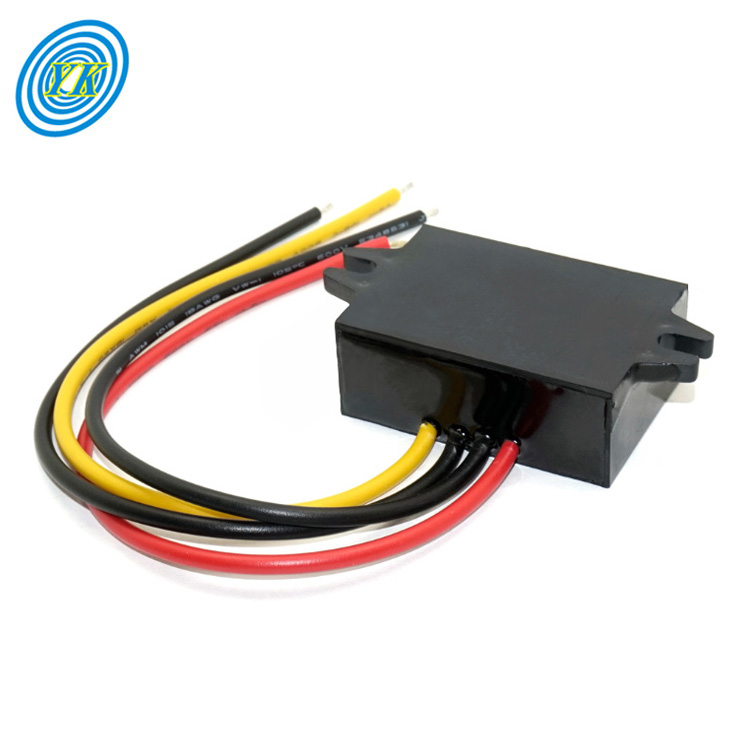
YUCOO 12V to 5V Buck Module USB Output Adapter
- Input: 12V DC nominal wide-band
- Output: 5V DC stable USB interface
- High conversion efficiency > 92%
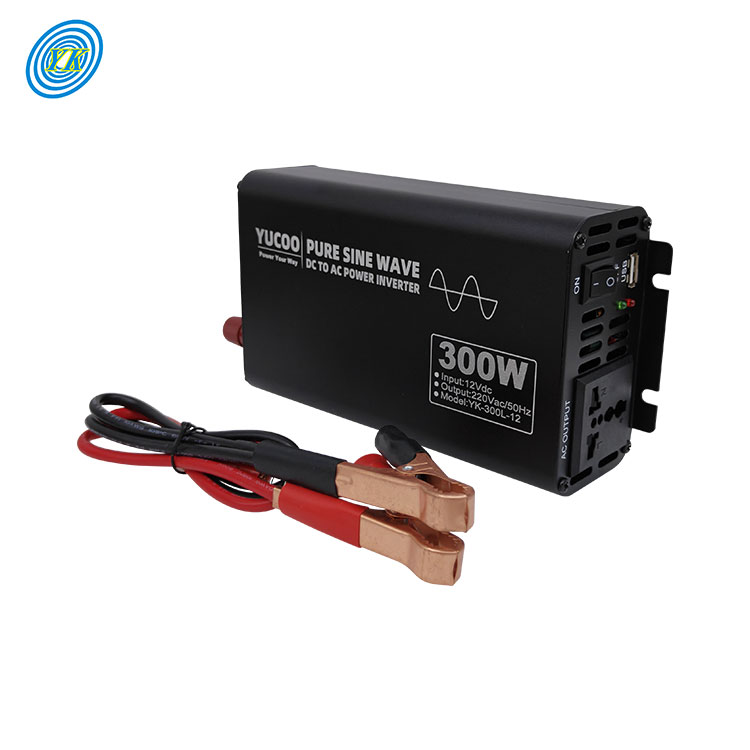
Engineered for high thermal tolerance, low total harmonic distortion (THD), and seamless integration into standard 19-inch racks across Lithuanian networks.
The telecommunications infrastructure in Lithuania is widely recognized as one of the most technologically advanced and densely connected in Northern and Central-Eastern Europe. Driven by nationwide fiber backbones and rapid, dense rollouts of standalone (SA) and non-standalone (NSA) 5G networks across Vilnius, Kaunas, Klaipėda, and transit corridors such as Rail Baltica and the Via Baltica motorway, the demands placed on direct current (DC) power architectures have shifted dramatically.
Modern Massive MIMO (Multiple-Input Multiple-Output) antenna arrays operating in 3.5 GHz and 700 MHz bands demand substantially higher instantaneous power at base transceiver stations (BTS). Consequently, conventional legacy rectifiers with efficiencies between 88% and 92% are no longer economically or environmentally viable under current European Union energy mandates and escalating Baltic electricity tariffs. Network operators in Lithuania require carrier-grade switched-mode power supplies (SMPS) and rectifier systems delivering over 96% peak efficiency, ultra-compact 1U/2U form factors, high power density, and resilient battery float-charge management tailored to winter conditions.
Varnix power systems bridge this requirement by delivering hot-swappable modular rectifier units, rack-mounted pure sine wave inverters, and wide-range DC-DC buck/boost converters. Our systems eliminate single-point failures through N+1 and N+2 redundant topologies, enabling telecom engineers to hot-swap modules in active cabinets without interrupting cellular, microwave transmission, or edge data workloads.
| System Architecture Metric | Legacy Rectifier Installations | Varnix Telecom Modular Rectifier Systems |
|---|---|---|
| Conversion Efficiency | 88.0% – 91.5% (High heat dissipation) | 96.0% – 96.8% (Ultra-low thermal loss) |
| Power Factor & THD | PF > 0.90, THD > 10% | Active PFC > 0.99, THD < 3% |
| Enclosure & Density | Bulky 3U–6U cabinets (< 15W/in³) | Compact 1U–2U subracks (> 35W/in³) |
| Battery Management | Basic Lead-Acid trickle float | Hybrid Lead-Acid & LiFePO4 with multi-stage curve |
| Network Interface | Dry contact relays only | SNMPv3, Modbus RS485, Web GUI interface |
| Operating Range | -10°C to +45°C | -40°C to +75°C (Validated for Baltic winters) |
Targeted DC power engineering built to solve the geographical, climatic, and network-specific challenges of the Baltic region.
Within dense municipal centers like Vilnius, Kaunas, and Klaipėda, micro-data centers and Centralized Radio Access Network (C-RAN) hubs require 48V DC embedded rectifier shelves. Varnix systems deliver clean, isolated DC power to optical transport networks (OTN) and multi-access edge computing (MEC) servers with minimum rack footprint.
Rural cell sites located across northern Lithuania, the Curonian Spit, and coastal areas face sub-zero temperatures down to -30°C and damp coastal air. Our rectifiers and industrial inverters feature conformal coating, wide thermal operational bands (-40°C to +75°C), and automated low-temperature battery temperature compensation.
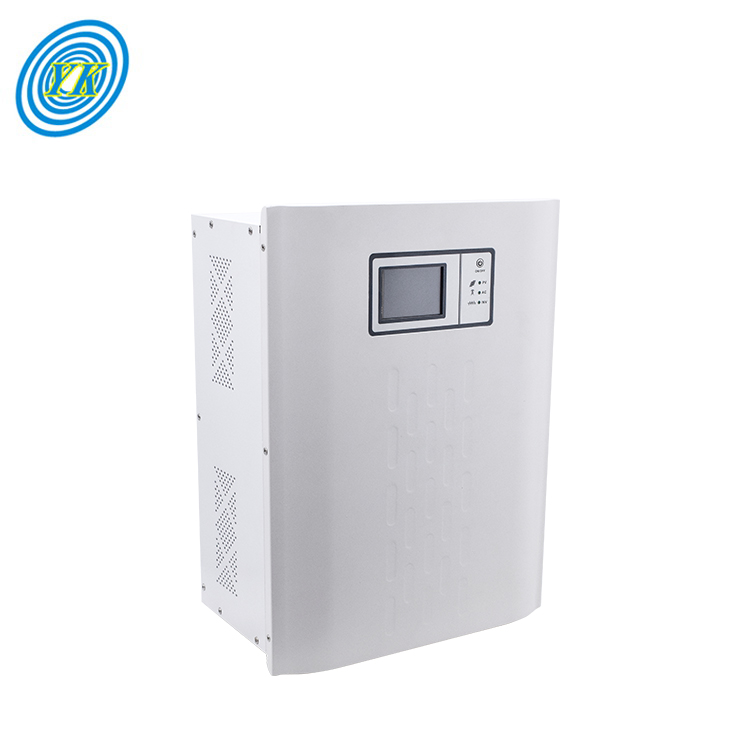
In line with Lithuania's National Energy and Climate Plan (NECP), telecom operators are retrofitting off-grid and weak-grid cell towers with photovoltaic arrays. Varnix all-in-one solar inverters and hybrid DC rectifiers manage solar MPPT inputs and utility AC inputs concurrently, minimizing fuel consumption on diesel generators.
Key technological transformations steering power electronics procurement in Lithuania from 2025 through 2030.
Traditional Lead-Acid (VRLA) batteries are rapidly being phased out by Lithuanian telecom operators in favor of LiFePO4 packs due to their 4x longer cycle life. Next-generation rectifiers must support CAN bus and RS485 communication directly with smart Lithium Battery Management Systems (BMS) to dynamically control charging profiles.
The adoption of Wide Bandgap (WBG) semiconductors like Silicon Carbide (SiC) and Gallium Nitride (GaN) allows rectifiers to operate at switching frequencies over 100 kHz. This reduces the size of passive magnetic components (transformers and inductors), yielding rectifiers with over 97% efficiency and half the chassis weight.
Remote telemetry modules embedded in rectifier shelves now process real-time ripple current, harmonic feed, and internal capacitor wear. Through cloud SNMP platforms, operators predict power supply failures weeks before critical degradation occurs, preventing expensive emergency dispatches across regional sites.
Combining 23 years of specialized precision manufacturing with flexible, factory-direct OEM/ODM capabilities.
Established in 2003 in Guangdong, Varnix has spent more than two decades designing, prototyping, and scaling advanced power conversion equipment for telecom carriers, aerospace networks, and critical utilities.
Our 1,229 m² manufacturing base operates under ISO 9001:2015 management systems. Facilities, cleanrooms, and testing lines are verified onsite by the SGS Group to ensure transparent export compliance.
Every single rectifier, pure sine inverter, and DC-DC converter passes high-temperature aging chambers at full load. We eliminate infant-mortality component failure prior to export crating.
Every equipment series carries CE compliance for low voltage (LVD) and electromagnetic compatibility (EMC EN 300 386), satisfying EU directives for unhindered import into Lithuania and the Baltic trade zone.
Key technical, regulatory, and logistics considerations for importing telecom power hardware into Lithuania.
Connect directly with our senior power systems engineering team. Share your DC voltage requirements, rack dimensions, continuous load wattage, and redundancy specifications for a tailored commercial proposal.