High-Performance Power Conversion Hardware Portfolio
Precision-engineered DC-AC inverters, bidirectional regulators, and isolated buck-boost modules configured for extreme climate reliability and telecom-grade clean sinus wave outputs.
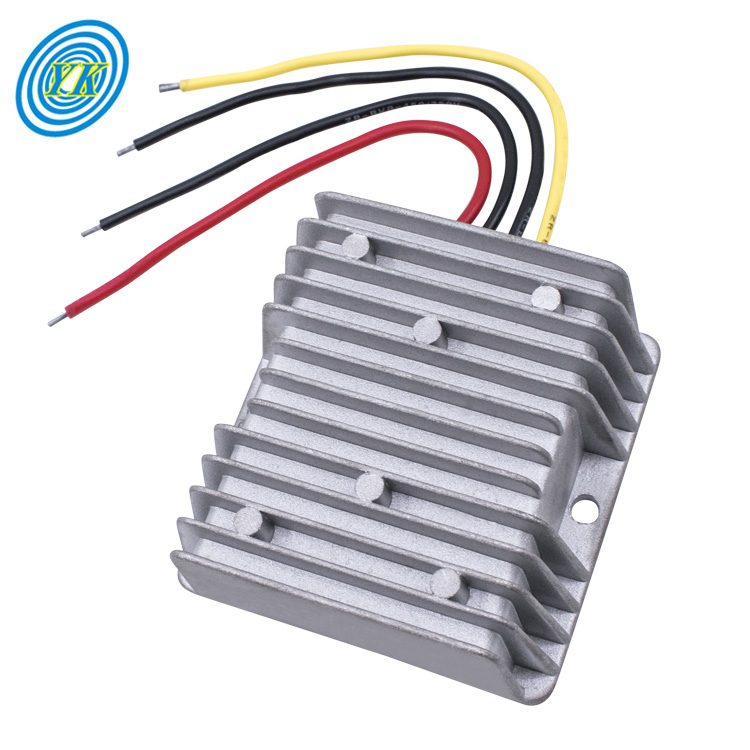
Buck & Boost 8-40V to 13.8V 5A DC-DC Voltage Regulator
- Input Range: 8V - 40V DC
- Output Parameters: 13.8V DC ±1% / 5A Max
- Enclosure: Die-cast Alloy IP68
- Conversion Eff: ≥ 93.5%
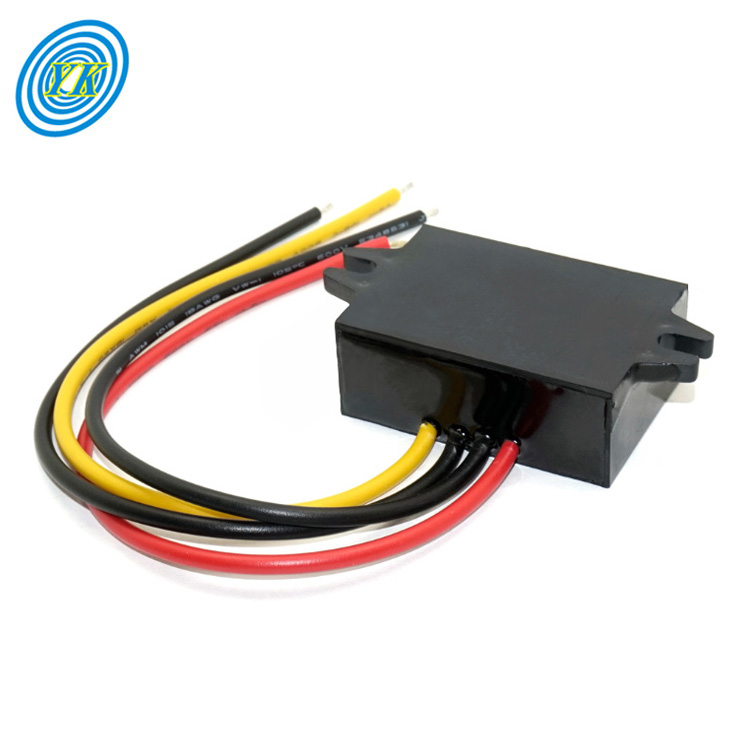
Buck Converter DC-DC 8-35V to 7V 5A Power Supply Module
- Input Range: 8V - 35V DC
- Output Parameters: 7.0V DC / 5A Constant
- Thermal Range: -35°C to +80°C
- Protection: OCP, OTP, SCP
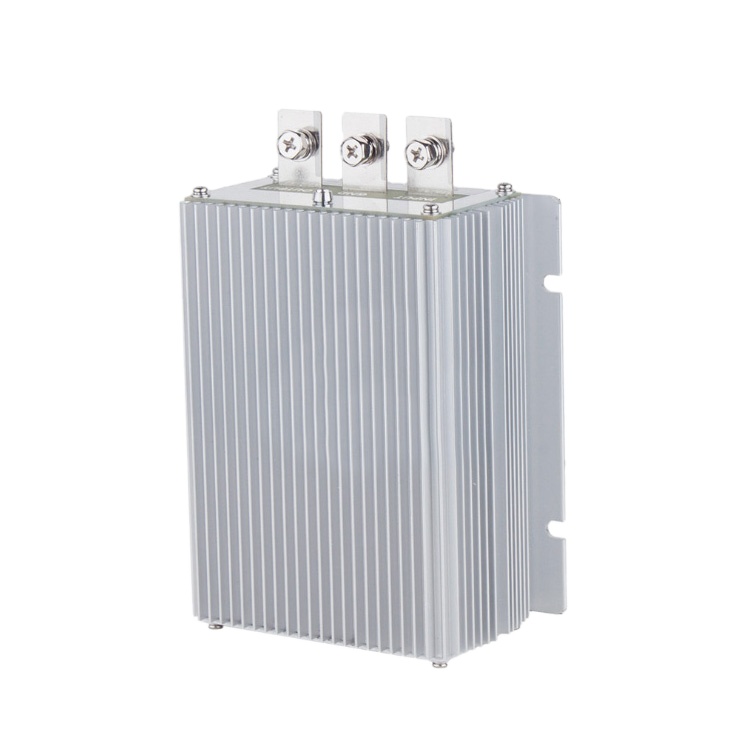
High Efficiency 1440W 36V to 48V 30A Boost IP67 Converter
- Rated Power: 1440W Continuous
- Input / Output: 36VDC to 48VDC / 30A
- Ingress Grade: IP67 Hermetic Potted
- Cooling Topology: Passive Conductive

High Voltage Industrial Regulator 84V to 12V 15A 180W
- High Voltage Bus: Up to 84V DC Nominal
- Auxiliary Output: 12V DC / 15A Output
- Regulation Tolerance: ±0.5% Under Full Load
- MTBF Index: > 120,000 Hours (MIL-HDBK)
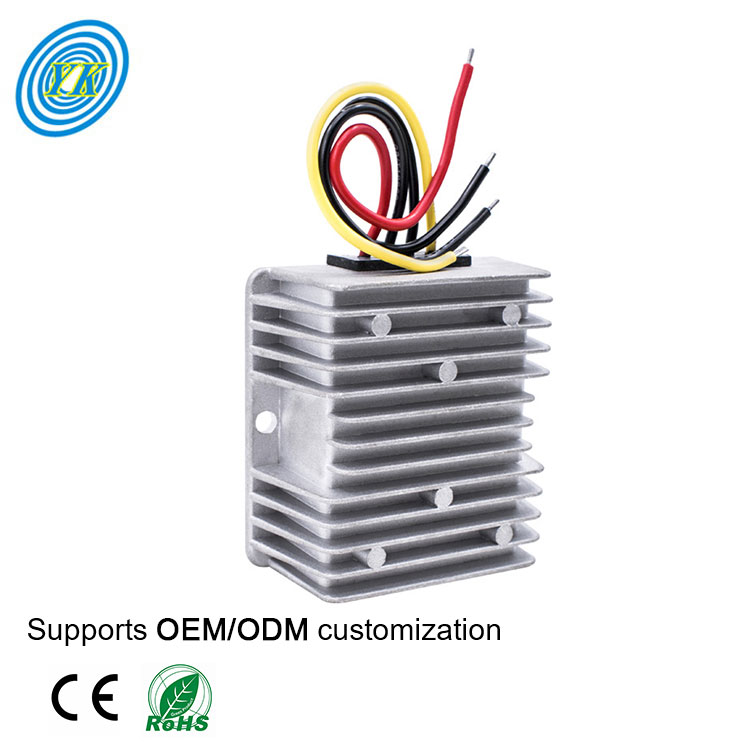
YUCOO 24V (10-32VDC) Stabilizer 5A 120W for Electric Vehicles
- Operating Dynamic: 10V - 32VDC Wide Swing
- Regulated Output: 24V DC / 5A Pure DC
- Transient Resistance: ISO 7637-2 Automotive Pulse
- Enclosure Profile: Vibration-Damped Frame
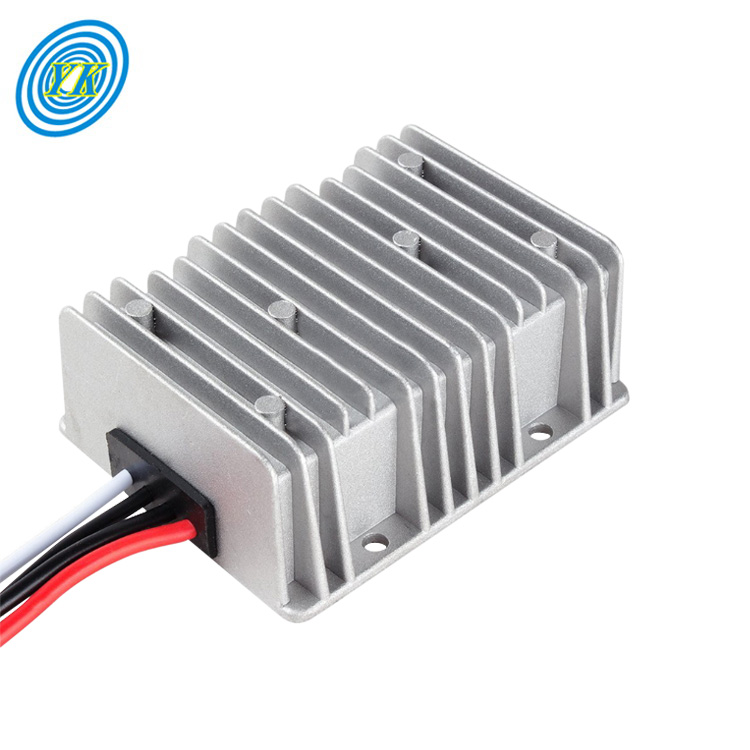
Heavy-Duty Buck-Boost 8V-40V to 13.8V 15A Stabilizer
- Current Delivery: 15A Continuous Current
- Float Calibration: 13.8V Lead/LiFePO4 Optimized
- Efficiency Metric: 94.2% Peak Efficiency
- Operating Limit: Down to -40°C Cold Start
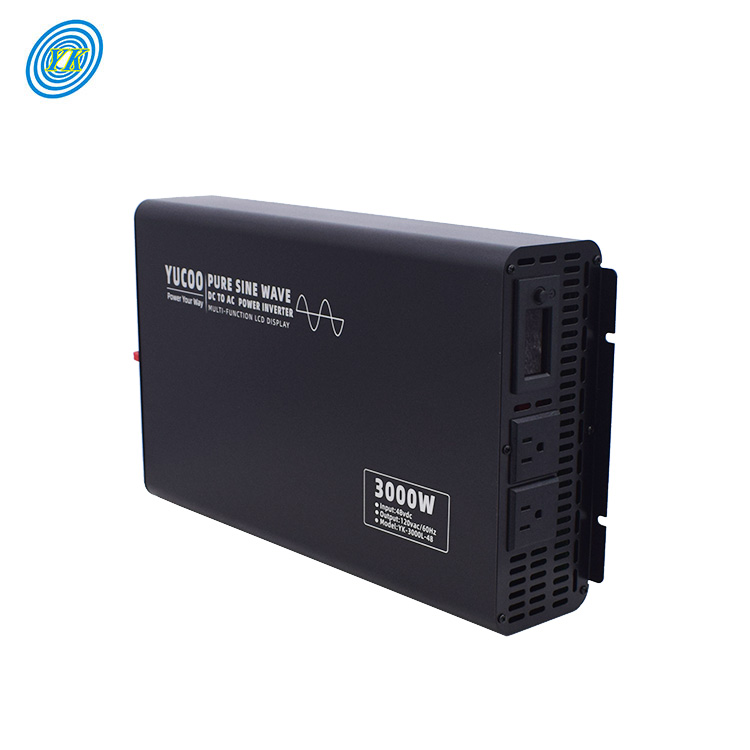
YUCOO Single Phase 3000W Pure Sine Wave DC-AC Power Inverter
- DC Input Matrix: 12V / 24V / 48V Selected
- AC Output: 230VAC 50Hz (Pure Sinusoidal)
- THD Distortion: THD < 3% Linear Load
- Surge Handling: 6000W Peak Inductive Transient
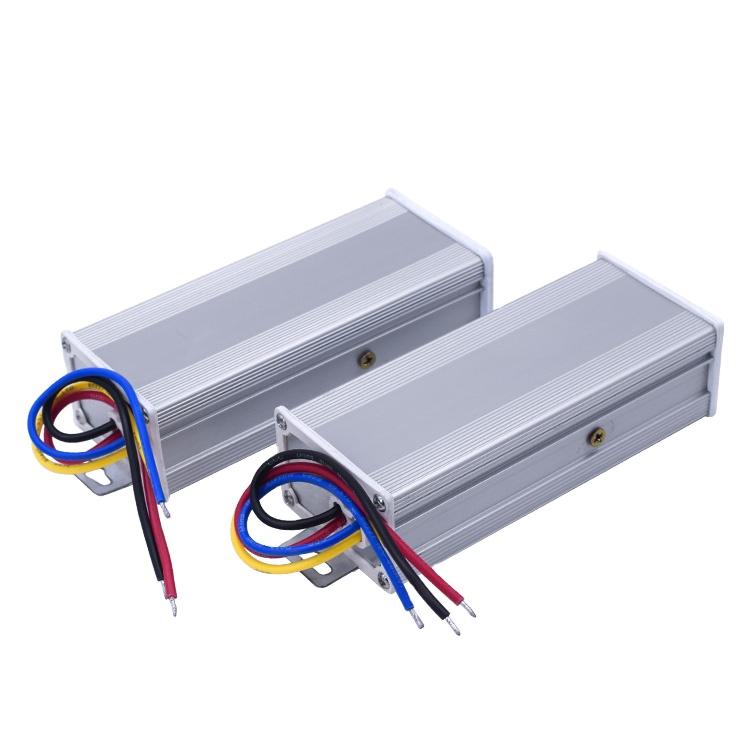
Opto-Isolated 48V-96V to 12V 5A 60W DC Industrial Converter
- High DC Input: 48V / 60V / 72V / 84V / 96V
- Regulated Rail: 12V DC / 5A Secondary
- Dielectric Isolation: 1500VDC Input-to-Output
- Noise Rejection: EN 55032 Class B Compliant
Technical Whitepaper: Strategic Sourcing of DC-AC Power Inverters for the Swedish Market
The transition across Scandinavia toward decentralized, carbon-neutral power distribution has placed unprecedented demands on power electronics hardware. In Sweden, where grid integrity is strictly monitored by Svenska kraftnät and electrical installation safety is governed by Elsäkerhetsverket, commercial and industrial inverters must operate within tight parameters. Whether deploying utility-scale battery energy storage systems (BESS) in Västerbotten or off-grid telecommunication backup repeaters in Norrland, standard consumer-grade conversion topologies will fail prematurely due to thermal stress, galvanic corrosion, or excessive line feedback.
Nordic Environmental & Grid Topology Challenges
System designers must reconcile two opposing physical challenges: severe sub-zero winters that trigger high inrush loads and cyclic thermal contraction, balanced against summer peak hours where enclosed IP66 and IP67 power systems run the risk of thermal runaway. Furthermore, Sweden's widespread adoption of harmonic mitigation directives under European harmonized standards (SS-EN 61000-3-2 / SS-EN 61000-3-12) requires total harmonic distortion (THD) of current to remain beneath rigorous thresholds (< 3% on pure sinusoidal runs) to prevent zero-crossing degradation in adjacent automation relays.
Analysis: Top 10 DC-AC Inverter Suppliers Serving Sweden
When selecting a tier-1 manufacturing partner, European EPC contractors and engineering procurement departments evaluate production capacity, component pedigree, verification processes, and export execution speed. Below is the audited landscape of top global factories and specialized Chinese OEM/ODM facilities delivering power equipment into Sweden:
| Supplier Name / Focus | Primary Power Topology | Nordic Compliance & Standards | Distinct Engineering Advantage |
|---|---|---|---|
| Varnix Power Technology | Industrial DC-AC & DC-DC Converters | ISO 9001:2015, CE, RoHS, FCC, IP67 | Deep OEM/ODM customization; -40°C components; 100% full-load burn-in; fast European transit. |
| SMA Solar Technology | Utility & Commercial String Inverters | EN 50549-1, VDE-AR-N 4105, CE | Established centralized monitoring software; high presence in Nordic solar parks. |
| Victron Energy | Marine & Off-Grid Bidirectional Units | CE, E-mark, EN 60335, DNV-GL | Modular integration for maritime, archipelago power stations, and battery microgrids. |
| ABB / Fimer | Heavy Industrial & Infrastructure | SS-EN 50549, IEC 62109, CE | Substantial legacy utility footprints across Nordic sub-stations and heavy mining. |
| Schneider Electric | Data Center & Telecom Hybrid Inverters | IEC 62040, CE, RoHS, ISO 14001 | Advanced EcoStruxure integration, precision UPS switching for mission-critical enterprise. |
| Sungrow Power | Commercial C&I and Utility Inverters | EN 50549, IEC 61727, CE | High energy density outdoor enclosures designed for utility solar and storage farms. |
| Fronius International | SnapINverter Commercial Systems | CE, VDE, ÖVE, SS-EN Compliance | Active cooling technology providing stable uptime during unexpected Nordic ambient spikes. |
| GoodWe Power Supply | Residential & Commercial Hybrid DC-AC | CE, VDE, EN 50549, RoHS | Cost-effective decentralized residential storage inverters with dual MPPT flexibility. |
| Growatt New Energy | Off-Grid & Balcony Hybrid Solutions | CE, RoHS, IEC 62109 | Broad distributed supplier network across European residential DIY and small commercial. |
| Enphase Energy | Microinverter Distributed Architectures | UL 1741, EN 50549, CE | Component-level power tracking (MLPE) resolving snow shading issues on Scandinavian pitched roofs. |
Localized Engineering Applications Across Sweden
Modern DC-AC inversion equipment must be engineered for distinct application profiles across Swedish geographic regions:
Boreal Forestry & Heavy Fleet
Heavy machinery (Komatsu Forest, Volvo CE) operating in Dalarna and Norrland relies on ruggedized DC-DC stabilization and pure sine inverters to power LiDAR systems, telemetry modems, and hydraulic control computers directly from unstable 24V/28V alternator lines subjected to severe load dumps.
Archipelago Marine & Maritime
The Stockholm and Gothenburg archipelagos require galvanic isolation of at least 1.5kVDC between battery banks and shipboard AC distribution. Optocoupled isolation eliminates galvanic hull corrosion and eliminates destructive ground loops caused by alternating shore-line charging connections.
Sub-Station & Telecom Base Stations
Base transceiver stations deployed by Nordic telcos across remote expanses require 19-inch 2U rack-mounted 48VDC-to-230VAC inverters with zero-millisecond static transfer switching to guarantee continuous operation during primary grid brownouts without rebooting network controllers.
Localized Industry Trends Shaping Procurement (2025–2030)
Three dominant structural trends are influencing how Nordic system engineers, EPC firms, and electrical wholesalers specify DC-AC conversion infrastructure:
1. Wide-Bandgap Semiconductor Integration (GaN & SiC): Silicon Carbide (SiC) MOSFET switches are replacing traditional silicon IGBTs across Swedish projects. SiC devices run efficiently at significantly higher switching frequencies (over 100kHz), drastically decreasing the physical footprint and mass of inductive magnetic chokes and filter capacitors. This enables lightweight power units suitable for space-constrained electric utility vehicles and modular transport containers.
2. Tightened EMC Mitigation for Edge Compute & 5G: As Sweden expands rural edge computing centers powered by localized hybrid microgrids, radiated electromagnetic interference (EMI) has become a primary rejection metric. Inverters must integrate three-stage common-mode filters and aluminum-alloy faraday shielding to meet EN 55032 Class B emission standards, ensuring clean coexistence with high-sensitivity telecom spectrums.
3. Resilience via Circular Lifecycle Compliance: Following strict EU directives on sustainable manufacturing (WEEE and RoHS III), buyers throughout Sweden are prioritizing modular field-serviceable inverters over disposable resin-molded units. Modular PCB boards, replaceable conformal-coated cooling fans, and non-toxic flame-retardant potting allow industrial clients to execute onsite maintenance without invalidating overall CE and equipment safety certifications.
Verified Manufacturing Edge: Why Varnix Technology Leads
With an operational legacy dating back to 2003, Varnix Technology operates an onsite SGS-verified manufacturing facility spanning 1,229 m² with 10+ dedicated automated welding, surface mounting, assembly, and testing lines. Our technical value proposition for Nordic enterprise buyers includes:
- Full Internal Traceability: Every PCB is traced from solder-paste inspection (SPI) through computerized functional verification. Component selection adheres to strict Bill of Materials (BOM) approval lists featuring Japanese long-life capacitors (Nichicon/Rubycon) and automotive-grade MOSFETs.
- 100% Full-Load Burn-In Chambers: Unlike suppliers that utilize batch sampling, every single inverter and converter exiting our factory undergoes continuous full-load aging under elevated thermal profiles to eliminate early-life field failures.
- Custom Thermal & Electrical Architecture: Full OEM/ODM flexibility allows bespoke modifications: from custom low-temperature component rating (-40°C), specialized input profiles (such as 10-32VDC to exact 24VDC), to integrated LCD panels displaying localized language interfaces and Nordic-standard DIN-rail/rack enclosures.
Frequently Asked Questions: Nordic Industrial Sourcing
Critical inquiries answered by our senior power electronics engineers regarding local compliance, testing protocols, and global delivery execution.