Technical Architecture Analysis
Telecom Power Distribution Units (PDU) & DC Power Architecture in Phnom Penh
Phnom Penh is experiencing an extraordinary digital modernization wave. As Cambodia’s central nerve center for telecom infrastructure, the capital city—from Daun Penh to expanding industrial corridors in Sen Sok and Dangkao—demands uncompromising electrical resilience. Telecommunication network operators including Smart Axiata, CamGSM (Cellcard), Viettel (Metfone), and regional carrier-neutral colocation facilities (such as ByteDC and local hyperscale projects) are rapidly rolling out 4.5G/5G base transceiver stations (BTS), edge-compute nodes, and high-density enterprise server racks. At the epicenter of this telecommunications boom sits the critical, often understated component: the Telecom Power Distribution Unit (PDU).
1. The Phnom Penh Operating Environment: Electrical Dynamics & Climatic Stressors
Designing and deploying telecom-grade power distribution hardware in Phnom Penh requires solving severe environmental and grid-supply challenges. Electrical engineers must accommodate several unique local conditions:
Grid Voltage Fluctuations
While Electricite du Cambodge (EDC) continues major transmission upgrades, peripheral substations outside central Sangkats experience transient sags, brownouts, and frequency deviations during peak cooling periods.
Monsoon Humidity & Thermal Runaway
Sustained ambient temperatures exceeding 38°C combined with relative humidity hovering above 85% during the monsoon season create aggressive condensation and thermal stress within unconditioned outdoor telecom shelters.
Intense Lightning Activity
The Tonle Sap and Mekong river basins generate frequent, violent tropical thunderstorms. Telecommunication towers in suburban Phnom Penh require Grade-B/C (Type 1+2) coordinated Surge Protective Devices (SPD) within the PDU.
A telecom PDU deployed in Cambodia cannot simply be an off-the-shelf AC commercial strip. It must be a specialized -48VDC or 240VAC/380VAC dual-bus distribution framework equipped with hydraulic-magnetic circuit breakers (which are not derated by extreme ambient temperatures), integrated shunt sensors for individual branch metering, and remote dry-contact/SNMP communication hooks to tie into Centralized Network Operations Centers (NOC).
2. Engineering Classification: AC PDU vs. DC PDU in Telecom Nodes
In standard IT environments, server equipment primarily runs on 110V/220V Alternating Current. However, telecommunications architectures rely heavily on Negative 48-Volt Direct Current (-48VDC) to eliminate phase alignment requirements, avoid human lethal shocks during wet conditions, and enable seamless, zero-millisecond transfer to massive battery reserves (such as LiFePO4 or VRLA banks).
Key Engineering Takeaway: A failure at the PDU level drops an entire cellular sector or transmission loop. Modern Phnom Penh builds mandate A+B Dual Redundant Power Feeds where the DC PDU separates primary rectifier banks from backup energy storage, ensuring zero downtime even if an entire feed path collapses.
DC Power Distribution Units are partitioned into:
- Primary Distribution Units (PDU / PDF): Positioned immediately adjacent to the modular switch-mode rectifier cabinet, handling bulk currents from 400A up to 2000A with massive copper busbars.
- Secondary Rack-Mount Distribution Units: Standard 19-inch 1U, 2U, or 3U horizontal chassis that feed individual 4G/5G Remote Radio Heads (RRH), Baseband Units (BBU), optical multiplexers (DWDM), and core switches.
- Intelligent AC PDUs: Serving telecom data centers, providing per-outlet power metering, environmental temperature/humidity monitoring, and remote IP-based reboot capabilities.
3. Comparative Matrix: Top 10 Telecom PDU Manufacturers & Suppliers Serving Phnom Penh
To assist procurement directors, EPC contractors, and infrastructure leads in evaluating suppliers for Cambodian tenders, the following matrix benchmarks the top 10 international and regional manufacturers providing telecom distribution systems into the Phnom Penh market:
| Manufacturer / Brand |
HQ Origin |
Core Telecom Product Focus |
Typical Local Deployments |
Key Competitive Edge |
| Varnix Technology |
Guangdong, CN |
Custom Telecom DC PDUs, 19" Inverters, Converters |
Tier 2/3 Data Centers, Telecom BTS, Solar Hybrid Sites |
Factory-direct flexibility, deep OEM/ODM, 23 yrs engineering |
| Huawei Digital Power |
Shenzhen, CN |
Integrated Telecom Power, SmartLi, Multi-tenant PDUs |
Major MNO Nationwide 4G/5G Macro Sites |
End-to-end cellular ecosystem integration |
| Vertiv (Emerson Network Power) |
Ohio, USA |
NetSure Rectifier Racks, DC Distribution, Intelligent PDUs |
Colocation Centers, Central Exchange Offices |
Global legacy footprint, robust high-capacity systems |
| ZTE Telecom Power |
Shenzhen, CN |
Outdoor Telecom Cabinets, Modular DC Distribution |
Carrier Cell Sites, Rural Optical Backbones |
Cost-effective turnkey telecom equipment bundling |
| Delta Electronics |
Taipei, TW |
High-Efficiency Rectifiers, 1U/2U Rack Distribution |
Micro-datacenters, Industrial Factory Infrastructure |
High conversion efficiencies up to 98% |
| Eaton (Electrical Sector) |
Dublin, IE |
ePDU, DC Power Systems, Switchgear |
Commercial Financial Telecom Hubs, Edge IT |
Extensive enterprise management software suite |
| Schneider Electric (APC) |
Rueil-Malmaison, FR |
EcoStruxure Rack PDUs, Modular Distribution |
Bank Headquarters, Corporate Cloud Facilities |
Global brand equity and comprehensive monitoring suites |
| Enatel Energy |
Christchurch, NZ |
Ultra-compact DC power, modular distribution units |
Grid-edge sites, Micro-BTS networks |
Extremely high power density and modularity |
| Eltek (Delta Group) |
Drammen, NO |
Flatpack2 DC power systems, Distribution Panels |
Critical carrier central hubs, subsea landing stations |
Proven harsh-environment field durability |
| Socomec Group |
Benfeld, FR |
Static Transfer Switches, Industrial PDU enclosures |
Airport infrastructure, Mission-critical transport networks |
Specialized transfer switching reliability |
4. Phnom Penh Localization: Real-World Use Cases
Telecom power hardware deployed across Cambodia must adapt to localized use cases:
- Rooftop BTS Across High-Density Sangkats: In urban districts like Chamkarmon and BKK1, rooftop towers lack space for large battery rooms. Compact 19-inch 1U/2U DC PDUs with front-terminal access are deployed inside compact cabinets alongside lithium iron phosphate modules.
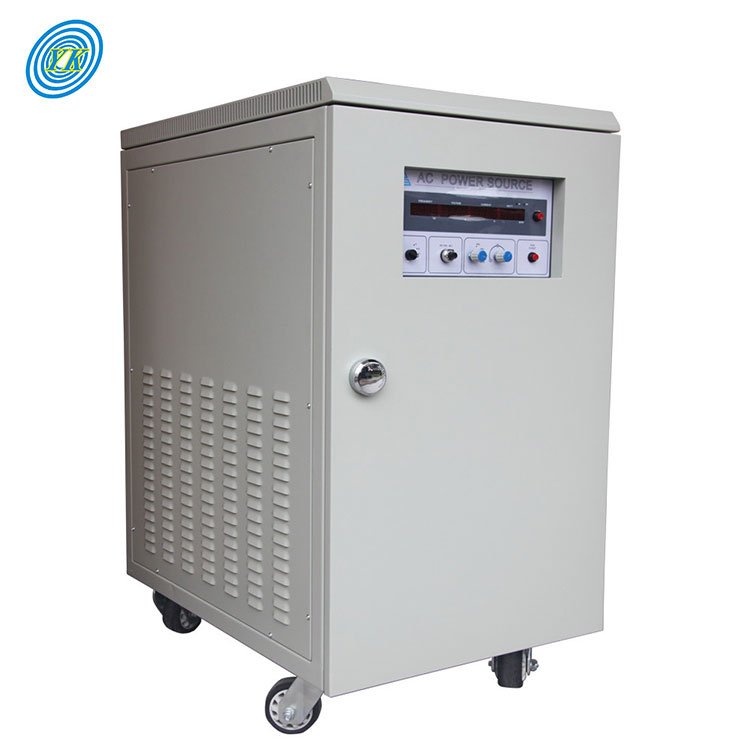
- Special Economic Zones (Phnom Penh SEZ): High-tech assembly and apparel manufacturing hubs require redundant hybrid power solutions. Facilities utilize rotary phase converters and high-capacity buck-boost stabilizers to ensure continuous operation across fluctuating grid feeders.
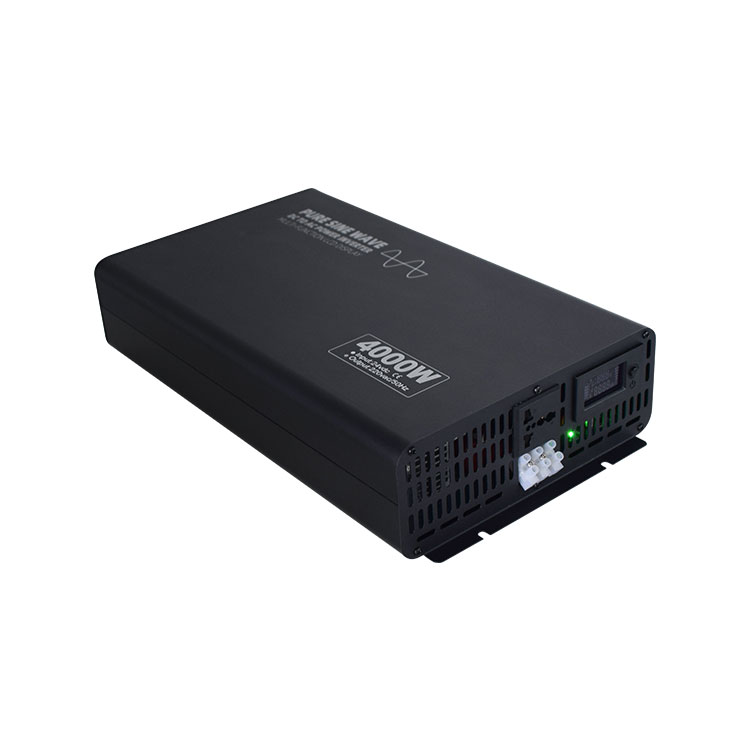
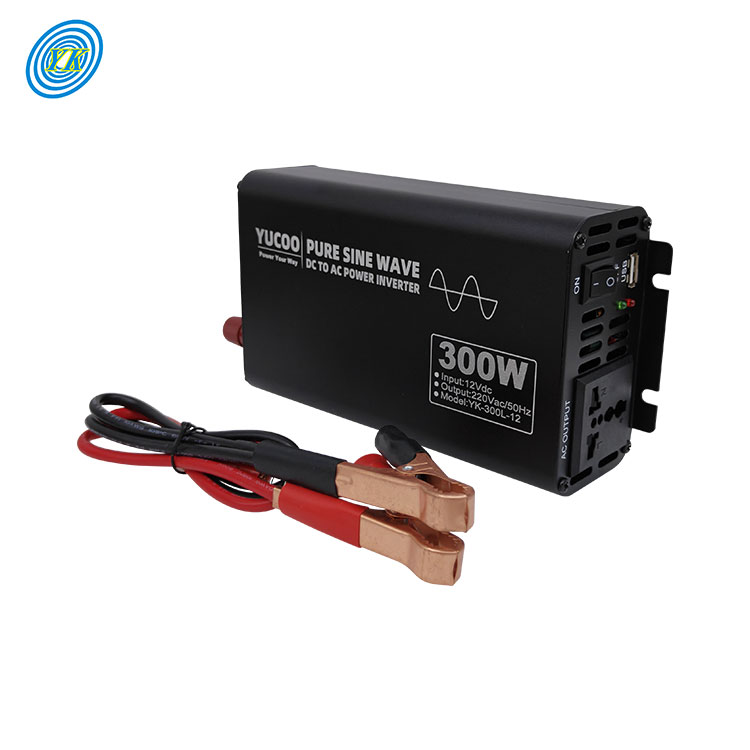
- Solar-Diesel Hybrid Towers along National Highway 3 & 4: Sites running off-grid or on intermittent grid feeds combine solar PV arrays, diesel gensets, and pure sine wave inverters. The PDU acts as the dynamic arbiter, disconnecting non-critical loads (LVD) when battery depth of discharge reaches critical thresholds.
Strategic Sourcing Guide
Cambodia Telecom Market Trends & Sourcing Specifications (2025–2030)
Procuring power distribution equipment for deployment in Phnom Penh involves calculating the Total Cost of Ownership (TCO) rather than evaluating preliminary hardware pricing alone. Power outages, thermal degradation, and lightning strikes in Southeast Asia quickly penalize cut-rate power hardware.
1. Low Voltage Disconnect (LVD)
Smart PDUs must integrate Dual LVD channels: Low Voltage Load Disconnect (LVLD) to drop non-critical auxiliary devices early, and Low Voltage Battery Disconnect (LVBD) to shield lithium battery packs from permanent cell exhaustion.
2. Hydraulic-Magnetic Protection
Thermal breakers trip prematurely in Cambodian 40°C heat cabinets. Hydraulic-magnetic breakers maintain an uncompromised, accurate trip curve independent of enclosure thermal spikes.
3. Class I + Class II Surge Suppression
Integrated gas discharge tubes (GDT) and high-energy metal oxide varistors (MOV) with visual failure indicators and remote telemetry signaling must be baseline requirements for all external tower runs.
As Cambodia steps toward 5G densification, power demands per cabinet increase from 2kW–3kW to 6kW–12kW. This surge requires low-loss copper conductors, high-temperature wire harnesses (UL1015/UL3239), and intelligent branch circuit monitoring over Modbus or SNMP protocols.
What is the difference between an AC PDU and a DC PDU in a Phnom Penh BTS setup?
An AC PDU handles commercial power directly from EDC (Electricite du Cambodge) or backup diesel generators at 220V single-phase or 380V three-phase, distributing power to rectifiers, air conditioners, and shelter lighting. A DC PDU operates downstream from the rectifier system, dividing negative 48V (-48VDC) to sensitive transmission gear (BBU, RRU, microwave links). DC systems prevent mains hum, reduce shock hazards in wet conditions, and connect straight to standby battery banks without conversion latency.
How do extreme Cambodian temperatures affect PDU circuit breaker selections?
Standard thermal circuit breakers utilize a bimetallic strip that flexes under heat. When ambient temperatures inside an unconditioned cabinet reach 45°C–50°C, thermal breakers suffer severe derating, causing nuisance tripping below their rated current. We engineer our telecom PDUs with hydraulic-magnetic circuit breakers. Because their tripping mechanism relies on magnetic flux generated by current rather than ambient thermal expansion, they deliver 100% rated performance without derating across -40°C to +85°C.
Can Varnix customize voltage ratings, connector types, and enclosures for local projects?
Yes. Varnix offers comprehensive OEM/ODM engineering. We regularly customize terminal blocks (screw, cage-clamp, or stud type), breaker counts, branch ratings (from 6A to 125A per channel), dual-bus configurations (A+B paths), shunt meters, and enclosure depth (standard 19" rack-mount, 21" ETSI, or wall-mount outdoor IP55/IP65 cabinets) to meet specific tender specifications.
What lightning and transient surge protection ratings are required for Cambodia?
Due to the high lightning flash density across Cambodia, PDUs installed at outdoor or shelter sites should incorporate Class II (Type 2) surge protection with a nominal discharge current (In) of at least 20kA and maximum discharge current (Imax) of 40kA (8/20μs). For exposed hilltop or open-field towers, coordinated Class I+II SPD units (10/350μs waveform protection) are mandatory to safeguard transmission repeaters.
What logistics shipping options and delivery timelines exist for Phnom Penh?
From our Guangdong production center, we support multiple freight channels to Phnom Penh: cross-border expedited overland trucking via Vietnam or Thailand (typical transit: 5–7 days), sea container freight arriving through Sihanoukville Autonomous Port (PAS) or Phnom Penh Autonomous Port (LMIR) on the Mekong River (typical transit: 10–14 days), or direct air freight to Phnom Penh International Airport (PNH) for urgent spare parts. We manage FOB, CIF, and full DDP door-to-door customs clearing terms.
How are quality defects and field warranty issues resolved under international supply contracts?
All units are tested under 100% full-load aging and automated burn-in cycles before dispatch. In the rare event of a component failure, our contractual warranty provides rapid replacement modules dispatched immediately. Our engineers provide 24/7 technical support via video conference and diagnostic telemetry analysis to minimize Mean Time to Repair (MTTR).