Featured Industrial & Automotive DC-DC Converters & Power Inverters
Engineered for wide input fluctuation resilience, thermal dissipation efficiency, and stringent CISPR/EN standards compliance. Designed for direct integration into Stuttgart's high-spec industrial lines.
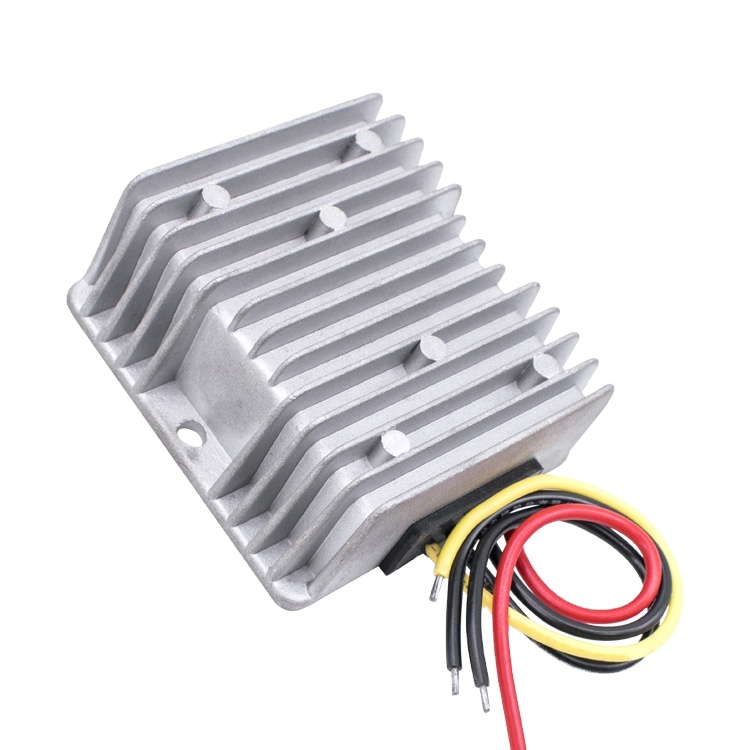
12V 24V to 13.8V 10A Step Up Down DC-DC Converter Voltage Stabilizer
- TopologyBidirectional Buck-Boost
- Nominal Input9V–36V DC Wide Range
- Output Spec13.8V DC / 10A (138W)
- EfficiencyUp to 94.5%
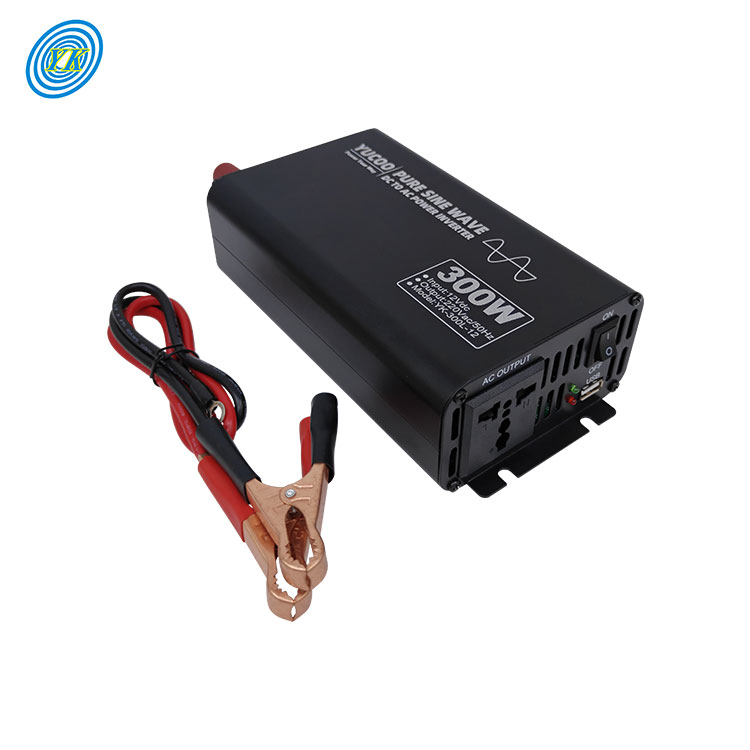
Pure Sine Wave Inverter 300W DC12V/24V/48V/72V to AC 220V Precision Converter
- Output WavePure Sine (<3% THD)
- Input Flexibility12V / 24V / 48V / 72V DC
- Rated Power300W Continuous / 600W Peak
- ProtectionsOverload, Short, Thermal Cut
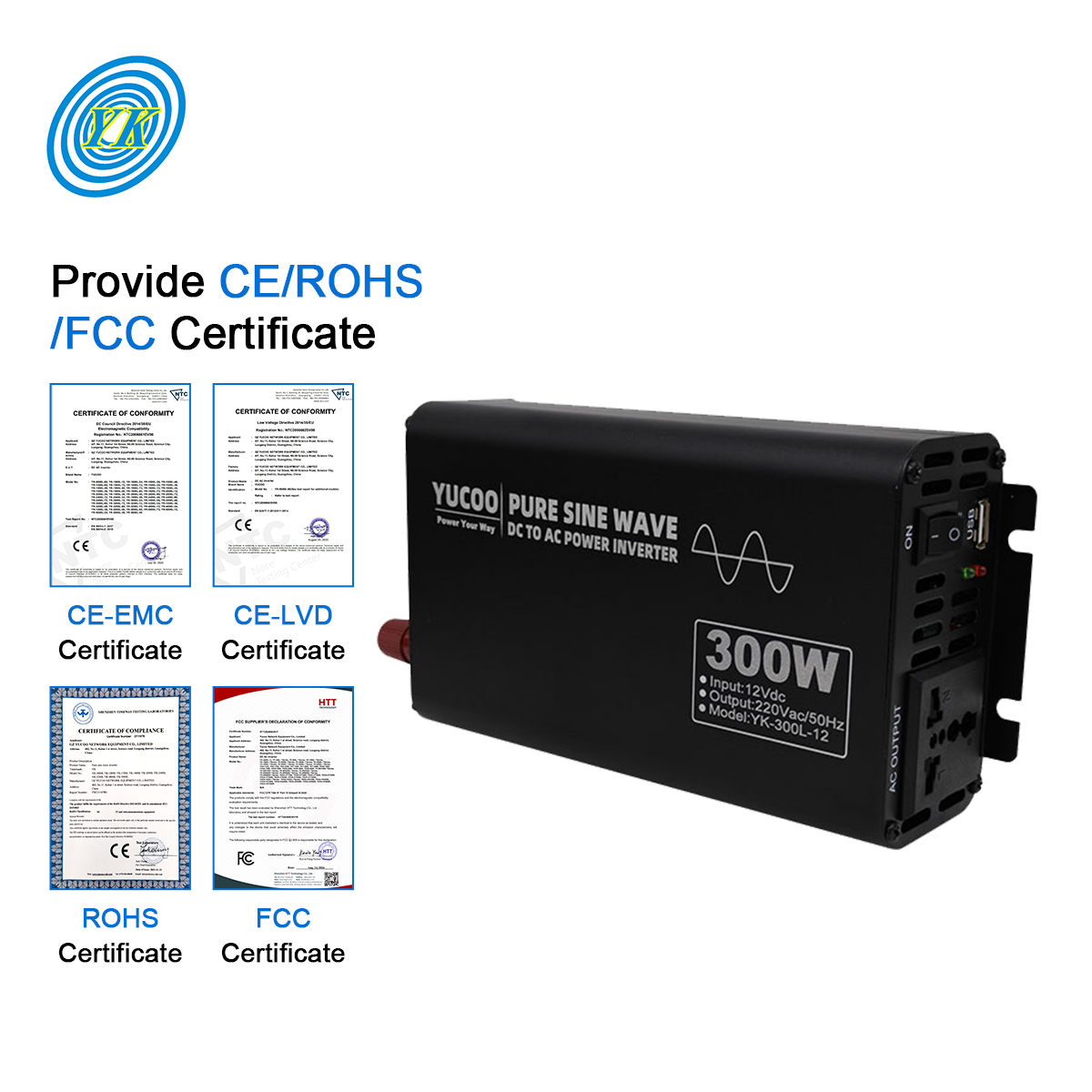
300W Pure Sine Wave Mobile Inverter DC 12V/24V to 220V AC Single Phase
- Form FactorCompact Extruded Aluminum
- CoolingIntelligent Thermal Fan
- Output Frequency50Hz ± 0.5Hz / 60Hz
- ApplicationMobile Test Kits, Telematics

High-Capacity DC to AC Heavy Industrial Inverter System (600W–5000W Modular)
- Output Range600W to 5000W Scalable
- DC Bus Input12V / 24V / 48V Bus Architectures
- Surge Capacity200% for Inductive Loads
- Cooling SystemDual Ball-Bearing Smart Fans
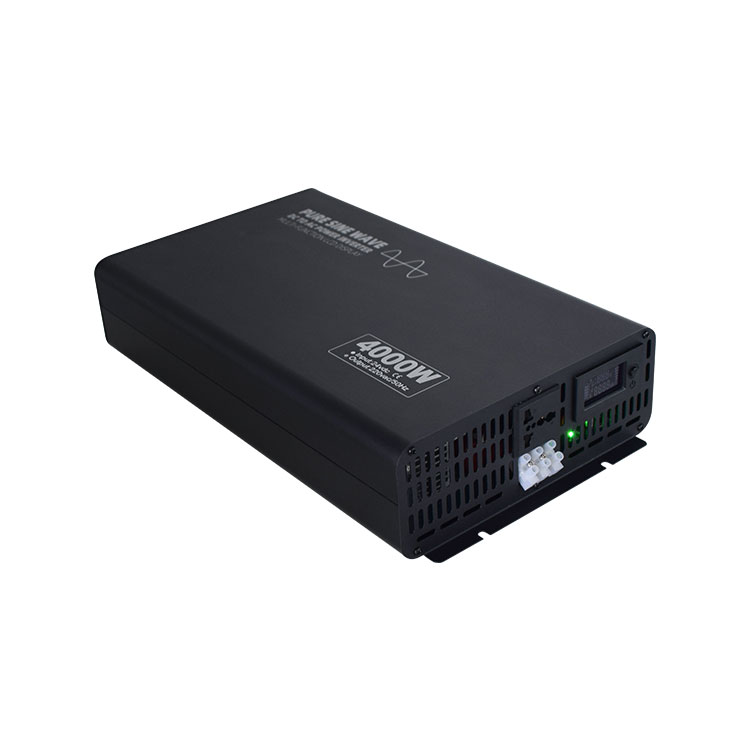
Pure Sine Wave Industrial Power Inverter 300W–5000W with MPPT Optimization
- Conversion Rating92% Full Load Efficiency
- Input Range12V / 24V / 48V DC Battery Banks
- AC Wave QualityClean Low-RFI Sinusoidal
- EnclosureReinforced Anti-Vibration Case
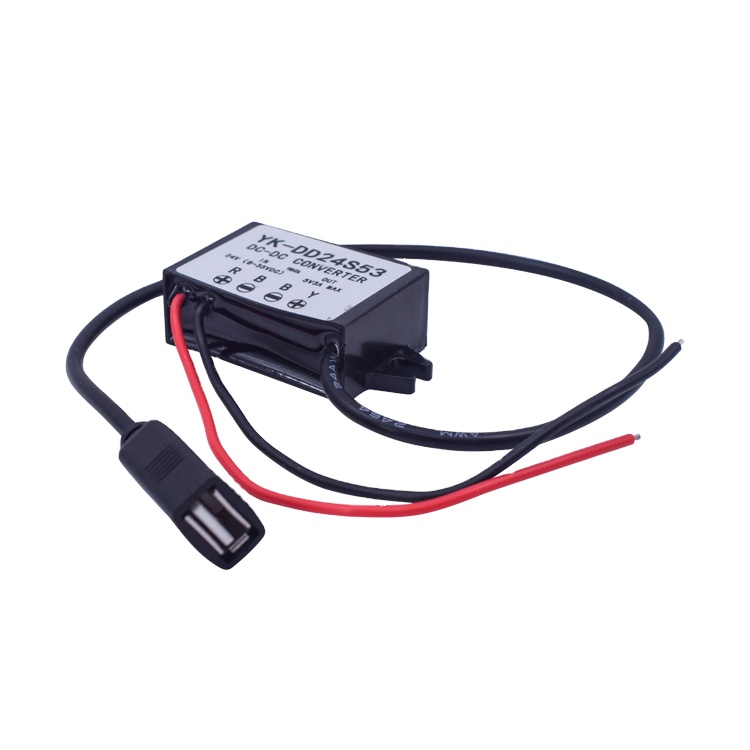
YUCOO Micro Waterproof IP67 24V to 12V 3A 36W Step-Down DC Converter
- Ingress RatingIP67 Full Epoxy Potting
- Input Voltage24V DC Nominal (18–35V Range)
- Output Spec12V DC ±1% / 3A Continuous
- Operating Temp-40°C to +85°C Ambient
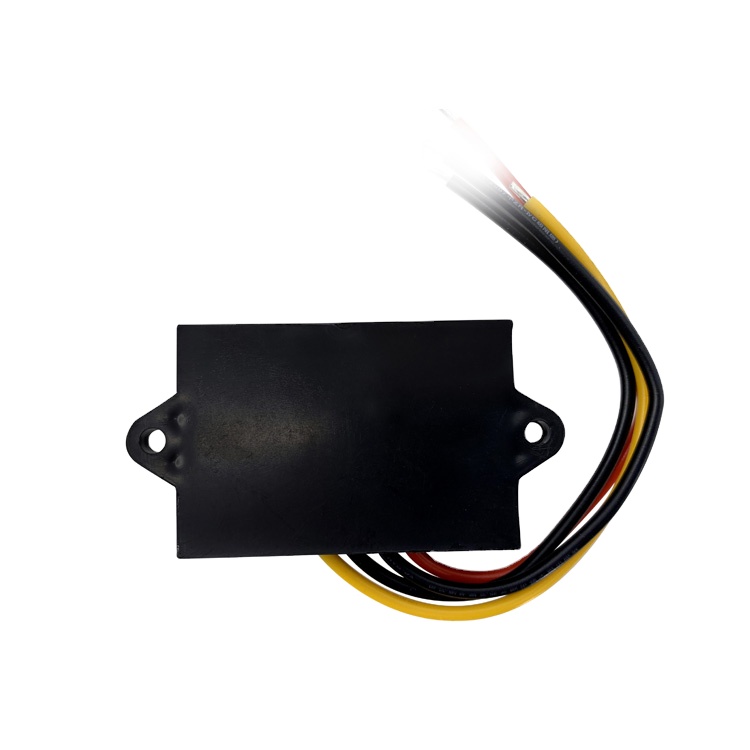
Industrial Waterproof IP67 12V/24V to 5V 5A 25W Step-Down DC Converter
- Input Range8V–35V DC Vehicle/Machine Bus
- Output Regulation5.0V DC / 5A Solid Output
- Housing MaterialFlame-Retardant ABS/PC Shell
- ApplicationEdge Computing, Sensor Nodes

High-Voltage Wide-Input 84V to 12V 15A 180W DC Step-Down Buck Converter
- High-Voltage In48V–90V DC Traction/AGV Battery
- Regulated Out12V DC / 15A Heavy Sourcing
- Heat DissipationFinned Die-Cast Alloy Chassis
- Safety IsolationTransient & Reverse Polarity Guard
The Stuttgart Engineering Nexus: Strategic Procurement of Chinese DC-DC Power Conversion Modules
The Stuttgart metropolitan area, encompassing key manufacturing districts like Sindelfingen, Untertürkheim, Feuerbach, Böblingen, and Esslingen, represents one of Europe's dense concentrations of automotive engineering, high-precision mechatronics, and advanced robotics. Renowned as the cradle of the German automotive industry and the heartland of the Baden-Württemberg Mittelstand, companies operating within this industrial corridor face intense pressure to accelerate electrification (e-mobility) and Industry 4.0 automation while preserving strict budget discipline and rock-solid product reliability.
Historically, German Tier-1 suppliers and mechanical system builders relied almost exclusively on domestic or European power component manufacturers. However, rapid evolutionary cycles in e-mobility—particularly the mainstreaming of 48V mild-hybrid vehicle architectures (MHEV), high-voltage electric vehicle auxiliary lines, and decentralized 24V/48V AGV (Automated Guided Vehicle) power topologies—have created severe engineering bottlenecks. European Tier-1 procurement teams are frequently constrained by 16-to-30-week lead times and rigid minimum order quantities on custom DC-DC modules.
This dynamic has propelled sophisticated Chinese power electronics original equipment manufacturers (OEMs/ODMs) like Varnix into the role of primary strategic partners. By integrating high-frequency planar magnetic transformers, low on-resistance synchronous rectification MOSFETs, and automated full-potted production lines, top-tier Chinese factories offer Stuttgart engineering directors the golden ratio: DIN-compliant electrical stability, sub-100mV ripple performance, certified electromagnetic compatibility (EMC), and lean unit economics coupled with agile lead times.
Engineering Topologies: Galvanic Isolation, Efficiency & Thermal Physics
A granular breakdown of internal power conversion architectures deployed in our export modules to meet stringent German machine-building standards (Maschinenbau).
| Module Architecture | Topology Scheme | Typical Input / Output Range | Peak Conversion Efficiency | Primary Stuttgart Industrial Application | Critical Compliance Metric |
|---|---|---|---|---|---|
| Wide-Input Buck-Boost Regulators | Non-isolated synchronous four-switch buck-boost | 9V–36V In → 12V/13.8V/24V Regulated Out | 94.5% – 96.2% | Automotive test benches, fluctuating vehicle alternators, fleet logistics | ISO 7637-2 transient pulse immunity; CISPR 25 Class 3 |
| Galvanically Isolated DC-DC Blocks | Push-Pull / Half-Bridge with Optocoupled Feedback | 18V–36V / 36V–75V In → 5V, 12V, 24V Out | 89.0% – 92.5% | Factory PLC racks, sensitive telemetry, CAN bus transceivers | 1500VDC to 3000VAC Dielectric Isolation; EN 61000-6-2 |
| High-Voltage Industrial Step-Down | Synchronous Step-Down Buck with High-Side Driver | 48V–90V / 60V–120V In → 12V/24V Out (Up to 30A) | 91.5% – 95.0% | Autonomous Mobile Robots (AMR), logistics forklifts, intralogistics | Thermal derating under DIN EN 60068-2-1; Active Overvoltage Lockout |
| Hermetic IP67 Compact Converters | Encapsulated Solid-State Epoxy Switching | 12V/24V In → 5V/12V Regulated Out (25W–120W) | 92.0% – 94.0% | Commercial vehicle chassis, outdoor railway cabinets, marine sensors | DIN 40050-9 / IP67 / IP69K liquid & micro-particle sealing |
Mission-Critical Deployment Scenarios in Stuttgart's Key Sectors
From automotive powertrain labs to automated high-bay warehouses, discover how our DC-DC converter and inverter series fulfill specific local system requirements.
Intralogistics AGVs & Robotics
Warehousing hubs and smart manufacturing sites in Ludwigsburg and Böblingen utilize 48V and 72V LiFePO4 battery platforms. Our high-voltage buck converters step these elevated pack voltages down to a clean, transient-free 12V or 24V supply to drive onboard LiDAR, stereo cameras, safety laser scanners, and embedded IPCs without system brownouts during rapid motor acceleration.
Automotive R&D Test Dynamometers
OEM testing laboratories across Zuffenhausen and Weissach demand ultra-stable secondary DC buses when simulating cold-cranking transients and high-frequency alternator ripple. Our bidirectional 12V/24V to 13.8V stabilizing units guarantee uninterrupted DC voltage rails for sensitive electronic control unit (ECU) programming and in-cabin sensor validation.
Smart Factory Sensor Nodes (IoT)
In CNC manufacturing facilities throughout Esslingen and Göppingen, mechanical vibrations and oil mists destroy unsealed electronics. Our IP67 encapsulated micro-modules convert noisy 24V machine-tool power lines into ripple-suppressed 5V outputs, directly powering edge-computing gateways and wireless vibrational telemetry sensors without requiring bulky DIN-rail cabinets.
Commercial Vehicles & Municipal Fleets
Stuttgart's municipal service trucks and regional long-haul transports rely on 24V electrical architectures. Installing modern 12V communication terminals, GPS trackers, dashcams, and refrigeration controllers requires rugged step-down conversion capable of enduring severe load-dump pulses and extreme sub-zero Swabian winter temperatures.
Railway & Trackside Signal Systems
Within regional rail corridors and modern transportation hubs like Stuttgart 21, auxiliary signaling cabinets and trackside monitoring sensors demand rugged DC step-down supplies. Our wide-voltage modules provide continuous input overvoltage clamping and short-circuit survivability to support uninterrupted transit infrastructure.
Mobile Off-Grid Service & Calibration
Technical service teams conducting on-site machine tool maintenance throughout Baden-Württemberg use our Pure Sine Wave Inverter series (300W–5000W) to generate distortion-free 230V AC power directly from utility van batteries, powering precision calibration lasers, oscilloscopes, and sensitive programming rigs without line interference.
Macro Trends & Regulatory Drivers Shaping Sourcing Decisions in Baden-Württemberg
Procuring power conversion modules in Germany has evolved beyond transactional buying; it is governed by a sophisticated web of environmental directives, supply-chain resilience laws, and automotive architectural shifts:
- Lieferkettensorgfaltspflichtengesetz (German Supply Chain Due Diligence Act): German enterprises must guarantee environmental and social compliance across Tier-1 and Tier-2 suppliers. Chinese manufacturing partners must deliver verifiable documentation regarding raw material provenance, conflict-mineral avoidance, and RoHS/REACH compliance.
- The 48-Volt Industrial Revolution: In alignment with European energy efficiency initiatives, smart factory machine builders are transitioning motor drives and heavy pneumatic replacements to 48V DC buses. This has created massive demand for high-current 48V-to-24V and 48V-to-12V non-isolated step-down converters operating at >95% thermal efficiency to eliminate cabinet air conditioning requirements.
- Low-Ripple Sensor Telemetry: High-density automation in Industry 4.0 applications relies on sensitive optical sensors, machine vision cameras, and IO-Link protocols. Standard power modules producing excessive electromagnetic ripple induce communication packet dropouts. Advanced Chinese suppliers employ multi-stage LC output filtering and synchronous switching to achieve low noise floors under 50mVp-p.
- Agile Near-Shore & Buffer Warehousing: To counteract logistics volatility, Stuttgart manufacturers demand hybrid inventory strategies. Leading exporters provide scheduled sea-freight container deliveries combined with emergency air-courier shipments straight to Stuttgart Airport (STR) or customs-cleared buffer stock through bonded hubs.
Why Engineering Procurement Teams Partner with Varnix
Over two decades of precision manufacturing, certified quality management, and rigorous product testing inside our SGS-verified facilities.
ISO 9001:2015 & SGS Audited
Operating since 2003 with a 1,229 m² fully equipped manufacturing facility. Onsite physical verification conducted by SGS Group. Robust quality traceability established across every production lot, PCB assembly, and potting phase.
100% Full-Load Burn-In Racks
Every single converter unit undergoes an elevated-temperature, 100% full-load burn-in screening process before packaging. We weed out early-life component infant mortality to deliver near-zero PPM failure rates on customer assembly lines.
Full Customization & OEM/ODM
From custom input/output voltage targets (e.g., 84V down to 13.8V) to proprietary aluminum housing extrusions, tailored mounting brackets, IP68 wire harnesses, and private labeling, our electrical engineering team can iterate prototypes rapidly.
Oscilloscope & EMC Verification
Dedicated laboratory workstations equipped with multi-channel digital storage oscilloscopes, electronic DC loads, high-voltage insulation testers, and spectral analyzers to ensure certified compliance with CE, RoHS, and FCC directives.
Export Experience to Western Europe
Over 55% of total annual production volume is exported overseas, with Western Europe and North America as principal markets. Familiar with German customs documentation (EORI, HS Code classifications) and DDP freight handling.
24/7 Dedicated Engineering Support
A rapid 98.2% inquiry response rate. Direct collaboration with bilingual power electronics engineers to discuss schematic reviews, thermal dissipation math, and pinout definitions without middleman delays.
Frequently Asked Questions by German Engineering Buyers
Clear answers addressing technical compliance, customs clearance, logistics, and quality assurance for companies importing into Stuttgart.
How do your DC-DC converters comply with CE, EMC (EN 61000 series), and CISPR standards?
What are your typical shipping terms and lead times to Stuttgart (Baden-Württemberg)?
Can we request custom output voltages, current limits, or custom connectors?
What is your Minimum Order Quantity (MOQ) for prototypes vs. mass production?
How are thermal management and MTBF calculated for enclosed industrial environments?
What warranty terms and quality defect protocols are provided?
Accelerate Your Power Electronics Supply Chain
Consult directly with our factory design engineers. Whether you need a prototype buck-boost voltage stabilizer for automotive testing in Weissach, high-voltage AGV converters in Böblingen, or an OEM private-label production run, we deliver precision, speed, and competitive value.