ISO 9001:2015 & CE Certified Manufacturer

CE Certified Industrial Power Supply Manufacturer & Exporter

Engineering high-frequency DC-DC converters, pure sine wave power inverters, telecommunication rectifiers, and custom heavy-duty power solutions for tier-1 industrial clients since 2003.

23+ Years Engineering Expertise
10+ SMT & Assembly Lines
100% Full-Load Burn-in Tested
SGS On-Site Audited Plant
Factory-Direct Catalog

Featured Industrial Power Conversion Modules

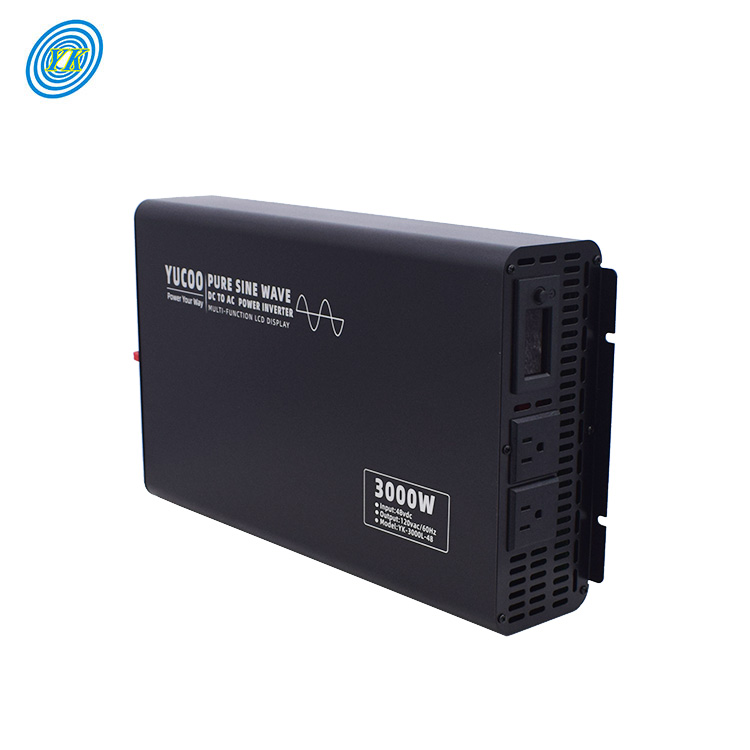
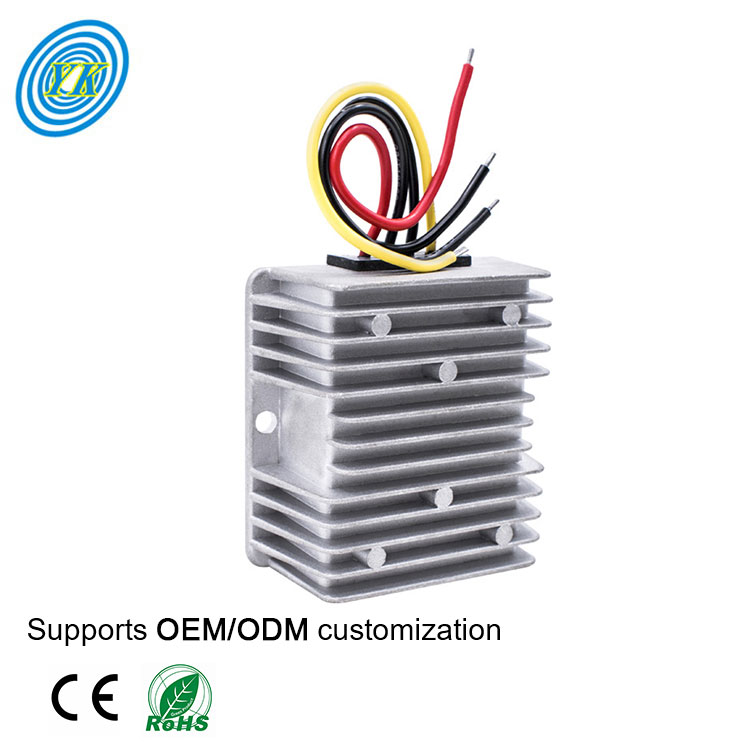
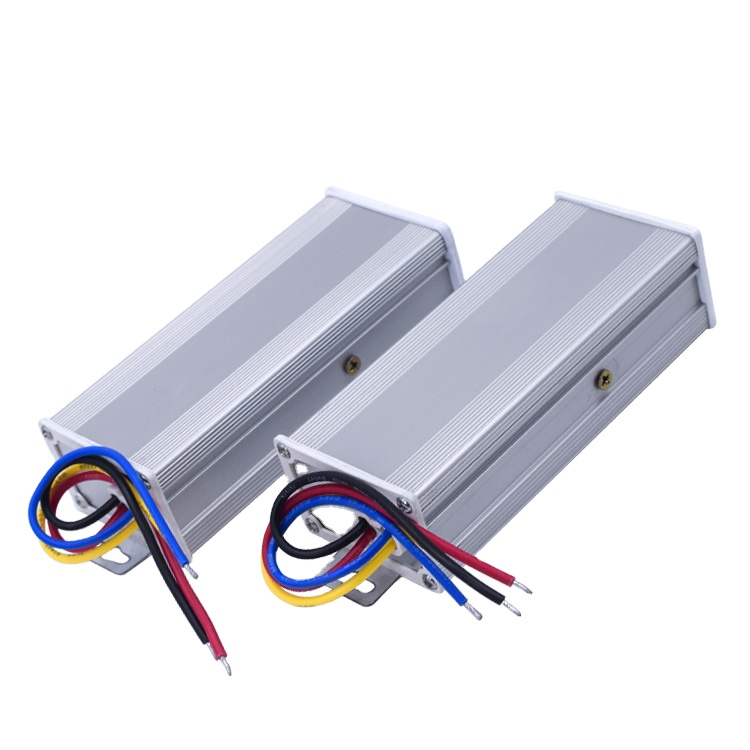
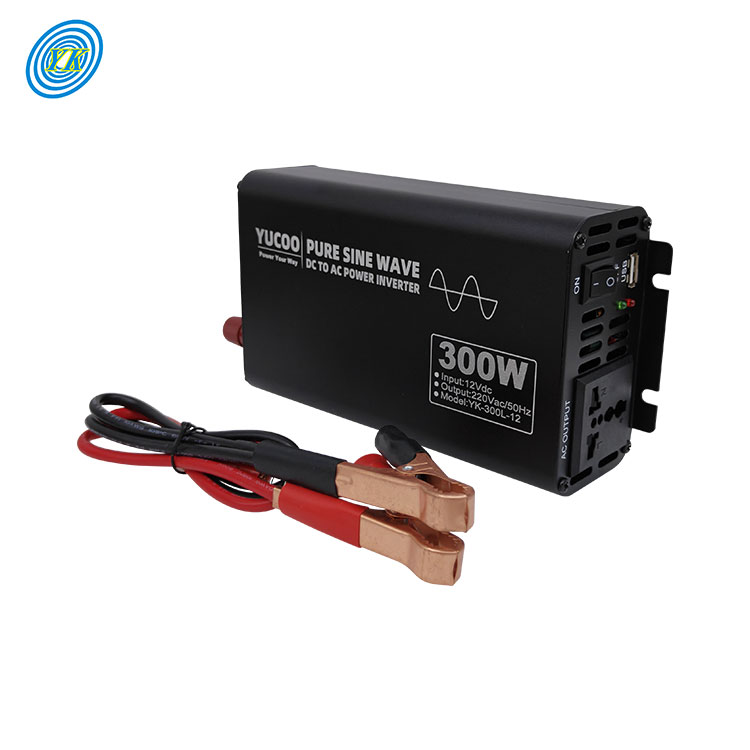
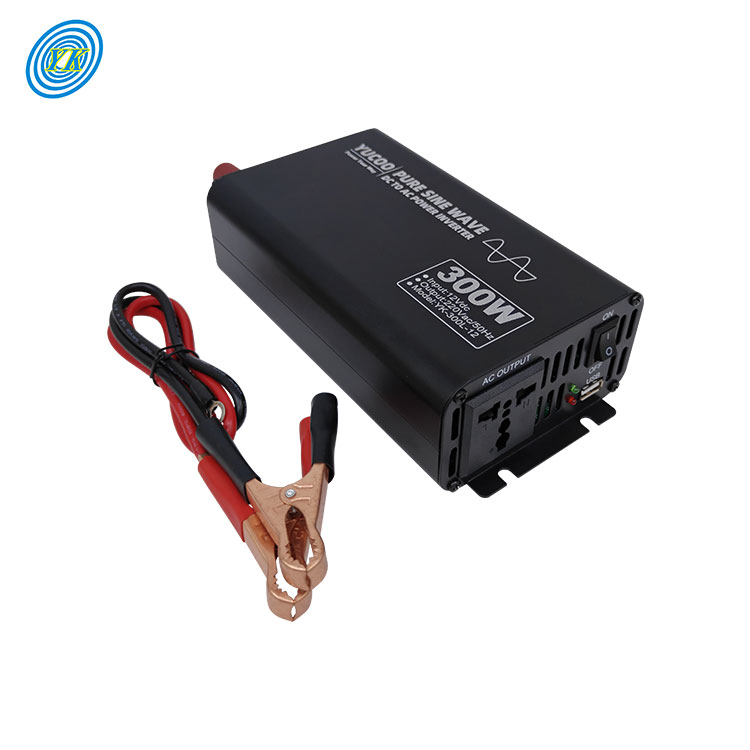
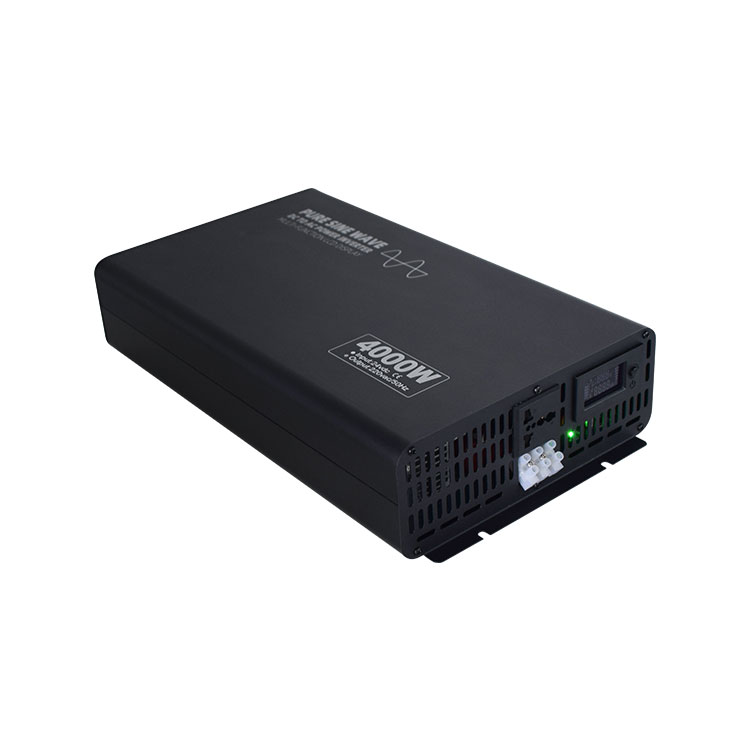
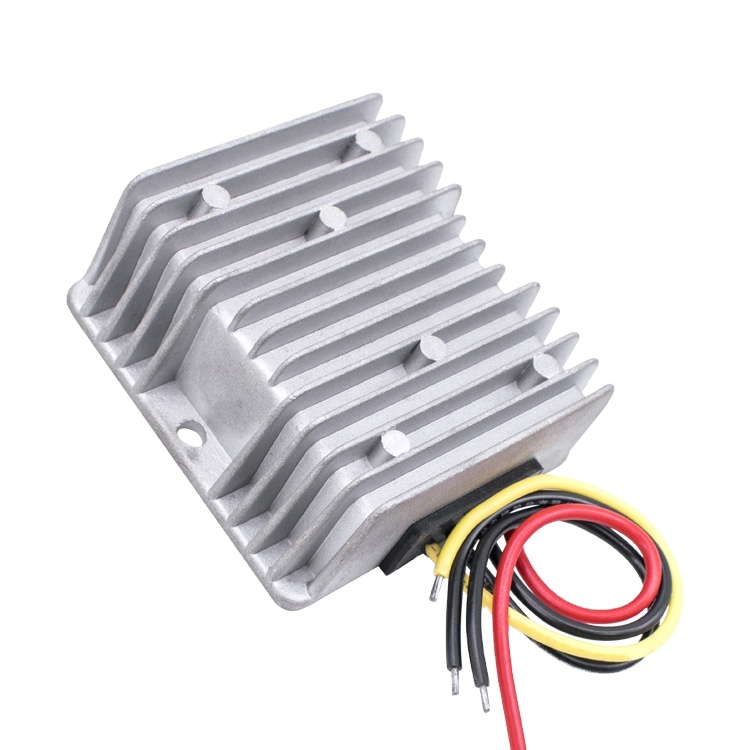
Precision-engineered DC-DC step up/down converters, pure sine wave DC-to-AC inverters, and high-amperage industrial regulators designed for critical operating conditions.

Why Partner With Us

Verified Manufacturing Infrastructure & Engineering Rigor

Operating since 2003 with 58 verified technical personnel, SGS on-site verified production, and over 1,229 m² of specialized power conversion facilities.

Rigorous Multi-Stage Testing

Every industrial unit undergoes automatic component testing, in-circuit testing (ICT), manual visual inspection, and high-temperature full-load burn-in testing to eliminate early-stage component failure rates before global dispatch.

Agile OEM & ODM Tailoring

From custom DC input rails (such as extreme 9-36V, 40-135V, or 200-400V buses) to conformal coating, specialized military-spec enclosures, dual cooling channels, and custom firmware algorithms, we adapt power topologies to exact client schematics.

Rapid Logistics & US Warehousing

We solve the global supply lead-time challenge with dedicated inventory staging at our United States overseas warehouse alongside scalable sea, air, and multimodal export terms (FOB, CIF, DDP) supporting tier-1 distributors in North America, Europe, and Asia-Pacific.

Engineering Authority

Industrial Power Supply Topologies: A Comparative Engineering Evaluation

Decoupling switching efficiency, galvanic isolation thresholds, thermal limits, and harmonic distortion requirements across harsh application environments.

Engineering Rule of Thumb: When selecting switching topology for inductive automation or telecom installations, total system reliability correlates directly with input transient margin (minimum 250% spike protection) and thermal headroom. Operating high-amperage buck converters consistently at >80% rated capacity without planar cooling significantly accelerates electrolytic dielectric wear.
Topology Architecture Primary Application Field Efficiency Benchmark Galvanic Isolation Thermal Design Requirement
Synchronous Buck-Boost Automotive (12V/24V stabilizing), Golf Carts, AGVs 94% – 97.5% Non-Isolated (Common Ground) Die-cast aluminum case, silicone thermal potting
High-Frequency Push-Pull / Full Bridge Industrial Inverters (DC to 110V/220V Pure Sine) 89% – 93% Full Galvanic (>1500VAC Breakdown) Intelligent variable fan + extruded heat sinks
Isolated Forward / Flyback Converter Railway electronics, Telecommunications, Scada 88% – 92% Industrial Isolation (1500V–3000VDC) Convection cooled, vibration-proof compound encapsulation
Phase-Shifted Resonant (LLC) High-power rectifiers, plating, EV charging stations 93% – 96% Isolated magnetic coupling Forced air cooling with filtered air conduits
Strategic Outlook

Future Sourcing & Technology Trends in Industrial Power (2025–2030)

How wide-bandgap semiconductors, decentralized DC microgrids, and regulatory carbon audits are reshaping enterprise procurement criteria worldwide.

1. GaN & SiC Semiconductor Integration

The industrial power conversion domain is witnessing an accelerated shift from traditional silicon MOSFETs to Gallium Nitride (GaN) and Silicon Carbide (SiC) semiconductors. These wide-bandgap technologies enable switching frequencies exceeding 500 kHz with negligible switching losses. For procurement managers, this delivers converters and inverters that are 40% lighter, occupy 50% less cubic volume, and maintain high thermal stability up to 175°C.

2. Transition to Native 48V/380V DC Microgrids

Modern data centers, advanced automated warehousing, and robotic factory floors are moving away from traditional AC distribution in favor of localized DC bus microgrids. This eliminates multi-stage AC-DC-AC conversion penalties. Future-proof procurement requires bidirectional DC-DC modules and wide-input converters (such as 40V-135V automotive/forklift units) that interface natively with high-capacity LiFePO4 battery banks.

3. Real-Time Telemetry & Digital Power Control

Analog PWM controllers are increasingly being superseded by Digital Signal Processors (DSP) equipped with CANbus, RS485, and Modbus communications. Engineering teams demand granular visibility into real-time operating metrics—including MOSFET junction temperatures, instantaneous ripples, and cumulative aging metrics—enabling predictive maintenance routines that eliminate unplanned assembly-line shutdowns.

Procurement Manual

Crucial Checkpoints for Enterprise Sourcing & Quality Auditing

Minimize field failures and warranty claims by evaluating industrial power equipment vendors against three core technical benchmarks.

Verify Full-Load Thermal Potting

In mobile machinery, material handling forklifts, and outdoor telecommunication nodes, moisture ingress and continuous vibration are the primary causes of electrical shorting. Quality suppliers utilize automotive-grade silicone or polyurethane resin potting inside IP67/IP68 aluminum casings, which acts simultaneously as a structural damper and an optimal thermal dissipation conduit.

Audit Pure Sine Wave THD Profiles

Not all inverters labeled "pure sine wave" are equivalent under load. Low-grade commercial units often exhibit Total Harmonic Distortion (THD) exceeding 7% when connected to non-linear or inductive loads (refrigeration compressors, medical imaging, precision lab equipment). Ensure certified test reports from an oscilloscope indicate true THD < 3% across 0% to 100% capacity.

Confirm Authentic CE LVD & EMC Dossiers

Verify whether CE markings reflect genuine third-party laboratory certifications under both Low Voltage Directive (LVD 2014/35/EU) and Electromagnetic Compatibility Directive (EMC 2014/30/EU). Incomplete CE declarations without radiated emission suppression curves risk severe customs delays and legal liability in European Union ports of entry.

Buyer Knowledge Base

Frequently Asked Questions: Industrial Sourcing & Compliance

Direct answers from our senior power electronics engineering team regarding lead times, testing protocols, custom designs, and international standards.

What specific testing protocols are implemented to ensure CE compliance for industrial power supplies? +
Our products undergo comprehensive certification under EN 62368-1 (audio/video, information and communication technology equipment safety), EN 61000-6-2 (immunity for industrial environments), and EN 61000-6-4 (emission standards for industrial environments). Every production batch is tested for dielectric withstand voltage (Hi-Pot test up to 1,500VAC/3,000VDC), insulation resistance (>100MΩ), electromagnetic conducted emissions, and dynamic load transient recovery time before being certified for shipment.
When is galvanic isolation mandatory in DC-DC converters versus non-isolated buck-boost units? +
Galvanic isolation is mandatory when the primary and secondary circuits must be referenced to different ground potentials, such as in telecommunication 48V positive-grounded systems, high-voltage battery banks (40-135V in electric forklifts), or medical diagnostics equipment to prevent ground loops and protect delicate low-voltage controllers. Non-isolated converters (such as standard step-up 12V to 24V or buck 24V to 12V modules) offer higher efficiency (up to 97%) and smaller footprints, making them ideal when a common vehicle chassis ground is universally shared.
Can your engineering department customize input voltage windows and custom enclosure form factors? +
Yes. Our in-house research and development center offers sample-based, design-based, and OEM/ODM custom development. We routinely develop customized input ranges (e.g., 9-36V, 18-75V, 40-135V, or 200-400VDC), custom constant-current/constant-voltage (CC/CV) profiles, specific IP68 waterproof aluminum extrusions, 19-inch rack-mount sub-racks (1U, 2U, 4U), and specialized wiring harness terminations tailored to specific customer bills of materials.
How does your aging (burn-in) quality control process prevent early-stage MTBF failures? +
Our factory features dedicated aging test rooms where 100% of finished inverters, converters, and rectifiers undergo a continuous 4 to 24-hour full-load burn-in cycle at elevated ambient temperatures (45°C–50°C). This accelerated life testing exercises internal magnetic cores, power MOSFETs, and electrolytic capacitors under peak thermal stress, successfully weeding out early infant mortality issues and ensuring an MTBF (Mean Time Between Failures) exceeding 100,000 operating hours.
What are the standard international trade incoterms, minimum order quantities (MOQ), and delivery timelines? +
For standard catalog products, our MOQ starts from 1 to 10 sets, allowing client engineering teams to conduct thorough prototype qualification. Custom OEM/ODM projects are quoted according to annual run volumes. We support worldwide shipping under EXW, FOB (Guangzhou/Shenzhen), CIF, FCA, and DDP (door-to-door delivery with duty paid). In addition, select popular buck and boost converters are stocked in our United States warehouse for immediate delivery across North America within 3 to 5 business days.

Request Detailed Engineering Specifications & Project Quotes

Connect with our technical application engineers to evaluate schematics, discuss custom power topologies, request compliance test dossiers, or receive a comprehensive product catalog.

Get Catalog