High-Performance Step Down & Hybrid Voltage Converters
Explore our premier portfolio of CE-marked, IP67-rated waterproof step-down modules, high-power buck regulators, embedded telecom rectifiers, and pure sine wave inverters.
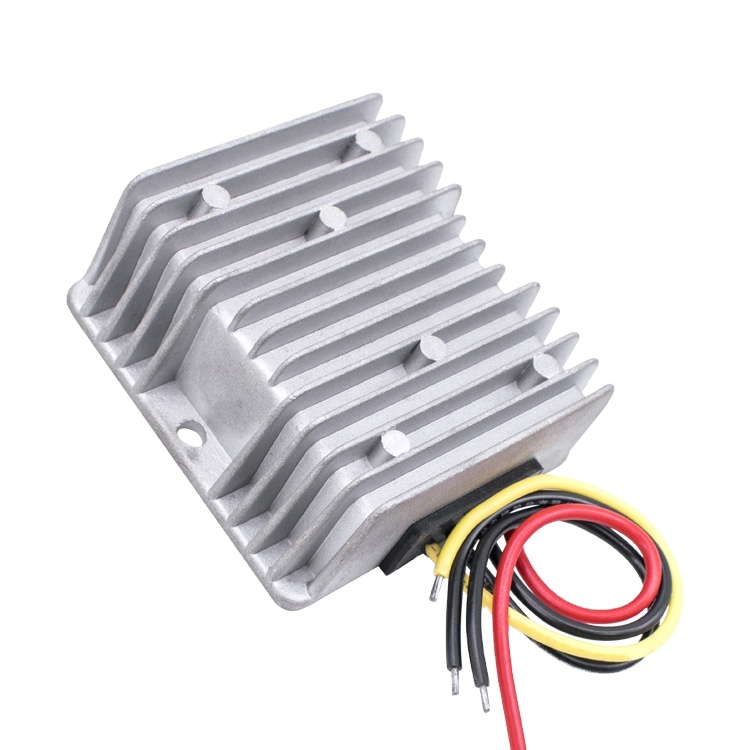
12V 24V to 13.8V 10A Step Up Down DC Converter
- Input Voltage9V–36V Wide Range
- Regulated Output13.8V DC ±1.5%
- Rated Current10A (138W Cont.)
- Efficiency Rating≥94.5% Synchronous
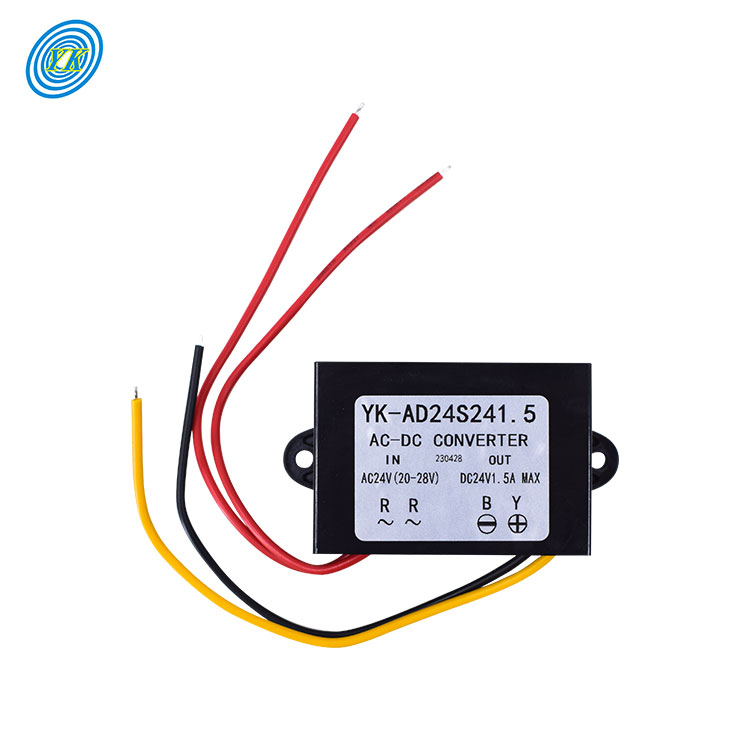
AC 24V to DC 5V 3A Buck Converter Regulator
- Input RatingAC 16V–28V / DC Compatible
- Regulated Output5.0V DC (USB/Terminal)
- Rated Current3.0A (15W Max)
- Protection GradeIP67 Epoxy Potted
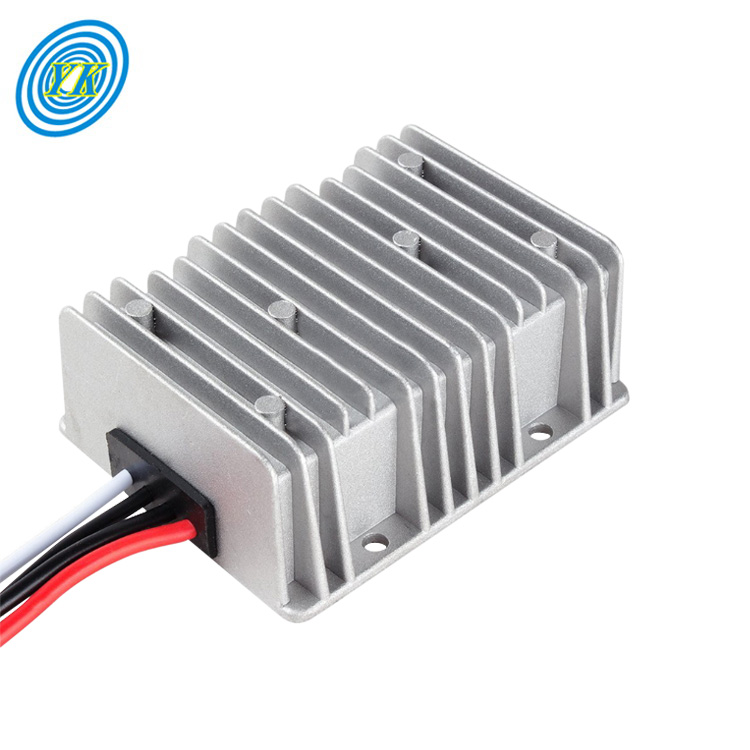
Buck-Boost 8V–40V to 13.8V 15A Regulator
- Ultra-Wide Input8V–40V Extended Range
- Output Power13.8V DC / 15A (207W)
- Transient ProtectionISO 7637-2 Automotive
- Thermal Envelope-40°C to +85°C
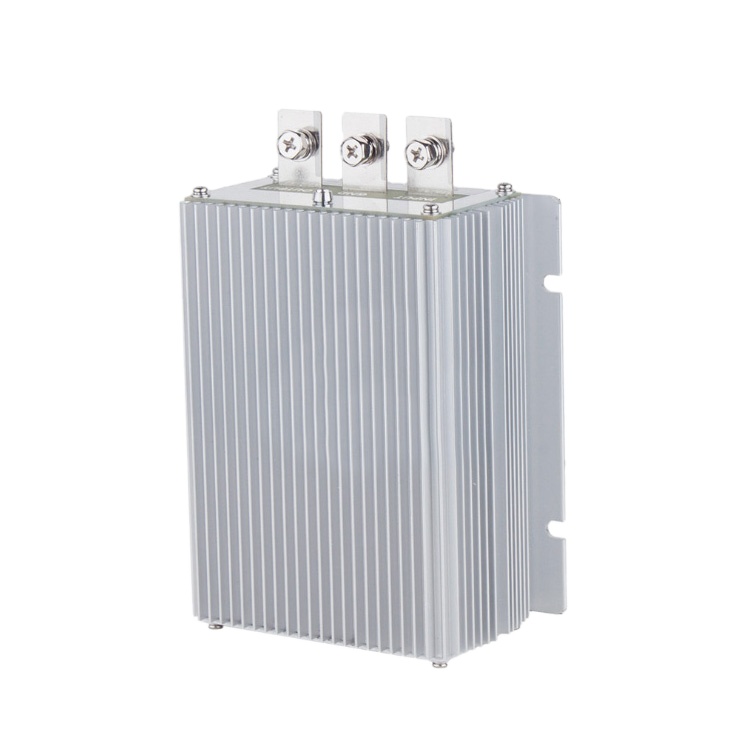
1440W 36V to 48V 30A Step-Up DC Converter
- Nominal Input36V DC (30V–40V Window)
- Heavy-Duty Output48V DC / 30A Constant
- Thermal EnclosureDie-Cast Extruded AL
- Waterproof ClassTrue IP67 Sealed Shell
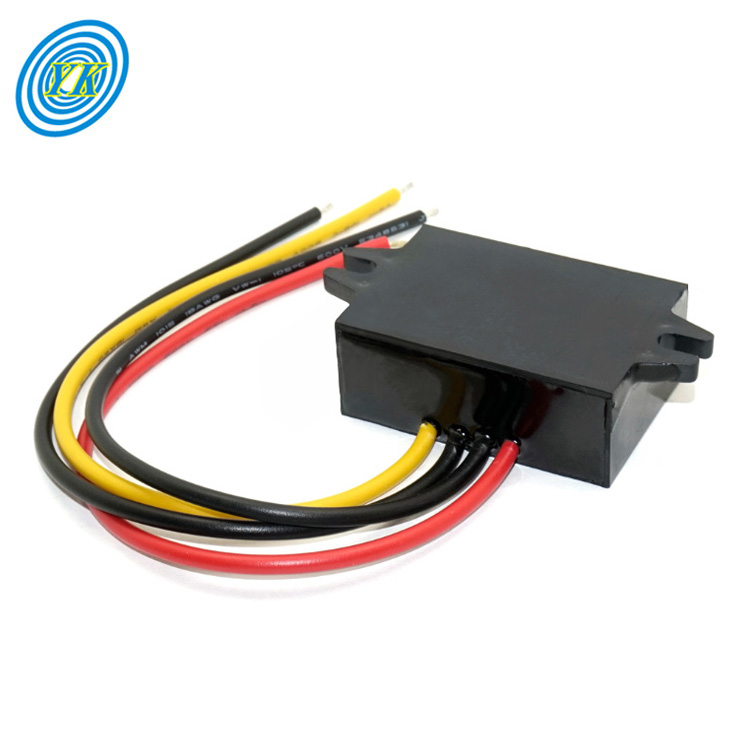
DC-DC 8V–35V to 7V 5A Step Down Module
- Input Voltage8V–35V DC Nominal
- Calibrated Output7.0V DC (Customizable)
- Output Current5A Constant (35W)
- Switching Frequency380 kHz Low-Ripple
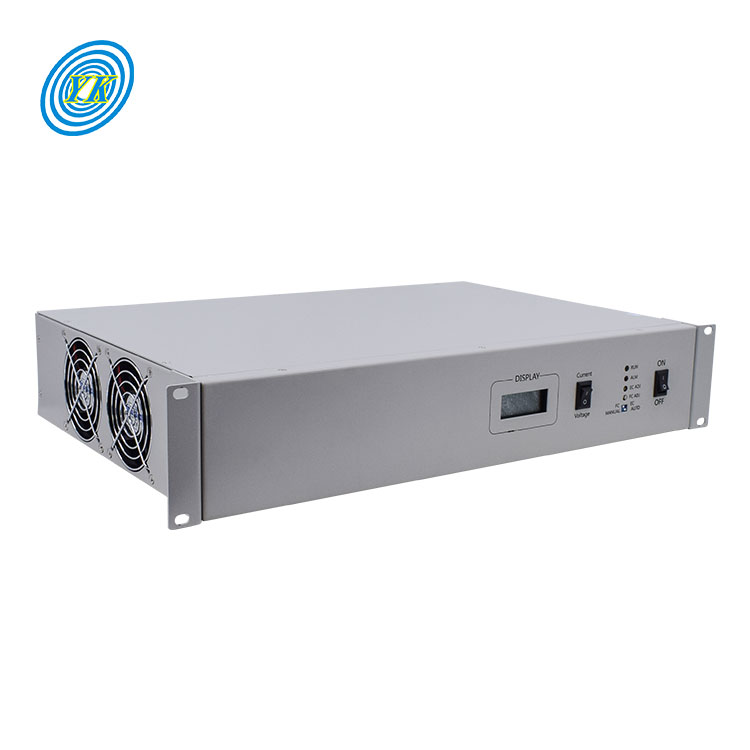
110VAC to 24VDC Industrial Rectifier System
- Input Compatibility85V–264V Universal AC
- Current Capacities10A to 100A Modular Options
- Cooling MethodIntelligent PWM Fan Active
- EMC CertificationEN 55032 / EN 61000-6-2
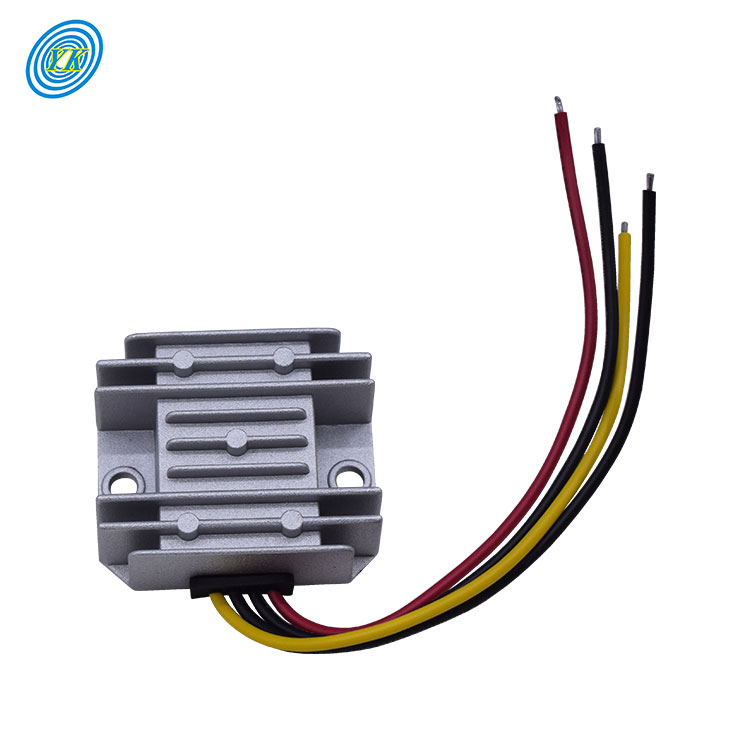
DC 18V to 6V 5A 30W Waterproof Buck Module
- Target Input18V DC (11V–28V Window)
- Regulated Output6.0V DC / 5A Max
- EncapsulationVacuum Silica Gel Potted
- No-Load Dissipation< 15 mA Standby
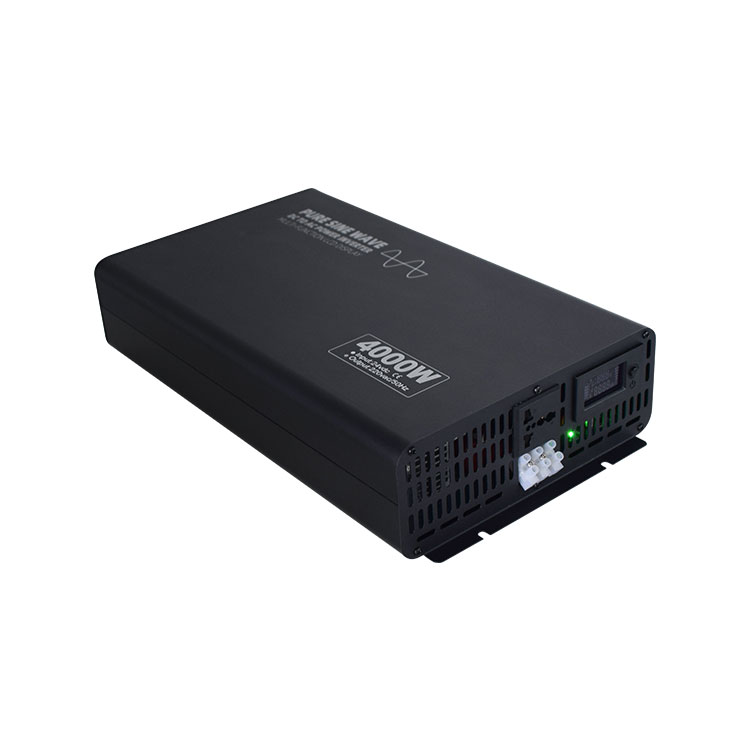
Pure Sine Wave Power Inverter 300W–5000W
- Bus Architectures12V / 24V / 48V Options
- Inverted Output110V / 220V Pure Sine Wave
- THD Distortion< 3% Linear Load
- Surge Capability200% for 2000ms
Engineering Compliance: The Anatomy of CE Certified Step Down Converters
A rigorous examination of European electromagnetic compatibility, galvanic safety thresholds, thermal derating dynamics, and circuit topologies required for mission-critical industrial deployment.
In high-reliability industrial automation, automotive electronics, and telecommunications infrastructure, the selection of a CE certified step down converter supplier requires going far beyond superficial catalog claims. In the European Union and internationally harmonized regulatory environments, a CE marking represents strict, legally binding adherence to dual safety and electromagnetic frameworks: the Low Voltage Directive (LVD) 2014/35/EU and the Electromagnetic Compatibility (EMC) Directive 2014/30/EU, supplemented by the hazardous substance restrictions of RoHS Directive 2011/65/EU.
When selecting step down (buck) converters for commercial and industrial deployment, system architects must evaluate the underlying hardware topology. Lower-grade converters frequently introduce conducted emissions back onto the DC rail, interfering with sensitive radio frequency (RF) equipment, digital signal processors (DSPs), and sensor instrumentation. Varnix engineered step-down converters utilize multi-stage input LC differential filters alongside synchronous rectification switching controllers to attenuate conducted EMI below the stringent EN 55032 Class B limits.
Critical Regulatory Directives Governed by CE Certification
Achieving true CE conformity for DC-DC buck regulators involves exhaustive laboratory verification against harmonized test regimes. When procuring from factory suppliers, international procurement directors must verify test reports across the following four core performance vectors:
Conducted & Radiated Immunity (EN 61000-4-2/3/4/5)
Our converters integrate metal oxide varistors (MOVs) and high-speed transient voltage suppressor (TVS) diodes capable of absorbing high-voltage line spikes up to 4kV (Level 4 surge immunity), preventing catastrophic gate-oxide puncture in hostile industrial grids.
Low-Voltage Safety Isolation (EN 62368-1)
For isolated step-down variants, reinforced electrical separation provides 1500VDC to 3000VDC dielectric breakdown immunity between primary chassis inputs and low-voltage secondary logic circuits, safeguarding downstream user-facing equipment.
Thermal Dissipation & Auto-Recovery (UL 94V-0)
All internal potting employs flame-retardant thermally conductive epoxy resin rated to UL 94V-0. Integrated thermal shutdown circuits engage at 125°C junction thresholds with hysteresis auto-restart once ambient equilibrium is restored.
Future Procurement & Technological Trends in Voltage Regulation
As commercial automotive vehicles transition to 48V mild-hybrid rails and edge micro-datacenters scale, step-down converters are undergoing transformative architecture shifts.
The global power conversion landscape is experiencing a paradigm shift driven by wide bandgap (WBG) semiconductors, localized energy storage systems, and the convergence of commercial fleet electrification. System integrators and Tier-1 suppliers face mounting pressure to minimize enclosure footprints while maximizing volumetric power density. Understanding these evolutionary trajectories is essential for structuring resilient 3- to 5-year supply chain procurement programs.
1. Gallium Nitride (GaN) Integration
Transitioning from silicon MOSFETs to GaN HEMTs allows switching frequencies to elevate from traditional 150kHz–300kHz thresholds to upwards of 1.5MHz–2MHz. This 5x frequency increase dramatically reduces inductive core volumes, slashing module weights by 45% while driving peak step-down efficiencies past 97.2%.
2. 48V-to-12V Automotive Centralization
Dual-voltage vehicle electrical systems (ISO 21780) demand high-current step-down regulators to bridge 48V Li-ion battery arrays with conventional 12V auxiliary telemetry, sensors, and steering actuators. Procurement contracts are prioritizing bidirectional buck-boost topologies with zero dead-time switching.
3. Digital PMBus Telemetry & Diagnostics
Modern telecommunication micro-sites and base stations increasingly mandate dynamic voltage scaling (DVS) and real-time monitoring. Smart step-down converters featuring I2C/PMBus protocols transmit real-time temperature, output load currents, and input ripple metrics to remote maintenance consoles.
Comprehensive Step-Down Selection Matrix & Specification Parameters
To assist procurement specialists and electrical systems designers in evaluating module parameters, the matrix below details operational configurations across core industrial application categories:
| Converter Model Series | Standard Input Window | Regulated Output | Max Amperage | Efficiency | Ingress Protection | Target B2B Application |
|---|---|---|---|---|---|---|
| SDC-LV-UltraCompact | 8V – 35V DC | 5V / 6V / 7V Fixed | 3A – 5A | 93.5% | IP67 Silicone Potted | Automotive Dashcams, GPS Telematics, IoT Nodes |
| SDC-MV-MidPower | 18V – 36V DC (24V Nom) | 12V / 13.8V DC | 10A – 20A | 95.2% | IP68 Aluminum Extrusion | Heavy Commercial Vehicles, AGVs, Starlink Terminals |
| SDC-HV-Industrial | 36V – 72V DC (48V Nom) | 12V / 24V DC | 20A – 40A | 96.0% | IP67 Finned Heatsink | Telecom DC UPS, Solar Storage Buses, Electric Forklifts |
| SDC-ISO-Galvanic | 18V – 75V Wide Bus | 12V / 24V / 48V DC | 10A – 30A | 92.8% | 19" Rack / Chassis Mount | Railway Signaling, Marine DC Distribution, Petrochemical |
| SYS-REC-Universal | 85V – 264V AC Single-Phase | 24V / 48V DC Adjustable | 10A – 100A | 94.0% | Active PWM Fan Cooled | Industrial Plating, DC Motor Drives, Central Telecom Plant |
Why Tier-1 Importers Partner with Varnix Technology
Combining 23+ years of power electronic innovation with full supply chain traceability, onsite SGS verification, and agile custom OEM/ODM engineering capabilities.
Precision Manufacturing with Zero Compromise
Founded in 2003 in Guangdong, China, Varnix Technology Co., Ltd. operates an ISO 9001:2015-certified 1,229 m² production complex verified onsite by global inspection leader SGS. Our facility houses 10+ modernized production lines encompassing automated SMT pick-and-place, wave soldering, CNC enclosure machining, and automated resin potting stations.
Unlike trading intermediaries, every Varnix step-down converter, telecom inverter, and switching rectifier undergoes rigorous 5-stage testing. This includes incoming raw material spectroscopic inspection, intermediate automated optical inspection (AOI), 100% full-load burn-in aging under elevated temperatures (50°C for 4 to 8 hours), and final precision oscilloscope ripple verification.
- ISO 9001:2015 Quality Certified
- SGS Onsite Verified Factory
- 100% Full-Load Burn-In Screened
- US Overseas Warehouse Ready Stock
- Custom Voltages, Wattages & Housings
- 24/7 Dedicated Support & Response
OEM/ODM Customization Capabilities
We collaborate directly with B2B equipment manufacturers, vehicle builders, and telecom network operators to develop application-tailored power electronics from prototyping to volume container shipping.
Frequently Asked Questions: Sourcing Step Down Converters
Direct answers from our senior power electronics engineering team addressing international compliance, thermal sizing, MOQ, and factory warranty protocols.
What specific test documentation verifies genuine CE certification for your step down converters?
How should system designers account for ambient thermal derating when selecting buck converters?
What is the difference between isolated and non-isolated step-down converters, and how do I decide?
What Minimum Order Quantities (MOQs) and production lead times apply for custom OEM designs?
What internal electronic protection mechanisms are integrated into Varnix step down modules?
What Incoterms and international payment terms are supported for global B2B procurement?
Accelerate Your Power Conversion Development
Whether you require standard CE-certified buck converter inventory from our US warehouse or a bespoke multi-rail power supply tailored to proprietary automotive or telecom specifications, our Guangzhou engineering center is standing by to evaluate your schematic and bill of materials.