Engineered DC-DC & AC-DC Power Conversion Hardware
Explore standard production units field-tested for severe thermal fluctuation, harsh EMI profiles, and extreme environmental exposure. Available for rapid custom batch fabrication.
-
IP67 Step-Down
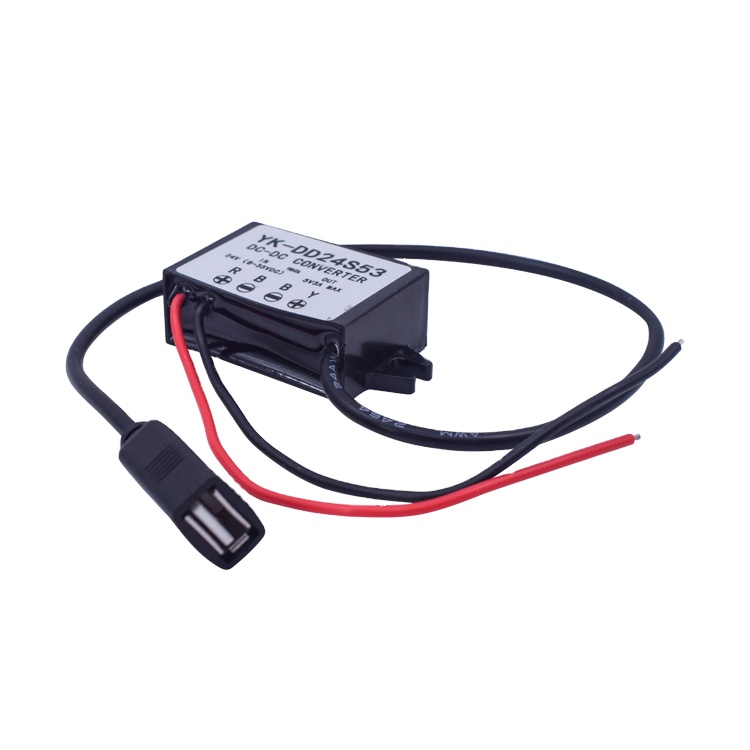
YUCOO Micro Step up Usb Type Waterproof IP67 24V to 12v 3A 36W Ac Dc Converter
- Input Range: 18V – 35V DC
- Regulated Output: 12V DC / 3A (36W)
- Thermal Ingress: IP67 Epoxy Sealed
-
Synchronous Buck
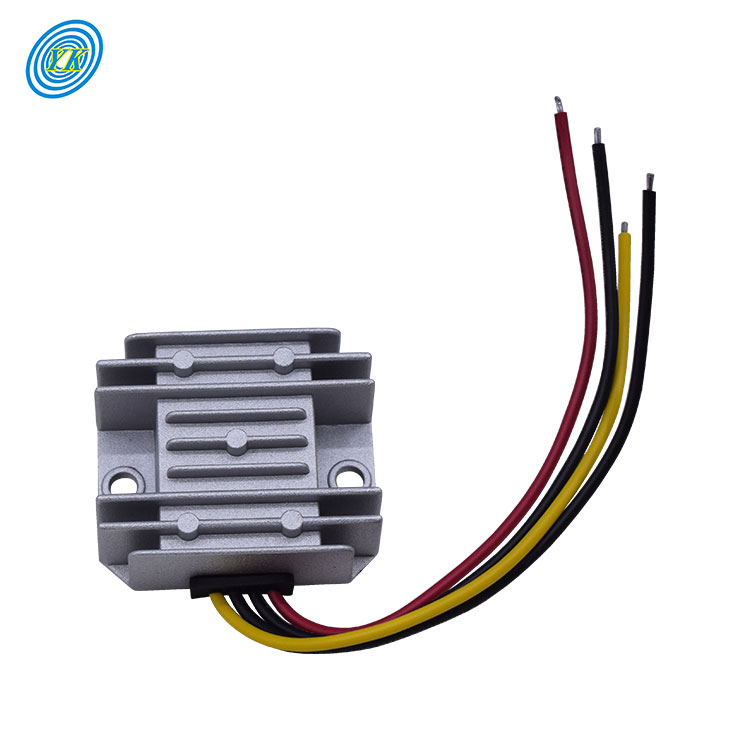
YUCOO Power Voltage Converter DC 18V to 6V 5A 30W Waterproof Voltage Converter Transformer
- Input Spectrum: 12V – 24V Nominal
- Regulated Output: 6V DC / 5A (30W)
- Peak Efficiency: ≥ 94.5%
-
Universal AC/DC
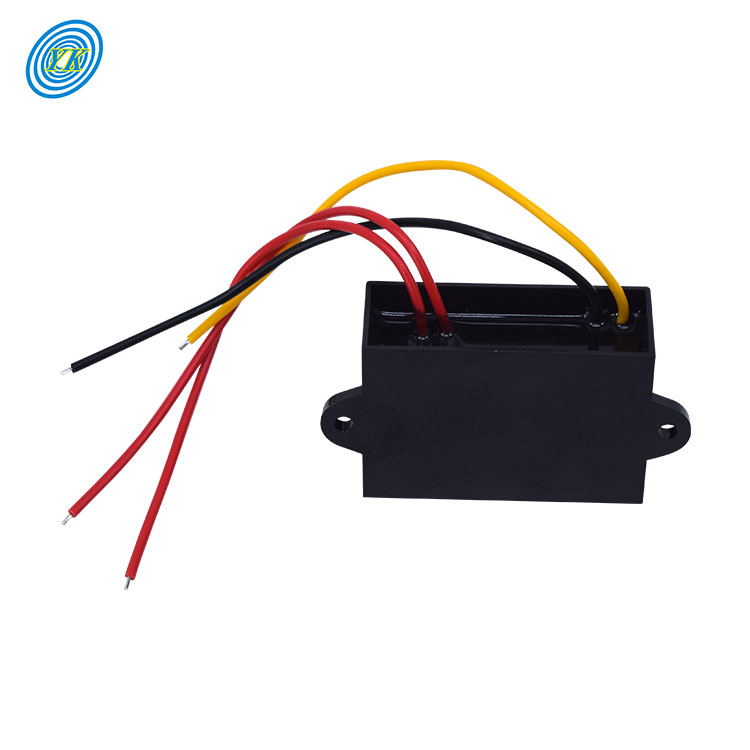
10~26VAC to 5V 3A 5A AC DC Buck Step Down Voltage Power Converter
- Input Dual-Mode: 10~26VAC / 12~36VDC
- Output Current: 5V DC / 3A - 5A
- Surge Protection: TVS Clamp Integrated
-
Telecom Rectifier
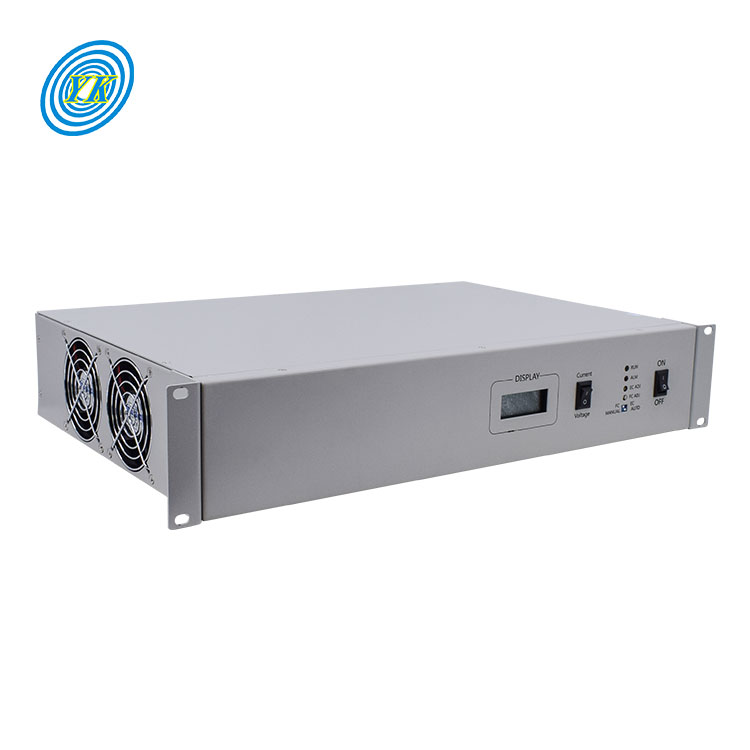
System Rectifier Power 110Vac to 24Vdc 10/20/30/40/50/60/80/100A Switching Power Supply
- AC Grid Input: 110VAC ± 20% 50/60Hz
- DC Amperage: 10A – 100A Scalable
- Form Factor: 19" Industrial Rack
-
Automotive Grade
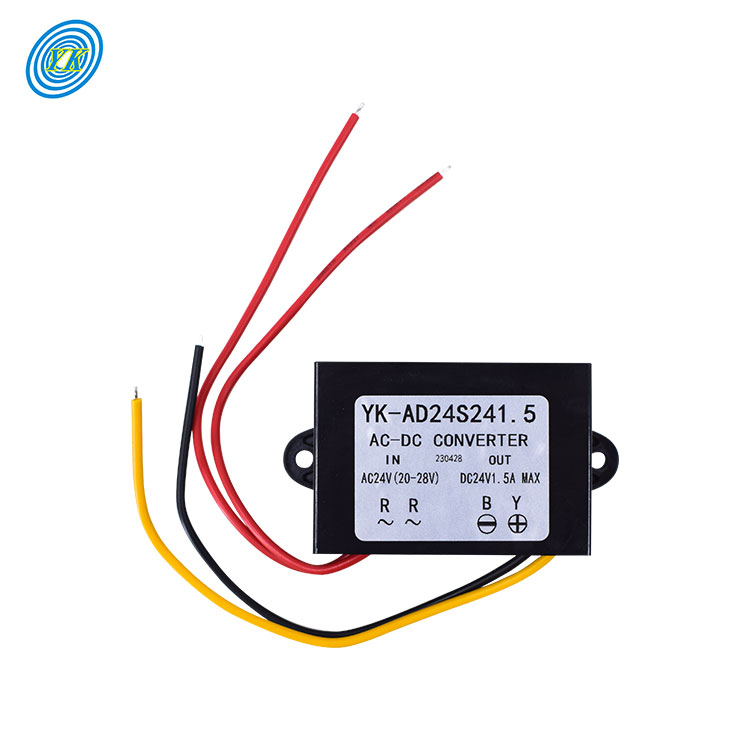
AC 24V to DC 5V 3A Buck Converter Voltage Regulator Power Supply Waterproof Module for Car
- Input Parameter: AC 24V (16V-28V)
- Output Topology: DC 5V / 3A Regulated
- Enclosure: Anti-Vibration Aluminum
-
Galvanic Isolation
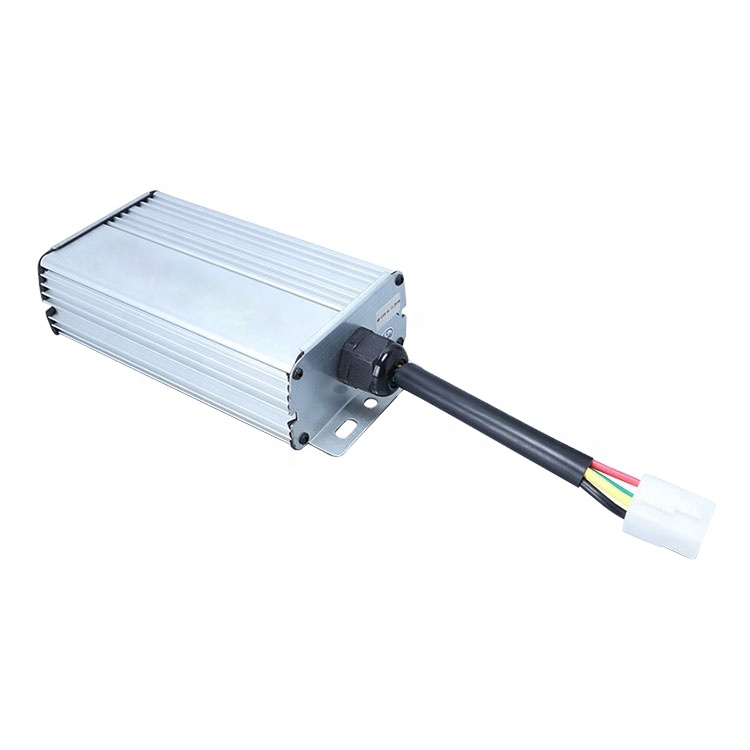
Isolated 72v 60v 48v to 24v Dc to Dc Step Down Buck Converter
- Wide Range Input: 36V – 90V DC Continuous
- Galvanic Barrier: 1500V DC Hi-Pot Isol.
- Output Regulation: 24V DC Fixed (±1%)
-
High Power Boost
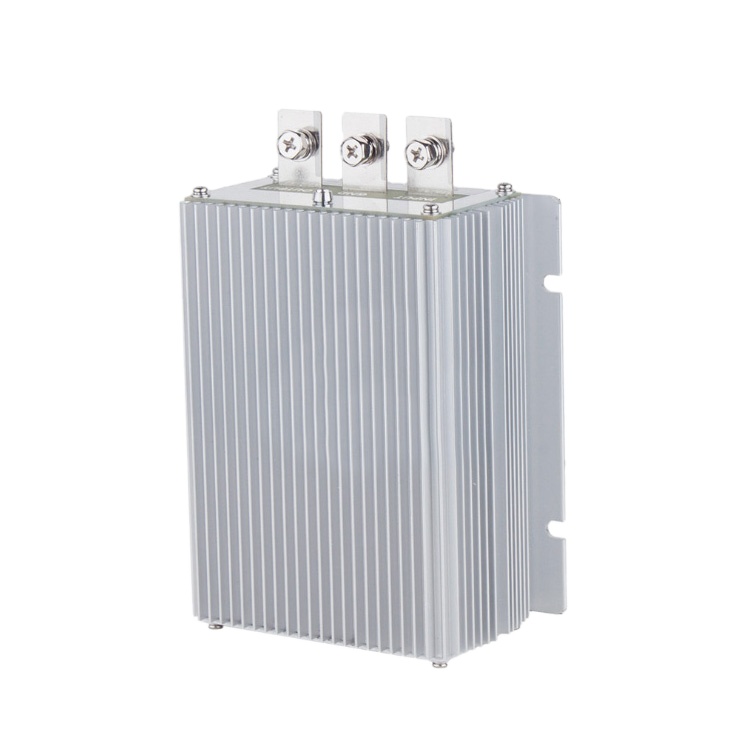
High Efficiency 1440W 36V to 48V 30A boost Waterproof IP67 Step up DC to DC Converters
- Input Operation: 30V – 42V DC
- Heavy Load Output: 48V DC / 30A (1440W)
- Thermal Control: Convection Fin Housing
-
EV / ESS Buck

Factory Price High Voltage Regulator 84v to 12v 15A 180W Dc Buck Converter
- High-Voltage In: 50V – 100V DC Max
- Low-Voltage Rail: 12V DC / 15A (180W)
- Safety Features: OCP, OVP, OTP Protection
Why Tier-1 Integrators Partner With Our Factory
Combining 23+ years of ISO 9001:2015 manufacturing with verified SGS onsite compliance, delivering turnkey power supplies that satisfy strict global electromagnetic and functional safety norms.
SGS-Audited Production & ISO 9001
Every step across our 1,229 m² facility conforms to certified ISO 9001:2015 regimes. Our factory premises, welding quality, assembly workstations, and staff competencies are comprehensively inspected and audited onsite by SGS Group, giving contract procurement managers full transparency.
Deep OEM / ODM Architectural Customization
Unlike generic brokers, we house hardware and firmware engineers capable of design-based and sample-based fabrication. We configure custom PCB layouts, input ranges up to 600VDC, synchronous rectification circuits, proprietary aluminum extrusions, specialized multi-pin connectors, and custom labeling.
Rigorous 100% Function & Burn-In Aging
Reliability in DC voltage conversion requires zero tolerance for thermal failure. Every single converter unit undergoes an automated 5-stage quality audit: Incoming AQL inspection, precision PCB SMT and wave soldering, active oscilloscope waveform checks, 100% full-load burn-in aging, and final Hi-Pot isolation testing.
US Warehouse Stock & Global Logistics
To eliminate shipping bottlenecks, we maintain strategically placed inventories in our United States overseas warehouse for high-demand DC-DC buck modules and vehicle voltage regulators. For custom export shipments, we provide comprehensive Incoterms including FOB, CFR, CIF, EXW, FCA, CPT, and DDP door-to-door delivery.
Global Compliance: CE, RoHS, and FCC
Our power conversion hardware is compliant with international directives. We provide verified test certificates for EN 55032/EN 55035 EMC, Low Voltage Directive (LVD), RoHS hazardous substance restriction, and FCC Part 15 Class B compliance, ensuring effortless customs clearance and frictionless distribution across North America and Europe.
24/7 Dedicated Power Engineering Support
Procuring industrial electronics requires knowledgeable support. Our bilingual application engineering team maintains a documented 98.2% responsiveness metric. We provide immediate guidance on wiring sizing, ripple voltage reduction, inductance matching, and thermal management throughout the product lifecycle.
DC Power Conversion Procurement & Technological Evolution
An engineering analysis of modern power architectures, wide bandgap semiconductors, high-voltage bus integration, and supply chain risk mitigation for procurement executives.
In modern power electronic ecosystems, the transition from conventional silicon-based MOSFET regulators to high-density DC-DC converters is accelerating at a historic pace. Driven by high-voltage battery banks in industrial utility vehicles, microgrid energy storage systems (BESS), and telecom base station modernization (such as 5G remote radio heads), electrical engineering teams are setting stringent requirements for thermal density, wide-voltage operation, and electromagnetic compatibility. Procuring engineers are no longer looking simply for standard off-the-shelf regulators; they are demanding custom topologies that eliminate failure modes caused by parasitic line inductance, inrush currents, and severe thermal bottlenecks.
Three primary technological shifts govern the present and future development of OEM DC voltage conversion hardware:
1. Wide Bandgap Semiconductors (GaN & SiC)
The integration of Silicon Carbide (SiC) and Gallium Nitride (GaN) switching components allows converters to operate at drastically elevated switching frequencies (from 150kHz upwards of 500kHz+). This reduces the physical volume of magnetic inductors and smoothing capacitors by over 40%, yielding power conversion efficiencies greater than 96.5% while dramatically cutting thermal dissipation inside sealed IP67 enclosures.
2. Multi-Voltage Bus Heterogeneity
As commercial electrification transitions from 12V and 24V architectures to 48V, 72V, 84V, and 96V DC buses (particularly across electric forklifts, automated guided vehicles, and low-speed EVs), onboard step-down buck converters must safely bridge these high rails to sensitive 5V and 12V telemetry, IoT sensors, cameras, and display electronics without risking dielectric breakdown.
3. Advanced Galvanic Isolation Protocols
Industrial ground loops, lightning surges, and back-EMF from heavy inductive motor starts present catastrophic risks to control microcontrollers. Future procurement strategies increasingly prioritize high galvanic isolation ratings (1500VDC to 3000VDC optocoupled or transformer-isolated barriers) to physically decouple the load-side electronics from high-voltage transients.
| Converter Architecture | Typical Input Ranges | Standard Regulated Outputs | Efficiency Benchmark | Ideal Application Environments |
|---|---|---|---|---|
| Non-Isolated Synchronous Buck | 18V – 36V / 36V – 84V DC | 5V, 12V, 24V (3A – 50A) | 93% – 96% | Automotive auxiliary circuits, LED driver systems, vehicle telemetry. |
| High-Isolation Step-Down Module | 36V – 90V / 72V – 120V DC | 12V, 24V (Fixed, Low-Ripple) | 89% – 92% | Telecom DC power distribution, railway signaling, industrial automation. |
| High-Power Boost (Step-Up) Converter | 10V – 15V / 20V – 30V DC | 24V, 30V, 48V (Up to 1440W) | 92% – 95% | Off-grid battery boosting, Starlink mobile arrays, marine navigation. |
| Telecom Switching System Rectifier | 85V – 265V AC / 110V – 220V AC | 24V, 48V DC (10A – 100A+) | 91% – 94% | Carrier base stations, data center rack power, battery floating rectifiers. |
Procurement Trend Analysis: When evaluating OEM/ODM contracts, engineering executives increasingly look past initial unit costs and focus on the Total Cost of Ownership (TCO). In mission-critical field deployments, a single converter failure can halt an entire telecom remote tower or ground an industrial fleet. Sourcing directly from an established factory like Varnix Technology Co., Ltd.—with full-cycle in-house testing, established component sourcing channels, and guaranteed lifecycle availability—ensures design protection and eliminates the severe warranty expenses associated with unvetted sub-tier electronic assembly vendors.
Frequently Asked Questions on OEM/ODM DC Converters
Direct technical and commercial answers to help procurement managers and hardware design teams evaluate custom production parameters.
What is the difference between isolated and non-isolated DC voltage converters?
What custom parameters can be configured under your OEM/ODM program?
How do you verify operational reliability and prevent early failure in field installations?
What are the minimum order quantities (MOQ) and production lead times?
How do your converters handle continuous thermal load in high-ambient environments?
What international export certifications accompany shipments?
Ready to Engineer or Procure Custom DC Power Hardware?
Connect directly with our senior power electronics engineering team. Provide your required input/output voltages, wattage, environmental sealing level, and target order volume for an immediate technical evaluation and transparent factory quotation.