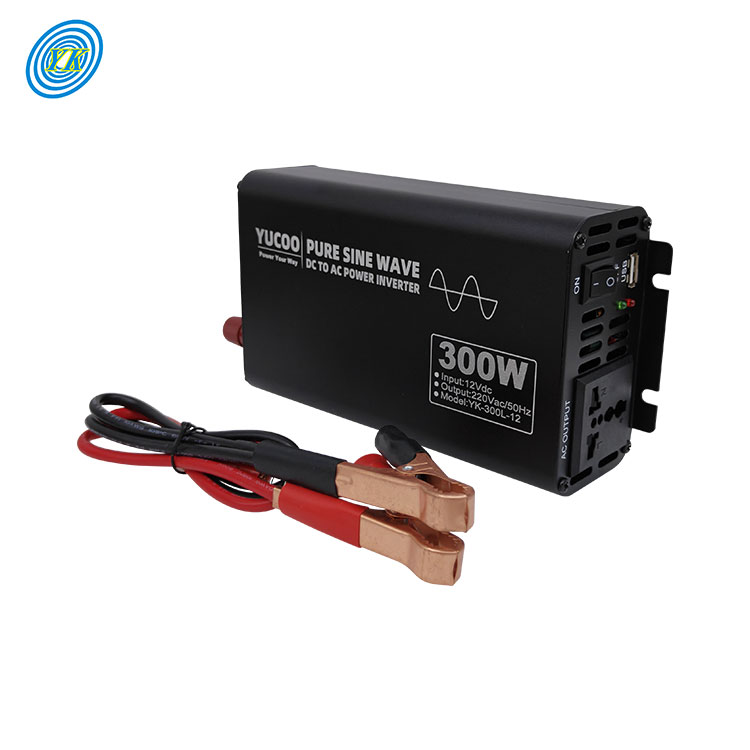
Car Power Inverter DC 12V 24V to AC 110V 220V 300W Pure Sine Wave Inverter With USB Port
TopologyHigh Frequency Step-Up
Output THD< 3% Clean Wave
EfficiencyUp to 92%
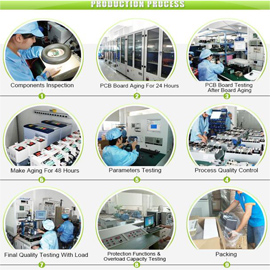
Engineered for industrial telemetry, mobile electronics, RV conversion, and telecom base station deployment with 100% full-load burn-in validation.
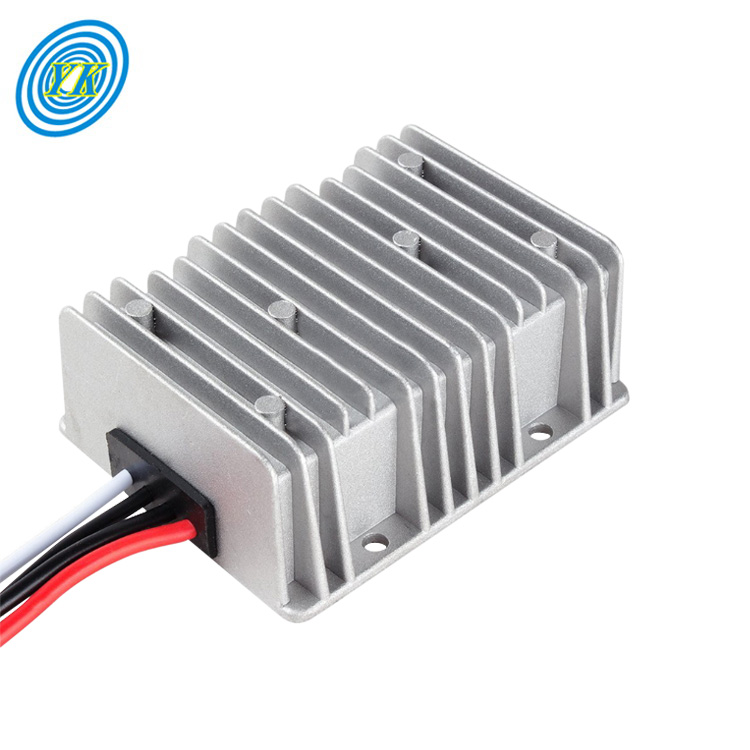
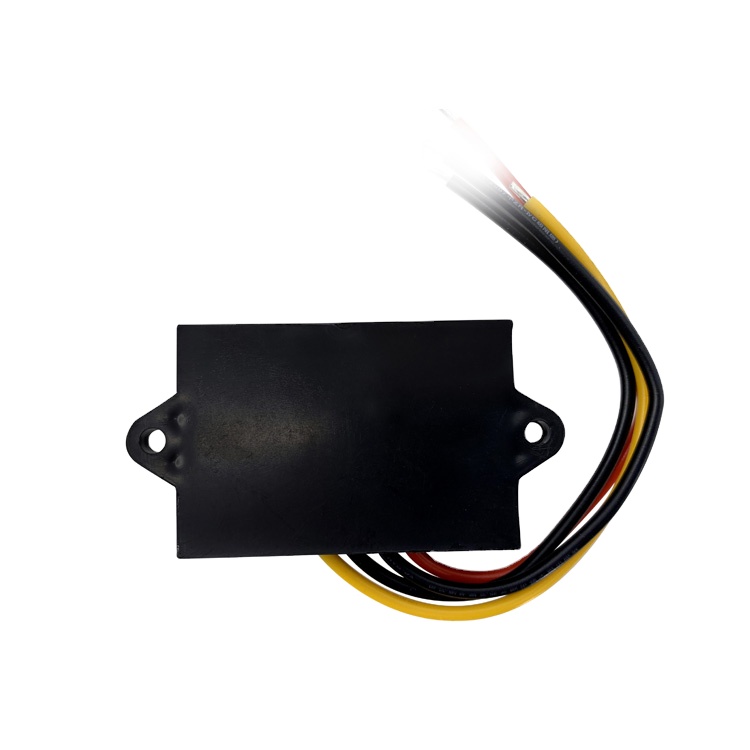
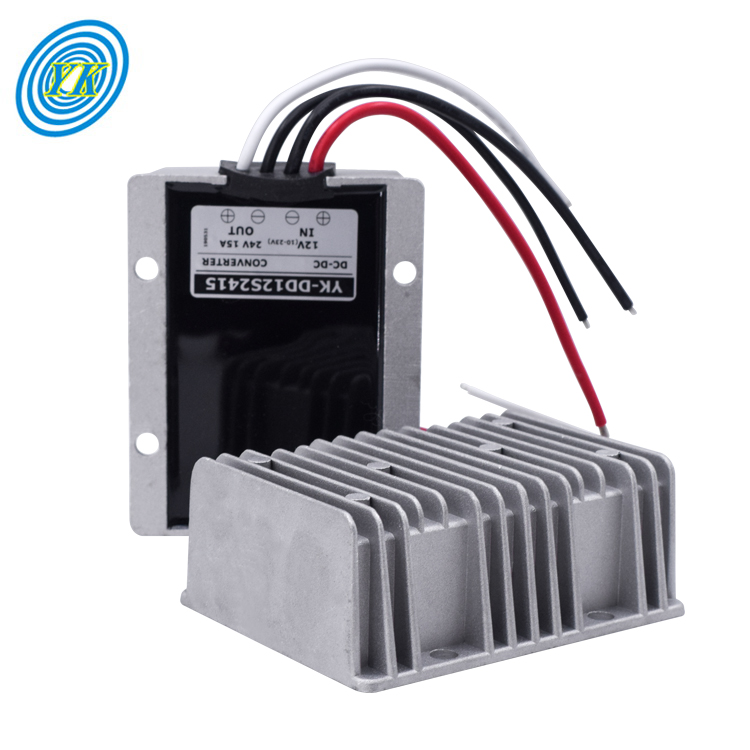
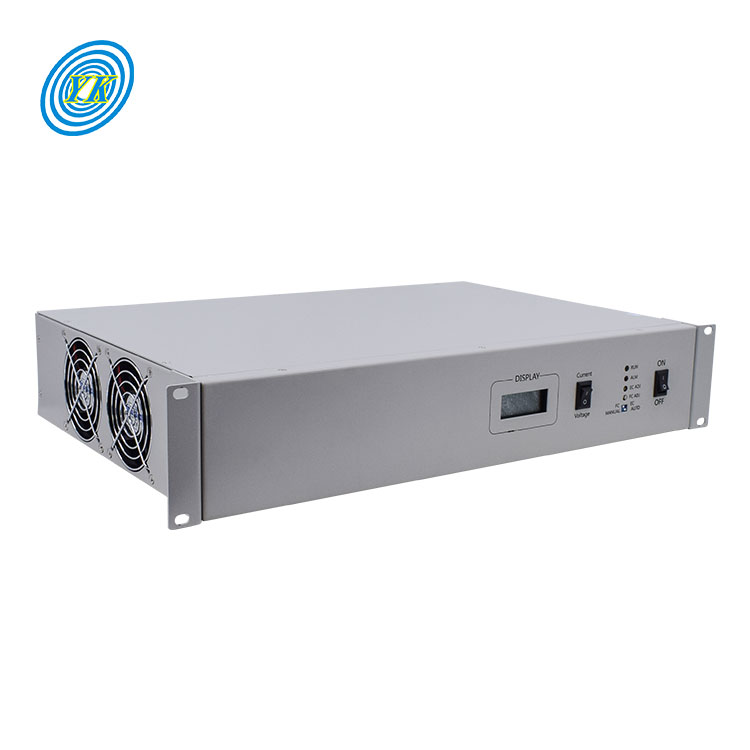
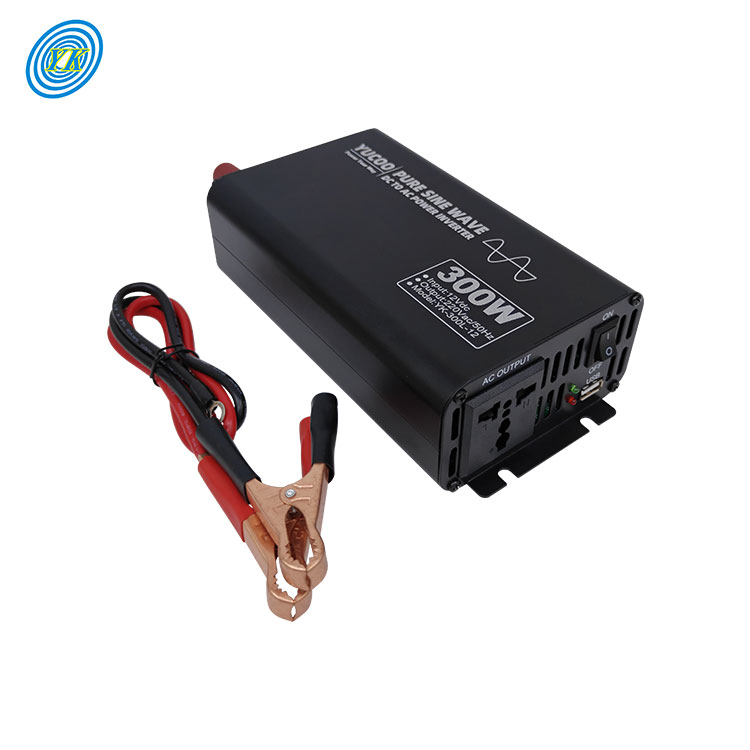
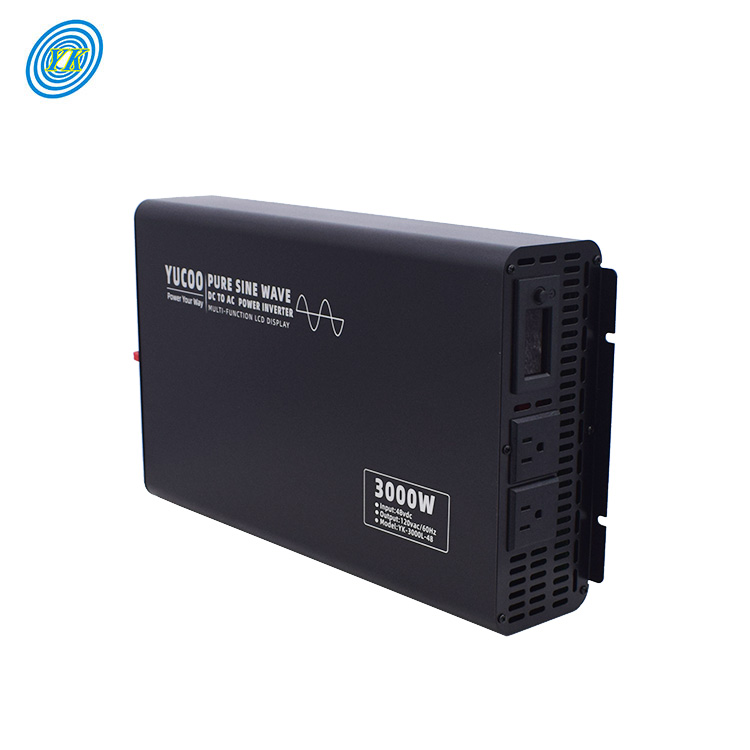
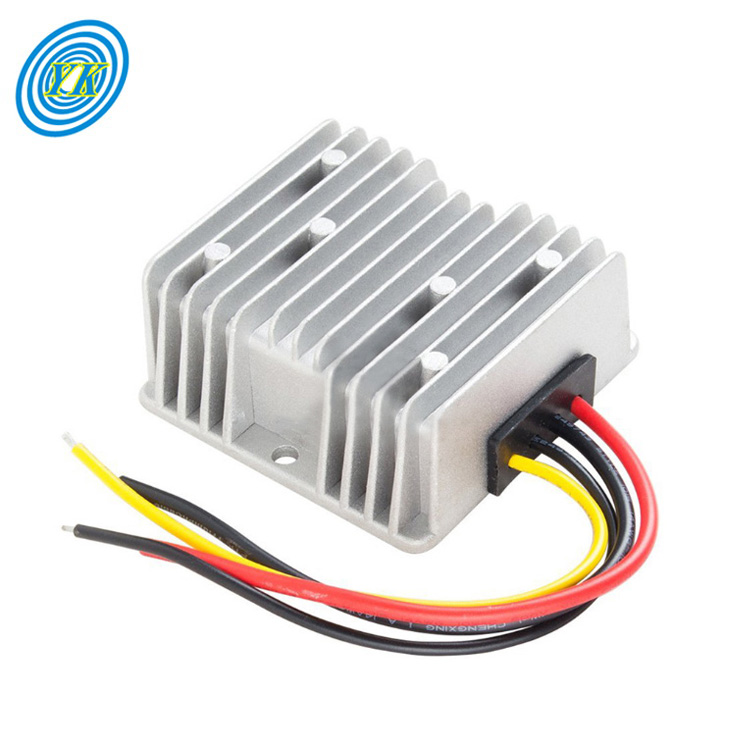
Comparative technical audit covering power densities, thermal configurations, minimum order thresholds, and lead-time capabilities across top-tier international suppliers.
| Manufacturer / Exporter | Origin | Primary Topologies & Voltage | Max Efficiency | OEM/ODM Flexibility | Tier Classification |
|---|---|---|---|---|---|
| Varnix Technology (YUCOO) | Guangdong, China | Synchronous Boost, Buck-Boost (8V–72V to 12V/24V/48V) | 96.8% | Custom PCB, housing, voltage & potting (MOQ 1–10 pcs) | Leader: OEM/ODM |
| Vicor Corporation | United States | Zero-Voltage Switching (ZVS), Factorized Power Architecture | 98.0% | High engineering cost, high volume enterprise only | Tier 1: Aerospace |
| TDK-Lambda | Japan | Industrial DIN-Rail & On-Board Boost Regulators | 95.5% | Standard industrial catalog, extended lead-times | Tier 1: Industrial |
| Mean Well Enterprises | Taiwan, China | Enclosed, PCB On-Board & Din-Rail Modular DC-DC | 93.0% | Catalog fixed-spec distribution; low custom support | Global Standard |
| XP Power | United Kingdom | Precision High-Voltage Step-Up (up to 10kV) & Medical DC-DC | 94.0% | Medical/Defense dedicated programs, higher unit cost | Tier 1: Medical |
| Cincon Electronics | Taiwan, China | High-density brick converters (Railway & Telecom Step-up) | 92.5% | Semi-custom board-mount solutions | Tier 2: Railway |
| P-Duke Power | Taiwan, China | Medical / Railway certified board-mount DC boost units | 93.5% | Strict component customization standards | Specialized Board |
| Recom Power | Austria | Compact low-to-mid power modular boost chips & blocks | 94.0% | Standard distribution focus with long product lifecycles | Component Focus |
| Murata Power Solutions | Japan | Isolated board-mount DC-DC boost modules for IT & Server | 95.0% | High MOQs; standardized IT footprint packages | Enterprise Telecom |
| Traco Electronic AG (TRACO POWER) | Switzerland | Ruggedized industrial boost regulators & railway converters | 93.0% | Catalog-driven via global electronic distributors | Industrial Brand |
While Tier 1 European and Japanese component makers excel at standardized on-board silicon bricks, international equipment builders frequently experience rigid minimum purchase quantities (MOQs > 1,000 units), lengthy 16-to-24 week lead times, and prohibitive custom-tooling costs. Direct manufacturers such as Varnix Technology offer rapid mechanical prototyping, configurable voltage set-points, IP67 silicone potting, and localized US warehouse availability for agile supply chain deployments.
How Wide Bandgap (WBG) semiconductors, automotive electrification, and micro-grid battery arrays are transforming industrial boost converter designs.
The transition from silicon MOSFETs to Gallium Nitride (GaN) and Silicon Carbide (SiC) enables switching frequencies exceeding 500 kHz to 1 MHz. This drastically minimizes magnetic inductor volume, cuts total footprint by up to 45%, and elevates full-load conversion efficiency past the 97% barrier.
Driven by commercial EV architectures, Starlink high-power satellite antennas, and AI rack-level 48V distribution buses, sourcing demand is heavily shifting away from legacy 12V boost converters toward wide-window 24V/48V step-up devices capable of delivering 30V, 57V, and up to 380V DC rails with near-zero voltage drop.
Procurement teams increasingly require military-spec polyurethane or silicone vacuum potting over basic conformal coating. IP67 and IP68 waterproof ratings have become baseline criteria for marine, commercial vehicle under-chassis, and remote 5G outdoor small-cell installations.
Analog PWM controllers are transitioning to DSP-managed digitally controlled converters. Industrial users demand embedded PMBus or CAN communication protocols to monitor real-time thermal throttling, operating junction temperature, transient current spikes, and component life expectancies remotely.
Four mission-critical calculations and structural decisions every electrical procurement team must evaluate before issuing purchase contracts.
In step-up boost converters, the input current is substantially higher than the output load current. A common engineering error is failing to account for conversion loss at minimal input voltage.
A 12V to 24V 20A (480W) converter running at 90% efficiency draws ~44.4A at 12V input! Heavy gauge wire and robust heat sinks are mandatory.
Determine ground architecture early. Non-isolated converters share a common negative rail, offering higher efficiency (>95%) and smaller footprint. Choose isolated topologies (flyback/push-pull) when isolating noise between noisy DC alternators and sensitive telecom or RF transmitters.
Capacitive loads and DC motors generate massive initial startup current surges (3x to 5x continuous rating). When evaluating exporters, verify whether the converter uses rigid cycle-by-cycle over-current protection that shuts down or hiccup current-limiting mode that safely powers the load up.
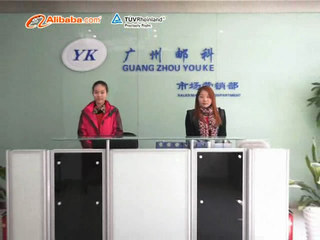
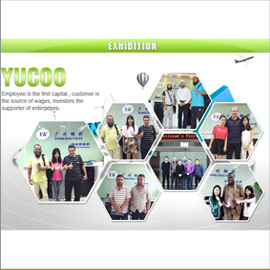
Founded in 2003 in Guangdong, China, Varnix Technology Co., Ltd. (YUCOO) operates as an elite manufacturer specialized in power electronics. Operating across 1,229 m² of specialized production space, our engineering team manages complete product lifecycles—from PCB layout design to final burn-in chamber qualification.
Unlike pure trading agents, our facilities are verified onsite by SGS Group and certified under ISO 9001:2015. All commercialized DC-DC boost converters, telecom inverters, and high-frequency DC stabilizers hold complete CE, RoHS, and FCC compliance certificates ready for international customs clearance.
In-depth responses to critical technical and logistical questions faced by global importers, electrical engineers, and distribution buyers.
Connect directly with our Guangzhou manufacturing facility. Get technical datasheets, 3D CAD models for enclosure integration, or custom sample prototypes tailored to your exact voltage rails.