Buck Module

Tested under rigorous 100% full-load burn-in conditions to withstand the heavy duty cycles of Midwestern cold storage, mobile freight, and automation grids.
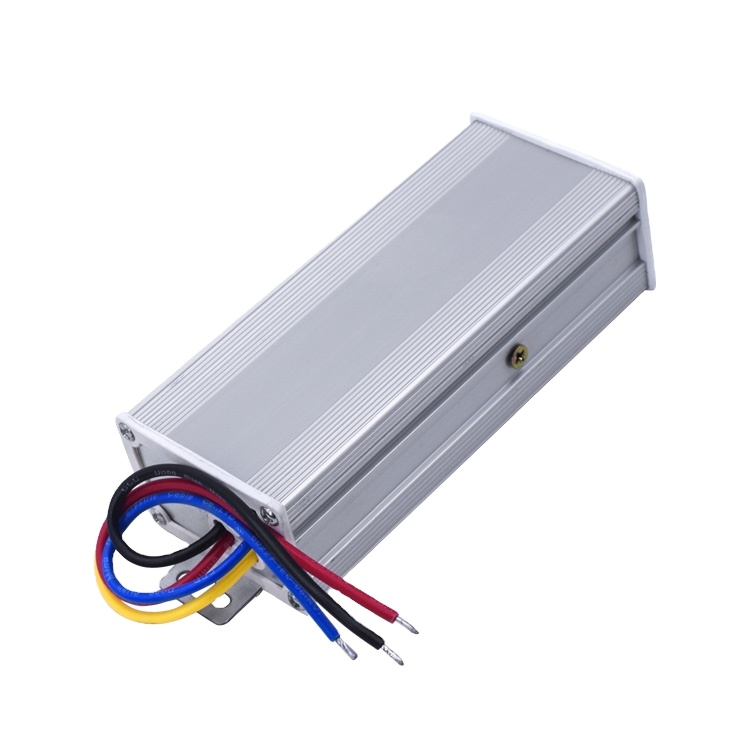
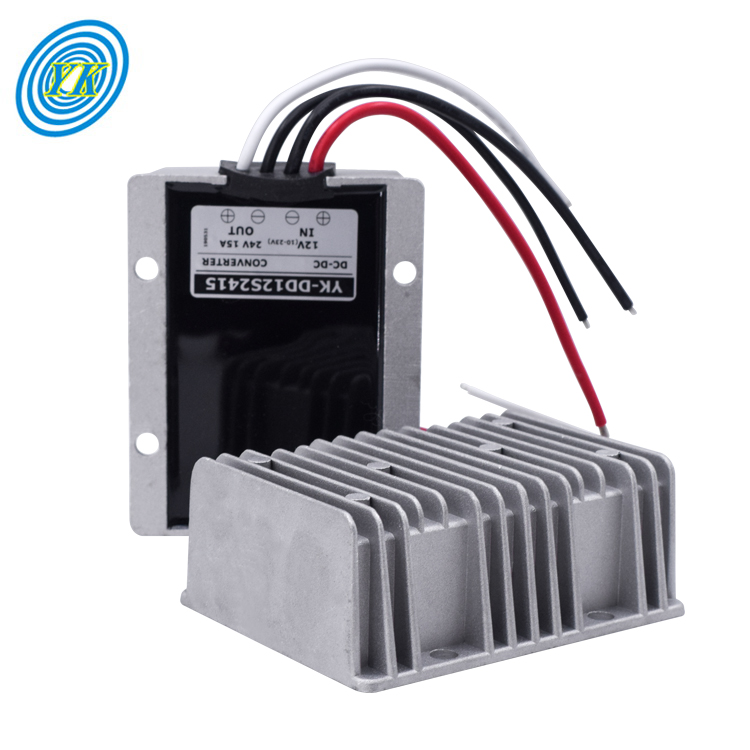

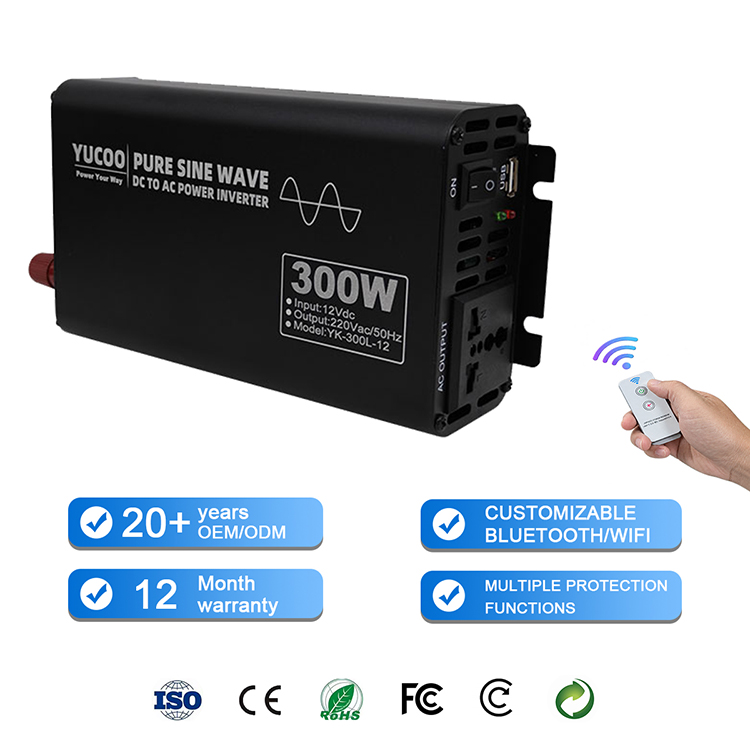
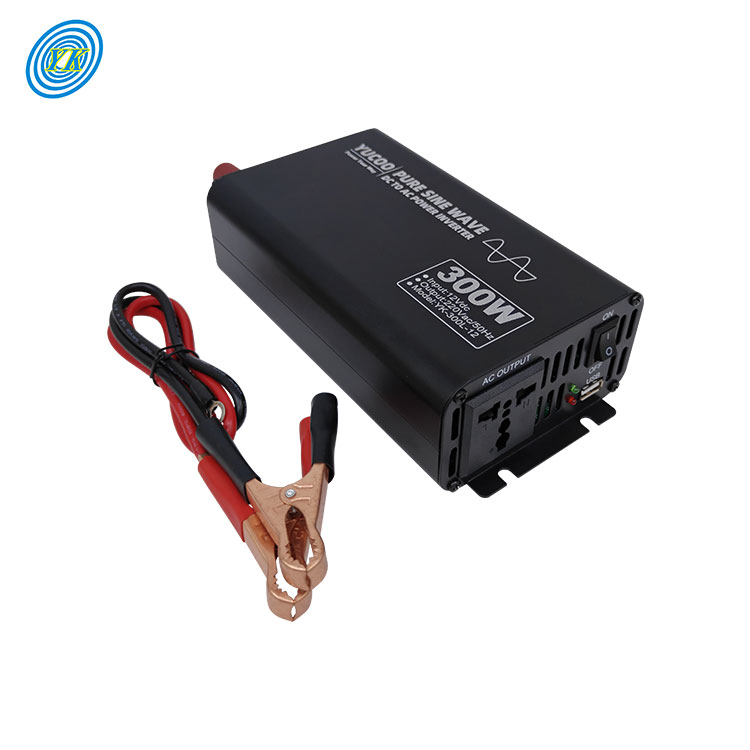
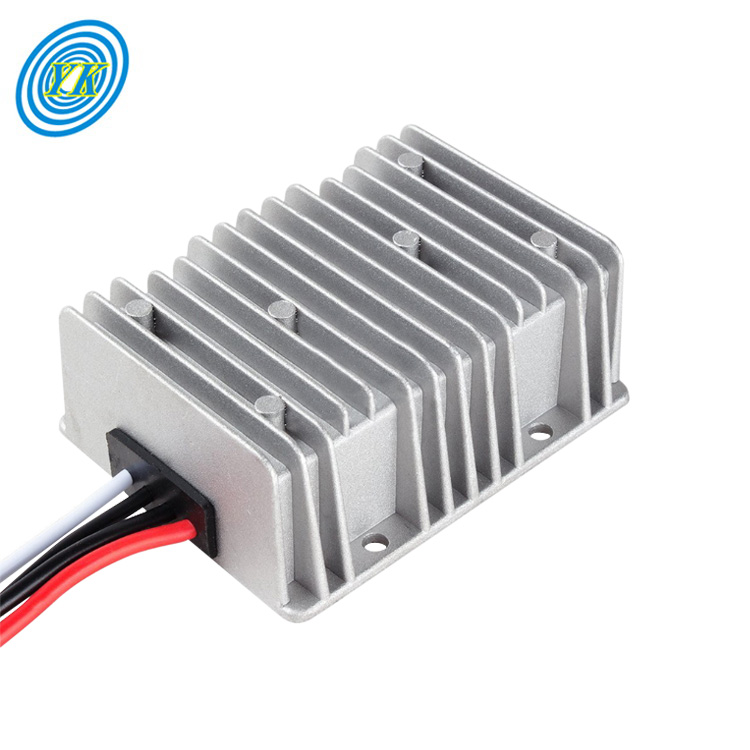
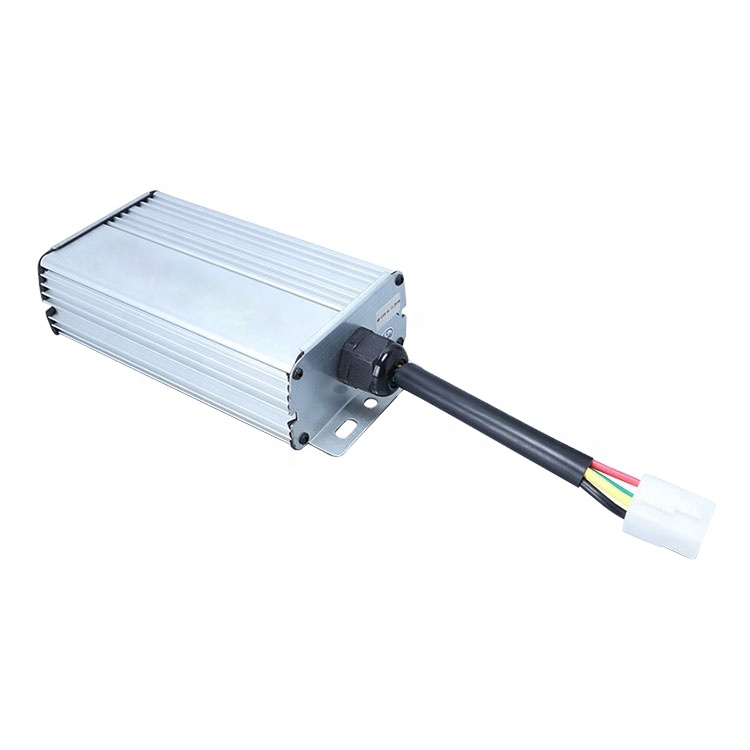
The Chicago metropolitan area—spanning Cook County, DuPage, and the surrounding I-55 / I-80 distribution corridors—represents North America's most demanding logistics and manufacturing nexus. For electrical engineers, plant maintenance superintendents, and fleet managers across Illinois, stable direct-current power supplies are foundational infrastructure. Unlike consumer electronics where minor fluctuations in voltage pass unnoticed, mission-critical systems in Chicagoland encounter severe input distortion caused by heavy inductive loads, massive battery banks during dynamic charging cycles, and sub-zero Midwestern freeze-thaw swings.
A true Constant Voltage (CV) Power Supply operates by dynamically altering internal impedance through pulse-width modulation (PWM) feedback topologies. When input voltages swing wildly—such as a 24V material-handling AGV during maximum acceleration, or a heavy-duty freight truck starter cranking an alternator—the CV converter guarantees an exact, unvarying potential difference (such as 12.0V, 13.8V, or 24.0V) across the load terminals. Without high-speed feedback loop compensation and heavy inductor filtering, voltage sags cause programmable logic controllers (PLCs) to drop off industrial Ethernet networks, while overvoltage spikes instantly destroy downstream sensors, telematics modules, and LiDAR navigation systems.
Procurement teams sourcing constant voltage hardware in the Chicago region must differentiate between low-cost commodity modules and genuine industrial-grade systems. Factors including peak starting current handling, galvanic isolation to prevent differential earth voltage loops between machine segments, and thermal de-rating margins at both high operating temperatures and during deep-winter operations (-40°C) dictate the total cost of ownership (TCO) across complex enterprise deployments.
How our DC-DC constant voltage converters and pure sine wave systems power core infrastructure across Illinois transportation, manufacturing, and communications.
Operating through the vast BNSF and Union Pacific yards in Chicago, freight trucks and yard spotters utilize our isolated 48V–96V to 24V converters to power telematics, onboard weigh scales, and electronic logging devices (ELDs) directly from fluctuating traction or starter systems without noise interference.
Fleet Telematics & In-Cab CVIn the mega-distribution hubs spanning Joliet, Romeoville, and Elgin, autonomous mobile robots (AMRs) and forklift fleets rely on 8V–40V to 13.8V buck-boost stabilizers to power vision systems, LiDAR scanners, and Starlink-enabled warehouse nodes without dropouts during regenerative braking spikes.
Industrial Robotics & AutomationCarrier switching stations and fiber backbone nodes throughout the Chicagoland corridor deploy our 19-inch rack-mount DC-DC conversion units and pure sine wave inverters, maintaining unbroken constant potential across backup battery plants during winter freeze grid alerts.
Critical Infrastructure 48VDCAs Illinois accelerates investments under clean energy legislation and industrial automation incentives, three distinct architectural shifts are impacting power supply selection across local manufacturers, electrical contractors, and distribution networks:
1. Fleet Electrification and Multi-Voltage Coexistence: Industrial yards in the Midwest are aggressively transitioning from diesel to lithium-ion utility vehicles, electric forklifts, and hybrid terminal tractors. Operating battery packs ranging from 48V up to 84V nominal requires wide-input step-down converters that insulate sensitive 12V and 24V control logic from erratic lithium chemistry charge-discharge curves.
2. Extreme Winter Environmental Hardening: Chicago's notorious winter "Polar Vortex" conditions cause standard consumer-grade capacitors to lose capacitance rapidly, leading to high-frequency ripple, switching instabilities, and premature field burnout. Enterprise specifiers are mandating industrial potting, IP67 enclosure ratings, and verified cold-start compliance at -40°C.
3. Decentralized Industrial IoT (IIoT) Deployment: Edge computing enclosures and remote optical sensing nodes placed along conveyor systems require low-noise, constant-potential regulation to prevent packet errors and sensor miscalibration in high-vibration manufacturing environments.
Why distributors, engineering contractors, and OEM builders in the American Midwest choose Varnix Technology as their long-term power conversion manufacturer.
Founded in 2003, our 1,229 m² production facility features automated wave soldering, drilling, and multi-stage assembly lines strictly verified on-site by SGS inspection teams.
Zero-defect quality methodology: Every single constant voltage power supply, inverter, and buck module completes extensive dynamic load testing and burn-in rack cycles prior to export packaging.
Full engineering test certificates, electromagnetic compatibility (EMC) documentation, and declaration of conformity (DoC) reports ready for immediate US customs clearance and UL-standard integration.
Tailored input/output voltage thresholds, custom step configurations, private-label silk screening, customized connectors, and modified aluminum heatsink castings designed to exact client prints.
Strategically stocked North American inventory for rapid local turnaround, combined with versatile international trade terms including FOB, CIF, EXW, and seamless DDP door-to-door freight.
Direct communication with power electronics engineers boasting a 98.2% rapid response rate, providing technical schematics, troubleshooting, and field application guidance whenever needed.
Direct technical answers addressing the real questions asked by Midwestern engineering contractors and industrial supply chain directors.
Galvanic isolation introduces an electrical barrier between input and output circuits using internal high-frequency transformers. In heavy transportation and automated plants, it prevents ground loops, protects delicate control circuits from high-voltage battery transients, and eliminates common-mode electrical noise that causes sensor erraticism.
Our units utilize industrial-rated components specified for -40°C to +85°C operation, encased in thermally conductive epoxy potting compound. This protects the internal synchronous rectifiers, MOSFETs, and inductors against condensation, freeze-thaw cracking, and thermal shock during sub-zero vehicle startups.
Standard models stocked in our US overseas warehouse ship domestically via ground or expedited freight within 24–48 hours, arriving at Illinois locations within 2–4 business days. Custom OEM runs and volume factory-direct orders ship under DDP terms via air express (5–8 days) or consolidated ocean container to Chicago rail hubs (22–28 days).
Yes. Varnix offers sample-based, design-based, and full-turnkey engineering customization. We routinely modify output voltages (e.g., custom 13.8V, 27.6V, 48VDC calibrations), current capacities, low-voltage disconnect setpoints, custom harness terminations, and private-label packaging with low MOQ thresholds.
Whether you require a standard 24V step-down module for fleet integration or a customized constant voltage power architecture for an industrial automation build in the Midwest, our engineering group is ready to assist with full specifications, test data, and sample units.
Inquire Now