High-Efficiency Inverters & DC-DC Converters for Danish Deployments
Engineered to comply with stringent European electrical safety standards (CE, LVD, EMC EN 301 489, EN 62368-1). Optimized for continuous 24/7/365 telecommunication nodes, remote micro-datacenters, and industrial mobile substations.
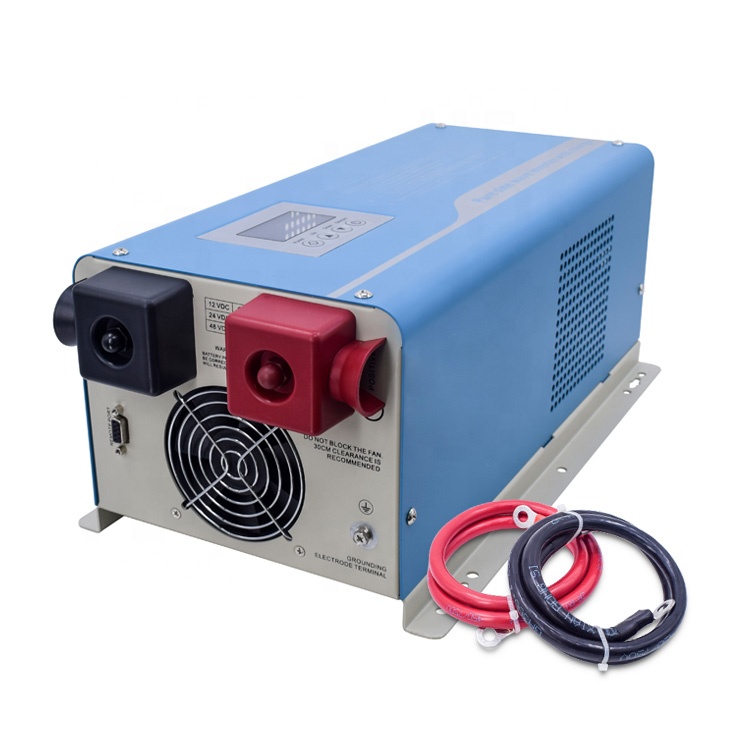
YUCOO Toroidal Pure Sine Wave Inverter 1500W 12V 220V
- TopologyLow-Loss Toroidal
- Continuous Power1500W (Peak 3000W)
- Output WaveformTHD < 3% Pure Sine
- Target AppEdge Telecom Cabinets
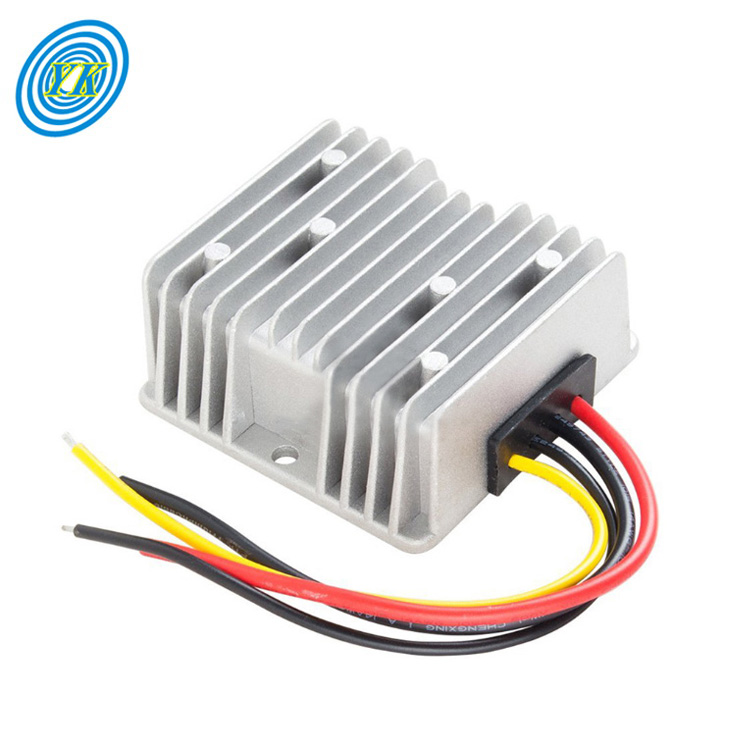
DC-DC 9-32VDC to 12VDC 12A 144W Step Up/Down Converter
- Input RangeWide 9–32 VDC
- Output Rating12V DC / 12A (144W)
- EfficiencyUp to 95.5%
- ProtectionOVP, OCP, OTP, SCP
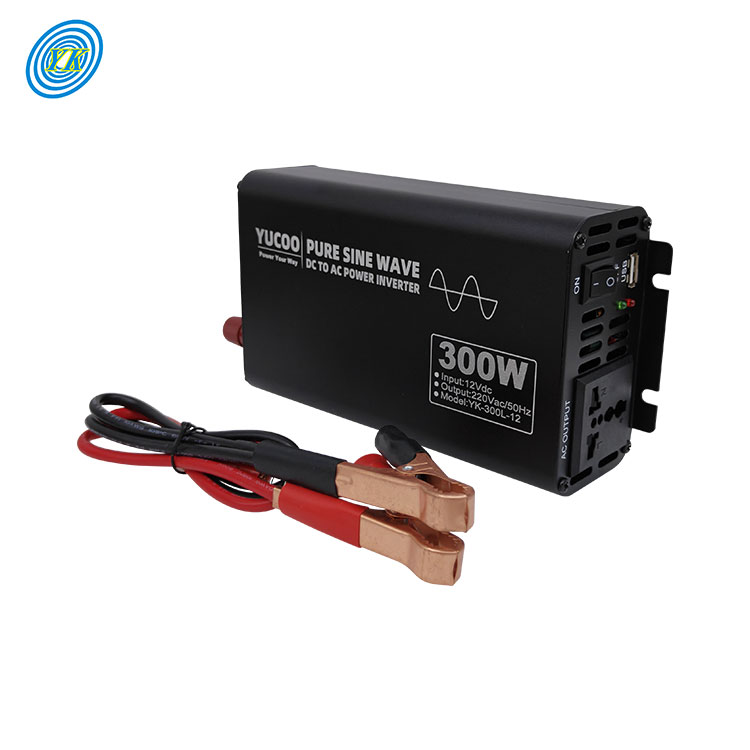
300W Pure Sine Wave Inverter 12V/24V to 220V AC with USB
- DC Dual Input12V / 24V Auto-detect
- Output AC220V / 230V 50Hz
- Aux OutputFast QC USB Charging
- Field UseMobile Diagnostic Vans

YUCOO 12V to 5V Step-Down USB Buck Power Module
- Input Voltage8V–22V DC
- Output Voltage5V DC Regulated
- Thermal DissipationEpoxy Sealed Potting
- ApplicationSensors & IoT Transceivers
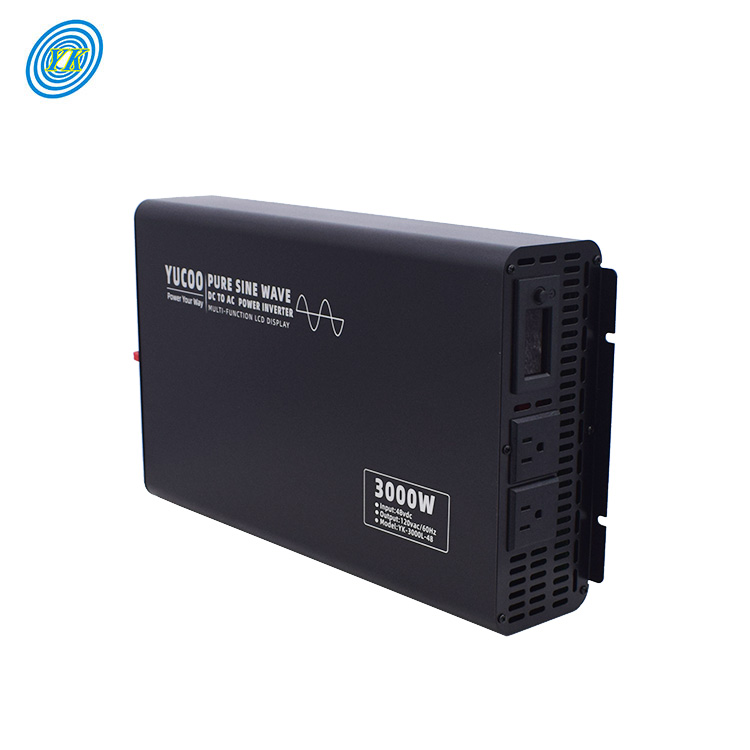
YUCOO Single Phase Pure Sine Inverter 3000W 12V/24V to 220V
- Rated Power3000W Continuous
- Peak Surge6000W Surge Rating
- Cooling ModeSmart Temperature Fan
- SuitabilityRepeater Backup Systems
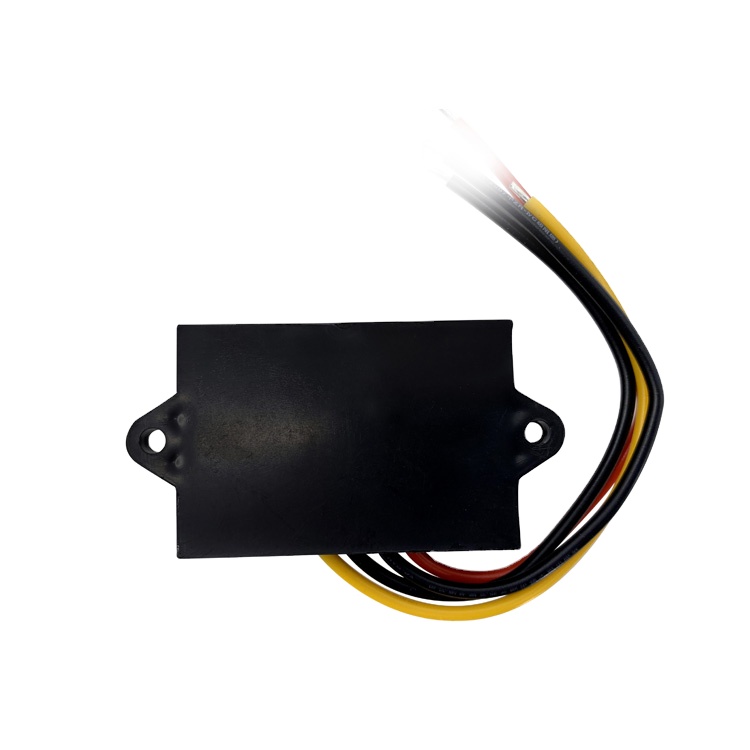
IP67 Waterproof 12/24V to 5V 5A 25W Converter Module
- Ingress RatingIP67 Immersion Rated
- Output Power5V / 5A (25W Full Load)
- EnclosureFlame-retardant ABS
- ApplicationHarsh Outdoor IoT Antennas
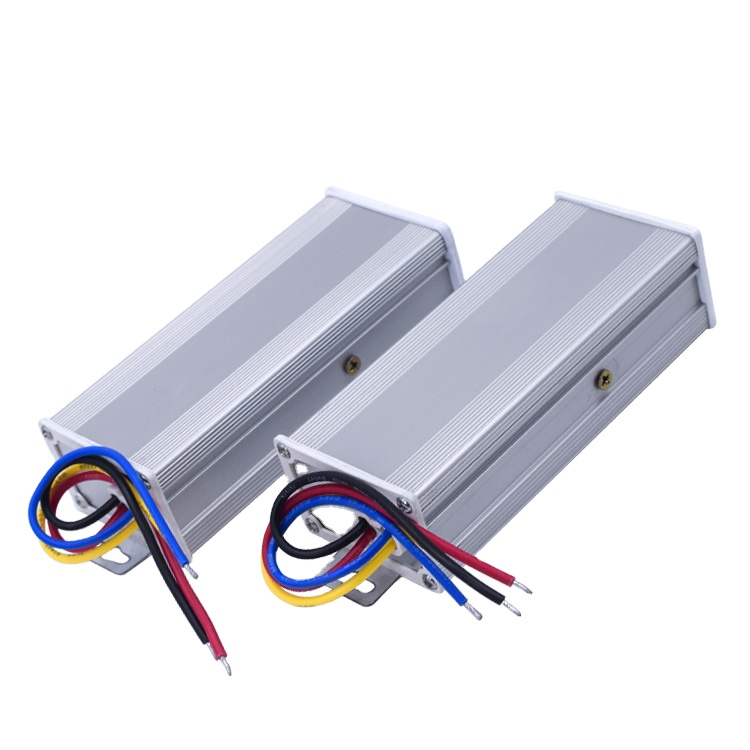
DC 40-135V to 12V 10A 120W Isolated Converter (Aluminum)
- Wide Telecom Input40V–135V Ultra-Wide
- Isolation1500VAC Ground Separation
- Heat SinkExtruded Aluminum Shell
- Application48V/110V Telecom Bus
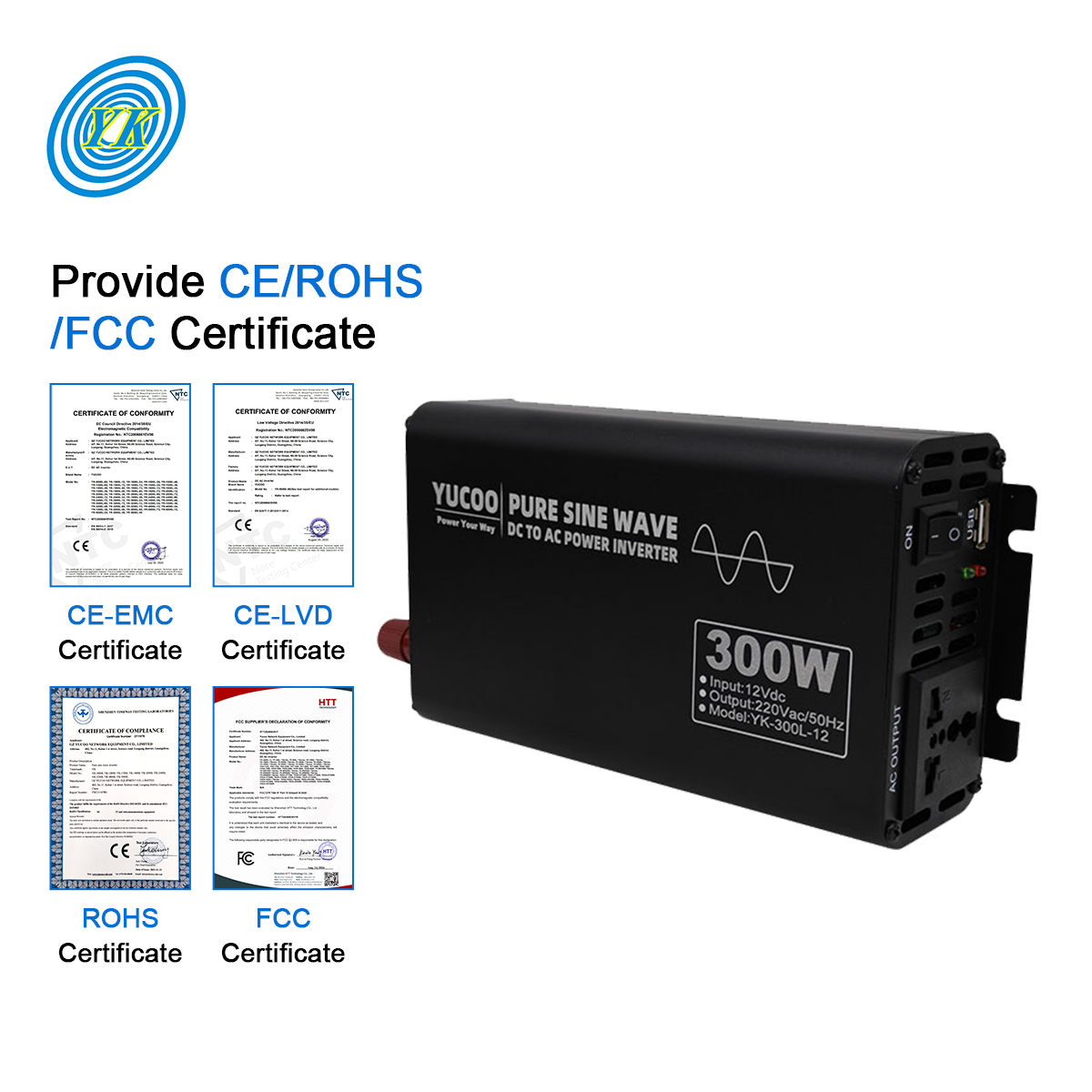
300W Pure Sine Wave Inverter 12V/24V to 220V Single-Phase
- Output Frequency50Hz ± 0.05% Crystal Clock
- Standby Current< 0.3A Energy Saver
- Protection Modes6-Stage Auto Recovery
- DeploymentService Fleets & Small Hubs
Telecom Power Infrastructure Architecture in Denmark: Engineering for Resilient Networks
A comprehensive technical analysis of environmental, electrical, and systemic requirements governing Danish telecommunications infrastructure from Jutland to Bornholm.
The telecommunications infrastructure in Denmark is globally recognized for its exceptional reliability, high fiber penetration, and rapid 5G standalone (SA) nationwide deployment. However, the Danish operational landscape imposes rigorous demands on DC-to-AC power inverters and auxiliary DC-DC converters. Systems deployed across Danish communication networks—managed by Tier-1 carriers such as TDC NET, TT-Netværket (Telia & Telenor joint venture), and 3 Denmark—must adhere to stringent power density metrics, zero-downtime tolerance, and superior environmental resilience.
In standard Danish telecom topologies, incoming AC utility power is rectified to a standard nominal -48VDC (float range 42VDC to 58VDC) battery bus backed by modern Lithium Iron Phosphate (LiFePO4) or traditional valve-regulated lead-acid (VRLA) banks. However, an increasing array of mission-critical mission-support equipment—such as core network optical transponders, network packet brokers, environmental controllers, local security monitoring, and specialized telemetry controllers—requires standard single-phase 230VAC 50Hz electricity. This creates a strategic necessity for high-reliability telecom-grade pure sine wave inverters configured with instantaneous Static Transfer Switches (STS) and true galvanic isolation.
Localized Telecom Application Scenarios Across Denmark
5G C-RAN Outdoor Micro-Shelters
Danish 5G network densification across urban centers like Copenhagen, Aarhus, and Odense relies heavily on centralized radio access network (C-RAN) hub architectures. Compact 1U/2U rack-mount inverters convert the centralized 48VDC reserve into ultra-clean 230VAC for non-DC peripheral routing, baseband processors, and fiber transceivers without injecting high-frequency harmonic feedback into the central DC battery bank.
Coastal Subsea Fiber Landing POVs
Denmark serves as the pivotal digital bridge connecting mainland Europe to the Nordics and the North Sea subsea cable networks (e.g., Havfrue, Cobra Cable). Landing facilities in Esbjerg, Blåbjerg, and the Jutland western coastline require heavy-duty inverters with conformal-coated PCBs, marine salt-mist resistant aluminum enclosures, and double galvanic isolation to guard against severe coastal humidity and inductive surges.
Offshore Wind-to-Telecom Relay Platforms
Denmark leads global offshore wind energy in the North Sea and Kattegat. Offshore wind turbines and sub-stations host automated microwave relay links and marine safety AIS repeaters. Our isolated DC-DC converters and high-surge pure sine inverters convert volatile 110V/220V auxiliary DC bus voltages into stabilized 24VDC and 230VAC for mission-critical marine radar, telemetry, and private LTE radio installations.
Macro Trends Driving Telecom Inverter Procurement Across Denmark (2025–2030)
Strategic modernization demands higher conversion efficiency, green grid integration, and remote automated diagnostics.
Stringent PUE & Carbon Neutrality Directives
Denmark has legislated binding climate targets aiming for 70% emission reduction, with Danish telecom operators proactively aiming for net-zero operational footprints. Consequently, power conversion efficiency below 92% is no longer accepted in Danish procurement tenders. Varnix custom OEM solutions incorporate advanced silicon carbide (SiC) and planar magnetic transformers, achieving peak operating efficiencies of 95.2%, substantially lowering heat rejection and climate control power loads inside base transceiver station (BTS) shelters.
Transition to Lithium LiFePO4 Fast-Cycle Batteries
Danish telecom plants are aggressively retiring legacy lead-acid VRLA blocks in favor of high-cycling 48V LiFePO4 chemistry. This transition brings narrower float tolerances, higher transient recharge currents, and sensitive BMS communication architectures. Our telecom inverters feature proprietary microprocessor-driven DC ripple filters (< 20mV RMS), shielding battery management circuits from reflected high-frequency switching harmonics.
Unmanned Site Telemetry & NIS2 Cyber Compliance
Under the EU NIS2 Directive, Danish critical communication infrastructure mandates strict remote auditing and encrypted operational data pathways. Varnix telecom inverters feature optional dual-channel RS485 / Modbus-RTU and isolated Ethernet SNMPv3 cards. Network operations centers (NOCs) in Glostrup or Hasselager can monitor real-time AC voltage, DC draw, active load percentages, inverter core temperature, and relay fault logs without cloud vulnerabilities.
Comparative Architecture: Commercial Inverters vs. Varnix Telecom Pure Sine Inverters
Why consumer/commercial grade power inverters fail in Danish telecommunication networks.
| Technical Parameter | Standard Commercial Inverters | Varnix Custom OEM Telecom Inverters | Impact on Danish Telecom Networks |
|---|---|---|---|
| Input DC Voltage Range | Fixed ± 10% (e.g., 44–52V) | Wide 40.0V – 60.0V DC Continuously | Tolerates Full Deep-Discharge Cycle |
| Waveform Purity (THD) | Modified or THD < 5% – 8% | Ultra-Clean Pure Sine Wave (THD < 2.5%) | Prevents Sensitive Transceiver Jitter |
| Transfer Time (STS Bypass) | 15ms – 30ms (Causes reboot) | ≤ 4ms Synchronous Switching | Zero Network Glitch / 99.999% Uptime |
| Galvanic Isolation | Non-isolated or basic 500V | 1500VAC Reinforced Isolation | Eliminates Ground Loops & Stray Noise |
| EMC Conducted Emissions | EN 55022 Class A (Industrial) | EN 55032 Class B & ETSI EN 300 386 | Zero Interference with 5G RF Bands |
| Enclosure & PCB Coating | Standard Solder Mask / Dry Only | Triple-Dip Conformal Coating (MIL-I-46058C) | Immune to Danish Sea Salt & Condensation |
| Cooling System | Unregulated Loud Constant Fans | Variable RPM Auto-Therm + Silent Toroidal | Extends Bearing Life to > 80,000 Hours |
Why Leading European Telecom Contractors Partner with Varnix
Founded in 2003, Varnix Technology Co., Ltd. has spent over two decades engineering and manufacturing specialized high-frequency switching power equipment, pure sine wave power inverters, DC-DC step-up/step-down converters, embedded rectifier systems, and smart charging controllers.
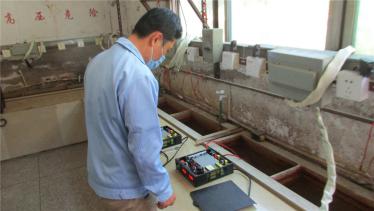
Operating from our verified 1,229 m² production complex with multiple automated SMT, welding, assembly, and burn-in testing lines, we serve international equipment vendors, systems integrators, and telecom distributors throughout Scandinavia and Western Europe.
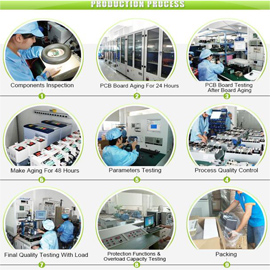
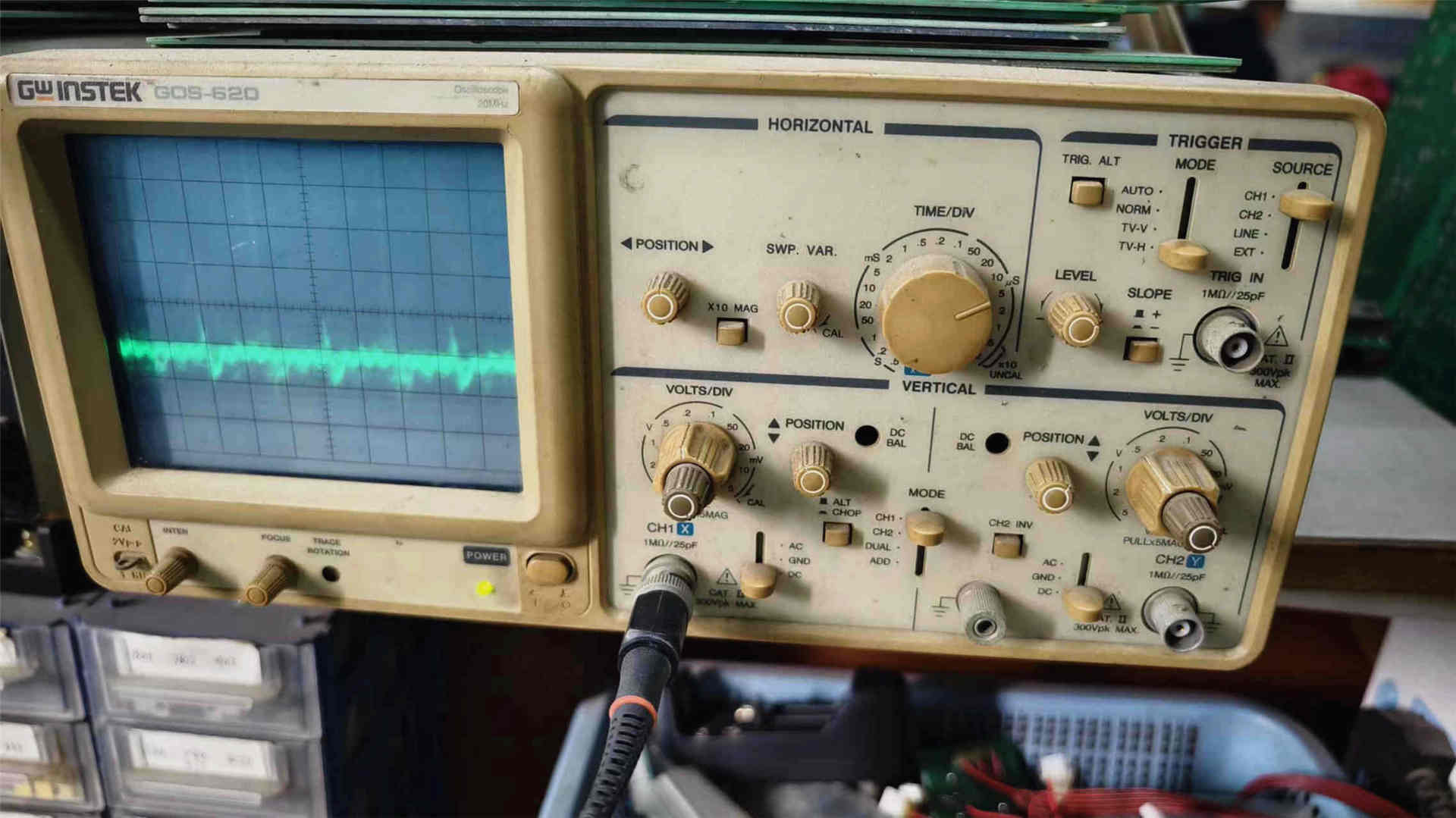
Every telecom power inverter leaving our production line is accompanied by an individualized burn-in test report, dielectric withstand voltage test records (Hi-Pot 1.5kV/3.0kV), and calibrated oscilloscope harmonic distortion waveforms.

Frequently Asked Questions: Sourcing Telecom Inverters for Denmark
Essential guidance covering technical compliance, customs clearance, minimum orders, and warranty terms for Danish procurement managers.
Do your telecom inverters comply with Danish and European electrical safety directives?
How do your power electronics handle the damp, cold, and coastal climate of Denmark?
Can you customize input DC voltages (e.g., 24V, 48V, 110V, 220V) and output configurations?
What are your typical lead times and logistics terms (Incoterms) for shipments to Denmark?
What is the Minimum Order Quantity (MOQ) for custom OEM or private-label orders?
What warranty and post-sale technical engineering support do you provide?
Deploy Reliable Telecom Power in Denmark
Consult directly with our senior power electronics engineers. Request detailed datasheets, custom input/output voltage quotes, or order prototype evaluation samples for your Danish network projects.