Pure Sine Wave
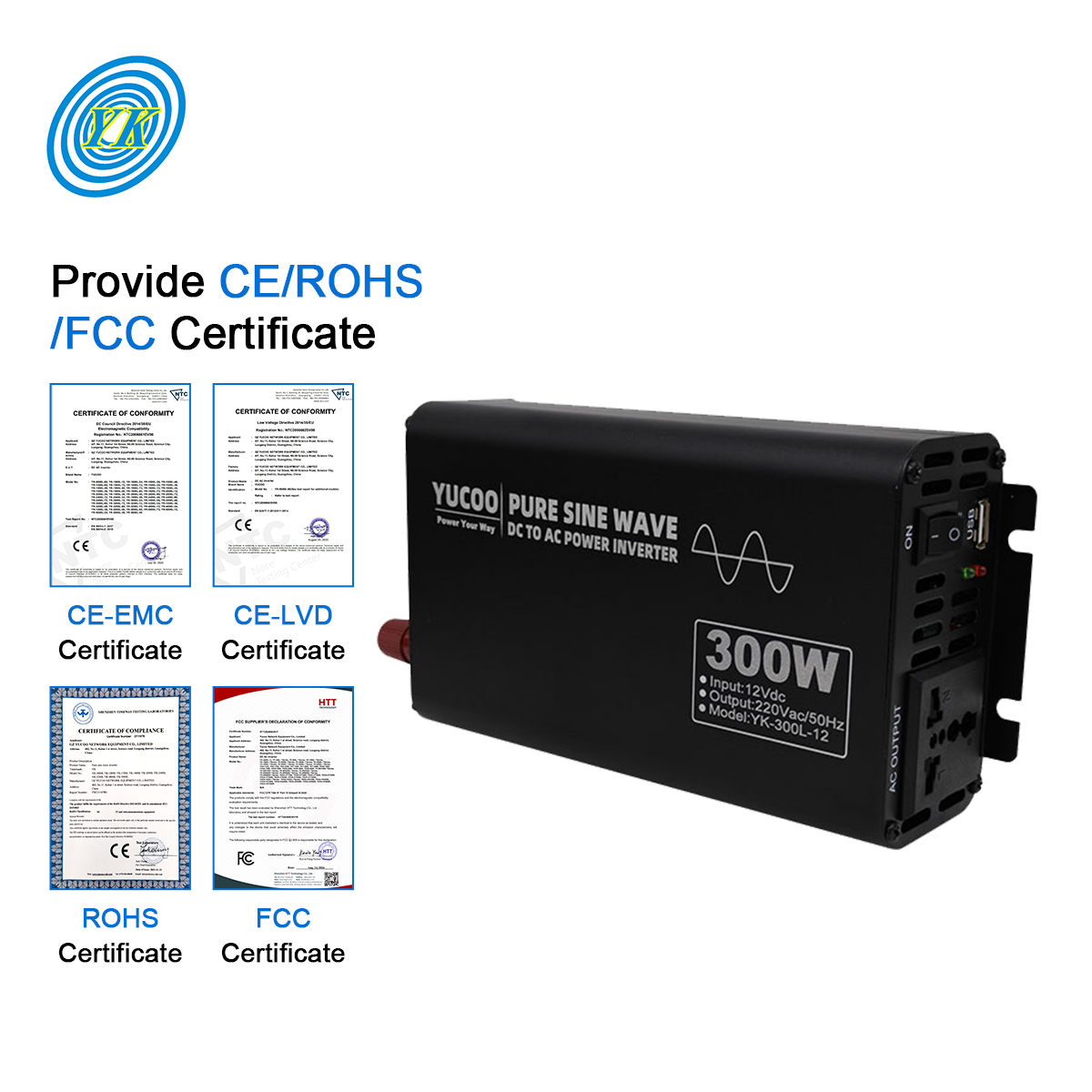
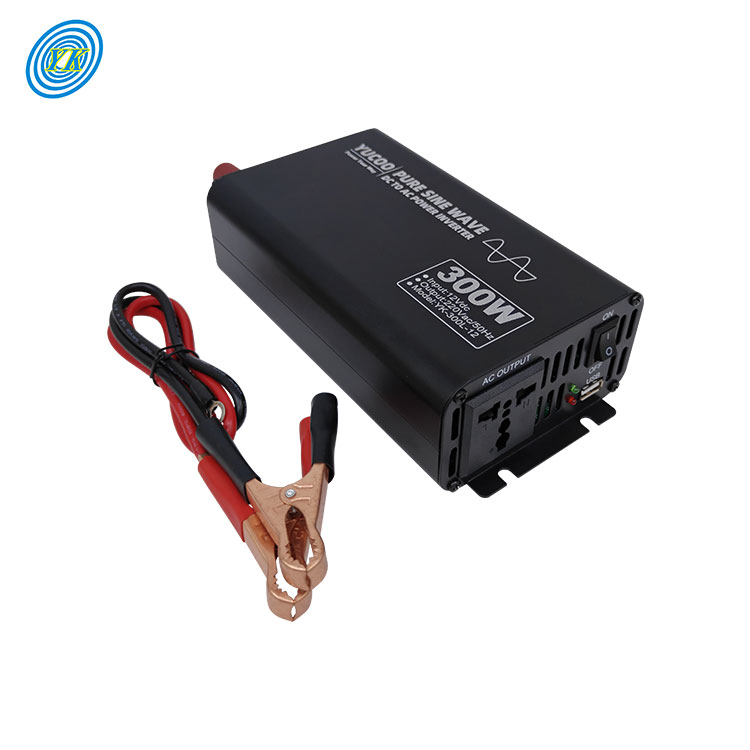
300W Pure Sine Wave Car Inverter DC 12V/24V to 110V 220V AC
- Input VoltageDC 12V / 24V
- Output Voltage110V / 220V AC
- TopologyLow THD Pure Sine Wave
- ApplicationMobile Fleets, RV & Lab Gear
Explore our certified lineup of industrial-grade DC step-down converters and pure sine wave inverters optimized for Sofia's fleet systems, telecommunication arrays, and automation networks.
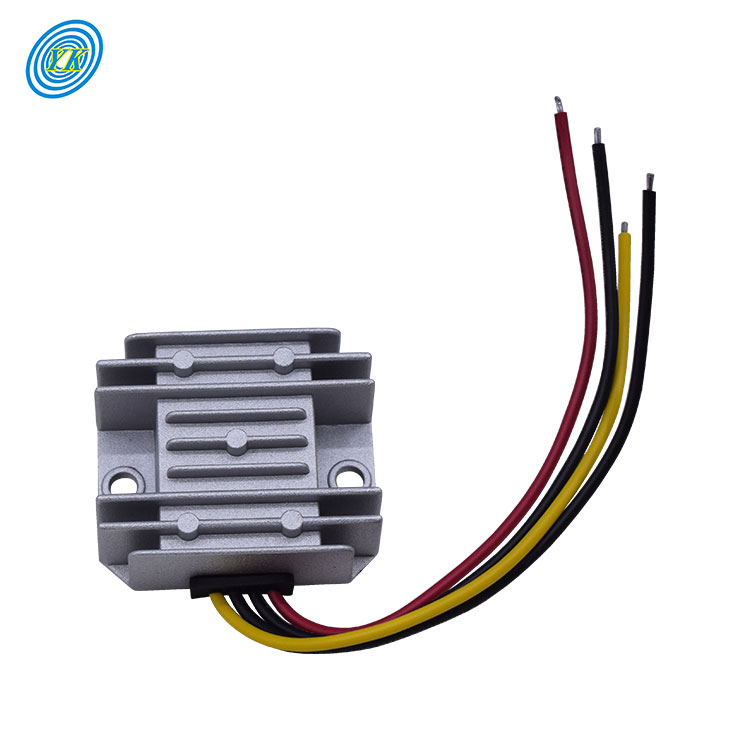
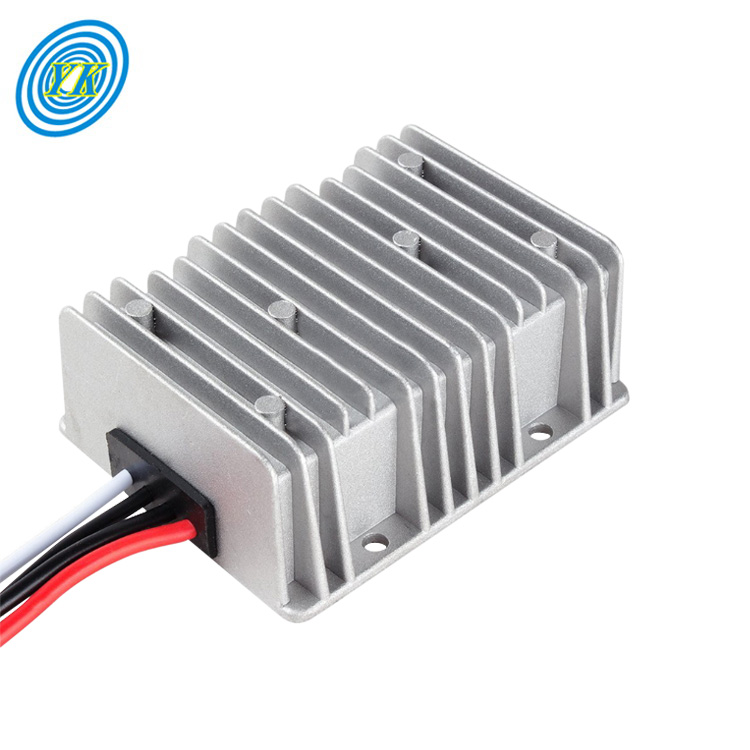
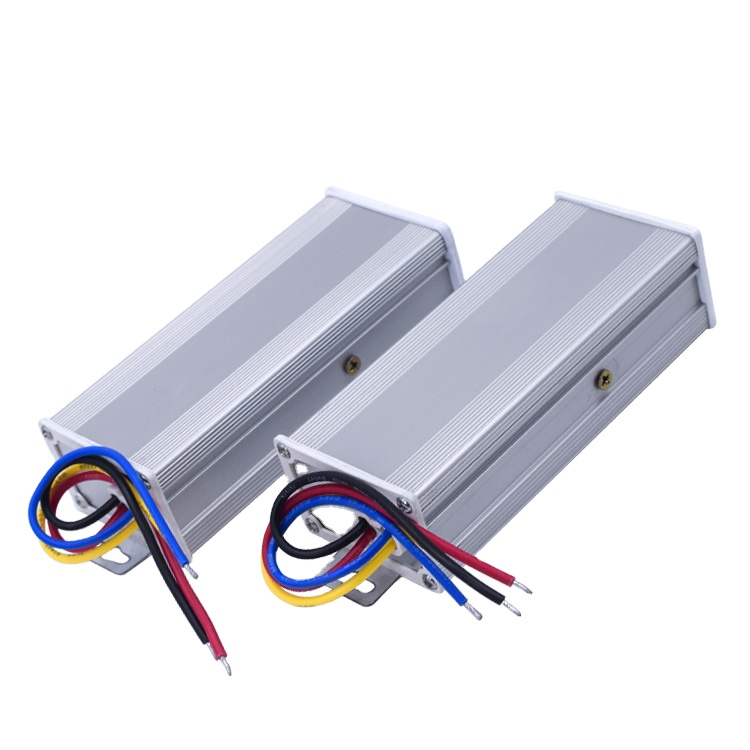
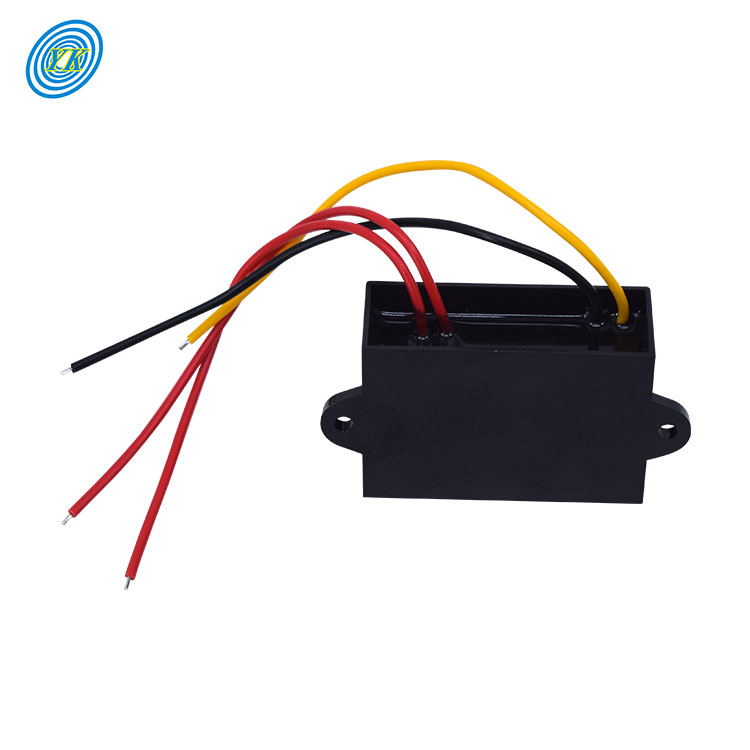
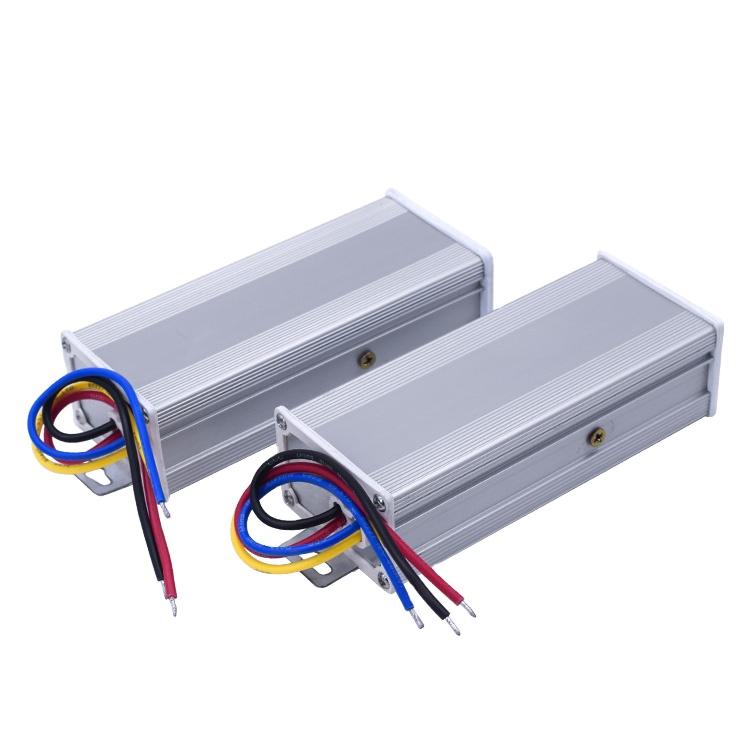
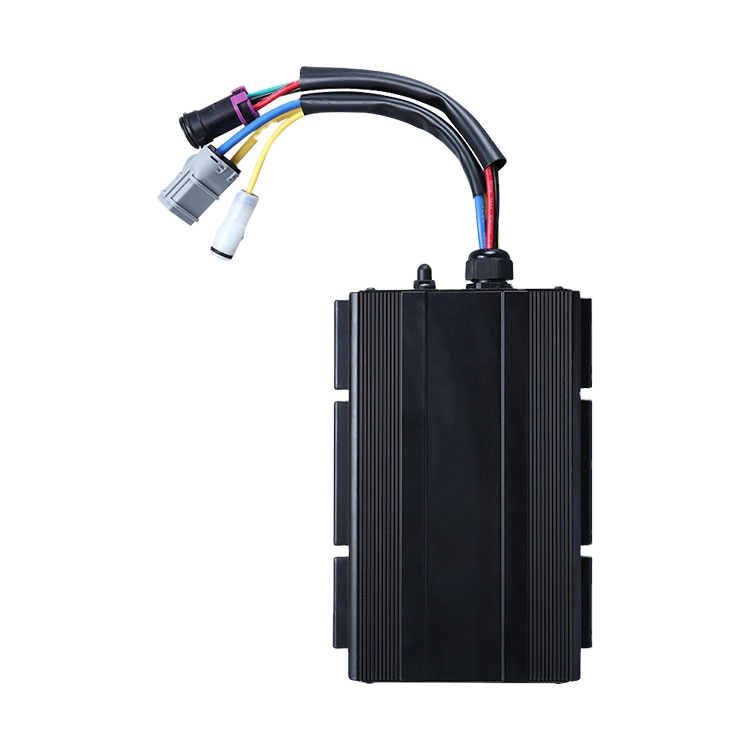
In-depth structural breakdown of switching topologies, thermal derating vectors, and galvanic safety systems designed for high-stress Eastern European industrial networks.
In high-reliability industrial automation, commercial vehicle electrification, and critical communications installations across Sofia and the broader Sofia-Grad province, voltage regulation must contend with extreme operational variables. A direct current (DC) step-down regulator—commonly referred to in switched-mode power supply (SMPS) design as a buck converter—functions by converting an unregulated, higher DC source potential down to a lower, strictly stabilized DC delivery voltage while maintaining high electrical efficiency. Unlike legacy linear regulators that bleed off excess voltage drop entirely as dissipated thermal energy across pass transistors, high-performance synchronous step-down topologies utilize high-frequency pulse-width modulation (PWM) combined with low $R_{DS(on)}$ power MOSFET switches to optimize overall system yield.
When selecting step-down architectures for Sofia's transit networks or process manufacturing facilities, the technical decision between isolated and non-isolated topologies represents an essential safety and operational fork. Non-isolated buck converters share a common electrical ground plane between their input and output paths. They are extraordinarily compact, cost-efficient, and attain peak efficiencies up to 97%. They excel in localized applications such as stepping down auxiliary automotive battery banks (e.g., 24V down to 12V or 13.8V for telematics) or stepping down localized 12V supplies to 5V microcontrollers.
Conversely, galvanic isolated DC-DC step-down converters incorporate high-frequency isolating transformers into the power stage (often utilizing flyback, forward, or push-pull topologies). This ensures zero direct electrical contact between the primary input voltage rail and the secondary load side. In installations like the Sofia municipal trolleybus sub-systems, electric vehicle fast chargers, or Vivacom/Yettel telecom towers, galvanic isolation is non-negotiable. It suppresses ground loops, protects sensitive low-voltage instrumentation from high-voltage traction transients, satisfies dielectric withstand requirements (up to 1,500VDC–3,000VDC hi-pot testing), and ensures that catastrophic component failure on the primary circuit cannot transfer hazardous overvoltages to human-facing or sensitive downstream loads.
Integrated TVS clamping arrays and dual-stage $\pi$-filters mitigate high-voltage inductive spikes, load-dump events, and line surges in accordance with EN 61000-4-5 standards.
Replacing traditional fast-recovery Schottky catch diodes with low-impedance N-channel MOSFETs diminishes forward-conduction drop ($V_f$), slashing heat dissipation by up to 60%.
Vacuum-degassed thermal silicone and polyurethane potting fills the aluminum chassis completely, insulating against Sofia's sub-zero winter condensation and heavy mechanical vibration.
From the industrial manufacturing zones of Bozhurishte to Sofia's municipal transit infrastructure, our power converters drive critical Bulgarian technology operations.
Sofia's transit agency (Elektrotransport Sofia) operates extensive networks of trams and Skoda trolleybuses powered by 600V DC overhead catenaries. Step-down converter units take stabilized 48V–90V sub-bus voltages and step them down to isolated 12V and 24V channels to power modern on-board electronics: contactless ticketing validation terminals, automated passenger counting (APC), GPS fleet telematics, and emergency passenger intercoms.
The National Company Industrial Zones (NCIZ) Bozhurishte hub hosts high-precision automotive component manufacturers, robotics integrators, and logistics facilities. Our step-down converters power industrial automated guided vehicles (AGVs), CNC supervisory PLC cabinets, and warehouse sorting arrays where 48V lithium battery racks must be cleanly regulated down to 24V and 12V sensor control lines without voltage drift.
Telecommunications operators including Vivacom, A1 Bulgaria, and Yettel deploy remote radio heads (RRH) across Vitosha Mountain relays and rooftop nodes in downtown Sofia. Our isolated 48V to 12V and 24V DC-DC converters provide clean power for environmental monitoring sensors, microwave backhaul receivers, and security nodes, delivering clean current with low electromagnetic noise.
Western Bulgaria's commercial rooftop solar boom and localized battery energy storage systems (BESS) require stable auxiliary power drawn directly from DC strings. Our wide-input isolated converters (40V–135V down to 12V/10A) allow solar farm monitoring stations, automated solar tracker actuators, and remote telemetry loggers to operate directly off battery banks without relying on grid AC power.
Sofia Tech Park has emerged as a premier R&D cluster for European automotive electronics and autonomous drive prototyping. Engineering teams utilize our buck-boost 8V–40V to 13.8V regulators to simulate cold-cranking and voltage drop transients while verifying sensitive electronic control units (ECUs), sensor suites, and connected vehicle hardware.
Logistics depots clustered around Sofia Airport and the Sofia Ring Road operate heavy diesel and hybrid distribution fleets. Dual-battery 24V vehicle architectures leverage our 24V to 12V high-amperage converters to run refrigerated cargo thermal dataloggers, European tachographs, cabin telematics, and lift-gate controls reliably under continuous run cycles.
How European clean energy directives, local infrastructure modernizations, and supply chain reshoring impact power converter specifications in Bulgaria.
The Republic of Bulgaria is undergoing a rapid technological transformation catalyzed by the EU Green Deal and the National Recovery and Resilience Plan of Bulgaria. Sofia, serving as the financial, industrial, and digital nexus of the nation, is driving this electrification across multiple fronts:
1. Fleet Electrification and Public Transport Modernization: The Sofia Municipality (Stolichna Obshtina) has committed to extensive public transit decarbonization. Diesel municipal buses are being aggressively phased out in favor of battery-electric buses (e-buses) and modern low-floor trams. This paradigm shift requires heavy-duty DC step-down converters capable of stepping down volatile high-voltage traction batteries (nominal 350V to 600V DC) down to standard automotive low-voltage control nets (12V/24V) to manage passenger climate controls, safety sensors, and braking assistance telemetry.
2. Expansion of Tier-1 Automotive Electronics Clusters: Bulgaria's automotive supplier ecosystem generates over 10% of the country's GDP, with major manufacturing and design centers located in Sofia, Plovdiv, and surrounding economic corridors. The demand for ruggedized, automotive-compliant power conversion modules featuring low radiated EMI (complying with CISPR 25 and EN 55032) has surged. Procurement managers now mandate high-temperature tolerance up to +85°C to withstand rigorous engine compartment and chassis-mounted duty cycles.
3. Resilience Against Balkan Winter Temperature Variations: Continental climatic conditions in the Sofia valley produce intense thermal variations, from hot summers exceeding +38°C to freezing winter lows dipping below -20°C. Standard commercial-grade converters suffer severe start-up failure, dielectric breakdown, or potting cracking under these conditions. Local engineers are increasingly specifying converters that integrate vacuum-potted silicone elastomer encapsulation and certified cold-soak start-up capabilities rated at -40°C.
| Converter Model / Architecture | Input Range | Nominal Output | Isolation Level | Potting / IP Rating | Primary Localized Sofia Use Case |
|---|---|---|---|---|---|
| YUCOO 18V→6V 5A Micro-Buck | 15V – 22V DC | 6.0V DC (30W) | Non-Isolated | IP68 Thermal Epoxy | Parking meters, security nodes & municipal water telemetry |
| Wide Buck-Boost 8V–40V / 15A | 8V – 40V DC | 13.8V DC (207W) | Non-Isolated | IP67 Aluminum Shell | Automotive electronics, telematics & cold-cranking stabilization |
| DC 40V–135V Isolated 12V/10A | 40V – 135V DC | 12V DC (120W) | 1,500V DC Galvanic | IP68 Waterproof Polyurethane | Bozhurishte industrial AGVs, solar BESS auxiliary rails |
| Dual AC/DC 10–26V to 5V Step-Down | 10V – 26V AC/DC | 5.0V DC (15W/25W) | Non-Isolated | IP65 Flame-Retardant | Access control, HVAC controllers, building automation |
| High-Rail Isolated 48V–96V to 12V | 40V – 110V DC | 12V DC (60W) | 1,500V DC Galvanic | IP67 Aluminum Alloy | Vivacom/Yettel 48V telecom nodes, light electric vehicles |
| Heavy Traction 48V–90V / 42A | 42V – 100V DC | 12V DC (504W) | 2,000V DC High-Isolation | IP67 Heavy-Fin Extruded | Elektrotransport Sofia trolleybus auxiliary electronics, tram cabs |
Combining 23+ years of high-frequency power electronics engineering with rigorous SGS-verified testing and seamless European trade execution.
Operated under strict quality systems with verified assembly, welding, and automated component inspection across 1,229 m² of modern production space.
Every step-down converter and pure sine inverter undergoes multi-hour full-load thermal burn-in testing on dedicated aging racks to eradicate early-life component failures.
Reliable DDP, CIF, and FOB export channels shipping directly to Sofia Airport (SOF) customs air cargo or via Port of Varna / Port of Burgas intermodal rail hubs.
Full-custom engineering: custom input/output voltages, special IP68 aluminum enclosures, custom connector harnesses, and private labeling with contract-backed IP protection.
Complete compliance documentation, test certificates, and DoC dossiers available for rapid European customs clearance without bureaucratic port delays.
Our bilingual power engineers maintain a 98.2% rapid response rate, providing schematic reviews, calculation support, and technical failure analysis across time zones.
Practical answers covering European conformity, Bulgarian customs clearance, cold-weather resilience, and bulk order logistics.