Featured Frequency Inverters & Voltage Stabilization Modules
Precision-engineered for electrical resilience across US plant architectures. Integrated with over-voltage, short-circuit, and thermal protection matrices conforming to UL, CE, and FCC baseline standards.
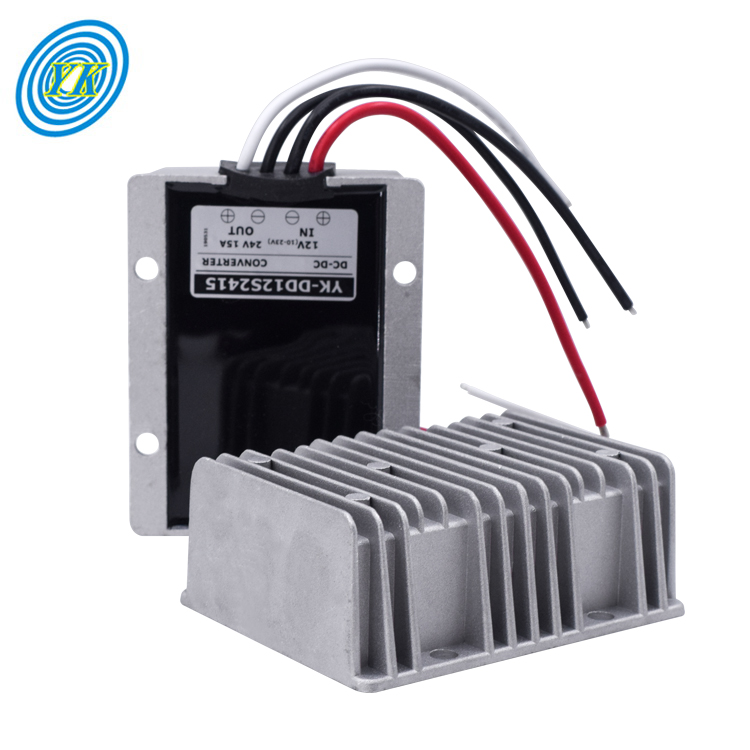
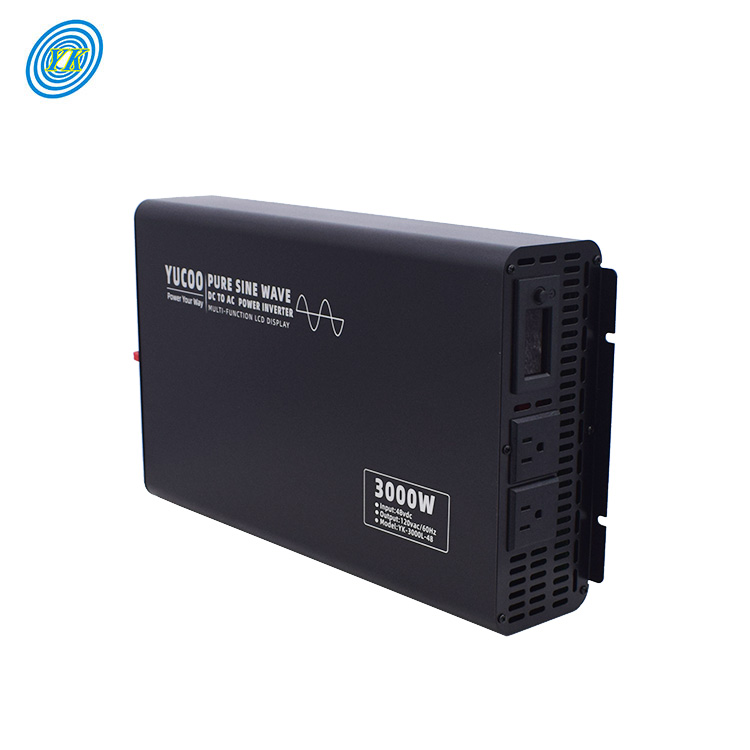
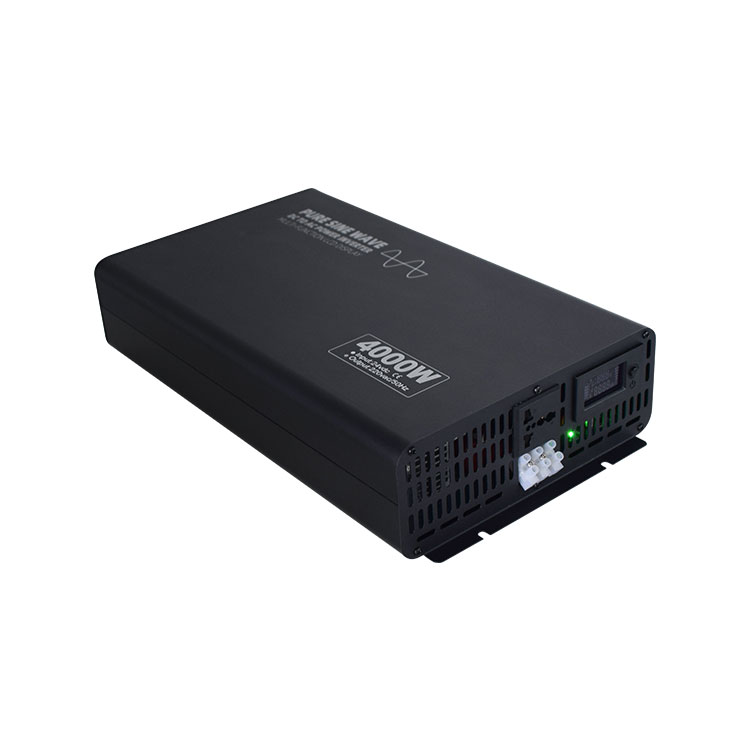
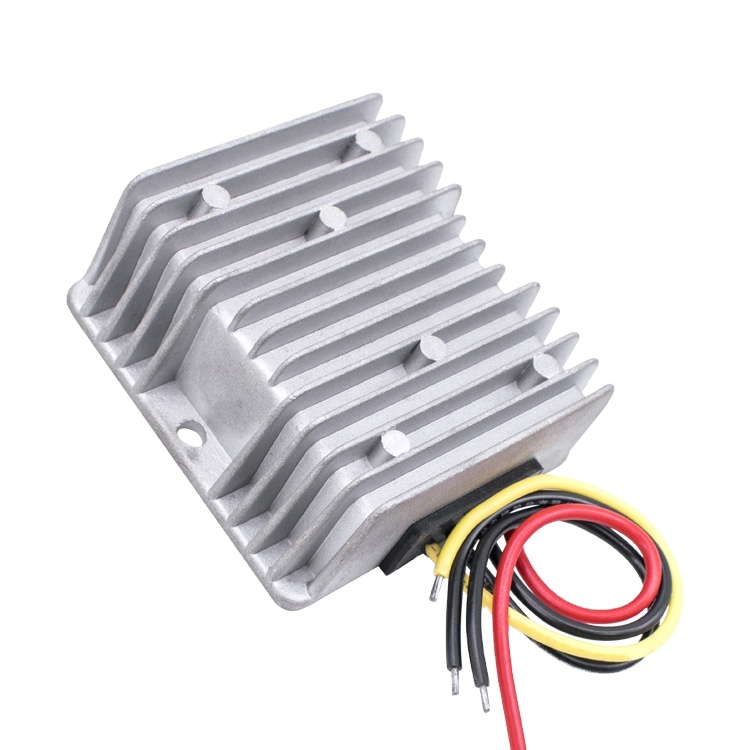
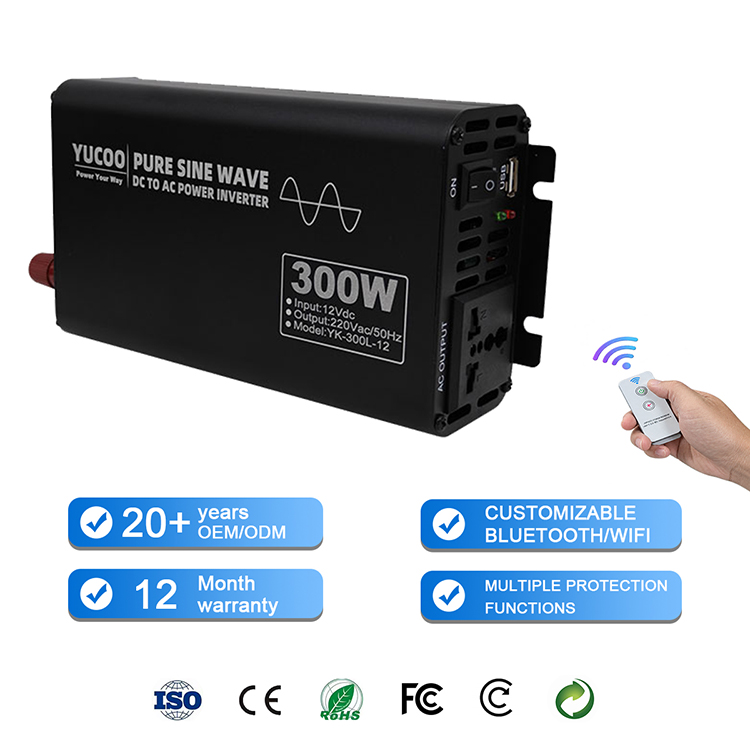
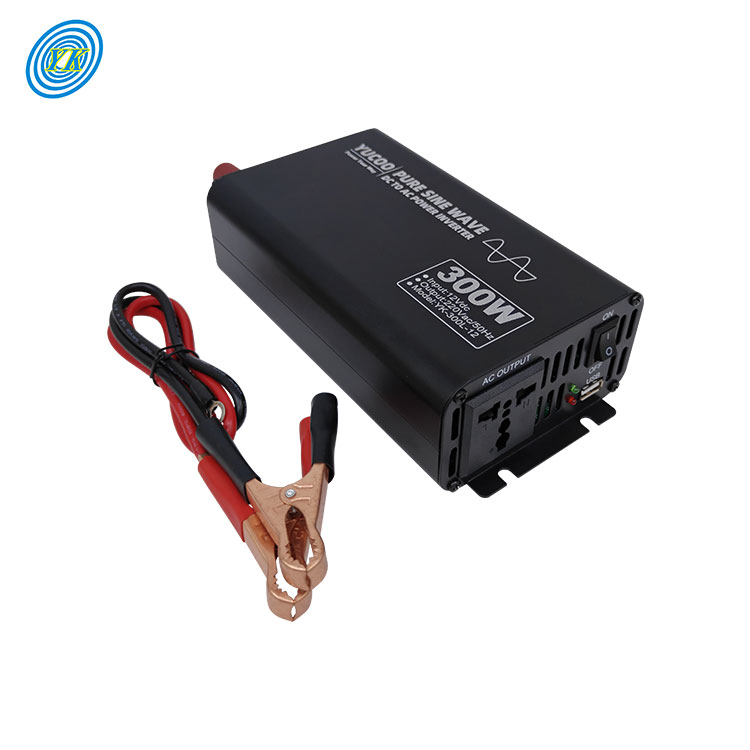

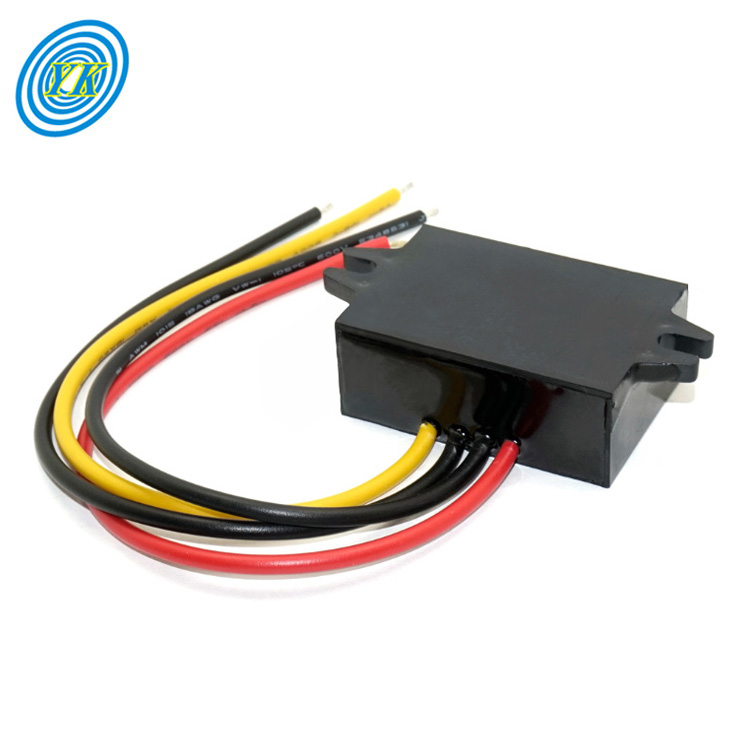
Engineering Overview: Modern Frequency Inverters in the US Grid & Industrial Sectors
A frequency inverter—frequently denoted across North American engineering documents as a Variable Frequency Drive (VFD), Variable Speed Drive (VSD), or static AC power inverter—serves as the critical apparatus linking raw electrical distribution to precision torque and frequency control. As United States manufacturing shifts rapidly toward smart industrial automation, the imperative to replace direct-on-line (DOL) motor starters with intelligent solid-state frequency inverters has escalated.
Modern three-phase induction and permanent magnet synchronous motors (PMSM) across US manufacturing infrastructure demand instantaneous modulation of input frequency (Hz) and voltage to maintain operational efficiency. Whether converting incoming utility power via 6-pulse or 12-pulse rectifier assemblies into dynamic PWM (Pulse Width Modulation) outputs, or providing static inversion of stored 48VDC/125VDC battery banks into clean, harmonic-free 120V/240V/480V sinusoidal power, frequency inverters are the fundamental cornerstone of modern plant reliability.
Core Localized Application Scenarios Across the United States
Our power conversion systems and frequency inverters are deployed across demanding American operational environments, each presenting bespoke environmental and electrical challenges:
Oil, Gas & Petrochemical (Permian Basin & Gulf Coast)
Variable speed control for electric submersible pumps (ESPs), beam pumping units, and pipeline compressors. Units feature conformally coated PCBs to survive corrosive H2S environments, extreme Texas ambient temperatures (+50°C), and unstable utility feeds.
Water & Wastewater Treatment Facilities (Municipal Infrastructure)
Continuous dynamic flow control for high-capacity municipal lift pumps, blowers, and chemical dosing systems. Integrated multi-pump cascading algorithms allow continuous pressure regulation without inducing catastrophic water hammer effects in piping.
Telecom, Edge Data Centers & Utility Microgrids
Rack-mounted pure sine wave static inverters converting central office 48VDC power architecture into utility-grade AC for edge servers, microwave repeaters, and satellite uplink modules, guaranteeing zero transfer delay.
Critical Trends Transforming the US Power Conversion Landscape
Procurement teams, plant electrical engineers, and automation contractors across the US face three macro trends dictating equipment lifecycles:
- Wide Bandgap Semiconductor Integration (SiC & GaN): Next-generation power inverters are transitioning from legacy silicon IGBTs to Silicon Carbide (SiC) MOSFETs. This allows switching frequencies upwards of 20 kHz without thermal degradation, dramatically shrinking magnetics and enabling 98.8% conversion efficiencies.
- IEEE 519 Harmonic Compliance Mandates: As local US utility operators (such as PG&E, ConEd, and Duke Energy) enforce stricter Total Harmonic Distortion (THDi < 5%) compliance at the Point of Common Coupling (PCC), passive tuned traps and active front-end (AFE) regenerative drive configurations have shifted from optional add-ons to mandatory engineering standards.
- Decentralized DC Bus Microgrids: Modern automated logistics fulfillment centers (e.g., automated sorting conveyors, AGVs, and AS/RS cranes) are standardizing on common DC bus systems, recycling braking energy dynamically via buck-boost converters and bidirectional inverters.
Selection & Compatibility Engineering Matrix
Specifying the proper topology eliminates costly nuisance tripping, common-mode bearing currents, and high-frequency insulation breakdown (dv/dt stress):
| Inverter Topology | Typical Input / Output Voltages | Control Topology | Primary Industrial Use-Case |
|---|---|---|---|
| Low-Voltage Industrial VFD | 208V, 240V, 480V, 600V AC (60 Hz) | Sensorless Vector (SVC) / FOC | Centrifugal pumps, air handling units (HVAC), industrial chillers, extruders. |
| Static Pure Sine Inverter | 12V, 24V, 48V, 125V DC to 120V/240V AC | High-Frequency SPWM | Telecom network base stations, remote industrial telemetry, mobile emergency vehicles. |
| Wide-Range DC-DC Voltage Stabilizer | 8–35V DC to 12V, 13.8V, 24V DC | Synchronous Buck-Boost | Starlink terminal power, industrial fleet telemetry, onboard PLC bus stabilization. |
| Medium Voltage Frequency Drive | 2.3 kV, 4.16 kV, 6.6 kV AC | Cascaded H-Bridge Multilevel | Mine hoists, heavy slurry pumps, power plant induced-draft (ID) fans. |
Enterprise Manufacturing Authority: Varnix Technology
Founded in 2003, Varnix Technology Co., Ltd. operates a high-precision manufacturing facility verified on-site by SGS. Backed by an ISO 9001:2015 quality management infrastructure, we deliver precision power electronics and engineering support tailored specifically for enterprise procurement teams:
Dedicated US Strategic Stock
Selected DC-DC converters, pure sine wave power inverters, and voltage regulators are staged in North American overseas warehousing, guaranteeing reduced transit times and eliminated customs friction.
Rigorous 5-Stage Burn-In QC
Every single inverter unit undergoes a 100% full-load burn-in aging test and automated oscilloscope waveform verification, minimizing early-life component failure (infant mortality rates).
Bespoke OEM/ODM Engineering
Full customization capability covering input/output voltages, power factor correction, ruggedized aluminum IP-rated enclosures, custom Modbus/CAN communication protocols, and private labeling.
Frequently Asked Questions: United States Industrial Procurement
What is the difference between a Variable Frequency Drive (VFD) and a static power inverter?
In American terminology, a Variable Frequency Drive (VFD or frequency inverter) is designed to vary the output frequency (typically 0–400 Hz) and voltage supplied to an electric AC induction or PMSM motor to dynamically manage its speed and mechanical torque. Conversely, a static power inverter converts direct current (DC from battery banks, rectifiers, or solar arrays) into a steady, fixed frequency (typically 60 Hz in the United States, 120V or 240V AC) for powering general AC electrical equipment and telemetry electronics.
How do you ensure compatibility with US 60 Hz standards and industrial utility voltages?
All Varnix AC output systems designed for the US market are configured natively for 60 Hz operation, matching standard single-phase 120V/240V split-phase systems or three-phase 208V, 480V, and 600V industrial configurations. In addition, internal circuitry is tuned to withstand normal utility tolerances and surge transients under ANSI C84.1 guidelines.
How are harmonics and electromagnetic interference (EMI) handled to meet US regulations?
Our inverters and converters incorporate multi-stage LC filtering networks, shielded aluminum alloy enclosures, and optional line reactors. For RF-sensitive deployments, product lines carry FCC Part 15 Class A and Class B compliance certifications alongside CE and RoHS validations, preventing cross-talk with nearby PLC control racks or industrial radios.
What sizing safety factors should be applied for heavy inductive loads?
For high-inertia or high-starting-torque inductive machinery—such as industrial chillers, screw compressors, and hydraulic pumps—a safety derating multiplier of at least 1.5× to 2.5× continuous rated output should be utilized. When selecting pure sine wave inverters, engineers must cross-verify the peak surge capacity (typically 200% for 3–5 seconds) against locked-rotor amps (LRA).
What are the logistics, warranty, and lead-time guarantees for US delivery?
Standard catalog units can be dispatched directly from our US overseas inventory or through air/sea DDP (Delivered Duty Paid) door-to-door lines directly from our ISO 9001 manufacturing hub. Every commercial contract includes explicit warranty coverage with 24/7 technical engineering ticket turnaround, backed by a 98.2% responsiveness benchmark.
Accelerate Your Power Project with Factory-Direct Engineering
Whether you require customized input/output voltage configurations, specialized rack-mounted telecom topologies, or rapid distribution quotes for US project deployments, our engineers are ready to assist.
Get a Quote