Featured Isolated Converters & Industrial Power Systems
Engineered for strict immunity against high ground potential shifts, transient surges, and conducted harmonic distortion. These eight field-tested units deliver stable voltage transformation across Poznań’s manufacturing automation, warehouse automated guided vehicles (AGV), and distributed utility infrastructure.
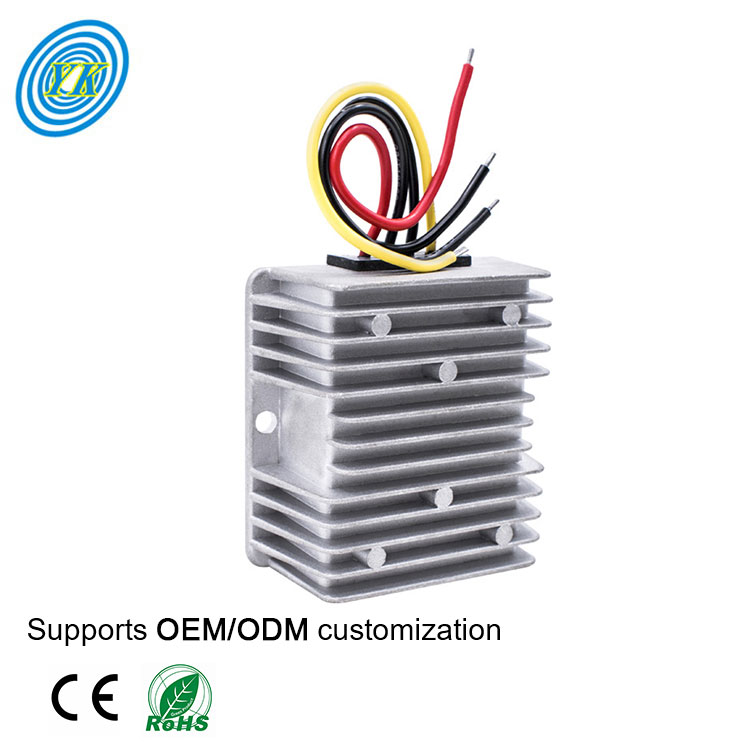
- Input Voltage10–32 VDC Wide
- Output Voltage24 VDC ±1% (5A Max)
- EfficiencyUp to 94.5%
- Thermal ArmorCast Aluminum Shell
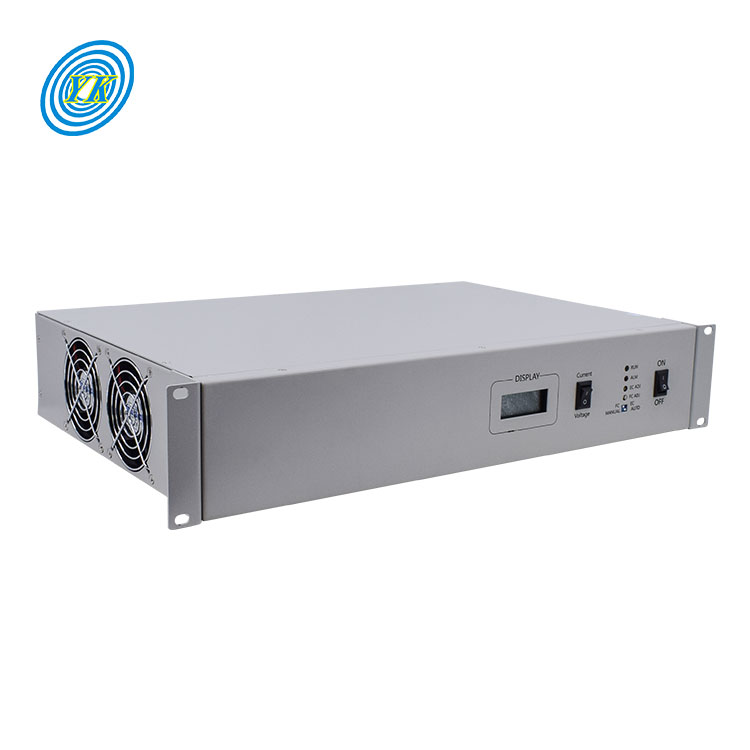
- TopologyHigh-Frequency PWM
- Output Range24 VDC (10A to 100A)
- Isolation Rating3.0 kVAC Input/Output
- StandardEN 61000-6-2 Immunity
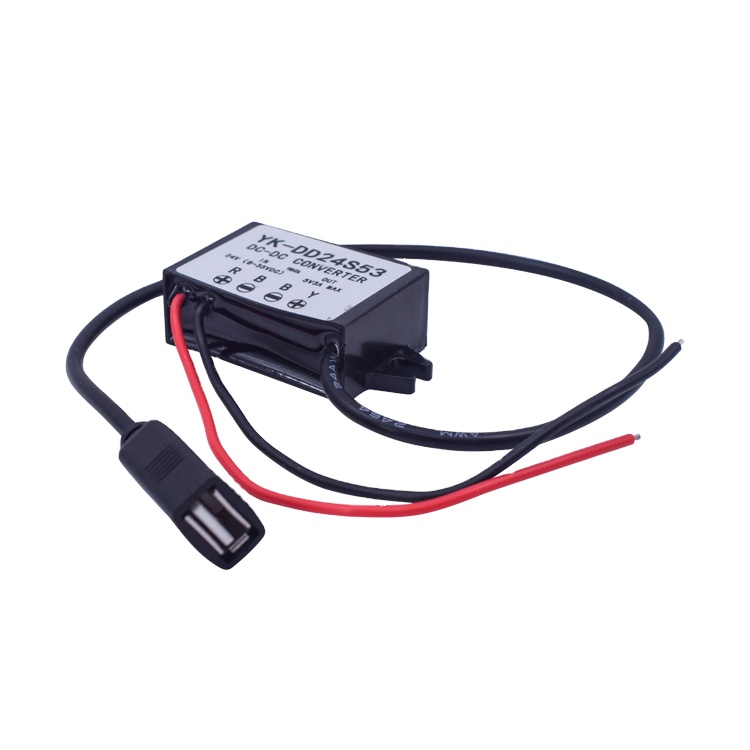
- Ingress RatingIP67 Resin Potted
- Input Range18–35 VDC Bus
- Output Stability12 VDC / 3A Steady
- DimensionsCompact Micro Profile
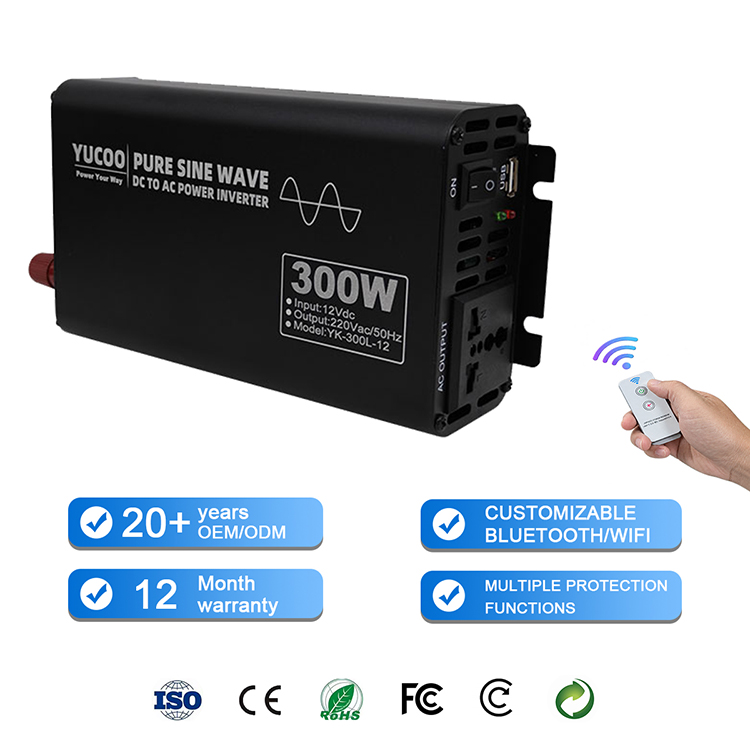
- Output WaveformTHD <3% Pure Sine
- Input Flexibility12V / 24V / 48V DC
- Surge Rating600W Peak Transient
- Cooling MechanismDynamic Smart Fan
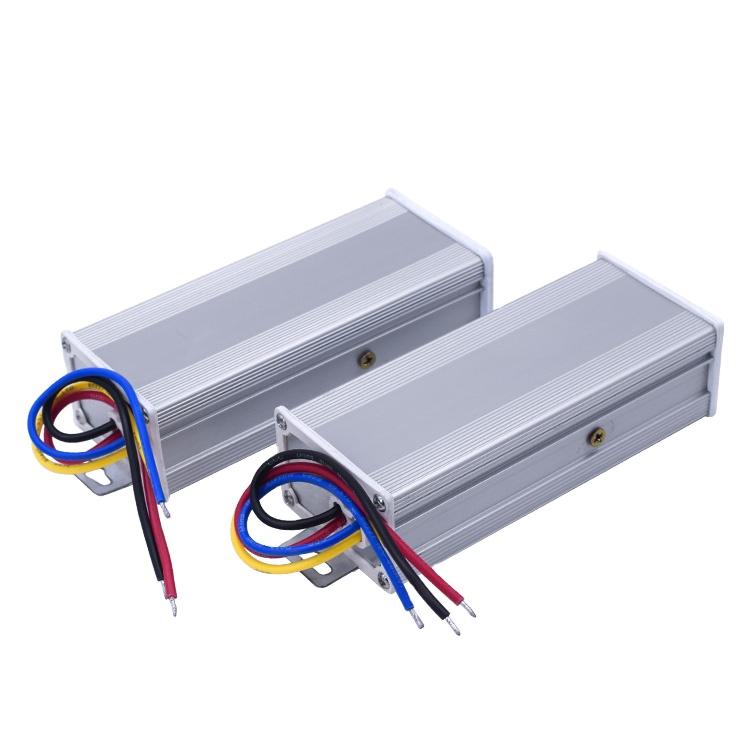
- Galvanic Barrier1.5 kVDC Isolation
- Input Voltage36V–120V Ultra-Wide
- Output12 VDC Clean Bus (5A)
- ProtectionOVP, OCP, OTP, Short
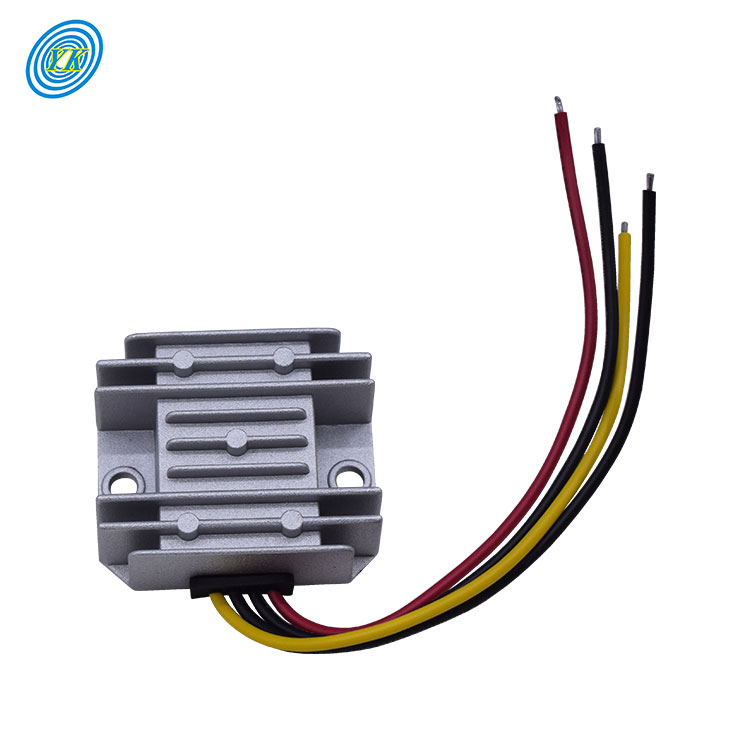
- EncapsulationEpoxy Waterproof IP68
- Conversion18V Nominal to 6VDC
- Rated Current5A Continuous
- Vibration TestMIL-STD-810G Class
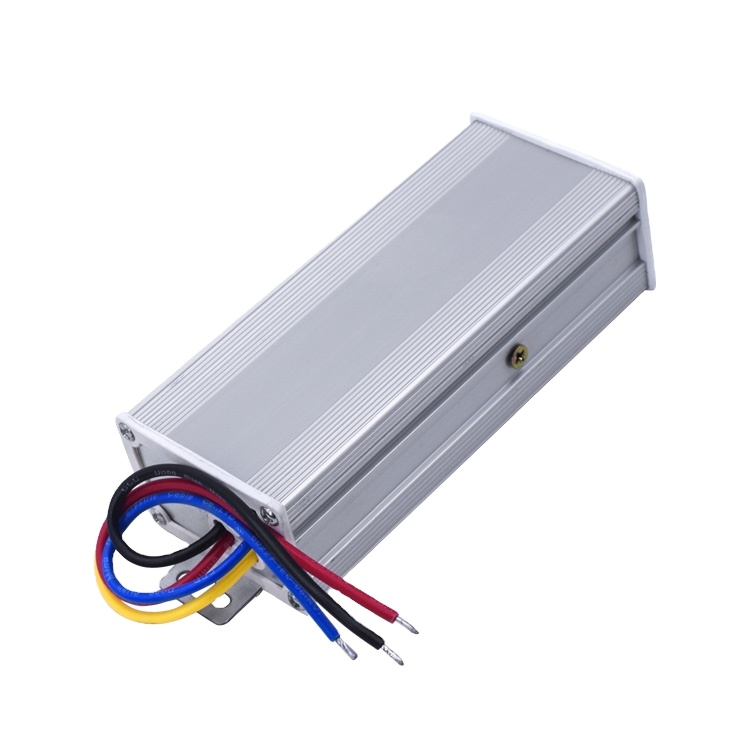
- Target FleetEV Trucks & Heavy Intralogistics
- Galvanic IsolationOptocoupler & Core Barrier
- Output Regulation24 VDC Stable Under Load
- EMC SuppressionCISPR 25 Class 3
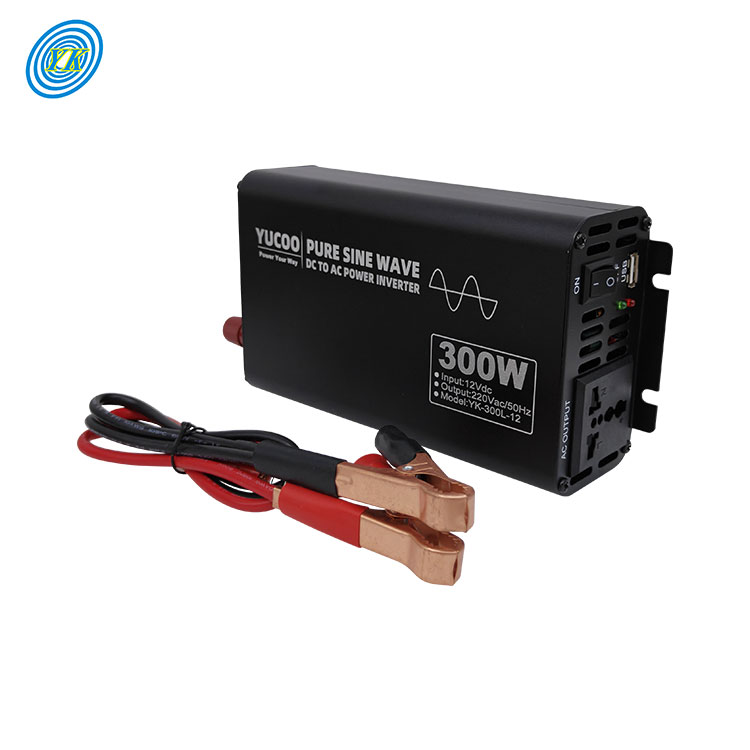
- AC Output Standard230V 50Hz EU Socket Format
- Auxiliary PortFast Charging Dual USB
- ProtectionLow-Volt Battery Acoustic Alarm
- DeploymentService Vans, Mobile Diagnostics
Galvanic Isolation Architecture & Transient Suppression in Greater Poland's Automated Ecosystem
In modern electrical infrastructures across Wielkopolska (Greater Poland), operational reliability hinges not merely on voltage step-down ratios, but fundamentally on high-frequency noise decoupling, suppression of circulating ground loops, and protection against destructive common-mode transients. From the automated vehicle assembly lines near Poznań-Antoninek to the massive robotic logistics hubs situated in Gądki, Tarnowo Podgórne, and Komorniki, contemporary automation relies on sensitive microcontrollers, distributed fieldbuses (PROFINET, EtherCAT, Modbus-TCP), and precision PLC I/O modules that share power distribution corridors with multi-kilowatt variable frequency drives (VFDs) and switched-mode actuators.
1. The Physics of Galvanic Isolation: Decoupling Ground Potential Differences
When industrial equipment is distributed over large footprints—typical of the extensive warehouses flanking the Polish A2 motorway corridor—localized earth potentials are rarely equipotential. Ground potential rise (GPR) induced by lightning transients, large three-phase inductive motor startup, or regenerative braking from overhead crane systems causes circulating currents along communication shieldings and common return paths.
An isolation transformer or a galvanically isolated DC-DC converter establishes an impermeable magnetic flux barrier between primary and secondary windings. By breaking the direct conductive copper path, common-mode noise is diverted through electrostatic shields (Faraday shields) to dedicated chassis earth, preventing parasitic currents from traversing delicate logic boards. Our isolated power supplies utilize multi-layer dielectric barriers rated to withstand continuous working voltages in excess of 1,500VDC to 3,500VAC, providing total galvanic segregation that conforms strictly to the safety prerequisites of PN-EN 61558-2-4 (Particular requirements for isolating transformers for general use) and PN-EN 60664-1 (Insulation coordination for equipment within low-voltage systems).
2. Common-Mode Rejection & Harmonic Attenuation in High-Frequency Environments
Industrial power grids in the Poznań region frequently exhibit elevated Total Harmonic Distortion (THD) due to non-linear loads such as diode bridges, induction heaters, and high-frequency servo drives. These non-linear loads inject 5th, 7th, 11th, and higher harmonic currents back into the regional medium-voltage/low-voltage distribution networks. High-order harmonic voltages stress winding insulation, cause thermal runaway in conventional unshielded transformers, and induce spurious logic transitions on high-speed industrial Ethernet circuits.
Our specialized isolated converters and transformer systems incorporate low inter-winding capacitance (often less than 15 pF in our isolated DC topologies) and wound grain-oriented silicon steel or nanocrystalline toroids. This mechanical and electromagnetic architecture yields common-mode rejection ratios (CMRR) exceeding 120 dB, eliminating dV/dt transient spikes generated by IGBT rapid switching in inverters. For automated tooling systems and precision robotic arms in automotive stamping facilities around Swarzędz, this eliminates uncommanded e-stops, PLC memory corruption, and transducer sensor drift.
Localized Technical Matrix: Power Topologies & Protection Enclosures
| Functional Category | Input / Output Topologies | Isolation Rating & Attenuation | Primary Industrial Poznań Use Case |
|---|---|---|---|
| Galvanically Isolated Step-Down Converters | 36V–120V Input to 12V/24V Regulated Bus | 1.5 kVDC Isolation, 90dB CMRR | Heavy intralogistics (electric forklifts, AGVs) operating in high-voltage battery environments (48V–96V packs) to power 12V/24V navigation sensors, LiDAR, and safety cameras without ground reference hazards. |
| High-Frequency System Rectifiers | 110VAC / 230VAC to 24VDC (10A–100A) | 3.0 kVAC Dielectric Strength, Overvoltage Cat. III | Main control cabinet DC power for robotic manufacturing cells in automotive and Tier-1 component manufacturing across the Poznań-Antoninek cluster. |
| Encapsulated IP67/IP68 Micro Converters | Wide-range DC step-down/boost (e.g., 24V to 12V/6V) | Fully potted epoxy resin, vibration-damped | Agricultural electronics and food processing facilities in Wielkopolska subject to high-pressure washdown chemicals and severe moisture cycling. |
| Industrial Pure Sine Wave Inverters | 12V/24V/48VDC to 230VAC 50Hz (<3% THD) | Full magnetic isolation between DC bus & AC output | Critical field diagnostics, telecom mobile power, emergency battery backup for remote data relay links across the Greater Poland plains. |
Localized Application Scenarios Across Poznań & Wielkopolska
Tailoring power conditioning technologies to the specific physical, climatic, and industrial conditions prevalent in Poland's second-largest logistics and advanced manufacturing hub.
Poznań & Greater Poland Industrial Trends: Demands on Modern Power Architecture
The manufacturing ecosystem in Greater Poland is undergoing a profound qualitative shift, moving rapidly from basic assembly plants to high-density Industry 4.0 dark factories, robotic machining centers, and micro-fulfillment nodes. As analyzed by industrial power consultants, three major regulatory and technical vectors dictate power electronics procurement across the Poznań administrative district:
1. Stringent Enforcement of Polish SEP and UDT Safety & Grounding Mandates
The Polish Association of Electrical Engineers (Stowarzyszenie Elektryków Polskich - SEP) along with the Office of Technical Inspection (Urząd Dozoru Technicznego - UDT) enforce rigorous compliance regarding indirect touch protection, residual current device (RCD) selectivity, and equipotential bonding. When deploying variable speed machinery, standard unisolated circuits often cause nuisance tripping of 30mA Type A RCDs due to natural capacitive leakage currents. By utilizing galvanically isolated power modules, facility engineers isolate localized PE paths from upstream protective gear, establishing localized TN-S or IT topologies that ensure continuous uptime without compromising human operator safety under PN-HD 60364-4-41.
2. Thermal Derating Mitigation in Compact Intralogistics Enclosures
Summer ambient temperatures across Wielkopolska have trended significantly higher over recent seasons, with ambient warehouse temperatures exceeding 38°C beneath insulated metal roofing. Power converters installed inside sealed IP65/IP67 enclosures on AGVs or overhead cranes must operate without active airflow. Our engineering design emphasizes heavy-gauge finned extruded aluminum housings with high thermal conductivity potting compounds. This architectural layout facilitates low thermal junction resistance (θjc), allowing full-load operation up to 55°C without the aggressive power derating curves typical of unpotted, commercial-grade electronics.
3. Fast-Tracking Supply Chains & On-Demand Customization (OEM/ODM)
Factory automation projects in Poznań often run on stringent commissioning schedules governed by EPC contracts with heavy liquidated damage penalties. Purchasing agents can no longer wait for standard 26-week lead times from legacy conglomerates. Our manufacturing framework bridges this gap by offering rapid parametric modification: tailored input voltage windows (e.g., custom 18–35VDC or 80–135VDC buses), customized M12/Phoenix/Anderson connection interfaces, and pre-configured DIN-rail brackets delivered with comprehensive SGS inspection certificates and CE technical files.
Why European Industry Partners Depend on Varnix
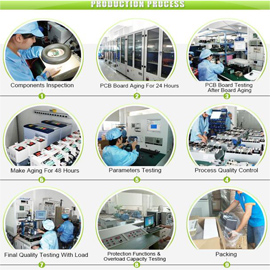
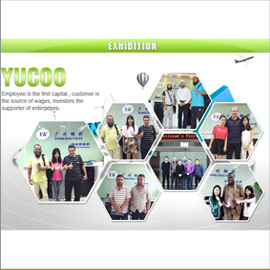
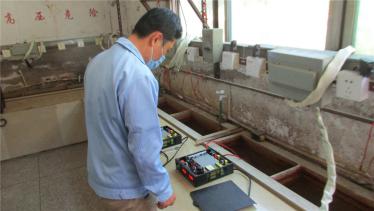
Backed by over two decades of power electronics fabrication, verified facilities, and direct international logistics channels delivering directly to the Poznań region.

Frequently Asked Questions: Poznań Industrial Procurement
Addressing regulatory standards, customs documentation, galvanic specifications, and integration requirements frequently raised by Polish engineers and purchasing managers.