
Industrial Conversion Catalog
High-Efficiency DC Converters & Inverter Hardware
Verified OEM/ODM Power Conversion Equipment Certified for Remote Island Off-Grid Systems, Industrial Fleet Auxiliary Power, and Solar Power Storage Arrays
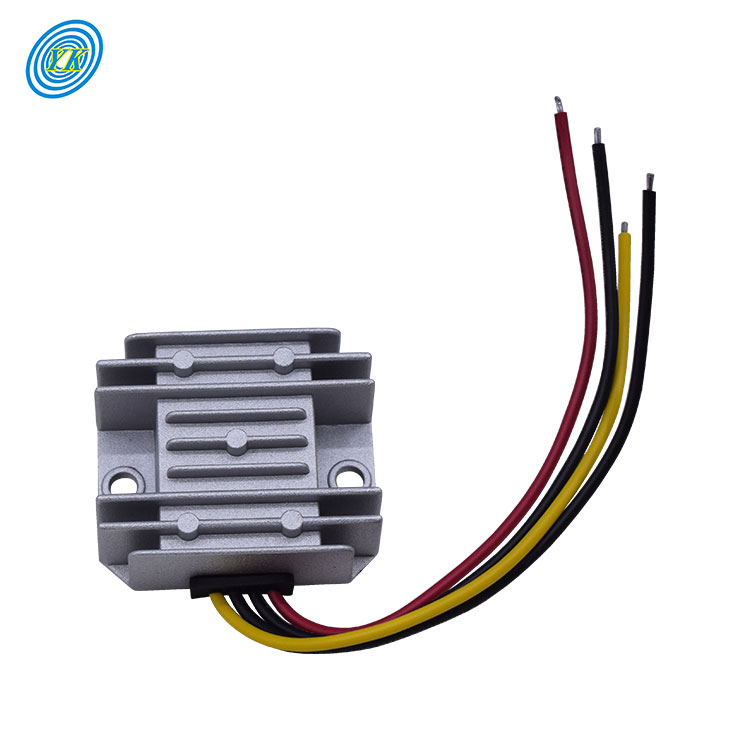
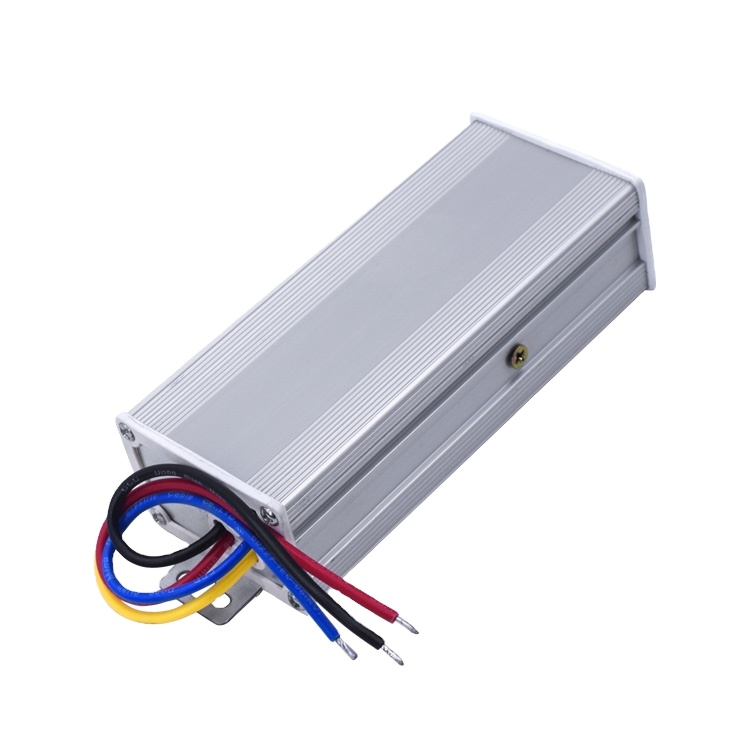
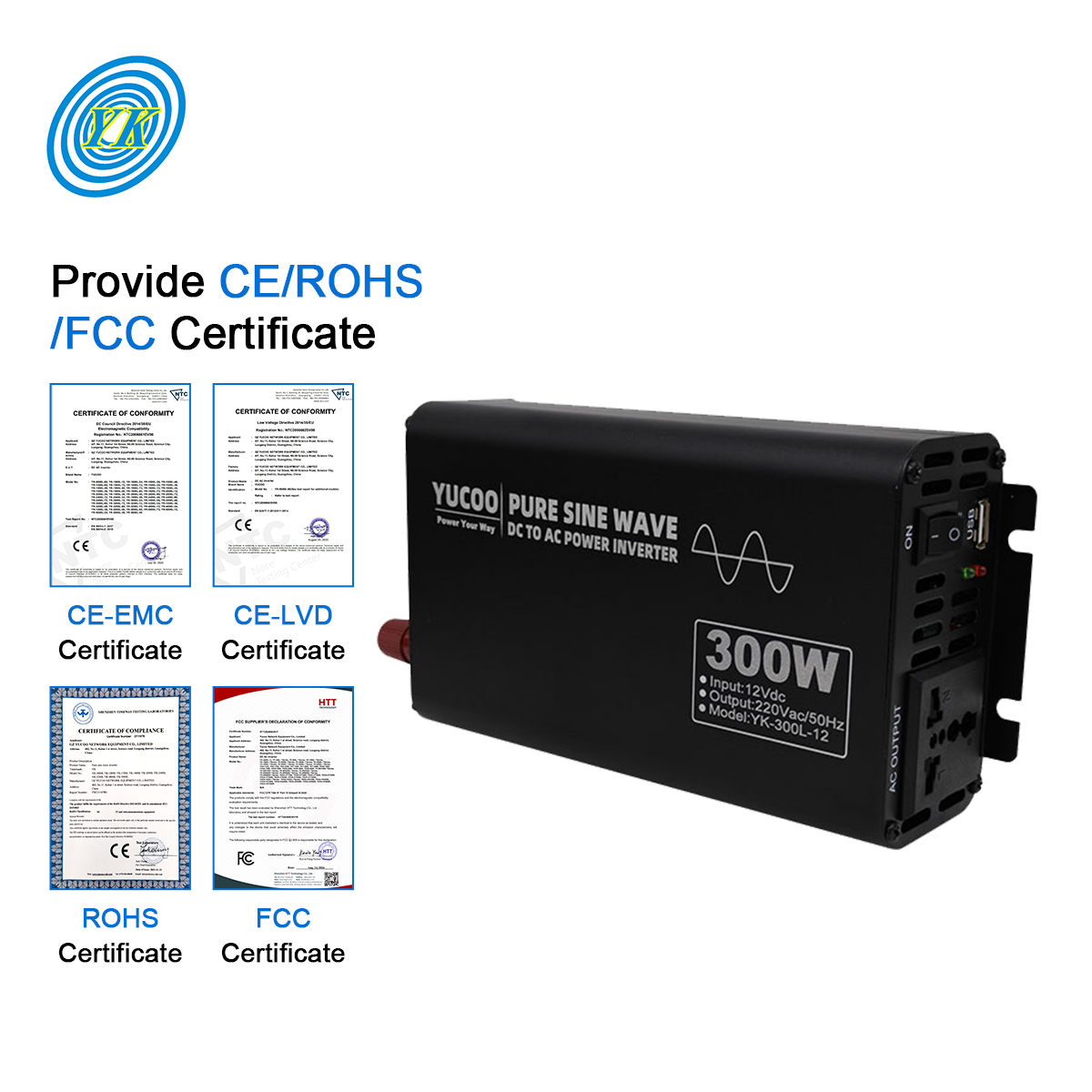

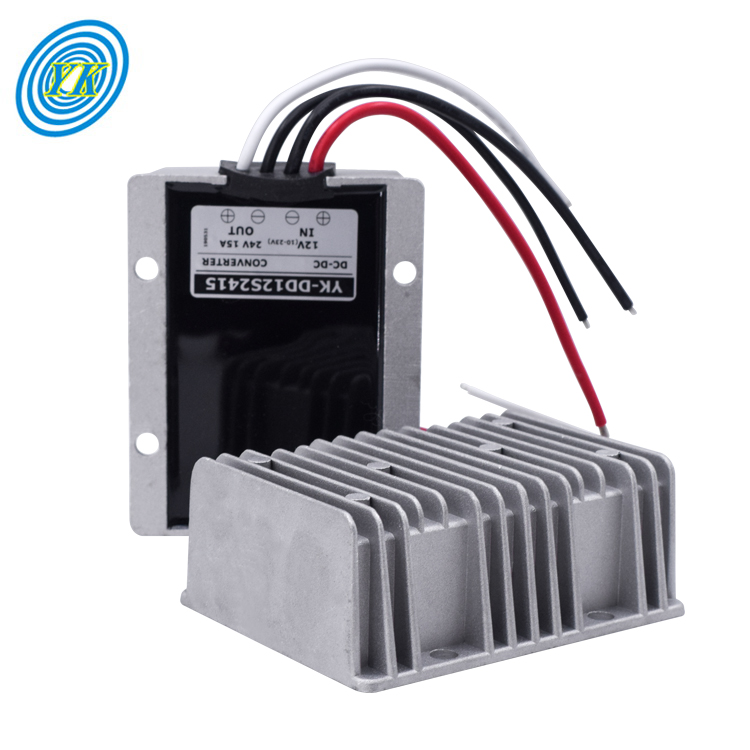
23+
Years Manufacturing Heritage
99.6%
MPPT Peak Tracking Accuracy
10+
Automated SMT & Aging Lines
100%
Full Burn-In Tested Under Load
Regional Strategic Context
The Strategic Gateway to Eastern Indonesia: Makassar Photovoltaic Dynamics
Why South Sulawesi Requires Industrial-Grade Maximum Power Point Tracking (MPPT) Solutions Engineered Beyond Conventional Consumer Topologies
Extreme Marine Salinity & Humidity
Makassar sits directly on the Makassar Strait, characterized by relative atmospheric humidity averaging 82% to 88% and intense maritime sodium chloride deposition. Standard commercial charge controllers suffer rapid PCB trace oxidation, electrolytic migration, and galvanic corrosion on terminal blocks within 8 to 14 months of field deployment. Our controllers feature vacuum-impregnated dual-layer Class 1B conformal coatings, electrolytic capacitors rated at 105°C long-life endurance, and marine-grade stainless alloy hardware.
Spermonde Archipelagic Micro-Grids
The Spermonde Archipelago off Makassar comprises over 120 isolated islands (including Pulau Barrang Lompo, Barrang Caddi, and Kodingareng) operating completely off the national PLN utility grid. Diesel generator fuel transport incurs punitive logistics premiums. Distributed off-grid solar arrays paired with wide-voltage MPPT regulators (up to 150V–200V PV open-circuit input) allow series panel strings that minimize I²R transmission copper losses over long cable runs from rooftop PV arrays down to battery vaults.
Aggressive Thermal Derating Mitigation
Ambient temperatures in Makassar regularly climb to 34°C–36°C with enclosed battery cabinet temperatures exceeding 48°C during peak noon irradiance (5.5 kWh/m²/day average). Poorly engineered charge controllers throttle charging amperage by 40% to prevent thermal runaway precisely when peak solar harvest is available. Varnix MPPT architectures utilize heavy extruded 6063-T5 aluminum heat sinks, synchronous rectification MOSFETs with ultra-low RDS(on), and algorithmic dynamic thermal balancing.
Engineering Architecture
Next-Generation Multi-Phase Synchronous Rectification MPPT
A Technical Deep Dive into Dynamic Energy Harvesting Algorithms Under Tropical Cloud-Edge Disruptions and Rapid Irradiance Transients
Advanced Perturb & Observe (P&O) vs. Incremental Conductance
In South Sulawesi’s equatorial climate, rapid localized cumulus cloud cover creates severe partial shading and split-second irradiance swings (dropping from 1000 W/m² to 250 W/m² in under 3 seconds). Conventional analog or rudimentary digital controllers get trapped in local power maximums, sacrificing up to 35% of harvested kilowatt-hours.
Our dual-core 32-bit DSP controllers implement a high-speed Predictive Incremental Conductance tracking routine running at 20 kHz sampling frequencies. By comparing the instantaneous derivative of power with respect to voltage (dP/dV) to zero, the controller detects whether the photovoltaic operating point is left or right of the true Global Maximum Power Point (GMPP), tracking fluctuations in less than 25 milliseconds.
/* MPP Tracking Equilibrium Condition */
dP/dV = d(V * I)/dV = I + V * (dI/dV) = 0
At MPP: dI/dV = -I / V
Left of MPP: dI/dV > -I / V (Increase Voltage Target)
Right of MPP: dI/dV < -I / V (Decrease Voltage Target)
dP/dV = d(V * I)/dV = I + V * (dI/dV) = 0
At MPP: dI/dV = -I / V
Left of MPP: dI/dV > -I / V (Increase Voltage Target)
Right of MPP: dI/dV < -I / V (Decrease Voltage Target)
This tracking precision ensures that even during monsoon showers or coastal haze over Pelabuhan Paotere, the array extracts every available watt, directly channeling energy into battery banks or DC cold-chain compressors.
Hardware Reliability & Protection Suite
Industrial reliability in the Makassar market is not merely a software achievement; it requires rugged component selection and comprehensive electronic defenses against tropical lightning surges and utility transients.
- Ultra-Low RDS(on) Power MOSFETs: Trench gate technology reduces conduction heat dissipation by 38% compared to standard planar switches.
- 4-Stage Intelligent Battery Staging: Bulk, Absorption, Float, and Periodic Equalization tailored for flooded lead-acid, GEL, and LiFePO4 chemistry profiles.
- Galvanic Transient Voltage Suppression: Integrated 6kV surge suppression on both PV and battery terminals to resist equatorial thunderstorm induced surges.
- Isolated RS485 & CANbus Telemetry: Standard Modbus protocol for seamless SCADA integration with remote monitoring hubs in downtown Makassar.
| Performance / Specification Vector | Varnix Industrial Synchronous MPPT | Standard Import MPPT (Generic B2C) | Legacy PWM Charge Controller |
|---|---|---|---|
| Conversion Efficiency (Peak) | 98.5% – 99.2% | 92.0% – 95.0% | 70.0% – 76.0% |
| Harvest Loss in Tropical Overheating (>45°C) | < 3.5% Continuous (Full Output) | 15% – 30% Active Derating | Thermal cut-off or runaway risk |
| Marine Coastal Environmental Protection | Dual-dip Class 1B Conformal Resin | Single aerosol mist / Uncoated | Bare PCB (Rapid green oxidation) |
| Tracking Speed During Fast Cloud Transitions | < 25 milliseconds (Dual-Core DSP) | 350 – 800 milliseconds | No Tracking (Clamped to Vbat) |
| Battery Chemistry Compatibility | LiFePO4, Ternary Lithium, AGM, GEL, Flooded | Preset Lead-Acid only | Lead-Acid strictly |
| Industrial Remote Telemetry | Isolated RS485 Modbus RTU / CAN 2.0B | Non-isolated UART or None | None |
Field Deployments
Makassar Localized Field Application Profiles
Real-World Deployment Paradigms Engineered for South Sulawesi's Maritime, Agritech, Mining, and Infrastructure Sectors
Coastal Fisheries & Paotere Cold Chain
Makassar represents the premier seafood processing and transshipment port in Eastern Indonesia. Off-grid coastal fishing outposts, fish aggregating devices (rumpon), and cold storage pre-chilling stations rely on 48V battery banks energized by solar arrays. Our MPPT units maintain stable battery charging across long sun hours, ensuring that DC brine chillers, ice-flake generators, and VHF marine communication repeaters remain powered 24/7 without grid failure risk.
Telecom BTS Across Sulawesi Ridge Lines
Cellular carriers (Telkomsel, Indosat Ooredoo Hutchison, XL Axiata) expand remote 4G and 5G base stations over the rugged mountainous terrain of Gowa, Maros, and Toraja. Standard grid extension to these ridgelines costs hundreds of thousands of dollars per kilometer. Varnix high-voltage MPPT regulators interface directly with 48V telecom battery banks, providing zero-noise DC power that prevents RF interference while enabling automated remote health reporting via SCADA.
Nickel Corridor Fleet Auxiliary Systems
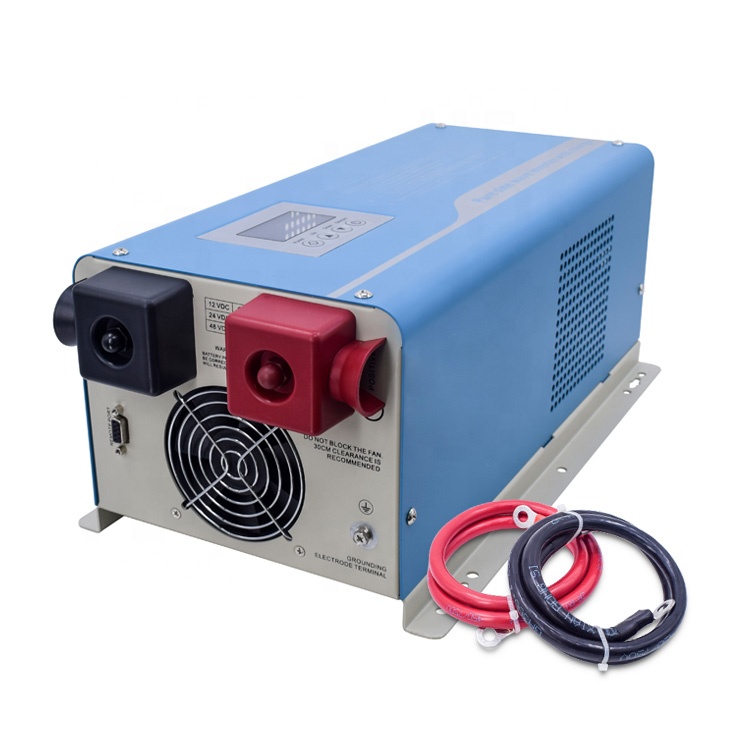
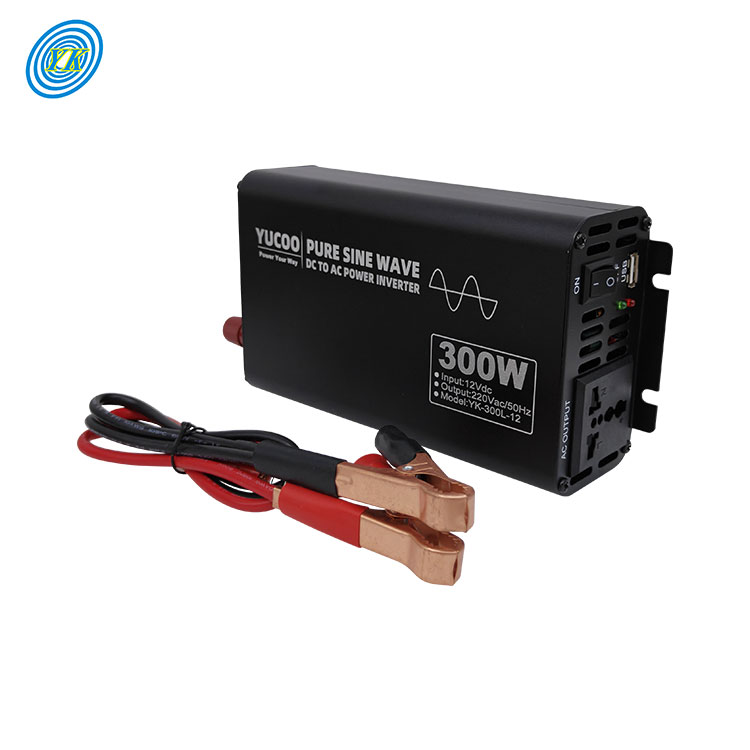
Makassar serves as the administrative and logistics bridge for South and Central Sulawesi’s booming nickel processing corridors (Sorowako, Morowali transit hubs). Heavy transport haulers, mobile maintenance trailers, and off-grid security surveillance towers require industrial-grade DC-DC converters and solar regulators. Products like our Isolated 48V–96V to 24V converters and 1500W pure sine wave toroidal inverters withstand continuous shock, vibration, and dust ingress.
Strategic Market Forecast
Macro Trends & Regulatory Frameworks Shaping Makassar's Solar Sector
Understanding Indonesia's National Clean Energy Roadmaps (RUPTL 2021–2030) and the Commercial Shift Across South Sulawesi
PLN Hybridization Mandates
Under the state electricity company’s (PLN) green transformation agenda, over 5,000 isolated diesel generation sites across Eastern Indonesia are scheduled for conversion into solar-plus-storage hybrid micro-grids. Project developers in Makassar increasingly specify commercial-scale MPPT systems capable of operating alongside existing synchronous gensets, requiring rapid frequency and voltage stabilization algorithms that prevent battery over-voltage trips during genset engagement.
The Surge in LiFePO4 Adoption
While flooded lead-acid batteries formerly dominated traditional Indonesian PLTS (Pembangkit Listrik Tenaga Surya) installations due to initial capital constraints, the lowest Levelized Cost of Storage (LCOS) has driven a rapid transition toward Lithium Iron Phosphate (LiFePO4). Our MPPT algorithms feature programmable charge profiles, high-speed BMS wake-up signaling, and precision voltage cut-offs accurate to ±0.05V, preventing expensive lithium cell over-charging in equatorial temperatures.
Strict Local Sourcing & Compliance
Indonesian energy tenders increasingly prioritize verified manufacturing heritage, international certification baselines (CE, RoHS, IEC 62109), and transparent supply chain documentation. Direct partnership with our factory ensures Makassar EPC contractors receive verified factory burn-in test documentation, ISO 9001:2015 tracking, and customized private-label housing tailored for national infrastructure tenders.
Manufacturing Excellence
Why Makassar Procurement Teams Rely on Varnix Technology
Factory-Direct Power Electronics Engineering Backed by 23 Years of Production Mastery and Global Delivery Verification
Over 23 Years Manufacturing Authority
Established in 2003, Varnix Technology Co., Ltd. operates state-of-the-art production floors spanning high-precision SMT, automated through-hole wave soldering, comprehensive mechanical fabrication, and dedicated aging laboratories. We are not a broker; our equipment is built in-house under audited ISO 9001:2015 quality management procedures.
Onsite SGS Verification & CE/RoHS
Our facility, production output capacity, and corporate credit have undergone rigorous on-site audit verification by the SGS Group. All MPPT charge controllers, DC-DC step-down modules, and pure sine wave inverters carry formal CE, RoHS, and FCC compliance certifications, simplifying customs clearance at Indonesian ports of entry.
Dedicated OEM/ODM Customization
We tailor input voltage windows, output current ratings, firmware charge curves, private-label silk-screen branding, and exterior chassis colors to your project parameters. Low initial evaluation MOQs (starting from 1 to 10 sets for catalog units) enable Makassar distributors to validate localized performance before committing to full 20ft/40ft container procurement.
Procurement Guidance
Frequently Asked Questions: Purchasing MPPT Controllers for Makassar
Key Commercial, Technical, and Logistical Details for Indonesian Solar Contractors, Importers, and System Integrators
Q1: How are shipments handled from your factory to Makassar?
We provide full-spectrum export trade terms including FOB (Guangzhou/Shenzhen), CIF (Pelabuhan Soekarno-Hatta, Makassar), and DDP door-to-door options. For sea freight, standard consolidation travels via direct feeder routes through Singapore, Tanjung Priok (Jakarta), or Tanjung Perak (Surabaya) directly into Makassar Port with typical transit times of 14–22 days. Air freight samples arrive at Sultan Hasanuddin International Airport (UPG) in 4–6 business days.
Q2: How do your controllers resist high humidity and saltwater mist in South Sulawesi?
Every controller built for Southeast Asian coastal deployment undergoes a specialized double-coating process using Class 1B anti-corrosion resin on all printed circuit boards. Inductors and transformers are vacuum varnished to eliminate moisture ingress, and thermal interface surfaces use high-conductivity non-corrosive silicone pads paired with anodized 6063 aluminum chassis hardware.
Q3: Can the MPPT charging profiles be programmed for custom LiFePO4 battery packs?
Yes. In addition to factory presets for AGM, Sealed, and Flooded lead-acid batteries, our MPPT units offer a fully customizable User Mode. Technicians can adjust absorption voltage, float voltage, low-voltage disconnect (LVD), and low-voltage reconnect (LVR) thresholds via the front panel LCD, remote meter, or RS485 Modbus PC software directly in the field.
Q4: What is the factory minimum order quantity (MOQ) for B2B orders?
For standard catalog configurations of our MPPT charge controllers, DC-DC buck/boost converters, and pure sine wave inverters, the evaluation MOQ is only 1 to 10 units. Custom private-label silk screening, custom enclosure powder coating, and specialized firmware adjustments typically start at 50 to 100 units depending on the model tier.
Q5: What documentation is provided for Indonesian customs clearance and project tenders?
Every export shipment includes a certified Commercial Invoice, Packing List, Bill of Lading, Certificate of Origin (Form E for ASEAN preferential import duties where applicable), factory burn-in test report, and CE/RoHS declarations. We work closely with your licensed Indonesian customs broker (PPJK) to ensure rapid clearance without detention.
Q6: How is technical warranty support managed for installations in Eastern Indonesia?
All Varnix industrial power electronics come backed by a comprehensive factory-backed warranty written into every contract. In the rare event of a component failure, our 24/7 technical engineering team provides immediate remote diagnostics. Confirmed warranty defects are resolved via air-shipped replacement control boards or complete unit swap-outs on subsequent shipments.
Power Your Makassar & Eastern Indonesia Solar Projects with Confidence
Connect directly with our senior power electronics engineering team today. Request custom voltage specifications, obtain factory-direct OEM wholesale price matrices, or order evaluation samples configured for severe tropical coastal climates.