Engineered Power Architecture for Holguín Solar Installations
Precision-manufactured power conversion units, ultra-wide input voltage stabilizers, and off-grid hybrid inverters designed to withstand coastal salinity, extreme thermal swings, and severe grid unreliability.
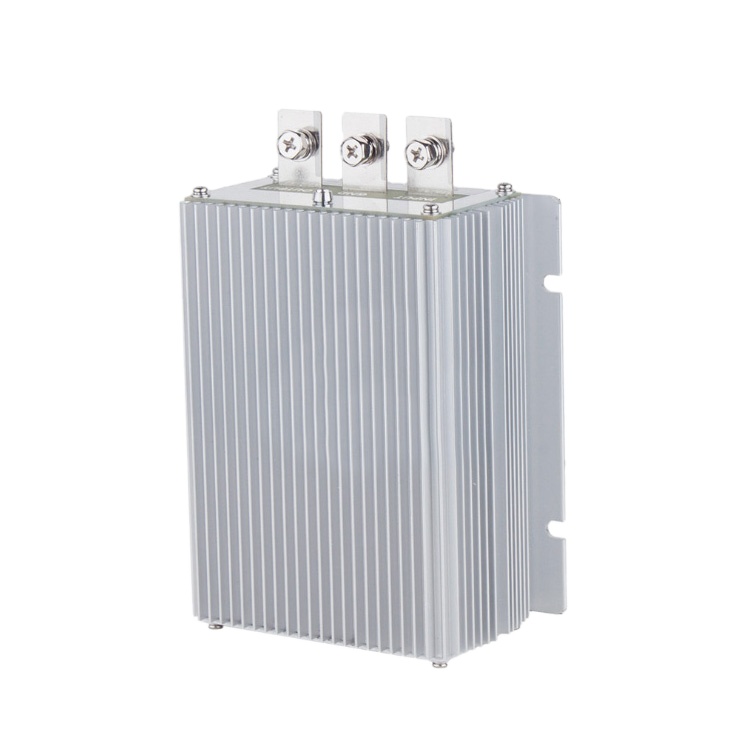
Waterproof IP67 aluminum sealed casing. Designed for stepping up erratic solar battery buses to stable 48V industrial lines.
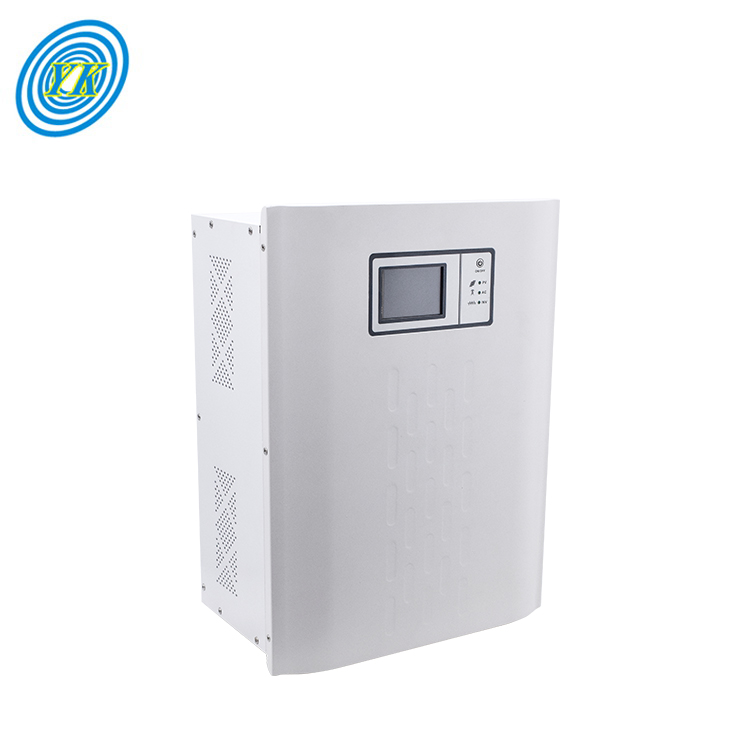
Integrated MPPT controller and smart charger. Dual 110V/220V split-phase AC output tailored for regional residential microgrids.
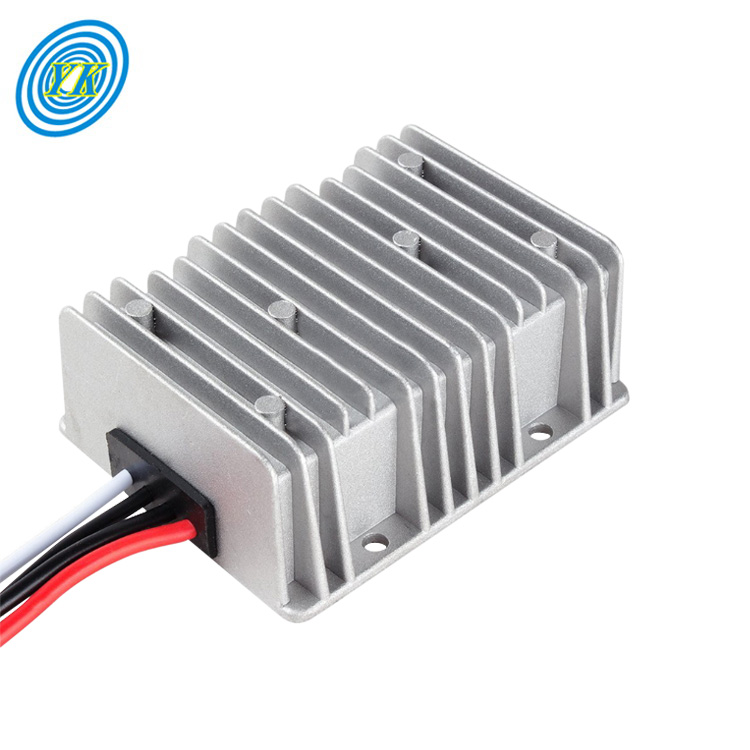
Automatic buck-boost topology maintaining a pristine 13.8V radio or float charging line amid fluctuating panel voltages.
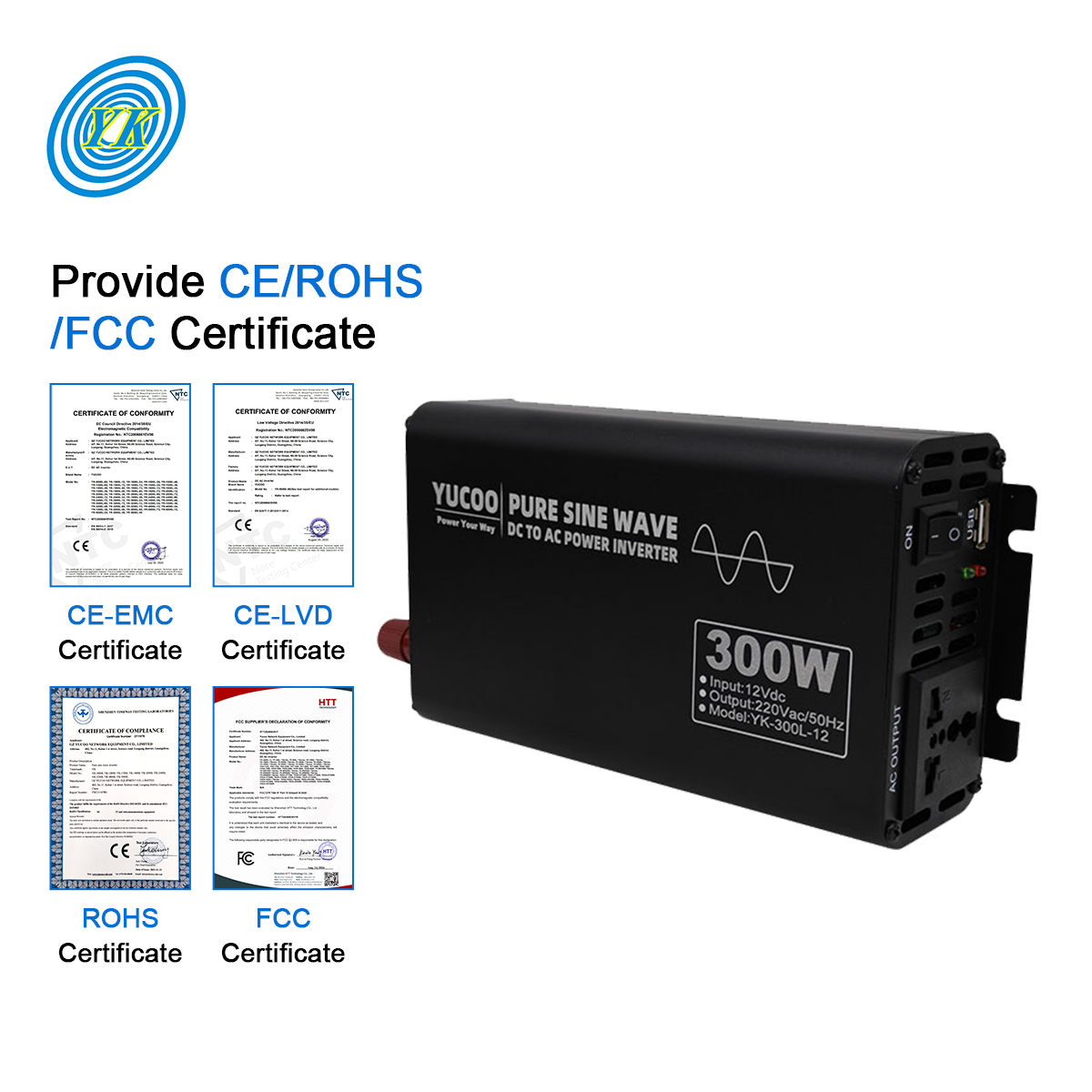
Compact 12V/24V to 110V/220V pure sine converter. Harmonic distortion <3% for sensitive medical diagnostic and IT loads.

High-amperage switching regulator stabilizing telecom repeaters and off-grid remote telemetry in high-heat zones.
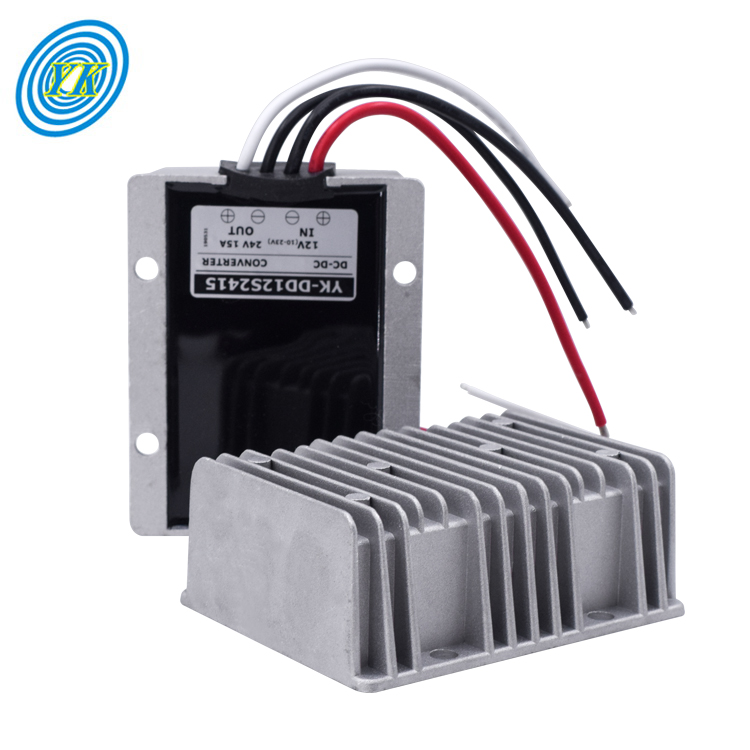
Engineered for solar-battery banks subject to deep cycling, providing smooth 13.8V power for telecom radio banks.
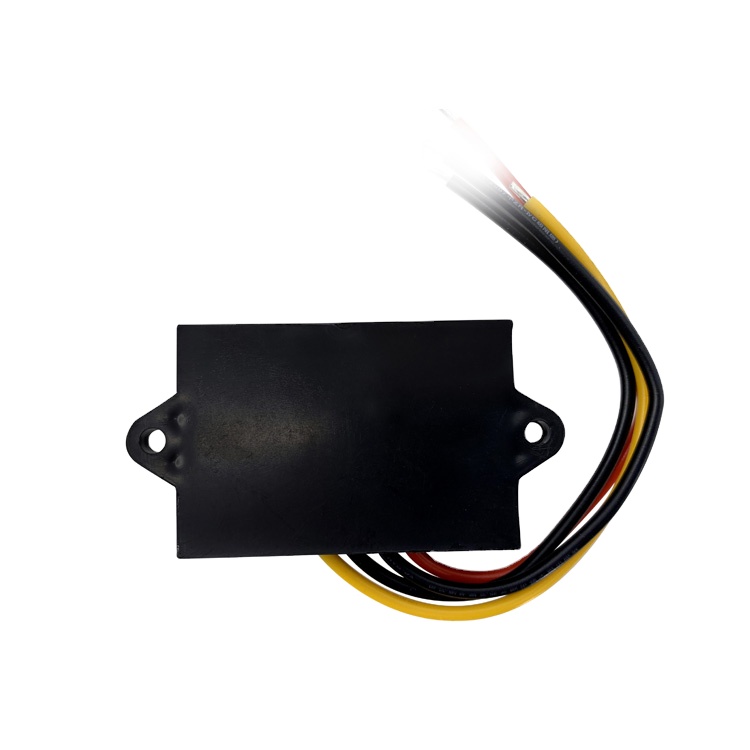
Epoxy potted hermetic step-down module for outdoor public charging stations, marine telemetry, and rural solar lighting.
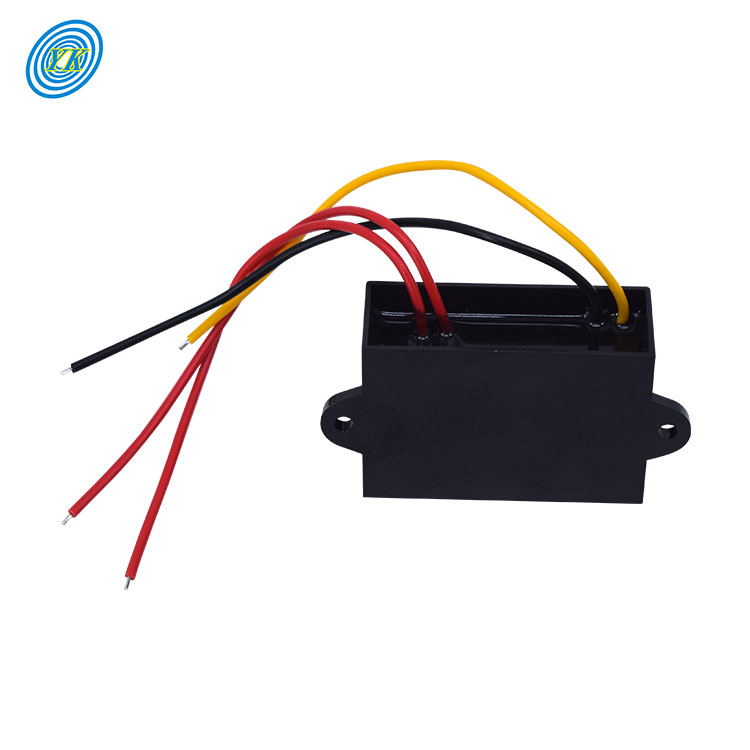
Versatile low-voltage rectification unit designed to interface AC control transformers with low-voltage DC logic circuits.
Strategic Role of Advanced MPPT Algorithms in Holguín’s Energy Landscape
The municipality of Holguín, extending through Moa, Gibara, and Banes, represents one of Cuba’s most geographically diverse and industrially vital regions. Characterized by high solar irradiance levels exceeding 5.3 kWh/m²/day, the territory is simultaneously confronted by severe electrical supply deficits, grid curtailment, and the operational strain placed on domestic networks by localized agro-industrial and nickel extraction activities. In off-grid and hybrid distributed generation models, the Maximum Power Point Tracking (MPPT) charge controller acts as the fundamental neural hub between dynamic photovoltaic generation curves and chemical energy storage banks.
Traditional Pulse Width Modulation (PWM) systems fundamentally fail in eastern Cuban operating conditions. Under the tropical noon conditions of Holguín, where ambient temperatures frequently surpass 36°C, photovoltaic cell surface temperatures can exceed 65°C. As silicon surface temperatures surge, cell voltage ($V_{mp}$) drops significantly. A typical PWM controller simply forces the solar module down to the battery terminal voltage, discarding between 20% and 38% of available harvestable energy. Varnix high-speed tracking MPPT architectures utilize high-frequency switching DC-to-DC step-down circuitry governed by specialized Perturb and Observe (P&O) and Incremental Conductance tracking topologies, executing sweep frequencies within 20 milliseconds to secure peak power transfers even during overcast periods and rapid cloud cover shifts.
Localized Application Scenarios in Holguín Province
Proven engineering implementations resolving continuous power disruptions across critical industry, agro-food logistics, and remote communications.
Nickel Mining & Heavy Industry (Moa Corridor)
The mineral refining centers along the Moa coastline require uninterrupted 24VDC/48VDC telemetry and process automation circuits. Varnix MPPT controllers and heavy-duty buck-boost converters protect SCADA control loops from line voltage drops, absorbing inductive surges from massive slurry pumps and vibrating screens while cycling deep-reserve lithium battery banks.
Off-Grid Agricultural Pumping in Mayarí
Irrigation systems throughout the Mayarí agricultural basin depend on solar-direct and battery-assisted DC submersible pumps. MPPT controllers maintain peak motor torque during morning and evening solar tapers, preventing motor stalling, reducing mechanical wear on deep-well impellers, and ensuring steady hydration for sugarcane and fruit crops.
Coastal Tourism Microgrids (Guardalavaca & Gibara)
Resorts and private hospitality enterprises facing daily rotational grid shedding rely on hybrid solar configurations. Varnix IP67-rated power units and pure sine wave inverters safeguard cold storage, commercial kitchen sensors, and guest accommodations from severe utility brownouts and marine air corrosion.
Market Trends & Energy Policy Shifts in Holguín
Navigating technical and regulatory developments within Cuba's decentralized solar sector.
1. Rapid Migration to High-Voltage Lithium Architectures
The historic reliance on imported automotive lead-acid batteries for renewable energy storage has proven economically catastrophic in Holguín due to extreme ambient heat accelerating plate sulfation and battery dry-out within 12 to 18 months. EPC contractors and state-affiliated cooperatives are systematically shifting toward Lithium Iron Phosphate (LiFePO4) 48V chemistries.
This technical evolution demands MPPT controllers equipped with user-programmable absorption, float, and equalizing voltage limits, as well as RS485/CAN communication links to integrate directly with internal Battery Management Systems (BMS). Varnix intelligent charge controllers prevent high-voltage disconnect events caused by BMS cell-balancing locks, sustaining operational uptime across essential circuits.
2. Decentralized Mini-Grids for Small Enterprises (Mipymes)
With the expansion of small and medium enterprises (Mipymes) across Holguín, commercial reliance on unreliable national grid lines has become the single greatest operational risk to local business continuity. Food preservation, private fabrication workshops, and bakeries are deploying dedicated rooftop solar microgrids.
System designers are specifying hybrid charge controllers and split-phase power inverters capable of accepting variable generator inputs while prioritizing solar self-consumption. This reduces reliance on high-cost diesel fuel, ensuring operations continue without downtime during routine grid disconnects.
System Engineering & Sizing Decision Matrix
Use this engineering matrix to match your application with appropriate solar voltage architectures.
| Installation Profile | Typical DC System Voltage | Recommended Controller & Inverter | Key Environmental Safeguard |
|---|---|---|---|
| Remote Telemetry & Telecom Towers (Silla de Gibara, Moa mountain ridge) |
24VDC / 48VDC isolated bus | YUCOO High-Amperage DC Regulator & Telecom Inverters | Conformal PCB coating, Class II surge suppression (SPD) |
| Residential & Commercial Microgrids (Holguín City center, Gibara residential) |
48VDC battery bank | All-in-One 3KW Hybrid Inverter with integrated MPPT | Wide input range (150VDC PV), dual 110V/220V split phase |
| Coastal Marine & Fishing Vessels (Puerto de Vita, Banes Bay) |
12VDC / 24VDC dual banks | Waterproof IP67 DC-DC Step-Up / Step-Down Units | Anodized extruded aluminum chassis, fully potted internals |
| Agro-Industrial Processing Units (Mayarí, Calixto García farms) |
48VDC / 96VDC arrays | High-Wattage Multi-Phase MPPT Controller + Boost Regulators | Thermal derating margin up to +60°C ambient tolerance |
Why Engineering Teams Partner with Varnix
Over two decades of precision power electronics manufacturing, certified reliability, and end-to-end export support.
ISO 9001:2015 & SGS Audited
Our 1,229 m² manufacturing facility operates under rigid quality management protocols. Every unit passes an automated 5-stage production protocol including 100% full-load thermal burn-in testing to screen out premature component infant mortality.
OEM/ODM Customization for Latin America
We engineer custom input/output voltage configurations, bespoke aluminum enclosure extrusions, integrated DC disconnects, and proprietary firmware tailored to specific battery chemistry charging profiles.
Robust Logistics & Export Support
With extensive experience shipping under FOB, CIF, DDP, and multimodal Caribbean routes, our export logistics team ensures comprehensive documentation, compliant HS code classifications, and heavy-duty maritime export packaging.
Frequently Asked Questions: Sourcing MPPTs for Holguín
Direct answers to technical, commercial, and logistical inquiries from regional procurement specialists.
Why is an MPPT controller superior to a PWM controller in Holguín’s climate?
How does high ambient humidity and salinity affect controller lifespan in coastal areas like Gibara?
Can Varnix MPPT charge controllers work with both Gel/Lead-Acid and LiFePO4 batteries?
What is the maximum PV open-circuit voltage ($V_{oc}$) supported by your systems?
What are the typical lead times and maritime shipping methods available for Cuba?
Consult with Our Solar Engineering Team
Need assistance sizing an MPPT charge controller array, configuring a DC-DC converter line, or developing an OEM power project for the Holguín market? Our technical engineers are available around the clock to review your system specifications.