High-Efficiency Conversion Equipment for Eastern Cuba
Direct factory supply of step-up/down buck-boost regulators, pure sine wave power inverters, switching rectifiers, and phase converters optimized for 110V/220V 60Hz architectures.
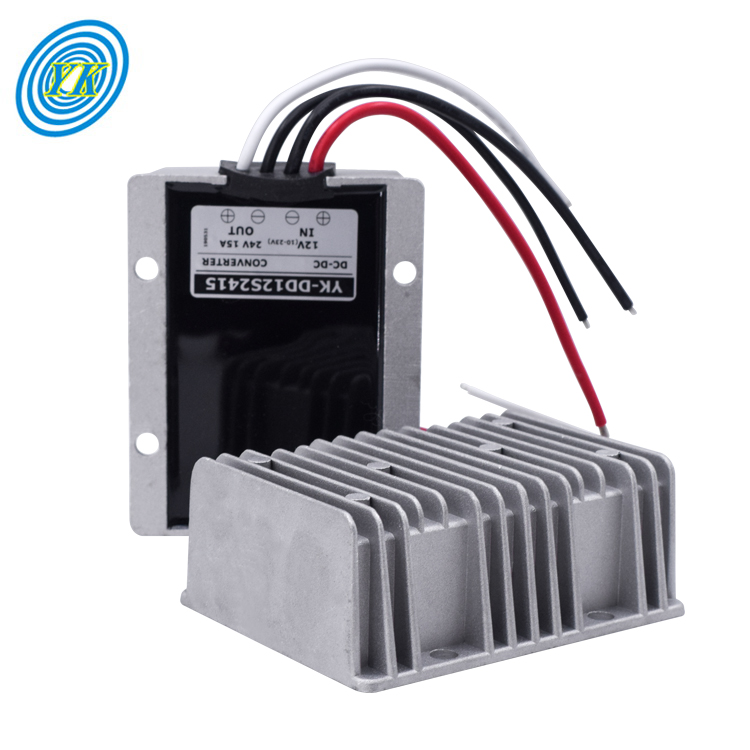
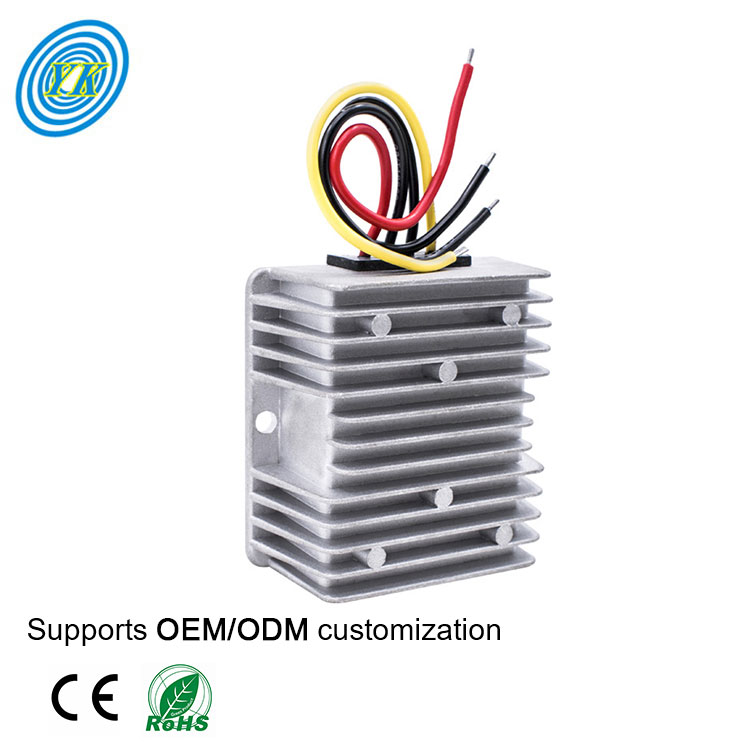
- Input Range: 9V – 36V DC
- Output: 13.8V DC @ 20A (276W)
- Enclosure: Die-cast Aluminum IP67
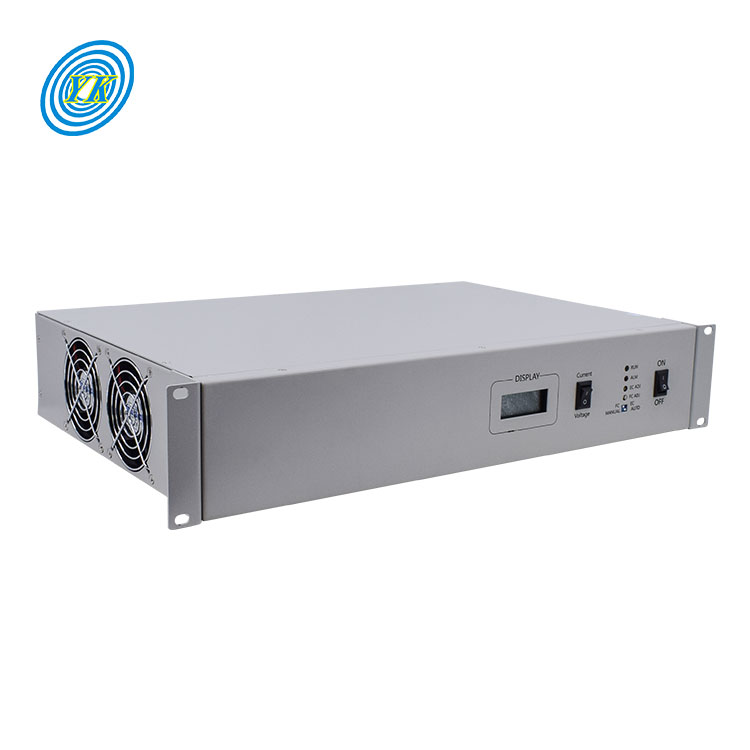
- AC Input: 90V – 140V AC 60Hz
- DC Output: 24V DC (10A to 100A)
- Protection: OVP, OCP, Thermal Cutoff
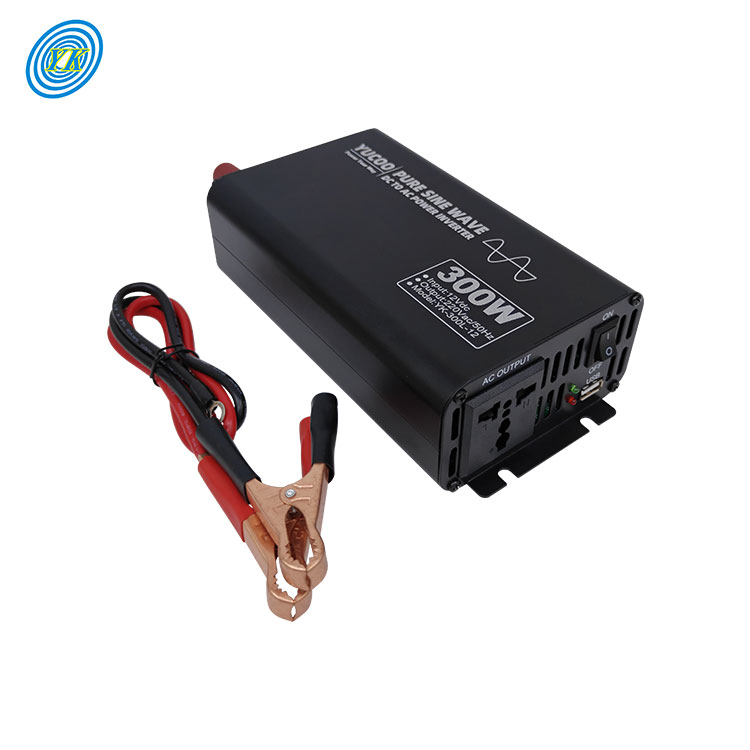
- DC Inputs: 12V / 24V / 48V / 60V / 72V
- Output: 110V / 220V Pure Sine (THD<3%)
- Peak Surge: 600W Microsecond Peak
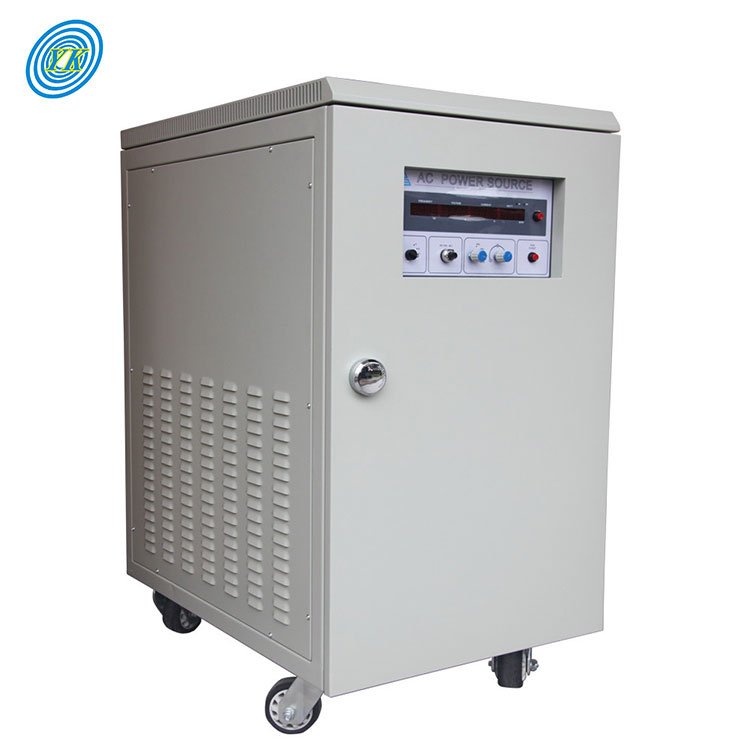
- Input Phase: 1-Phase 110V / 220V AC
- Output Phase: 3-Phase 220V / 380V Balanced
- Frequency: 50Hz / 60Hz Pure Sine
- Nominal Input: 10V – 32V Wide DC Bus
- Regulated Out: 24V DC Constant @ 5A
- Efficiency: Up to 95.5% Synchronous
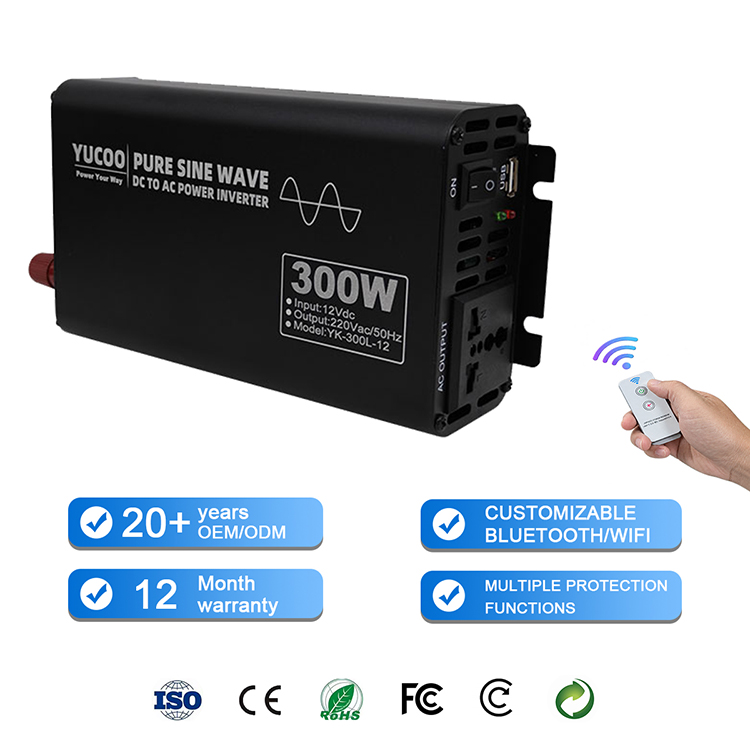
- USB Ports: Dual 5V 2.4A Smart IC
- AC Output: 110V/120V 60Hz NEMA Socket
- Cooling: Silent Smart Temperature Fan

- HV Input: Up to 90V DC String Potential
- Output: 12V DC Constant @ 15A
- Potting: Epoxy Sealed Anti-Corrosion
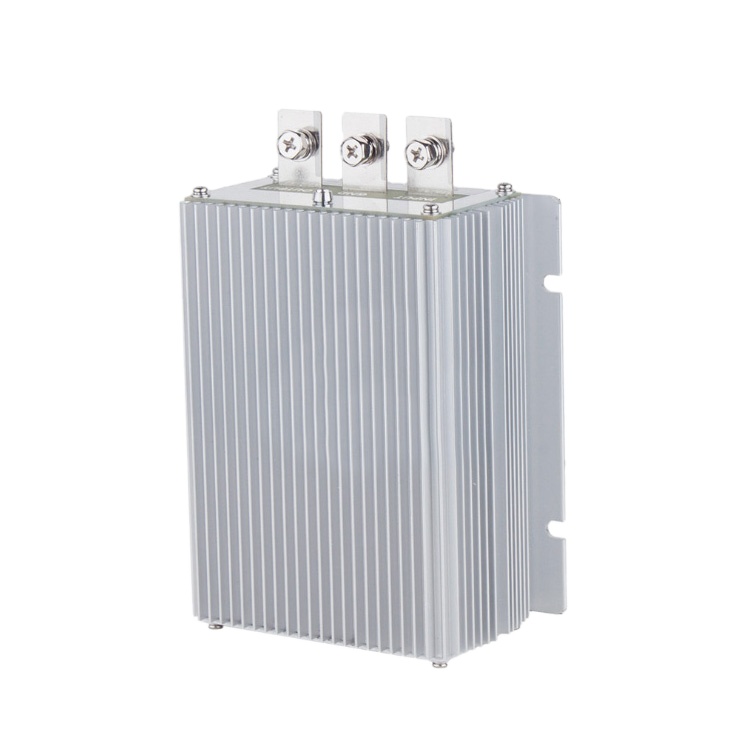
- Power Density: 1,440 Watts Continuous
- Conversion: 36V DC stepped up to 48V DC
- Ingress Rating: IP67 Submersible Proof
Power Electronics Optimization for Santiago de Cuba’s Harsh Operating Environment
Santiago de Cuba, the nation’s second-largest economic hub, faces a critical convergence of extraordinary photovoltaic potential and severe operational hazards for power electronics. Nestled along the Caribbean coastline backed by the rugged Sierra Maestra mountain range, the region receives exceptional global horizontal irradiance (exceeding 5.4 to 6.2 kWh/m²/day). However, converting this solar resource into reliable alternating current demands specialized power conditioning equipment designed specifically to survive continuous electrical and environmental stress.
The eastern branch of Cuba’s National Electric System (Sistema Eléctrico Nacional, SEN), which supplies Santiago de Cuba, experiences regular operational curtailments, sudden total blackouts (apagones), and sharp transient voltage spikes during restoration. Inverters engineered solely for mild, stable European or North American utility connections frequently suffer catastrophic premature MOSFET failure, high-voltage gate puncture, and thermal throttling when deployed here. Delivering durable OEM/ODM solar inverters and DC conversion systems into Santiago de Cuba requires an uncompromised commitment to structural ruggedization.
Technical Insight: Our Caribbean-targeted OEM inverter topology integrates industrial-grade varistors (MOVs) and gas discharge tubes capable of absorbing voltage swings between 85V AC and 150V AC on single-phase 110V/60Hz circuits, while maintaining seamless automatic transfer switching (ATS) under 10 milliseconds to safeguard refrigeration, telecommunications, and industrial motor loads.
Beyond electrical volatility, Santiago de Cuba's tropical savanna and coastal climate exposes electronics to intense thermal gradients (ambient temperatures routinely exceeding 38°C in summer) coupled with 80% to 92% relative humidity. The ambient marine salinity radiating from the Bahía de Santiago de Cuba aggressively attacks exposed copper circuit traces, transformer windings, and solder joints. Our manufacturing lines apply an automated triple-dipped IPC-CC-830B compliant silicone conformal coating to all printed circuit board assemblies (PCBAs), sealing out salt fog, airborne dust, and conductive moisture.
Engineering Benchmark: Standard vs. Tropicalized Island Inverter Topology
| Design Parameter | Standard Commercial Grade Inverters | Varnix Tropicalized Island OEM Architecture |
|---|---|---|
| Operating Temperature | 0°C to +40°C (Linear derating above 30°C) | -25°C to +65°C (Zero derating up to 45°C ambient) |
| PCBA Protection | Uncoated or partial single lacquer coat | Triple-dipped IPC-CC-830B silicone conformal elastomer |
| Thermal Management | Single low-CFM sleeve-bearing fan | Dual ball-bearing IP65 brushless fans with heatsink extrusion |
| Surge Handling | 1.5× continuous rating for 1 second | 2.0× continuous rating for 5 seconds (heavy inductive start) |
| AC Grid Synchronization | Narrow 110V/220V ±5% tolerance | Ultra-wide AC voltage tolerance (85V–145V / 170V–275V) @ 57–63Hz |
| Electromagnetic Isolation | Non-isolated common ground | Full high-frequency transformer galvanic isolation (safe DC/AC) |
Tailored Application Scenarios Across Santiago de Cuba
From the industrial docks of Guillermón Moncada to rural agro-forestry cooperatives in the Sierra Maestra, our systems deliver resilient electrical continuity.
Private Sector (Mipymes) Energy Autonomy
With the expansion of small and medium private enterprises (micro, pequeñas y medianas empresas) in Santiago de Cuba—including cold storage food distribution, bakeries, mechanical repair centers, and private manufacturing—uninterrupted AC power is non-negotiable. Our pure sine wave inverters paired with 24V or 48V lithium iron phosphate (LiFePO4) storage banks provide clean, surge-protected 110V/220V 60Hz power, sustaining commercial freezers, computing arrays, and electronic POS machinery through prolonged grid shedding.
Coffee & Agricultural Processing in Sierra Maestra
The mountainous municipalities surrounding Santiago de Cuba—such as Tercer Frente, Contramaestre, and San Luis—are the heartland of Cuban coffee and citrus production. Many processing and drying stations operate in rugged off-grid terrain. Our heavy-duty rotary phase converters and high-capacity solar boost converters convert DC solar array strings into balanced 3-phase 220V/60Hz AC power, driving coffee pulp separators, water irrigation pumps, and bean hulling equipment without costly diesel generator dependencies.
Medical Clinics & Emergency Cold Chain
Provincial hospitals such as Hospital Provincial Saturnino Lora and municipal polyclinics require uninterrupted power for surgical suites, vaccine storage, laboratory incubators, and oxygen concentrators. Our low-harmonic-distortion pure sine wave inverter series (THD < 3%) eliminates electromagnetic interference on sensitive diagnostic cardiac monitors and analytical sensors, ensuring zero system crashes during rapid grid-to-battery failovers.
Telecom Repeater Towers & Base Stations
Cellular base stations and microwave repeaters situated on mountain summits across Santiago de Cuba province rely heavily on 48V DC battery plants. Our rack-mounted telecom power inverters and modular 110Vac-to-24Vdc/48Vdc switching rectifiers ensure seamless dual-conversion power delivery. Engineered with integrated RS485/SNMP remote monitoring ports, network operators can oversee battery health, charge rates, and inverter parameters from central monitoring centers.
Maritime Facilities & Coastal Marinas
Port operations around the Bahía de Santiago de Cuba, including the Puerto Guillermón Moncada, demand ruggedized IP67 power electronics resistant to salt spray and periodic storm inundation. Our sealed 1440W step-up boost converters and cast-aluminum buck regulators support dockside battery charging stations, marine navigational radios, electric workboats, and specialized lighting installations that corrode standard consumer power equipment within months.
Remote Satellite Internet & Starlink Terminals
Rural communities, ecotourism lodges, and critical disaster-response teams throughout Eastern Cuba deploy modern low-earth-orbit satellite terminals like Starlink Mini. Our dedicated 12V/24V to 30V and 57V step-up DC-DC converters eliminate inefficient dual conversion (Battery DC → AC Inverter → AC Brick → DC Terminal). By powering dishes directly from 12V/24V solar battery systems, overall operating efficiency rises by 30%, minimizing precious battery consumption.
Santiago de Cuba’s Renewable Energy Transition & Policy Drivers
The Republic of Cuba has set a strategic national imperative to transition 24% to 30% of its electrical generation to renewable sources by 2030, a target underscored by the Ministry of Energy and Mines (MINEM). Eastern Cuba, spearheaded by the province of Santiago de Cuba, is the foundational epicenter of this transition. Given the rising logistics cost of hauling imported crude oil and diesel to the Renté thermoelectric power plant (Central Termoeléctrica Antonio Maceo), localized decentralized photovoltaic generation has shifted from an environmental aspiration to an economic survival mandate.
In response, legislative frameworks—including Cuban Customs Resolution 206/2021 and subsequent trade liberalization laws—have removed or drastically reduced import tariffs on solar panels, inverters, battery storage banks, and photovoltaic accessories for both natural persons (personas naturales) and legal entities. This regulatory pivot has catalyzed high demand for dependable overseas manufacturing partners able to deliver customized, certified, and cost-effective power conversion equipment tailored to Caribbean regional standards.
Furthermore, the rapid emergence of Cuban private commercial enterprises (Mipymes) has generated a massive commercial market for modular solar systems. Business operators recognize that a 3kW to 10kW hybrid inverter paired with battery storage ensures business continuity, guarding against perishable food spoilage and lost manufacturing cycles. For B2B importers, distributors, and governmental procurement bodies in Santiago de Cuba, selecting the right Chinese OEM/ODM partner with ISO-certified production lines and verified international compliance certificates (CE, RoHS, FCC) is the pivotal differentiator between continuous operational uptime and recurring equipment failure.
Grid Modernization Deficit
Centralized generation infrastructure requires long-term capital recapitalization. Modular decentralized solar storage represents the fastest route to local energy stability.
Import Tariff Relief (Res. 206)
Zero-duty incentives for solar hardware empower Cuban businesses to import complete containerized inverter and energy storage kits direct from verified factories.
Microgrid & Storage Growth
Expansion from simple backup UPS installations to smart off-grid microgrids featuring multi-unit parallel inverter topologies up to 30kW capacities.
Precision Manufacturing Standards Backed by 23 Years of Heritage
Varnix Technology Co., Ltd. (founded 2003 in Guangdong, China) delivers end-to-end power conversion engineering directly from our SGS-inspected manufacturing facility.
ISO 9001:2015 & SGS Onsite Verified
Our 1,229 m² factory, housing 58 verified technical specialists and 10+ modern assembly lines, is audited onsite by SGS. Every process follows rigorous quality control from incoming raw component inspection to final packaging.
100% Full-Load Burn-In Thermal Testing
We do not perform batch sampling for critical testing. Every single solar inverter, DC converter, and rectifier runs through a 4 to 8 hour elevated-temperature burn-in test under 100% load to eliminate infant mortality in tropical deployments.
Deep OEM / ODM Customization Options
We tailor input voltage ranges (12V, 24V, 48V, 60V, 72V, 84V, 96V to 600V), output waveform profiles, dual 110V/220V 60Hz split-phase configurations, custom aluminum extrusions, silk-screen branding, and Spanish-language LCD user interfaces.
Flexible Global Shipping & Logistics
Supporting containerized ocean freight (FCL/LCL) through major hubs direct to the Port of Santiago de Cuba (Guillermón Moncada), alongside CIF, FOB, and express air options. Fast dispatch of high-demand converters supported by our overseas inventory.
Full Regulatory Certification Suite
Our product portfolios hold accredited CE (LVD & EMC), RoHS environmental compliance, and FCC certifications. Full factory test reports, schematic diagrams, and material declarations are systematically supplied for customs clearance.
24/7 Direct Engineering Technical Support
Avoid bureaucratic delays with trading middlemen. Our Guangdong electrical design engineers interface directly with your technical personnel via live chat and video diagnostics, boasting a proven 98.2% rapid response rate.
Frequently Asked Questions for Santiago de Cuba Procurement
Essential technical, commercial, and logistics guidance for electrical engineers, distributors, and municipal buyers sourcing from China.
What are the exact AC output voltage and frequency specifications required for Santiago de Cuba? +
Cuba's electrical infrastructure operates predominantly on a 110V/120V AC single-phase standard at 60Hz for residential circuits and smaller light-commercial appliances. Heavy commercial and industrial machinery—such as walk-in freezers, irrigation pumps, air conditioning systems, and agro-processing equipment in Santiago de Cuba—frequently utilizes 220V split-phase or 220V/380V 3-phase 60Hz power. As an OEM manufacturer, Varnix configures inverter transformers and digital DSP firmware to deliver strict 60Hz pure sine wave output with dual 110V/220V terminals or integrated single-to-three-phase conversion, completely avoiding motor burnout caused by incorrect 50Hz frequency mismatching.
How does your factory protect inverters against Santiago de Cuba's maritime salinity and extreme ambient heat? +
We apply a comprehensive tropicalization process: First, all PCBAs undergo high-precision automated application of IPC-CC-830B compliant silicone conformal coating, safeguarding sensitive copper traces and surface-mount components from salt-laden sea air originating from the Bahía de Santiago de Cuba. Second, we integrate premium high-temperature 105°C-rated electrolytic capacitors from reputable global foundries. Third, our heat sinks are manufactured from oversized extruded 6063 aerospace-grade aluminum paired with dual IP65 ball-bearing cooling fans governed by smart temperature sensing algorithms, preventing thermal throttling even in ambient conditions reaching 45°C.
Can your inverters handle the abrupt voltage surges when Cuba's SEN electrical grid is restored after a blackout? +
Yes. Post-outage grid restrike is notorious for delivering severe transient voltage spikes (often exceeding 170V on nominal 110V lines). Our hybrid and UPS-mode inverters feature dual-stage front-end transient voltage surge suppression (TVSS), heavy-duty Metal Oxide Varistors (MOVs), and programmable reconnection delay timers (adjustable from 30 seconds to 5 minutes). The inverter monitors AC utility stability over several hundred continuous cycles before smoothly synchronizing and transferring the load back to the grid, shielding downstream electronics from inductive surge spikes.
What are the minimum order quantities (MOQs) and lead times for OEM branding projects shipping to Cuba? +
For standard catalog items and evaluation samples, our MOQ starts at just 1 to 5 units, allowing engineers and procurement managers to conduct onsite electrical field tests in Santiago de Cuba. For full OEM/ODM branding programs—including custom enclosure colors, company logo silk-screening, custom Spanish-language user manuals, and customized LCD graphic boot screens—MOQs typically range from 20 to 50 units depending on the physical frame size. Standard production lead time is 15 to 25 business days following technical parameter confirmation.
What shipping routes and documentation do you provide for delivery to the Port of Santiago de Cuba? +
We regularly dispatch full container load (FCL) and less-than-container load (LCL) shipments via international ocean carriers routed to the Port of Guillermón Moncada (Santiago de Cuba) or the Port of Mariel with subsequent domestic transport. We furnish complete commercial documentation compliant with Cuban customs verification, including Bill of Lading (B/L), detailed Commercial Invoice, Packing List with verified weights/volumes, Certificate of Origin (CO), and certified CE/RoHS test declarations to expedite tax exemptions under Resolution 206/2021.
What warranty, replacement parts, and technical assistance do you supply post-sale? +
Every commercial-grade inverter and DC-DC converter is backed by our factory warranty (ranging from 12 to 36 months, contract-stipulated). Recognizing the logistical challenges of returning hardware from Cuba to China, we provide proactive warranty support: for batch orders, we supply 1% to 2% complimentary spare components—including pre-tested driver boards, control cards, IGBT/MOSFET packs, and cooling fans. Our senior power electronics engineers provide 24/7 diagnostic assistance via video conference, WhatsApp, and email.
Initiate Your Santiago de Cuba OEM/ODM Project Today
Whether you need custom 110V/220V 60Hz solar inverters, high-capacity rotary phase converters, or IP67 waterproof buck-boost modules, our engineering staff is standing by to deliver verified factory-direct solutions tailored to your operational specifications.