Precision Rectification & DC Power Conversion Products
Engineered for high power density, thermal resilience, and clean low-ripple output. Each high-frequency module undergo 100% full-load aging tests before export dispatch.
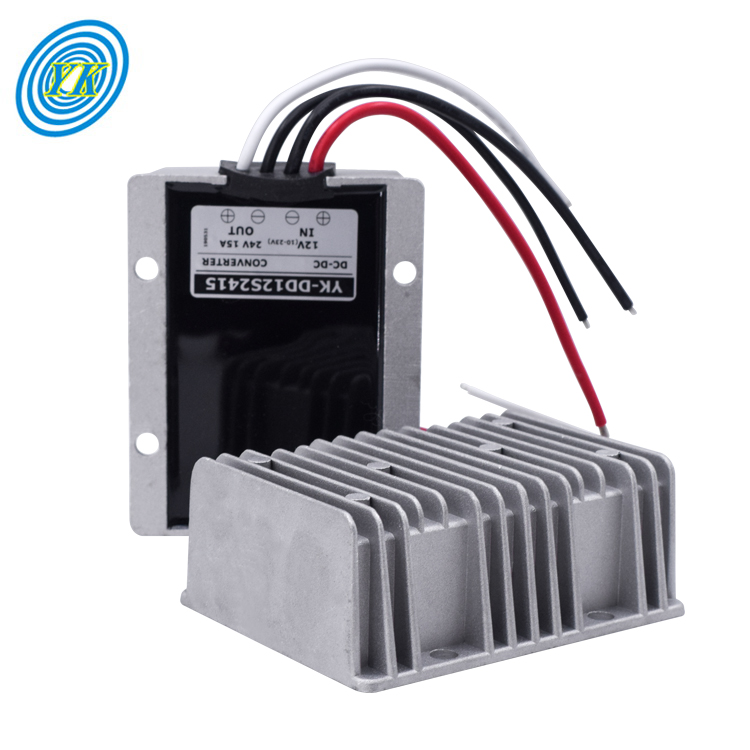
DC Voltage Stabilizer 12V/24V to 13.8V 20A Converter
- Input Range9V–36V DC Wide
- Nominal Output13.8V DC ±1%
- Continuous Current20 Amperes Max
- Efficiency>94.5% Peak
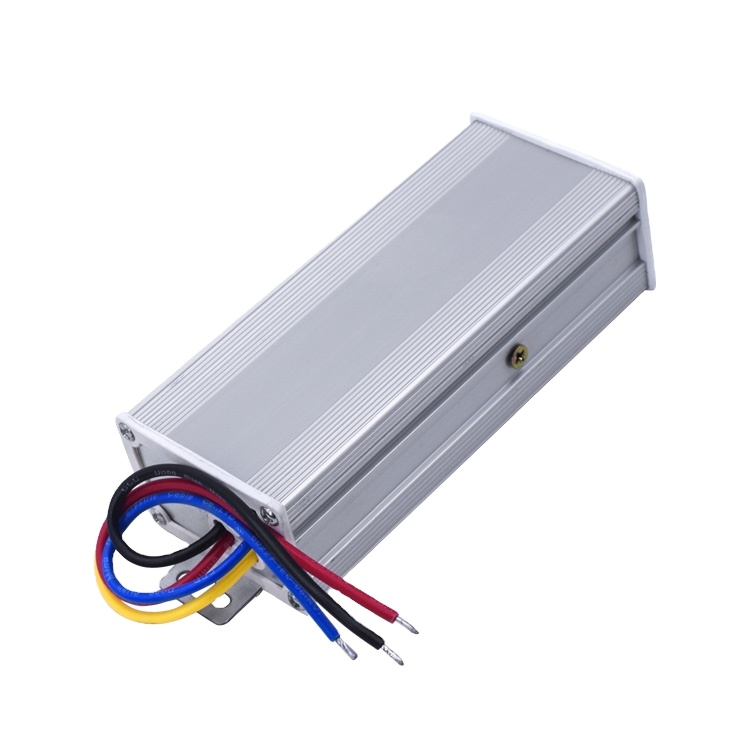
Isolated DC-DC 48V–96V to 24V 2.5A Truck Converter
- Input Voltage48/60/72/84/96V DC
- Dielectric Isolation1500V AC Input-Output
- ProtectionOVP, OCP, OTP, Reverse
- Form FactorDie-cast Aluminium
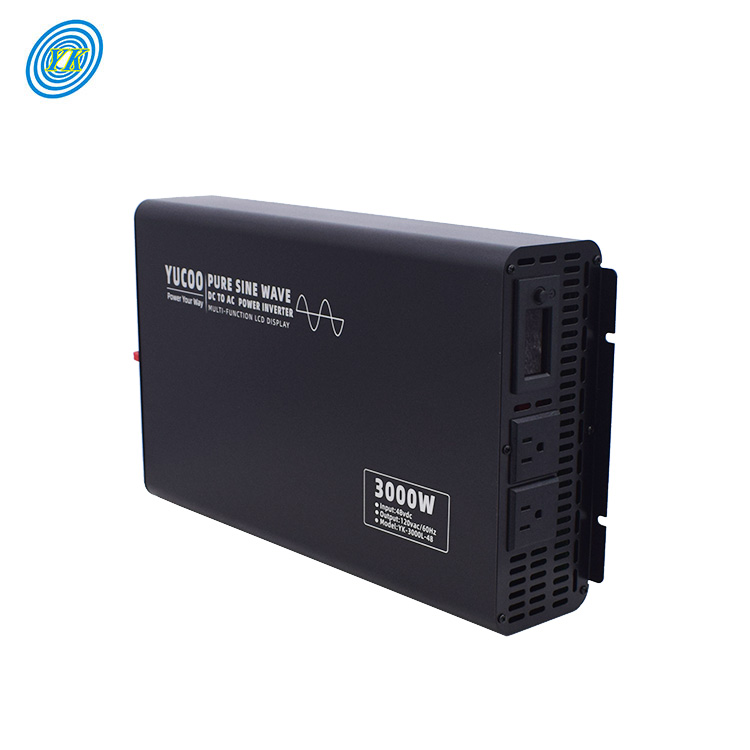
YUCOO Single Phase 3000W DC-AC Inverter
- DC Input Rail12V / 24V / 48V Options
- AC Output230V AC 50Hz Pure Sine
- Total HarmonicTHD < 3% Linear Load
- Peak Surge6000W Transient
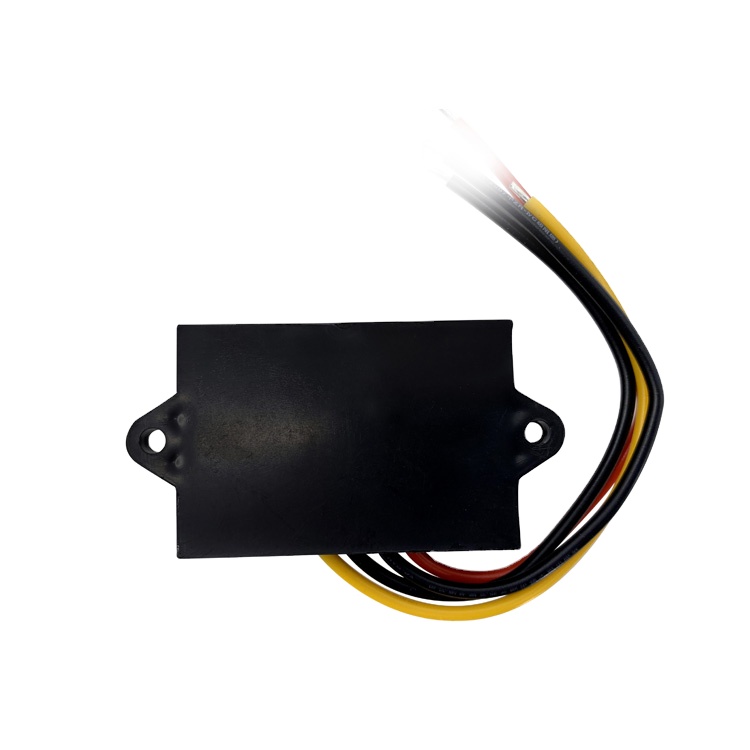
IP67 Waterproof 12/24V to 5V 5A 25W Module
- Ingress RatingIP67 Fully Potted
- Output Rail5.0V DC / 5 Amps
- EncapsulationFlame-retardant Polymer
- Cooling MethodNatural Convection
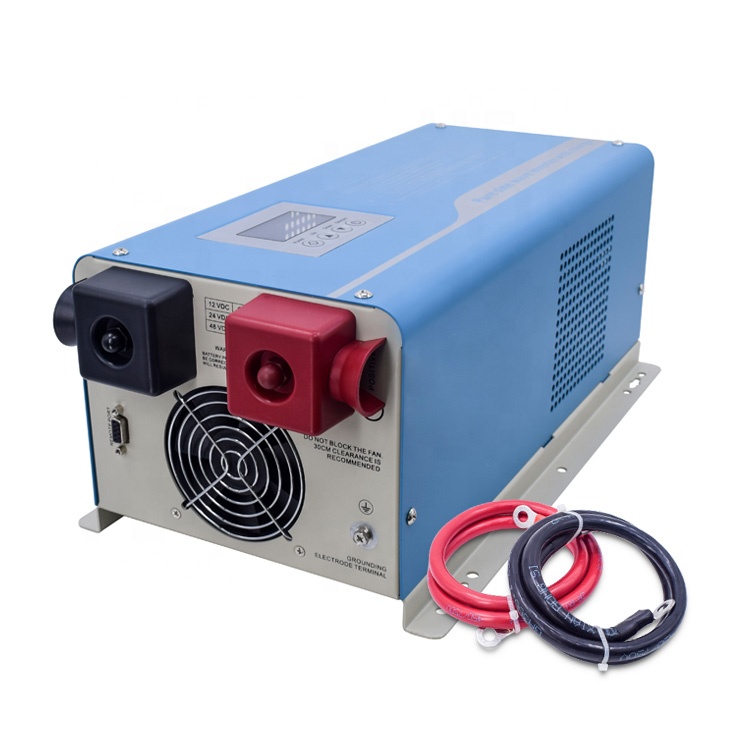
YUCOO Toroidal 1500W Pure Sine Wave Unit
- Magnetic CoreUltra-Low Loss Toroid
- Input Voltage12V DC / 24V DC
- Output AC230V Single-Phase
- Idle Current<0.6A Low Quiescent
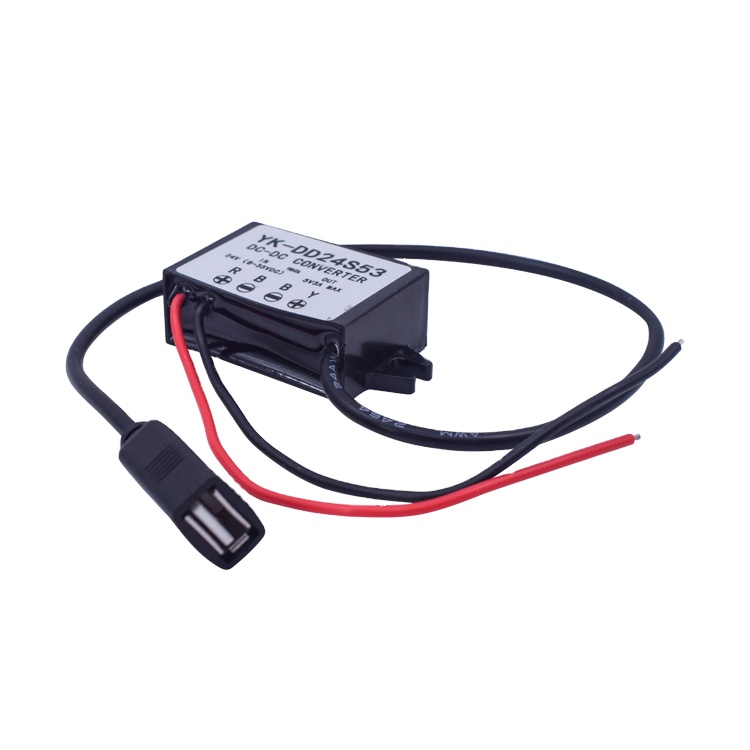
YUCOO IP67 Micro 24V to 12V 3A 36W Converter
- TopologySynchronous Buck
- Conversion EfficiencyUp to 96%
- Ripple & Noise<40mVp-p
- Thermal Envelope-40°C to +85°C
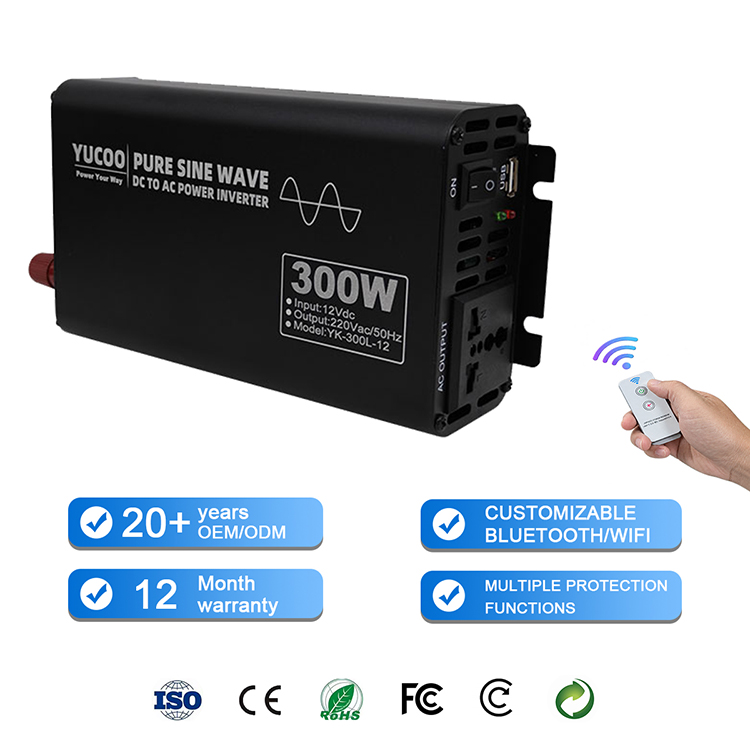
Portable 300W 12V/24V/48V Pure Sine Module
- Rated Power300W Continuous
- Voltage Output230V AC / 110V AC
- Acoustic NoiseSilent Smart Fan
- Form FactorCompact Extrusion
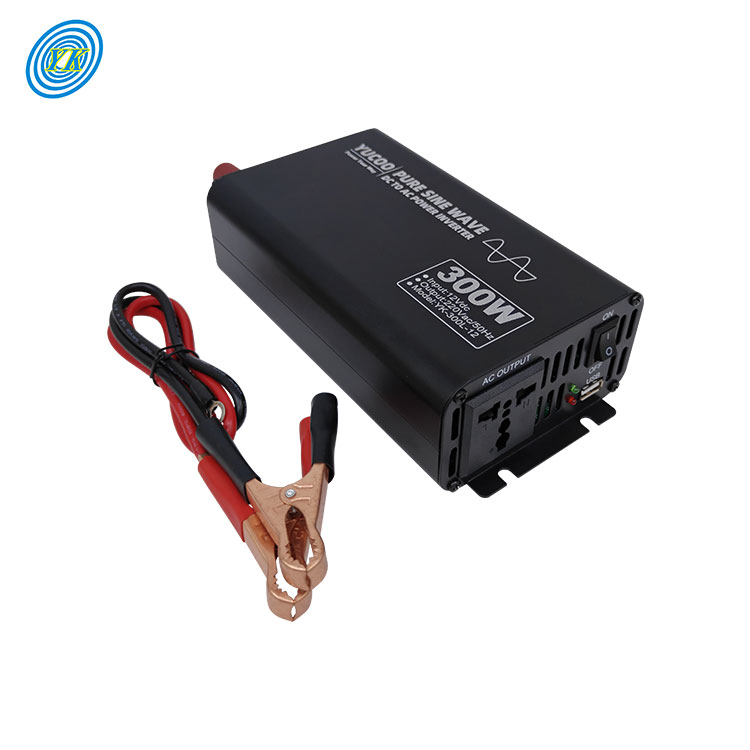
Multi-Rail 300W DC12–72V Pure Sine Inverter
- Supported DC12V / 24V / 48V / 60V / 72V
- RegulationPWM Microcontroller
- IsolationOptocoupler Feedback
- StandardsCE, UKCA Equivalent Test
Engineering Overview: Sourcing Rectifier Modules for United Kingdom Critical Power
In modern British infrastructure—ranging from Openreach and Virgin Media O2 telecommunication base stations to Network Rail signaling nodes, National Grid sub-stations, and colocation data centers around the Slough and London tech corridors—the switch-mode rectifier (SMR) module represents the unyielding heart of uninterrupted direct current (DC) distribution. As British procurement teams balance operational resilience against aggressive Net Zero targets and post-Brexit compliance frameworks, selecting the right manufacturing partner for rectifier modules requires rigorous alignment between theoretical electrical topology and localized operational conditions.
A rectifier module operates primarily as an AC-to-DC converter designed to maintain stable busbar voltages (typically 48V DC positive-grounded in telecom, or 24V/110V/220V in industrial automation and traction sub-systems) while concurrently trickle-charging lithium-iron-phosphate (LiFePO4) or valve-regulated lead-acid (VRLA) battery banks. Historically, conventional thyristor-based phase-controlled rectifiers dominated the market. However, modern UK procurement directives, governed by high energy tariffs and strict PUE (Power Usage Effectiveness) metrics, demand high-frequency switch-mode architectures operating above 100 kHz with active power factor correction (PFC), silicon carbide (SiC) MOSFETs, and zero-voltage-switching (ZVS) resonant topologies achieving over 96.5% peak electrical efficiency.
Mission-Critical UK Localized Applications
Our custom DC rectifier platforms and high-frequency conversion modules resolve engineering challenges across major British utility, transportation, and communication networks.
UK Telecom & 5G C-RAN Hubs
Direct integration into 19-inch rack enclosures powering BT Openreach exchanges, rural broadband cabinets, and macro-cell towers. Hot-swappable 48V 50A/100A rectifier units offer N+1 active redundancy with CAN/SNMP telemetry protocols for remote BMS oversight.
Network Rail Signaling & SCADA
Precision DC battery back-up supplies engineered to meet rigorous railway signaling requirements. Modules deliver clean 24V/110V/125V control power with galvanic isolation up to 2.5kV AC, surge withstand capacity against line switching transients, and ultra-low noise interference.
EV Ultra-Rapid Charging Sub-Buses
AC-DC rectification sub-units providing stable low-voltage auxiliary and pre-charge DC rails within public high-power charging depots. Designed for resilience in damp, unheated outdoor enclosures subject to typical coastal or high-humidity British weather.
Industrial Electrolysis & Plating
High-current, low-voltage switch-mode rectifier systems engineered for British precision surface-finishing plants in the West Midlands. Replaces bulky silicon rectifiers, cutting kilowatt-hour losses by up to 28% under continuous constant-current (CC) regimes.
UK Market Procurement Trends: Regulatory Mandates & Technical Demands
How British electrical codes, post-Brexit standards alignment, and corporate Net Zero decarbonisation targets are reshaping power module supply chains.
1. Transition to UKCA Mark & Harmonised Safety Standards
Since the United Kingdom departed the European single market, UKCA (UK Conformity Assessed) marking has governed goods placed in Great Britain. Rectifier modules must conform directly to BS EN 62368-1 (Audio/video, information and communication technology equipment - Safety requirements), superseding legacy BS EN 60950-1. Critical power suppliers must provide validated Technical Construction Files (TCF) demonstrating safety clearances, insulation class compliance, and electromagnetic compatibility (EMC) testing in ISO/IEC 17025 accredited laboratories.
2. Harmonic Mitigation Under BS EN 61000-3-2
Distribution Network Operators (DNOs) across the UK (such as UK Power Networks, Scottish and Southern Energy Networks, and National Grid Electricity Distribution) impose strict limits on harmonic pollution injected back into the national grid. Industrial rectifier modules must implement active, interleaved Power Factor Correction (PFC) stages capable of maintaining a Power Factor (PF) > 0.99 from 30% to 100% rated load, with Total Harmonic Distortion of Current (THDi) strictly below 5%, shielding sensitive upstream loads from harmonic heating.
3. Decarbonisation & Energy Savings Opportunity Scheme (ESOS)
UK enterprises subject to ESOS assessments are scrutinized on equipment operational efficiency. In telecommunications and data centers, switching from legacy 90% efficient rectifiers to Varnix high-efficiency switch-mode modules (96%+ peak) dramatically curtails waste heat generation. This cuts direct kWh consumption while concurrently slashing air-conditioning refrigeration load by a 1:0.35 thermal ratio, delivering rapid ROI within 14 to 18 operational months.
Technical Comparison: Switch-Mode Modules vs. Conventional Rectifier Architectures
Understanding the topological evolution from heavy low-frequency phase-controlled rectifiers to high-frequency resonant switch-mode units enables UK procurement engineers to optimize floor space, power density, and lifetime lifecycle costs.
| Evaluation Parameter | Legacy Phase-Controlled (SCR) Rectifiers | Standard Switch-Mode (Hard Switched) | Varnix Resonant ZVS / SiC Switch-Mode Modules |
|---|---|---|---|
| Typical Conversion Efficiency | 82% – 88% (Heavy heat loss) | 90% – 93% | 95.5% – 96.8% (Titanium Class Equivalent) |
| Power Factor (PF) at 50Hz | 0.65 – 0.80 (Inductive phase lag) | 0.92 – 0.95 | >0.99 via Active Interleaved Digital PFC |
| Input Harmonic Current (THDi) | >25% (Requires bulky passive filters) | 8% – 12% | <3% at Nominal British 230V / 400V Mains |
| Acoustic Noise (dBA @ 1m) | High hum from low-freq iron core (>65 dBA) | Variable fan noise (55–60 dBA) | Smart temperature-controlled low-RPM fans (<48 dBA) |
| Form Factor & Rack Density | Large, heavy floor cabinets (>150 kg) | Modular 19" 3U/4U sub-racks | High-density 1U/2U hot-swap modules (>35 W/in³) |
| Maintenance & MTBF | Frequent tap tuning; difficult repair | Modular replacement, ~150k hrs | Hot-swap N+1 redundancy; MTBF >350,000 hrs (Telcordia SR-332) |
Why Tier-1 Importers & Contractors Source from Varnix
Founded in 2003, Varnix Technology Co., Ltd. integrates full-cycle research, surface-mount assembly, high-frequency transformer winding, and burn-in testing under strict ISO 9001:2015 quality oversight.
Independent SGS Onsite Audit
Our manufacturing facility has been physically inspected and audited by SGS Group. With over 1,229 m² of verified production floor space, automated wave-soldering equipment, and standardized electrostatic discharge (ESD) protection, we guarantee manufacturing consistency that satisfies British engineering standards.
Precision OEM/ODM Customisation
We tailor input voltage envelopes, discrete DC voltage set-points (12V, 24V, 48V, 110V, 220V), custom chassis depth for non-standard British rail enclosures, communication interfaces (RS485, Modbus, CAN Bus, SNMP v3), and customer-branded silkscreen front plates with rapid prototype lead times.
100% Full-Load High-Temp Burn-In
Every single power conversion unit undergoes rigorous environmental stress screening (ESS), including 4-hour full-load thermal burn-in at 50°C, dielectric withstand breakdown verification, and digital oscilloscope wave-shape ripple confirmation before packaging.
 SMT & Hand Assembly
 Precision Welding Line
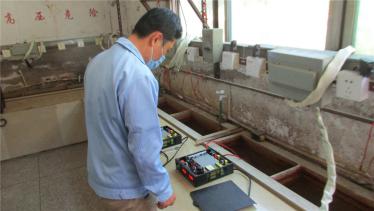 Full-Load Aging Burn-In
 Final QA & Voltage Calibration




Frequently Asked Questions by UK Buyers & Electrical Contractors
Addressing essential technical compatibility, certification pathways, logistics terms, and warranty support for industrial rectifier modules in Great Britain.
How do your rectifier modules interface with the standard UK mains supply (230V / 400V 50Hz)?
Can you supply technical construction documentation for UKCA and CE conformity?
What remote monitoring interfaces are integrated for UK SCADA or Network Management Systems?
How do hot-swap modules achieve N+1 active current sharing without master-slave lockup?
What are your shipment lead times, shipping terms, and DDP solutions for United Kingdom ports?
What warranty and defective exchange policies are written into enterprise supply contracts?
Consult with a Factory Power Conversion Engineer
Need custom DC bus voltages, 19-inch sub-rack embedded configurations, or custom heat-sink envelopes for British infrastructure tenders? Connect directly with our Guangzhou factory engineering team for technical datasheets, CAD schematics, and rapid pricing quotes.
Inquire Now