Pure Sine Wave
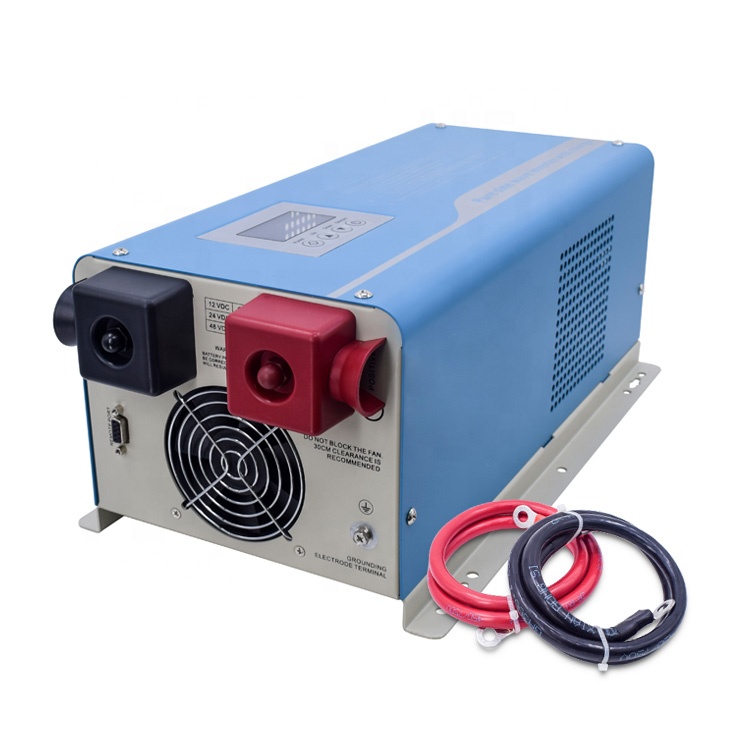
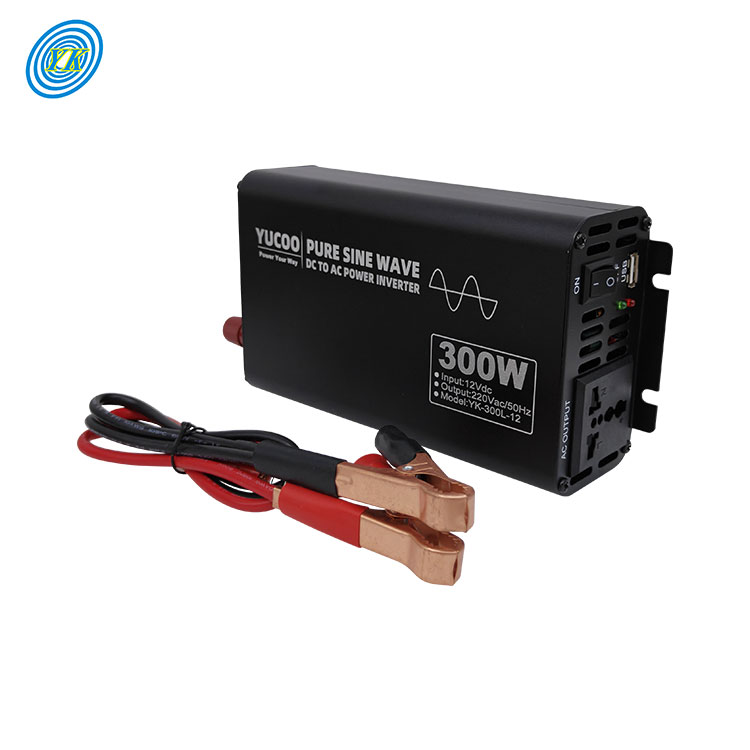
YUCOO Inverter Toroidal Pure Sine Wave Inverter 1500w 12v 220v
- TopologyToroidal Transformer
- Input/Output12VDC to 220VAC
- Efficiency>92% Peak
Direct factory procurement of mission-critical conversion hardware engineered for telecommunications, EV bus networks, financial datacentres, and maritime applications.

UK electrical systems demand rigorous compliance, fault tolerance, and minimal thermal footprint within constrained historical enclosures and high-density metros.
London’s telecom infrastructure across zones 1–6 relies on modular 48VDC embedded switched-mode rectifiers (SMR). Mounted inside compact street cabinets alongside BT Openreach fibre exchanges and Transport for London (TfL) corridors, our rectifier systems deliver ultra-low harmonic distortion (<3% THD) and active power factor correction (0.99 PFC) to prevent distribution grid interference.
In high-density compute facilities situated in London Docklands and Slough Trading Estate, rack-mount modular rectifiers convert 400V 3-phase AC into conditioned -48VDC and 380VDC busways. Equipped with N+1 hot-swap redundancy, RS485/SNMP real-time remote telemetry, and 96.5% high-temperature thermal dissipation, Varnix modules guarantee continuous uptime for critical banking and colocation workloads.
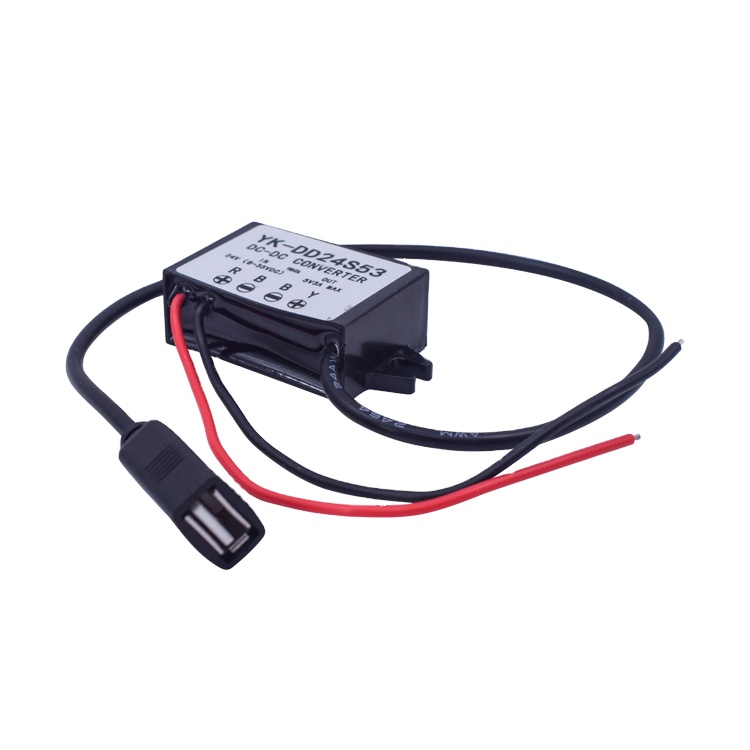
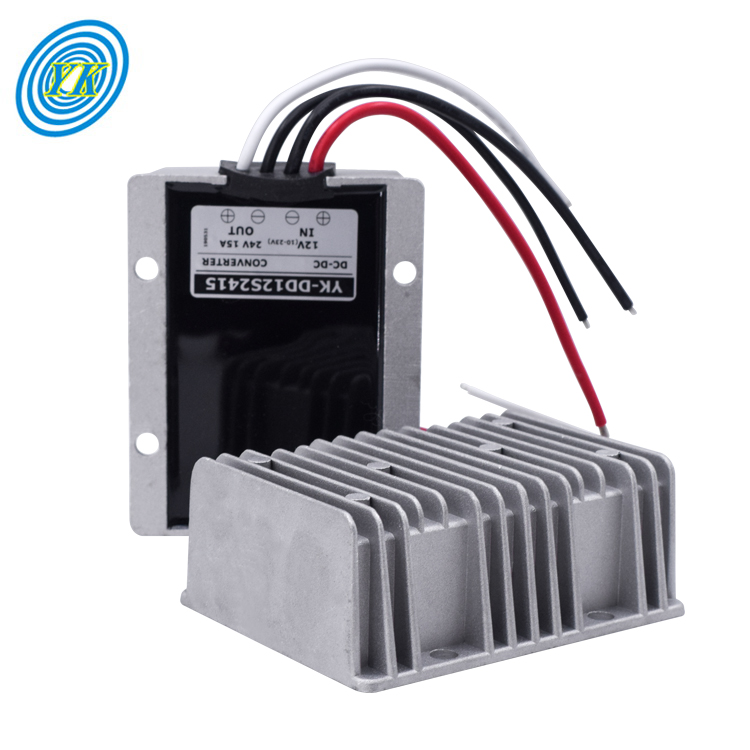
Aligned with the Mayor of London's Zero Emission bus initiatives, heavy-duty DC voltage stabilizers and step-down converters maintain steady 12V and 24V telemetry, contactless ticketing validators, and onboard CCTV rails against transient alternator spikes, regenerative braking spikes, and extreme inductive load switching across TfL urban routes.
Operating in automated utility transfer stations and building management systems throughout the Square Mile and Canary Wharf. Our 110V and 220VDC industrial battery tripping rectifiers ensure trip coil activation and SCADA controller backup power during complete municipal grid outages, maintaining compliance with BS EN 60950 and BS EN 62368-1.
For high-precision surface finishing plants, aerospace parts manufacturing, and PCB electroplating along the Thames Estuary. Varnix switch-mode rectifiers deliver stable, low-ripple (under 1%) 12V and 24V constant-current/constant-voltage (CC/CV) DC regulation, reducing metal oxidation reject rates and dropping baseline electrical overhead by up to 28%.
Supplying rapid modular rectifiers and bidirectional battery charging interfaces for suburban commercial solar and BESS arrays across Essex, Kent, and Surrey. Designed to seamlessly communicate via CAN-bus to lithium iron phosphate (LiFePO4) management systems, optimizing energy arbitrage during peak UK National Grid pricing intervals.
A technical examination of power density, thermal challenges, and regulatory imperatives driving purchasing decisions across London's industrial electronics sector.
Historically, industrial telecom rectifiers deployed throughout the UK relied on traditional Silicon MOSFET switches operating between 40 kHz and 100 kHz. These legacy designs suffer from distinct thermal limits, forcing system engineers to allocate massive 3U to 5U enclosures simply to reject waste heat. With real estate in central London data facilities commanding premium rates per square metre, the shift toward Silicon Carbide (SiC) and Gallium Nitride (GaN) topologies has redefined power conversion standards.
Varnix rectifier modules integrate high-speed SiC Schottky barrier diodes and GaN switching stages, pushing switching frequencies upward of 250 kHz. This enables a dramatic reduction in magnetic component volume while driving full-load conversion efficiencies from 91% to beyond 96.5%. The resulting heat dissipation profile lowers active HVAC cooling demands across dense cabinet clusters, directly reducing PUE (Power Usage Effectiveness) metrics.
The expansion of the Ultra Low Emission Zone (ULEZ) has accelerated the conversion of commercial fleet depots, ambulance response units, and emergency utilities to electric and hybrid drive platforms. In commercial fleet service depots located in Croydon, Park Royal, and Stratford, onboard telematics, tail-lifts, and automated diagnostic suites demand clean DC-DC stabilization modules capable of operating across unpredictable vehicle bus voltages.
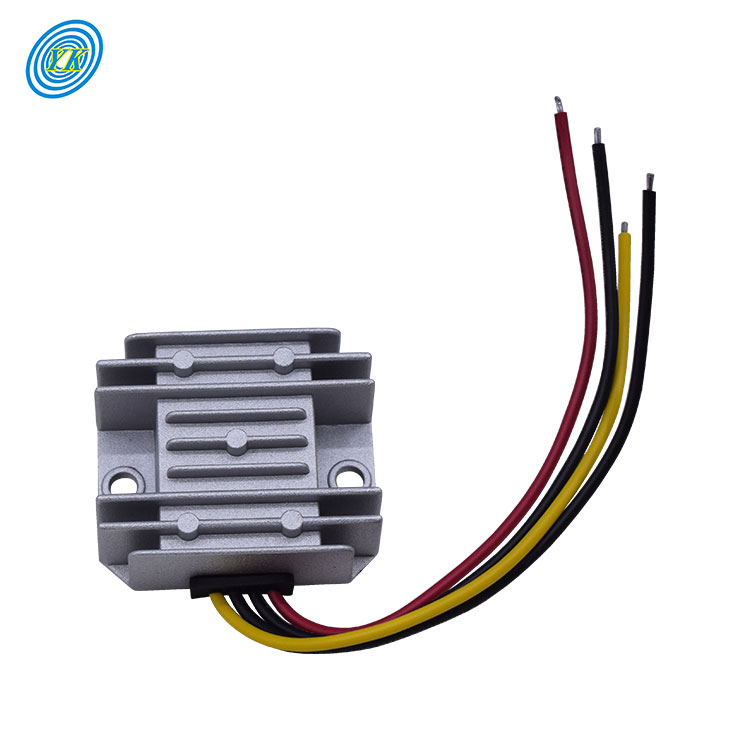
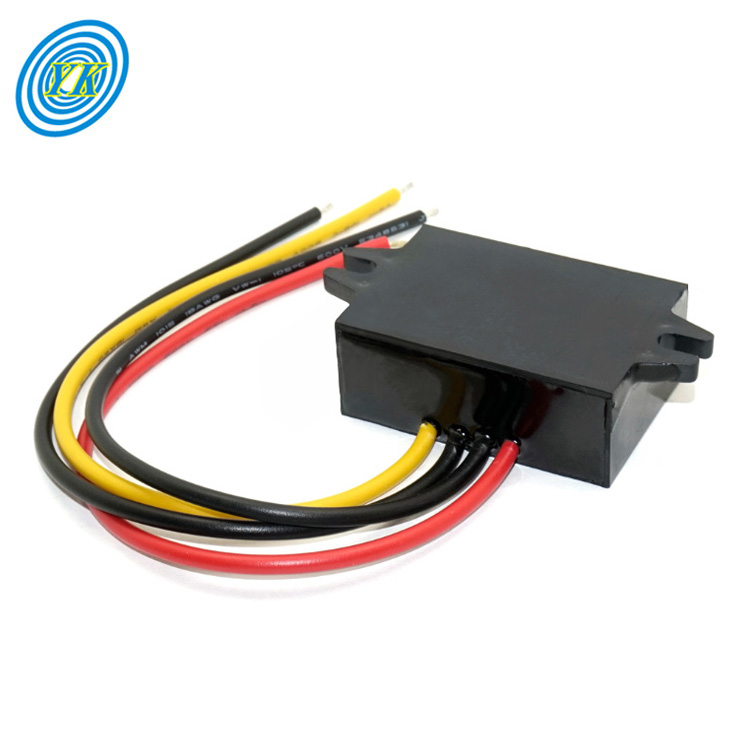
Our automotive-grade buck-boost converters and heavy-duty 20A–60A regulators ensure that sensitive electronic loads receive unvarying 12V, 13.8V, or 24V supplies regardless of transient voltage dips during motor starts or high-voltage regenerative spikes.
| Performance Metric | Traditional Silicon Rectifiers | Varnix Switch-Mode (SMR) Modules | Operational Impact (London Sites) |
|---|---|---|---|
| Conversion Efficiency | 88% – 91% | 95.5% – 96.8% | Up to £1,450 annual power saving per 10kW cabinet |
| Power Factor (PF) | 0.80 – 0.88 | ≥ 0.99 Active Correction | Prevents reactive power billing penalties from UK DNOs |
| Total Harmonic Distortion (THDi) | 12% – 25% | < 3.0% at Rated Load | Clean grid injection meeting strict ENA G5/5 guidelines |
| Chassis Footprint | 3U – 4U (Heavy iron core) | 1U – 2U High-Density Rack | Maximizes available rack space for telecom and edge servers |
| MTBF (Mean Time Between Failures) | < 120,000 Hours | > 350,000 Hours (Telcordia SR-332) | Reduces field technician dispatch across congested urban zones |
London’s microclimate presents unique operational friction: high relative humidity coupled with seasonal temperature cycles induces condensation inside outdoor telecoms cabinets and railway trackside enclosures. Standard commercial-grade rectifiers suffer from trace electrochemical migration and eventual dendritic shorting on bare PCB traces.
Varnix industrial rectifiers and converters mitigate these failures through multi-layer automated conformal coating applied under vacuum curing, alongside fully potted IP67 polyurethane encapsulation for outdoor converters. Internal heatsinks are manufactured from anodised structural aluminium, resisting galvanic corrosion caused by airborne urban particulates and road salts.
Addressing supply chain mechanics, UK electrical compliance, custom electrical specifications, and local logistics.
Before issuing an RFQ for London-based installations, run through these 5 critical electrical interface questions with your design engineers:
Identify continuous DC voltage (12V, 24V, 48V, 110V, 220V) and float/boost charging curves matching battery bank chemistry (Lead-Acid, VRLA, or LiFePO4).
Determine if your site requires N+1 or N+2 hot-swappable architecture so that module replacement does not interrupt connected critical IT/telecom loads.
Specify whether the unit sits in a climate-controlled 19" 1U–3U server rack or an IP65/IP67 unconditioned outdoor trackside or marine pole enclosure.
Have technical drawings or an active tender specification for London or UK installation?
Contact Us