Industrial Power Engineering • Dudelange, Luxembourg
Step Down Converter Supplier & Suppliers in Dudelange
High-efficiency DC-DC buck modules, isolated voltage step-down converters, and rotary frequency conversion hardware engineered for Luxembourg's southern multimodal logistics, heavy automation, and renewable energy grids.
Engineered Voltage Regulation
Precision Step-Down & Multi-Voltage Converters for Dudelange Applications
Tested under continuous full-load aging conditions to guarantee ripple mitigation, thermal resilience, and galvanic isolation across extreme European industrial parameters.
Topological Architecture of Modern Step-Down Converters in Heavy Industrial Zones
A rigorous examination of voltage step-down dynamics, synchronous buck switching mechanics, common-mode ground isolation, and thermal mitigation across harsh commercial deployments.
In modern European industrial hubs such as Dudelange, electrical power distribution demands uncompromising voltage stability. Step-down converters (commonly operating via synchronous buck topologies or isolated forward/flyback configurations) serve as the vital link between unstable high-voltage intermediate DC links—ranging from 48V battery backup banks to 96V motive power traction buses—and sensitive lower-voltage logic, sensor suites, and telemetry microcontrollers. When stepping down high DC rails to 12V or 24V DC, industrial system architects face severe engineering trade-offs involving switching frequencies, magnetic core saturation, transient voltage spikes (such as load dump surges), and radiated electromagnetic interference (EMI).
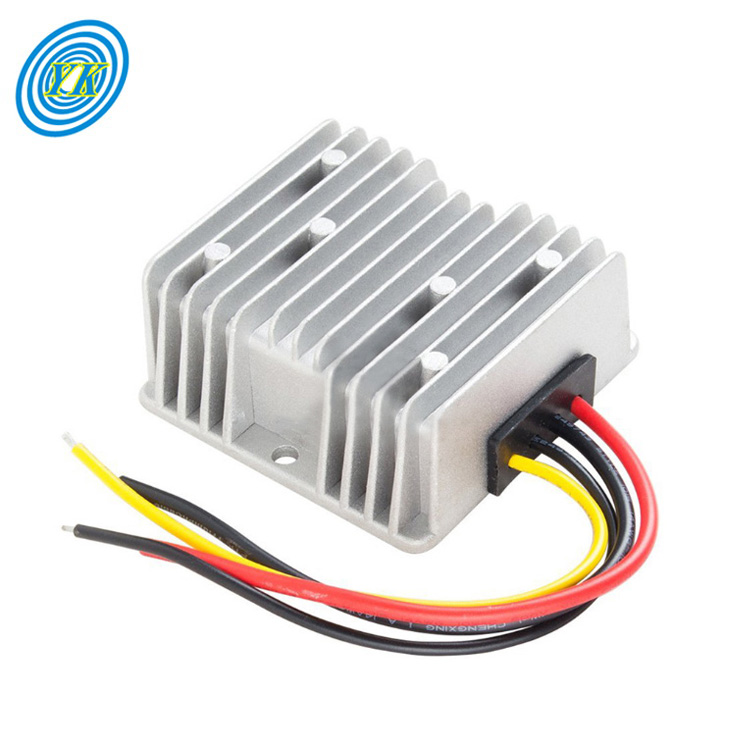
The core advantage of synchronous buck topologies lies in replacing traditional freewheeling Schottky diodes with low on-resistance ($R_{DS(on)}$) MOSFET switches. Under high load currents—such as the 42A output delivered by our 500W industrial converters—conduction losses within a standard diode with a 0.5V forward voltage drop would generate upwards of 21 watts of pure heat dissipation ($P = V_F \times I_{out}$). By driving high-speed synchronous rectifiers with sub-5mΩ MOSFET channels, internal dissipation is cut by more than 75%, allowing conversion efficiencies to reach up to 96%. This reduction in thermal generation is decisive for fanless, IP67-sealed enclosures deployed along southern Luxembourgish railway tracks, intermodal container crane yards, and robotic sorting depots.
Galvanic Ground Decoupling
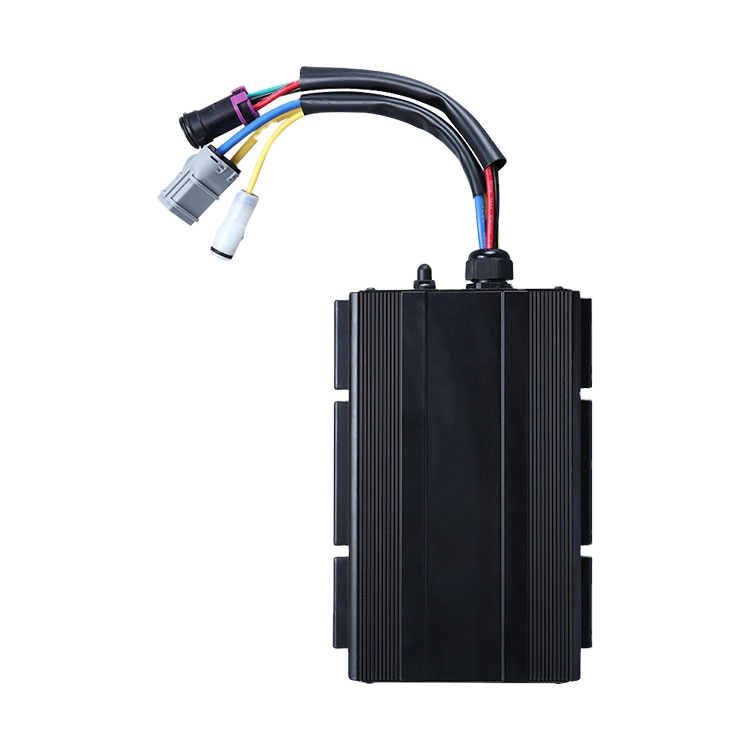
In heavy industrial facilities, ground loops and ground potential shifts between distant battery banks and localized PLC cabinets induce devastating common-mode noise. Varnix isolated step-down converters integrate optocoupler feedback and high-frequency planar transformers rated to withstand 1500VDC to 3000VDC isolation test voltages, ensuring zero destructive circulating ground currents.
Transient & Inrush Suppression
DC supply lines in logistics and automotive installations regularly witness destructive line-voltage surges. Integrated TVS (Transient Voltage Suppressor) arrays, paired with multi-stage input LC pi-filters, clamp nanosecond high-voltage spikes and attenuate ripple to under 50mVp-p, preserving the integrity of sensitive edge compute microprocessors.
Thermal De-rating & Potting Dynamics
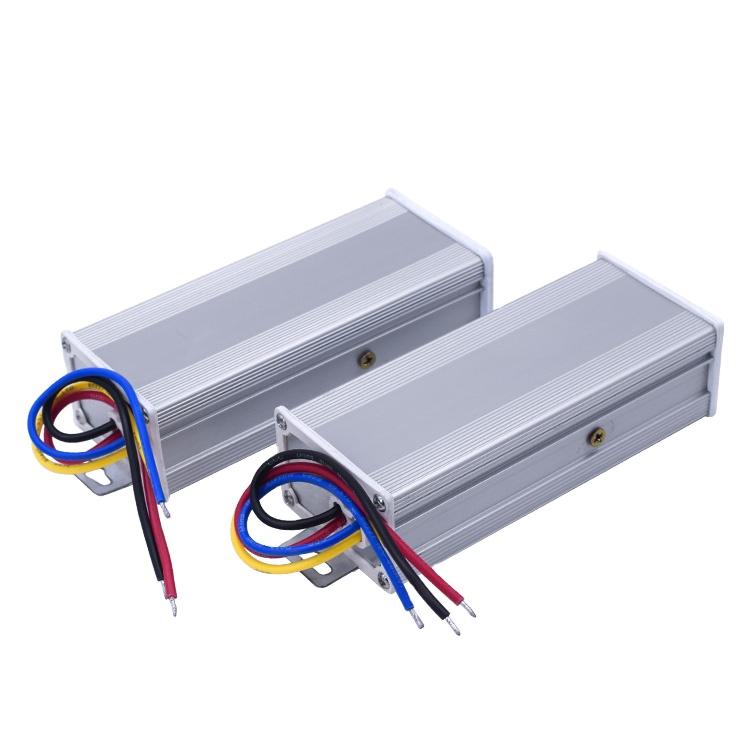
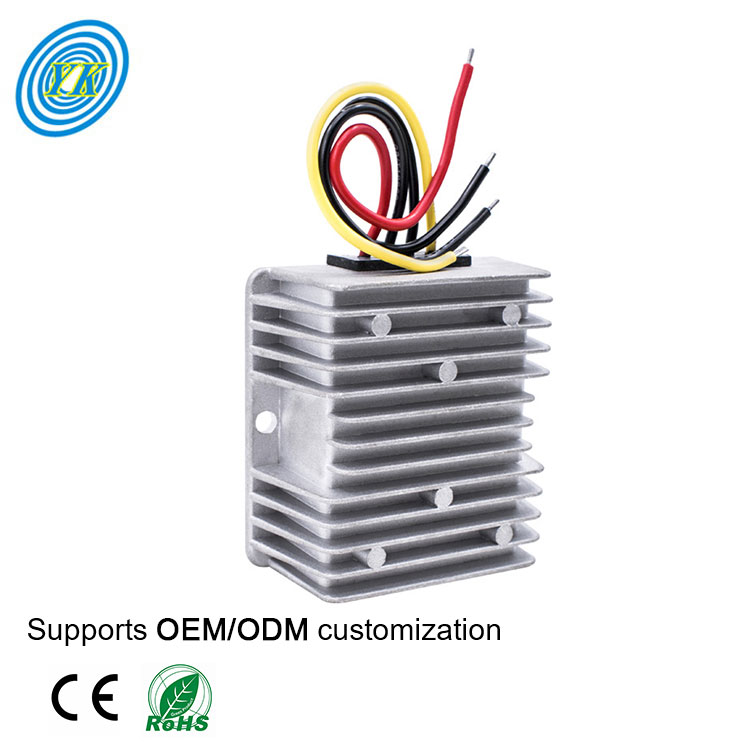
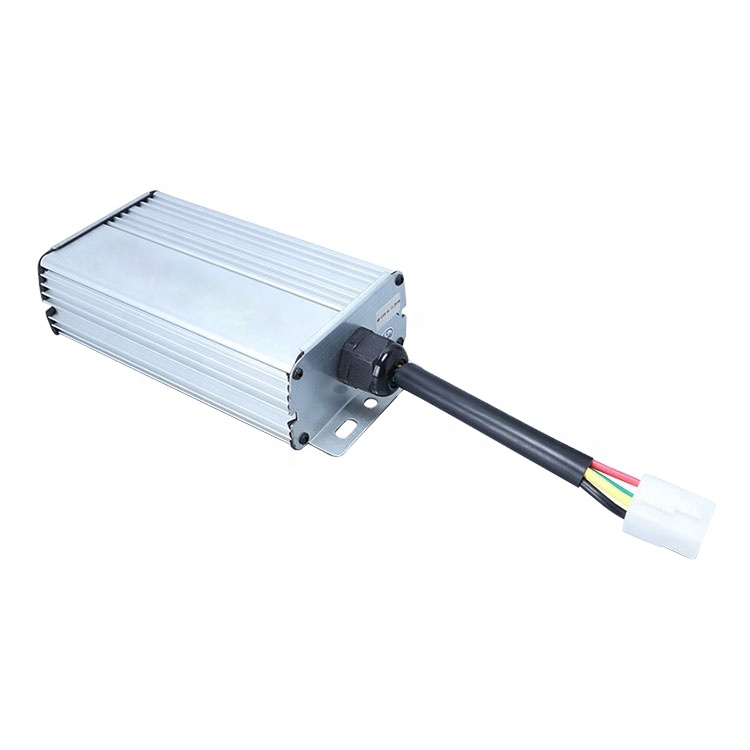
Our conversion hardware utilizes thermally conductive vacuum-injected polyurethane and epoxy potting compounds. This solid dielectric barrier eliminates moisture condensation, isolates components from mechanical vibration up to 10G, and conducts internal hotspot heat evenly across outer extruded aluminum heat-sink ribs without active cooling fans.
Regional Application Matrix
Localized Use Cases Across Dudelange Industrial Infrastructure
Strategic deployment examples highlighting step-down conversion hardware within Luxembourg's premier logistics, heavy manufacturing, and cleantech developments.
Eurohub Sud Logistics Node
CFL Multimodal Freight & Locomotive Telemetry
The Eurohub Sud intermodal terminal in Dudelange stands as one of the most critical freight transit nodes in Western Europe, coordinating cross-border rail and road logistics. Locomotive and heavy container handler onboard architectures run primary DC electrical buses ranging from 72V to 110V.
Converter Role: Varnix 72V/96V to 12V and 24V isolated step-down converters reliably power real-time GPS fleet transponders, cab telematics, rugged optical barcode scanners, and axle-temperature sensor hubs directly from the primary battery bus without line dropouts during heavy motor acceleration.
ArcelorMittal Legacy & Modern Steel
Metallurgical Automation & Heavy Motor Drives
Dudelange’s rich industrial heritage in steel rolling and wire production has evolved into modern, high-precision metallurgy and fabrication plants operating adjacent to the French border.
Converter Role: Our rotary phase converters and high-amperage 48V-to-12V 42A step-down units step down DC link voltages inside automated rolling mills and crane gantry hoist cabinets. They supply reliable low-voltage control power to fail-safe electromagnetic brakes, PLC logic rails, and cooling fan subsystems that cannot afford unplanned downtime.
Neischmelz Zero-Carbon District
Renewable DC Microgrids & Building Automation
The landmark Neischmelz urban redevelopment project in Dudelange transforms former industrial land into a zero-carbon eco-district powered by extensive photovoltaic arrays, biomass, and decentralized battery energy storage systems (BESS).
Converter Role: Varnix isolated buck converters step down 48V LiFePO4 battery storage banks to highly regulated 24V and 12V rails. These feed smart municipal metering devices, BACnet/KNX building automation controllers, and environmental air-quality monitoring nodes without introducing harmonic pollution onto the local AC grid.
Application Environment
Primary Source Voltage
Target Load / Bus
Recommended Converter Architecture
Critical Industrial Compliance
Dudelange Intermodal Rail Depots
72V / 84V / 96V DC (Motive/Aux)
12V DC @ 5A / 42A (Telematics)
Full Galvanic Isolation, Planar Magnetics
EN 50155, Shock/Vibration IEC 61373
Automated Guided Vehicles (AGVs)
24V – 48V DC Battery Pack
24V DC Stable @ 5A – 12A
Wide 10-32V Buck-Boost Synchronous
ISO 9001:2015, IP67 Waterproofing
Neischmelz Solar Microgrids
48V DC LiFePO4 Bank
12V / 24V DC Auxiliary Logic
High-Efficiency Isolated Buck, Low Ripple
CE LVD (2014/35/EU), EMC (2014/30/EU)
Mobile Maintenance Utility Fleets
12V / 24V Vehicle Alternator
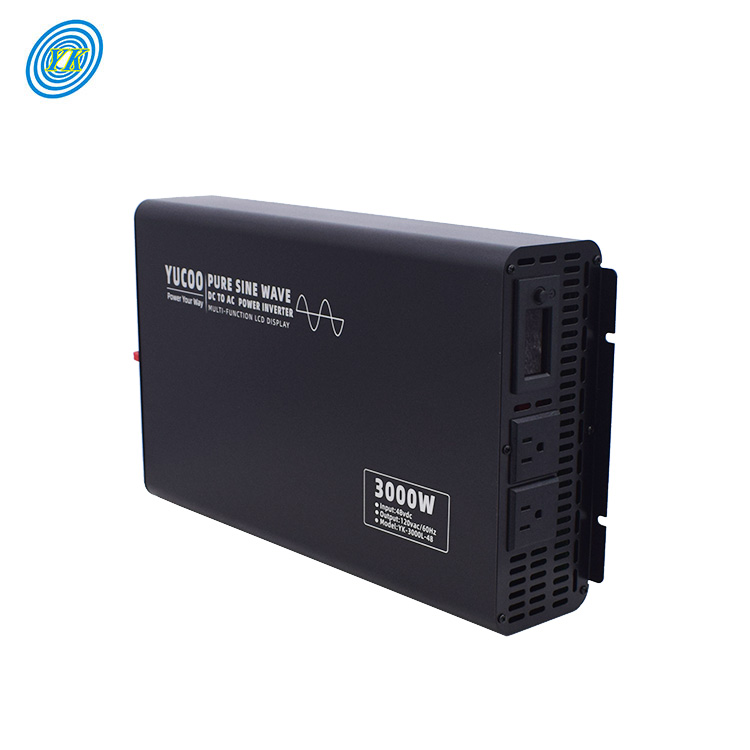
220V AC Pure Sine (3000W)
Toroidal Low-Frequency / High-Frequency Inverter
RoHS 2011/65/EU, CE, E-Mark Compatible
Precision CNC & Machine Workshops
220V Single-Phase AC Utility
380V Three-Phase AC Inductive
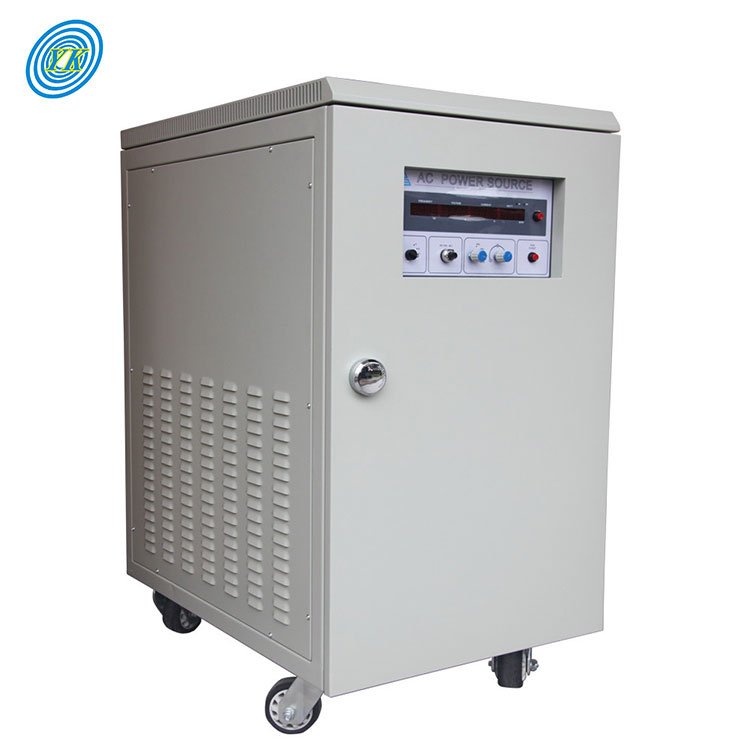
Rotary Frequency & Phase Converter
VDE / IEC Power Quality Directives
Future Projections 2025–2030
Macro Trends Shaping Industrial Power Conversion in Southern Luxembourg
Key regulatory, infrastructural, and engineering evolutions transforming procurement specifications for industrial power hardware across the Dudelange-Bettembourg logistical corridor.
01
Transition to 48V/80V DC Architectures
Driven by the rapid electrification of heavy logistics at Eurohub Sud, material handling fleets are abandoning 12V and 24V lead-acid systems in favor of 48V and 80V lithium-ion platforms. This shift drastically escalates demand for wide-input isolated buck converters capable of stepping down high battery pack voltages without sacrificing conversion efficiency.
02
Strict EU Circular Economy Norms
Luxembourgish engineering contractors under ILNAS oversight prioritize modular power supplies boasting repairable architectures, aluminum recyclable casings, and compliant RoHS 2011/65/EU chemical thresholds. Converters with field-serviceable terminal blocks and standard mounting rails outcompete throwaway encapsulated bricks.
03
Integration of Wide-Bandgap GaN & SiC
Next-generation step-down modules utilize Gallium Nitride (GaN) and Silicon Carbide (SiC) semiconductor switches. Switching frequencies exceeding 500kHz shrink magnetic core sizes by 60%, delivering ultra-compact, high-density power modules suitable for space-restricted robotic gantries and autonomous container shifters.
04
Smart Remote Telemetry & Power Auditing
Industrial power supplies are evolving beyond passive regulators. Modern Dudelange automated warehouses demand step-down converters with integrated shunt monitoring and digital bus telemetry (CANopen, Modbus, I2C), broadcasting real-time voltage, current draw, and thermal health directly to centralized SCADA systems.
Procurement & Technical Consultation
Frequently Asked Questions by Industrial Engineers in Dudelange
Clear, unvarnished technical answers addressing common import, sizing, electrical isolation, and compliance inquiries.
What is the technical distinction between an isolated and non-isolated step-down converter?
A non-isolated step-down converter (common buck topology) shares a direct common electrical return (ground) line between the input voltage and output voltage rails. While extremely cost-effective and efficient (often reaching 95-97%), any severe voltage transient, breakdown, or ground fault on the primary 48V-96V bus can propagate directly downstream to destroy 12V/24V microprocessors. In contrast, an isolated step-down converter incorporates a high-frequency transformer barrier, entirely breaking physical copper conductivity between the input and output circuits. For heavy industrial installations in Dudelange—such as crane cabins, railway wagons, and metallurgical plants—isolated converters are mandatory to eliminate circulating ground loop currents and protect sensitive PLCs from voltage spikes up to 1500VDC+.
How do I properly size a step-down converter for inductive motor and solenoid loads?
Inductive loads—such as cooling fans, contactor solenoids, stepper motors, and actuator drives commonly deployed in Dudelange automated packaging facilities—draw an inrush startup current typically 2.5 to 4 times higher than their steady-state rated running current. When selecting a step-down converter, you must calculate total continuous operating wattage and ensure the converter’s peak or continuous output amp rating exceeds the combined initial inrush requirement. For instance, a 12V 10A motor load should be paired with at least a 15A to 20A rated continuous converter (such as our 42A 500W model), preventing the converter’s internal over-current protection (OCP) circuit from triggering false shutdown cycles during initial motor startup.
Do Varnix power converters comply with European Union Directives and Luxembourg ILNAS standards?
Yes. All Varnix converter platforms delivered into the Grand Duchy of Luxembourg conform fully with European Harmonized Standards. This includes the Low Voltage Directive (LVD) 2014/35/EU, Electromagnetic Compatibility (EMC) Directive 2014/30/EU, and RoHS 2011/65/EU hazardous substance limitations. Every production batch is backed by official CE Declarations of Conformity and lab test certificates, allowing frictionless integration into machinery audited under Luxembourgish safety directives and inspection bodies.
Can Varnix customize input voltage ranges and mechanical form factors for OEM projects?
Absolutely. Operating our own 1,229 m² manufacturing facility with 10+ assembly and SMT lines, Varnix provides complete ODM and OEM engineering services. We can customize input voltage windows (e.g., custom 16V-120V dynamic swings for hybrid rail equipment), alter output voltages (such as non-standard 13.8V float voltages or 28V aviation rails), implement specialized IP68 submersible housings, and mount specific Phoenix Contact or Deutsch terminal blocks based on your CAD specifications. Minimum order quantities for tailored engineering runs typically begin at modest volumes per project scope.
What are the freight transit times and incoterms available for shipments to Dudelange?
We support global incoterms including EXW, FOB, CIF, and full DDP (Delivered Duty Paid) door-to-door delivery directly to logistics hubs in Dudelange, Bettembourg, and Luxembourg City. Standard air express shipments (for prototyping and critical spares) arrive within 5 to 7 business days. For bulk production orders, multimodal rail-freight or sea-freight to Antwerp/Rotterdam with onward truck transit to Luxembourg typically clears within 25 to 35 days. Custom clearance, duties, and VAT documentation are handled systematically under DDP agreements.
How does the converter handle extreme outdoor winter temperatures in southern Luxembourg?
Dudelange experiences humid, freezing winters with ambient temperatures occasionally plunging below -10°C. Standard commercial-grade capacitors lose significant electrolyte conductivity at low temperatures, causing severe output ripple and failure to start. Varnix industrial step-down converters utilize premium 105°C-rated solid electrolytic capacitors and temperature-compensated bandgap voltage references certified to operate seamlessly from -40°C up to +85°C. The internal silicone/epoxy potting seals against thermal shock, moisture ingress, and frost condensation cycles.
Verified Manufacturing Capability
Why Global System Integrators Partner with Varnix
Direct manufacturer oversight from Guangdong to Luxembourg. Rigorous factory-floor inspection, ISO 9001:2015 quality frameworks, and dedicated engineering consultation.
ISO 9001 & SGS Onsite Verified
Founded in 2003, our 1,229 m² production facility has undergone complete physical on-site audit by SGS Group. We operate ten specialized lines spanning wave soldering, automated SMT, casing stamping, and final assembly under comprehensive ISO 9001:2015 traceability.
100% Full-Load Burn-In Screen
Early-life component mortality is eliminated before dispatch. Every power supply, inverter, and step-down converter undergoes mandatory full-load thermal burn-in on automated aging test racks, verified with digital oscilloscopes and precision multi-channel power analyzers.
Comprehensive OEM/ODM Engineering
From schematic layout and thermal simulations to custom CNC aluminum extrusions, private labeling, and custom electrical connectors, our seasoned in-house R&D engineering team transforms bespoke electrical requirements into certified, commercial-ready hardware.
Request Technical Data & Direct Quotation for Dudelange Projects
Connect directly with our senior power conversion engineering staff. Receive custom electrical schematics, step-down voltage selection matrices, sample dispatch terms, and volume quotation within 24 business hours.