Mission-Critical Power Distribution & Voltage Conversion Modules
Engineered for continuous duty in carrier exchange rooms, base stations, and edge micro-datacenters. Factory-direct conversion and distribution units tested to stringent telecommunication standards.
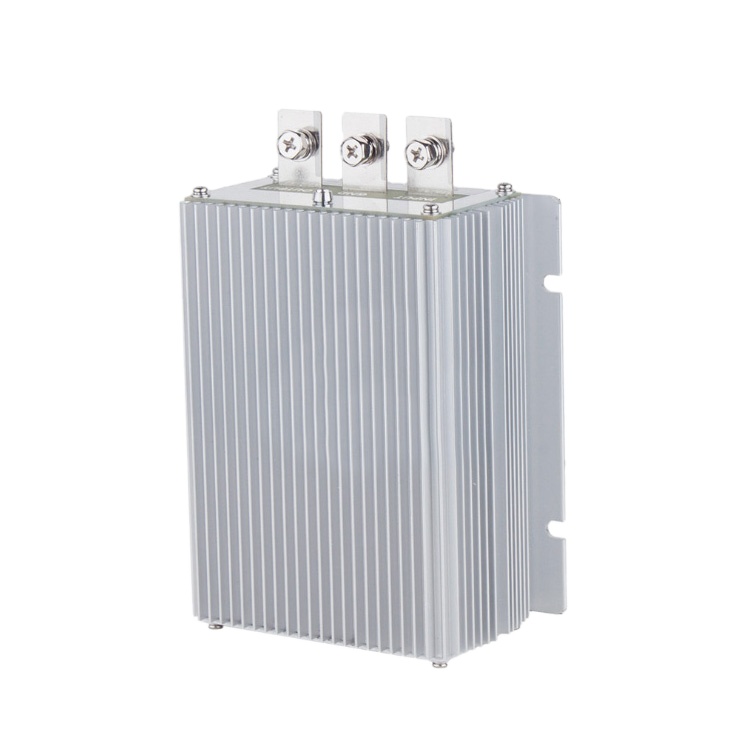
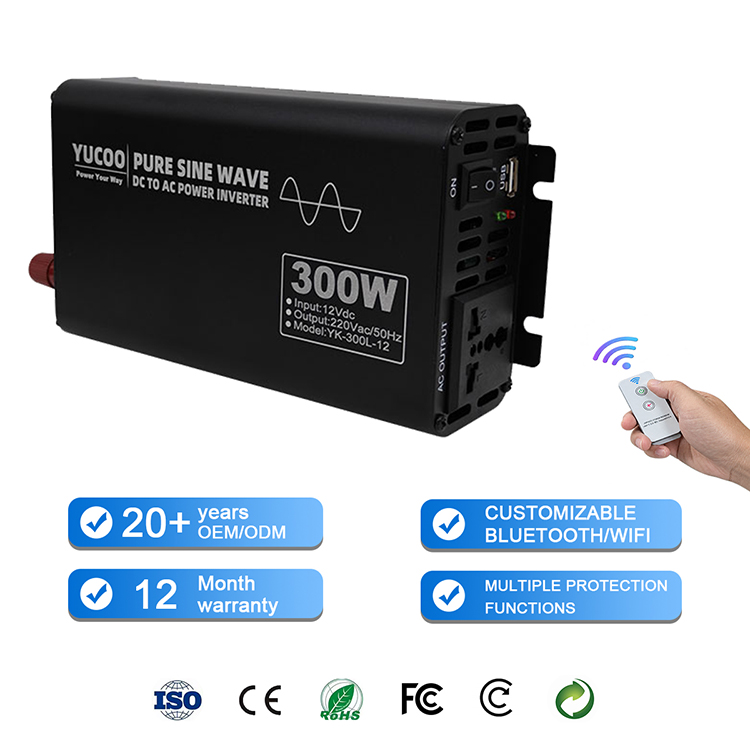
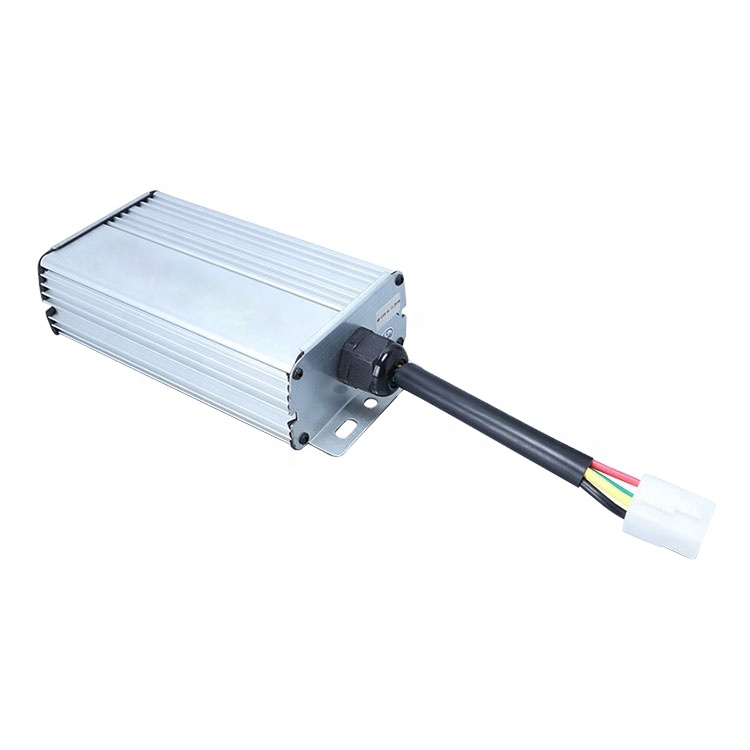
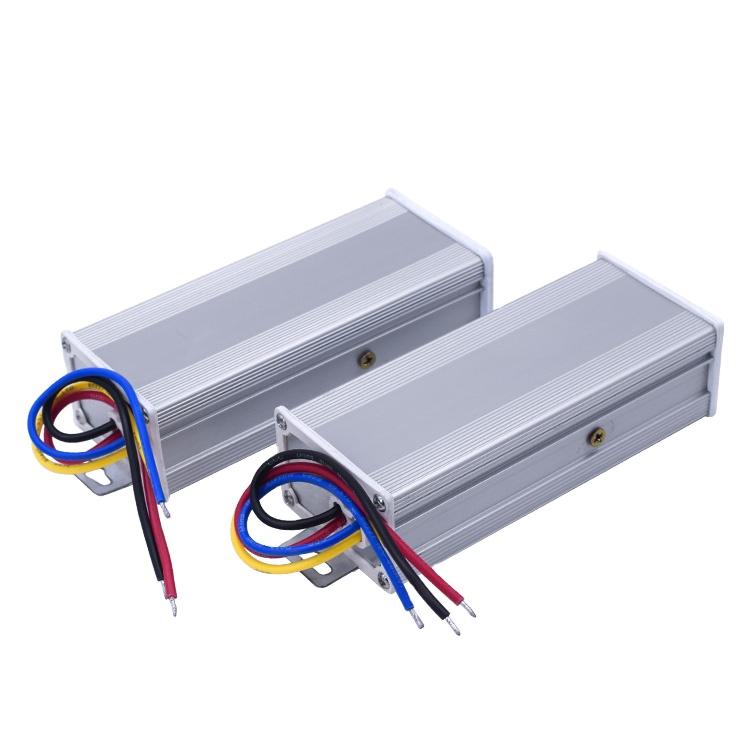
Engineering Resilient Power Distribution for Madrid’s Telecommunications Landscape
An architectural evaluation of -48VDC power buses, high-efficiency alternating circuits, and environmental adaptation across the Iberian Peninsula’s primary data corridor.
The Madrid Digital Gateway: Power Density Demands in Southern Europe
The Community of Madrid (Comunidad de Madrid) has rapidly emerged as Southern Europe’s premier telecommunications interconnection node. Anchored by strategic subsea cable landings in Bilbao, Valencia, and Lisbon, international traffic converges into Madrid’s high-density telecom corridors—most notably the industrial aggregation hubs in Alcobendas, the San Blas-Canillejas technology district (Silicon Alley Madrid), and newly expanding hyperscale zones along the southern M-40 and M-50 belts. As Tier III and Tier IV colocation facilities scale their IT capacities toward gigawatt thresholds, the demand placed on rack-level power distribution units (Telecom PDUs) and DC-DC conversion systems has fundamentally transitioned from simple circuit protection to complex, intelligent power routing.
Modern telecommunications central offices, C-RAN (Cloud Radio Access Network) hubs, and high-frequency edge transit points in Madrid encounter a unique set of operational challenges. Carrier-grade equipment operates overwhelmingly on low-voltage direct current (-48VDC nominal), providing intrinsic battery buffer capabilities and eliminating phase balancing complexities. However, modern network compute clusters, blade servers, optical line terminals (OLTs), and AI-driven deep packet inspection appliances concurrently require 230VAC single-phase or 400VAC three-phase supplies. Consequently, precision Power Distribution Units must bridge hybrid power domains while maintaining galvanic isolation, zero-downtime transfer characteristics, and granular circuit-level telemetry.
Architectural Note: In high-density Madrid central offices, resistive cable losses (I²R) in -48V DC feeds represent a critical thermal and financial efficiency liability. Implementing intelligent dual-bus PDU topologies coupled with distributed DC-DC conversion architectures reduces distribution bus cable cross-sections while enforcing strict harmonic mitigation (<3% THD) under non-linear switching loads.
Dual-Feed Redundancy (2N Architecture)
Mission-critical installations in Madrid colocation centers demand discrete A+B feed isolation. Advanced Telecom PDUs utilize magnetic-hydraulic circuit breakers insensitive to ambient thermal shifts, eliminating nuisance tripping during high-temperature Iberian summer peaks.
Thermal Resilience (-40°C to +75°C)
Continental Madrid experiences extreme seasonal thermal swings. Rooftop telecom shelters and roadside base station cabinets require ruggedized, passive convection-cooled PDU architectures with zero derating up to +55°C ambient temperatures.
Integrated Telemetry & SNMPv3 Control
Real-time telemetry provides branch circuit current, bus voltage, power factor, and thermal monitoring. Integration into centralized Data Center Infrastructure Management (DCIM) via encrypted Modbus TCP and SNMPv3 ensures remote operational command.
Madrid Field Implementation & Carrier Topologies
Detailed power distribution configurations tailored to the operational realia of central network operators, edge facilities, and metropolitan transportation corridors in Spain.
Blueprint A: 5G C-RAN Edge Hubs & Neutral Host Facilities
The densification of 5G Standalone (SA) infrastructure throughout Madrid's inner ring (M-30 perimeter) and commercial axes such as Paseo de la Castellana requires compact micro-datacenters deployed within leased spaces or urban substations. In these compact environments, space is premium. Standard 19-inch 1U/2U rack-mounted Telecom Power Distribution Units integrate high-capacity busbars, capable of distributing 100A to 400A at -48VDC across multiple low-voltage disconnect (LVD) channels.
By segmenting loads into Essential (baseband processing units, core routing) and Non-Essential (ancillary cooling fans, local telemetry sensors), our intelligent distribution systems allow Spanish telecommunication engineers to configure automated shedding sequences during mains blackout scenarios, extending battery runtime on critical lithium iron phosphate (LiFePO4) or VRLA banks by up to 35%.
Blueprint B: Colocation Carrier Hotels in Alcobendas and San Blas
Madrid’s primary colocation districts house major tier-1 network operators such as Telefónica, Vodafone España, Orange España (MásOrange), and independent carrier-neutral providers. These hyper-connected facilities demand ultra-high availability power strips and distribution panels. A standard installation utilizes dual-input A/B PDUs featuring integrated transient voltage surge suppression (TVSS Type 1+2 per EN 61643-11), shielding sensitive multi-terabit optical transport transceivers from grid-level lightning transients common to the Sistema Central mountain range storms.
Blueprint C: Railway & Roadway Transportation PoPs (ADIF & DGT Networks)
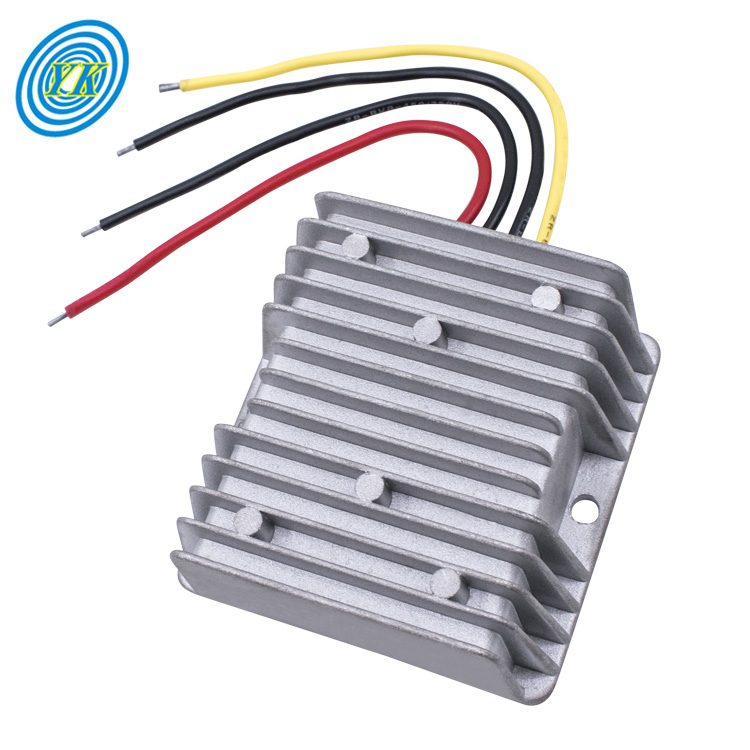
Madrid functions as the focal node of Spain's radial high-speed rail (AVE) managed by ADIF, as well as the national highway telemetry network overseen by the Dirección General de Tráfico. Trackside communication huts and highway variable messaging systems rely on ruggedized DC-DC converters and isolated power distribution boards. These systems must convert erratic 24V or 72V DC battery supplies down to clean, regulated 12V or 48V outputs, isolated to 1500VDC to eliminate dangerous ground loop currents generated by high-voltage electric locomotive traction lines.
| Architecture Parameter | Standard Commercial Rack PDU | Telecom-Grade DC PDU (-48VDC) | Mission-Critical Hybrid PDU (Varnix Engineered) |
|---|---|---|---|
| Input Voltage Range | 230VAC ±10% (1-Phase) | -40VDC to -60VDC | Dual Input: -36V to -72V DC / 230V–400V AC |
| Circuit Breakers | Thermal-magnetic standard | Hydraulic-magnetic (ambient insensitive) | Hydraulic-magnetic with auxiliary alarm contacts |
| Transient Surge Suppression | Basic Varistor (MOV Class III) | Optional external block | Integrated TVSS Class I+II (40kA 8/20µs) |
| Branch Circuit Monitoring | Total load only (Amps) | Voltmeter shunt (manual read) | True RMS Current, Voltage, Power, kWh per channel |
| Operating Temperature Limit | 0°C to +40°C | -10°C to +50°C | -40°C to +75°C (Extended Iberian Field Spec) |
| Network Management | Basic HTTP / SNMPv1 | Dry contact alarms only | SNMPv3, Modbus-RTU/TCP, RESTful API, Dual IP |
Madrid Market Trends: Energy Efficiency Directive & DC Microgrids
Understanding the intersection between European Union decarbonization mandates and modern Iberian telecommunication infrastructure.
Compliance with EU Energy Efficiency Directive (EED) and Spanish Real Decreto
The recast of the European Union Energy Efficiency Directive (EU/2023/1791) has established binding reporting metrics for all data centers in the Community of Madrid with an installed IT power demand exceeding 500 kW. Operators are now legally obligated to report Power Usage Effectiveness (PUE), Water Usage Effectiveness (WUE), and energy reuse metrics annually. Consequently, Madrid procurement managers no longer evaluate power distribution units simply on purchase cost; life-cycle energy loss within internal busbars and transformerless power paths has become a primary metric.
By specifying Varnix telecommunication power distribution solutions and solid-state high-efficiency conversion units boasting peak conversion efficiencies up to 96.5%, operators significantly reduce the parasitic thermal loads inside server cabinets. In Madrid's dry summer climate, where mechanical chillers operate at peak condenser lift, every watt of heat avoided at the PDU level translates directly to an additional 0.35W savings in facility cooling expenditure.
Transition to Centralized -48V DC Microgrids in Core Exchanges
A prominent engineering trend across Spanish carrier central offices is the decommissioning of legacy AC-UPS arrays in favor of unified -48VDC battery backup microgrids. Direct DC feeding reduces cascading power conversion stages: AC grid power is rectified once into -48VDC, stored directly in centralized battery racks, and routed straight to rack-level DC PDUs. This streamlined architecture avoids the double-conversion penalty (AC to DC to AC) and eliminates the harmonic phase displacement typically introduced by uncompensated switched-mode server power supplies.
CapEx Optimization via Modular Form Factors
Scalable 19-inch rack-mount chassis permit “pay-as-you-grow” expansion. Modular distribution modules can be inserted live without dropping the main bus voltage, satisfying strict European zero-interruption service level agreements.
Hot-Swappable High-Current Breakers
Field maintenance in Spanish facilities is simplified via plug-in magnetic circuit breakers ranging from 6A to 125A. Channel adjustments require zero electrical rewiring, drastically lowering human maintenance error risks.
CE, RoHS, & UNE-EN 50600 Alignment
Full conformance with Spanish and European data center standards (UNE-EN 50600 series covering power distribution availability Class 1 through Class 4). Certified electromagnetic compatibility ensures zero interference with adjacent optical routing gears.
Why Madrid Telecom Contractors Partner with Varnix
Delivering over two decades of high-frequency power engineering excellence, verified manufacturing controls, and international logistical agility.
23+ Years of Continuous Production
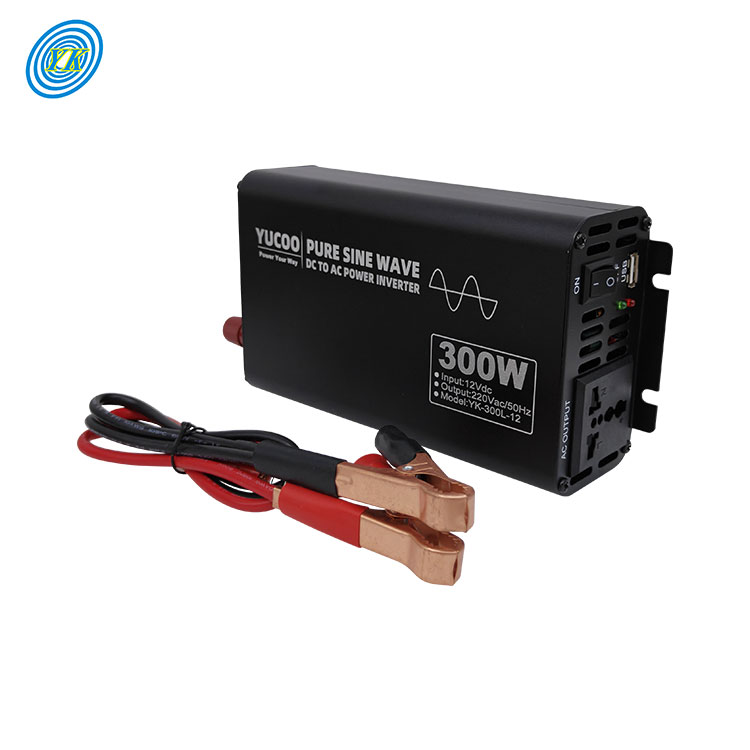
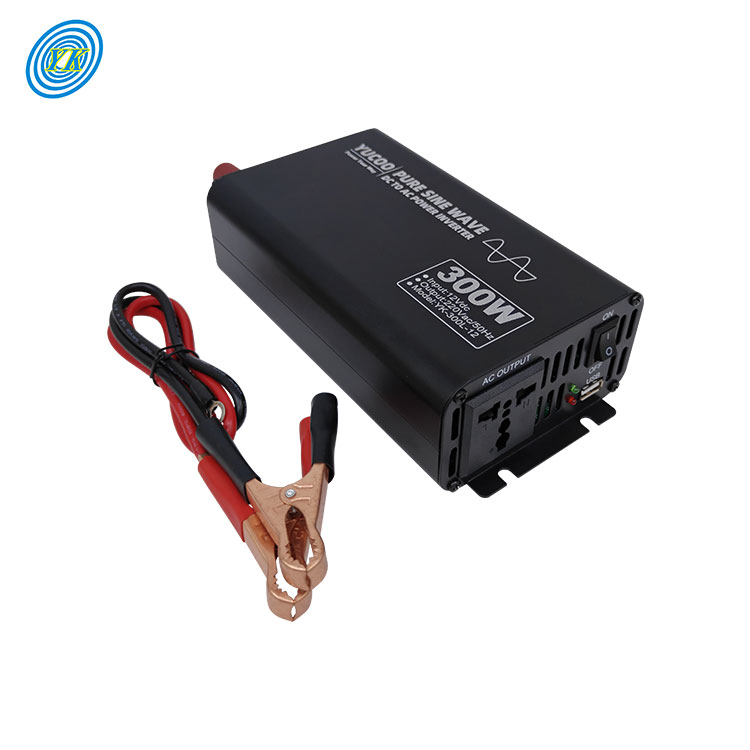
Established in 2003, Varnix Technology Co., Ltd. operates a specialized manufacturing footprint certified to ISO 9001:2015. Our focus has remained resolute on pure sine wave inverters, DC-DC step-up/down modules, and rack power distribution systems for carrier-grade deployments.
SGS Onsite Verified Infrastructure
Our 1,229 m² production facility houses 10+ modern assembly, welding, and quality verification lines, verified onsite by SGS Group. We control every stage of manufacturing—from raw SMT component verification to structural enclosure stamping and automated potting.
100% Full-Load Burn-In & Aging Testing
To eliminate early-life field failures in critical Madrid data nodes, 100% of finished inverters, converters, and PDU assemblies undergo mandatory full-load aging tests on our dedicated burn-in racks, verified with digital storage oscilloscopes and precision multimeters.
Tailored OEM / ODM Customization
We provide full design-based, schematic-based, and sample-based engineering. Input voltage, output power distribution paths, enclosure depth, terminal blocks (Phoenix Contact / Anderson Powerpole), branding, and custom Modbus registers are customized for specific project RFPs.
Transparent European Compliance
Products carry legitimate CE, RoHS, and FCC declarations of conformity with full technical construction files ready for customs entry into Madrid-Barajas Airport (MAD) and maritime container terminals (Valencia / Algeciras). Contractual quality guarantees are standard on all orders.
Rapid International Logistics & 24/7 Support
Supporting flexible Incoterms including FOB, CIF, DDP, and express air options. Backed by overseas inventory depots and an engineering support desk maintaining a 98.2% response rate, ensuring responsive troubleshooting across European CET time zones.
Frequently Asked Questions by Madrid Telecommunications Buyers
Essential technical, legal, and operational considerations when specifying and importing power distribution systems into Spain.