Featured Power Conversion Modules & Rectifiers
Tested under rigorous 100% full-load burn-in conditions. Certified to ISO 9001:2015, CE, RoHS, and FCC specifications for industrial off-grid and telecom grid resilience.
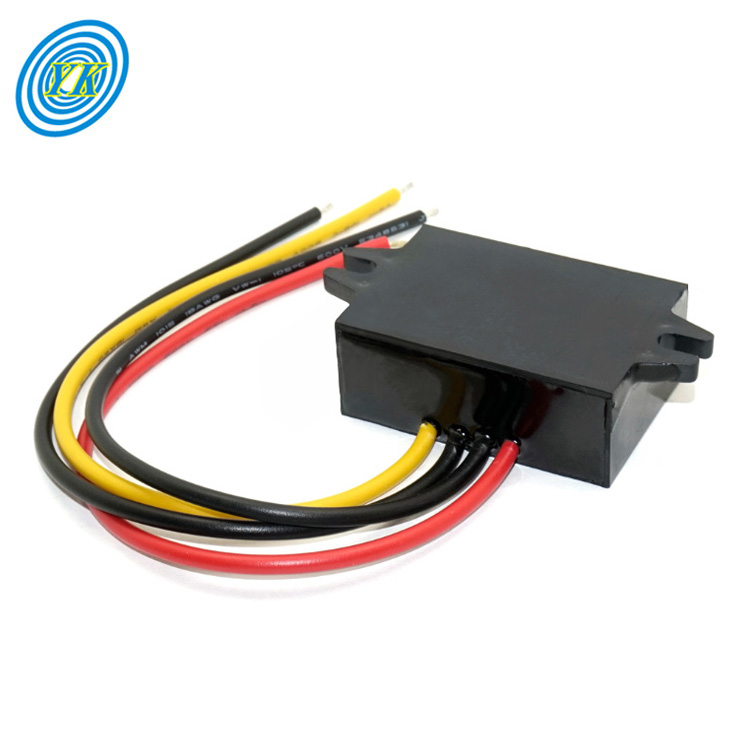
Buck Converter DC-DC 8-35V 12v to 7v 5A Step Down Power Supply Module
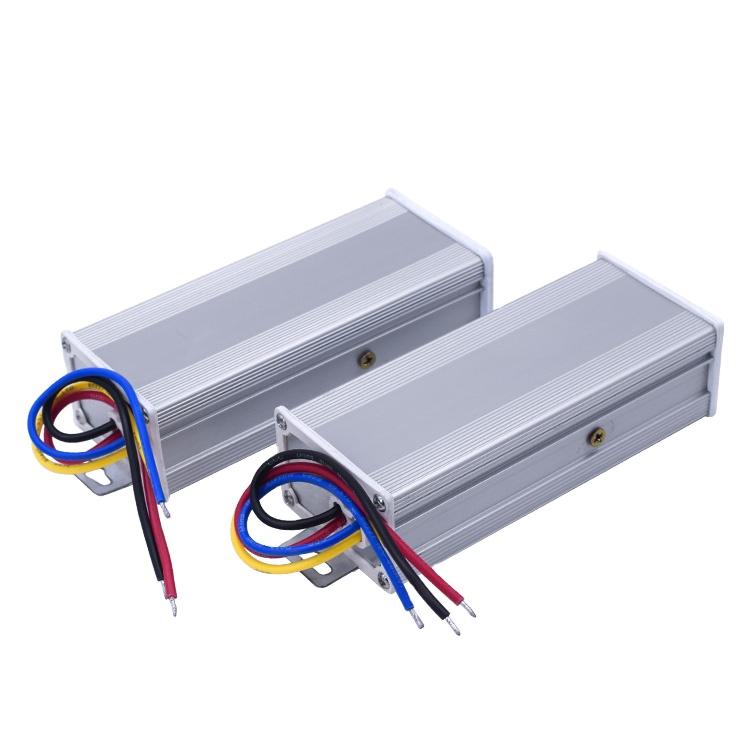
Isolated DC to DC 48V 60V 72V 84V 96V to 12V 5A 60W Step Down Converter
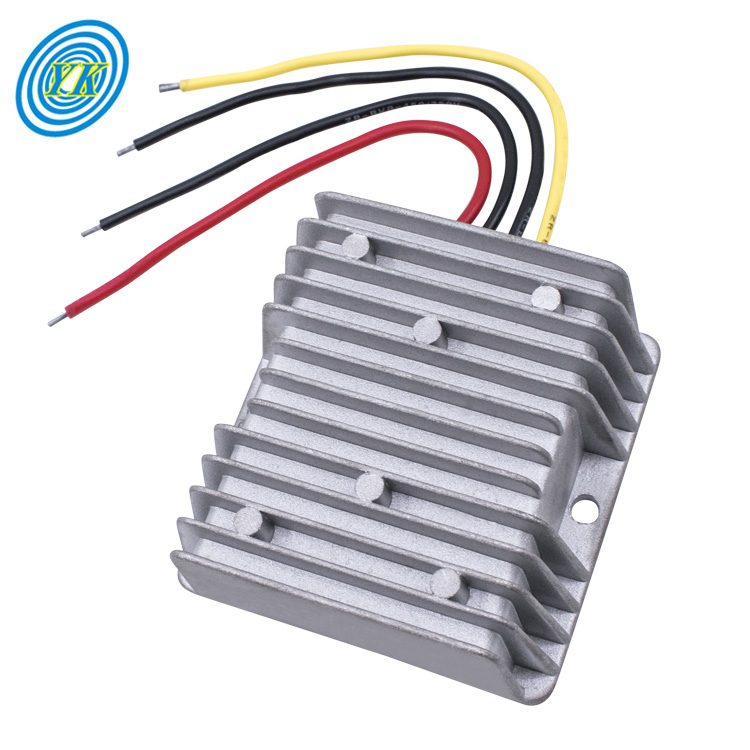
Buck & Boost 8-40V to 13.8V 5A Step up Voltage Dc-dc Converter
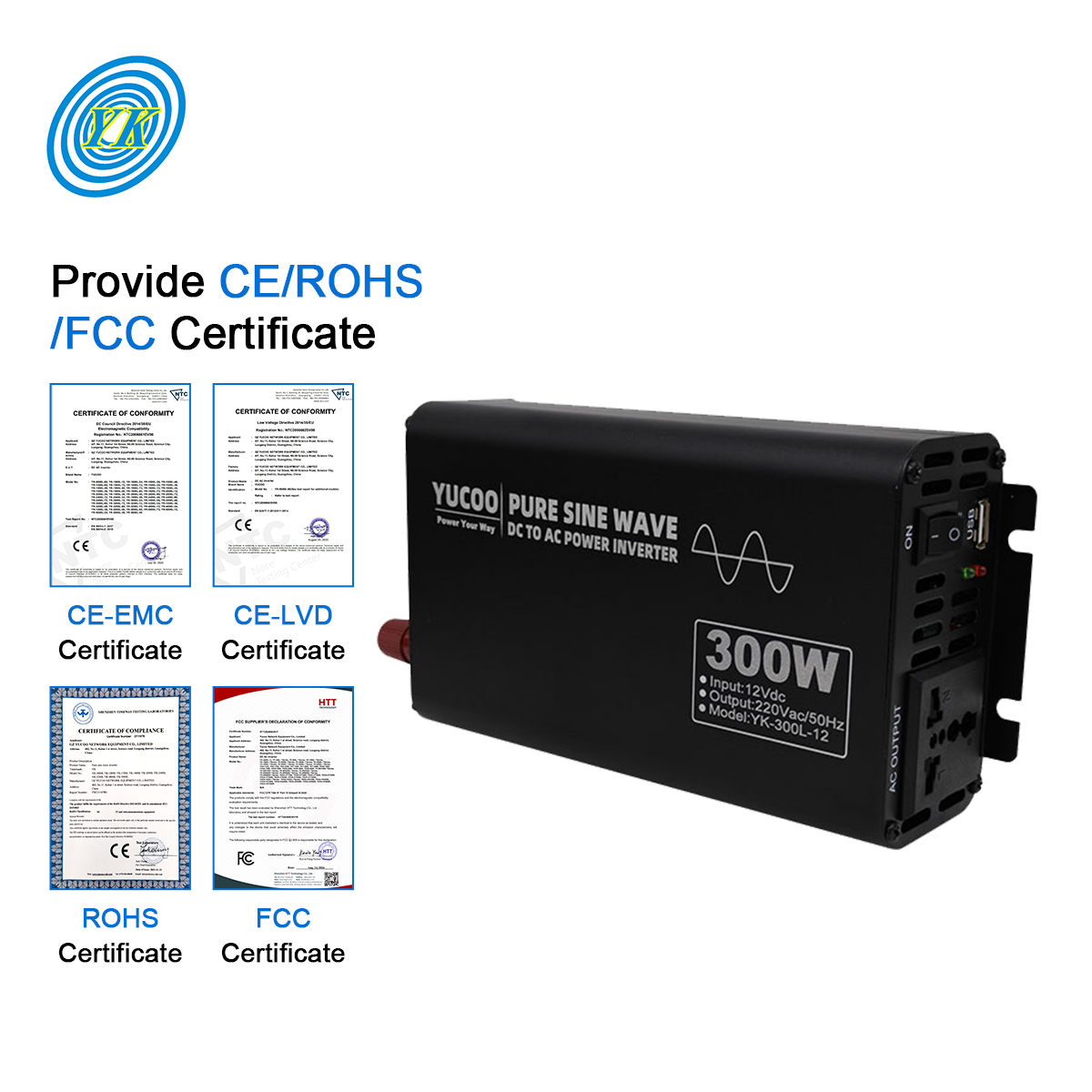
300W Pure Sine Wave Car Inverter DC 12V/24V to 110V 220V AC Off-Grid

YUCOO Boost Buck Converter 9-34V 12V to 12V 35A 40A DC Regulator
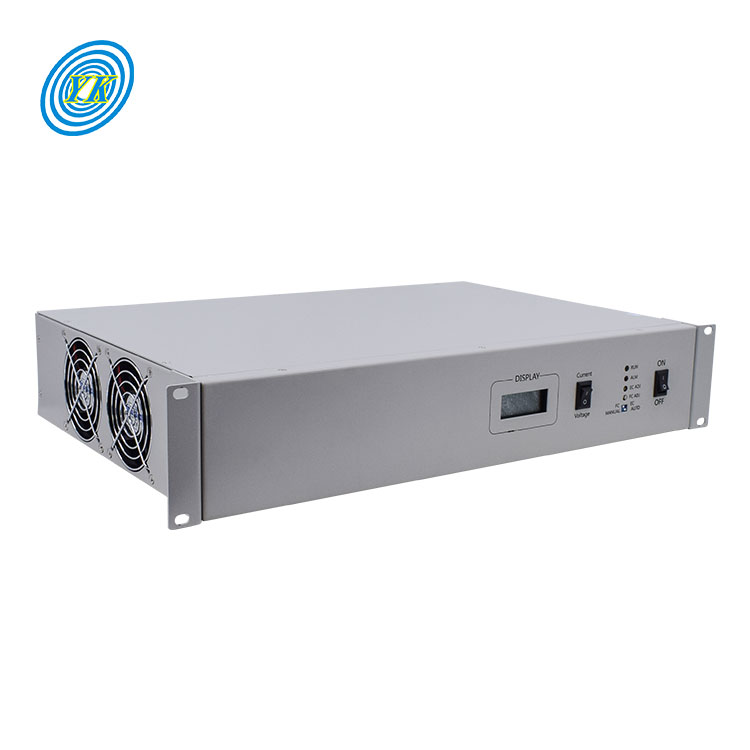
System Rectifier Power 110Vac to 24Vdc 10–100A Switching Power Supply
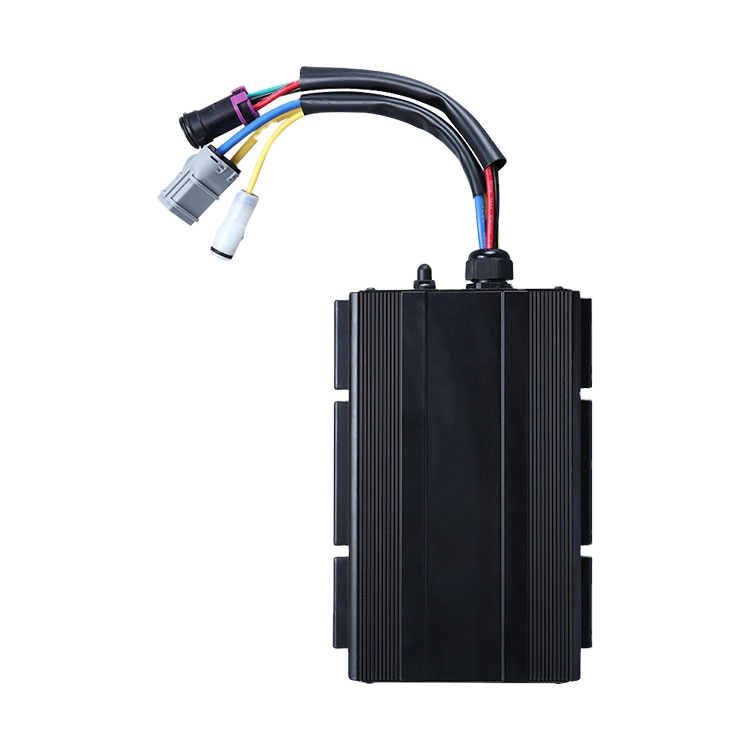
Isolated Step Down DC DC Converter 48V–90V to 12V 42A 500W Charger

600W–5000W Hot Sale DC to AC Pure Sine Wave Power Inverter
23+
Years of Direct Power Electronics Manufacturing
96.4%
Peak Synchronous Conversion Efficiency
1,229 m²
SGS-Audited Production & Burn-in Facilities
< 0.28%
Field RMA Rate Across Latin American Climates
Executive Market Assessment: DC Step-Up Converters in Guatemala
Guatemala represents the largest industrial and macroeconomic hub in Central America, operating within an intricate electrical framework overseen by the Comisión Nacional de Energía Eléctrica (CNEE) and coordinated by the Administrador del Mercado Mayorista (AMM). Despite significant modernization in the national interconnected grid (Sistema Nacional Interconectado - SNI), industrial operators, telecommunication carriers, and commercial agricultural facilities across Guatemala encounter severe power anomalies, voltage drops, and off-grid operational hurdles.
Step-up (boost) DC-DC converters act as non-negotiable critical components across Guatemala's varied economic sectors. From elevating unstable 12V or 24V solar battery bank voltages to 28V, 36V, 48V, or 56V for telecommunication base transceivers (BTS) in the Sierra de los Cuchumatanes, to driving industrial automation sensors in Escuintla sugar mills, high-efficiency DC voltage stepping prevents brownouts and hardware degradation. Importers, electrical contractors, and government procurement officers frequently face premature component failures caused by sourcing generic, poorly potted power converters that cannot survive Guatemala's extreme microclimates—ranging from high-salinity Pacific coastal humidity to high-altitude thermal derating above 2,500 meters.
Electrical Infrastructure Challenges Faced by Guatemalan Buyers
Sourcing power electronics destined for Puerto Barrios, Puerto Quetzal, or Guatemala City requires addressing specific localized phenomena:
- Wide Input Voltage Swings: Solar and auxiliary battery banks operating under high ambient temperatures experience profound voltage sag during discharge cycles. Step-up converters must integrate wide-range tracking (e.g., 9V–32V nominal input) with ultra-fast transient response times (<200 µs) to prevent sensitive load drops.
- High Relative Humidity & Condensation: The tropical rainforest climate in Izabal and Alta Verapaz features sustained humidity levels exceeding 90%. Unpotted or conventionally varnished converters suffer rapid electrolytic dendrite growth and short-circuit failures. Only vacuum-encapsulated, thermally conductive epoxy resin (IP67 or IP68 rated) ensures multi-year MTBF.
- Altitude-Induced Thermal Derating: In mountainous departments such as Quetzaltenango, Totonicapán, and Huehuetenango, elevations exceed 2,300 meters above sea level. Thinner air decreases natural convective heat dissipation, requiring power converters to be engineered with lower internal thermal resistance ($R_{\theta jc}$) and heavy extruded aluminum fin profiles.
Top 10 Step Up Converter Factories & Exporters Serving the Guatemala Market
To assist procurement directors, system integrators, and engineering procurement contractors (EPCs) evaluating supply chain alternatives, this benchmark analyzes the leading manufacturers and exporters delivering step-up power equipment into Central America.
1. Varnix Technology Co., Ltd.
Varnix stands as an authoritative direct factory specializing in industrial power conversion, offering certified buck, boost, and isolated step-up converters from 60W to 1,500W. Backed by an SGS-verified 1,229 m² production facility with 10+ assembly lines, Varnix features full SMT, automated potting, and 100% full-load burn-in aging. Their specialized heavy-duty IP68 aluminum-housed 12V to 24V, 12V to 48V, and Starlink-specific 12V/24V to 30V/56V converters are dominant across Central American telecom networks, supported by rapid international export capabilities and dedicated US stock fulfillment.
2. Victron Energy B.V.
Well recognized for maritime and off-grid renewable installations, Victron exports Orion-Tr isolated and non-isolated DC-DC boost converters into Guatemala via regional distributors. While delivering outstanding telemetry through Bluetooth integration, their high price-to-watt ratio often leads commercial EPCs to seek qualified OEM/ODM alternatives for volume infrastructure deployments.
3. Mean Well Enterprises Co., Ltd.
Mean Well provides an extensive portfolio of DIN-rail and enclosed chassis power modules. While their enclosed step-up converters perform well in controlled indoor cabinets across Guatemala City's free-trade zones, their non-waterproof catalog requires supplementary environmental containment when deployed in agricultural or outdoor field installations.
4. Delta Electronics
Delta specializes in enterprise telecom rectifiers and heavy industrial converters. Serving cellular towers in Central America, Delta offers high-efficiency rack-mounted boost modules. However, high minimum order quantities (MOQs) and strict distributor agreements limit agility for mid-sized Guatemalan engineering firms.
5. Daygreen Technology Co., Ltd.
Daygreen focuses on sealed DC-DC converters for automotive, golf cart, and marine conversions. Their potted cast modules provide dependable water resistance in humid climates, serving small-to-medium logistics retrofits along Guatemala's Atlantic and Pacific cargo arteries.
6. TDK-Lambda Corporation
TDK-Lambda provides high-reliability, board-level DC-DC boost converters tailored for medical equipment, laboratory testing, and precision instrumentation installed in specialized clinics and academic laboratories in Guatemala.
7. Vicor Corporation
Vicor manufactures ultra-compact, high-density brick converters utilizing proprietary zero-current/zero-voltage switching (ZCS/ZVS). Although technically advanced, their premium price point restricts deployment in Guatemala to specialized defense and critical satellite ground stations.
8. Alfatronix Ltd.
Alfatronix supplies specialized DC-DC converters for commercial passenger bus fleets and municipal emergency response vehicles. Widely used for stepping 12V auxiliary lines to 24V communications gear, their units are exported primarily via North American and European master distributors.
9. Phoenix Contact GmbH & Co. KG
Known for the QUINT POWER series of DC-DC converters featuring dynamic boost capabilities. Highly respected by industrial automation engineers in Guatemala’s beverage bottling and textile sectors, but with lengthy delivery lead times for specialized configurations.
10. YUCOO Network Equipment Co., Ltd.
A trusted long-term manufacturer delivering high-current DC-DC boost and buck-boost modules (such as 9–34V to 12V/24V 35A–40A systems) and telecom switching rectifiers. Known for flexible custom voltage engineering, robust aluminum casings, and direct factory technical support tailored for Central American infrastructure buyers.
Deep-Dive Application Scenarios Across Guatemala's Industrial Landscape
Applying standard laboratory electronics to the real-world operational environments of Guatemala often results in catastrophic field failures if localized stress factors are ignored. Below are the primary deployment environments where engineered step-up converters prove mission-critical:
Coffee Beneficios & Agro-Fincas
Located in Antigua, Cobán, and Huehuetenango, remote wet-mills (beneficios húmedos) rely on off-grid solar-battery combinations. Step-up converters elevate 12V/24V battery outputs to 48VDC to power automated optical sorting tables, wireless telemetry sensors, and high-torque moisture monitoring valves without triggering motor-start voltage drops.
Sugar Cane Mills in Escuintla
The southern coastal plains house vast sugar manufacturing refineries. Operations battle heavy particulate soot, high temperatures, and high humidity. Potted 24V-to-48V DC boost converters stabilize DC field instrumentation buses, preventing sensor false-triggers during heavy bagasse boiler switching transients.
Cellular Towers (Sierra Madre Ridge)
Claro and Tigo rural repeaters in Quiché and San Marcos sit atop isolated ridges vulnerable to lightning and power grid interruptions. Non-isolated and isolated step-up converters boost variable 24V or 48V backup battery banks to 56V PoE lines for remote microwave links and Starlink satellite terminals.
Intermodal Freight Logistics (CA-9 Corridor)
Commercial container haulers moving freight from Puerto Quetzal (Pacific) to Puerto Santo Tomás de Castilla (Atlantic) encounter severe vehicle alternator load dumping. Compact 12V-to-24V DC converters supply cold-chain temperature loggers and GPS telematics units, maintaining constant regulated output during engine ignition cycles.
Engineering Selection Matrix: Synchronous Boost vs. Galvanically Isolated
Selecting the optimal step-up converter requires balancing conversion efficiency, ground isolation, electromagnetic interference (EMI), and cost. The table below provides a rigorous comparison for Guatemalan engineering consultants and electrical contractors:
| Converter Architecture | Typical Input Range | Standard Output | Peak Efficiency | Ground Reference | Ideal Guatemalan Application |
|---|---|---|---|---|---|
| Synchronous Non-Isolated Boost | 9V – 32V DC | 24V, 28V, 48V DC | 94% – 96.5% | Common Negative Ground | Fleet vehicle auxiliary systems, solar CCTV setups, DC lighting, agricultural telemetry. |
| Galvanically Isolated Flyback/Forward | 18V – 36V / 36V – 75V DC | 12V, 24V, 48V DC | 88% – 91% | Fully Floating (>1500VDC isolation) | Telecom microwave hubs, PLC instrumentation with mixed grounds, marine engine navigation. |
| Automatic Buck-Boost Regulator | 8V – 40V DC | 12V / 13.8V / 24V DC | 92% – 95% | Common Negative Ground | Battery float charging, off-grid systems with severe solar voltage fluctuation. |
| High-Current Industrial Rectifier (AC-DC) | 110V / 220V AC (±15%) | 12V, 24V, 48V up to 100A | 91% – 94% | Safety Earth Grounded | Industrial electroplating, telecom central offices, automated substation battery backup. |
Thermal Calculations for High-Altitude Operation in Guatemala
When deploying step-up converters in high-altitude zones such as Quetzaltenango (2,330m) or Momostenango (2,200m), air density derating must be factored into continuous full-load calculations. The simplified thermal dissipation formula demonstrates internal power loss ($P_{\text{loss}}$):
Ploss = Pout × ((1 - η) / η)
Tcase = Tamb + (Ploss × Rθca × k_alt)
Where $P_{\text{out}}$ is output wattage, $\eta$ is conversion efficiency (typically 0.94 for synchronous boost), $R_{\theta ca}$ is the case-to-ambient thermal resistance of the heatsink, and $k_{\text{alt}}$ is the altitude derating multiplier (approximately 1.18 for 2,500m elevation). For a 480W continuous load at 94% efficiency, $P_{\text{loss}}$ is 30.6W. Without a custom aluminum heat fin casing, standard industrial plastic converters will enter thermal self-shutdown within two hours of peak operation.
Factory Manufacturing Capabilities & Verification Protocol
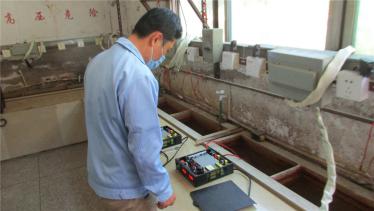
Sourcing directly from a verified OEM/ODM manufacturer eliminates costly intermediaries and ensures compliance with project electrical specifications. Our manufacturing lines implement exhaustive quality control protocols across every stage of converter fabrication:
SMT & Automotive-Grade Placement
High-speed surface-mount technology places original international-brand MOSFETs, low-ESR solid electrolytic capacitors, and magnetic powder core inductors with high thermal saturation thresholds.
Automated Vacuum Potting
Converters receive two-part polyurethane or silicone thermal potting under vacuum, eliminating micro air pockets and ensuring complete moisture-tight IP68 hermetic sealing against tropical humidity.
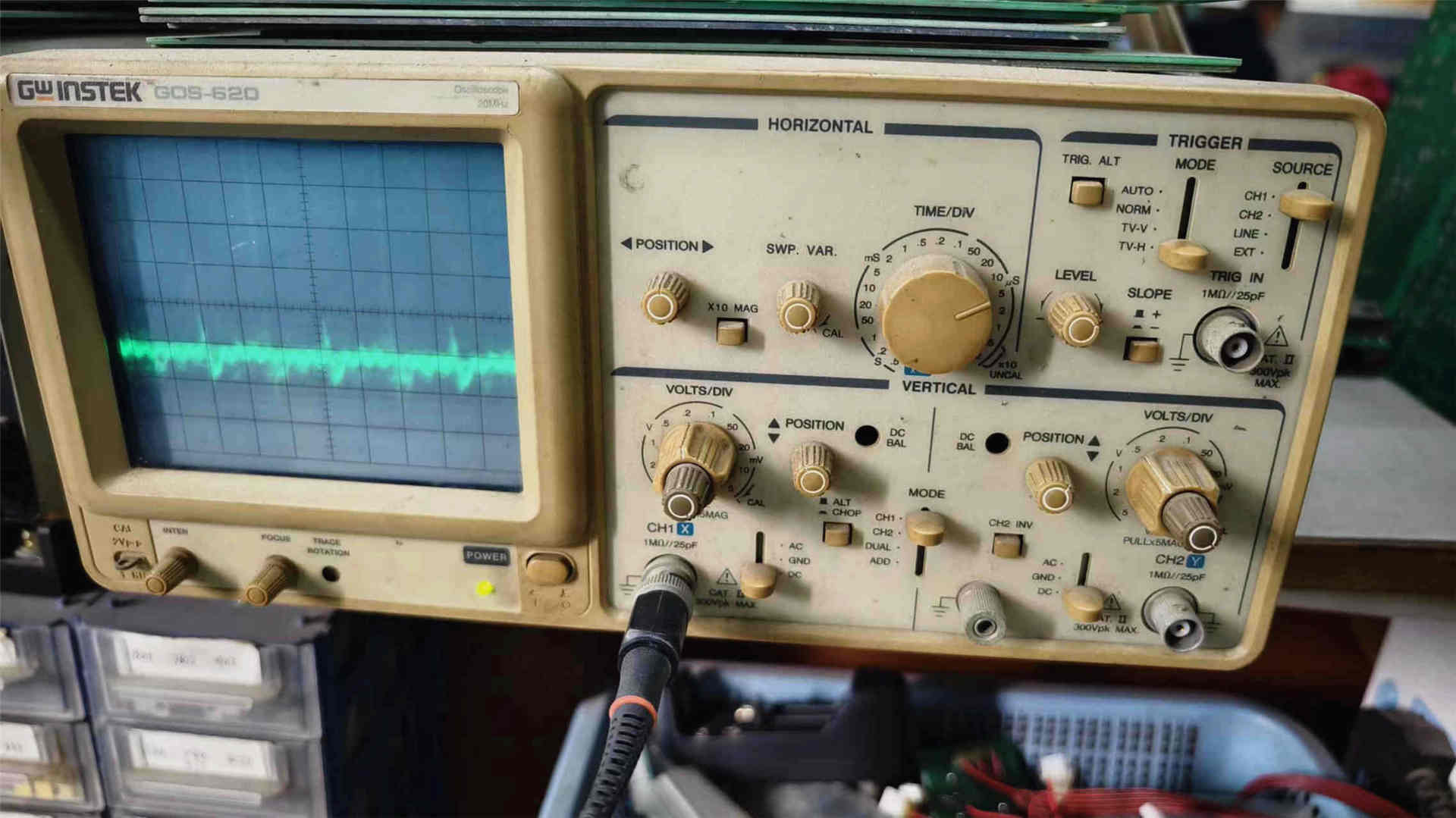
100% 4-Hour Burn-In Stress Test
Zero batch sampling. Every single step-up converter is loaded to 100% continuous rated current in thermal test chambers for 4 to 8 hours to induce and filter out infant mortality failures.
SGS & ISO 9001:2015 Certification
Full traceable documentation, incoming raw material inspections, CE EMC compliance (EN 55032 Class B), RoHS environmental restrictions, and custom branding tailored for distributors.


Macroeconomic & Power Electronics Trends in Guatemala (2025–2030)
The Guatemalan energy landscape is undergoing rapid transformation, guided by the expansion of the Plan de Expansión del Sistema de Transporte (PET) and aggressive private investments in commercial distributed solar arrays. Three key structural shifts are driving heightened demand for advanced step-up conversion technology:
- Rural Electrification & Decentralized Solar Microgrids: Government rural electrification mandates targeting off-grid communities in Petén, Alta Verapaz, and the western highlands are shifting away from large diesel generators. Microgrids utilize 24V or 48V battery banks with step-up DC-DC converters feeding high-voltage DC distribution buses, drastically reducing copper cable cross-sections and infrastructure costs.
- Surge in Commercial Starlink Mini Deployments: Satellite internet terminal usage has skyrocketed across agricultural fincas, nature reserves, and mobile freight vehicles throughout Guatemala. Field engineers require ruggedized 12V-to-30V and 12V-to-56V boost converters to run Starlink terminals directly off vehicle or solar battery banks without the severe standby efficiency losses of AC inverters.
- Electrification of Municipal Fleets & Intralogistics: Distribution centers across Mixco and Villa Nueva are transitioning to lithium-ion electric forklifts and light delivery vans. Stepping down or boosting varied pack voltages (48V, 72V, 80V) to standard 12V/24V telemetry, lighting, and hydraulic actuators requires hermetically sealed DC converters capable of handling continuous mechanical vibration.
Frequently Asked Questions by Guatemalan Importers & Engineers
What customs clearance documentation (SAT/DUCA) is required for importing power converters into Guatemala?
Commercial imports into Guatemala through the Superintendencia de Administración Tributaria (SAT) require a commercial invoice, bill of lading (B/L) or air waybill (AWB), packing list, and the Declaración Única Centroamericana (DUCA). Power converters generally clear under HS code heading 8504.40 (Static Converters / DC-DC Converters). Sourcing directly from an established exporter ensures all documentation includes correct harmonized codes, net weights, and CE/RoHS compliance declarations, preventing delays at Puerto Quetzal or Santo Tomás de Castilla.
Why do non-isolated step-up converters cause interference on my HF radios or SCADA telemetry?
Non-isolated boost converters operate using high-frequency pulse-width modulation (PWM) switching (typically 80kHz to 250kHz). In poorly designed or unshielded modules, high-frequency harmonics radiate through input/output cables and shared ground loops. For sensitive two-way VHF/UHF radio repeaters, SCADA instrumentation, or medical telemetry, we recommend either our galvanically isolated series or non-isolated models equipped with internal common-mode choke coils, double Pi-filters, and aluminum chassis faraday shielding.
Can Varnix customize voltage parameters for unique Guatemalan industrial systems?
Yes. As a direct design and manufacturing factory, we offer full OEM/ODM customization. If your project involves non-standard input ranges (e.g., variable 18V–42V solar input) or custom regulated outputs (such as 13.8V radio float, 28V aviation ground power, 30V/3.5A Starlink Mini, or 56V high-power PoE++), our engineering team configures the PCB circuitry, MOSFET ratings, and thermal enclosures to your exact project specifications with rapid prototype turnaround.
What is the practical lifespan of an IP68 potted converter in coastal Escuintla or Champerico?
In high-salinity, high-temperature marine environments along Guatemala's Pacific coast, standard electronic boards corrode in under 12 months. Our IP68-rated step-up converters utilize vacuum-encapsulated thermal polyurethane potting inside anodized, anti-corrosive die-cast aluminum enclosures. This forms an impermeable barrier against salt spray, atmospheric oxidation, and moisture condensation, routinely achieving an in-field MTBF (Mean Time Between Failures) exceeding 100,000 operational hours.
How are logistics and international shipping handled to Guatemala?
We provide full export terms tailored to client requirements, including FOB (Shenzhen/Guangzhou/Hong Kong), CIF (Puerto Quetzal / Puerto Santo Tomás), EXW, and door-to-door express delivery (DHL, FedEx, UPS) for urgent replacement projects. For standard catalog models, accelerated delivery can also be routed via our US warehouse network to drastically reduce transit times into La Aurora International Airport (GUA).
Ready to Secure Your Industrial Power Conversion Infrastructure?
Whether you require ruggedized 12V-to-24V boost modules for fleet telemetry, 48V-to-56V telecom converters, or custom high-current power supplies, our senior engineering team is ready to analyze your electrical schematics and provide factory-direct quotations.