Buck-Boost
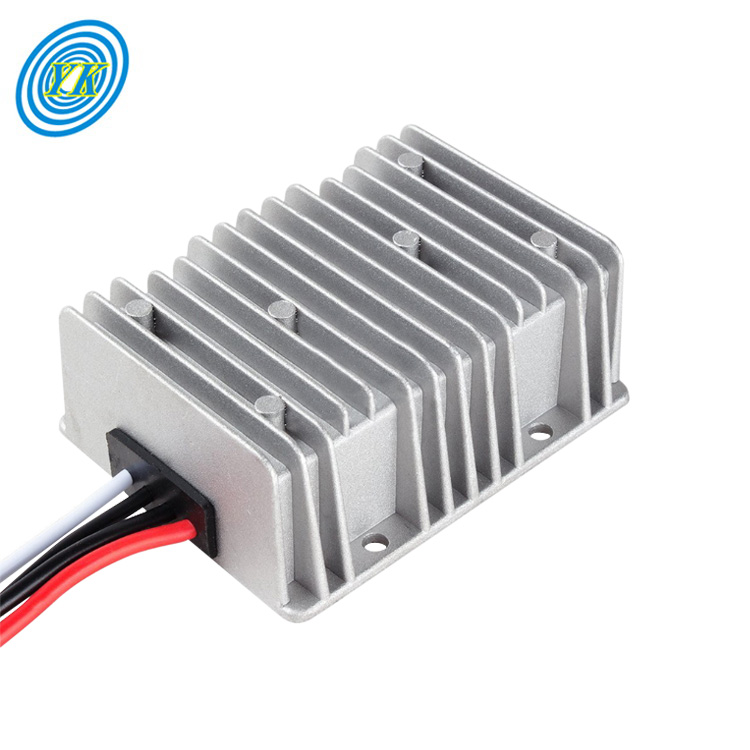
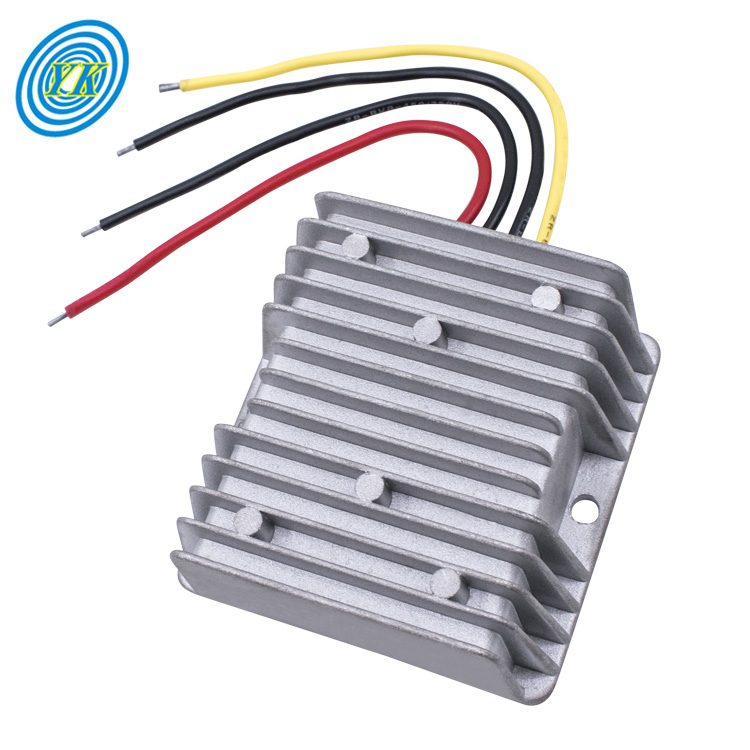
Buck-Boost Power Converter 8V-40V to 13.8V 15A DC Voltage Regulator
- Input Range8V – 40V DC Wide Range
- Output Rated13.8V DC @ 15A (207W)
- Efficiency / IPUp to 95% / IP68 Potting
Direct factory supply from our ISO 9001:2015 certified production lines in Guangdong, China. Built with low-ripple synchronous rectification, hermetic environmental protection, and VCCI/PSE compliant electromagnetic shielding.
A technical whitepaper overview on overcoming transient battery droops, fluctuating input rails, and stringent electromagnetic interference constraints in Japanese industrial robotics and telecom nodes.
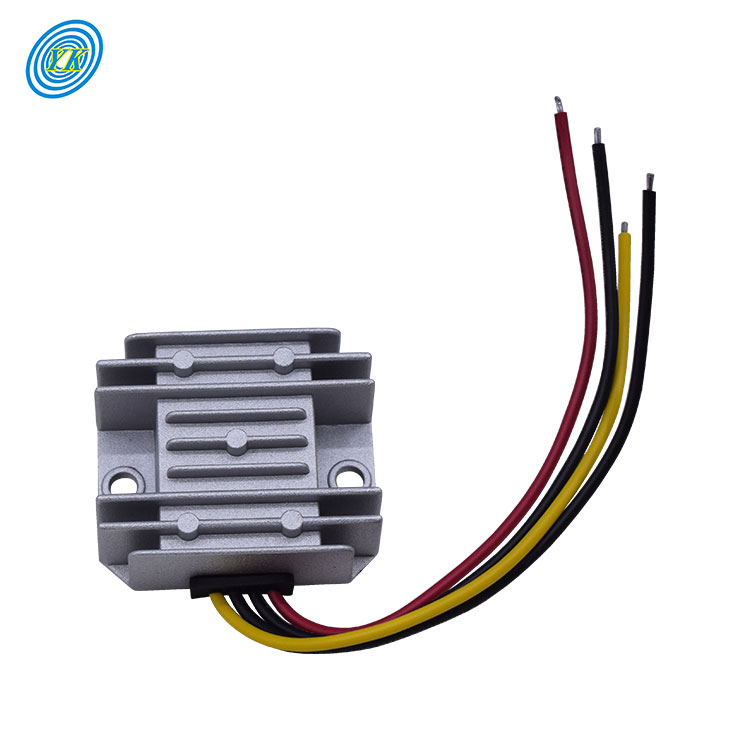
Traditional SEPIC or inverting buck-boost topologies suffer from poor efficiency, high discontinuous switch currents, and high component stresses. Varnix utilizes an advanced 4-switch synchronous H-bridge topology driven by an intelligent digital state machine. When the input voltage (e.g., fluctuating 9V–36V industrial battery bus) is significantly higher than the output (13.8V or 24V), the circuit operates as a standard synchronous buck converter with two switches commutating at 250kHz while the boost switches remain passive. As the input voltage converges toward the target output voltage, the controller seamlessly activates a 4-switch buck-boost modulation mode with interleaved phase transitions, maintaining greater than 95.8% conversion efficiency without output voltage glitches or instability.
Tokyo’s high-density automation facilities and data communication racks demand extreme cleanliness on power rails. Varnix buck-boost converters integrate spread-spectrum frequency modulation (SSFM), reducing peak conducted emissions by up to 12dBµV across the 150kHz–30MHz band. Our PCB layouts incorporate dual symmetric ground return paths, low-parasitic SMD ceramic capacitors in parallel with ultra-low ESR conductive polymer aluminum solid capacitors, and closed-magnetic-circuit sendust and nanocrystalline toroidal choke inductors. This ensures near-zero radiated emissions, allowing Tokyo machine builders to easily pass VCCI Class A/B compliance tests without bulky auxiliary external common-mode chokes.
Space in Tokyo industrial installations—such as automated guided vehicles (AGVs) operating in Ota-ku warehouse centers or outdoor micro base stations in Kanto—is critically constrained, prohibiting active fan cooling. Varnix addresses this through aviation-grade 6063-T5 aluminum extruded housings featuring integrated thermal heat fins and high thermal conductivity polyurethane vacuum potting (thermal conductivity > 1.5 W/m·K). This hermetic structure delivers comprehensive IP68 ingress protection against moisture, industrial oil mist, metal dust, and mechanical vibration up to 5Grms, ensuring a calculated MTBF exceeding 180,000 hours per Telcordia SR-332 at an ambient operating temperature of 50°C.
| Engineering Topology | Typical Efficiency | VCCI EMI Profile | Component Count & Stress | Tokyo Industry Suitability |
|---|---|---|---|---|
| Varnix 4-Switch Synchronous Buck-Boost | 94.5% – 97.2% | Ultra-Low (SSFM + Integrated Common Mode Filter) | Low RMS current stress; 4 MOSFETs digitally commutated | Optimal for AGVs, Robotics, Telecom, & Smart Transit |
| Conventional Non-Isolated SEPIC | 81.0% – 86.5% | Moderate to High (High ripple currents in SEPIC cap) | High coupling capacitor stress; bulky coupled inductors | Sub-optimal (Excess heat generation in compact enclosures) |
| Inverting Buck-Boost (Charge Pump/Diode) | 76.0% – 82.0% | High (Discontinuous input/output current profiles) | High peak diode dissipation; requires negative rail inversion | Outdated (Limited to low-power sub-15W auxiliary bias supplies) |
| Dual-Stage Cascaded Buck then Boost | 88.0% – 90.5% | Moderate (Two independent switching nodes generating harmonics) | Double component count; 2 full inductors & power stages | Excessive footprint; lower reliability due to component density |
From the Keihin Industrial Zone across Kawasaki and Yokohama to the high-tech automation labs of Chiyoda and Ota Ward, our DC-DC converters and inverters are engineered to fulfill stringent Japanese engineering criteria.
Autonomous Mobile Robots (AMRs) and automated logistics systems throughout Haneda logistics hubs and Yokohama distribution centers rely on 24V or 48V LiFePO4 battery architectures. During peak motor acceleration or heavy incline haulage, battery pack voltage drops drastically. Varnix synchronous buck-boost converters stabilize the 12V and 24V buses for LiDAR, industrial PCs, machine vision cameras, and servo brakes with zero brownout dropout.
Tokyo's metropolitan smart infrastructure initiatives incorporate ultra-dense 5G small cells and IoT environmental sensor poles across Shibuya and Shinjuku. These systems frequently combine hybrid power feeds: 48VDC remote line powering, intermittent solar inputs, and backup storage. Our DC-DC regulators provide smooth step-up/step-down conversion, delivering isolated and non-isolated regulated DC power to remote radio units (RRUs).
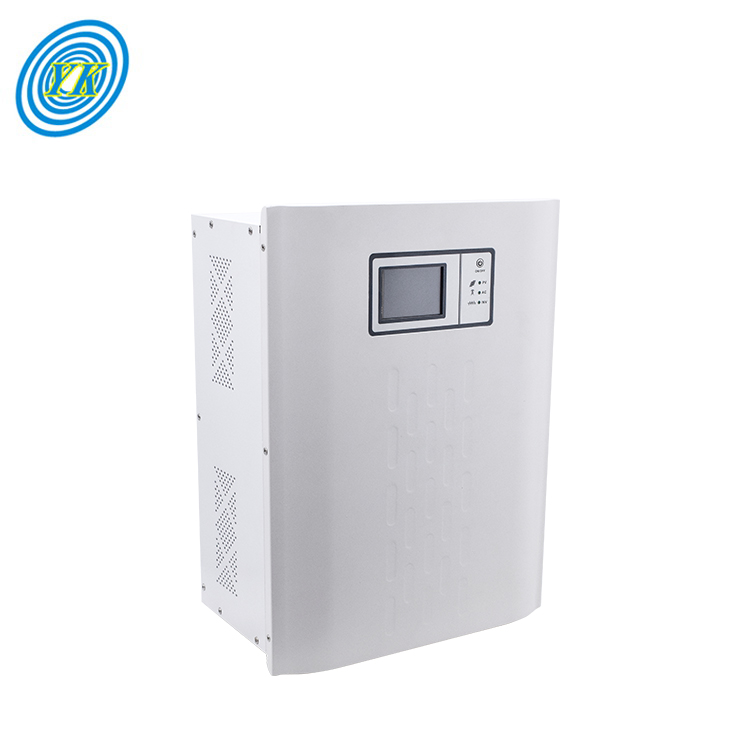
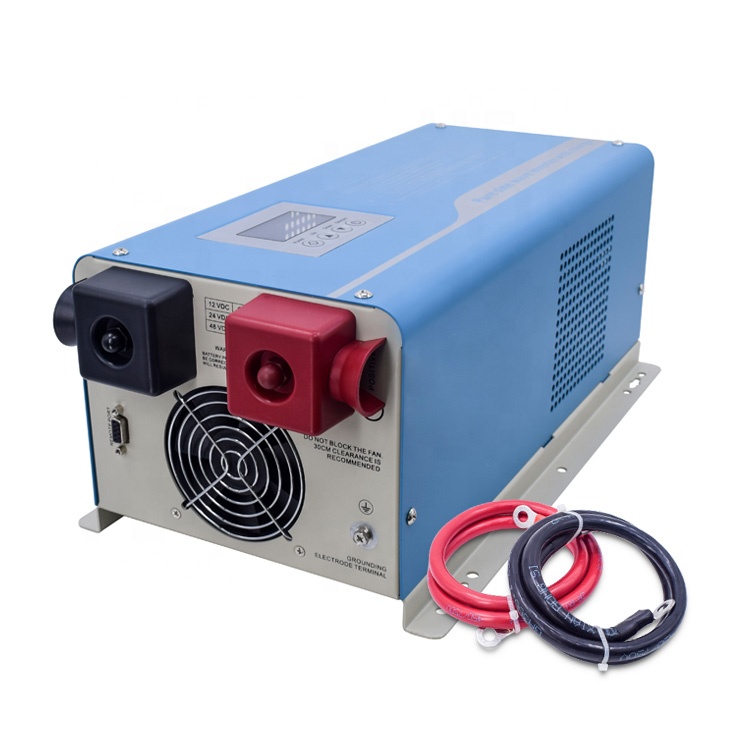
Under the Tokyo Metropolitan Government's aggressive Net Zero and Green Transformation (GX) 2030 policies, commercial rooftops and zero-emission building (ZEB) projects across Kanto deploy DC microgrids. Our All-in-One Solar Inverters (3KW/48VDC) and bi-directional buck-boost battery balancers bridge dynamic photovoltaic generation with lithium battery banks, ensuring uninterrupted power for building management systems (BMS).
Japan’s high-density passenger rail infrastructure requires continuous trackside monitoring, rolling stock status telemetry, and pantograph optical inspection. Battery voltages in rolling stock fluctuate dramatically (e.g., 24VDC, 72VDC, or 110VDC lines during regenerative braking). Varnix wide-input buck-boost converters condition these volatile lines into stable 12V/24V outputs for mission-critical edge gateways.
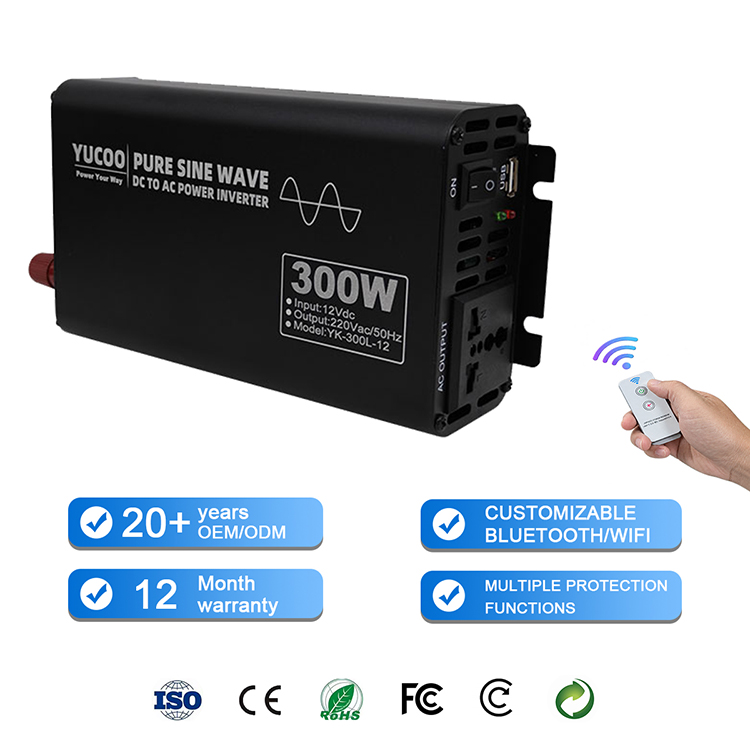
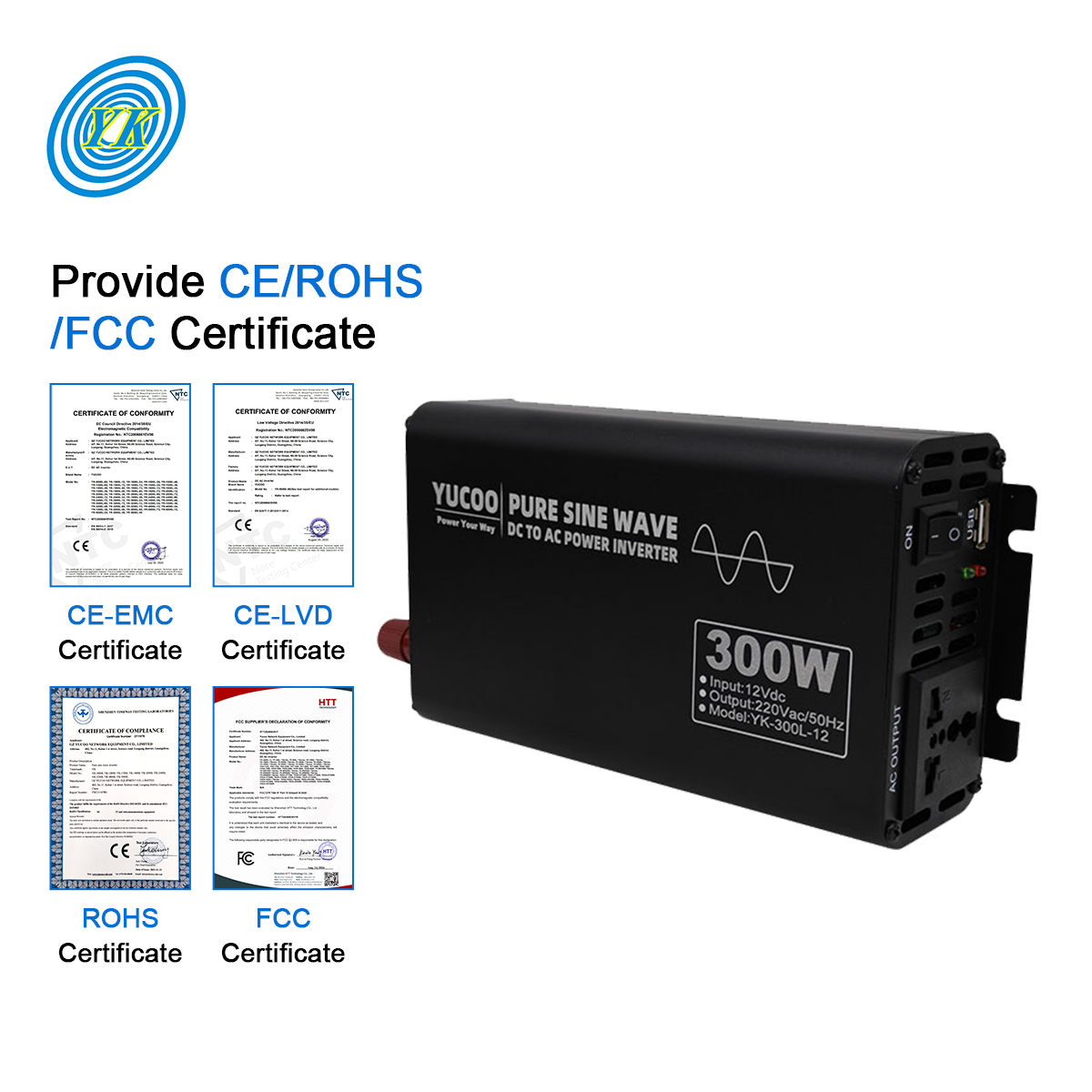
Disaster preparedness (防災, Bousai) is paramount across Tokyo’s municipal wards. In the event of seismic disruption or typhoon grid blackouts, field medical centers, satellite emergency terminals (e.g., Starlink Mini setups), and mobile emergency vehicles require rugged pure sine wave power inverters and wide-range DC-DC step-up modules that interface directly with automotive and marine batteries.
High-precision electroplating workshops in Saitama and Tokyo’s electronic component manufacturing corridors demand ripple-free DC power supplies. Varnix high-frequency switching AC-to-DC converters and electroplating rectifiers (up to 1,000A) deliver programmable Constant Voltage (CV) and Constant Current (CC) control, providing the sub-micron coating thickness accuracy required in Japanese microelectronics.
Strategic analysis of Tokyo’s regulatory shifts, supply chain recalibrations, and wide-bandgap (WBG) technology adoption shaping procurement decisions through 2030.
Driven by energy efficiency mandates in data centers and robotics facilities in Greater Tokyo, conventional 12V distribution buses are rapidly migrating toward 48V intermediate bus architectures (IBA). Distributing power at 48V reduces I²R resistive distribution losses by a factor of 16 compared to 12V, allowing machine designers to use significantly lighter and thinner copper wiring harnesses. However, edge sensors, actuators, and compute modules continue to demand 5V, 12V, and 24V rails. This migration has stimulated unprecedented demand for ultra-compact, high-efficiency non-isolated and isolated buck-boost converters capable of managing wide dynamic swings caused by regenerative braking in warehouse automation.
Tokyo's severe industrial real estate constraints necessitate extreme component miniaturization. Japanese Tier-1 procurement teams are prioritizing converters integrating Gallium Nitride (GaN) power transistors over conventional silicon superjunction MOSFETs. GaN's near-zero reverse recovery charge (Qrr) and superior switching figures-of-merit permit switching frequencies above 500kHz to 1MHz. This high frequency drastically scales down the volume of planar magnetic inductors and smoothing filter capacitors, yielding a 40% reduction in overall module footprint while simultaneously curbing heat dissipation within enclosed electrical cabinets.
Tokyo engineering firms face severe margin pressures when sourcing purely domestic Japanese electronic modules, which frequently feature protracted 16-to-24-week delivery lead times. By partnering directly with Chinese tier-one original manufacturers like Varnix, Japanese trading firms (Shosha) and equipment integrators achieve up to a 35% total cost of ownership (TCO) advantage while cutting production lead times down to 2–4 weeks. Crucially, Varnix bridges the quality expectations of Japanese engineering by employing Japanese and American-brand active semiconductors (TI, onsemi, TDK-EPCOS) assembled under strict ISO 9001:2015 and SGS-audited quality regimes.
Detailed technical answers addressing the real concerns of Japanese procurement directors, compliance officers, and electrical design engineers.
Founded in 2003, Varnix Technology Co., Ltd. operates a high-precision, SGS-verified 1,229m² manufacturing center in Guangdong, China, delivering dependable power conversion systems across four continents.
Unlike trading middle-agents, Varnix has maintained continuous in-house R&D, PCB welding, assembly, and test floor operations since 2003. We have engineered mission-critical power supplies for national telecom carrier networks, aerospace satellite communication ground stations, and harsh transport nodes.
Our quality management infrastructure is certified to ISO 9001:2015, and our factory floor has undergone full on-site verification and physical capacity audits by SGS Group. Every stage of manufacturing—from raw material storage to SMT soldering and potting—follows rigorous standard operating procedures (SOP).
To satisfy the uncompromising quality standards of the Japanese market, our bills-of-materials (BOM) strictly specify automotive-grade active silicon from leading international brands (Texas Instruments, onsemi, STMicroelectronics) and Japanese electrolytic capacitors (Nichicon, Rubycon, Nippon Chemi-Con).
We provide full hardware customization: circuit topology modifications, firmware tuning of overcurrent and undervoltage trip points, tailored waterproof wiring harnesses, IP68 hermetic die-cast shells, laser-etched OEM branding, and Japanese-language documentation for retail and industrial distribution.
We facilitate transparent global commerce supporting multiple currencies including JPY, USD, and EUR. Our contract frameworks incorporate strict nondisclosure agreements (NDA) for proprietary designs, alongside contract-backed warranties guaranteeing repair, replacement, or credit for any verified field deviation.
With an audited 98.2% rapid response rate, our application engineering team collaborates across time zones to resolve technical queries, deliver customized 3D CAD step files, provide simulation data, and generate project-specific test reports within 24 hours of inquiry.
Consult directly with our senior power electronics engineers. Whether you need an off-the-shelf 8V–40V buck-boost regulator sample, a custom 48V telecom system, or a high-capacity phase converter, we deliver precision solutions tailored to your operational specifications.