CE Certified
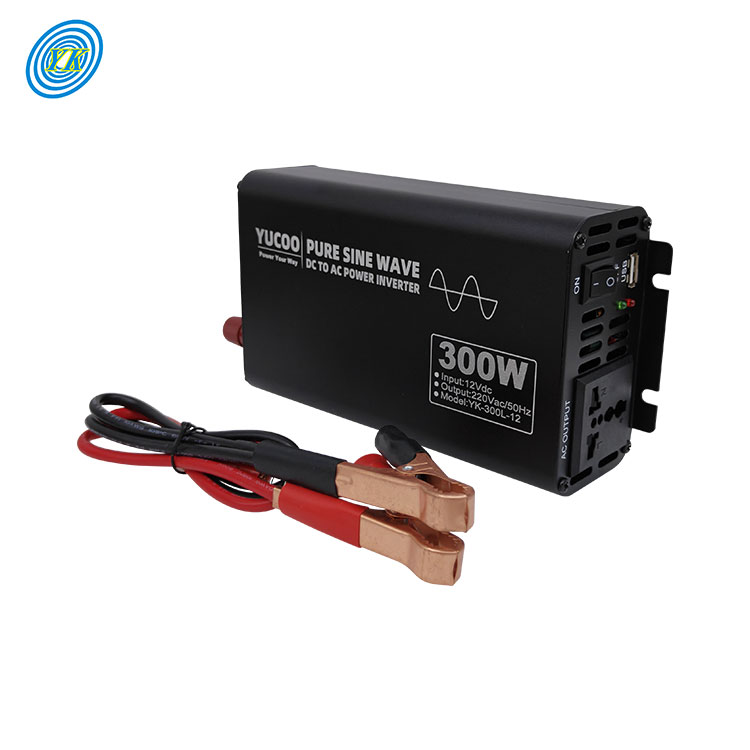
300W Pure Sine Wave Mobile Power Inverter
- Topology: Pure Sine Wave (THD < 3%)
- Input Voltage: 12V / 24V DC Nominal
- Output Voltage: 110V / 220V AC ±5%
- Application: RV, Mobile Office, Field Work
Tested under severe ambient and harmonic load conditions. Fully certified to CE LVD (EN 62368-1 / EN 61204-7) and EMC (EN 55032 / EN 55035) standards.
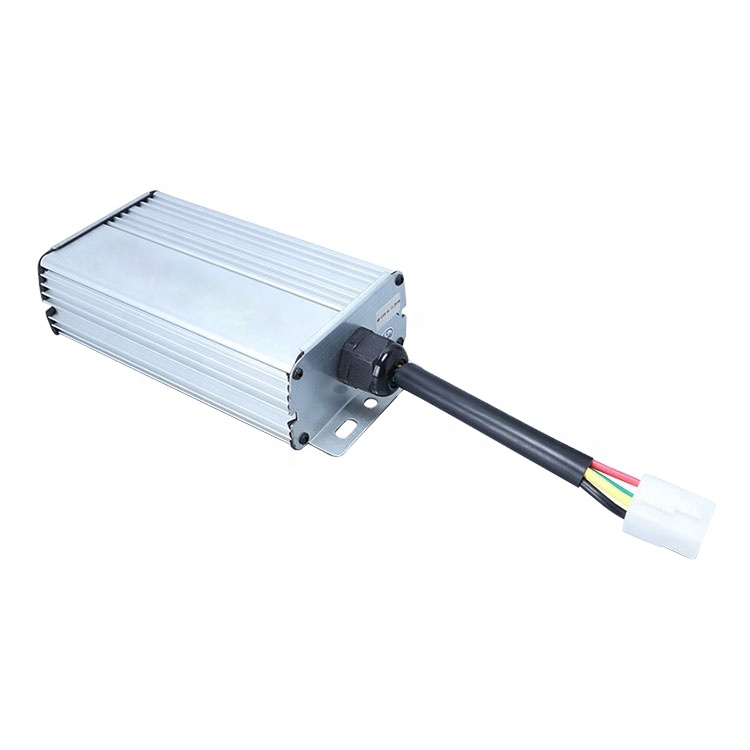
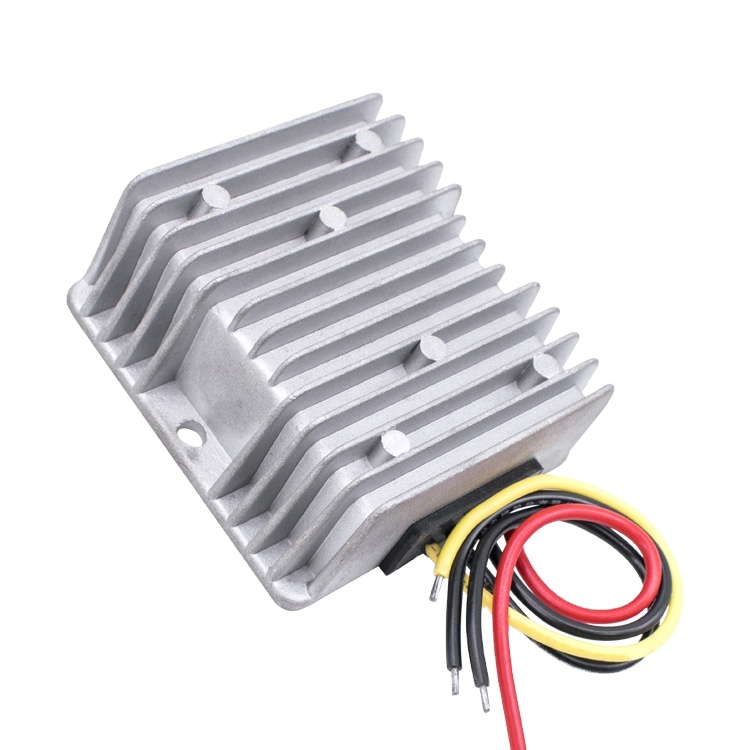
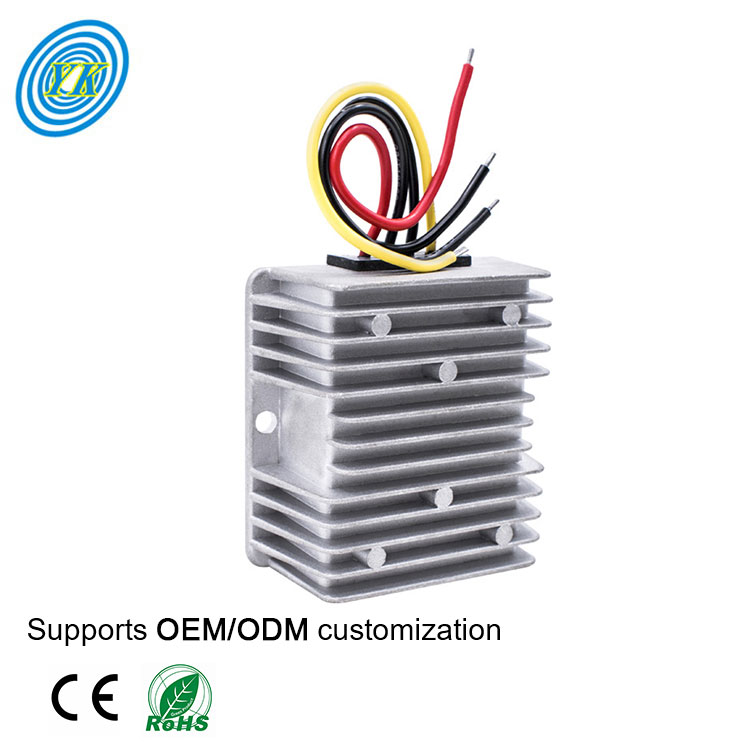
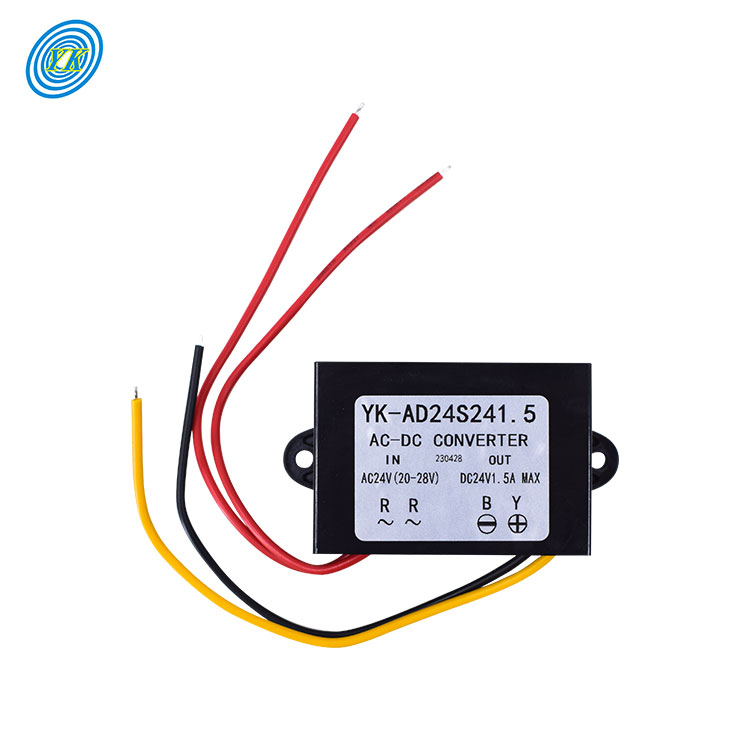
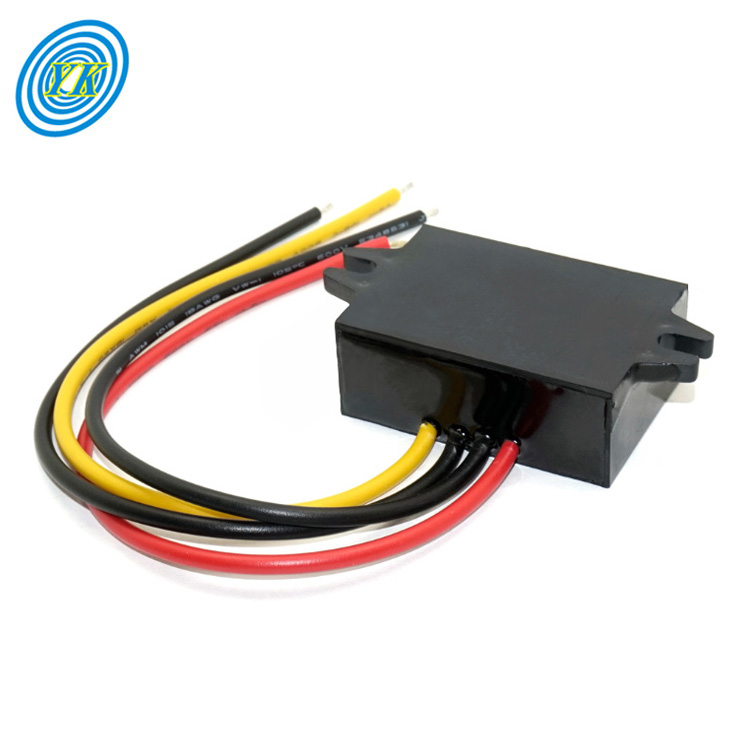
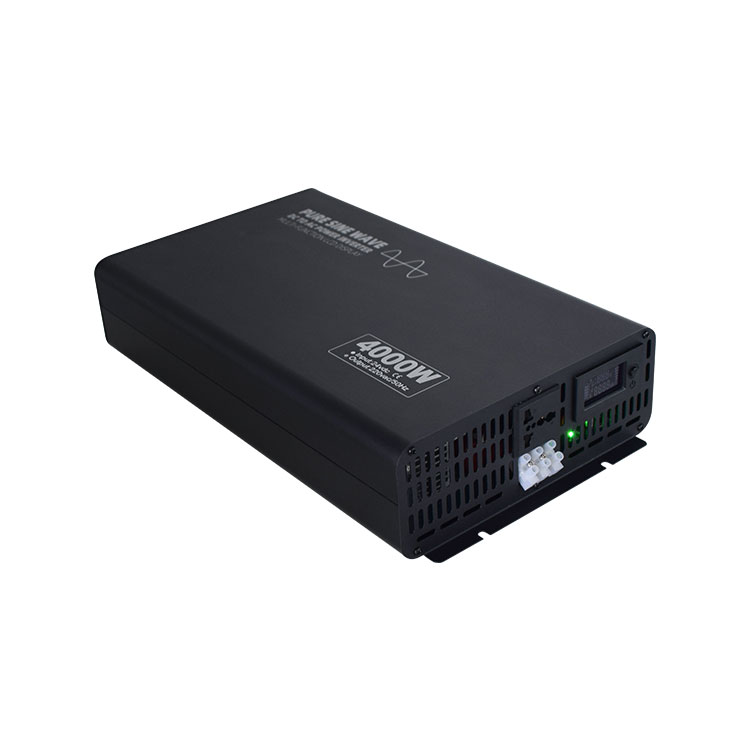
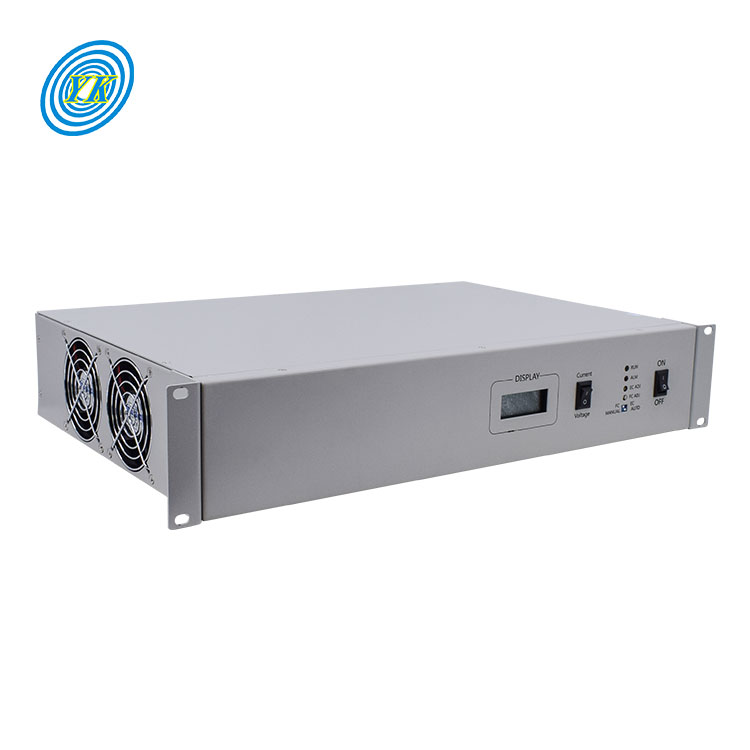
Procuring power conversion electronics for industrial automation, renewable microgrids, and telecommunications within the European Economic Area (EEA) and global markets requires compliance far beyond self-declaration statements. For industrial inverters and DC-DC power modules, achieving authentic CE compliance involves meeting stringent directives: the Low Voltage Directive (LVD 2014/35/EU) and the Electromagnetic Compatibility Directive (EMC 2014/30/EU), alongside RoHS (2011/65/EU as amended by 2015/863).
Under heavy industrial electromagnetic environments (EN 61000-6-2 for immunity and EN 61000-6-4 for emissions), inverters without galvanic isolation or with poor MOSFET switching filters suffer severe common-mode noise issues. In off-grid and vehicular deployments, voltage spikes induced by heavy inductive switches or alternators will quickly damage lower-tier internal capacitors. Varnix engineering implements automotive-grade multi-stage EMI suppression filter banks, ultra-low ESR electrolytic capacitors rated for 105°C continuous operation, and optical or magnetic barrier isolation up to 1.5kV to 3kV DC.
Furthermore, the European standard EN 62368-1 requires hazard-based safety engineering. Our inverters and switching rectifiers feature multi-level hardware and firmware protections: Reverse Polarity Protection via MOSFET/Diode arrays, Over-Temperature Thermal Cutoff with automated restart, Low-Voltage Lockout (UVLO) to prevent deep battery depletion, and True Short-Circuit Crowbar or Foldback Limiting mechanisms.
Strategic buyers, engineering EPC contractors, and procurement managers are adapting to shifting regulatory landscapes and operational requirements.
Procurement criteria have shifted from initial unit acquisition cost to Total Cost of Ownership (TCO). A 2% improvement in conversion efficiency over a 7-year continuous operating cycle saves more capital in operating expenditures and HVAC thermal displacement than the original purchase price of the equipment.
B2B importers increasingly demand wide-input operational envelopes. Rather than stocking segregated stock units for 12V, 24V, and 48V, modular platforms supporting continuous input bands (e.g., 9–36V or 36–75V) minimize SKU overhead, streamline inventory maintenance, and mitigate warehouse carrying costs.
International logistics fragility has accelerated demand for supply chains with diversified storage. Distributors select original equipment manufacturers with decentralized stocking facilities—such as Varnix's dedicated US overseas warehouse—facilitating quick component dispatch and rapid replacement support.
The transition toward silicon carbide (SiC) and gallium nitride (GaN) power semiconductors marks a major shift in industrial DC-AC and DC-DC power electronics. Traditional silicon IGBTs, while durable for high-current loads, carry significant switching losses and generate heavy thermal penalties that necessitate bulky extruded aluminum heat sinks and large forced-air cooling blowers.
| Architecture Metric | Legacy Silicon (IGBT/MOSFET) | Next-Gen Wide-Bandgap (SiC/GaN) | Operational Impact for Importers |
|---|---|---|---|
| Switching Frequency | 15 kHz – 40 kHz (Audible noise, large magnetics) | 100 kHz – 500+ kHz (Ultra-fast resonant switching) | Magnetic core size reduced by 60%; smaller enclosures |
| Peak System Efficiency | 88.0% – 91.5% | 95.5% – 98.2% | Significantly reduced heat output and extended MTBF |
| Operating Temperature | Limited to 85°C junction limits; derates rapidly | Tolerant up to 150°C–175°C junction thresholds | High reliability in hot ambient cabinets and engines |
| Power Density | Low to Medium (Bulky rack units) | High (> 35W per cubic inch) | Reduced freight costs and simplified rack integration |
Simultaneously, power electronics have transitioned from discrete analog PWM circuitry to digital signal processing (DSP) control cores. Digital loop control algorithms allow adaptive dead-time calibration, real-time total harmonic distortion mitigation under asymmetric non-linear loads, and intelligent grid/battery feedback loops. Combined with Modbus, CANbus, and SNMP network interfaces, operators obtain granular telemetry on line quality, device temperature, internal ripple currents, and projected maintenance cycles.
Direct manufacturer capabilities verified onsite by SGS. High-frequency power conversion systems engineered in Guangdong since 2003.
Operating under an ISO 9001:2015 quality management framework. Fully equipped with SMT placement, automatic wave soldering, environmental testing ovens, and digital storage oscilloscopes. Verified onsite by SGS Group with valid export documentation.
No product ships untested. Every inverter, high-current buck converter, and rectifier system undergoes 100% functional test benchmarking, waveform spectrum checks, and automated continuous aging tests under full-load conditions to screen out early-life failures.
We provide full structural, electrical, and firmware customization. Custom engineering includes special input/output voltages, conformal coatings for marine environments, unique mechanical housings, private-label silk-screening, and tailored packaging.
Handling international commercial terms smoothly: FOB, CIF, EXW, FCA, and DDP door-to-door clearance. Rapid order fulfillment for fast-moving products supported by strategically located US overseas warehousing for reduced transit times.
A responsive engineering team maintaining an average 98.2% on-time response rate. Direct access to application engineers provides field troubleshooting, schematics verification, wiring optimization, and post-sales replacement parts without intermediary delays.
All projects backed by detailed technical specifications, clear warranty terms, CE/RoHS declarations of conformity, and flexible cross-border financing options across major global currencies.
Key technical, quality control, and export considerations addressed for international engineering teams.
Whether you require standard CE-compliant catalog items, containerized shipments, or tailored OEM/ODM engineering, our technical team provides rapid design turnarounds and detailed project quotes.
Get a Quote