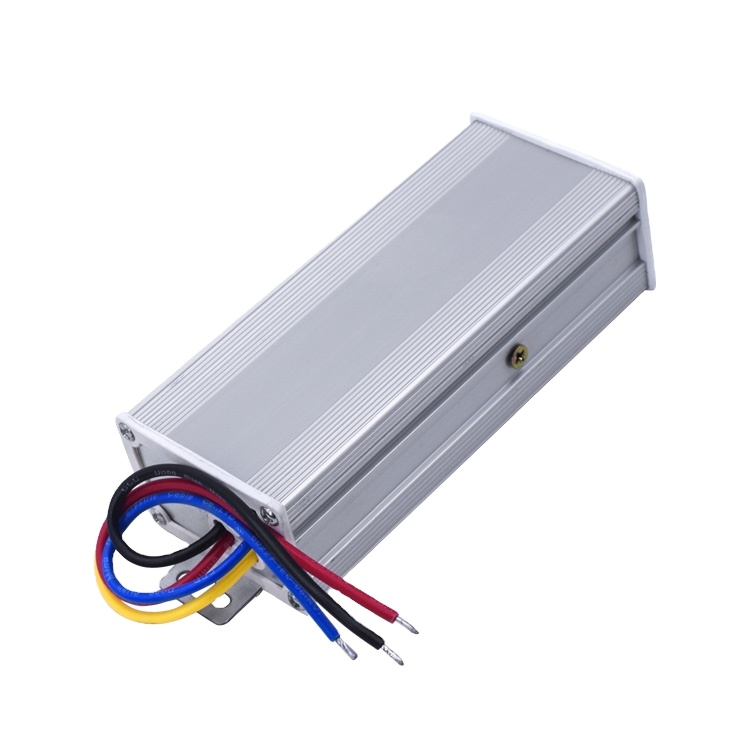
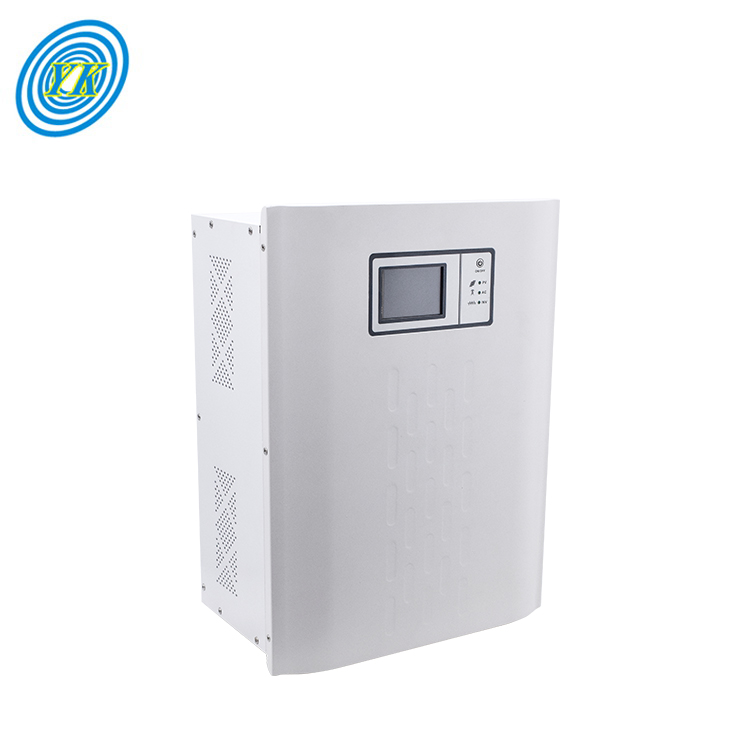
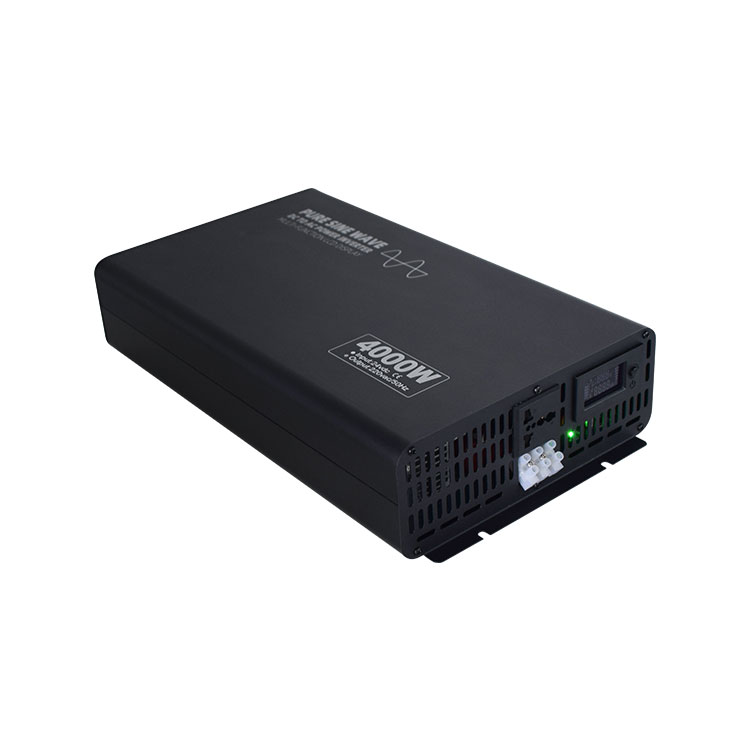
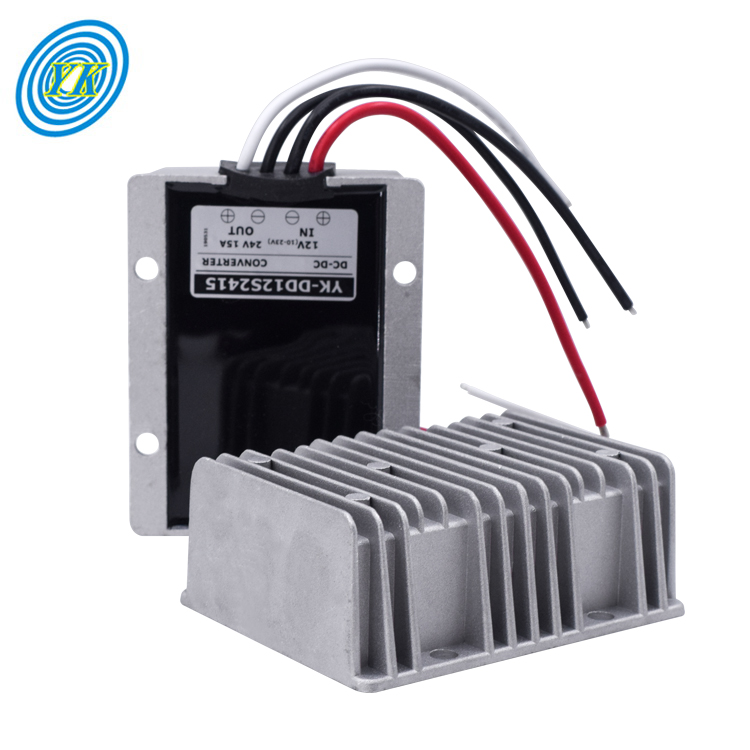
Isolated DC DC 48/60/72/84/96V Input 24V Output Converter for Truck
- Wide Input: 48V–96V DC Range
- Topology: Optically Isolated Bus
- Application: Commercial Truck Fleet
Engineered for industrial fleets, commercial telecommunications, off-grid energy storage systems, and heavy transportation equipment.
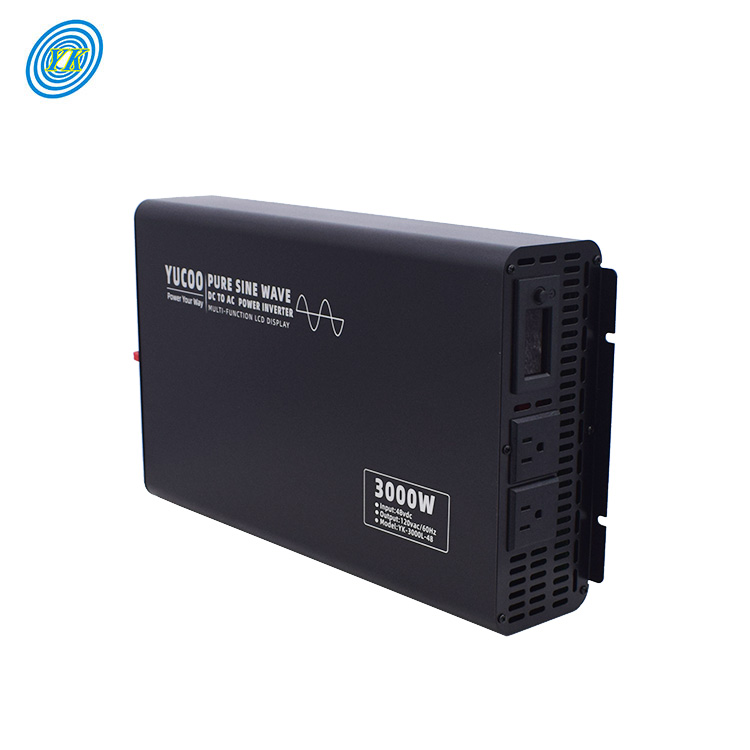
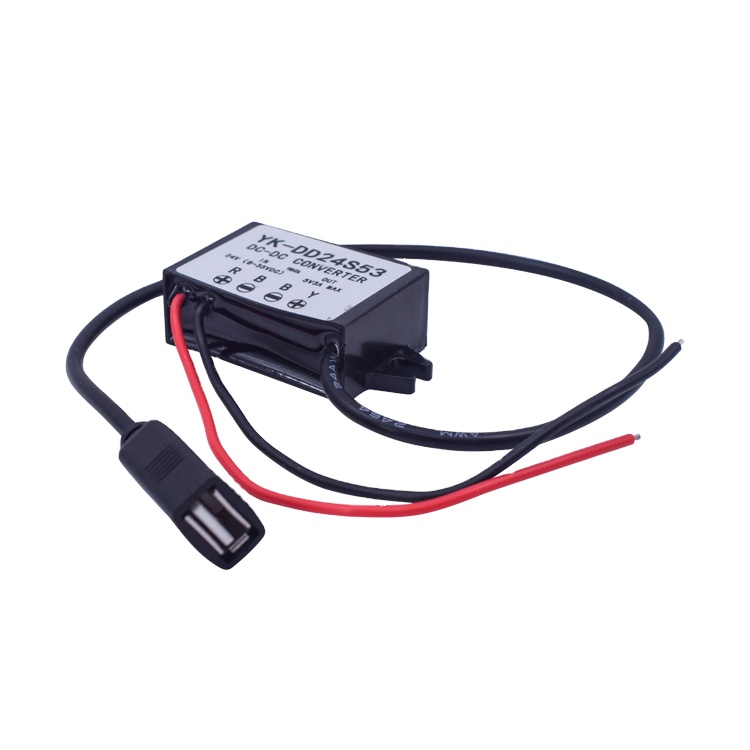
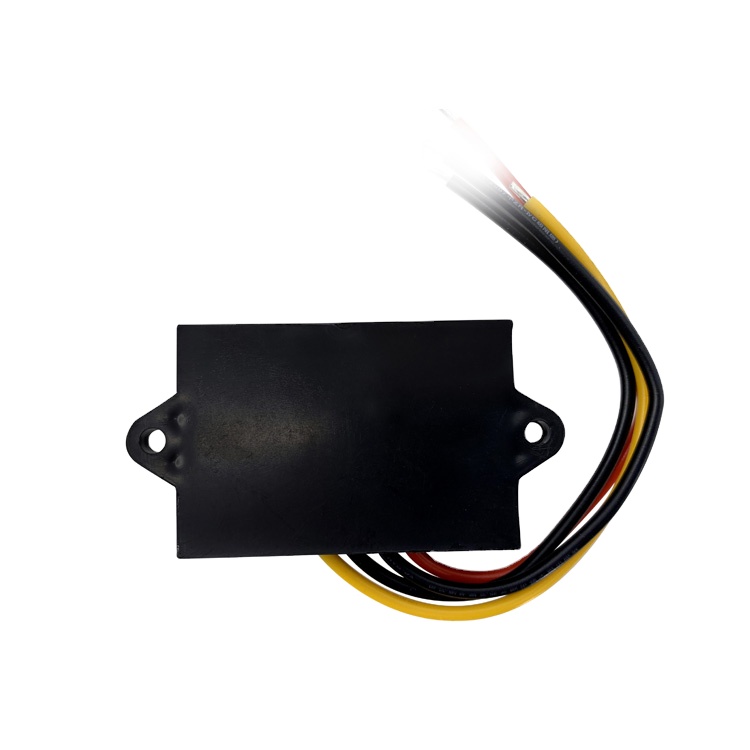

A rigorous assessment matrix designed for chief technical procurement officers evaluating global export manufacturers based on design topology, safety compliance, and MTBF metrics.
| Core Parameter / Tier Matrix | Tier-1 Verified Exporters (e.g. Varnix) | Standard Tier-2 Commodity Assemblers | Low-Cost Commercial Trading Intermediaries |
|---|---|---|---|
| Power Semiconductor Topology | GaN (Gallium Nitride) & SiC MOSFETs; Synchronous Rectification | Traditional Silicon IGBTs / Standard Hard-Switching Topologies | Legacy Bipolar Junction Transistors (BJT) / Passive Diode Bridges |
| Charging Profile Agility | Microprocessor 7-stage algorithm (Adaptive CC/CV/Float/Desulfation) | Fixed 3-stage curve (Bulk/Absorption/Float) without temperature compensation | Unregulated constant voltage or rudimentary linear taper charge |
| Industrial Protection Suite | Comprehensive: OVP, OCP, SCP, OTP, Reverse Polarity & Spark Suppression | Basic fuse-link overload and partial thermal shutdown mechanisms | Minimal single glass-fuse circuit protection; vulnerable to reverse polarity |
| Verified Power Efficiency | 94.5% – 97.2% active conversion efficiency | 84.0% – 88.5% nominal conversion efficiency | < 78% efficiency with significant thermal throttling losses |
| Testing Protocol & MTBF | 100% 4-8 Hour Dynamic Full-Load Burn-in; MTBF > 120,000 hrs | Batch spot-testing at ambient room temperature; MTBF ~45,000 hrs | Function-only pass/fail visual inspection; unverified MTBF index |
| Customization & Export Compliance | Full OEM/ODM: Voltage curves, CAN bus/RS485 comms, CE/RoHS/FCC file | Surface branding only; standard off-the-shelf plastic housings | No internal firmware or hardware customization available |
Anticipating the next decade of power electronics transformation to optimize total cost of ownership (TCO) across enterprise fleets and energy installations.
The global battery charging ecosystem is rapidly pivoting away from silicon toward Silicon Carbide (SiC) and Gallium Nitride (GaN) substrates. These architectures handle 3x higher switching frequencies, reducing magnetic core volumes by up to 45% while decreasing thermal dissipation losses in rugged industrial installations.
Consult on SiC Chargers →Procurement mandates increasingly demand unified chargers capable of servicing traditional AGM/Gel lead-acid and advanced Lithium Iron Phosphate (LiFePO4) / NMC chemistries. Modern embedded firmware uses auto-detect impedance measurement to dynamically switch algorithm sets, extending battery cycle longevity by 30%.
Review Charging Curves →Edge connectivity has become standard for commercial operations. Fleet and plant managers require real-time telemetry over CAN Bus, RS485 (Modbus), or integrated Bluetooth/Wi-Fi to track charging status, thermal profiles, State of Health (SoH), and State of Charge (SoC) for predictive maintenance workflows.
Explore Smart Comms →Founded in 2003 in Guangdong, China, Varnix Technology Co., Ltd. operates a 1,229 m² production facility with verified testing and quality assurance programs.
Our complete fabrication ecosystem—encompassing SMT mounting, manual insertion, enclosure punching, and precision transformer winding—is certified to ISO 9001:2015 standards and independently audited onsite by SGS Group inspectors.
We tailor charging voltages, custom charging profile lookups, extruded aluminum tooling, wire looms, and client-specific CAN communication protocols. Projects are backed by sample-based or specification-based engineering blueprints.
To reduce international lead times, high-velocity converter and charger modules are stocked directly within our US domestic warehouse, allowing 48-hour dispatch across North American distribution hubs under flexible FOB, CIF, or DDP terms.
1,229 m² streamlined manufacturing area with standardized antistatic work cells and inline process checks.
10+ specialized assembly lines managing wave soldering, component placement, and subassembly integration.

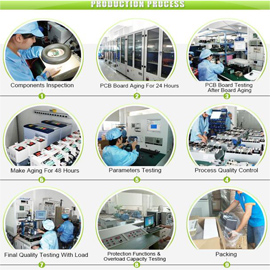
100% full-load thermal burn-in racks running under elevated ambient conditions to eliminate early-life field defects.
Essential answers regarding electrical topologies, compliance certifications, lead times, and OEM customization processes.
Varnix Technology Co., Ltd. is a verified, direct manufacturer founded in 2003 in Guangdong, China. All core engineering, PCBA population, enclosure machining, final integration, and burn-in endurance testing are executed inside our own 1,229 m² facility verified on-site by SGS auditors.
Our manufactured models carry full compliance documentation, including European CE (LVD/EMC directives), RoHS environmental certification, and FCC Part 15 Class B testing. Accredited test laboratory reports and Declarations of Conformity (DoC) are provided alongside export documentation.
Yes. Our engineering division offers comprehensive firmware and hardware customization. We can adjust pre-charge thresholds, constant current (CC) ratings, constant voltage (CV) set-points, float transition windows, cut-off thresholds, and CAN/RS485 communication protocols to align with your BMS parameters.
Standard catalog models support flexible evaluation sampling with MOQs starting from 1 to 5 units. For bespoke OEM/ODM projects requiring specialized CNC housings or custom silk-screen branding, batch MOQs generally start at 50–100 units. Typical production lead time is 15 to 25 business days from drawing sign-off.
Every single manufactured unit undergoes 100% full-load dynamic burn-in testing within thermal enclosures prior to release. Furthermore, structural validation includes swept-sine vibration testing simulating rough roadway transit, high-potential (Hi-Pot) dielectric isolation tests, and automated boundary condition checks.
We provide a formal factory-backed warranty ranging from 12 to 36 months, codified directly into commercial agreements. In the event of warranty-covered component anomalies, we provide replacement components, replacement power bricks, or direct credit resolutions supported by a 24/7 technical engineering desk.
Send your input voltage range, target battery chemistry, current curve, and environmental IP rating. Our engineering desk will deliver an electrical specification blueprint within 24 hours.