High-Efficiency Conversion Modules for Enterprise Demands
Engineered to mitigate thermal resistance, maintain sinusoidal integrity, and survive harsh electrical environments across telecommunication nodes, utility fleets, and off-grid networks.
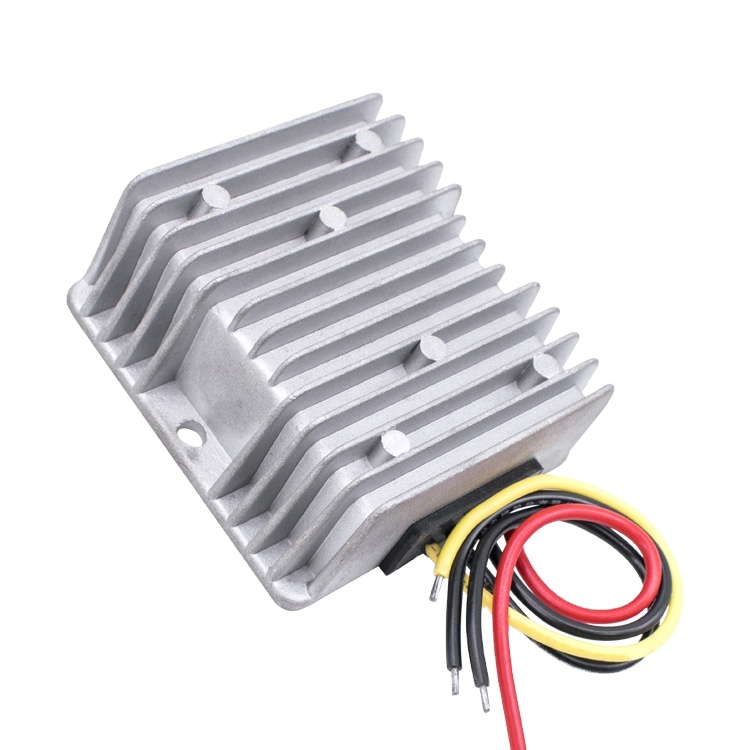
- TopologySynchronous Buck-Boost
- Input Voltage9–36V DC Range
- Output Reg.13.8V DC ±1.5% @ 10A
- IP RatingIP68 Potted Aluminum
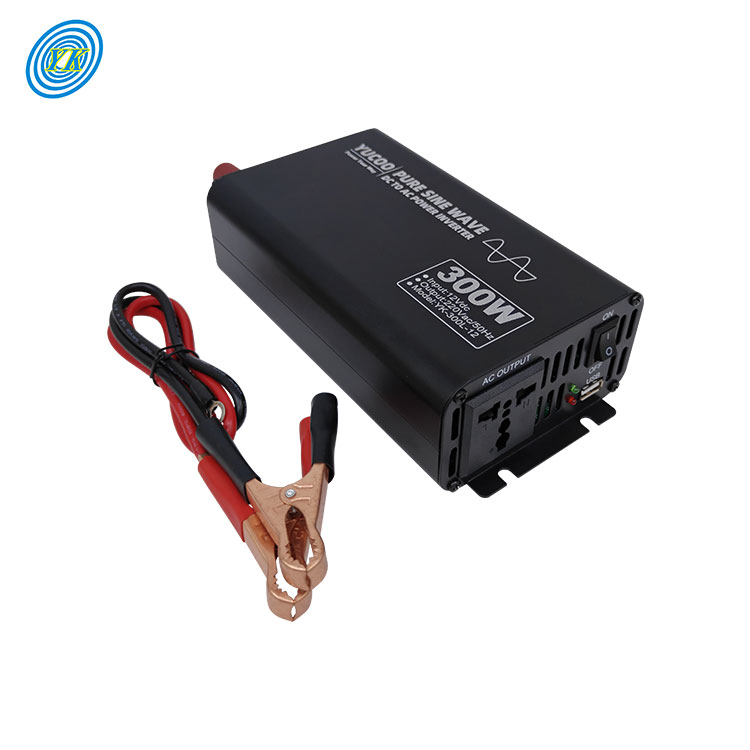
- WaveformPure Sine Wave (THD < 3%)
- Wide DC In12V/24V/48V/60V/72V
- Continuous300W (Surge 600W)
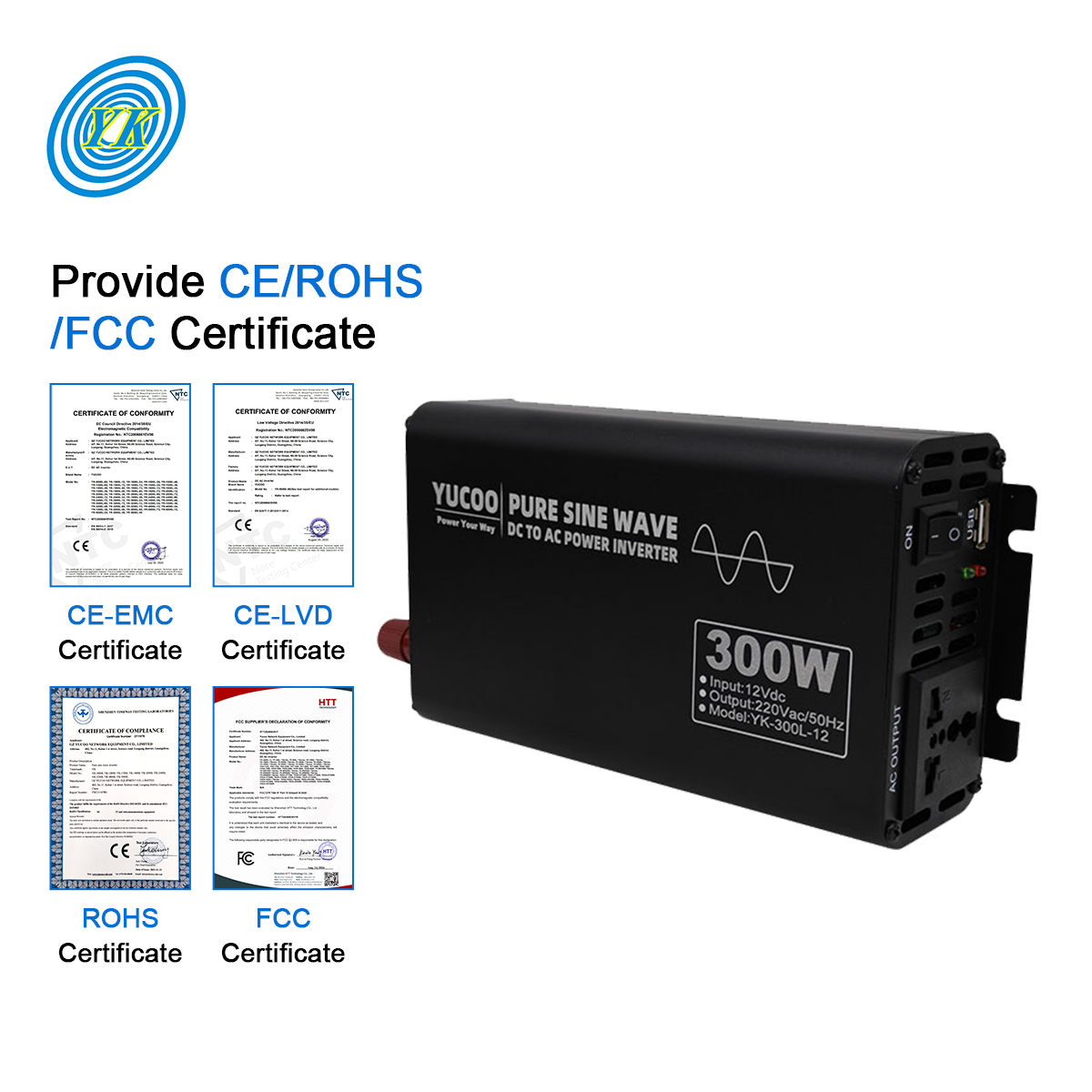
- CertificationsCE, RoHS, FCC Verified
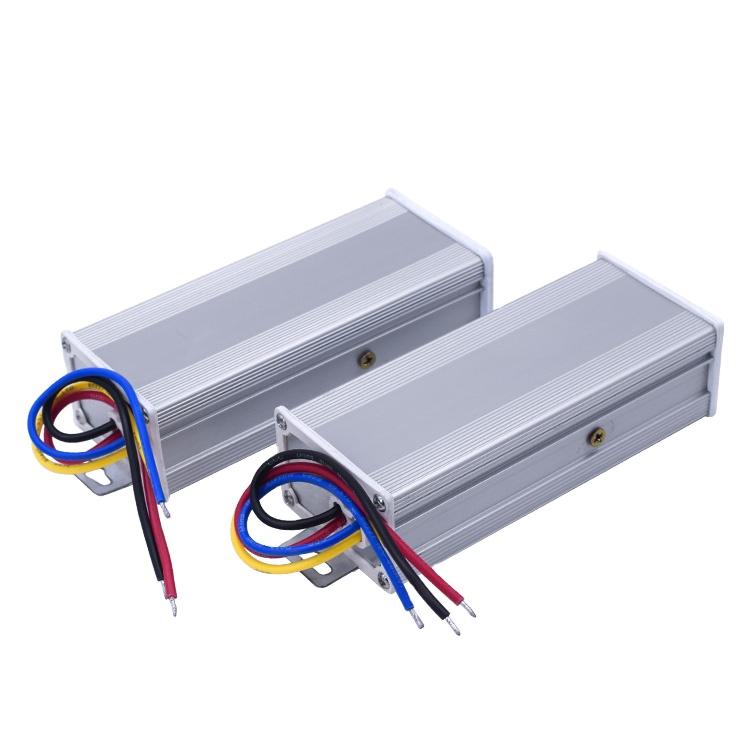
- Isolation1500V Galvanic Dielectric
- High In Range36V–120V Wide Bus
- Output Power12V DC @ 5A (60W)
- ApplicationEV, Telecom, Industrial
- Form FactorUltra-Compact Mobile Chassis
- Peak Efficiency> 92% Inversion Ratio
- ProtectionThermal, Short, Overload
- CoolingZero-Noise Smart Sensor Fan
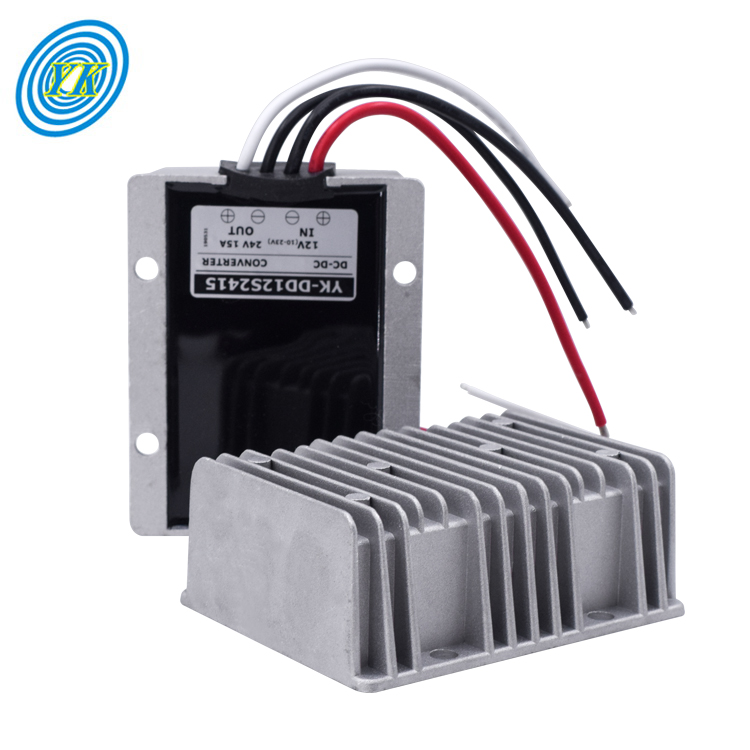
- Heavy Duty276W Continuous Rating
- StabilityFast Transient Line Clamp
- EncapsulationEpoxy Vacuum Resin Seal
- ComplianceRoHS, CE Industrial Level
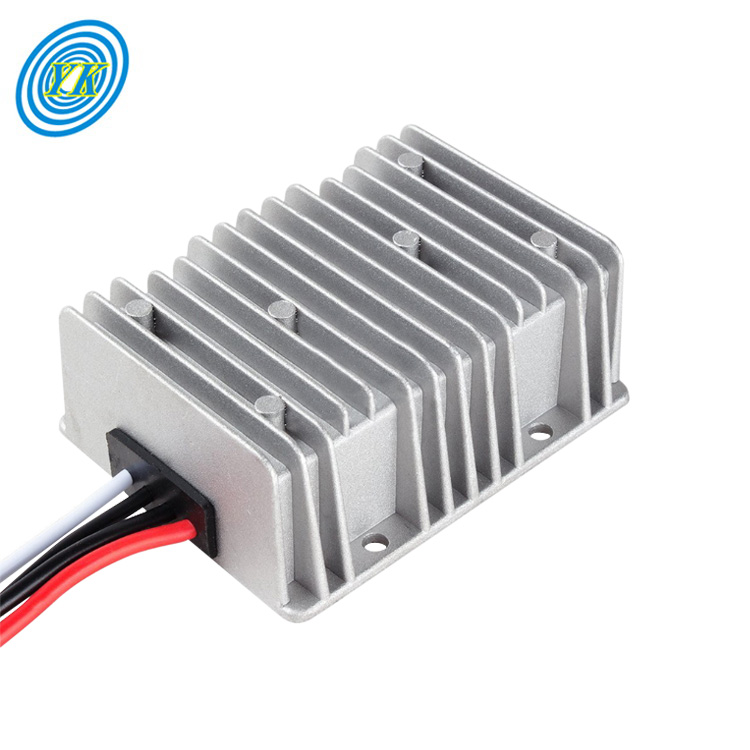
- Ultra-Wide In8V–40V Continuous Bus
- Current Output15A Stabilized Current
- Conversion RateUp to 95.2% Thermal Sync
- ChassisDie-Cast Fin Heat Disperser
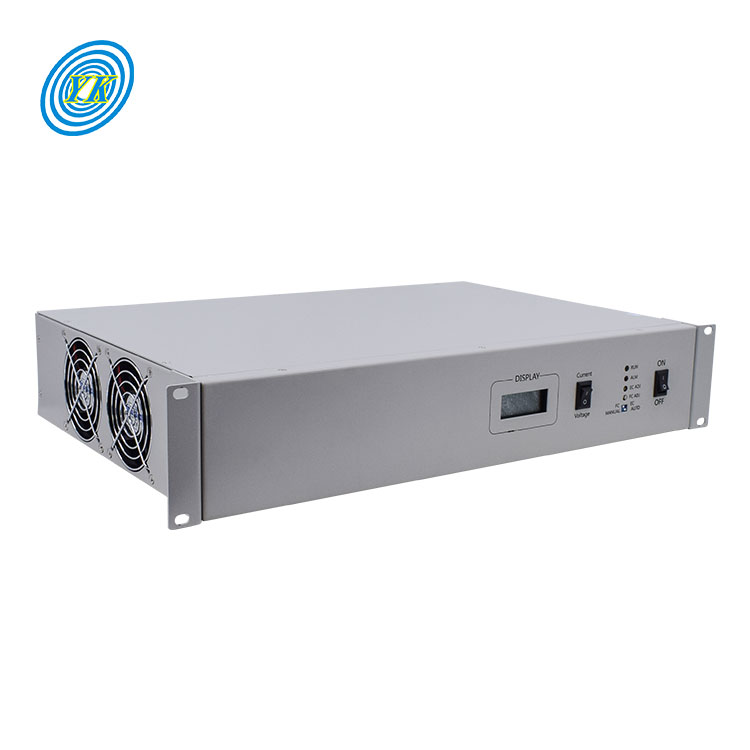
- Scalability10A up to 100A Rectification
- AC Range85V–264V Universal Grid
- Control ModesConstant Voltage / Current
- Form FactorModular Rack / Embedded Base
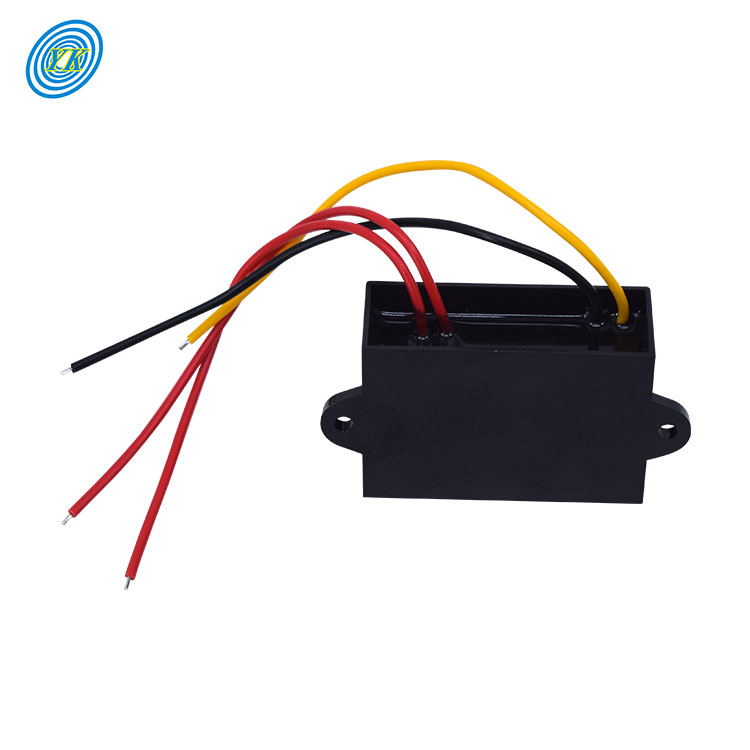
- Dual Input ModeAC & DC Input Compatible
- Output Stable5V DC @ 3A / 5A Solid Logic
- Ripple / Noise< 35mV P-P Clean Line
- PackageSubminiature Waterproof Mold
Overcoming Topology Dilemmas: Pure Sine Wave Inversion vs. Voltage Regulation
In high-reliability industrial power electronics, specifying a direct-current to alternating-current (DC-AC) converter or bi-directional DC-DC regulator requires an uncompromising understanding of electrical wave distortion, transient magnetic response, and internal switching losses. Unlike consumer-tier modified square-wave devices, pure sine wave power inverters replicate the sinusoidal cadence of an ideal utility electrical grid. This harmonic cleanliness is paramount when driving inductive loads—such as variable-frequency compressors, brushless servo drives, telecommunication repeaters, and sensitive medical analytics equipment.
When inductive machinery engages with modified square waves, harmonic spikes cause severe dielectric strain across motor windings, triggering nuisance thermal cutoffs and accelerating micro-insulation breakdown. Varnix engineers address these thermodynamic failure modes through synchronized high-frequency Pulse Width Modulation (SPWM) controlled by high-speed microcontrollers. By interweaving multi-stage LC low-pass filtration circuits, switching harmonics above 20 kHz are filtered out, leaving an uncompromised sine curve that maintains high voltage regulation tolerance (±1.5%) even amid abrupt step-load transients.
Comprehensive Topology Engineering Matrix
| Conversion Architecture | Harmonic Distortion | Peak Thermal Efficiency | Galvanic Protection | Primary Critical Applications |
|---|---|---|---|---|
| SPWM Pure Sine Wave Inverter | THD < 2.8% (Linear load) | 91% – 94.5% | Transformer Optical Coupling | Telecom Core, Satellite Nodes, Mobile Surgical Hubs |
| Synchronous Buck-Boost Module | Ripple < 30mV RMS | 95.5% – 97.2% | Common Negative Chassis Ground | Automotive Radar, Commercial Marine, Solar DC-Bus |
| High-Voltage Isolated DC-DC | Ultra-Low Transient Spikes | 90.0% – 93.8% | 1.5kV–3kV Reinforced Galvanic | EV Powertrain Auxiliary, Railway Signaling, Grid Substations |
| High-Frequency System Rectifier | Power Factor > 0.99 (Active PFC) | 93.5% – 96.0% | Full AC Line to Low DC Isolation | 48V Telecom Battery Plants, Electroplating Baths, Lab CC/CV |
Emerging Procurement Trends in Global Power Electronics
Strategic purchasing managers are pivoting away from generic, off-the-shelf modules toward ruggedized, thermally optimized platforms designed for emerging energy ecosystems.
1. Wide-Bandgap Semiconductor Integration (GaN & SiC)
Global procurement metrics indicate a massive transition toward Gallium Nitride (GaN) and Silicon Carbide (SiC) MOSFET architectures. These semiconductor substrates slash switching losses by up to 60%, allowing inverters to double their operating frequencies while reducing magnetics mass and chassis volume by nearly half.
2. Ultra-Wide DC Input Voltage Acceptance
Due to the proliferation of diverse lithium-ion battery chemistry packs (LiFePO4, NMC, and LTO) exhibiting varying discharge plateaus, system designers now demand wide input boundaries (e.g., 9V–36V or 36V–120V) in buck-boost stages to ensure flawless downstream regulation through deep discharges.
3. Harsh-Environment Hermetic Sealing
Industrial clients in mining, maritime transport, and utility tracking require complete physical isolation from moisture, salt mist, and mechanical vibration. Factory-vacuum encapsulation utilizing cross-linked epoxy potting compounds is steadily displacing conventional vented chassis architecture.
Technological Roadmaps Shaping the Next Generation of Converters
How cutting-edge telemetry, modular scalability, and advanced magnetics will define power distribution equipment over the next decade.
Smart IoT Telemetry & RS485
Converters are no longer standalone black boxes. Native MODBUS RTU, CAN-Bus, and SNMP protocols enable centralized fleet monitors to extract thermal states, dynamic wattages, and internal resistance warnings in real time.
Planar Magnetics Integration
Replacing hand-wound copper toroids with multilayer PCB-embedded planar transformers eliminates leakage inductance, creates repeatable thermal parameters, and decreases component height by over 60%.
Bi-Directional DC-DC Inversion
Future grids converge around simultaneous DC-to-AC discharge and AC-to-DC regenerative rectification, facilitating micro-storage peak shaving and zero-break UPS transfer switching inside unified chassis modules.
Autonomous Thermal Scaling
Dynamic firmware throttles switching frequency based on ambient temperature profiles, eliminating catastrophic thermal-runaway shutdowns in extreme desert and engine bay operating conditions.
Why International Buyers Rely on Varnix Power Electronics
Founded in 2003 in Guangdong, China, Varnix Technology Co., Ltd. combines rigorous ISO 9001 certified manufacturing, specialized testing lines, and seamless international logistical agility.
SGS-Verified Production Facility
Our 1,229 m² operational base is audited onsite by SGS Group. Equipped with specialized welding stations, high-capacity aging racks, industrial curing ovens, and high-precision test benches, our facility guarantees zero unverified sub-assemblies.
100% Full-Load Burn-In QC
Every single power unit undergoes a strict 5-stage quality control protocol: incoming raw material verification, circuit board functional testing, extended full-load burn-in aging, oscilloscope wave analysis, and pre-dispatch line checks.
Extensive OEM / ODM Engineering
We tailor internal topologies, input/output current profiles, custom enclosure geometry, private-label silk-screening, and specialized cabling assemblies. Minimum orders start from single-unit samples to mass production runs.
North American Warehouse Ready
Selected high-demand DC-DC buck, boost, and stabilizer units are maintained in our United States overseas logistics center, allowing rapid domestic shipping across North America and drastically reducing project lead times.
Certified Market Access
All core series hold verifiable CE, RoHS, and FCC compliance marks. Full electromagnetic compatibility (EMC) reports and low-voltage directives (LVD) documentation are archived for straightforward customs clearance.
Direct 24/7 Engineering Support
Communicate directly with experienced power supply design engineers. With an average response rate of 98.2%, our technical desk provides schematic assessments, field issue mitigation, and rapid resolution services worldwide.
Frequently Asked Questions on Sourcing & Engineering
Straightforward answers regarding product specs, contract structures, quality assurance warranties, and export logistics.
What is the functional difference between an isolated and non-isolated DC-DC converter?
Why is a 13.8V output standard for so many automotive and communications buck-boost units?
How does Varnix handle sample verification and OEM private labeling?
What international trade terms and payment methods are supported?
What internal safeguards protect against field-load failures?
Request Custom Quotations & Engineering Datasheets
Submit your electrical requirements—including input voltage range, target output amperage, isolation requirements, and target volumes—directly to our engineering and export desk. Fast quotes provided within 24 hours.