Factory-Direct DC-DC Converters & Conversion Systems
Engineered to meet rigorous automotive, telecom, maritime, and industrial automation standards. Each power conversion topology undergoes full-load burn-in testing and comprehensive oscilloscope waveform validation.
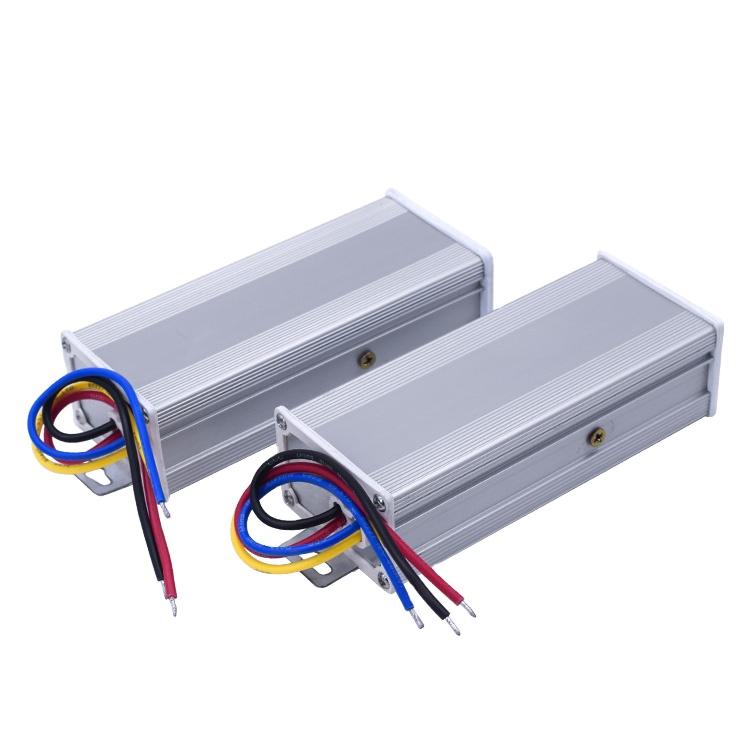
Isolated DC-DC 48V-96V to 12V 5A 60W Step Down Converter
- Nominal Input:48V / 60V / 72V / 84V / 96V
- Regulated Output:12V DC @ 5A (60W Peak)
- Galvanic Isolation:1500V DC Dielectric Barrier
- Protection:OVP, OCP, OTP, Reverse Polarity
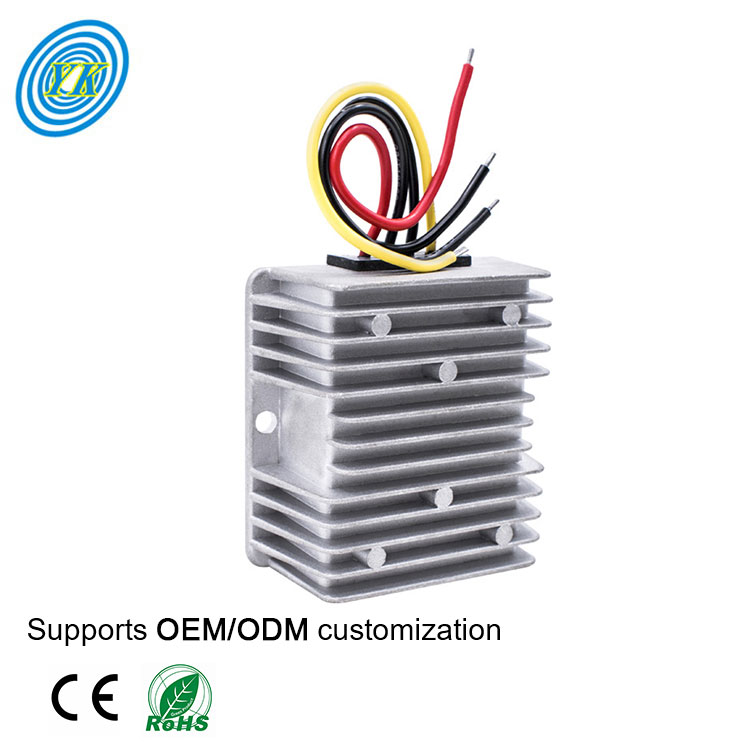
YUCOO 24V (10-32V) to 24V 5A 120W Buck-Boost Converter
- Dynamic Input:10VDC to 32VDC Wide Range
- Stabilized Output:24V DC @ 5A Continuous
- Application:Golf Carts, Forklifts, AGVs
- Housing:Die-cast Aluminum IP67 Sealing
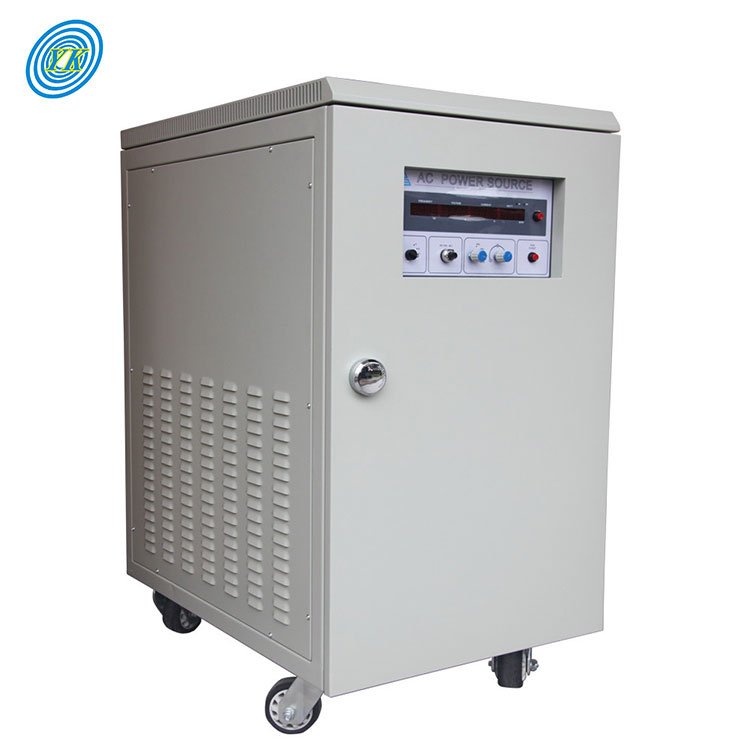
Rotary Phase & Frequency Converter Single to 3-Phase
- Input Voltage:110V / 220V AC Single Phase
- Synthesized Output:3-Phase 220V / 380V Industrial
- Frequency Range:50Hz / 60Hz Variable Control
- Inductive Tolerance:CNC, Motors, Pumps, Lathes
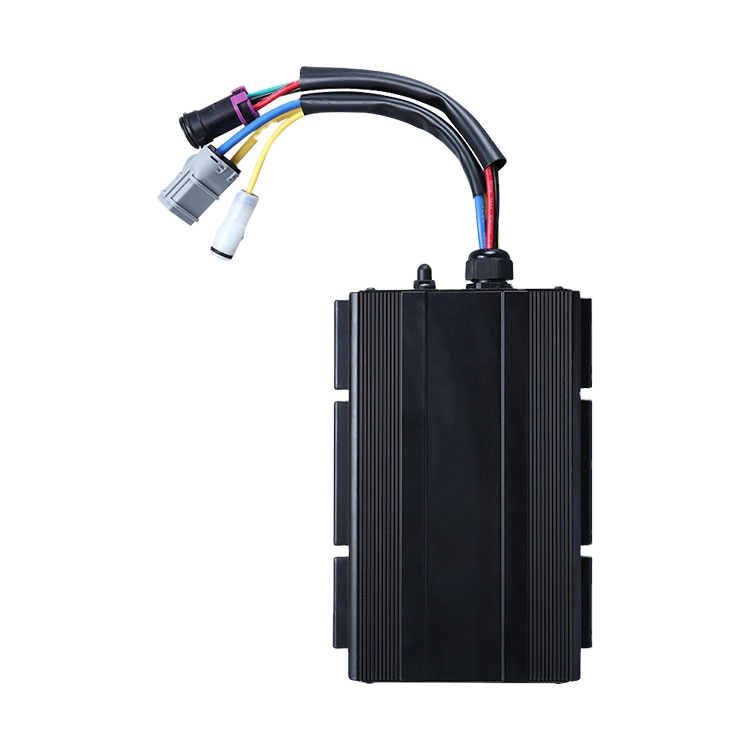
Isolated Step Down DC-DC Converter 48V-90V to 12V 42A 500W
- Input Range:48V / 60V / 72V / 90V DC
- Heavy Duty Output:12V DC @ 42A High Ampere
- Conversion Efficiency:Up to 94.5% Synchronous
- Chassis:Extruded Fin Heatsink Cooling
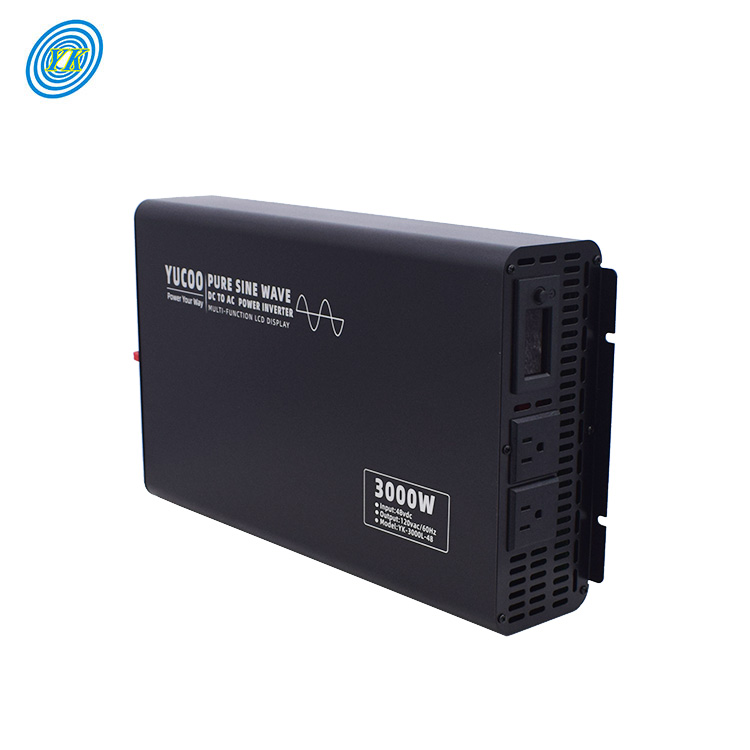
YUCOO 3000W Pure Sine Wave DC-AC Mobile Power Inverter
- DC Input:12V / 24V / 48V DC Battery Bank
- AC Output:110V / 220V AC Pure Sine (THD < 3%)
- Surge Capacity:6000W Peak Transient Cushion
- Integration:Intelligent Auto-Cooling Fan

Industrial DC to AC Inverter Series 600W to 5000W Modular
- Power Ratings:600W / 1kW / 2kW / 3kW / 5kW
- DC Bus Input:12V, 24V, 48V, 110V, 220VDC
- Efficiency Rating:> 92% at Rated Operational Load
- Compliance:CE, RoHS, FCC Certified Class A/B
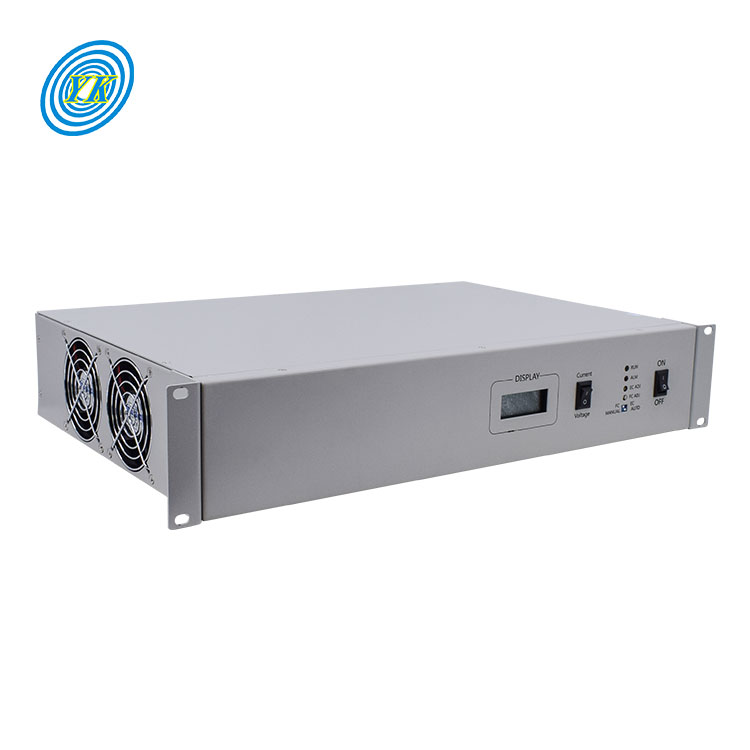
Telecom Rectifier Power System 110VAC to 24VDC 10A-100A
- AC Utility Input:110V / 220V Universal 47-63Hz
- High Output Range:24V DC (10A to 100A Scalable)
- PFC Performance:Power Factor Correction > 0.99
- Mounting:19-Inch 1U/2U Sub-Rack System
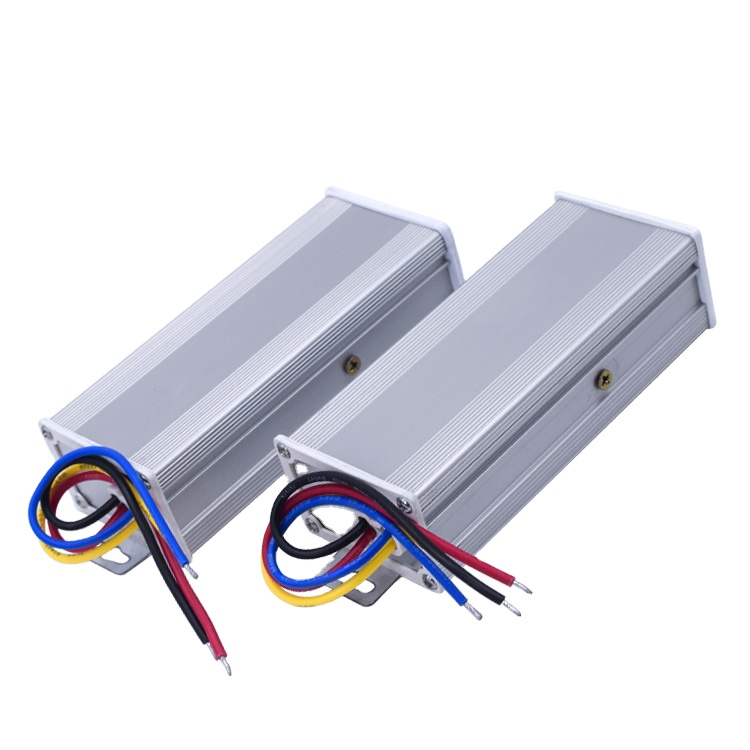
Waterproof Isolated DC-DC Converter 40V-135V to 12V 10A
- Ultra-Wide Vin:40VDC to 135VDC Rail / Traction
- Output Power:12V DC @ 10A (120W True Load)
- Encapsulation:Thermally Conductive Epoxy IP68
- Vibration Index:IEC 60068-2-6 Shock Tolerant
Topology Selection: Choosing Between Isolated and Non-Isolated Architectures
Procurement engineers and hardware architects must balance isolation safety, thermal performance, and conversion efficiency when designing high-reliability power systems.
Galvanic Isolation Architecture (Transformer-Coupled)
Isolated DC-DC converters utilize high-frequency transformers to physically and electrically separate the primary input bus from the secondary output rail. This is imperative in high-voltage industrial machinery, telecom infrastructure (-48V common bus), marine installations, and EV battery taps exceeding 60VDC.
Key Technical Advantages: Eliminates dangerous ground loops, shields sensitive microprocessors from hazardous primary-side voltage spikes, permits bipolar ground references (negative or positive grounding), and satisfies CE Low Voltage Directive (LVD) and UL/IEC 62368-1 safety creepage norms.
Non-Isolated Synchronous Topologies (Buck / Boost)
Non-isolated buck and boost regulators share a common ground between input and output. By omitting bulk planar magnetic transformers and optocoupler feedback loops, these units achieve extreme volumetric power density and industry-leading conversion efficiencies (frequently peaking between 95% and 98%).
Optimal Use Cases: Point-of-load (POL) voltage step-down in vehicle auxiliary circuits (e.g., 24V commercial chassis stepping down to 12V dash telemetry), Starlink mobile terminal power boosters, and battery-to-battery charging modules where grounding potentials are identical.
| Evaluation Parameter | Isolated DC-DC Converters | Non-Isolated Synchronous Regulators | Procurement Decision Guidance |
|---|---|---|---|
| Galvanic Isolation | 1,500VDC to 3,000VDC Dielectric Isolation | None (Common Ground Loop) | Mandatory for traction buses, grid feeds, and medical systems. |
| Peak Efficiency | 88% – 93.5% (Thermal trade-off via core losses) | 94% – 97.8% (Direct FET switching path) | Select non-isolated when battery reserve runtime is critical. |
| Power Density (W/in³) | Moderate (Planar magnetics require volumetric mass) | Ultra-High (Compact power inductors and SMT FETs) | Non-isolated wins in constrained automotive enclosures. |
| Common-Mode Noise (EMI) | Extremely Low (Shielded Faraday interwinding layers) | Requires external Pi-filter (LC networks) | Isolated converters require less post-production EMI tuning. |
| Bill of Materials (BOM) Cost | Higher (Transformer winding, potting, optocouplers) | Cost-Effective (Fewer active/passive components) | Isolated units cost 25%–40% more at equivalent wattage. |
Future Procurement & Engineering Trends in DC-DC Conversion
The power electronics industry is undergoing a structural paradigm shift driven by commercial electrification, edge data centers, and renewable storage integration. Sourcing leaders must monitor four disruptive macro-trends.
1. Wide Bandgap Semiconductors (GaN & SiC)
Silicon switches are rapidly hitting theoretical thermal limits. Gallium Nitride (GaN) and Silicon Carbide (SiC) FETs allow switching frequencies to scale from 100kHz into the multi-megahertz bracket. This directly reduces inductor and capacitor footprint by 60%, slashes switching losses, and allows DC-DC units to operate at elevated temperatures up to 125°C without catastrophic thermal derating.
2. Bidirectional Power Flow for BESS & V2G
The boundary between DC battery chargers and step-down converters is dissolving. Modern OEMs require dual-directional DC-DC architectures capable of stepping down energy from an 800V/400V vehicle or microgrid traction bus to charge a 48V/12V auxiliary system, while immediately reversing current flow to provide cold-crank black-start injection back into the primary rail.
3. Digital Loop Control & PMBus Telemetry
Legacy analog PWM controllers are giving way to digital DSP core controllers. Enterprise procurement contracts increasingly stipulate CAN bus, Modbus, or PMBus communications ports. Real-time telemetry allows host industrial computers to monitor individual FET thermals, input surge voltage, ripple current degradation, and dynamic remote trim adjustments.
4. Advanced Thermal Encapsulation & Harsh IP68
With off-highway machinery, mining haulers, marine vessels, and outdoor telecoms enduring severe climate stresses, potting formulations have evolved. Modern factories utilize high-thermal-conductivity silicone or epoxy polymers (thermal conductivity > 1.5 W/m-K) that double as MIL-STD-810G shock/vibration isolation barriers.
5. Supply Chain Nearshoring & Regional Warehousing
Global disruptions have altered procurement behavior. B2B buyers no longer rely solely on overseas freight lead times of 8–12 weeks. Sourcing directors favor manufacturers maintaining US-based and European buffer warehouses for rapid dispatch of critical SKUs alongside customized direct-factory shipping lanes.
Why Industrial Sourcing Teams Partner with Varnix / YUCOO
Since our founding in 2003 in Guangdong, China, Varnix Technology Co., Ltd. has specialized in industrial-grade power electronics. From precision Starlink converters to 1000A industrial electroplating rectifiers, our vertically integrated plant provides Tier-1 OEM/ODM manufacturing backed by strict ISO 9001:2015 process controls.
In-House Manufacturing Depth
Equipped with high-precision SMT placement, automatic wave soldering, CNC drilling machines for enclosures, and industrial curing ovens. Over 10 dedicated lines ensure rapid production turnaround.
Custom OEM/ODM Engineering
Full-stack schematic adaptation: custom wide input brackets (e.g., 40V–135VDC), specialized voltage rails, customized wiring harnesses, IP68 die-cast housings, and laser-etched OEM branding.
Transparent Global Logistics
Contract-backed shipments supporting FOB, CIF, EXW, FCA, CPT, and DDP door-to-door clearance. Over 50% of annual output serves mission-critical buyers across North America, Europe, and Oceania.
Frequently Asked Questions for DC-DC Converter Buyers
Direct answers addressing technical parameters, compliance documentation, minimum order quantities (MOQ), and factory auditing.
What are the primary factors to examine when auditing a DC-DC converter factory?
How should procurement teams calculate thermal derating for enclosed DC-DC modules?
What are the standard Minimum Order Quantities (MOQs) for catalog vs. custom OEM models?
Why is input ripple voltage critical in high-voltage battery step-down conversions (48V to 96V)?
What warranties and post-sales support mechanisms are guaranteed under contract?
How does US overseas warehouse stock benefit North American B2B buyers?
Factory-Direct Sourcing vs. Third-Party Trading Brokers
Understanding where your capital and operational risks lie when procuring custom power conversion systems.
| Evaluation Metric | Direct Verified Manufacturer (Varnix) | Middleman / Trading Agency |
|---|---|---|
| Direct Schematic Engineering | Direct access to R&D engineers for firmware & hardware modifications. | Zero internal engineering; serves only as a communication pass-through. |
| BOM Transparency | 100% control over component sourcing (TI, Infineon, Rubycon caps). | High vulnerability to silent component substitution or gray-market silicon. |
| Burn-in & Testing Verification | Real-time factory video audit of burn-in test racks and aging rooms. | Relies on third-party supplier statements without onsite validation. |
| Lead Times & Expedited Batches | Predictable scheduling across 10+ factory-owned assembly lines. | Subject to secondary manufacturer allocation priorities and delays. |
| Unit Pricing (Gross Margin) | True factory-direct volume tier pricing without middleman markups. | Accumulates 15% to 35% agency commissions on every production batch. |
Ready to Engineer or Procure Your Custom DC-DC Power Solution?
Connect directly with our senior power electronics engineering desk. Share your input voltage range, target output amperage, isolation requirements, and target timeline for a detailed specification review and tier-discount quotation.