Featured Frequency Converters & High-Efficiency Power Units
Engineered to meet rigorous European industrial harmonics (EN 61000-3-2), cleanroom aerospace requirements, and multi-voltage global export requirements.

- Rated Output: 600W – 5000W
- Input Bus: 12V / 24V / 48V DC
- AC Output: 110V / 220V / 230V
- Harmonic THD: < 3% Linear Load
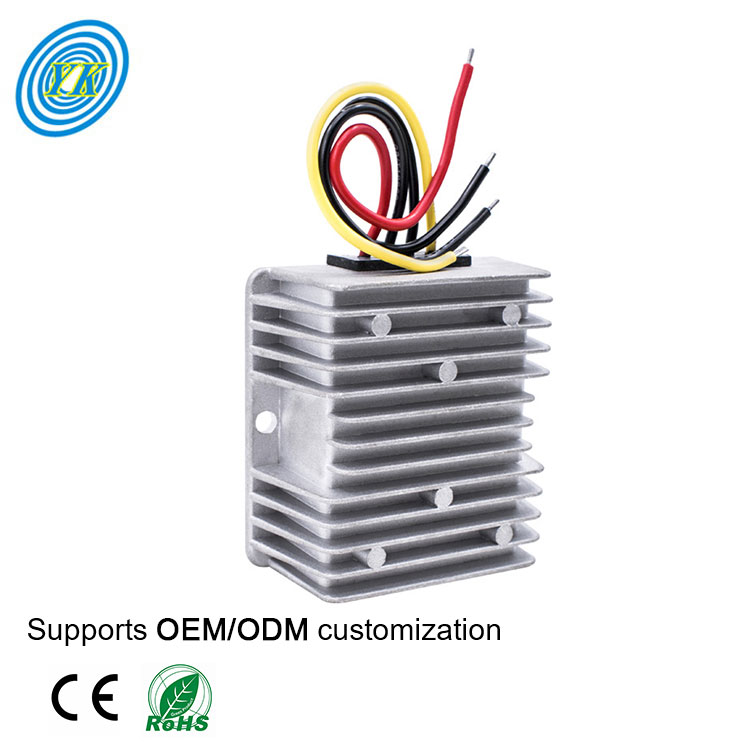
- Input Window: 10V – 32V Wide DC
- Output Power: 24V DC @ 5A (120W)
- Efficiency: > 94% Peak
- Enclosure: IP68 Die-cast Alloy
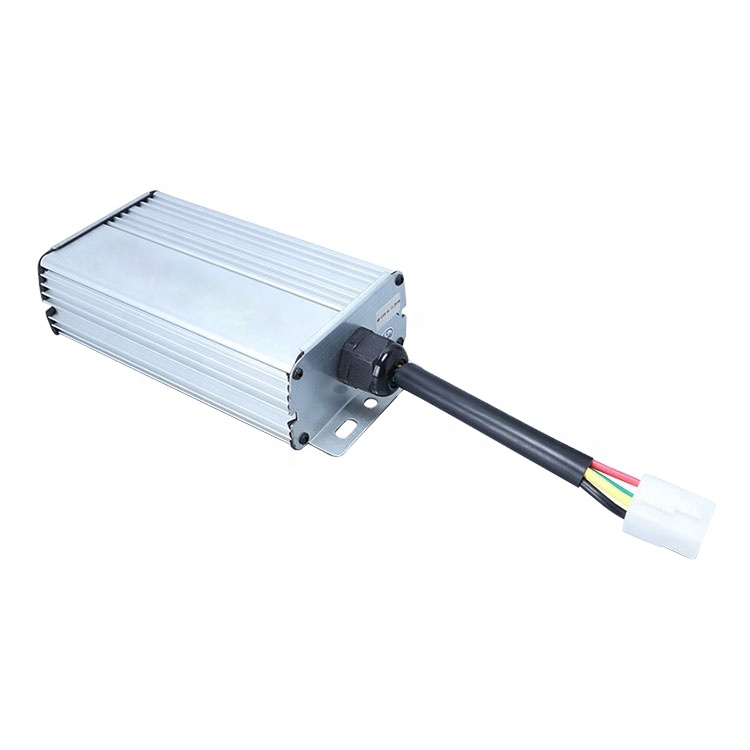
- Primary Voltage: 48V / 60V / 72V DC
- Regulated Bus: 24V DC Output
- Dielectric Proof: 1500V Isolation
- Protection: OTP, OVP, SCP, Reverse
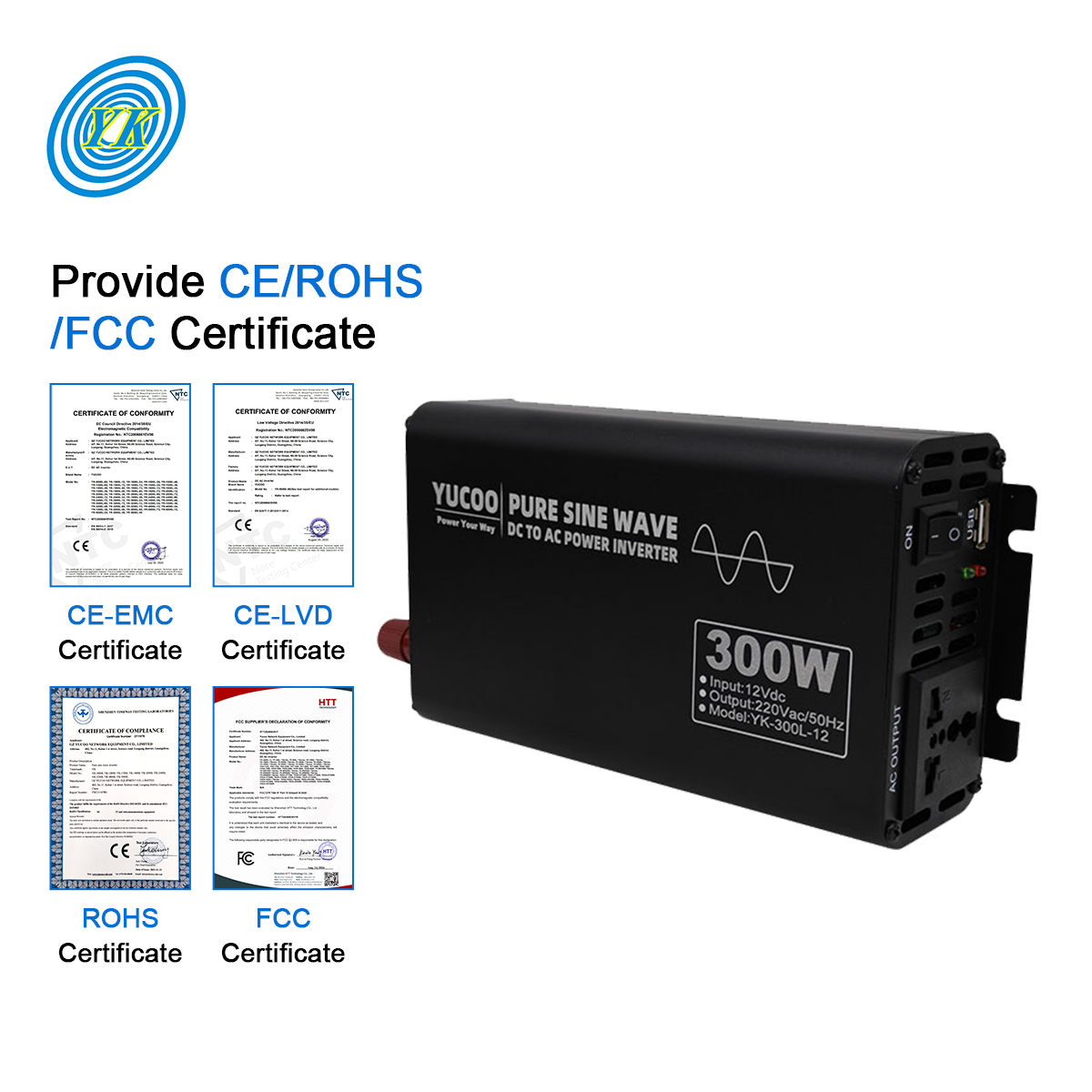
- Continuous Load: 300W (600W Surge)
- Input Source: 12V or 24V DC
- Output Sine: 220V/230V @ 50/60Hz
- Cooling: Intelligent Silent Fan
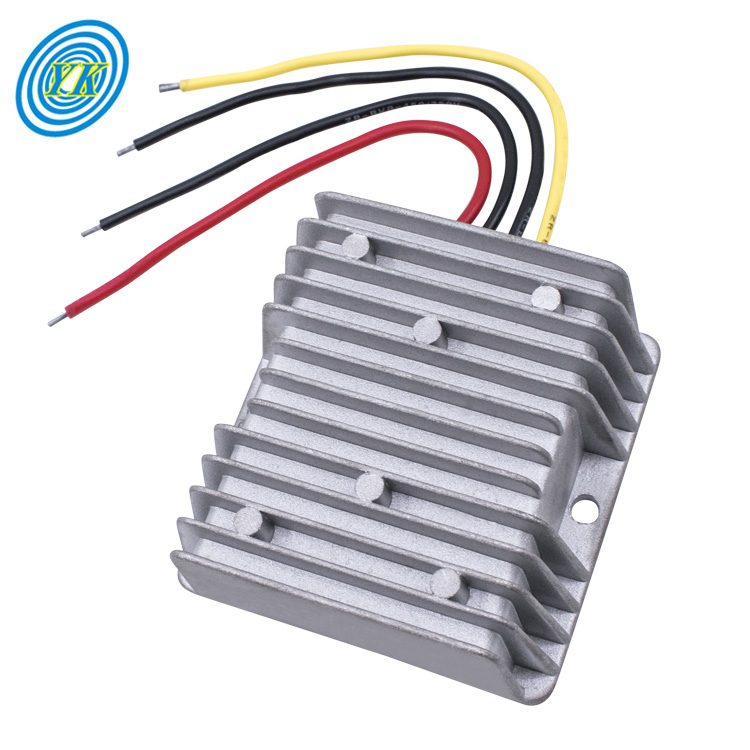
- Input Dynamic: 8V – 40V Ultra-Wide
- Nominal Vout: 13.8V DC ± 1%
- Rated Amps: 5A Continuous
- Waterproof: Silicone Potted IP67
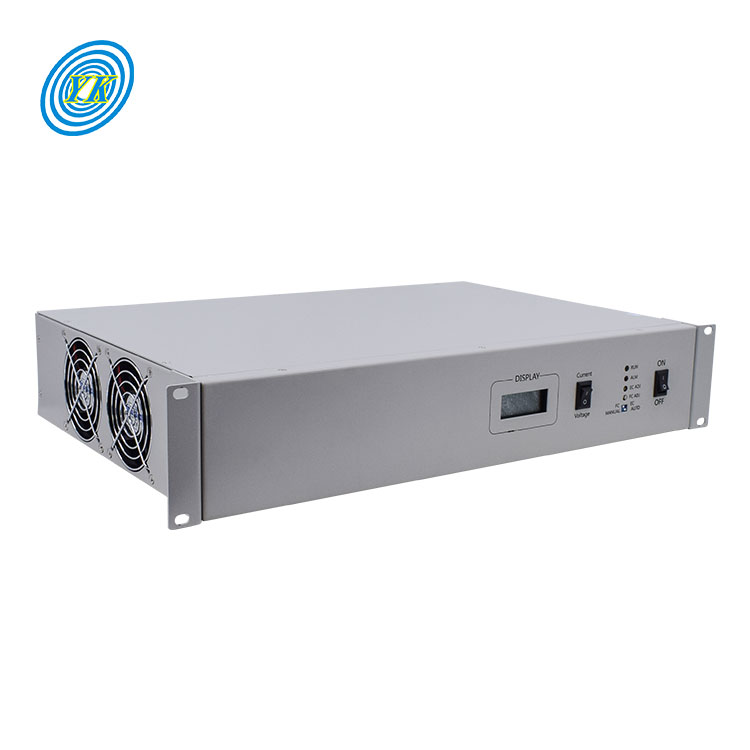
- Primary Line: 85V – 264V AC Auto
- Output Range: 24V DC (10A – 100A)
- Power Factor: PFC ≥ 0.99
- Certification: CE / RoHS / EMC Class B
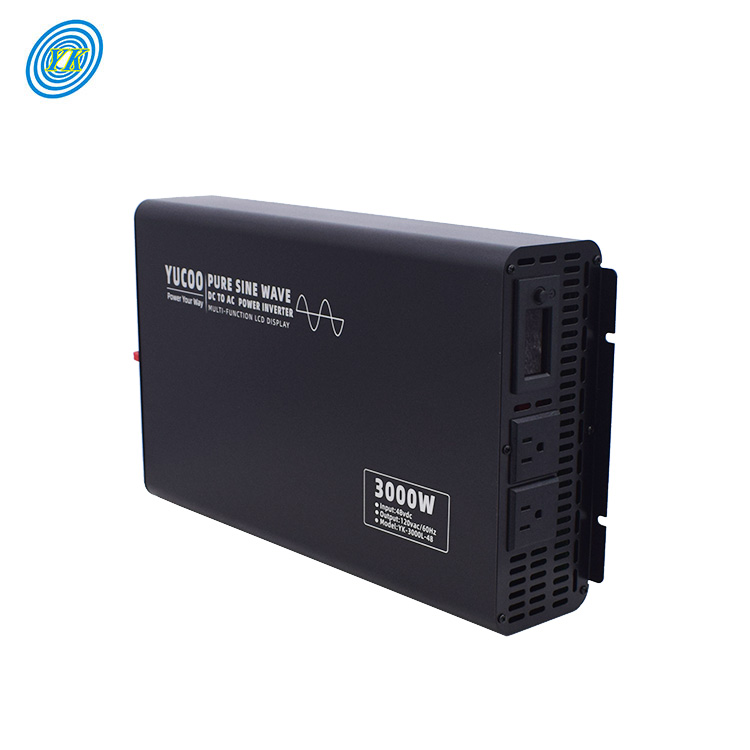
- True Power: 3000W Continuous
- Inrush Peak: 6000W (Inductive)
- Waveform: Clean Sine Wave
- Display: Digital LCD Diagnostic
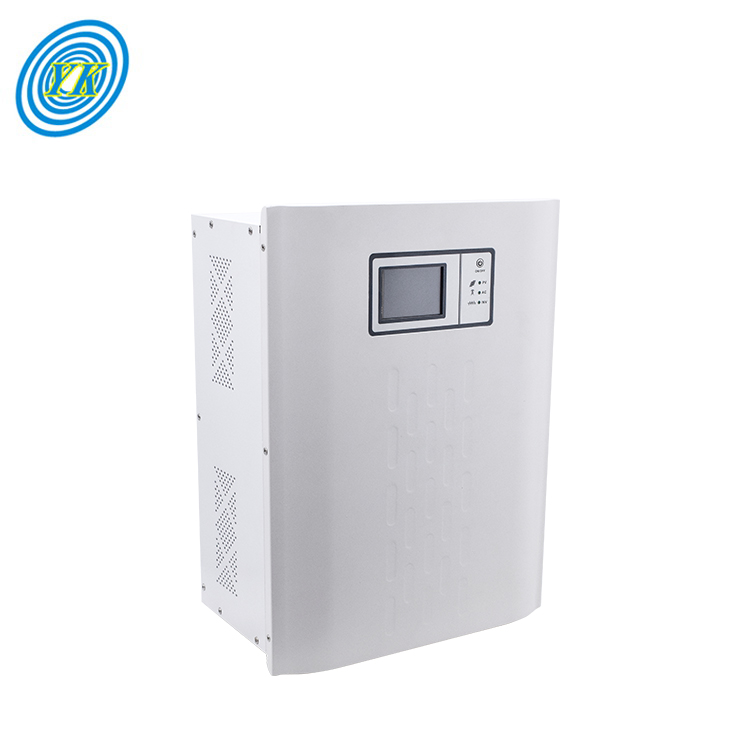
- Inverter Output: 3000W Pure Sine
- Battery Voltage: 48V DC Bus Architecture
- Integrated Charger: 40A MPPT / AC Charger
- Telemetry: RS485 / Modbus / CAN
1. The Toulouse Industrial Ecosystem & Frequency Conversion Demand
Toulouse, the capital of France's Occitanie region and widely celebrated as the aerospace capital of Europe, operates under some of the most rigorous electrical and environmental test standards in modern engineering. Anchored by major industrial titans including Airbus Group, Thales Alenia Space, ATR Aircraft, Safran, the French Space Agency (CNES), and the sprawling Aerospace Valley innovation cluster, Toulouse represents a hyper-specialized power electronics ecosystem.
Within this territory, standard European utility power (230V/400V at 50Hz) is fundamentally insufficient for testing and powering mission-critical systems designed for international deployment or aerospace service. Commercial airliners, defense avionics, satellite platforms, and naval systems mandate power supplies that operate at specialized alternating current frequencies. Most notably, standard aeronautical and military equipment operates at 400Hz (MIL-STD-704, STANAG 1008, and ABD0100) to minimize iron transformer and motor core weights in airborne vehicles, while hardware engineered for North American export or naval use mandates 60Hz utility conversion.
Engineering Core Insight: In aeronautical test labs across Blagnac, Colomiers, and Labège, the demand for solid-state static frequency converters has entirely superseded legacy rotary motor-generator sets. Modern test benches require total harmonic distortion (THD) under 2%, sub-cycle transient recovery under 2 milliseconds, galvanic isolation against common-mode noise, and programmable frequency deviation capabilities from 45Hz up to 500Hz.
Whether simulating utility fluctuations for avionics power distribution units (APDUs), providing 28VDC/270VDC rectified ground support power, or feeding precision frequency-stabilized current to vacuum chambers for thermal-vacuum (TVAC) satellite simulation, frequency converters represent the bedrock of Occitanie's mission-critical manufacturing infrastructure.
2. Comparative Topologies: Solid-State Static Converters vs. Rotary Sets
Engineers and procurement teams in the Toulouse region evaluate power conversion technologies across multiple vectors: electrical efficiency, maintenance intervals, acoustic footprint within cleanroom environments, dynamic load step behavior, and lifetime total cost of ownership (TCO). In legacy installations, rotary frequency converters—consisting of an electric motor mechanically coupled to an alternator—were historically standard. Today, solid-state variable frequency conversion holds undisputed dominance.
| Performance Parameter | Rotary Motor-Generator (M-G) Set | Varnix Solid-State Static AC Converter | Direct Impact on Toulouse Facilities |
|---|---|---|---|
| Operating Efficiency | 70% – 82% (High friction & copper losses) | 93% – 96.5% (High-frequency IGBT/SiC) | Drastic operational energy reduction, aligning with Occitanie clean-tech decarbonization directives. |
| Frequency Stability | ± 1.0% (Mechanical inertia dependent) | ± 0.01% (DSP Quartz Oscillator Lock) | Critical for avionics flight computers, gyro instrumentation, and sensitive radar assemblies. |
| Acoustic Noise (1m) | 85 dBA – 105 dBA (Mandates sound attenuation) | < 58 dBA (Whisper fans, variable thermal control) | Allows direct installation inside cleanrooms, clean labs, and hangar test-bay control rooms. |
| Maintenance & Wear | Bearings, brush slip rings, yearly mechanical re-greasing | Zero moving components (Excluding fans); MTBF > 120,000h | Eliminates test-rig downtime during multi-month qualification campaigns for aircraft airframes. |
| Dynamic Response (0-100%) | 150 ms – 350 ms (Severe voltage droop) | < 2 ms to within 1% of nominal voltage | Prevents nuisance tripping of avionics during starter-generator and pump inrush simulations. |
| Harmonic Distortion (THD) | 3% to 5% with noticeable waveform notch | < 1.8% to 2.5% Pure Sine Wave Synthesis | Complies with strict EMC/EMI criteria (DO-160G Section 16/17 and EN 61000-6-4). |
3. Technical Deep-Dive: Solid-State AC Frequency Conversion Architecture
The engineering topology implemented by industrial manufacturers like Varnix Technology Co., Ltd. utilizes an advanced double-conversion solid-state architecture (AC to DC to AC), often integrated with high-performance digital signal processing (DSP) and active power factor correction (PFC).
Phase 1: Input Rectification and Active Power Factor Correction (PFC)
The incoming commercial French grid power (typically 400V 3-phase 50Hz supplied by Enedis) enters through a multi-stage EMI filter to mitigate high-frequency conducted disturbances. In modern converter topologies, active IGBT or SiC-based PWM rectifiers synthesize a unity power factor (≥ 0.99) with harmonic distortion reflected back to the mains kept below 3% THDi. This prevents penalty tariffs from electrical grid operators and safeguards adjacent sensitive laboratory equipment.
Phase 2: Stabilized High-Voltage DC Link
The rectified power feeds into an ultra-low ESR electrolytic or long-life film capacitor bank. This DC link decouples the input utility grid from the output synthesizer, acting as an energy reservoir that absorbs electrical transients, sub-cycle utility dips, and phase imbalances. In aerospace applications where battery simulation or regenerative braking occurs, dynamic braking choppers or bidirectional regenerative DC-link stages are integrated.
Phase 3: High-Frequency SPWM Inversion
The DC bus energy is modulated back into an AC waveform using a high-frequency Sinusoidal Pulse Width Modulation (SPWM) or Space Vector PWM (SVPWM) bridge. Operating switching frequencies between 16kHz and 32kHz ensure that audible switching noise is completely eliminated, while facilitating compact output LC filter designs. Digital control algorithms continually monitor voltage, phase angle, and current instantaneous values at sampling rates exceeding 100kHz, allowing real-time compensation for non-linear, crest-factor-intensive loads.
Phase 4: Galvanic Isolation & Output Symmetrical Filtering
A precision toroidal or amorphous core isolation transformer provides 100% galvanic separation between the input grid neutral and output test load. This ensures zero risk of ground loops, suppresses common-mode RF interference, and allows arbitrary grounding topologies (floating output, grounded center-tap, or single-phase neutral bonding) as required by civil aviation test regulations (RTCA DO-160 Section 16).
4. Localized Industrial Applications Across Greater Toulouse
To optimize product design and procurement specifications, manufacturers must understand the operational contexts in which AC frequency converters and supplementary DC power modules operate in the Occitanie industrial basin:
Aerospace Avionics Test Rigs
Dedicated 115V / 200V 400Hz frequency synthesis for pre-flight avionics burn-in, black-box testing, radar calibration, and cockpit display qualification at Blagnac assembly facilities.
Space & Satellite Simulation
Stable, low-noise power conversion for cleanroom satellite thermal-vacuum test chambers in Labège and Montaudran, supporting Thales Alenia Space and CNES research partners.
Rail & Transit GSE Systems
Conversion from 50Hz grid to specialized traction frequencies, 72V/110V railway signaling power, and maintenance depot battery rectifiers serving Toulouse Metro and SNCF Occitanie.
Global Defense & Naval Export
Conversion of French 50Hz utility to 60Hz 440V or 120V for naval weapon platforms, foreign export validation, and MIL-STD compliance testing prior to shipping to overseas defense allies.
5. Emerging Market Trends in the Occitanie Industrial Region
The manufacturing landscape in southwestern France is undergoing three major technical transformations that directly reshape procurement requirements for AC frequency converters and power conditioning equipment:
A. The Decarbonization and Electrification of Ground Support Equipment (e-GSE)
Under the auspices of Airbus' ZEROe roadmap and Toulouse-Blagnac Airport's environmental commitments, diesel-powered Ground Power Units (GPUs) are being rapidly phased out. In their place, solid-state stationary and towable 400Hz frequency converters connected directly to the airport electrical apron or powered by advanced lithium-ion battery banks have become mandatory. These units eliminate fossil fuel combustion and drastic carbon emissions while an aircraft is berthed at boarding bridges.
B. The Rise of "NewSpace" Clusters in Greater Toulouse
Alongside traditional heavy geostationary satellites, Toulouse has become the epicentre of European "NewSpace"—hundreds of micro-satellite constellations, Cubesat manufacturers, and private launch initiatives. These facilities require compact, rack-mounted 19-inch 400Hz and high-voltage DC-DC converters (such as 48V/72V to isolated 24V or 28V buses) that operate inside automated test chambers without requiring floor-standing industrial cabinets.
C. Smart Grid Resiliency & Harmonic Decoupling
High-tech manufacturing parks along the Garonne river basin are encountering tighter restrictions regarding harmonic pollution fed back into the regional transmission network. Frequency converters with Active Front End (AFE) rectifiers and integrated battery backup (hybrid inverters) are sought-after to provide peak-shaving, reactive power compensation, and uninterruptible power supply (UPS) capabilities for sensitive cleanroom production lines.
6. Critical Procurement Guidelines for Toulouse Engineering Teams
When drafting an engineering Request for Proposal (RFP) or procuring OEM power systems for deployment across Toulouse facilities, technical managers should verify the following design parameters:
- Harmonic Purity under Non-Linear Loads: A standard rating under a purely resistive load does not reflect real-world avionics testing. Request guaranteed Total Harmonic Distortion (THD) under an EN 62040-3 non-linear load with a crest factor of 3:1.
- Voltage Regulation and Dynamic Recovery: Ensure the converter maintains ≤ ± 0.5% steady-state voltage regulation, with voltage recovery occurring in < 2ms following a 100% instantaneous step load change.
- Galvanic Isolation Transformer Class: Specify whether the isolation transformer utilizes Class H insulation with vacuum pressure impregnation (VPI) to withstand thermal cycling and high humidity environments.
- EMC Compliance: For aerospace laboratories, CE compliance under the Machinery Directive 2006/42/EC and Low Voltage Directive 2014/35/EU must be augmented by verified test reports for EN 61000-6-2 (industrial immunity) and EN 61000-6-4 (industrial emissions).
- Scalable Parallel Redundancy: For mission-critical test rigs, N+1 parallel load sharing capability via high-speed CAN bus ensures continuous operation should an individual power module require servicing.
Frequently Asked Questions by Toulouse Industrial Buyers
Authoritative technical guidance compiled by our senior power electronics application engineers.
Why is 400Hz frequency standard in aerospace test applications across Blagnac and Toulouse? +
Can your AC frequency converters simulate voltage sag, surge, and frequency dropouts per DO-160? +
What are your export, Incoterms, and customs arrangements for deliveries into Occitanie, France? +
How do you resolve quality assurance and after-sales support for long-term projects? +
Do you support custom OEM/ODM packaging, 19" rack integration, and specialized voltage buses? +
Factory-Direct Capabilities Backed by 23 Years of Rigor
Proven reliability trusted across telecommunications, defense, rail, and aviation worldwide.
ISO 9001:2015 & SGS Audited
Our 1,229 m² production facility in Guangdong features verified SMT welding, automated mechanical drilling, and 10 dedicated assembly lines. Onsite audited by SGS Group, ensuring total transparency across materials, production traceability, and compliance with CE, RoHS, and FCC benchmarks.
Rigorous 100% Full-Load Burn-In
Zero compromises on field reliability. Every power inverter, DC-DC converter, and industrial frequency conversion unit undergoes automated high-temperature full-load aging tests, oscilloscope harmonic distortion analysis, and dielectric hipot isolation screening before clearance for export.
Deep Engineering Customization
From custom 115V/400Hz pure sine aerospace outputs to wide-input DC-DC stabilization (10V-40V) for automated guided vehicles (AGVs), our engineering team provides rapid schematic development, prototype sampling within 7-14 business days, and complete OEM/ODM production packaging.
Powering Your Next Aerospace or Industrial Test Program
Request comprehensive technical datasheets, harmonic analysis documentation, or a customized project quotation tailored for the Toulouse and European market.