Recommended Chargers, Inverters & Voltage Stabilizers
High-efficiency switching topologies, wide input tolerances, and galvanic isolation engineered specifically for automotive, agricultural, transport, and off-grid battery arrays.
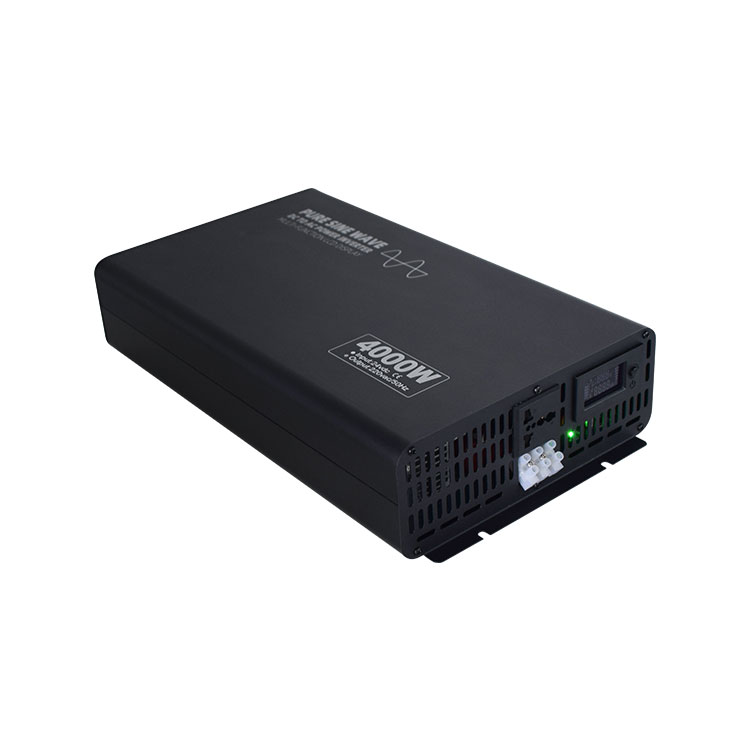
Inversor 300W–5000W Pure Sine Wave DC-AC Solar Inverter
- DC Input:12V / 24V / 48V
- AC Output:110V / 220V Precision
- Efficiency:> 92% Peak
- Waveform:THD < 3% Clean Sine
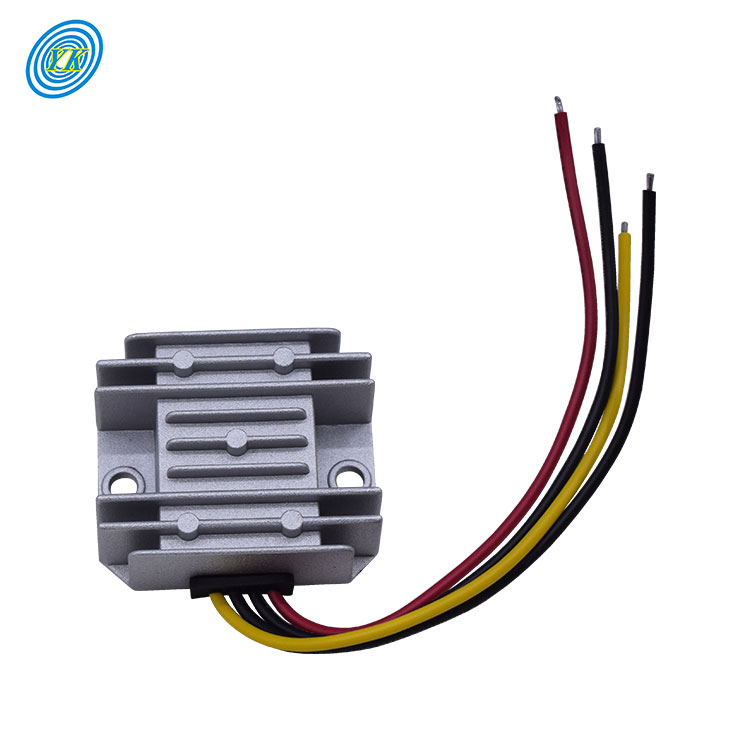
YUCOO DC 18V to 6V 5A 30W Waterproof Voltage Transformer
- Input Range:DC 18V (15-22V Wide)
- Output:DC 6V @ 5A Cont.
- Protection:Over-Current, Thermal
- Sealing:Epoxy Potted IP68
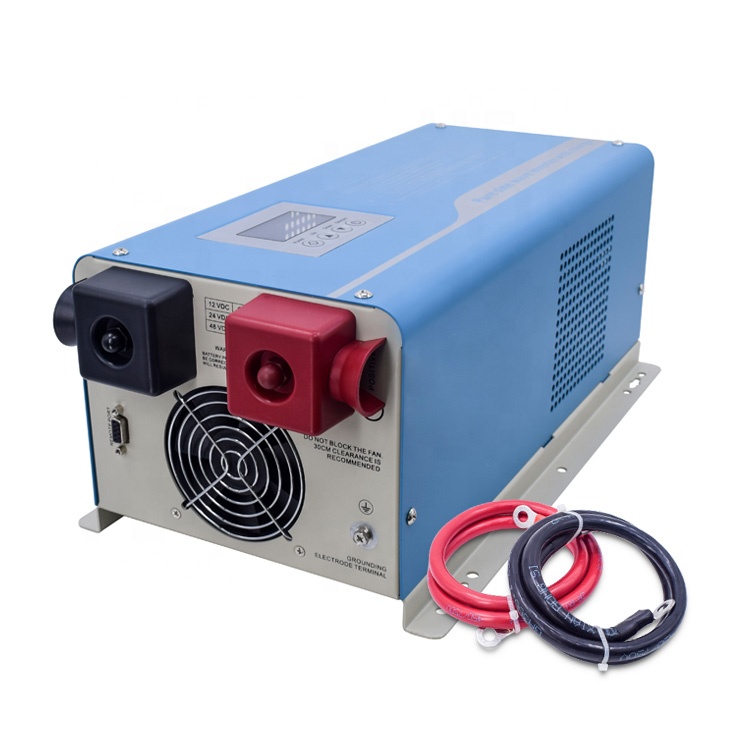
YUCOO 1500W Toroidal Pure Sine Wave Inverter 12V to 220V
- Topology:Low-Loss Toroidal
- Continuous Power:1500W (Surge 3000W)
- DC Bus:12V High Current
- Application:Motors, Power Tools
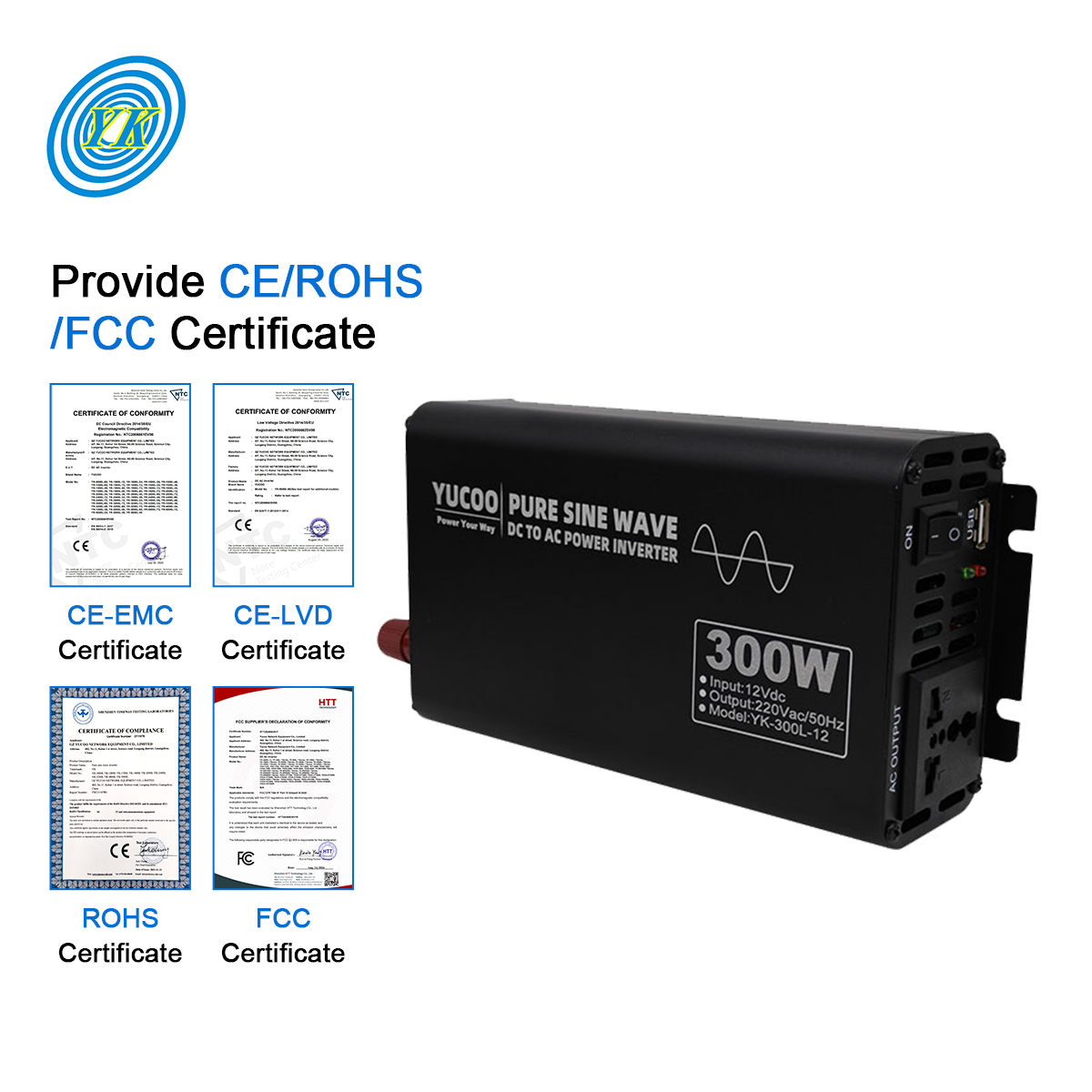
300W Pure Sine Wave Mobile Inverter 12V/24V to 220V AC
- DC Compatibility:Dual 12V & 24V Auto
- Output:Single-Phase 220V AC
- Cooling:Smart Fan Management
- Build:Extruded Aluminum
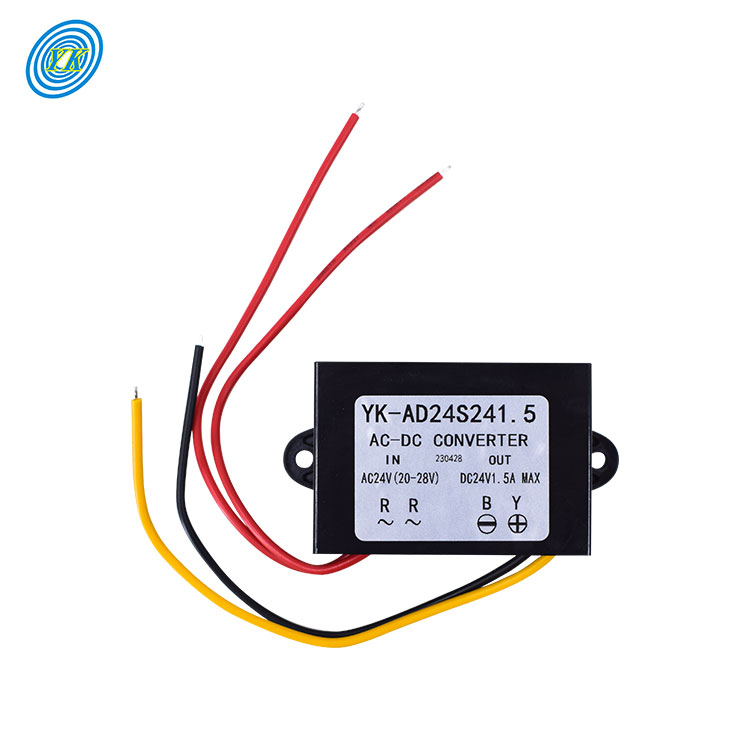
AC 24V to DC 5V 3A Buck Step-Down Voltage Regulator
- AC Voltage Input:24V Nominal (18-28V)
- DC Regulated Out:5V / 3A (15W Max)
- Stability:Ripple < 50mVp-p
- Environment:Automotive Grade Enclosure
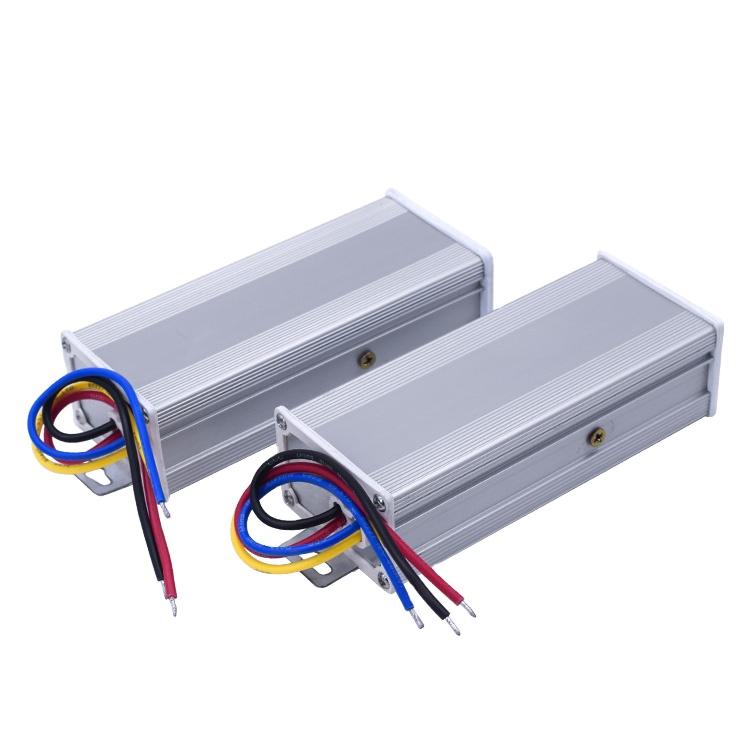
Isolated DC-DC 48V–96V to 12V 5A Step-Down Module
- High DC Input:48V / 60V / 72V / 96V
- Aux Output:12V DC Regulated @ 5A
- Dielectric Proof:1500V Galvanic Barrier
- Application:EV, Forklift, Industrial Bus
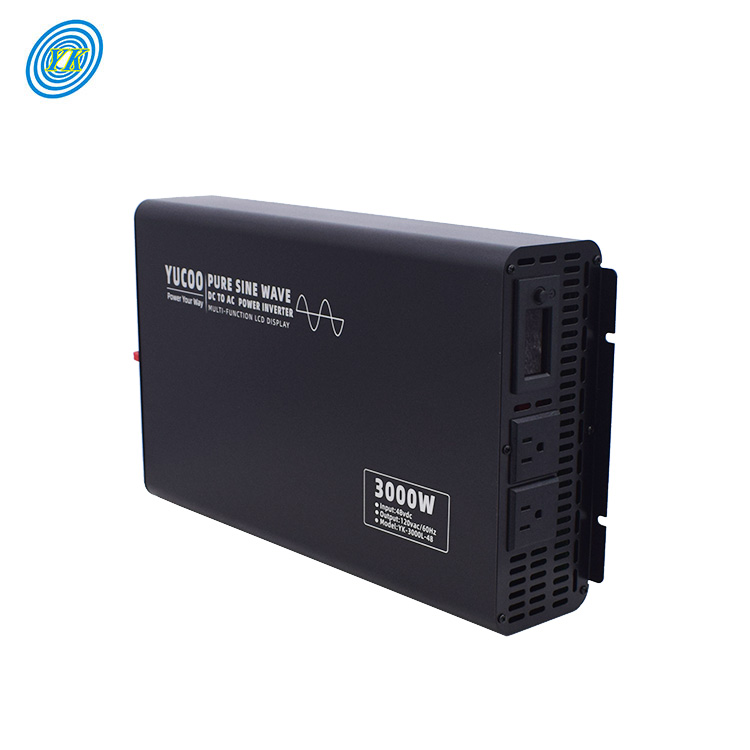
YUCOO Heavy-Duty 3000W Inverter 12V/24V to 220V AC
- Rated Capacity:3000W Continuous
- Input Voltage:12V or 24V Factory Set
- Thermal Handling:Dual Ball-Bearing Fans
- Architecture:Multi-Mosfet Redundant
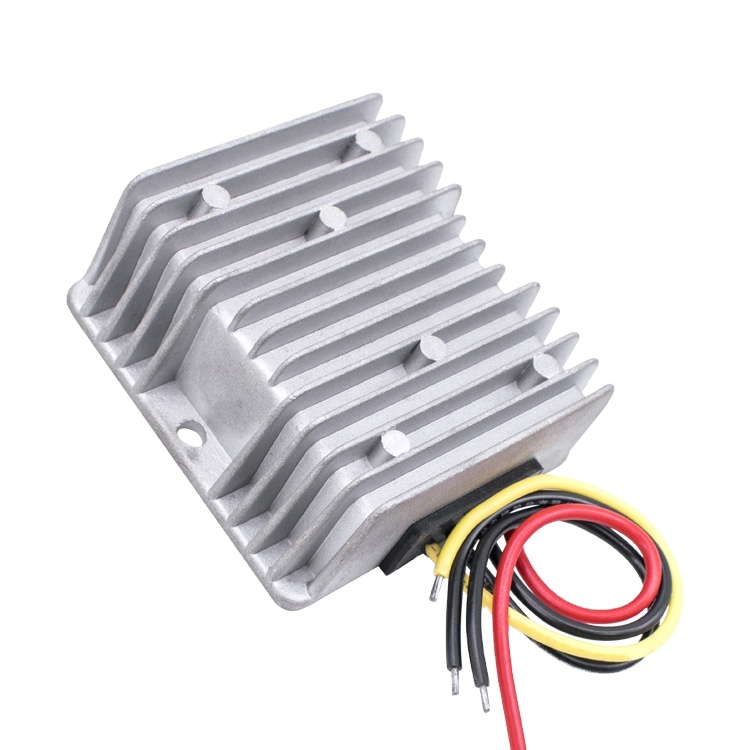
12V/24V to 13.8V 10A Automotive Buck-Boost Stabilizer
- Dynamic Input:9V–32V Float Margin
- Constant Output:13.8V Float Charge @ 10A
- Efficiency:95% Synchronous Rect.
- Application:Lead-Acid/AGM Float Buffer
Localized Application Scenarios in the North Korea Power Ecosystem
Deploying automotive battery chargers and power conversion modules across the DPRK operating environment demands profound adaptation to thermal extremes, severe grid volatility, and rugged supply lines.
1. Extreme Grid Fluctuation Mitigation & Industrial Fleet Recharging
In municipal centers such as Pyongyang, Nampo, and Sinuiju, as well as peripheral industrial complexes, the alternating current grid frequently experiences severe brownouts, voltage sags, and transient spikes ranging from 140VAC to over 270VAC. Standard commercial car chargers with rudimentary linear transformer architectures experience severe thermal runaway or fail to trigger the minimum firing angle for silicon-controlled rectifiers under these conditions.
Our industrial-grade car battery charger series and AC-DC switching power systems incorporate an ultra-wide input voltage stage (85VAC–265VAC universal active power factor correction). By utilizing secondary-side interleaved flyback and half-bridge LLC resonant topologies, our chargers ensure that transport logistics hubs, state tractor stations, and local municipal emergency fleets maintain an uninterrupted constant-current (CC) charging curve. This prevents irreversible cell sulfation and terminal plate buckling caused by abrupt power loss cycles.
2. Rural Micro-Grid, Solar Photovoltaic Storage & Decentralized Recharging
Due to the decentralized nature of rural agricultural cooperatives and regional distribution networks across North Pyongan, South Hwanghae, and Kangwon provinces, decentralized solar arrays paired with deep-cycle lead-acid, flooded tubular (OPzS), and lithium iron phosphate (LiFePO4) storage banks have become the operational baseline. Battery chargers and conversion systems deployed in these zones must act as versatile energy routers.
By coupling our 300W–5000W Pure Sine Wave DC-to-AC Inverters with integrated smart float-trickle chargers and buck-boost DC-to-DC converters, rural operators establish resilient localized micro-nodes. Vehicles, electric service tricycles, and perimeter lighting banks are charged directly from intermediate DC bus voltages (48V, 60V, or 72V) stepped down to precision 13.8V or 14.4V charging profiles. This architecture eliminates double-conversion thermal losses and prevents the high-surge inrush currents that frequently dismantle fragile off-grid inverters.
3. Sub-Zero Winterization & Low-Temperature Chemical Activation
Continental Siberian high-pressure systems subject northern regions like Ryanggang and Chagang to prolonged winter temperatures dropping below -25°C to -35°C. At these sub-zero extremes, internal battery resistance spikes exponentially, the rate of electrolyte diffusion plummets, and conventional chargers misread false surface voltages, cutting off prematurely and leaving lead-acid batteries at less than 40% state of charge (SoC).
Varnix power systems and battery chargers feature integrated NTC negative temperature coefficient compensation sensors. When cold-weather thresholds are detected, the internal microcontroller dynamically recalculates the charging envelope, elevating the absorption voltage threshold (up to 15.6V on 12V systems) to overcome chemical inertia safely without causing plate boiling. Combined with high-grade solid aluminum capacitors, silicon thermal potting, and cold-bend-resistant silicone cabling, our systems ensure commercial diesel trucks and heavy industrial vehicles achieve immediate cold cranking power.
Specification Comparison: Conventional Commercial vs. Varnix Heavy-Duty Grade
Clear engineering divergence between mass-market consumer chargers and ruggedized industrial equipment deployed in high-stress electrical grids.
| Performance Parameter | Standard Commercial Grade | Varnix Heavy-Duty Industrial Standard | Operational Impact in Field Conditions |
|---|---|---|---|
| Input Voltage Tolerance | 198VAC – 242VAC (±10%) | 85VAC – 265VAC Continuous Auto-Range | Prevents charger brownout shutdown during severe grid sagging. |
| Charging Algorithm | Single-stage or raw bulk voltage | Microprocessor Controlled 7-Stage Smart Curve | Desulfates aging cells, maximizes capacity recovery, prevents overcharge. |
| Low-Temp Operation | 0°C to +40°C rated only | -40°C to +65°C Cold-Start Tested | Guarantees winter battery recovery in Ryanggang & Chagang provinces. |
| Component Dielectric Test | 1000VAC Hi-Pot / Unvarnished PCB | 3750VAC Isolation + Conformal Silicone Coating | Immune to coal dust, sulfur accumulation, condensation, and short-circuits. |
| Thermal Architecture | Thin stamped steel, sleeve fan | Extruded Aviation Aluminum + Dual Ball-Bearing Fans | MTBF > 85,000 continuous operational hours under 100% duty cycle. |
Localized Power Conversion & Battery Infrastructure Trends
Strategic transformations shaping procurement priorities across municipal vehicle depots, logistics operators, and regional machinery maintenance hubs.
Transition Toward Hybrid Chemistry Compatibility
While traditional antimony lead-acid and heavy flooded batteries remain widespread across domestic transport fleets, there is an accelerating influx of sealed AGM, gel, and modular lithium iron phosphate (LiFePO4) power packs. Buyers increasingly demand multi-profile chargers featuring dip-switch selectable or firmware-programmable voltage cutoffs, avoiding the purchase of separate dedicated charging hardware for distinct fleet tiers.
Demand for Reversible Inverter-Charger Systems
Decentralized facilities are moving away from isolated single-function components. Standalone battery chargers are being supplanted by bi-directional power hubs capable of acting as a smart high-amperage battery charger when line power or auxiliary diesel generators run, and instantaneously reversing within 10 milliseconds to supply clean 220V pure sine wave alternating current to sensitive communication, medical, and control loads during utility blackouts.
Field Reparability & Component Modularity
Import friction and elongated logistical channels make disposable electronic hardware impractical. Procurement authorities prioritize power equipment engineered with discrete power switches (TO-247 packaged MOSFETs/IGBTs), modular cooling tunnels, easily accessible terminal blocks, and comprehensive on-board LED/LCD fault telemetry that pinpoints short-circuit, reverse polarity, and over-temperature occurrences instantly without specialized external diagnostic software.
Varnix Industrial Manufacturing & Quality Audit Trail
Established in 2003 in Guangdong, China. SGS verified production premises covering complete end-to-end electronic assembly, high-temperature burn-in chambers, and rigorous dielectric testing.
23 Years of Dedicated Power Conversion Manufacturing
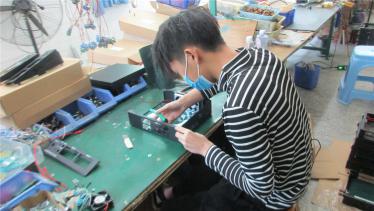
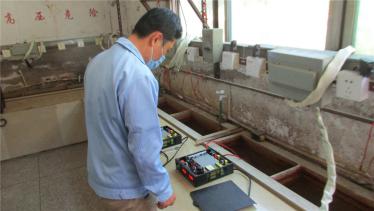
Varnix Technology Co., Ltd. has specialized in pure sine wave power inverters, high-frequency DC-DC converters, smart multi-stage battery chargers, and telecom-grade rectifier systems since 2003. Operating from our SGS-inspected 1,229 m² production facility with over 58 experienced electronic technicians and 10 specialized assembly and test lines, we ensure every unit deployed into challenging international territories demonstrates flawless MTBF metrics.
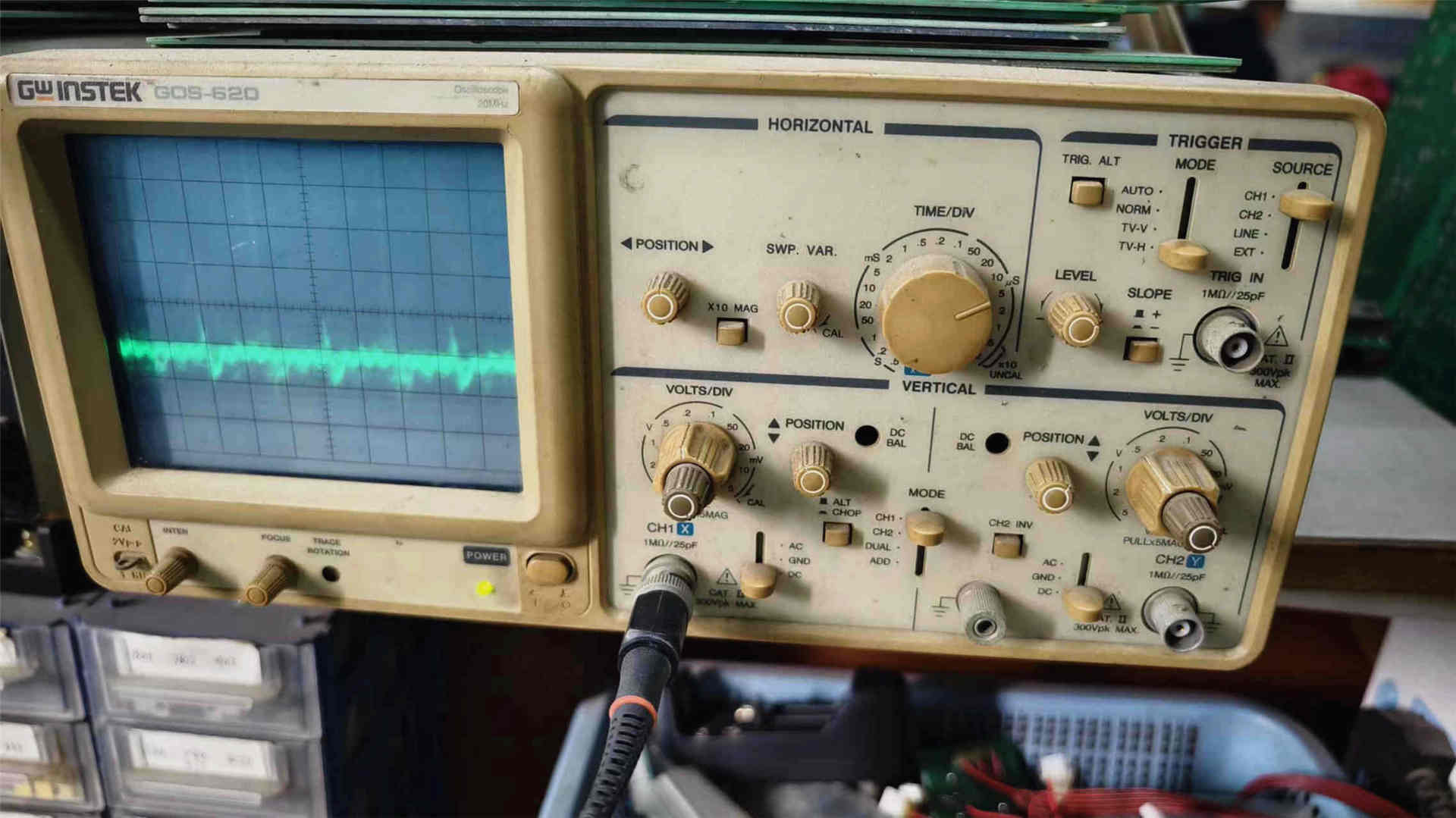
Our comprehensive production protocol includes automated SMT surface mounting, manual high-stress lead welding, dual-layer vacuum conformal dipping for complete moisture and dust isolation, precision oscilloscope wave-shape calibration, and mandatory 100% full-load aging tests inside high-temperature burn-in chambers prior to packaging. Whether your requirements entail custom DC bus voltages, OEM labeling, or customized chassis form factors, our engineering division delivers validated solutions backed by ISO 9001:2015, CE, RoHS, and FCC compliance certifications.

Frequently Asked Questions for Local & Regional Buyers
Direct answers to the most common technical, logistical, and customization questions raised by fleet supervisors and regional equipment distributors.
How do your car battery chargers handle extreme grid voltage drops below 160VAC?
Unlike standard linear battery chargers that rely on iron-core step-down transformers (which experience a proportional drop in secondary voltage and fail to overcome battery counter-electromotive force), Varnix chargers utilize active high-frequency switching Mode Power Supply (SMPS) architecture with wide-input PFC correction. The circuit automatically increases duty cycle pulse width modulation (PWM) to maintain rock-solid, regulated charging current down to 85VAC, ensuring charging continuity under severe voltage depressions.
Can these chargers successfully recover severely discharged or sulfated lead-acid batteries?
Yes. Our industrial units feature an integrated 7-stage charging algorithm starting with high-frequency pulse desulfation. When the charger detects a heavily sulfated battery with high internal resistance, it applies controlled high-voltage, low-current micro-pulses to break down lead sulfate crystals into active lead sponge and sulfuric acid before initiating the high-amperage bulk charge phase.
What internal safeguards protect the equipment against reverse polarity connection and short circuits?
All Varnix chargers and DC-DC converters feature solid-state and relay-isolated multi-stage protection. If battery clamps are connected in reverse polarity (+ to -), internal fast-recovery Schottky diodes and MOSFET gates instantly block current flow, triggering an optical warning LED and buzzer without blowing physical internal fuses. Short-circuit protection triggers cycle-by-cycle current limiting with automatic auto-restart hiccup recovery once the shorted fault condition is cleared.
Can your power inverters and converters run continuously inside unheated workshops during severe winter?
Yes. Our industrial export units are engineered with temperature-stabilized industrial silicon components rated down to -40°C. Standard commercial units fail because electrolyte inside cheap electrolytic capacitors freezes, diminishing filtering capacitance and causing feedback loop oscillation. Varnix uses solid-state aluminum conductive polymer capacitors and military-spec thermal potting to ensure reliable sub-zero cold booting.
What OEM and ODM customization services are available for regional supply tenders?
As an original equipment manufacturer operating 10 production lines since 2003, we provide comprehensive OEM/ODM customization. This includes custom input/output voltages (e.g., specialized 36V, 48V, 72V, 96V DC busses), tailored multi-pin industrial aviation connectors, personalized silk-screen brand printing, ruggedized metal chassis colors, and custom firmware charge parameters tailored to specific battery chemistry contracts.
What are your typical minimum order quantities (MOQ) and export delivery frameworks?
Standard catalog units can be ordered with flexible MOQs starting from 1 to 10 sets for engineering evaluation. Custom OEM/ODM runs are quoted based on enclosure and firmware development thresholds. We operate across standard international trade terms including FOB, CIF, CFR, FCA, and EXW, coordinating specialized multi-modal freight packaging tailored for heavy electronic cargo handling.
Engineering Resilient Power Solutions for Tough Demands
Consult with our senior power electronics engineers to request detailed technical datasheets, customize voltage profiles, or receive a project quote backed by 23 years of factory manufacturing excellence.
Contact Us