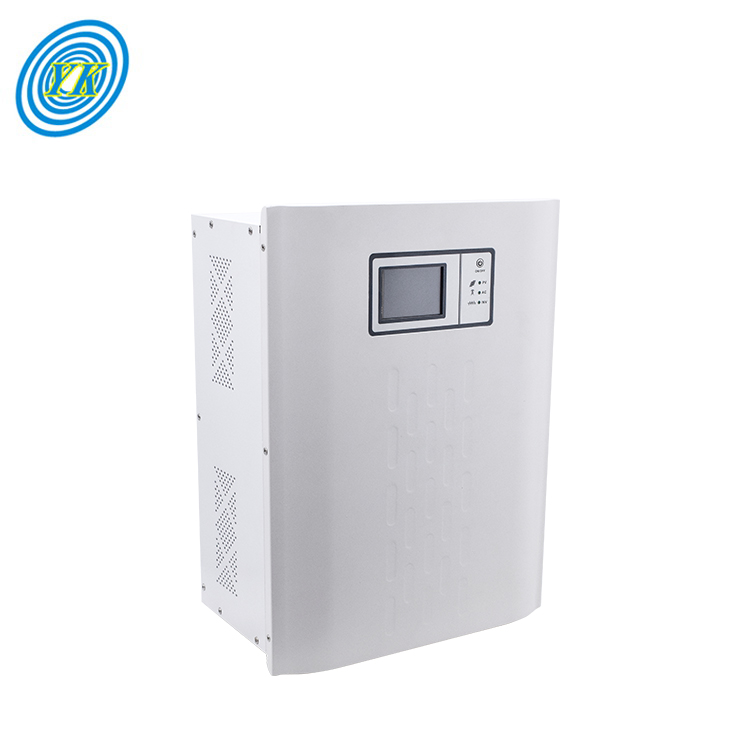
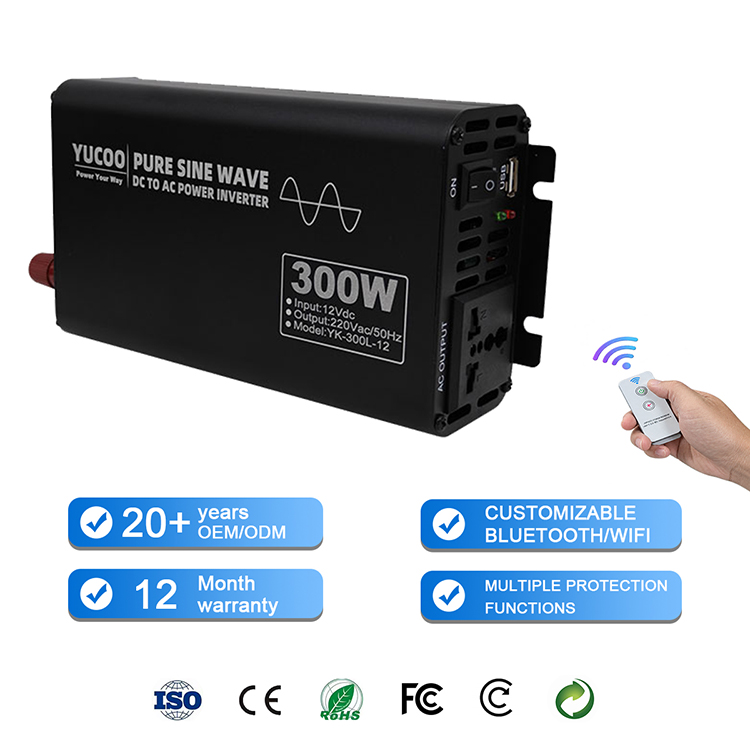
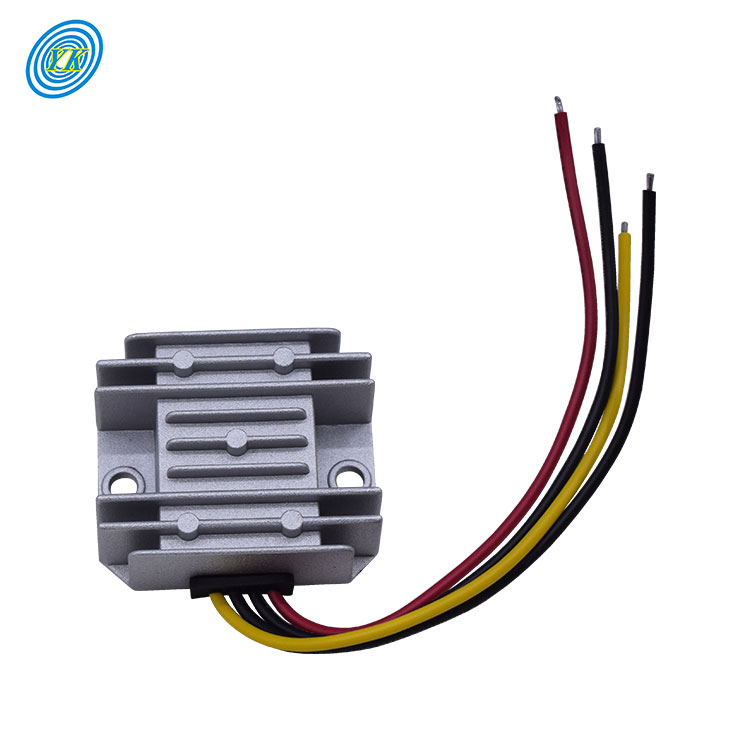
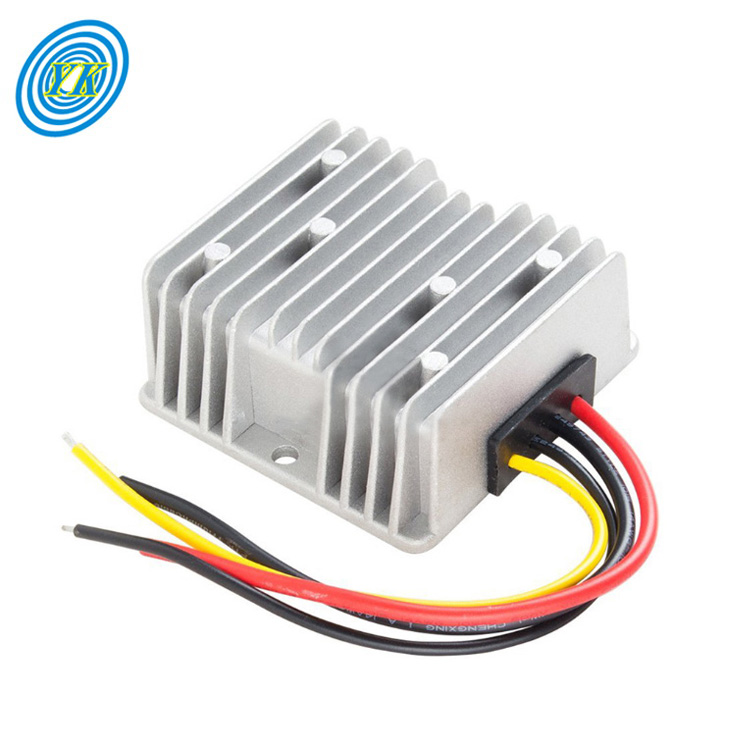
Featured Industrial & Marine Power Conversion Systems
From high-amperage galvanically isolated step-down modules to pure sine wave inverters, our export catalog satisfies rigorous CE, RoHS, and Mediterranean marine operating standards.
Constant Current (CC) vs. Constant Voltage (CV): Topology Dynamics
In high-reliability industrial and marine power architectures throughout Split-Dalmatia County, constant current switching power supplies serve as the bedrock for non-linear and dynamic load operations. Unlike standard Constant Voltage (CV) power supplies that fluctuate current to sustain a fixed output voltage, a Constant Current (CC) power topology dynamically adjusts its internal switching frequency and PWM duty ratio to force a predetermined milliampere or ampere threshold across shifting internal impedances.
In applications such as cathode protection rectifiers for ship hulls in Split shipyards, high-power submersible aquaculture LED arrays, and precision battery float systems, load impedance ($Z_L$) drops significantly under thermal expansion or electrolytic concentration. Standard voltage-source supplies experience severe current runaway under these conditions:
Our export power supplies feature high-speed analog and DSP feedback loops combining current shunt monitors, Hall-effect transducers, and synchronous buck-boost rectifiers to ensure dynamic compliance voltage clamping, low output current ripple (<0.5% RMS), and zero overshoot during hot-swap transitions.
Active Power Factor Correction (PFC): Power factor >0.98, fully compliant with European grid harmonics standard EN 61000-3-2.
Regional Adriatic Deployment
Localized Application Scenarios in the Split & Dalmatian Coast Corridor
The regional economic ecosystem of Split, Solin, Kaštela, and the adjacent central Dalmatian archipelago presents distinct environmental and electrical challenges, requiring specialized power conversion equipment.
Marine & Shipyard Refits (Brodosplit)
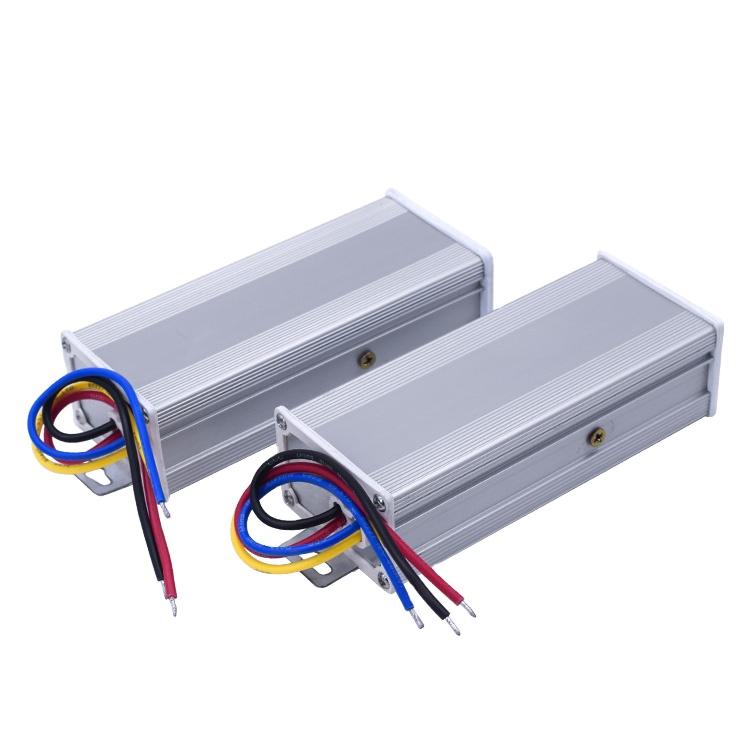
Split is home to major Adriatic naval and commercial shipyards. Our constant current electroplating rectifiers (up to 1,000A) drive hard-chrome plating, zinc galvanizing, and electrolytic hull de-scaling, resisting corrosive airborne maritime salinity.
Island Microgrids (Brač, Hvar, Vis)
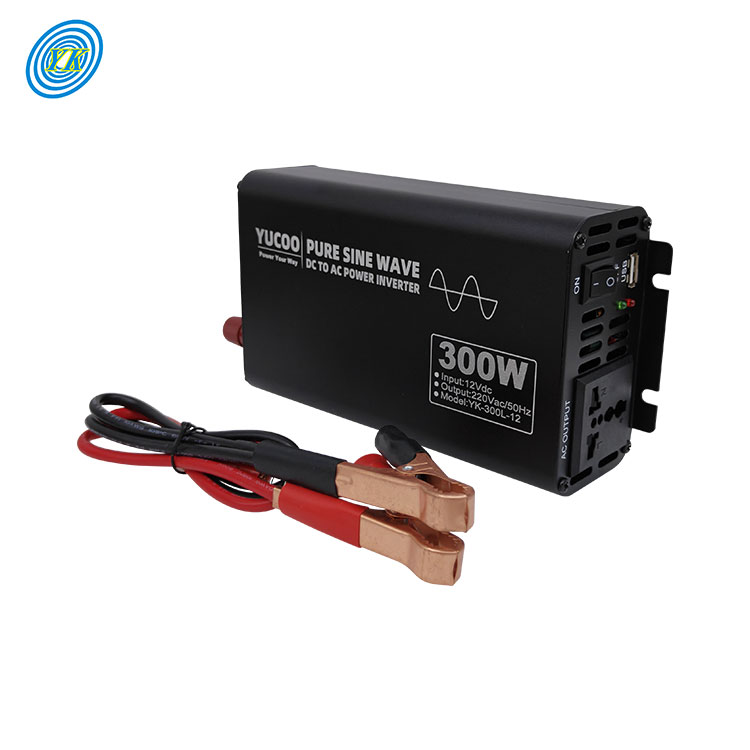
Off-grid eco-resorts and telecom relay towers across the Dalmatian islands utilize our 48V hybrid MPPT solar inverters and step-down converters to power Starlink Mini terminals and remote sensors reliably under harsh summer heatwaves exceeding 40°C.
Yacht & Catamaran DC Distribution
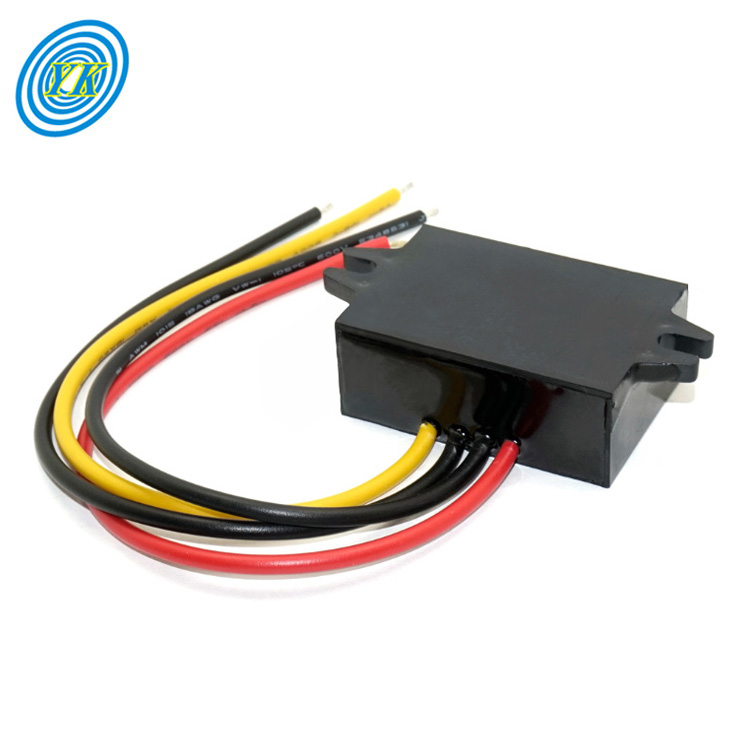
At ACI Marina Split, nautical refit engineers deploy our IP68 waterproof DC-DC buck converters (24V to 12V and 48V to 12V) to decouple sensitive onboard navigational electronics, Raymarine chartplotters, and LED navigation fixtures from noisy engine alternator surges.
Coastal Aquaculture & Pumping
Deep-sea sea bass and sea bream farms around Šolta depend on submerged constant-current LED illumination and DC aeration pumps. Fully potted epoxy resin enclosures safeguard against salt-water ingress and hydrostatic pressure up to 30 meters.
Engineering Selection Matrix
Technical Sizing Framework for Central European Importers
Ensure zero premature field failures by matching operational duty cycles, thermal ambient conditions, and input voltage variations to the correct converter topology.
Operating Application
Recommended Model Architecture
Critical Engineering Specification
Compliance & Ingress Target
Commercial Vessel 24V Auxiliary Bus
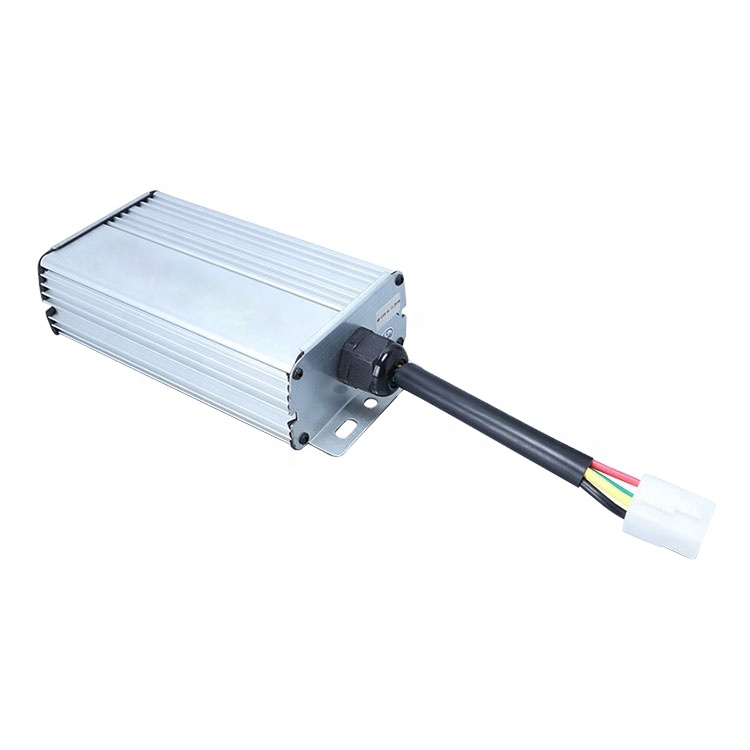
24V to 12V Synchronous Buck (10A–20A)
Input surge tolerance up to 36V; Low ripple <50mVpp
CE, RoHS, IP67 Aluminum Casing
Off-Grid Island Telecommunications
Isolated 48V/72V to 24V DC-DC Converter
1500V DC Galvanic barrier; Negative grounding capability
EN 55032 Class B (EMC), Telecom Grade
Split Port Logistics & Forklifts
Wide Range 48V–96V to 12V 5A Module
High inductive spike absorption; TVS diode protection
ISO 7637-2 transient immunity
Dalmatia Solar Agri-Voltaics
3KW 48V Hybrid Solar Inverter with MPPT
Wide MPPT tracking 60V–145V DC; Pure sine wave output
EN 62109-1/-2, Low THD <3%
Industrial Metal Finishing & Anodizing
High-Frequency Plating Rectifier (50A–1000A)
Constant Current / Constant Voltage dual auto-switch
CE LVD EN 61204-7, Forced air cooling
Yacht High-Speed Internet (Starlink)
12V/24V to 30V/57V DC Step-Up Converter
Tight regulation ±1%; Sustained peak draw 150W
High efficiency >96%, No fan (convection)
Thermal Derating & Environmental Resilience
A frequent oversight in Adriatic equipment tenders is neglecting ambient Mediterranean engine compartment temperatures. While standard commercial power supplies derate drastically at 40°C, our industrial units are rated for full continuous rated power up to 50°C, with a derating curve of only 2.5% per °C between 50°C and 85°C.
By utilizing multi-layer ceramic capacitors (MLCC), solid electrolytic capacitors rated for 105°C / 5000 hours, and high thermal-conductivity silicone compound filling, thermal hotspots are efficiently channeled away from active semiconductor junctions to the exterior ribbed extruded chassis.
Galvanic vs. Non-Isolated Selection Criteria
Marine buyers in the Port of Split must carefully weigh system grounding requirements:
Isolated Converters: Mandatory for aluminum and steel hull vessels to eliminate stray galvanic ground loop currents that cause catastrophic hull pitting and zinc anode premature depletion.
Non-Isolated Converters: Ideal for compact land-based automotive conversions, construction fleets, and self-contained battery enclosures where common ground reduces system cost and achieves peak efficiency exceeding 96%.
Strategic Market Evolution
Adriatic & Split Regional Industry Developments (2025–2030)
Macro procurement trends driven by European decarbonization mandates, the Croatian National Recovery and Resilience Plan, and the modernization of coastal nautical infrastructure.
Green Maritime Transition in Split Port
Under the EU Fit for 55 package, port authorities in Split, Zadar, and Dubrovnik are expanding onshore power supplies (OPS) and battery-electric coastal passenger ferries. This requires high-reliability constant current battery chargers and step-down DC converters with active telemetry (RS485/CAN bus) to manage shore-to-ship DC energy transfer safely.
Gallium Nitride (GaN) Power Densities
Dalmatian yacht charter operators prioritize weight and volume optimization. By transitioning from legacy silicon IGBTs to GaN and Silicon Carbide (SiC) MOSFETs, our latest converter modules achieve 3x power density, slashing enclosure dimensions by 40% while operating cooler under unventilated cabin bulkheads.
Supply Chain Diversification & DDP Terms
With ongoing shipping realignments across Mediterranean ports, Croatian distributors increasingly favor factory-direct exporters capable of quoting DDP (Delivered Duty Paid) via Rijeka, Split, or Koper. Our direct export logistics streamline EU import customs, VAT settlement, and CE conformity documentation.
Manufacturing Authority & E-E-A-T
Factory-Direct Engineering Excellence Since 2003
Varnix Technology Co., Ltd. operates a vertically integrated, SGS onsite-verified 1,229 m² production facility in Guangdong, supporting global infrastructure projects and commercial OEM buyers.
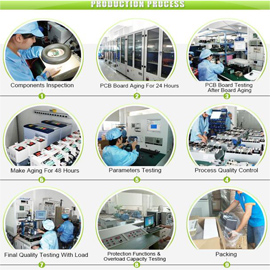
Rigorous 5-Stage Testing Protocol
To guarantee absolute uptime for telecommunications stations, marine vessels, and municipal utility plants across Europe, every single constant current unit is subjected to our proprietary validation lifecycle before export authorization:
1. Incoming Raw Material Screening: Incoming inspection of power inductors, MOSFETs, and circuit boards against approved vendor lists.
2. Precision SMT & Through-Hole Soldering: Automated assembly with visual and optical inspection of high-amperage traces.
3. Multi-Point Electrical Bench Testing: Digital oscilloscope waveform check, regulation accuracy, and CC crossover verification.
4. 100% Full-Load Burn-In Aging: 4 to 24 hours of sustained maximum thermal and current load in specialized heat-soak chambers.
5. Final High-Pot & Ingress Validation: 1500V dielectric isolation breakdown check and IP67/IP68 submersion audit.
Answers to common commercial, compliance, and engineering queries posed by industrial buyers, electroplating contractors, and marine engineers in Dalmatia.
What certifications are required for importing constant current supplies into Split, Croatia?
All power supplies and converters imported into the Republic of Croatia must comply with European Union directives: the Low Voltage Directive (LVD 2014/35/EU), Electromagnetic Compatibility Directive (EMC 2014/30/EU), and RoHS Directive (2011/65/EU and amendment 2015/863). For solar inverters, EN 62109-1/-2 compliance is mandatory. Our factory provides certified EU Declarations of Conformity (DoC), full test reports from accredited laboratories (TUV/SGS), and technical files ready for immediate customs clearance at Port of Split (Luka Split) or Zagreb customs terminals.
How do your products resist the Adriatic salt mist and coastal humidity in Split?
Standard power supplies suffer rapid dendritic corrosion and solder bridging when exposed to the southern Dalmatian coastal wind (Jugo) and salt mist. Our marine-grade DC-DC converters and constant current modules utilize two levels of defense: (1) thick conformal coating (MIL-I-46058C approved polyurethane) across all SMT components, and (2) complete vacuum-potted silicone elastomer or epoxy potting inside die-cast anodized aluminum housings (rated IP67 or IP68). All exposed hardware and fasteners are 316-grade stainless steel, passing 96-hour neutral salt spray tests according to IEC 60068-2-11.
What is the standard shipping lead time and logistical route to the Split industrial zone?
We provide multiple flexible shipping routes tailored to your order urgency. Standard volume shipments are dispatched via ocean freight directly from Shenzhen/Guangzhou to the Port of Rijeka or Port of Koper (Slovenia), followed by bonded overland trucking down the A1 motorway to the Dugopolje/Split industrial park (transit time 28–35 days). Urgent replacement units, prototyping batches, and spare parts are shipped air express (DHL/FedEx/UPS) reaching Split Airport (SPU) within 4 to 6 business days. We routinely execute orders on EXW, FOB, CIF, or DDP terms.
Can your factory customize constant current set-points and compliance voltages for proprietary equipment?
Yes. Custom OEM/ODM engineering is our core strength. We routinely customize current set-points (from 200mA up to 1,000A), preset maximum compliance voltage limits, and programmable analog/digital control interfaces (0–5V, 0–10V, 4–20mA current loop, or RS485 Modbus RTU). Customized housing geometry, specialized marine cabling glands (PG9/PG11), and custom laser-etched branding and private labeling are available with low minimum order quantities (typically starting at 10–50 units depending on the complexity).
How does a constant current electroplating rectifier maintain coating uniformity in Split shipyards?
In electroplating and anodizing operations, deposition rate and crystal grain structure are direct functions of current density ($A/dm^2$). As anode-cathode distance changes or electrolyte bath conductivity fluctuates with temperature, a standard voltage-controlled supply causes uneven plating thickness and burnt edges. Our industrial electroplating rectifiers utilize high-frequency IGBT switching (20kHz–50kHz) and precision Hall current sensor feedback, maintaining current regulation within ±0.5% regardless of bath impedance shifts, resulting in flawless plating depth.
What warranty, testing documentation, and after-sales support do you guarantee?
Every product is backed by a 24- to 36-month factory warranty explicitly written into the supply contract. With each production batch, we issue comprehensive quality dossiers including burn-in inspection logs, Hi-Pot isolation certificates, and dimensional drawings. Our dedicated engineering support team operates with a verified 98.2% inquiry response rate, providing schematic analysis, wiring recommendations, and fast replacement module dispatch in the rare event of field failure.
Request Direct Engineering Specs & Wholesale Quotations
Planning a marine refit, solar installation, or industrial power conversion project in the Split market? Consult directly with our Senior Power Application Engineers for turnkey solutions and rapid quotation.