23+
Years of OEM/ODM Rigor
10+
Precision SMT & Assembly Lines
100%
Full-Load Thermal Burn-in
IP67
Potted Hermetic Enclosures
Factory-Direct Catalog
Featured Industrial DC Regulators & Power Modules
Fully customizable step-up, buck-boost, and galvanically isolated power conversion equipment engineered to endure extreme temperature shifts and aggressive mechanical vibrations.
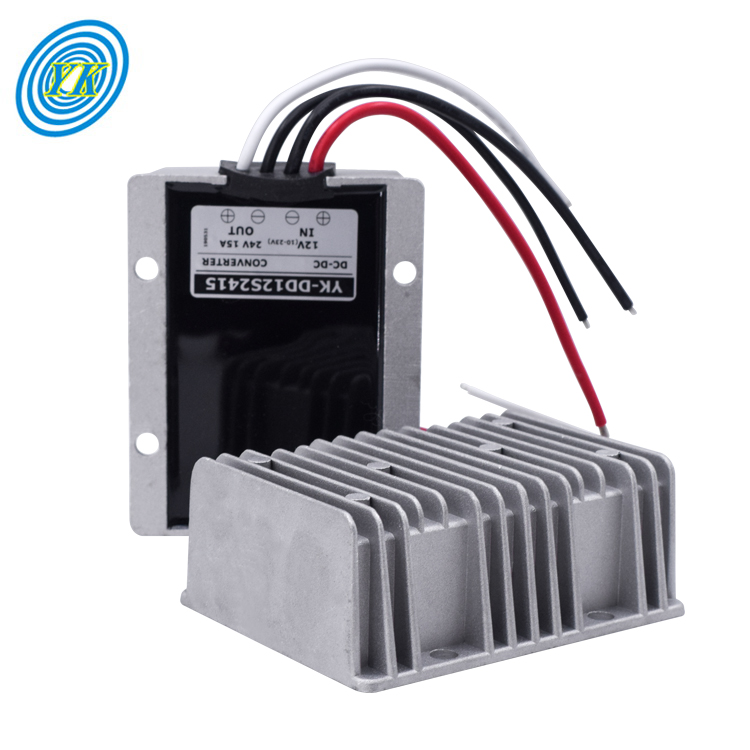
Isolated 48V/60V/72V to 24V DC Step-Down Buck Converter
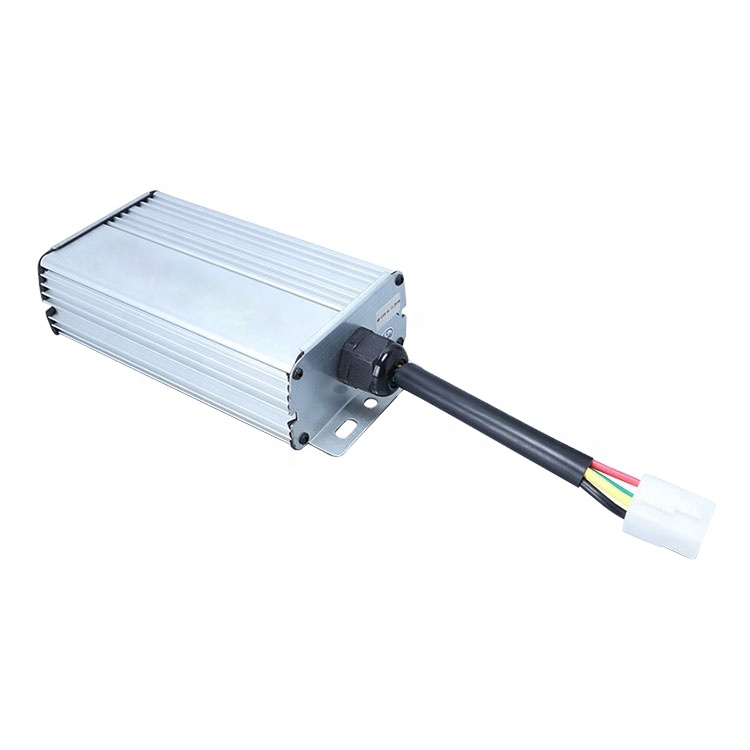
Pure Sine Wave Inverter 12V/24V DC to AC 110V/220V 300W
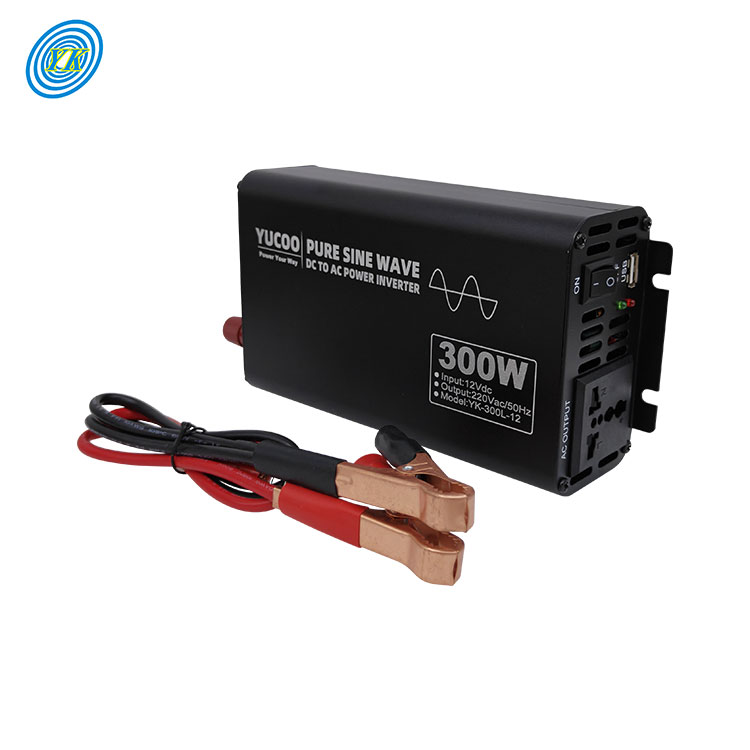
Waterproof IP67 12V/24V to 5V 5A USB Step-Down Regulator
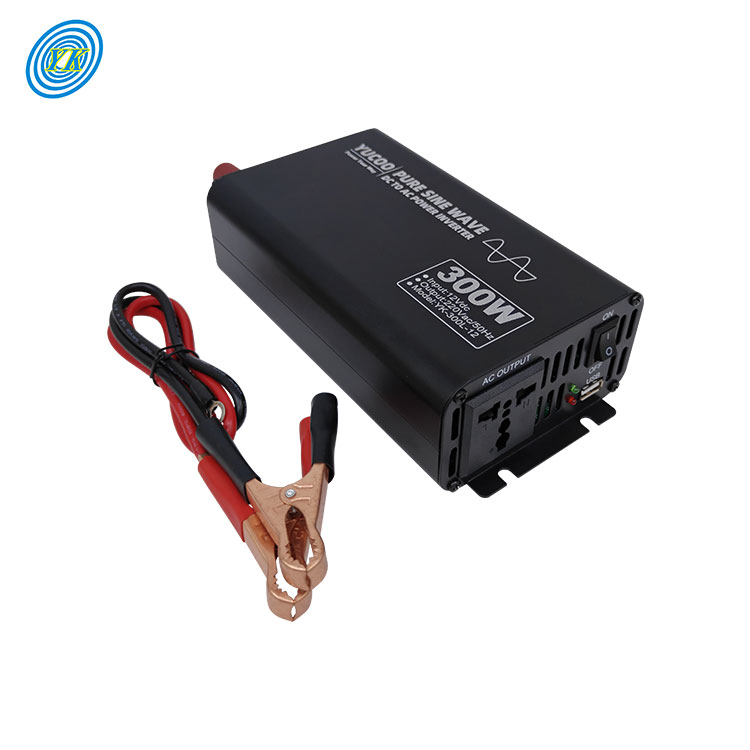
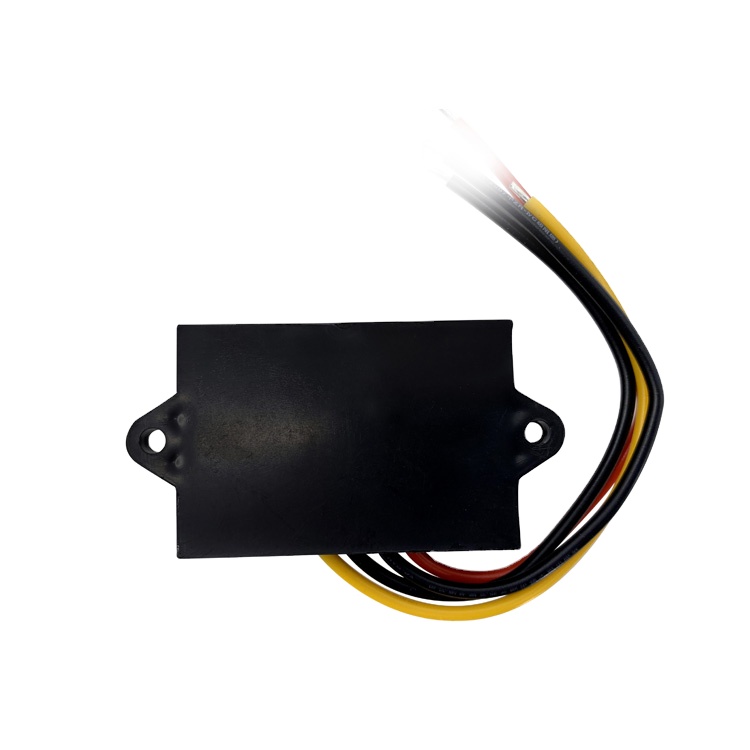
Multi-Input 300W Pure Sine Converter (12V/24V/48V/60V/72V)
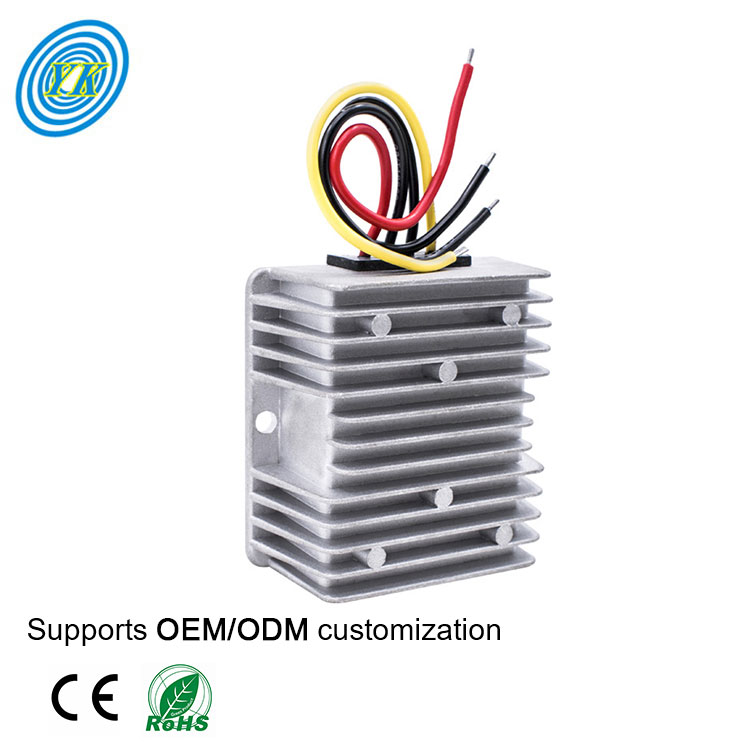
YUCOO Wide Range 24V to 24V 5A 120W DC-DC Stabilizer
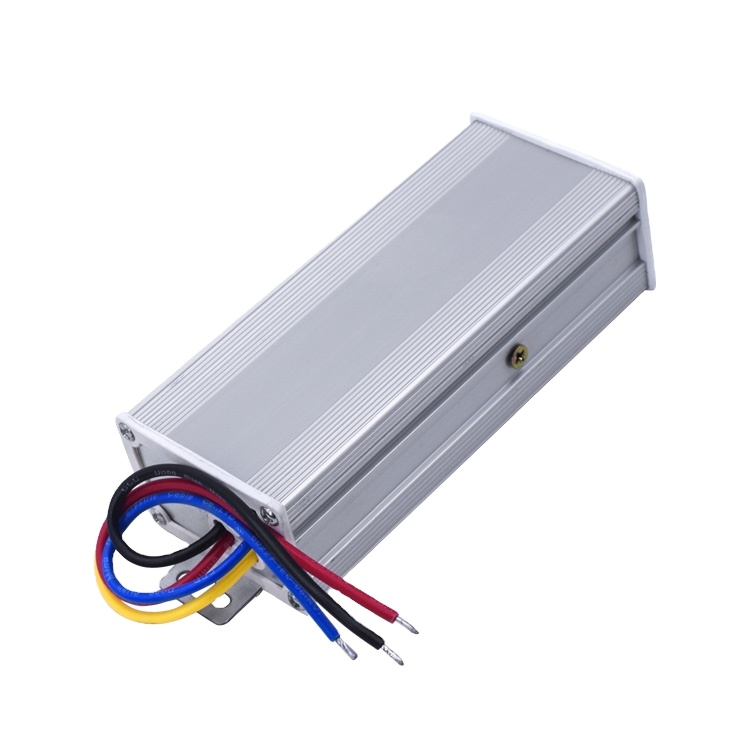
Isolated DC-DC 48V/72V/96V to 24V 2.5A Heavy Duty Converter
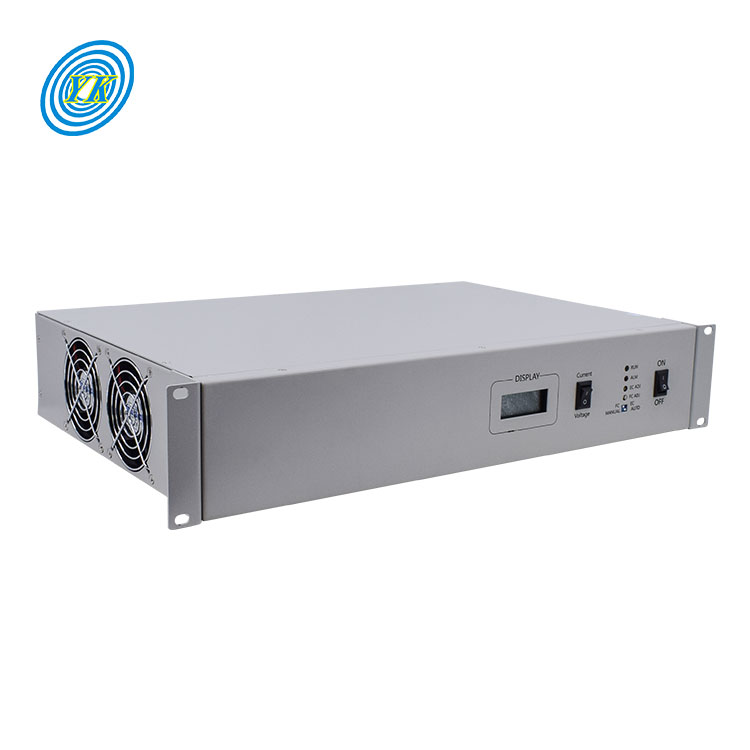
AC to DC Switching Rectifier Power System 110VAC to 24VDC
Engineering Authority & Systemic Resilience
Navigating Sub-Arctic Power Conversion in St. John’s & Labrador
Why standard commercial power electronics fail in Newfoundland’s marine environments and how precision DC stabilization prevents catastrophic brownouts.
Operating mission-critical electrical networks in St. John’s, Newfoundland and Labrador, presents an aggressive convergence of environmental challenges rarely encountered in inland industrial zones. Between sub-zero North Atlantic maritime gales, persistent heavy salt-fog exposure across Conception Bay, and severe battery chemistry sluggishness during freezing winters, unconditioned DC voltage is a primary point of failure. When DC battery arrays drop significantly in effective output due to cold electrolyte impedance, switching converters without expansive low-voltage input tolerances shut down precisely when reliability is paramount.
Whether outfitting emergency vessel navigation clusters at St. John's Harbour, stabilizing off-grid supervisory control and data acquisition (SCADA) systems across rural transmission corridors, or operating heavy subsea exploration instrumentation, system integrators require galvanically isolated, buck-boost synchronous topologies. A standard linear regulator or non-isolated converter exposes sensitive programmable logic controllers (PLCs) and NMEA marine transceivers to inductive kickbacks, ground loop differentials, and high-frequency noise induced by vessel propulsion drives or industrial winches.
Technical Rule of Thumb for Harsh-Environment DC Specifiers: Ensure your step-down or step-up conversion module integrates four-corner potting protection (UL 94V-0 compliant thermal silica) to counter cyclic condensate moisture traps and mechanical shock loads compliant with MIL-STD-810G vibration envelopes.
Ultra-Wide Cold-Crank Tolerance
When battery capacity plummets in sub-zero Newfoundland conditions, starting surges drop 24V banks below 11V. Our wide-band regulators maintain lock-solid rail stability without dropping offline.
Galvanic Floating Grounds
Prevent vessel hull corrosion and ground potential shifts between shore power stations and shipboard electronics using high-breakdown optocoupled isolation (>1.5kV DC minimum).
Active Thermal Equilibrium
Thick-finned ADC12 die-cast aluminum heat-dissipating shells ensure high-efficiency passive cooling without fragile ventilation fans that ingest corrosive salt-spray particles.
Operational Deployment
St. John's Strategic Engineering Application Scenarios
Real-world deployment profiles engineered specifically for Atlantic Canada's core maritime and natural resource infrastructure.
Offshore Supply Vessels (OSV)
Stabilizing 24VDC bridge instrumentation, sonars, and dynamic positioning sensors from the violent voltage spikes created by main generator switching transitions.
Remote Coastal Telecom & Microwave
Regulating variable photovoltaic arrays and dual-string battery storage banks powering critical emergency and cellular repeater sites along rugged coastline hills.
Mining Equipment & Haul Trucks
Stepping down 48V, 72V, or 96V DC traction power to standard 12V/24V outputs to drive GPS logging units, collision-avoidance radar, and telemetry radios without overheating.
Autonomous Oceanographic Gliders
High-density DC buck regulators providing ultra-low ripple voltage to sensitive benthic imaging probes, salinity meters, and satellite uplinks operating in Arctic sea routes.
Specifier Guide
Engineering Parameters: Selection & Operational Matrix
Quick cross-reference guide to select the exact DC conversion architecture matching your electrical bus topology.
| System Architecture | Typical Input Range | Nominal Output | Efficiency Rating | Isolation Level | Primary Industrial Application |
|---|---|---|---|---|---|
| Buck-Boost Stabilizer | 10V – 32V DC | 13.8V / 24V DC Fixed | 94% – 96% | Non-Isolated (Common Ground) | Marine Battery Buffer / Field Radio Rigs |
| Galvanic Buck Converter | 36V – 90V DC | 12V / 24V DC | 90% – 93% | 1500VDC Optocoupler Isolation | Offshore Rigs / Commercial Fleet EV Racks |
| High-Power Boost Converter | 10V – 16V DC | 24V / 48V DC | 92% – 95% | Non-Isolated / Aluminum Housing | Industrial Automation / High-Current Winches |
| Hermetic Epoxy Regulator | 9V – 36V DC | 5V / 9V / 12V DC | 89% – 92% | Fully Encapsulated (IP67) | Harbour Marine Telemetry / Outdoor Sensors |
| 19" Sub-Rack Rectifier | 85V – 264V AC | 24V / 48V DC High-Amperage | 95% | 3000VAC Isolation Barrier | Telecom Central Offices & Satellite Earth Hubs |
Future Horizon
Market & Regulatory Trends Impacting St. John’s Buyers
Strategic forces redefining commercial power procurement across the Canadian eastern seaboard.
1. Rapid Fleet Electrification
Port operations and urban logistics centers in Newfoundland are increasingly deploying high-voltage material handling fleets. Stepping down 80V+ traction banks into clean auxiliary rails for sensors requires high-voltage silicon carbide (SiC) topologies that eliminate parasitic idling losses.
2. Tougher Canadian Marine Standards
Transport Canada safety mandates and stringent insurance guidelines demand that shipboard electrical components present documented CE, FCC Class B, and RoHS certifications. Non-compliant units creating electromagnetic interference with marine radar are facing rapid decommission.
3. Hybrid Clean Microgrids
Remote Atlantic communities are integrating wind and solar arrays into diesel-generator backbones. DC-DC converters act as the critical intermediate regulating heart, buffering erratic energy generation swings before charging sensitive LiFePO4 battery banks.
Manufacturing Rigor Since 2003
Why Engineering Teams Choose Varnix Power Electronics
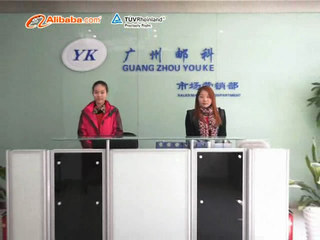
For more than two decades, Varnix Technology Co., Ltd. has established an unyielding reputation for engineering excellence in high-frequency power electronics. Operating an audited 1,229 m² production and testing facility verified onsite by SGS, our 58 certified engineers and technical specialists ensure zero-defect shipment integrity.
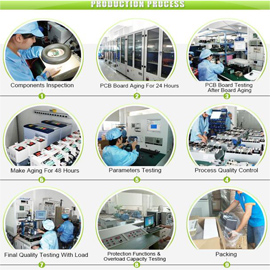
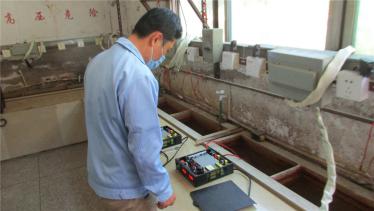
Unlike trading intermediaries, we control every manufacturing milestone across our 10+ dedicated lines: automated surface mounting (SMT), high-precision selective wave soldering, multi-stage environmental testing, and comprehensive 100% full-load aging (burn-in) racks.

Procurement Insights
Frequently Asked Questions: DC Regulators & Local Sourcing
Key technical, regulatory, and logistics answers for procurement managers and system integrators in Atlantic Canada.
How do cold temperatures in Newfoundland affect DC-DC regulator sizing?
Battery internal resistance rises drastically below freezing (0°C to -30°C), resulting in heavy voltage sags under motor or radio transmission loads. When designing for St. John’s applications, we specify wide-input converters (e.g., our 10V–32V input modules for nominal 24V applications) so that severe voltage sags do not trip low-voltage lockouts (UVLO).
Why is galvanic isolation strongly advised for marine installations in St. John’s Harbour?
In harsh marine waters, non-isolated converters share a common negative ground. This common path frequently establishes galvanic ground loops across vessel hulls, causing severe electrolytic corrosion and injecting switching noise into sensitive GPS, echo sounders, and NMEA networks. Our galvanically isolated converters utilize optocouplers and high-frequency transformers to break ground loops entirely.
What protection grades are used to safeguard against coastal salt-fog?
Our converters feature solid silicone or epoxy resin potting within die-cast aluminum enclosures, achieving true IP67 or IP68 hermetic ingress ratings. This completely seals internal inductors, MOSFETs, and control logic away from humid, saline air, preventing copper trace dendrite growth and short circuits.
What is the typical shipping lead time to St. John's, NL?
For rapid requirements, standard items can be dispatched directly from our North American partner warehouse facilities or via DHL/FedEx International Priority air couriers within 4 to 7 business days to St. John’s International Airport (YYT). Bulk container orders travel via standard maritime lanes to Port of Montreal or Halifax, forwarding via intermodal rail/ferry directly into Newfoundland.
Can Varnix manufacture customized output voltages and proprietary connectors?
Yes. As an authentic manufacturer with 23 years of R&D expertise, we offer complete OEM/ODM modifications: custom input/output voltages (e.g., custom 28V military rails, 30V Starlink supplies), specialized terminal blocks, Anderson Powerpole connectors, waterproof cable glands, and customized laser-etched private labels.
How are warranty and quality claims handled internationally?
Every shipment is covered by our formal factory warranty backed by ISO 9001:2015 traceability. With an after-sales response rate exceeding 98.2%, our technical engineering desk resolves project queries within 24 hours. Any component validated as non-conforming is promptly replaced under expedited air shipping terms.
Ready to Architect Your Rugged Power System?
Contact our senior power engineering team today to review your project voltage rails, operating envelopes, and customization specifications for immediate fulfillment.