Precision Power Conversion & DC Regulators for Yangon Infrastructure
Direct-from-manufacturer static frequency conversion units, buck-boost stabilizers, and pure sine wave systems engineered to counteract grid volatility across Yangon Division.
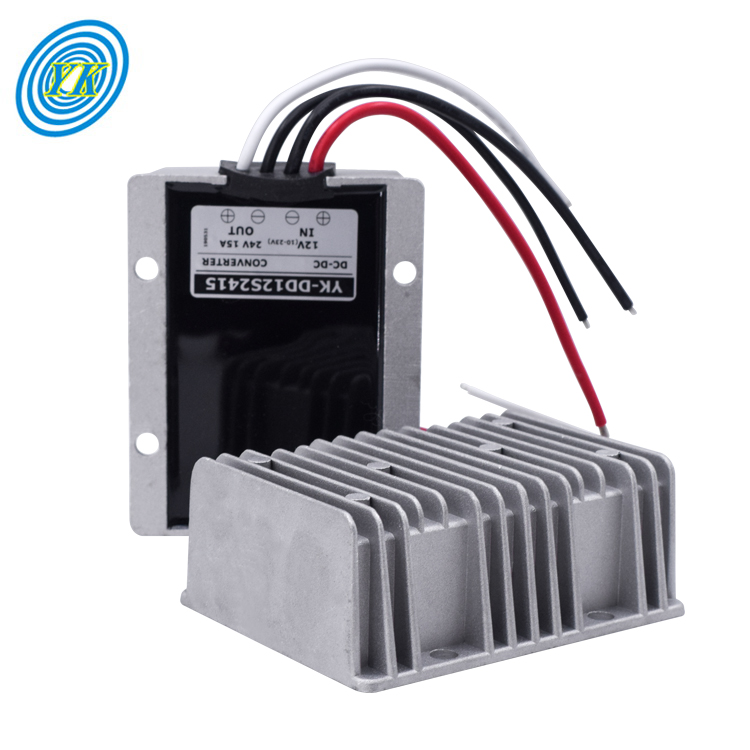
DC Voltage Stabilizer 12V 24V to 13.8V 20A Step up and Step Down Converter
- Input Range: 9V – 36V DC
- Regulated Output: 13.8V DC @ 20A
- Efficiency Rating: ≥ 95% Synchronous Rectification
- Protection: IP67 Waterproof & Anti-Vibration
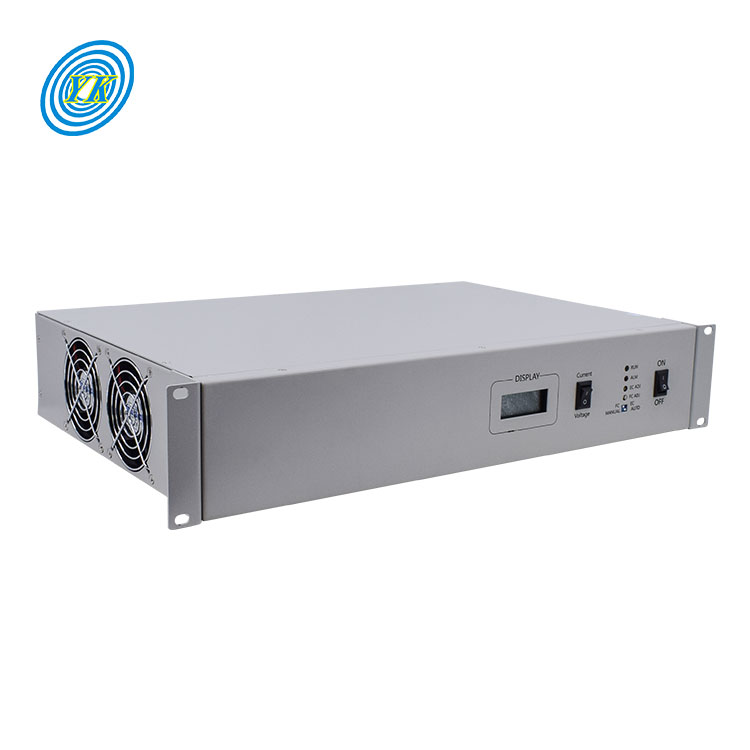
System Rectifier Power 110Vac to 24Vdc 10/20/30/40/50/60/80/100A Switching Power Supply
- Input Voltage: 85V – 264V AC Universal
- Output Current: Scalable Up to 100A DC
- Topology: High-Frequency Switchmode (SMPS)
- Enclosure: 19" 1U/2U Rack Mount Compatible
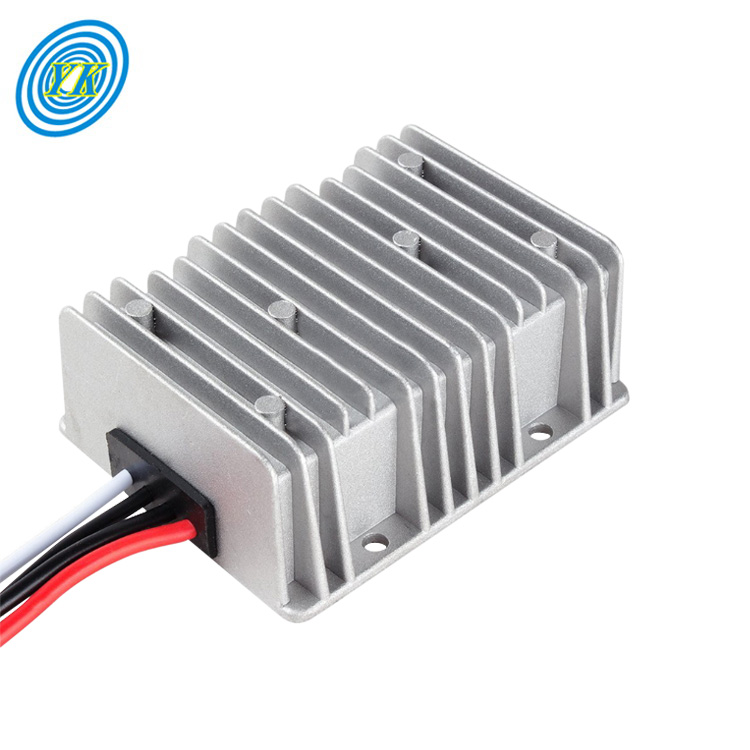
Buck boost Power Converter 8V-40V to 13.8V 15A Dc Voltage Regulator
- Input Span: Ultra-Wide 8V – 40V DC
- Output Parameter: 13.8V DC / 15A (207W)
- Thermal Rating: -40°C to +85°C Industrial
- Housing: Die-cast Aluminum Heat Sink
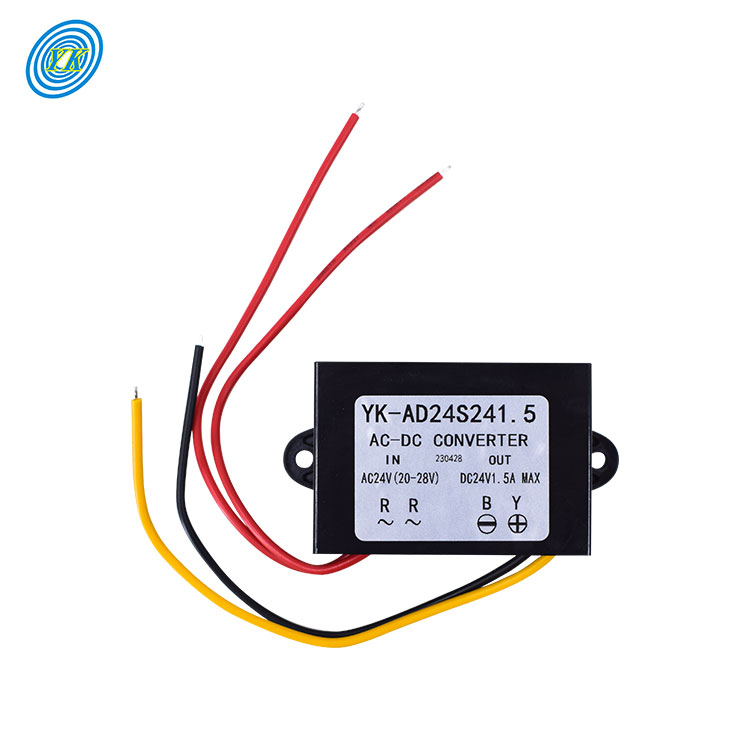
AC 24V to DC 5V 3A Buck Converter Voltage Regulator Power Supply Module
- Input Compatibility: AC 16V – 28V (50/60Hz)
- Output Voltage: DC 5V Constant @ 3A
- Sealing Grade: Epoxy Potted IP68 Waterproof
- Deployment: CCTV, Automation Sensors, IoT
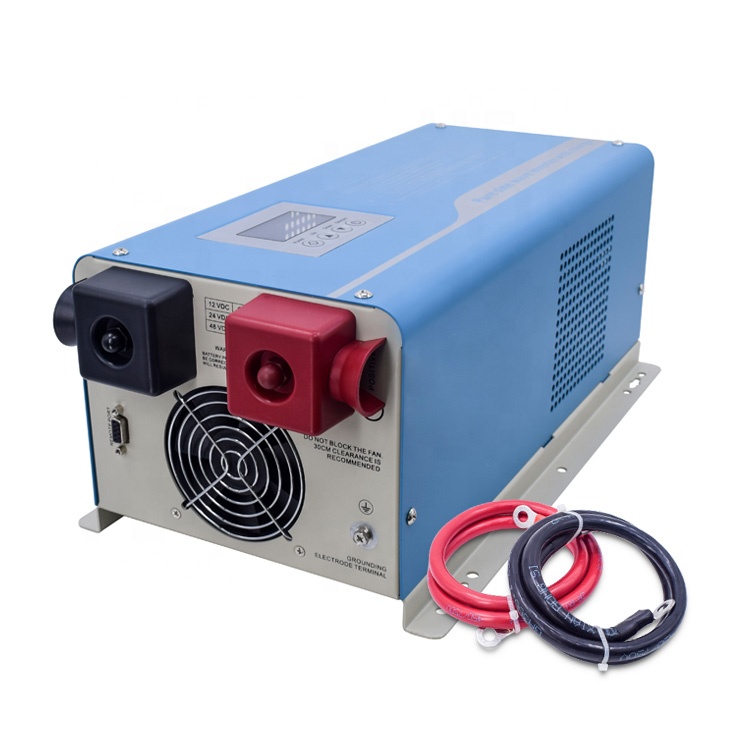
YUCOO Inverter Toroidal Pure Sine Wave Inverter 1500w 12v 220v Inverter
- Core Transformer: Low-Loss Heavy Toroidal Core
- Continuous Load: 1500W Pure Sine (THD < 3%)
- Surge Capacity: 300% Peak Motor Inrush Handling
- Frequency Match: Field Selectable 50Hz / 60Hz
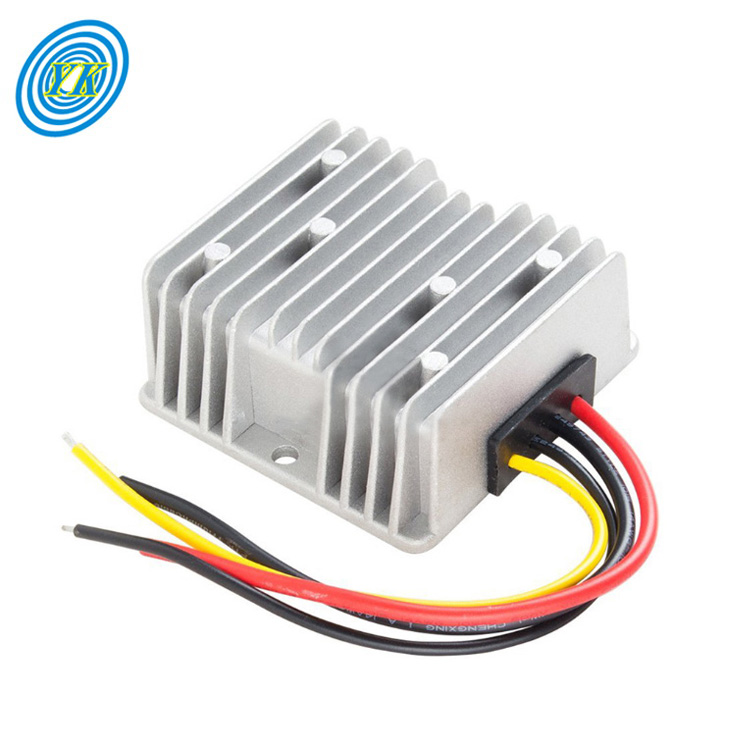
DC-DC Voltage Converter 9-32VDC to 12VDC 12A 144W Step up Down Converter
- Input Spectrum: 9V – 32V DC Continuous
- Regulated Output: 12V DC Steady @ 12A
- No-Load Current: < 25mA Ultra-Low Standby
- Certification: CE, RoHS Certified Architecture
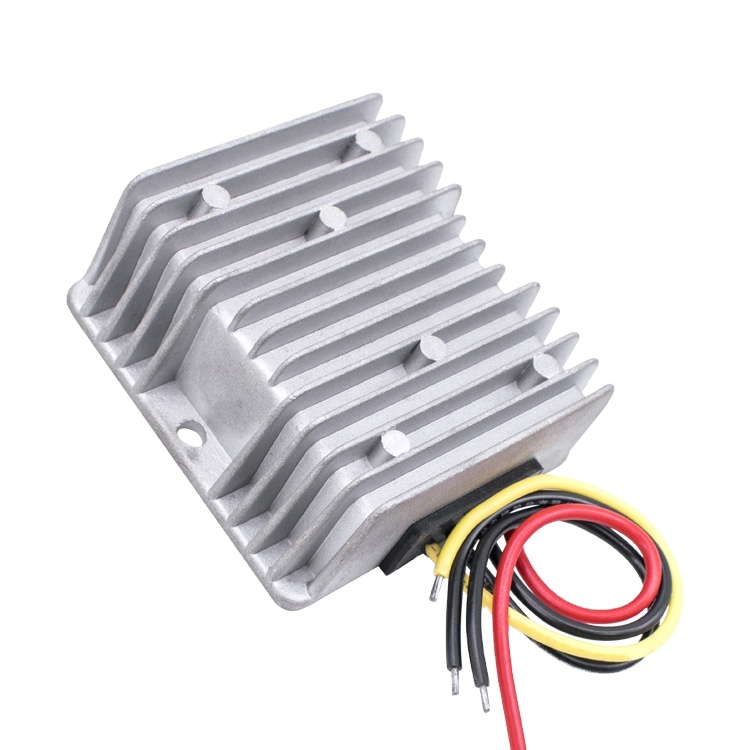
12V 24V to 13.8V 10A Step up Down Dc Dc Converter Voltage Stabilizer
- Nominal Input: Auto-Sensing 12V / 24V Systems
- Fixed Output: 13.8V DC Constant @ 10A
- Thermal Control: Natural Convection Anodized Casing
- MTBF Rating: > 120,000 Operating Hours
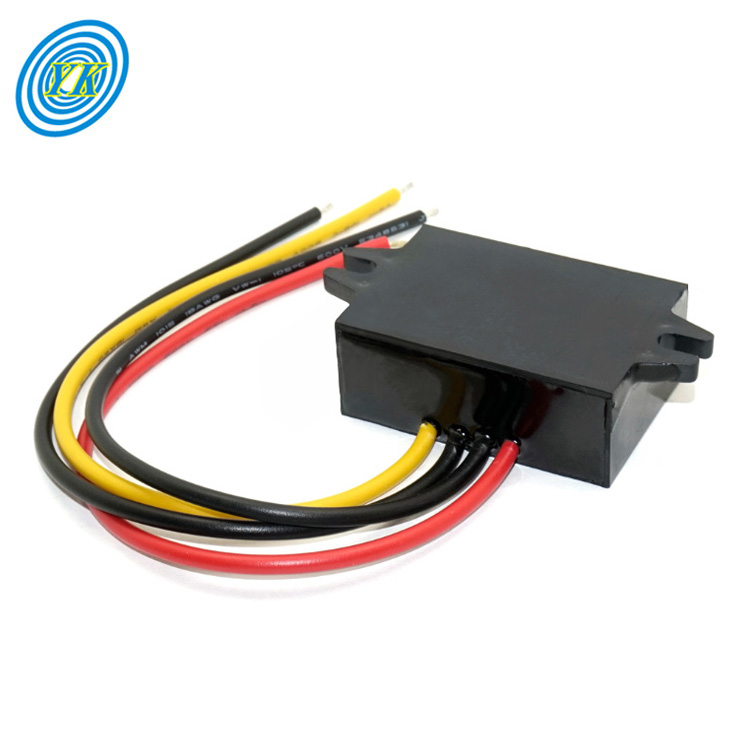
Buck Converter DC-DC 8-35V 12v to 7v 5A Step Down Power Supply Module
- Input Spectrum: 8V – 35V DC Voltage Window
- Regulated Output: 7.0V DC Constant @ 5A (35W)
- Conversion Loss: High Efficiency Synchronous Buck
- Application: Precision Sensors, Actuators, PLCs
Overcoming Yangon's Grid Instability: Static Frequency Conversion vs. Rotary Motor-Generators
Manufacturing plants, port logistics hubs, and processing facilities across the Yangon metropolitan area operate under severe electrical power stress. Sourced through the Yangon Electricity Supply Corporation (YESC) transmission network, line power frequently suffers from extreme voltage dips (undervoltage below 160V on nominal 230V phases), heavy harmonic distortion (THD exceeding 8%), and pronounced frequency drift ranging between 47.5 Hz and 52.8 Hz. These irregularities are exacerbated during peak dry season loads and unplanned load shedding cycles, forcing heavy industrial facilities in Hlaing Tharyar, Mingaladon, and Shwe Pyi Thar to rely continuously on backup diesel gensets.
While captive diesel generators provide emergency power, their mechanical governors exhibit significant frequency hunting under step loads. A 200kW compressor or hydraulic injection motor kicking online causes immediate engine RPM sag, dropping the electrical frequency from a calibrated 50.0 Hz down to 46.5 Hz for multiple seconds. Sensitive micro-electronics, computer numerical control (CNC) machining centers imported from Japan, German automation PLCs, and medical laboratory diagnostics cannot tolerate these frequency deviations without tripping into catastrophic emergency shutdown or accumulating cumulative motor stator insulation breakdown.
Historically, industrial operators in Myanmar relied on rotary motor-generator (M-G) sets to convert 50Hz grid utility into 60Hz power for imported Japanese (200V 60Hz or 460V 60Hz) and North American (480V 60Hz) machinery. However, rotary converters suffer from low efficiency (often under 78%), massive physical footprints, intense acoustic noise, and intensive mechanical bearing lubrication maintenance cycles every 3,000 operating hours. In contrast, Varnix static solid-state converters provide >92% efficiency, zero mechanical wear components, negligible noise, and instantaneous electronic short-circuit protection within 2 microseconds.
Mission-Critical Power Deployment Across Greater Yangon
Custom-tailored frequency and voltage adaptation profiles engineered for the unique operational environments of Myanmar's premier industrial and infrastructure hubs.
Thilawa SEZ: 60Hz/460V Precision Machining
Within the Thilawa Special Economic Zone (SEZ), multinational Japanese, Taiwanese, and South Korean manufacturing consortia frequently import high-precision automated manufacturing equipment, SMT lines, and robotic arms configured exclusively for 60Hz nominal operation. Running 60Hz magnetic inductors, servo motors, and spindle chillers on Myanmar's native 50Hz system creates core magnetic saturation, extreme overheating, and reduced rotational RPM. Our 3-phase static frequency converters convert native 50Hz 400V supplies into clean, galvanically isolated 60Hz 200V/460V power, preventing thermal tripping and protecting equipment warranties.
Yangon River Port Terminals: Shore-to-Ship Power
At Myanmar International Terminals Thilawa (MITT) and Yangon Inner Harbor (Sule and Bo Aung Kyaw Wharves), international commercial shipping vessels, offshore supply vessels (OSVs), and refrigerated reefer container vessels require reliable 440V 60Hz shore power while berthed to run shipboard auxiliaries without running bunker fuel auxiliary engines. Varnix marine-grade static frequency converters synthesize 50Hz land utility into pristine 60Hz marine grid power, featuring RINA/marine conformal coating, anti-saline corrosion finishes, and IP54 forced-air ventilation enclosures.
Hlaing Tharyar & Shwe Pyi Thar: Industrial Automation
As the epicenter of Myanmar's garment, textile, and injection molding manufacturing, Hlaing Tharyar Industrial Zone suffers the highest concentration of localized voltage sags and grid switching transients. Heavy inductive loads operating alongside high-speed automated sewing machines, pneumatic cutters, and ultrasonic welders demand strict 24VDC/13.8VDC auxiliary sensor stability and pure sinusoidal AC power. Our industrial toroidal inverters and wide-range DC buck-boost regulators isolate plant control cabinets from severe genset frequency hunting during abrupt utility-to-diesel transfers.
Architecture Selection Matrix for Myanmar Facilities
Comparative technical analysis between different power conversion topologies deployed across Yangon industrial environments.
| Performance Metric | Varnix Solid-State Static Converter | Traditional Rotary M-G Set | Basic Variable Frequency Drive (VFD) |
|---|---|---|---|
| Output Frequency Precision | ±0.01 Hz (Crystal Oscillator Controlled) | ±1.5 Hz to 2.5 Hz (Dependent on Motor Slip) | Variable (±0.5 Hz, Inadequate for Pure Utility) |
| Output Voltage Waveform | Pure Sine Wave (THD < 2.5% Linear Loads) | Pure Sine Wave (Mechanical Induction) | PWM Quasi-Square Wave / High dV/dt Spikes |
| Conversion Efficiency | 92% – 95% at Rated Capacity | 74% – 82% (High Kinetic Friction Losses) | 94% – 97% |
| Galvanic Isolation | Built-in Low-Loss Isolation Transformer | Inherent Physical Shaft Air Gap | None (Direct High Voltage DC Bus Coupling) |
| Grid Frequency Tolerance | 40.0 Hz – 70.0 Hz Wide Input Immunity | Strict Narrow Band (Requires Constant 50Hz) | 45.0 Hz – 65.0 Hz |
| Maintenance Overhead | Zero Mechanical Parts; Annual Filter Cleaning | Quarterly Greasing, Bearing Replacement, Alignment | Capacitor Bank Replacement at 5-7 Years |
| Audible Noise Profile | < 58 dBA at 1 Meter (Acoustic Damping) | 85 – 102 dBA (Severe Industrial Noise Pollution) | < 65 dBA |
Market Shifts: The Rise of BESS Integration and Microgrid Hybridization in Yangon
The landscape of commercial and industrial power in Myanmar is undergoing a structural paradigm shift. Escalating diesel fuel prices in Yangon, combined with strict supply quotas, have rendered diesel-only continuous operation economically unsustainable for energy-intensive sectors like cold storage, food processing, and automotive assembly. Forward-thinking facility managers are increasingly implementing Hybrid Microgrids combining rooftop Solar PV arrays, Lithium Iron Phosphate (LiFePO4) Battery Energy Storage Systems (BESS), and existing generator capacity.
In these advanced hybrid environments, Varnix Static Frequency Converters and Pure Sine Wave Inverters act as the essential synchronizing bridge. Operating as bidirectional grid-forming or grid-following conditioning hubs, our systems seamlessly absorb volatile DC inputs ranging from 48V to 600V DC or fluctuating AC generator inputs, outputting steady 50Hz 400V or 60Hz 460V power with near-zero harmonic injection. Furthermore, by incorporating our high-efficiency switchmode rectifiers and buck-boost modules, telecom base transceiver stations (BTS) throughout Yangon Division can charge centralized battery banks rapidly during intermittent 4-hour grid availability windows without blowing primary bridge rectifiers.
Why Engineering Teams Serving Yangon Partner with Varnix
Backed by 23 years of specialized power conversion manufacturing, SGS onsite verification, and complete in-house testing pipelines.
Tropicalized Conformal Coating
All internal PCB assemblies receive dual-layer conformal silicone varnish protection, engineered specifically to resist Yangon's extreme 95% relative humidity and mold development during the southwest monsoon season.
100% Full-Load Burn-In Racks
Zero escaped defects: Every converter, inverter, and rectifier undergoes a rigorous 24-hour high-temperature, full-load burn-in aging test inside our 1,229 m² factory floor before export crating.
Custom Voltage & Enclosure Engineering
Full OEM/ODM capacity to accommodate Myanmar plant requirements: 3-phase 380V/400V/415V/440V/460V/480V inputs and outputs, NEMA/IP ratings, remote RS485/Modbus RTU monitoring, and customized cabinet dimensions.
Export Documentation & Support
Complete compliance packages for smooth Myanmar Customs (MACCS) clearance: Certificates of Origin (Form E eligible), ISO 9001:2015 traceability, CE/RoHS test verification, and factory inspection reports.
Frequently Asked Questions by Industrial Buyers Serving Yangon
Key technical, logistical, and operational considerations when importing and deploying frequency conversion systems in Myanmar.
Why can't I just use a standard Variable Frequency Drive (VFD) to power my imported 60Hz machinery in Yangon?
How do your converters handle the severe genset frequency hunting common in Myanmar industrial zones?
What cooling and enclosure modifications are implemented for Yangon's hot, humid climate?
What shipping terms, port destinations, and lead times apply for orders destined for Yangon?
How do I correctly size a frequency converter for mixed factory loads with inductive startup currents?
Can Varnix units communicate with our central factory SCADA or building management systems?
Speak with a Power Conversion Engineer for Your Yangon Facility
Whether you are commissioning an imported automated production line in Thilawa SEZ, upgrading telecom tower rectifiers across Yangon Division, or stabilizing shore-to-ship power along the Yangon River, our senior technical team is ready to analyze your electrical single-line diagram (SLD) and provide a custom-engineered proposal.